Overview of Live Streaming Productions
Live streaming productions have revolutionized the way events, businesses, and audiences connect in Miami. These productions encompass the real-time transmission of video and audio content over the internet, allowing viewers to experience events as they happen, no matter their physical location. From corporate seminars and product launches to concerts and community gatherings, live streaming offers an immediate, interactive platform that enhances engagement and broadens reach.
In the bustling Miami market, the demand for professional live streaming services continues to grow. This increase is driven by the need for high-quality broadcast standards, seamless viewing experiences, and the ability to connect diverse audiences across the globe. Whether an organization seeks to host a virtual conference or showcase a performance to international viewers, effective live streaming solutions are crucial for achieving these objectives.
High-quality live streaming productions provide more than just visual content—they serve as strategic tools for brand visibility, customer engagement, and audience expansion. They also allow for detailed analytics and data collection, helping businesses refine their outreach efforts. In Miami, where entertainment and business intersect frequently, professional live streaming ensures that every event is accessible, engaging, and professionally managed, elevating the overall experience for hosts and viewers alike.
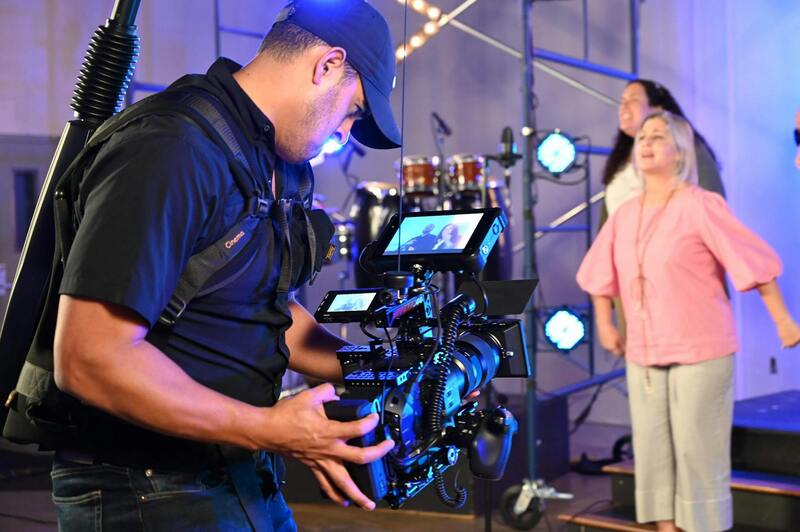
Given the vibrant and diverse nature of Miami’s event scene, professional live streaming productions are integral for delivering polished, compelling content that resonates with local and international audiences. Ensuring smooth execution, professional audio-visual production, and reliable transmission are key elements that define the success of these broadcasts, making them a valued component of modern event management.
As technology advances, the scope of live streaming productions continues to expand, offering new opportunities for innovation and audience interaction. From immersive multi-camera setups to integrated social media platforms, the options for engaging viewers are continually evolving, underscoring the importance of trusted, experienced production teams to manage these complex processes.
Key Components of Live Streaming Services
Ensuring a seamless live streaming experience involves a combination of advanced hardware, sophisticated software, and a robust internet infrastructure. Each element plays a vital role in delivering crisp video and clear audio, minimizing latency, and providing an uninterrupted viewing experience. The integration of these components demands meticulous planning and execution by experienced production teams.
Hardware Requirements
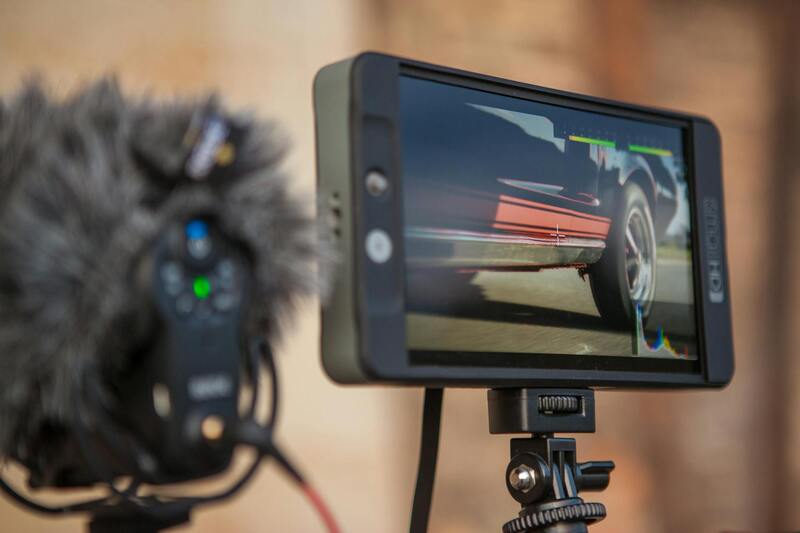
- Cameras: High-definition cameras capable of capturing clear visuals under various lighting conditions are essential. For large venues or outdoor settings, PTZ (pan-tilt-zoom) cameras offer flexibility and remote control.
- Audio Equipment: Professional-grade microphones, mixers, and audio interfaces ensure that sound quality remains pristine, even in noisy environments.
- Streaming Encoders: Devices that convert the raw video signal into a digital format suitable for online transmission. Hardware encoders are preferred for their reliability and low latency.
- Switchers and Monitors: Multi-input switchers facilitate seamless transitions between different camera feeds, while professional monitors assist in real-time quality assessment.
Software Solutions
- Streaming Platforms: Use of reputable platforms or dedicated streaming software allows for customizable layouts, multi-camera switching, and real-time graphics integration.
- Encoding Software: Software encoders provide flexibility for complex streams, such as multi-angle feeds or overlay graphics, ensuring a polished presentation.
- Analytics Tools: Integrated analytics enable real-time monitoring of viewership patterns and engagement metrics, aiding in post-event evaluation and future planning.
Internet Connectivity
- Bandwidth: A stable, high-bandwidth internet connection is critical to prevent buffering and interruptions. Ideally, upload speeds should vastly exceed the stream’s bitrate.
- Redundancy Measures: Backup internet options, such as dual connections or dedicated fiber lines, mitigate risks associated with connectivity failures.
- Network Optimization: Ensuring minimal network congestion and secure, firewall-protected connections help maintain consistent transmission quality.
Additional Considerations
Environmental factors, such as lighting, acoustics, and venue layout, influence equipment selection and camera placement. Proper rehearsal and technical checks are crucial for identifying potential issues and refining the setup prior to the live event. Partnering with professionals who possess both technical expertise and creative vision guarantees a production that meets high standards of quality and viewer engagement.
Key Components of Live Streaming Services
Implementing successful live streaming productions requires a comprehensive understanding of several core technical components. The backbone of any high-quality live stream hinges on robust hardware, reliable internet connectivity, and adept software solutions capable of managing multiple data streams seamlessly. These elements work together to ensure a smooth, engaging experience for viewers, whether broadcasting a corporate seminar, a live concert, or a sports event.
Hardware Equipment
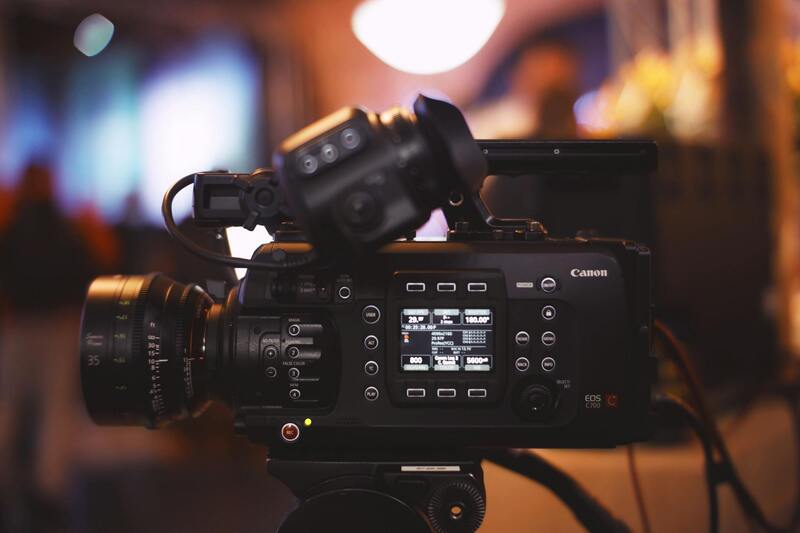
Premium production starts with selecting the right hardware. This includes multiple high-definition cameras capable of capturing different angles, professional-grade microphones for clear audio, and dedicated hardware switchers to facilitate smooth transitions between shots. Video switchers and video mixers enable real-time editing, ensuring the final broadcast appears polished and engaging. Additionally, quality monitors and encoding devices are essential for real-time previewing and stream management.
Software Solutions
Specialized software plays a pivotal role in live streaming, providing the tools needed to optimize content delivery. Reliable streaming encoders convert raw video and audio feeds into digital formats compatible with online platforms. Some software solutions support multi-camera switching, real-time overlays, and graphics, enhancing viewer engagement. Analytics features integrated within these platforms track viewer interactions, enabling producers to make data-driven decisions during the event.
Streaming Platforms and Delivery
Partnership with established streaming platforms or dedicated software allows for customization of broadcast layouts, inclusion of interactive elements, and multi-stream distribution. Cloud-based services often provide scalability, accommodating fluctuating viewer numbers without compromising quality. Efficient content delivery networks (CDNs) distribute streams across global regions, reducing latency and buffering issues, ensuring audiences worldwide have a seamless viewing experience.
Internet Connectivity and Network Stability
A stable, high-bandwidth internet connection is vital for maintaining stream integrity. Upload speeds should typically be several times higher than the stream’s bitrate to prevent buffering or drops. Redundancy measures, such as secondary internet connections or fiber lines, safeguard against interruptions, especially during large or critical live events. Network optimization, including minimal congestion and firewalled security, further enhances transmission reliability.
Environmental and Venue Considerations
Aside from technical setup, environmental factors significantly influence production quality. Adequate lighting, proper acoustics, and strategic camera placement based on venue layout contribute to a professional presentation. Conducting technical rehearsals confirms equipment functionality and helps identify potential issues that can be addressed before the actual broadcast. Working with experienced production teams ensures all elements come together cohesively for a high-standard live stream.

The Importance of Professional Expertise
Partnering with seasoned production agencies in Miami can significantly elevate the quality of live streaming events. These professionals bring technical know-how and creative insight, ensuring the content is visually appealing, technically sound, and properly coordinated. Their experience guarantees that each stage of the production process—from pre-event planning to real-time execution and post-event analysis—is managed efficiently and effectively, providing clients with a seamless viewing experience for their audiences.
Production and Broadcast Execution
Executing a live streaming production requires meticulous coordination of multiple technical and creative elements. During the broadcast, the production team manages camera feeds, integrates graphics or overlays, monitors audio levels, and ensures seamless switching between different video sources. High-quality encoding equipment plays a pivotal role in maintaining optimal streaming performance, balancing video quality with bandwidth constraints. The use of professional streaming platforms and content delivery networks (CDNs) ensures that the live feed reaches viewers across diverse geographic locations without significant latency or buffering issues.
Real-time monitoring is essential during live broadcasts to promptly address any technical anomalies. Production coordinators oversee the entire operation from control rooms equipped with mixing consoles, video switchers, and communication systems that facilitate instant decision-making. Clear communication channels among the crew members ensure quick responses to unforeseen circumstances, minimizing disruptions. Adequate redundancy setups, such as backup internet connections and alternative power sources, safeguard the broadcast’s integrity, especially during high-stakes events.
In addition to technical precision, visual storytelling remains critical. Carefully curated camera angles, synchronized with well-timed cues from directors, help convey the intended message and engage viewers. Sound quality is equally vital; expert audio mixing ensures clear narration, music, and ambient sounds are balanced, contributing to an immersive viewing experience. Proper lighting and set design, aligned with the production’s aesthetic standards, enhance overall presentation quality, making the stream appear polished and professional.
Effective management of viewer interaction, such as live chat moderation or instant polling, enhances audience engagement, fostering a sense of community and participation. Data analytics tools can be employed to monitor viewer metrics during the broadcast, providing insights into audience behavior and preferences. Such information informs future production strategies, enabling continuous refinement and improved viewer retention.
Utilizing high-grade streaming hardware, such as professional encoders, switchers, and broadcasting software, combined with rigorous pre-broadcast testing, ensures a smooth transition from preparation to execution. Prior rehearsals help identify potential issues with camera positioning, audio levels, or internet stability. Skilled production teams, with experience managing live events of varying scales, provide the expertise necessary to handle the complexities involved, ultimately delivering a seamless and impactful live streaming experience for clients and audiences alike.
Legal Requirements and Best Practices for Live Streaming Productions
Successful live streaming productions depend not only on technical prowess but also on strict adherence to established rules and best practices that govern content broadcasting. It is essential for production teams to utilize standardized, authorized methods to ensure the integrity and quality of the stream. These methods include securing broadcast licenses, obtaining necessary permissions for copyrighted material, and adhering to platform-specific guidelines. This compliance guarantees smooth operation without interruptions or content removal, thereby safeguarding the reputation of the streaming organization.
Utilizing licensed streaming software and hardware is fundamental. Certified encoders and streaming platforms offer reliability and security, maintaining data integrity throughout transmission. When handling sensitive or proprietary content, employing encrypted channels and secure authentication protocols is vital to prevent unauthorized access and preserve confidentiality.

It is also critical to implement clear content moderation policies, especially when engaging with live audiences. Employing moderation tools and trained personnel helps manage viewer interactions, prevent incidents of inappropriate conduct, and maintain a positive environment. Properly managing intellectual property rights, such as obtaining rights for music, visuals, or branded content, further reinforces a professional production approach.
For organizations aiming to establish a consistent and high-quality live streaming presence, partnering with certified and reputable service providers can make a significant difference. These providers possess the experience and legal compliance measures necessary to navigate the complex landscape of live content broadcasting. Regular audits and updates to streaming practices ensure ongoing adherence to evolving regulations and standards, reinforcing the credibility and reliability of the production.

Finally, meticulous documentation of production processes, permissions, and licensing agreements supports transparency and operational accountability. This practice minimizes the risk of violations and positions the production team as a responsible entity in the digital broadcasting space. By prioritizing these official methods, live streaming productions maintain their reputation, deliver high-quality content, and foster trust with audiences and stakeholders.
Overview of Live Streaming Productions
Live streaming productions have become an essential component for organizations seeking to reach their audiences in real-time, offering an immersive and interactive experience. These productions involve a combination of technical expertise, creative planning, and adherence to established broadcasting standards to ensure that the streamed content maintains high quality, reliability, and professionalism. Whether broadcasting industry events, corporate seminars, or cultural performances, the process requires a structured approach that encompasses everything from content development to delivery. Utilizing official methods ensures the consistency and credibility of live streams, which is vital for maintaining viewer trust and engagement.
Key Components of Live Streaming Services
To execute a successful live streaming production, several fundamental components must be addressed. These include quality hardware, robust internet connectivity, and sophisticated software solutions. Professional hardware such as high-definition cameras, audio mixers, and workstations for live editing are essential for creating clear, visually appealing streams. Reliable internet connections with sufficient bandwidth avoid interruptions and lag, fostering a seamless viewing experience. The use of licensed streaming platforms and encoding software guarantees compliance with content delivery standards and allows for features like multi-camera switching, graphics overlays, and real-time chat moderation.

Types of Live Streaming Content
Different content types demand tailored approaches in production. Common categories include:
- Corporate Events: Conferences, product launches, and webinars that enhance brand visibility and stakeholder communication.
- Educational Programs: Live classes or workshops aiming to reach diverse audiences with interactive capabilities.
- Entertainment Shows: Concerts, theater performances, and festivals that seek to deliver immersive experiences to remote viewers.
- Religious Services: Church services, spiritual gatherings, and ceremonies broadcast to congregants unable to attend physically.
Planning and Pre-production for Live Streams
Effective planning forms the backbone of professional live streaming. This preparation phase involves defining the objectives, identifying the target audience, and selecting suitable content and formats. Developing a comprehensive script or outline ensures that key messages are conveyed coherently and efficiently. Technical considerations include choosing the right locations, securing necessary permissions for locations and content, and preparing all equipment to prevent technical failures during the broadcast. Moreover, creating contingency plans for potential issues, such as internet outages or hardware malfunctions, is critical. Careful coordination with all stakeholders and establishing a schedule helps streamline the production process and ensures a smooth execution.
Production and Broadcast Execution
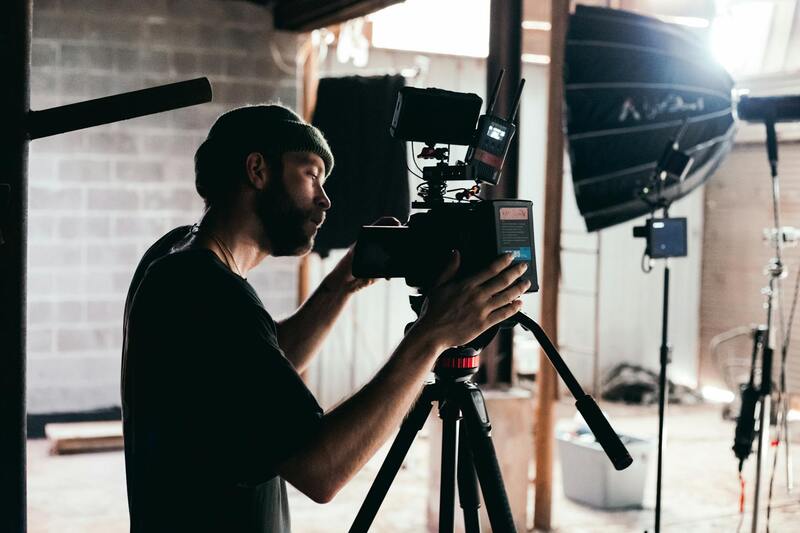
During live broadcast, the technical team manages camera switches, audio levels, and visual overlays to deliver a polished presentation. Maintaining strict quality control involves monitoring stream health metrics continuously, ensuring stable encoding and transmission. Professional operators also manage real-time interactions, including viewer comments and questions, which can enhance engagement but require moderation to prevent disruptive behavior. The use of official streaming platforms, whether dedicated enterprise solutions or licensed third-party providers, guarantees that the broadcast complies with transmission standards and that all content rights are respected. Additionally, security protocols must be implemented to safeguard the stream against unauthorized access or cyber threats.

Proper execution extends beyond technical aspects; it includes clear communication with all team members, adhering to schedules, and troubleshooting any unforeseen issues promptly. Having a dedicated production crew ensures that each aspect, from camera operation to live graphics, aligns with the overall vision and maintains the professional standard expected in official live streaming productions, further solidifying the production's reputation for quality.
Understanding the Legal Frameworks and Compliance in Live Streaming Productions
For organizations and content creators aiming to deliver live streaming productions that are both effective and responsible, adherence to established legal standards and proper licensing protocols is essential. Ensuring that all media content—be it visual, audio, or digital assets—complies with intellectual property rights and broadcasting regulations helps prevent potential disruptions or sanctions. Collaborating with authorized content providers and using licensed software tools form the backbone of a credible live streaming operation.
Utilizing licensed streaming platforms provided by reputable service providers guarantees access to secure, high-quality transmission channels. These platforms often come equipped with built-in measures to manage content rights, restrict unauthorized access, and ensure stream integrity. Such official channels also allow for integrated audience analytics, security features, and content moderation tools which are critical when managing live content responsibly.

Licensing and Rights Management
- Content Licensing: Securing the appropriate licenses for music, videos, and other media ensures that all elements within the live stream are used legally. This includes licensing for copyrighted music, images, and branded content that might appear during the broadcast.
- Platform Certification: Employing streaming services that hold proper certifications and adhere to broadcast standards guarantees content delivery within a compliant environment. Certified services often implement encryption and data protection measures that safeguard both data and viewer privacy.
- Clear Permissions: Obtaining explicit permissions from content owners before airing proprietary content prevents copyright infringement and legal complications. Documentation of these permissions is crucial for evidencing due diligence.
Technical Compliance and Security Standards
- Stream Quality and Signal Integrity: Official streaming solutions offer reliable infrastructure to maintain consistent quality, preventing interruptions and buffering issues that could undermine professionalism.
- Cybersecurity Protocols: Implementing robust security measures protects against unauthorized access, cyber attacks, or hijacking attempts. These protocols include end-to-end encryption, secure login procedures, and continuous monitoring.
- Data Privacy Regulations: Adhering to regional and international data privacy laws—such as GDPR or CCPA—is crucial, especially when collecting viewer data or interacting in real-time.
Documented Policy and Compliance Checks
Maintaining comprehensive documentation—including consent forms, licensing agreements, and compliance audits—is fundamental to fostering transparency and accountability in live streaming operations. Regular reviews of these policies ensure ongoing adherence to evolving standards and statutes.
By focusing on legally compliant procedures and official transmission methods, producers fortify the credibility of their live streaming productions, build trust with their audiences, and uphold their reputation within the industry.
Advanced Techniques and Best Practices for Live Streaming Productions
Developing a professional and seamless live streaming experience requires adherence to established procedures and the application of advanced technical methods. Ensuring high-quality broadcasts involves meticulous planning, robust infrastructure, and continuous monitoring. Implementing adaptive bitrate streaming is especially critical; it automatically adjusts video quality based on the viewer’s internet speed, reducing buffering and enhancing viewer satisfaction. Moreover, integrating redundancy systems, such as backup encoders and multiple data pipelines, safeguards against potential technical failures, maintaining broadcast continuity even in adverse conditions.

Utilizing Content Delivery Networks (CDNs) is essential for distributing streams efficiently across diverse geographical regions. CDNs replicate broadcast data across multiple servers, decreasing latency and ensuring smooth playback regardless of viewer location. To optimize this system, it's important to partner with established CDN providers that offer real-time analytics, enabling operators to monitor performance metrics and swiftly address any issues that arise during the broadcast. Implementing multi-platform streaming strategies ensures that content reaches the widest possible audience. This involves transmitting simultaneously to social media platforms, dedicated websites, and proprietary apps. Such diversification not only maximizes visibility but also provides multiple channels for viewer interaction, which is critical for engagement metrics and audience growth.

Security remains a fundamental element in live streaming operations. Secure transmission protocols, such as Secure Real-Time Protocol (SRTP), prevent unauthorized interception of live data. Additionally, robust user authentication mechanisms, including multi-factor authentication, limit access to stream management interfaces to authorized personnel only. Encryption of on-screen content and transmitted data further safeguards against piracy or malicious interference. Quality control throughout the broadcast process involves continuous monitoring of audio-visual synchronization, stream stability, and latency metrics. Employing professional-grade monitoring tools enables real-time adjustments, ensuring the broadcast maintains the highest standards. These practices reduce the risk of quality deviations that could impair professionalism or viewer experience.
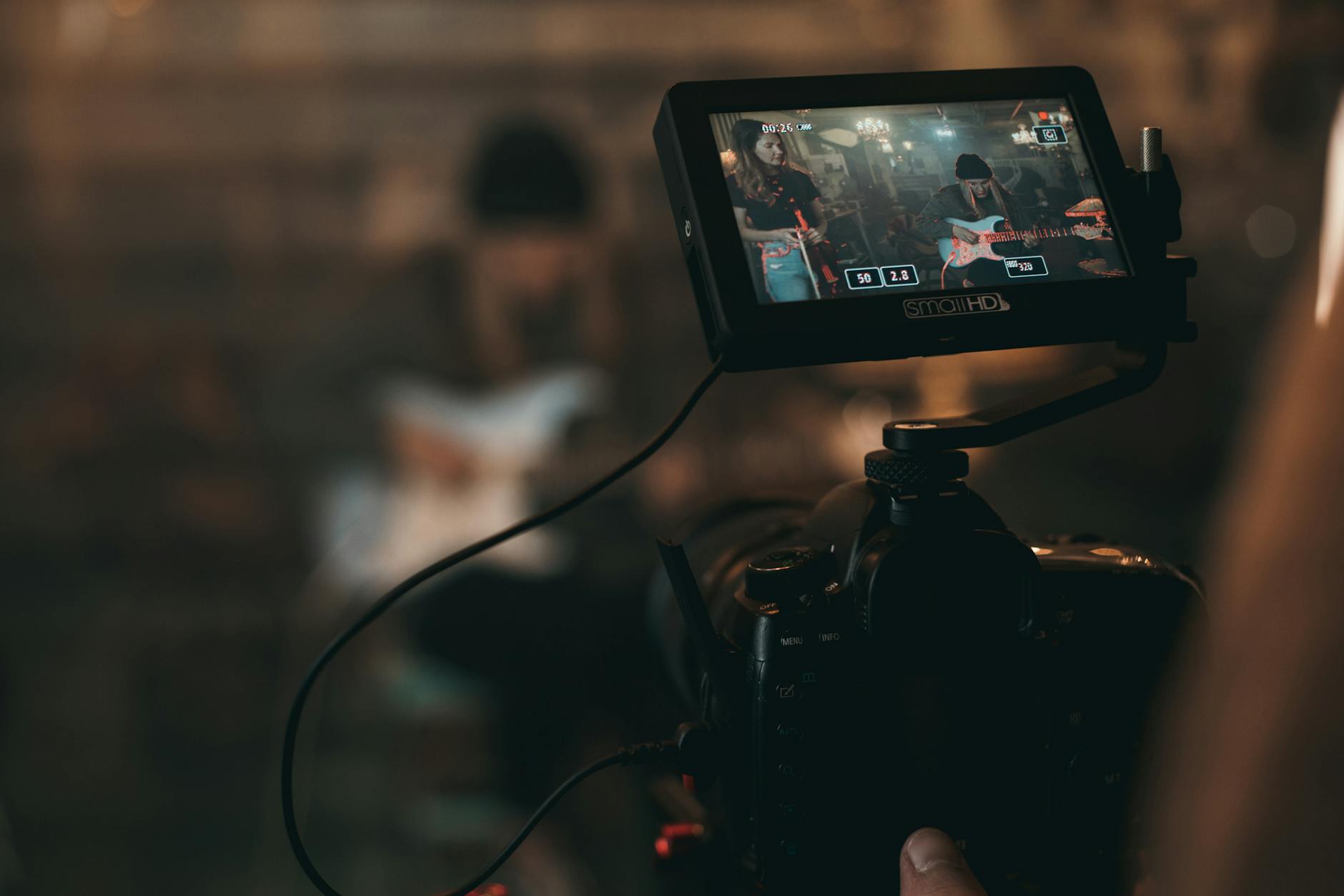
Post-broadcast activities are vital for assessing performance and planning future productions. Detailed analytics, including viewer counts, engagement levels, and technical performance data, provide insights into audience behavior and content effectiveness. This data guides strategic decisions, allowing for refined content production, targeted marketing, and improved viewer retention. Engagement extends beyond the live event. Publishing recorded streams on demand, accompanied by interactive elements such as comments or Q&A sessions, sustains viewer interest and fosters community building. Feedback collection through surveys or direct interactions also informs continuous enhancements, aligning content and production quality with audience expectations.
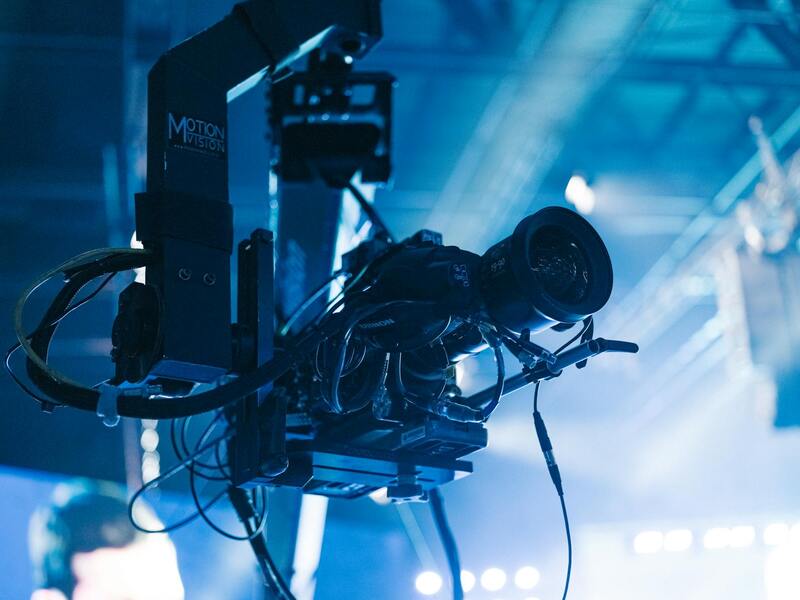
Professional Miami-based live streaming production companies leverage their expertise to ensure each element, from technical setup to audience interaction, aligns with industry standards. They employ proven methodologies and cutting-edge technologies to deliver a polished broadcast that reflects the client’s goals and brand image. This holistic approach minimizes risks and maximizes the impact of live streaming events, whether for corporate conferences, concerts, or community initiatives.