Understanding Live Streaming Production Studios
Live streaming production studios serve as the cornerstone for high-quality digital broadcasts, providing the infrastructure and expertise necessary to deliver professional content across various platforms. These studios are designed to facilitate real-time video and audio transmission, ensuring seamless delivery to audiences worldwide. The purpose of such studios extends beyond simple broadcasting; they are essential for corporate events, educational webinars, entertainment shows, and live performances, all demanding technical precision and consistency.
At their core, live streaming production studios integrate advanced technology with skilled personnel to produce content that meets modern audience expectations. They encompass a range of components, including sophisticated cameras, audio equipment, lighting, editing hardware, and streaming servers. These elements work together to create a controlled environment where content can be produced with clarity, stability, and visual appeal.
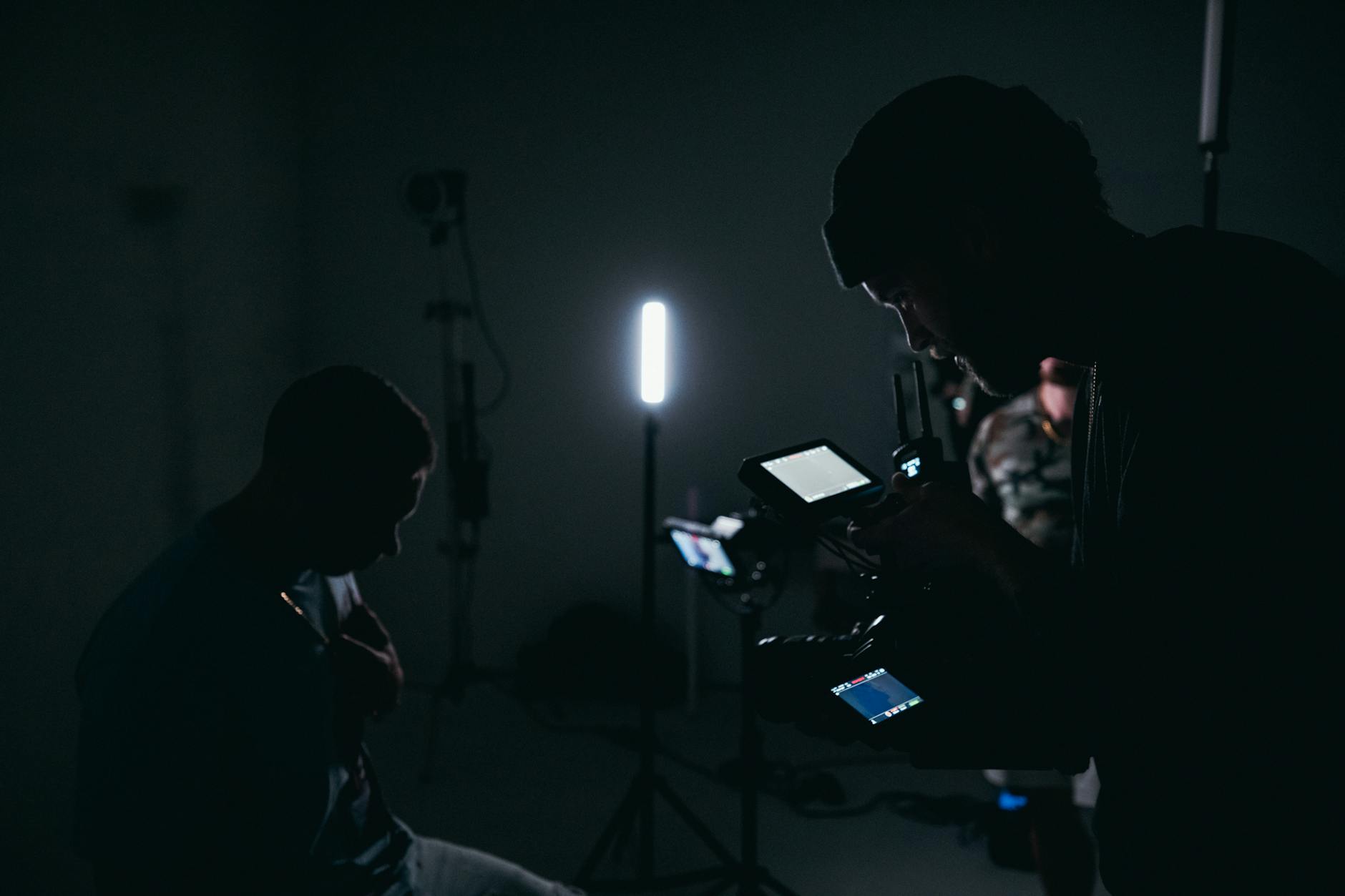
The key components of a live streaming production studio include:
- Cameras and Video Capture Devices: High-definition cameras capture footage with clarity suitable for digital viewing.
- Audio Equipment: Microphones, mixers, and soundboards optimize audio quality and manage multiple audio sources.
- Lighting Systems: Proper lighting enhances visual quality, reduces shadows, and sets the desired ambiance.
- Production Consoles: Hardware and software tools used for managing live feeds, transitions, graphics, and overlays.
- Streaming Hardware and Software: Devices and programs that encode and push content to online platforms efficiently.
- Control Rooms and Monitoring Systems: Spaces dedicated to overseeing video and audio signals, ensuring real-time quality control and troubleshooting.
Designing such studios requires a thorough understanding of content goals, audience reach, and technical specifications. The simplicity of a small, portable setup contrasts with the complexity of large-scale, multi-camera productions, but both demand careful planning and execution. The integration of robust technology and meticulous workflow management guarantees a professional broadcast that engages viewers and maintains technical fidelity.
Key Equipment and Technology Used in Live Streaming Studios
For a live streaming production studio to deliver high-quality, seamless broadcasts, a carefully selected array of hardware and software is essential. Each component plays a specific role in capturing, processing, and transmitting content, ensuring a professional presentation that engages viewers across diverse platforms.
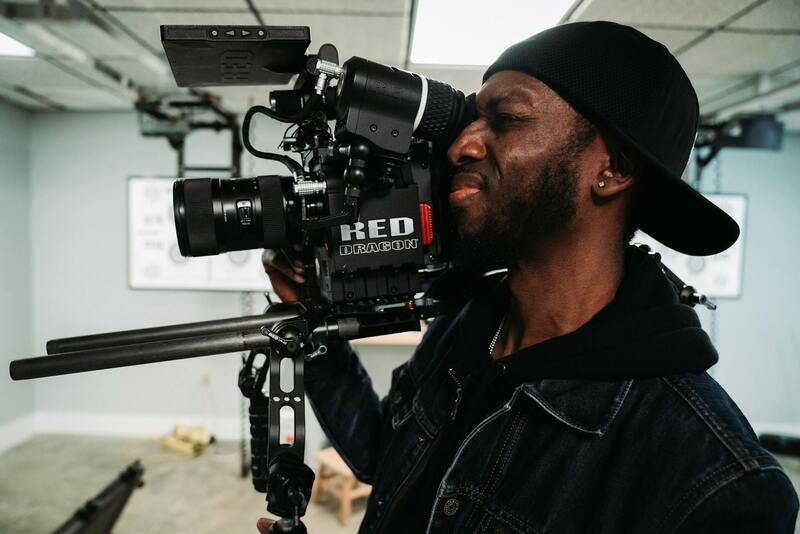
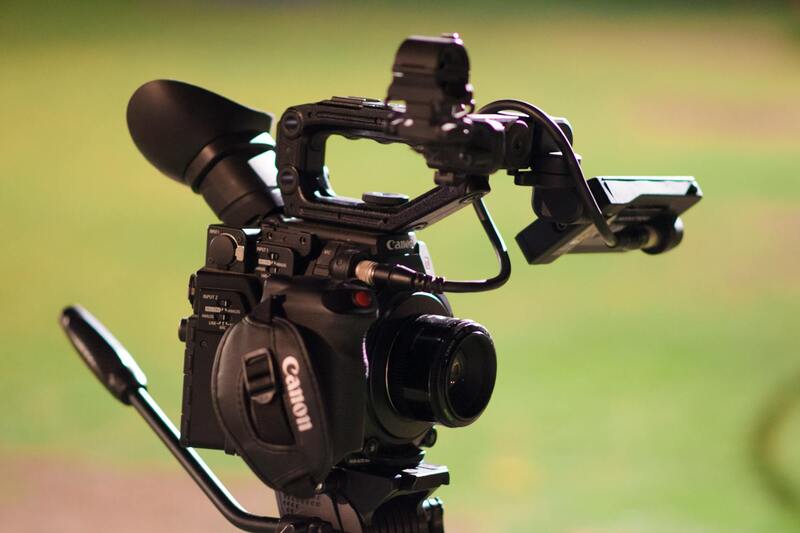
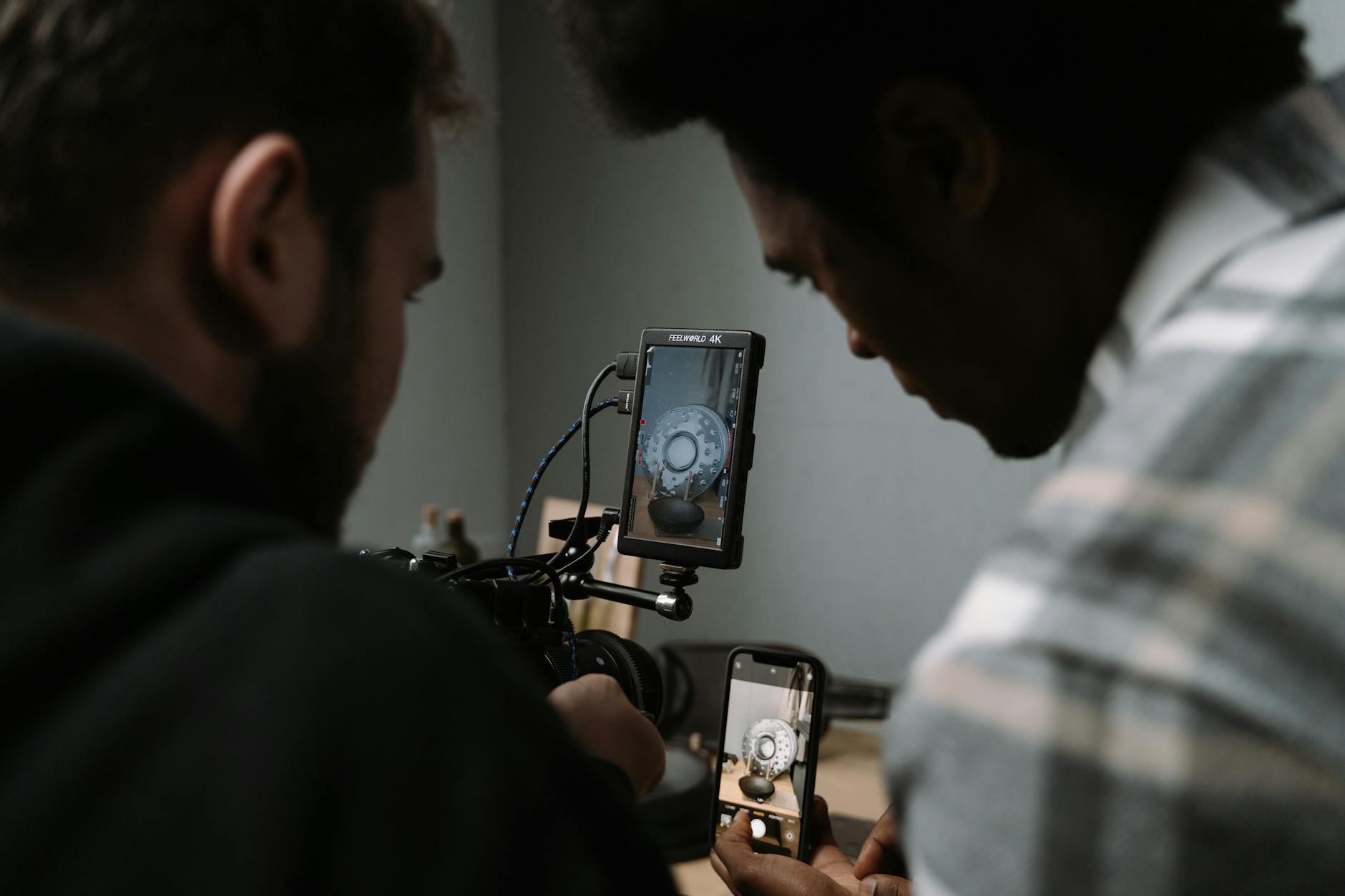
At the core of any live streaming studio setup are high-definition cameras. These devices capture video footage with clarity and detail, suitable for digital transmission. Professional-grade cameras often support multiple resolutions, frame rates, and lens options to adapt to different production needs. They can be mounted on tripods or robotic rigs for stable shots or integrated with remote operation capabilities for dynamic camera movements.
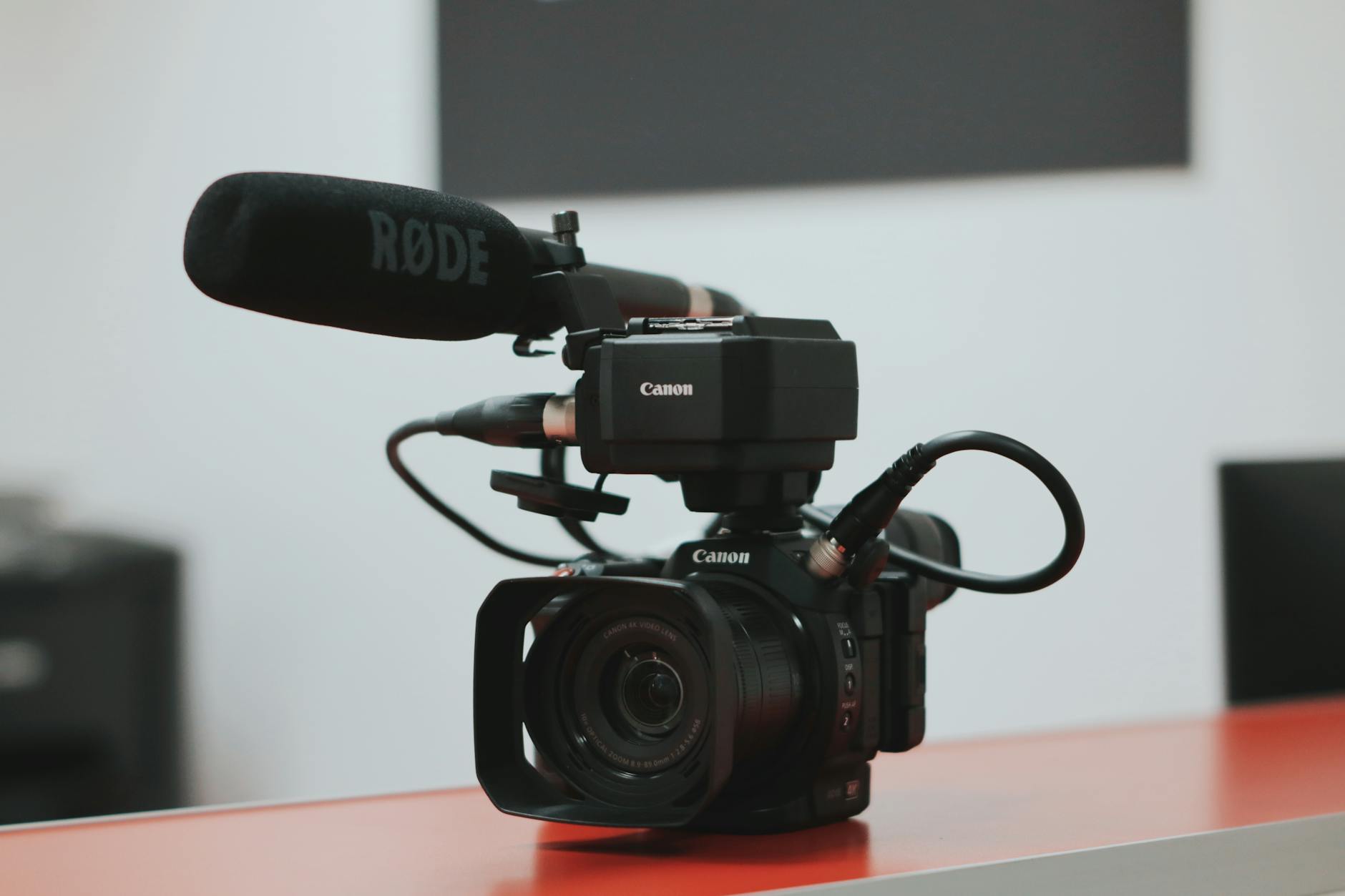
Complementing the video equipment are sophisticated audio capture devices. Microphones are selected based on application—lapel, shotgun, or condenser microphones—each offering distinct advantages. Audio mixers and soundboards allow producers to blend multiple audio sources, control levels, and apply effects—critical for maintaining clarity and consistency throughout a broadcast.
Lighting is another vital element for creating visually appealing broadcasts. Studio lighting systems are engineered to eliminate shadows, highlight subjects, and set appropriate atmospheres. Adjustable LED lights with color temperature control and diffusers offer flexibility to adapt to different production styles and environments.
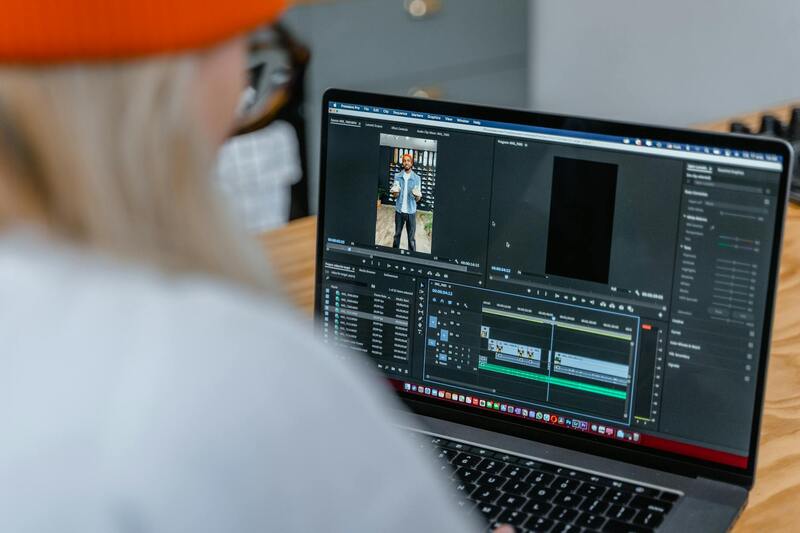
Modern production consoles and switchers are digital hardware or software tools that enable smooth transitions between video feeds, overlays, and graphics during a live broadcast. These interfaces provide real-time control over visual elements, ensuring cohesive storytelling and viewer engagement.
Encoding devices and streaming software convert raw video and audio signals into compressed formats suitable for online transmission. Hardware encoders are prized for their reliability and low latency, while software encoders offer flexibility and cost-effectiveness, making them popular in various studio configurations.
To maintain quality assurance, monitoring systems are installed within control rooms. These setups include preview monitors, audio meters, and status indicators to oversee the integrity of video streams and troubleshoot issues proactively, reducing the risk of disruptions.
Integrating these technological elements within a studio environment requires meticulous planning. The physical placement of equipment influences the ease of operation, cable management, and future expansion. Similarly, choosing compatible hardware and software ensures compatibility and reduces technical complications. Ultimately, a well-optimized setup facilitates professional-grade live streaming, capable of delivering high-engagement content to audiences worldwide.
Optimizing Signal Transmission and Network Infrastructure
Reliable signal transmission is fundamental to delivering high-quality live streams. Establishing a robust network infrastructure involves implementing high-bandwidth internet connections, typically through fiber optic lines, to accommodate the data flow necessary for high-definition video and audio signals. Network redundancy is also crucial; this includes having backup internet sources such as LTE or 5G connections that can automatically take over in case of primary network failure, minimizing latency and buffering issues during broadcasts.
Proper network configuration involves setting up dedicated VLANs (Virtual Local Area Networks) for live streaming traffic, which isolates streaming data from other network activities and prevents bandwidth conflicts. Employing Quality of Service (QoS) protocols ensures that streaming data receives priority over the network, reducing jitter and latency. Firewall settings and cybersecurity measures need to be meticulously configured to prevent interruptions or hacking attempts that could compromise the stream integrity.
Implementing Redundant Power and Backup Systems
Power reliability is indispensable for continuous operation of live streaming facilities. Investment in uninterruptible power supplies (UPS) for critical hardware such as encoders, switchers, and control systems ensures they remain operational during power outages. Additionally, backup generators can provide extended power support for entire studio setups, preventing disruptions during severe outages or emergencies.
Routine maintenance and testing of backup systems are essential to verify proper operation when needed. Redundant power circuits should be wired separately to prevent single points of failure. Furthermore, incorporating surge protectors and grounding systems enhances the safety and longevity of sensitive electronic equipment, ensuring consistent performance and safeguarding valuable investments.

Ensuring Audio and Video Synchronization
Synchronization between audio and video streams is a critical aspect that impacts the viewer experience. Digital audio-visual sync is maintained through the use of time-stamping protocols and controlled latency management. Hardware devices such as audio delay units can be employed to align audio streams precisely with video feeds, especially when transmitting over networks that introduce variable delays.
In addition to hardware solutions, software-based synchronization tools are integrated within live production software to facilitate real-time adjustments. Regular testing and calibration of synchronization parameters help identify and correct discrepancies before live broadcasts, minimizing latency issues and ensuring seamless viewing experiences.
Monitoring and Quality Control
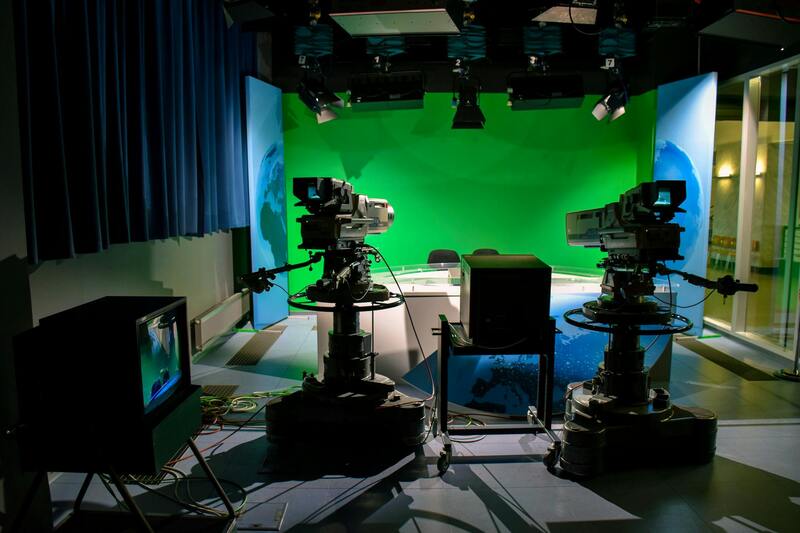
Consistent monitoring during live streaming is essential to detect and resolve issues promptly. Multiple preview screens within control rooms display various camera feeds, graphics, and lower thirds, allowing producers to oversee all visual elements simultaneously. Audio levels are monitored via digital meters, ensuring consistent volume without clipping or distortion.
Network monitoring tools provide real-time metrics on bandwidth usage, latency, and packet loss, enabling technical teams to intervene proactively. Additionally, encoders with built-in diagnostics can alert operators to potential problems before they affect the stream. Implementing a comprehensive quality control protocol that includes pre-broadcast checks, ongoing monitoring, and post-broadcast analysis ensures high standards and minimizes disruptions.
Understanding Live Streaming Production Studios
A live streaming production studio functions as the central hub where content is crafted, managed, and broadcasted to audiences in real time. These studios are equipped with an array of professional tools and technology designed to streamline the entire streaming process, ensuring clarity, stability, and engaging viewer experiences. From broadcasting sports events and corporate seminars to entertainment shows, these studios serve as the backbone of modern digital communication.
In a live streaming production environment, versatility and precision are paramount. Studios are often tailored to meet specific production needs, integrating a combination of hardware and software solutions that allow seamless switching between camera angles, live graphics insertion, audio mixing, and real-time content editing. Their layout and design facilitate smooth transitions, rapid adjustments, and effective control over multiple media feeds, which collectively contribute to broadcast quality and viewer engagement.
Understanding the operational framework of a professional live streaming studio provides insights into how these setups maintain high standards of quality and reliability. Typically, these studios are staffed with a dedicated team including directors, technical engineers, and content producers, each playing a crucial role in orchestrating a flawless live broadcast. Proper planning, robust technology, and skilled personnel combine to create an environment where high-quality, real-time content can be delivered consistently and efficiently.
Key Equipment and Technology Used in Live Streaming Studios
The core of any effective live streaming studio lies in its equipment. Modern studios leverage a combination of hardware and software tools to manage the entire production process. These include, but are not limited to, professional cameras, switchers, video servers, audio mixers, and high-performance encoders. Each component plays a specific role in ensuring the final broadcast is of the highest possible standard.
- Cameras: High-definition cameras with pan-tilt-zoom capabilities allow versatile shot composition and movement, essential for engaging live content.
- Switchers: Video switchers facilitate seamless transitions between multiple camera feeds, graphics, and pre-recorded video segments.
- Audiovisual Processing Equipment: Audio mixers and processors ensure sound clarity and balanced levels across various inputs, compensating for environmental noise and multiple audio sources.
- Encoding and Streaming Hardware: Encoders convert the live video feed into digital streams compatible with delivery platforms, often equipped with real-time monitoring and diagnostics capabilities.
- Control Software: Livestream control platforms enable operators to manage the broadcast remotely, applying overlays, transitions, and audio adjustments instantaneously.

Designing a Live Streaming Studio Space
The physical layout of a live streaming studio is critical to operational efficiency and broadcast quality. An optimal design ensures smooth workflow, minimizes technical issues, and provides a safe environment for technical staff. Key elements of studio design encompass layout planning, acoustical treatment, lighting, foundational technical infrastructure, and ergonomics.
Typically, a dedicated control room houses all critical management hardware and software, including video switchers, computer monitors, and communication systems. Adjacent to this might be a production area where cameras are mounted and operated, often designed with ease of movement and sightlines in mind. Proper cable management and grounding are essential to prevent signal interference and ensure safety.
Lighting design also plays a vital role, as it affects camera exposure and overall visual quality. Studio lighting should be adjustable, evenly distributed, and controllable during the broadcast. Acoustic treatment is necessary to eliminate unwanted echoes and external noise, ensuring clear audio capture and playback. Strategic placement of sound-absorbing materials and soundproofing measures contribute significantly to broadcast clarity.

Implementing Technology for Reliable Live Streaming
Integrating advanced technology into a live streaming production studio is essential for delivering consistent and high-quality broadcasts. This involves not only acquiring reliable hardware but also establishing robust network infrastructure capable of handling the bandwidth demands of live streaming content. Prioritizing redundancy, backup solutions, and real-time diagnostics ensures minimal disruptions and swift troubleshooting.
Given the increasing importance of high-definition and ultra-high-definition content, studios are adopting 4K or even 8K camera systems supported by powerful video processing units. These components work together to produce sharp, detailed visuals that elevate viewer engagement. Simultaneously, network infrastructure equipped with dual internet connections, load balancers, and advanced firewall security contributes to uninterrupted streaming and mitigates network-related challenges.
Encoders and decoders with adaptive bitrate streaming capabilities enable seamless delivery across various devices and connection speeds, optimizing user experience regardless of viewer bandwidth. Additionally, integrating cloud-based management tools allows for scalable storage, remote access, and real-time monitoring, facilitating efficient operations even for geographically dispersed production teams.
Optimizing Audio Quality and Mixing Techniques
Achieving exceptional audio quality is fundamental to the success of a professional live streaming production. Studios employ a combination of high-fidelity microphones, audio mixers, and feedback control systems to capture and manage sound with precision. Directional and shotgun microphones are often selected based on their ability to isolate critical audio sources while minimizing ambient noise, ensuring clarity and intelligibility for viewers. Concurrently, digital audio processing tools, such as noise reduction, equalization, and dynamic range compression, are integrated to refine sound output. These processes help to balance multiple audio feeds from different sources, including presenters, interviewees, and multimedia elements, maintaining consistent audio levels throughout the broadcast. During production, meticulous planning of audio routing is essential. This involves signal flow diagrams that chart how microphones, audio interfaces, and processing units interact within the studio. The deployment of a dedicated audio control room or console facilitates real-time adjustments, ensuring optimal sound quality as live events unfold. Furthermore, visual feedback systems like real-time audio meters and spectral analyzers allow technicians to monitor sound levels continuously, swiftly addressing issues such as clipping or imbalance. Proper calibration and regular maintenance of audio equipment are vital in preventing technical failures that could compromise the entire broadcast. In addition, integrating backup microphones and redundant audio pathways enhances resilience against equipment failure, safeguarding the continuity of live streams. The seamless coordination between audio technicians and production staff ensures that sound complements visual content effectively, providing viewers with an immersive experience.
Optimizing Signal Flow and Redundancy for Reliability
Achieving uninterrupted live streams requires meticulous planning of signal pathways within the studio environment. A well-structured signal flow diagram delineates how all audio, video, and data inputs traverse through various hardware components, ensuring clarity and efficiency. This schematic serves as a blueprint for engineers to troubleshoot issues swiftly and to facilitate smooth transitions between different segments of the broadcast.
Incorporating redundancy is fundamental to maintaining production continuity. Dual pathways for critical signals—such as audio and video feeds—allow for seamless switching in case of equipment failure. For example, dual audio interfaces or backup power supplies can prevent disruptions, ensuring that the feed remains stable regardless of unforeseen technical challenges.
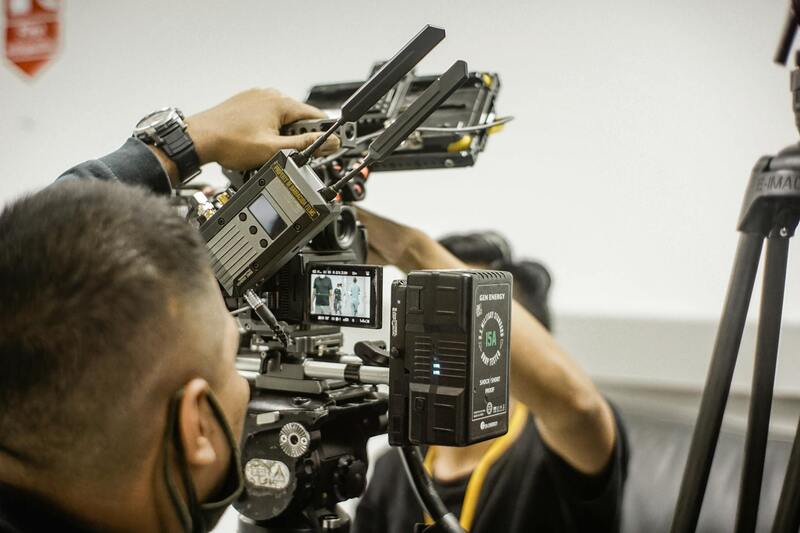
Investing in high-quality cabling and connectors further minimizes the risk of signal degradation. Proper grounding, shielding, and cable management reduce electromagnetic interference and accidental disconnections, essential for maintaining the integrity of the live broadcast.
Implementing Real-Time Monitoring and Control
Continuous oversight of the production process is achieved through sophisticated monitoring tools. Audio meters, waveform displays, and latency monitors enable technicians to identify anomalies instantly, such as unexpected volume surges or visual lag. Visual cues from control interfaces allow for quick adjustments, optimizing overall quality and viewer experience.
Specialized control surfaces and mixers are configured to provide intuitive management of multiple video and audio feeds. Assigning dedicated operators for each segment—such as video switchers, audio engineers, and graphics technicians—creates a collaborative environment where issues are addressed rapidly.
Adopting Advanced Technologies and Workflow Automation
Modern live streaming studios benefit from automation tools that streamline repetitive tasks. Automated scene switching, audio leveling, and graphics integration reduce manual intervention, decreasing the likelihood of human error. For instance, preset configurations in control software can automatically adjust lighting, switch camera angles, or trigger multimedia overlays at predefined moments.
Furthermore, integrating real-time data analytics and cloud-based control allows remote monitoring and management. This flexibility ensures that production teams can oversee multiple streams simultaneously, coordinate feedback, and respond swiftly to dynamic live event conditions from multiple locations.
Training and Skill Development for Production Teams
Operational expertise is critical for maintaining high production standards. Regular training sessions and workshops enhance team members' familiarity with equipment, workflows, and troubleshooting protocols. It is essential that personnel understand the technical specifications and operational nuances of all hardware and software components to ensure a seamless broadcast.
Conducting simulated live scenarios prepares the team for unexpected issues, fostering quick decision-making and effective problem resolution. Additionally, staying updated with industry innovations and emerging technologies enables studios to adopt best practices and improve overall broadcast quality.
Legal, Licensing, and Content Considerations
Operating a professional live streaming production studio involves navigating a complex landscape of legal and content-related requirements. Securing the appropriate permissions and licenses for copyrighted material, such as music, video clips, and proprietary images, is fundamental to ensuring smooth and compliant broadcasts. This process often includes obtaining synchronization licenses for music used in visual content and broadcast licenses for copyrighted footage, which help prevent potential legal issues that could disrupt streams or incur penalties.
Furthermore, content management within a live streaming studio must adhere to guidelines that protect intellectual property rights and privacy. When streaming live events involving multiple participants, securing consent and ensuring compliance with data protection regulations are essential steps. This involves implementing secure credentialing processes, especially for behind-the-scenes staff, and establishing protocols for handling sensitive content.
Another crucial aspect is the development of clear policies regarding on-air conduct and moderation strategies. Live broadcasts are susceptible to unexpected incidents, so having a plan for real-time content moderation minimizes the risk of breaches that could compromise the integrity of the stream. These strategies typically include pre-approval processes for user-generated comments or contributions and the use of automated moderation tools to swiftly respond to inappropriate content.
It is equally important to maintain documentation and records of licensing agreements, permissions, and compliance activities. This documentation provides legal protection and demonstrates due diligence in content management. Regular audits of licensing status, content rights, and distribution practices help ensure ongoing compliance, especially when expanding to new markets or platforms.
Legal, Licensing, and Content Considerations in Live Streaming Production Studios
Operating a professional live streaming production studio involves meticulous attention to legal, licensing, and content management practices. Ensuring that all content broadcasted adheres to relevant intellectual property rights and privacy standards is vital to maintain a seamless and compliant operation within the industry. This encompasses acquiring necessary permissions for copyrighted material, such as music, videos, images, and branded content, which may be used during live streams. Proper licensing agreements must be in place with rights holders, delineating clear usage rights and restrictions to avoid inadvertent infringements.
Additionally, when streaming events that involve multiple individuals or organizations, obtaining explicit consent from all participants is essential. This consent process should be documented appropriately and include permissions for the use of their likeness, voice, and any personal data shared during the broadcast. Implementing this level of consent management helps shield the studio from potential disputes and ensures respect for participants' privacy rights.
Proper content moderation policies and procedures must be established to address real-time interactions, user-generated comments, and contributions during live broadcasts. Pre-approval workflows for user content help prevent inappropriate or harmful messages from appearing during the stream. Automated moderation tools, such as profanity filters and comment moderation algorithms, can be deployed to swiftly address infractions and maintain a respectful broadcast environment.
Maintaining thorough documentation of all licensing agreements, permissions, and content rights is equally paramount. These records support compliance efforts, facilitate audits, and demonstrate due diligence should any disputes or inquiries arise. Regularly reviewing and updating licensing and permissions, especially when expanding to new distribution channels or markets, ensures ongoing adherence to content rights policies.
Content Security and Data Protection
Secure management of sensitive content and participant data is a cornerstone of professional live streaming. Implementing secure credentialing processes for staff and broadcasters minimizes the risk of unauthorized access to control rooms and content libraries. Encryption protocols during data transmission help safeguard live streams from potential interception or tampering. Additionally, establishing internal policies for data retention and disposal aligns with best practices in privacy management, reflecting a comprehensive approach to content security.
Managing Unexpected Incidents During a Live Broadcast
Contingency planning is integral to the operational robustness of a live streaming studio. Having protocols for handling technical failures, unauthorized content, or unexpected disruptions ensures minimal impact on the broadcast quality. Training staff to respond quickly and effectively to such incidents can prevent escalation and maintain viewer confidence. These strategies should be included in the studio’s standard operating procedures, regularly rehearsed, and updated according to technological advancements and regulatory changes.