Definition and Scope of Streaming Production
Streaming production has become a cornerstone of contemporary media dissemination, seamlessly delivering live and on-demand content across digital platforms. It encompasses a comprehensive array of activities that facilitate the real-time transmission of audio, video, and multimedia content over the internet to diverse audiences. From broadcast television to social media live sessions and corporate webinars, streaming production integrates advanced technology and strategic planning to ensure smooth, high-quality delivery.
In the context of Miami, a vibrant hub for entertainment, sports, and corporate events, streaming production plays an increasingly vital role in expanding outreach and engagement. It enables local organizations, artists, and businesses to reach global audiences without the geographic constraints of traditional media channels. The scope of streaming production covers a broad spectrum of formats, including live event coverage, virtual conferences, esports tournaments, religious services, and educational webinars.
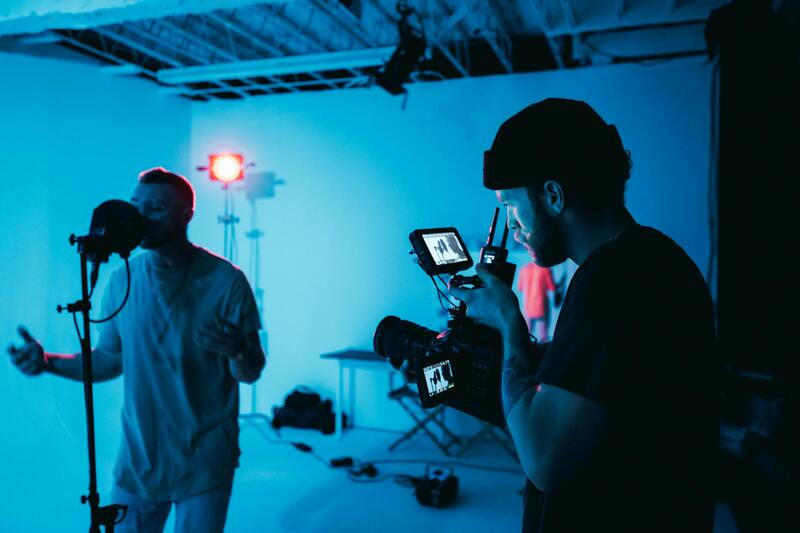
Effective streaming production demands meticulous coordination between technical teams, content creators, and distribution platforms. The evolving landscape of internet connectivity, evolving viewer preferences, and technological advancements continually influence the strategies used in streaming operations. For businesses and organizations based in Miami, understanding the full scope of streaming production is essential to maximize impact, ensure audience satisfaction, and leverage the immense potential of online media channels.
As the digital shift accelerates, professional streaming production services offer the expertise, equipment, and resources necessary to achieve broadcast-quality results. The integration of high-definition video, real-time graphics, multi-camera setups, and robust audio systems forms the backbone of modern streaming endeavors, providing viewers with immersive and engaging content experiences. Consequently, streaming production is not merely about broadcasting; it is an intricate process combining technology, storytelling, and strategic communication to meet the demands of diverse viewer bases.
Whether for live sports, cultural festivals, or corporate announcements, the comprehensive approach of streaming production ensures that content is accessible, visually appealing, and technically reliable. For Miami’s dynamic media landscape, mastering the scope of streaming production opens new avenues for visibility and audience interaction in an increasingly interconnected digital environment.
Key Components of Streaming Production
Successful streaming production hinges on the integration of several critical components that work together to deliver high-quality content reliably. The core elements include state-of-the-art cameras, professional-grade audio equipment, switching hardware for seamless scene transitions, advanced encoding solutions, and robust internet connectivity. Each plays a vital role in ensuring the broadcast maintains clarity, stability, and audience engagement throughout the streaming session.
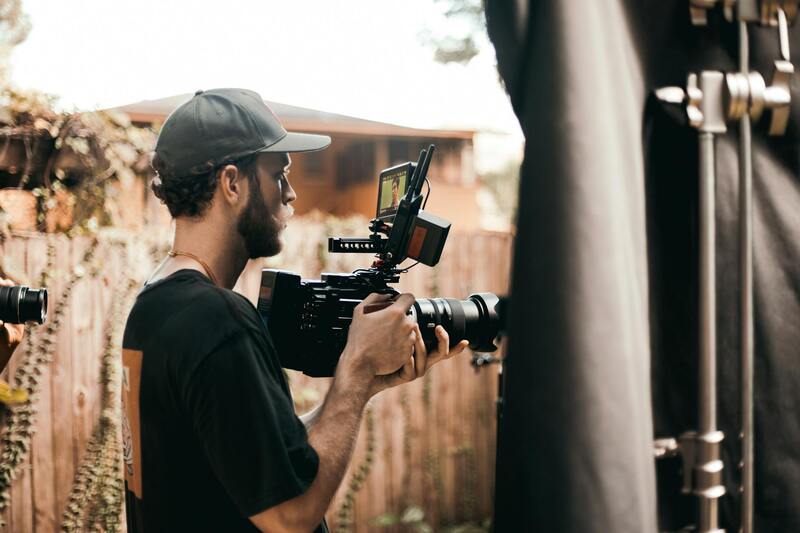
In terms of camera technology, multiple angles can be captured using high-definition (HD) or 4K cameras to produce dynamic and visually appealing streams. These are often complemented by professional audio mixers and wireless microphones to capture crystal-clear sound, even in challenging environments. In addition, switching hardware, such as hardware video switchers or production mixers, allows operators to dynamically switch between various camera feeds, add overlays, and insert graphics in real-time, elevating the production quality.
Encoding solutions convert raw video and audio signals into compressed digital formats compatible with streaming platforms. Reliable encoders ensure minimal latency and prevent buffering issues during live broadcasts. Finally, stable internet connectivity—preferably wired Ethernet connections—is fundamental for preventing interruptions and maintaining consistent stream quality, especially for high-bandwidth productions.
Planning and Pre-Production for Streaming Events
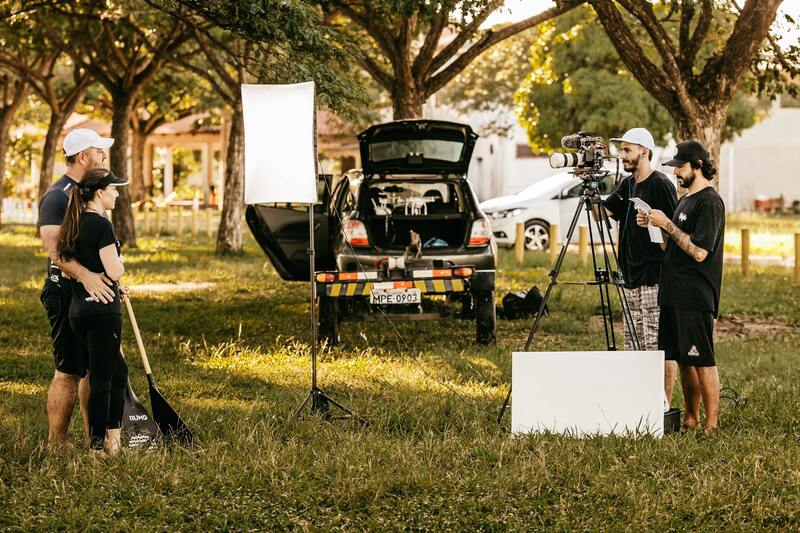
Meticulous planning and preparation are crucial to the success of any streaming event. This stage includes defining objectives, understanding the target audience, selecting the appropriate content format, and establishing clear timelines. Teams should identify all technical requirements, scouting locations in advance to assess lighting conditions, acoustic environments, and available power sources. Pre-production also involves creating detailed shot lists, scripting segments, and coordinating with presenters or performers to ensure smooth execution.
Pre-visualization tools such as storyboards or shot diagrams can help visualize camera placements and transitions, minimizing on-the-fly adjustments during the live event. Stakeholders should also establish communication protocols, including talkback systems for crew coordination. As part of preparation, testing all equipment and internet connections beforehand helps identify potential issues, reducing the risk of disruptions during the broadcast.
Technical Setup and Equipment Requirements
Setting up for a professional streaming production involves meticulous configuration of the hardware and network infrastructure. All equipment should be calibrated and tested to achieve optimal performance. This includes positioning cameras at suitable angles, configuring audio inputs, and ensuring all cabling is secure and organized to prevent accidental disconnections or interference. Network requirements include high-bandwidth internet with backup solutions such as secondary internet sources or cellular hotspots to ensure continued broadcast even in case of primary connection failure.
Proper power management is equally crucial, with uninterruptible power supplies (UPS) protecting sensitive equipment from outages or surges. Lighting setups should be versatile and adjustable, supporting different environments and times of day, while audio systems require proper soundproofing and acoustic treatment to prevent echo or background noise. The integration of all these elements should be tested comprehensively to guarantee cohesive operation during the live event.
Production Techniques and Best Practices
Employing industry-standard production techniques enhances the professionalism and engagement level of streaming content. Dynamic use of multiple camera angles, real-time graphics, and overlays can add depth and context to the footage. Incorporating synchronized audio and visual cues aids in conveying information effectively. It’s imperative to monitor the stream's health continuously, checking for any latency or quality degradation, and making real-time adjustments as needed.
Consistent communication among crew members via headsets or dedicated messaging platforms enables swift coordination during fast-paced scenarios. Utilizing professional production software can streamline editing, switching, and overlay processes. Moreover, adhering to a well-structured production checklist ensures all technical and creative elements are standard, reducing errors and optimizing the viewer experience.
Distribution Platforms and Methods
Choosing appropriate distribution channels is vital for maximized outreach. Popular streaming platforms such as social media networks, dedicated video hosting services, or branded websites offer diverse options for dispersing content. Multi-platform streaming can increase accessibility, reaching viewers across different demographics and devices. Using reliable streaming protocols like RTMP or HLS ensures compatibility and playback smoothness across many devices.
Embedding streams directly onto a company’s website or utilizing content delivery networks (CDNs) enables broader reach while maintaining stream stability. Strategic scheduling of content release times and leveraging platform-specific advertising tools can also enhance viewer engagement and channel growth. Partnering with local broadcasters for live coverage expands the event’s impact within the Miami area and beyond.
Post-Production and Content Archiving
Post-event processing involves editing recorded footage, adding post-production graphics, and creating highlights or on-demand versions to extend the content’s lifespan. Proper archiving practices ensure that raw and finished media are stored securely with appropriate metadata for easy retrieval. Analyzing streaming metrics provides insights into viewer behavior, engagement levels, and technical performance, informing future productions.
Maintaining organized archives allows teams to repurpose content for marketing, training, or promotional purposes. Additionally, creating a digital library of streams ensures accessibility for viewers who missed live events and supports ongoing audience engagement. Implementing effective content management tools ensures seamless retrieval and utilization of media assets whenever needed.
Local Considerations for Miami-Based Streaming Production
Miami’s vibrant media landscape presents unique opportunities and challenges for streaming production. Understanding local regulations related to permits, venue requirements, or broadcasting rights can streamline event planning and compliance. The region’s dynamic environment necessitates flexible logistical arrangements, particularly for outdoor or large-scale productions, including contingency plans for weather interruptions or technical failures.
Moreover, leveraging Miami’s diverse cultural landscape can enrich content by incorporating local themes, music, and perspectives. Collaborating with regional talent and utilizing local infrastructure, such as venues and technical vendors, enhances authenticity and engagement. Staying attuned to Miami’s broadcast standards and audience preferences ensures content resonates well within the community and broader markets.
Definition and Scope of Streaming Production
Streaming production encompasses the process of capturing, processing, and transmitting live or pre-recorded video and audio content over digital platforms. It involves a comprehensive array of activities designed to deliver high-quality visual content to audiences via the internet, often in real-time. This discipline integrates various technical elements, including video capture, encoding, transmission, and viewing interfaces, to create a seamless streaming experience that meets the demands of diverse viewers.
Traditionally, streaming production is utilized across multiple sectors such as entertainment, corporate communications, education, and public events. Its scope extends beyond mere video broadcasting; it involves meticulous planning, equipment setup, content creation, and strategic distribution. The goal is to engage audiences effectively, ensuring reliable delivery of content regardless of viewer location or device. As technology advances, the scope of streaming production continues to expand, incorporating innovative methods to enhance accessibility, interaction, and content quality.
Key Components of Streaming Production
Realizing a successful stream requires attention to several core components, each playing a vital role in the overall production workflow:
- Camera and Capture Devices: The foundation of any streaming event, high-definition cameras capture video footage. Depending on the production scale, this may include multiple cameras for different angles and dynamic shots.
- Encoding Hardware and Software: Devices or applications that convert raw video signals into digital formats suitable for streaming. Efficient encoding ensures optimal video quality while minimizing bandwidth consumption.
- Streaming Platforms and Servers: Centralized nodes that host the stream and distribute it to viewers. These can be proprietary servers or cloud-based services, selected based on capacity and audience size.
- Audio Equipment: Microphones, mixers, and audio processors are critical for capturing clear sound and balancing levels within the stream.
- Networking Infrastructure: Robust internet connections with sufficient upload speeds prevent buffering and lag, supporting stable streaming sessions.
- Production Control Room: A dedicated space for managing live feeds, switching between camera angles, and integrating graphics or overlays.
- Graphics and Overlays: Visual elements added during production, such as titles, logos, or real-time data, to enhance viewer engagement.
Additional Technical Considerations
In addition to essential components, other technical factors influence the success of streaming production:
- Bandwidth Management: Allocating sufficient internet bandwidth to accommodate high data rates and multiple streams, especially in multi-camera productions.
- Latency Optimization: Minimizing delays between live capture and audience reception to produce real-time feedback.
- Backup Systems: Redundant hardware and internet failover solutions to maintain broadcast continuity during equipment or connection failures.
- Lighting and Set Design: Proper illumination and scene arrangement improve visual clarity and production aesthetic.
- Security Protocols: Measures to protect content and prevent unauthorized access or piracy during transmission.
Implementing these technical elements with precision ensures a seamless streaming experience that upholds professional standards and audience expectations. A detailed understanding of the components involved also facilitates scalability, allowing productions to adapt to different event sizes and complexity.
Technical Setup and Equipment Requirements
Establishing a robust technical setup is fundamental to achieving high-quality streaming production, especially within the vibrant and diverse Miami scene. The hardware chosen must support the specific demands of live broadcasting, ensuring seamless transmission and control. Critical components include professional-grade cameras capable of high-definition output, switchers that allow smooth transitions between multiple video sources, and audio boards for clear sound management. High-performance encoders are essential for compressing video streams efficiently, preserving quality without overwhelming bandwidth capacities.
Network infrastructure forms the backbone of any successful streaming operation. A dedicated, wired internet connection offers the stability necessary for high data throughput. In Miami’s dynamic environment, leveraging fiber optic internet services can significantly reduce latency and packet loss. It’s advisable to utilize dual internet providers with automatic failover capabilities to maintain uninterrupted streams in case of connectivity issues.
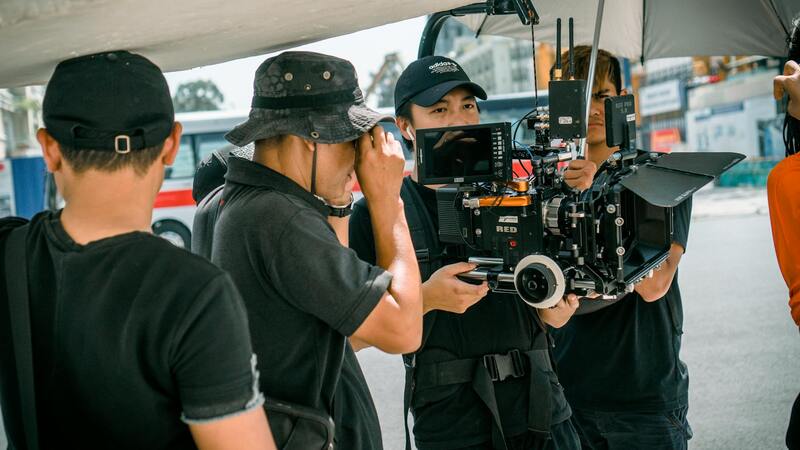
Redundant systems are crucial for uptime reliability. This includes backup servers, secondary encoders, and uninterruptible power supplies (UPS) to guard against power outages. When integrated properly, these systems ensure that even unexpected technical issues do not disrupt the broadcast flow. Additionally, the physical setup should prioritize proper lighting with professional-grade fixtures as well as appropriate soundproofing to minimize ambient noise interference, especially important in Miami’s outdoor event spaces or busy venues.
Distribution Platforms and Methods
Choosing the right platforms for content distribution is vital for reaching the targeted audience effectively. Popular options include live streaming services such as YouTube Live, Facebook Live, and specialized enterprise platforms that support multi-streaming and analytics. Distributing content via multiple channels simultaneously maximizes reach and engagement, particularly in a city like Miami with diverse demographic interests.
Utilizing Content Delivery Networks (CDNs) can further optimize streaming by reducing latency and buffering issues. These networks distribute content across geographically dispersed servers, ensuring viewers in different parts of Miami or even internationally have a smooth viewing experience. Strategic platform selection involves understanding the viewing habits of the intended audience, including social media preferences and preferred device usage.
Post-Production and Content Archiving
Post-event processes involve editing, quality assurance, and archiving of footage for future use. High-resolution recordings of live streams can serve multiple purposes, including promotional material, event highlights, or training resources. Cloud-based storage solutions offer scalable options for archiving large video files securely and with ease of access for authorized personnel.
Effective post-production workflows include transcoding to various formats suited for different distribution channels and ensuring metadata is properly embedded for easy retrieval. Maintaining organized archives not only facilitates quick content repurposing but also supports comprehensive analytics and reporting to evaluate the success of each streaming event.
Local Considerations for Miami-Based Streaming Production
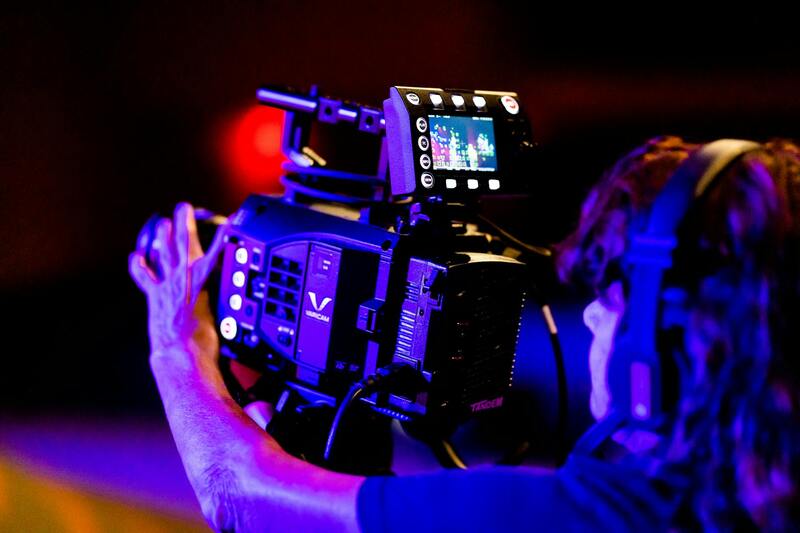
Miami’s unique geographic and cultural environment influences streaming production logistics and planning. The city’s vibrant outdoor events, multicultural audience, and state-of-the-art venues demand adaptable technical solutions. Weather can pose challenges, especially for outdoor setups; hence, weather-resistant equipment and sheltered configurations are advisable.
Local regulations related to permits, noise ordinances, and public safety must be thoroughly reviewed to ensure compliance during live productions. Collaborating with Miami-based vendors and technicians familiar with the local infrastructure enhances event efficiency. Additionally, understanding the mobile connectivity landscape helps in deploying portable solutions for on-the-go productions or remote locations.
Technical Setup and Equipment Requirements for Streaming Production
Implementing a high-quality streaming production demands meticulous planning of technical setup and equipment to ensure smooth delivery and professional output. This encompasses selecting the right hardware, software, and connectivity solutions tailored to the event’s scope, size, and location.
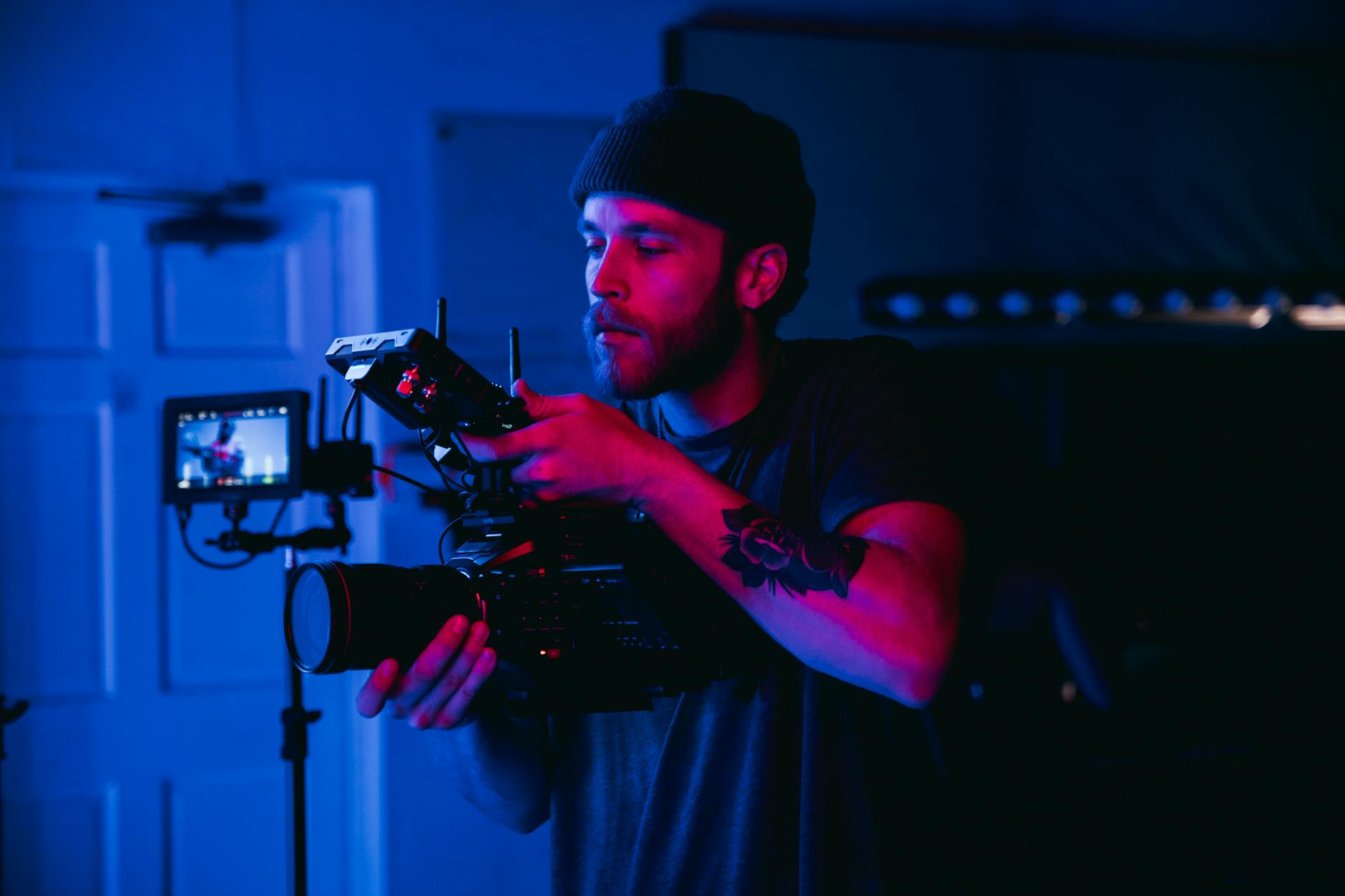
Key hardware components include cameras, which should be chosen based on resolution needs, autofocus capabilities, and compatibility with streaming hardware. Professional-grade audio equipment, such as lavalier and shotgun microphones, ensure clear sound capture, which is crucial for viewer engagement and comprehension. Additionally, a reliable switcher or mixer facilitates seamless multi-camera operations, allowing for dynamic scene changes and overlays.
From a connectivity standpoint, robust internet access is fundamental. Employing bonded internet solutions, which combine multiple sources, can help mitigate disruptions caused by fluctuating network conditions. For outdoor or mobile productions, portable cellular bonding units enable stable streaming in less accessible areas.
Software selection is equally vital, encompassing streaming platforms, production control interfaces, and graphic overlays. Open standards and compatibility with existing hardware streamline the workflow, reduce technical hitches, and enhance broadcast quality.
Additional accessories such as lighting rigs, teleprompters, and backdrop screens contribute significantly to visual and operational quality, especially in indoor venues. Weather-resistant enclosures and protective gear are indispensable for outdoor setups, safeguarding equipment against environmental factors.
Implementing Advanced Production Techniques
To elevate the quality of streaming content, employing sophisticated production techniques is imperative. These include multi-camera switching, which provides multiple perspectives and enhances viewer engagement. Integrating real-time graphics, such as lower thirds, logos, or event information, adds professionalism and branding consistency.
Sound mixing during live streams ensures clarity and balance across different audio sources. Employing audio processors and plugins can eliminate noise, control volume levels, and add effects for a polished listening experience. Additionally, implementing synchronized multi-camera feeds with chroma key (green screen) technology allows for vibrant backgrounds and engaging visual storytelling.
Filming Strategies for Optimal Content
- Use high-resolution cameras positioned at strategic angles to capture key moments.
- Employ smooth camera movements with stabilization equipment to avoid shaky footage.
- Apply consistent lighting techniques, especially for indoor shoots, to ensure clarity and color accuracy.
- Conduct pre-event technical rehearsals to troubleshoot potential issues and calibrate equipment.
Additional Equipment and Setup Recommendations
- Implement backup power solutions like uninterruptible power supplies (UPS) to maintain ongoing production even during outages.
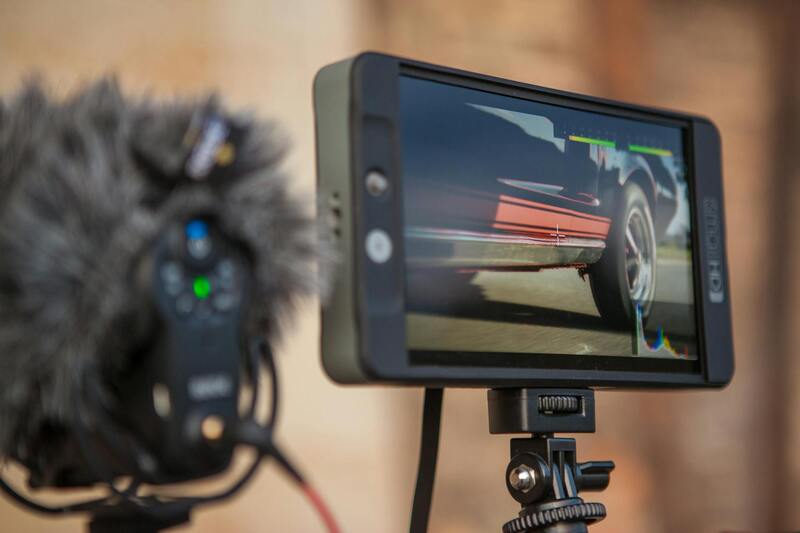
- Utilize monitor displays for real-time feed review, enabling immediate adjustments during the broadcast.
- Arrange for proper cable management to minimize trip hazards and equipment disconnections.
- Secure all gear to withstand outdoor conditions or high-traffic environments.
Technical Setup and Equipment Requirements
Establishing a robust technical foundation is essential for successful streaming production. This includes selecting appropriate hardware and ensuring all components work seamlessly together. High-definition cameras are fundamental for delivering clarity and engaging visuals, with multi-camera setups allowing for dynamic shots and varied perspectives. Securely mounting cameras with stabilization equipment helps to avoid shaky footage, providing a professional viewing experience.
Audio quality plays a critical role in viewer retention; thus, deploying high-quality microphones and audio mixers is necessary. Sound processors and noise reduction plugins can further enhance clarity and eliminate background noise, creating a balanced and immersive audio environment. Properly synchronized audio-visual feeds ensure that all elements are perfectly aligned during live broadcasts.

Lighting is equally important, especially in indoor environments. Consistent, even lighting prevents shadows and highlights, maintaining accurate color reproduction and visibility. For outdoor shoots, portable lighting solutions and reflectors can compensate for natural light variability.
Reliable power sources are critical to prevent interruptions. Uninterruptible power supplies (UPS) should be incorporated to support all equipment during power fluctuations or outages. For real-time monitoring, professional-grade monitors enable producers to review feeds instantly, facilitating immediate adjustments. Cable management systems are essential for safety and operational efficiency, reducing trip hazards and disconnect risks.
Furthermore, securing equipment against outdoor and high-traffic conditions minimizes potential damage or dislocation. Weatherproofing, heavy-duty mounts, and protective cases extend the lifespan of hardware and maintain production continuity.
Production Techniques and Best Practices
Implementing effective production techniques directly influences the quality of live streams. Utilizing multiple camera angles offers viewers a more dynamic and comprehensive perspective, increasing engagement. Employing real-time graphics, such as lower thirds, overlays, and branding elements, enhances the professionalism and recognizability of the broadcast.
Proper sound mixing ensures that audio remains clear and balanced across various sources. Incorporate audio level checks before the event begins, and continuously monitor during the stream. Integration of advanced audio processors and plugins helps maintain optimal sound quality.
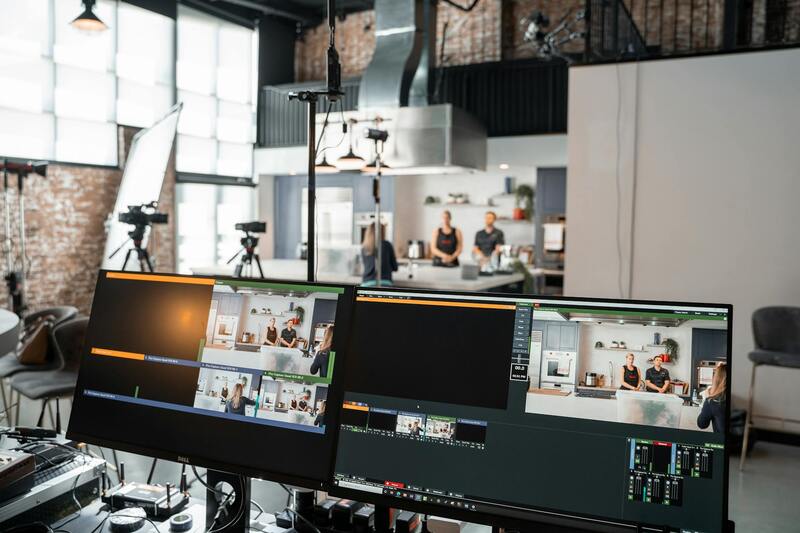
Synchronous multi-camera feeds can be achieved with switchers capable of real-time transitions, giving producers control over the visual narrative. Green screen (chroma key) technology allows for creative backgrounds and engaging visual storytelling—particularly useful for virtual events or when location versatility is needed.
Filming strategies should focus on high-resolution visuals, strategic camera placement, and smooth movements. Use stabilization rigs or gimbals to prevent shaky footage, and ensure lighting consistency for clear, vibrant images. Conducting technical rehearsals allows teams to identify and resolve potential issues before the live event, reducing on-air errors.
Additional measures such as utilizing backup power systems and real-time feed monitors ensure stability and quality, even under unforeseen circumstances. Proper cable and equipment management are vital for safety, ease of operation, and minimizing disruptions during the event.
Local Considerations for Miami-Based Streaming Production
Producing high-quality streaming content within Miami requires careful attention to local factors that can influence the overall success of the broadcast. From choosing appropriate venues to accommodating regional infrastructure, these considerations ensure a seamless experience for both producers and viewers.
Venue Selection and Environmental Factors
Choosing a suitable venue is fundamental. Ideally, the location should support the technical demands of streaming production, including sufficient space for equipment setup, stable power supplies, and reliable internet connectivity. Miami’s tropical climate necessitates planning for humidity control and protection against moisture, which can impact delicate electronic gear. Additionally, selecting venues with minimal external noise and controlled lighting conditions helps in maintaining professional visual and audio standards.
Internet Connectivity and Network Infrastructure
Reliable, high-speed internet access is a cornerstone for live streaming. Miami boasts several high-capacity fiber optic providers; nonetheless, it is essential to perform thorough network assessments before production. Redundant internet connections, such as secondary broadband lines or dedicated point-to-point links, should be established to mitigate the risk of outages during live broadcasts. Positioning the production team close to network hubs or utilizing locally optimized content delivery networks (CDNs) further enhances streaming stability and reduces latency.
Leveraging Local Talent and Resources
Miami’s vibrant media and creative industry presents opportunities to collaborate with experienced local talent, including camera operators, sound engineers, and production crew. Engaging regional professionals familiar with the local environment can streamline production workflows, enhance content relevance, and foster community engagement. Additionally, leveraging local vendors for equipment rentals and technical support can reduce logistical complexities and ensure the timely availability of necessary resources.
Legal Permits and Compliance
Securing appropriate permits for filming and streaming within specific districts or public spaces in Miami is essential. This step ensures compliance with municipal regulations and avoids potential disruptions. Permit acquisition typically involves coordination with city authorities, especially for large-scale events or if filming occurs in publicly accessible areas. Ensuring adherence to local codes helps facilitate a smooth production process and maintains positive community relations.
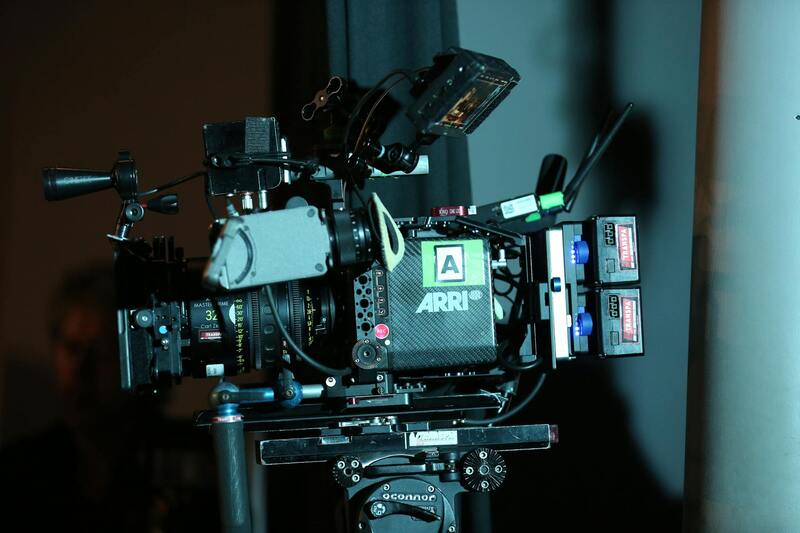
Recognizing Miami’s unique media landscape and infrastructure characteristics is vital for executing successful streaming productions. Proper planning, local engagement, and infrastructure assessments contribute significantly to delivering consistent, high-quality live content that resonates with regional and global audiences alike.
Advanced Strategies for Effective Streaming Production
Optimizing Content Delivery and Viewer Engagement
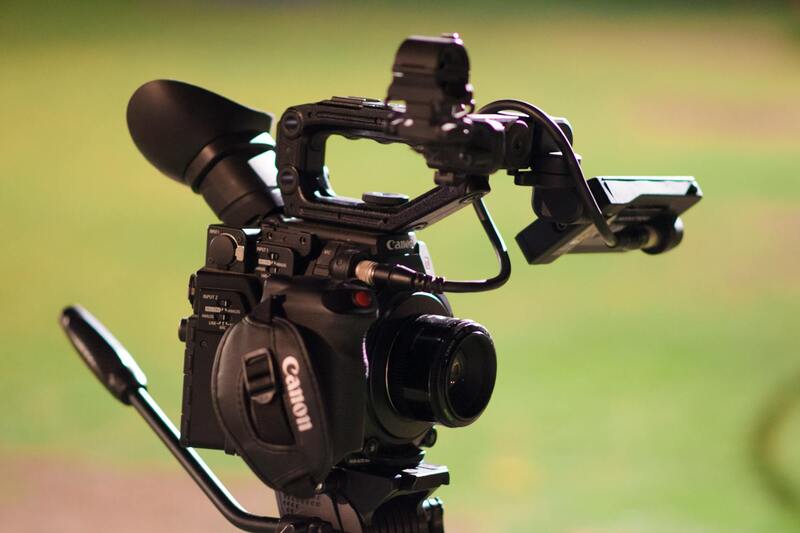
Effective streaming production extends beyond the technical setup, incorporating strategic content delivery methods that maximize viewer engagement. Ensuring a seamless viewer experience involves optimizing streaming quality, utilizing adaptive bitrate streaming technologies that automatically adjust to viewers' internet speeds. This approach reduces buffering and enhances the visual experience across diverse devices and network conditions. To deepen audience engagement, interactive elements such as live chat, real-time polls, and Q&A sessions should be integrated thoughtfully into the broadcast. These features foster community participation, encourage live interaction, and keep viewers invested throughout the event. Moreover, timed promotions and call-to-action overlays can direct viewers toward related content or registration pages, thereby expanding the reach of the streaming event. Comprehending regional viewer preferences and habits can inform content scheduling and presentation styles. For Miami-based productions, understanding local interests—such as cultural festivals, sports events, or community initiatives—enables tailored content strategies that resonate more effectively with regional audiences.
 igure>
Maintaining Content Security and Protecting Assets
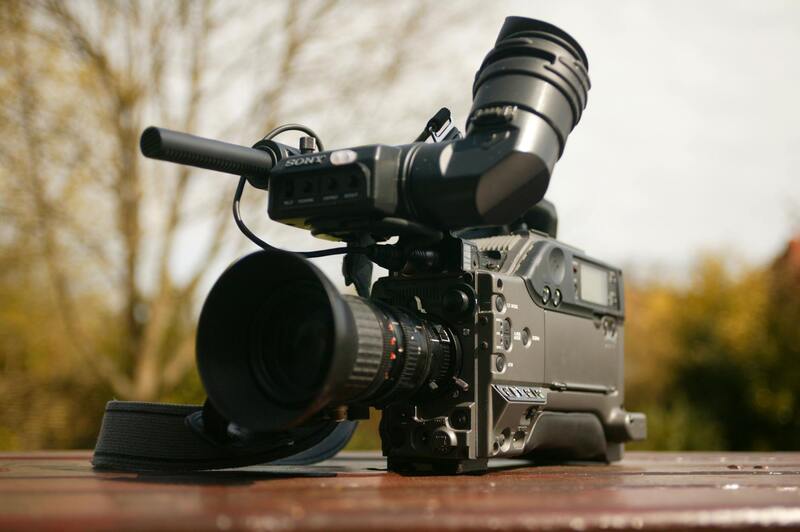
Protecting streaming content from unauthorized access is fundamental to a successful production. Implementing robust encryption protocols and digital rights management (DRM) measures ensures that your content remains secure against piracy and unauthorized distribution. Password-protected streams and geo-blocking are practical tools for controlling access, especially during private or invitation-only events. Similarly, managing assets such as raw footage, graphics, and audio files with secure storage solutions prevents data breaches and loss. Employing cloud-based secure storage with controlled access permissions facilitates collaboration among authorized personnel, streamlining post-production workflows while maintaining security. Considering Miami’s status as a hub for commercial and media productions, establishing clear content usage policies and copyright protections is crucial. These measures preserve the integrity of your broadcasts and uphold your brand’s reputation in a competitive media landscape.
 igure>
Analyzing Performance Metrics and Continuous Improvement
Post-event analysis of streaming performance is essential for refining future productions. Employing comprehensive analytics tools offers insights into viewer demographics, engagement levels, and technical performance metrics such as buffering frequency and stream stability. These data points inform adjustments in content pacing, technical setups, and marketing strategies. Regularly soliciting audience feedback through surveys or direct interactions provides qualitative insights into viewer satisfaction and preferences. Incorporating this feedback into subsequent broadcasts ensures continuous improvement and aligns content more closely with audience interests. For Miami-based streaming productions, leveraging local analytics experts and digital marketing professionals can augment data interpretation, helping tailor content that resonates culturally and regionally. Such efforts foster a loyal viewer base, enhance brand visibility, and optimize resource allocation for future events.