Overview of Conference Streaming Services
Conference streaming services have revolutionized the way organizations, businesses, and institutions conduct and distribute their events. By providing seamless live video transmission over the internet, these platforms enable real-time participation from attendees wherever they may be located. In a dynamic city like Miami, where many influential businesses, educational institutions, and event organizers operate, the demand for reliable and high-quality streaming solutions has surged. The core function of conference streaming platforms is to deliver live audio-visual content directly to an online audience. This technology makes it possible to broadcast keynote speeches, panel discussions, product launches, and workshops to viewers across the globe. Such platforms often incorporate features like multi-camera angles, real-time chat interactions, and secure access controls, ensuring an engaging and professional viewing experience. The rising importance of conference streaming stems from several factors. Firstly, the global shift towards digital engagement, accelerated by recent developments in technology and world events, has made virtual participation more critical than ever. Organizations recognize that streaming allows them to expand their reach beyond physical venues, connecting with audiences that might otherwise be inaccessible. Moreover, in the vibrant context of Miami—a city known for its cultural diversity, international business hubs, and lively conference scene—streaming services are vital. They enable local and global attendees to participate actively without the need for travel, promoting inclusiveness and broader engagement. The importance of high-quality, dependable streaming solutions in Miami is further underscored by the city’s status as a major hub for conventions, industry expos, and educational seminars. Event organizers often look for platforms that can handle large audiences with minimal latency, exceptional video clarity, and integrated interactive features to facilitate networking and real-time feedback. The growth of conference streaming services is also related to advancements in internet infrastructure, including the widespread availability of high-speed connectivity and 5G technology. These advancements ensure that streamed content is delivered smoothly, with minimal buffering and high-definition quality, regardless of the viewer’s location. Lastly, the increase in hybrid event formats—combining in-person and virtual participation—has further boosted the adoption of professional streaming services. Miami's diverse population and international presence make it an ideal environment for adopting comprehensive solutions that cater to both onsite and remote audiences, creating a more versatile and impactful event experience.

Key Features of Conference Streaming Platforms
Effective conference streaming platforms are distinguished by a suite of core features designed to enhance the overall event experience for both organizers and attendees. High-quality live broadcasting ensures that content is delivered in crisp, clear visuals with minimal latency, facilitating real-time engagement. Multi-device access allows participants to join from various devices—smartphones, tablets, laptops—without compromising the viewing experience, thereby increasing accessibility and convenience.
To foster interaction and engagement, streaming platforms incorporate a range of interactive tools. Live chat, Q&A sessions, polls, and networking lounges enable attendees to communicate seamlessly with speakers and peers, mimicking the networking opportunities of physical events. These features help sustain high levels of participation and energize virtual audiences.
Robust security measures are integral to safeguarding sensitive information and maintaining the integrity of the event. Features such as encrypted streaming, secure login protocols, and controlled access prevent unauthorized viewing and protect proprietary content.

Platforms also prioritize scalability and reliability. The capacity to handle large audiences without buffering or downtime is critical, especially for major conferences that attract international participants. Additional functionalities like analytics dashboards offer organizers insights into attendee behavior and participation metrics, enabling data-driven improvements for future events.
Benefits of Using Conference Streaming Services
Implementing professional conference streaming solutions yields numerous advantages. Attendees benefit from the flexibility to join events remotely, allowing wider inclusivity and reducing travel-related costs and logistics. Event organizers can extend their reach beyond physical venue constraints, accessing a global audience that might otherwise be unable to attend.
Real-time engagement tools facilitate active participation, fostering richer dialogues and immediate feedback, which enhances the overall quality of the conference. Furthermore, streaming services provide a permanent digital record of the event, enabling on-demand viewing post-event for attendees who wish to revisit presentations or for those in different time zones.
From an operational perspective, these platforms streamline event management by offering integrated registration, broadcasting, and interaction modules. They also support co-hosting and breakout sessions, enabling diverse agenda structures that cater to the varied needs of large-scale conferences.

Overview of Conference Streaming Services
Conference streaming services have transformed the landscape of event hosting by providing robust, scalable platforms designed to broadcast live content seamlessly to diverse audiences. These platforms cater to a multitude of event formats, from seminars and workshops to large international conferences, ensuring that attendees can participate regardless of location. Leveraging the power of high-quality streaming technology, these services enable organizers to extend their conference’s reach beyond traditional physical limitations, fostering global engagement and participation.

Modern conference streaming solutions encompass a wide array of functionalities tailored to enhance user experience, streamline event management, and deliver dynamic content delivery. They incorporate features such as multi-camera broadcasting, real-time Q&A, polls, chat integrations, and analytics dashboards. These features not only improve attendee interaction but also provide event organizers with valuable data that can inform future event planning. The integration of different multimedia elements ensures a professional broadcast, replicating the impact of an in-person event through high-definition video and reliable audio quality.
Another significant advantage is the capability to support flexible streaming formats, including live streaming, on-demand viewing, and hybrid models. This versatility guarantees accessibility for attendees across different time zones and schedules. As technology advances, these platforms are continuously adopting innovations like 4K streaming, interactive content, and artificial intelligence-driven engagement tools to meet the evolving needs of audiences and organizers alike.
Key Features of Conference Streaming Platforms
- Multi-Stream Capabilities: Support for multiple simultaneous feeds allows for diverse speaker sessions, breakout rooms, and interactive panels, enriching the overall event experience.
- Interactive Engagement Tools: Features such as live polls, chat rooms, Q&A sessions, and reaction icons facilitate active participation, making virtual attendees feel integrated into the live environment.
- Analytics and Reporting: Detailed insights into viewer demographics, engagement levels, and session popularity help organizers measure success and identify areas for improvement.
- Security and Access Control: Robust encryption, password protections, and secure login options safeguard confidential content and ensure authorized access only.
- Scalability and Reliability: Cloud-based solutions adapt dynamically to fluctuating attendee numbers, providing consistent stream quality and minimal downtime even during high traffic.

Implementing a comprehensive conference streaming service involves thorough planning and consideration of technical requirements. From selecting compatible hardware and network infrastructure to configuring streaming settings, each step plays a vital role in delivering a successful event. Ensuring optimal encoding, minimal latency, and redundancy measures for backup streams are critical components of a resilient setup. Additionally, integrating with existing registration and attendee management systems can streamline the user experience from sign-up to post-event access.
r> The importance of reliable technical support, both pre- and during the event, cannot be overstated. Experienced technical teams or production agencies specialized in conference streaming can assist with setup, troubleshooting, and real-time management, thereby ensuring a smooth broadcast. Proper testing, rehearsal sessions, and contingency planning are equally essential to address potential issues proactively.Technical Considerations and Setup
Establishing an effective conference streaming setup requires meticulous planning and attention to technical details that ensure a seamless viewing experience. The first step involves assessing the existing infrastructure, including internet bandwidth, hardware capabilities, and networking equipment, to support high-quality live transmissions without interruptions.
High-definition cameras, professional audio equipment, and reliable encoders form the core of a robust setup. The choice of encoding technology directly impacts stream quality, latency, and compatibility across various devices. Implementing adaptive bitrate streaming ensures that attendees with different internet speeds can access a smooth, uninterrupted feed.

Furthermore, deploying redundant internet connections, such as secondary broadband links or mobile hotspots, safeguards against disruptions caused by connectivity issues. In addition, data security measures—such as firewalls and VPNs—protect sensitive content from unauthorized access during transmission.
Configuration of streaming parameters must be optimized before the event, including selecting appropriate resolutions, bitrates, and server destinations. Testing these settings through dry runs is crucial to detect and resolve potential issues in advance. During the setup phase, integrating the streaming platform with registration systems and attendee portals enhances user experience by enabling smooth access and registration confirmation.
On-site technical personnel should oversee the setup, conduct comprehensive checks, and handle live troubleshooting if the need arises. Proper documentation of setup procedures and contingency plans—such as backup streams or alternative hardware configurations—are vital for maintaining broadcast quality despite unforeseen challenges.
Role of Production Agencies in Conference Streaming
Leveraging the expertise of professional production agencies often elevates the quality and reliability of conference streams. These specialists bring extensive experience in live event broadcasting, including equipment setup, workflow management, and real-time technical support. Their involvement ensures that every aspect of the broadcast, from camera angles to audio mixing, meets professional standards.
Production agencies typically offer end-to-end solutions, including pre-event planning, stage management, multi-camera operation, and post-event content delivery. Their familiarity with various streaming platforms and content security protocols guarantees a streamlined process tailored to the specific requirements of each conference.
Engaging a reputed agency also allows event organizers to focus on content delivery and attendee engagement, rather than technical details. They conduct rehearsals, test streams, and provide on-site support, drastically reducing the risk of technical failures during the live event. Moreover, their expertise in post-production ensures recordings are optimized for on-demand access, expanding the reach of the conference beyond the live session.

Ensuring high production quality and smooth delivery requires collaborative planning with these agencies. Clear communication about event objectives, technical specifications, and contingency protocols forms the foundation for a successful conference broadcast. When combined with meticulous setup and planning, partnering with experienced production agencies significantly enhances the overall streaming experience for organizers and attendees alike.
Technical Considerations and Setup
Implementing a successful conference stream hinges on meticulous technical planning that addresses various infrastructure and equipment needs. Reliable internet connectivity forms the backbone of live streaming, requiring high-bandwidth, low-latency connections that can handle constant data transfer without interruption. In many cases, dedicated internet lines or bonded internet solutions are recommended to ensure stability during the broadcast.
Hardware selection plays a pivotal role in delivering broadcast quality. Key equipment includes professional cameras with high-definition capabilities, audio mixers, and microphones to capture clear sound from multiple sources. Additionally, switchers and encoding devices are essential for managing multiple video feeds and converting them into streaming formats compatible with chosen platforms.
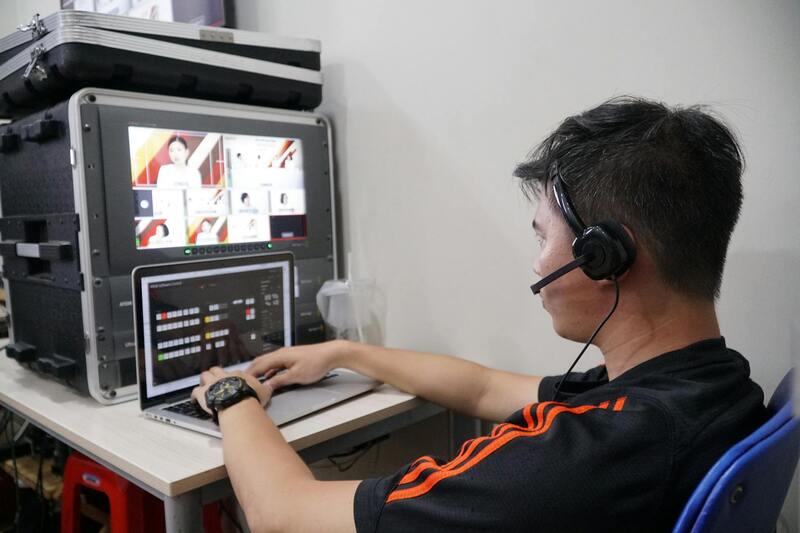
Synchronization of audio and visual elements demands precise calibration. This often involves using professional software or hardware solutions that integrate live feeds, graphic overlays, and real-time adjustments to ensure seamless transitions. Proper setup also includes testing all equipment and configurations before the event to identify and resolve any technical issues proactively.
Furthermore, content security during streaming is a key concern. Including encryption protocols and secure login processes helps protect sensitive information and control access to live streams. Content delivery networks (CDNs) are also employed to distribute streams efficiently across different geographic regions, reducing latency and buffering for viewers worldwide.
Role of Production Agencies in Conference Streaming
Engaging an experienced production agency significantly elevates the quality and reliability of a conference stream. These professionals handle end-to-end solutions, from pre-event planning to post-event analytics. During the event, they operate multiple cameras, coordinate audio-visual feeds, and manage live switching to produce a polished broadcast.
Agencies also provide on-site technical support, ensuring all equipment functions correctly and troubleshooting any issues immediately. Their familiarity with various streaming platforms and content security measures guarantees compliance with platform specifications and data protection standards. Post-event, they often assist with content editing and generate on-demand versions that extend the conference's reach beyond the live session.
Legal and Privacy Aspects
While exploring options for conference streaming, organizations should prioritize adherence to legal and privacy guidelines. This encompasses securing necessary permissions for recorded content, especially when speakers or attendees are featured on camera. Clear communication regarding the use of the stream and data collection enhances transparency and attendees' trust.
Implementing secure login systems and access controls helps prevent unauthorized viewing and maintains confidentiality. Especially for conferences involving sensitive information, following best practices for data encryption and user authentication is crucial to protect privacy and uphold professional standards.
Future Trends in Conference Streaming Services
The landscape of conference streaming continues to evolve rapidly, driven by technological innovation and changing attendee expectations. Emerging trends include the integration of virtual reality (VR) and augmented reality (AR), providing immersive experiences that bridge the gap between remote and in-person participation. Enhanced interactivity features, such as live polls, Q&A sessions, and networking hubs within streaming platforms, promote greater engagement.
Artificial intelligence (AI) is increasingly utilized for automated camera operation, content moderation, and personalized viewer experiences. Additionally, the adoption of 5G networks promises to deliver faster, more reliable streams, supporting high-definition video and complex multi-camera setups for large-scale events. As organizations recognize the importance of seamless, engaging online experiences, the adoption of innovative streaming technologies is set to expand, shaping the future of conference delivery methods.
Legal and Privacy Aspects
Implementing conference streaming services requires careful attention to legal and privacy considerations to ensure smooth and compliant operations. It is essential to utilize authorized platforms and official streaming tools provided by reputable vendors that adhere to industry standards and regulations. These platforms typically offer secure encryption protocols, reliable data protection measures, and compliance with privacy policies, safeguarding both the organizers and attendees from potential breaches or data vulnerabilities.
When deploying streaming services, organizers should establish clear protocols for data handling, including the collection, storage, and dissemination of attendee information. Transparency about data usage aligns with best practices and enhances trust among participants. Additionally, implementing role-based access controls ensures that sensitive information, such as proprietary content or personal attendee details, remains protected from unauthorized access.
Proper authentication procedures are vital to restrict access to authorized viewers only. This can include password-protected links, secure login portals, or single sign-on (SSO) integration with corporate or organizational credentials. These measures help prevent unauthorized sharing or infiltration, maintaining the integrity of the conference experience. Furthermore, audio and video recordings should be managed in accordance with applicable intellectual property rights and consent agreements, ensuring that content distribution complies with legal obligations.
It is advisable to collaborate with experienced production agencies or IT specialists who have a solid understanding of the legal landscape related to digital content delivery. They can assist in drafting and implementing appropriate terms of service, privacy notices, and user agreements. Regular audits and security assessments are recommended to identify and mitigate risks proactively, safeguarding conference content and attendee data against potential threats or misuse.
Careful planning and robust security measures in line with current privacy standards not only protect all stakeholders involved but also contribute to a professional and trustworthy conference environment, making the use of legitimate, high-quality streaming services essential for success.
Role of Production Agencies in Conference Streaming
Partnering with professional production agencies is a crucial step in delivering high-quality conference streams. These agencies specialize in managing the technical and logistical aspects of live broadcasting, ensuring a seamless experience for viewers. Their responsibilities include setting up broadcast equipment, managing live feeds, and coordinating with the conference organizers for smooth transitions between sessions.
Production agencies utilize advanced streaming infrastructure, including high-capacity servers and reliable content delivery networks (CDNs), to minimize buffering and latency issues. They also implement robust encoding solutions to optimize video and audio quality across various devices. This technical expertise guarantees that the streamed content maintains clarity and professionalism, matching the standards expected of official conference broadcasts.

Beyond technical capacity, these agencies often provide comprehensive support services such as content management, audience engagement tools, and real-time analytics. These features enable organizers to monitor viewer engagement, troubleshoot issues instantly, and gather data that can inform future events. Furthermore, they ensure the security of the stream by implementing encryption protocols and secure transmission channels, which are vital for protecting sensitive conference content.
Engaging with qualified production agencies also streamlines compliance with content distribution standards. They assist with integrating secure authentication methods, managing access controls, and ensuring that recordings are stored and shared in accordance with intellectual property rights and organization policies. Their expertise helps prevent disruptions and content leaks, maintaining the integrity and professionalism of the conference presentation.
When selecting a production agency, it is important to evaluate their experience with similar events, technical infrastructure, and their ability to scale according to the event size. Clear communication regarding expectations, deliverables, and contingency plans will facilitate a successful partnership, resulting in a polished, reliable broadcast that accurately reflects the event’s objectives.
Legal and Privacy Aspects of Conference Streaming Services
When utilizing conference streaming services through official channels, organizations must prioritize safeguarding sensitive content and respecting attendee privacy. Implementing robust security measures during the streaming process is essential to prevent unauthorized access and ensure that conference materials remain confidential. This involves using encrypted transmission protocols, secure login procedures, and controlled access permissions to restrict content viewing to authorized individuals only.
Data protection is another critical component. Streaming platform providers typically offer features such as multi-factor authentication, session encryption, and secure storage solutions for recorded content. These measures help in maintaining the integrity of the conference data and protect against cyber threats that could compromise attendee information or proprietary content.
Furthermore, organizers should be aware of privacy policies related to attendee data collection and usage. Transparent communication about data handling practices, including how attendee information is stored and shared, helps build trust and complies with industry standards. Choosing a streaming service that aligns with these privacy requirements ensures a seamless experience while respecting attendee confidentiality.

To adhere to best practices, it is advisable to establish clear guidelines for content access, recording policies, and data sharing. This not only maintains the quality and professionalism of the conference but also demonstrates a commitment to ethical content management. Regular audits and security reviews of the streaming setup can identify potential vulnerabilities and ensure ongoing compliance with privacy standards.
Ultimately, leveraging official conference streaming services that prioritize security and privacy fosters a trusted environment for virtual events, enabling organizations to disseminate information effectively while maintaining the confidence of their audience.