Understanding Live Streaming Production
Live streaming production encompasses the comprehensive process of capturing, encoding, and transmitting real-time video and audio content to audiences over the internet. This multifaceted operation involves several vital components working synchronously to deliver seamless and engaging broadcasts, especially critical for Miami-based events and businesses aiming to reach broad audiences efficiently.
The foundation of effective live streaming begins with high-quality video and audio sources. Cameras, microphones, and external audio modules are essential to ensure crisp visuals and clear sound. These feeds are then fed into a production setup that manages switching, graphics, and visual effects, often handled through professional hardware or software interfaces.
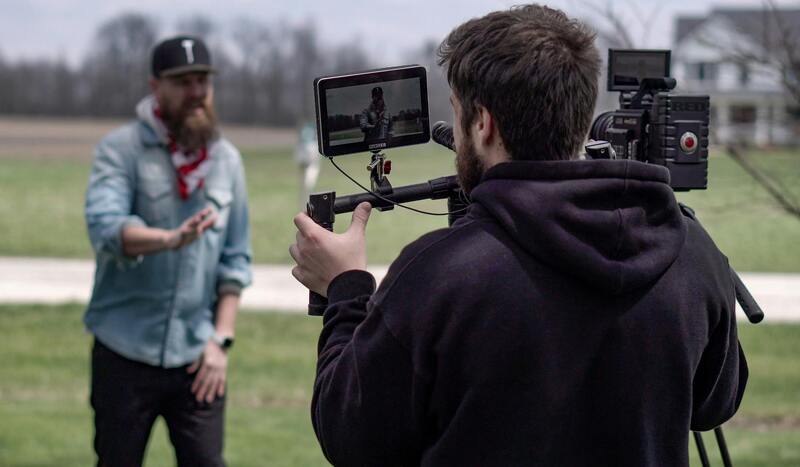
Technological infrastructure plays an equally crucial role. A reliable internet connection with ample bandwidth ensures uninterrupted streaming, particularly vital in urban environments like Miami where network reliability can significantly impact broadcast quality. Redundant internet connections and data and power backup systems mitigate potential disruptions, guaranteeing a smooth transmission.
In addition to hardware, software solutions facilitate the control and management of live streams. Studio control software allows operators to switch between multiple camera angles, add overlays, incorporate real-time graphics, and manage audio feeds efficiently. Such tools are invaluable for creating professional-grade productions that captivate viewers and enhance the streaming experience.
The importance of these components becomes even more apparent when considering events such as Miami's cultural festivals, corporate seminars, or live concerts. Businesses and event organizers must pay close attention to the integration of hardware and software to maintain production quality, which directly influences audience engagement and perception.
Moreover, live streaming production isn't solely about real-time broadcasting. It involves meticulous planning and execution that reduce latency, improve visual fidelity, and optimize sound quality. Utilizing adaptive streaming technologies helps deliver content efficiently across various devices and internet speeds, ensuring a broad and accessible reach for Miami-based audiences.
To excel in live streaming production, professionals must stay updated on emerging technologies, including next-generation cameras, wireless transmission solutions, and AI-driven content management tools. Overall, a robust understanding of these fundamental aspects is vital for creating compelling live broadcasts that meet the strategic objectives of Miami's diverse enterprise and event landscape.
Hardware and Software Requirements
Achieving a seamless live streaming production hinges on selecting appropriate hardware and software that cater to the event's scope and complexity. High-quality cameras are crucial for capturing crisp visuals, especially in dynamic environments like Miami's vibrant festivals, corporate seminars, and outdoor concerts. Professional-grade camcorders or event-specific streaming cameras with optical zoom, high frame rates, and low-light capabilities ensure visual clarity regardless of lighting conditions.
Complementing the camera setup, an efficient audio system is indispensable for delivering clear sound. Wireless microphones, mixers, and audio interfaces should be chosen based on the number of audio sources and the need for mobility within the venue. Sound mixers with multiple channels allow for real-time adjustments, ensuring that announcers, performers, and ambient sounds are balanced effectively.
On the software front, switchers or production software play a significant role in managing multiple video feeds, adding graphics, and overlaying information seamlessly. These solutions enable operators to transition smoothly between camera angles, incorporate branding elements, and insert lower thirds or live captions that enhance viewer engagement.
Livestream encoding software is equally vital, converting raw video feeds into streaming formats compatible with various distribution platforms. Encoding software optimizes quality and bitrate, facilitating adaptive streaming that adjusts dynamically to users’ internet speeds. Reliable encoders also support multiple output formats, ensuring accessibility across devices, from high-definition televisions to smartphones.
Furthermore, the integration of network infrastructure, such as high-bandwidth internet connections and backup networks, mitigates disruptions. For Miami events, where connectivity can be challenging in certain venues, deploying dedicated internet lines or mobile 4G/5G routers guarantees continuous broadcast quality.
Choosing a comprehensive production suite that combines hardware and software elements simplifies management, reduces latency, and enhances overall production value. When executed with professionalism, these technical components form the backbone of engaging, reliable live streams for audiences across Miami and beyond.
Understanding Live Streaming Production
Effective live streaming production hinges on meticulous planning, high-quality equipment, and sophisticated techniques. It involves the seamless integration of various components from camera operation to live editing and distribution. The goal is to deliver a flawless viewing experience across diverse devices and networks.
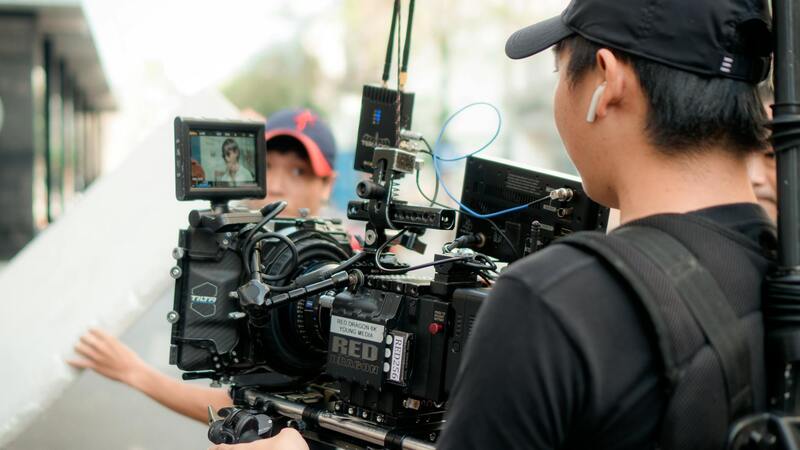
Key aspects of understanding this process include selecting appropriate hardware such as professional-grade cameras, audio equipment, and switchers. These elements ensure crystal-clear visuals and sound, critical for audience engagement. Software tools for live production also play a pivotal role—they facilitate scene switching, graphics integration, and real-time editing, elevating the overall viewing experience.
The Components of a Live Production
- Video Capture Devices: High-definition cameras capture live footage, with pan-tilt-zoom (PTZ) models offering flexibility in dynamic environments like Miami’s event venues.
- Switching and Mixing Software: Advanced solutions manage multiple camera feeds, enabling smooth transitions and overlays that enhance narrative flow.
- Encoding Hardware and Software: These convert raw video into streams compatible with various platforms, optimizing for quality and bandwidth.
- Audio Equipment: Professional microphones and mixers ensure clear sound, which is just as significant as video quality for viewer retention.
- Network Infrastructure: Reliable internet, often supported by dedicated lines or backup networks, is essential to prevent interruptions during live transmissions.
Establishing a Robust Production Workflow
Creating a seamless live streaming experience begins with strategic planning. This includes multi-camera setups, ensuring reliable power sources, and preparing backup systems. Pre-event rehearsals allow the production team to identify potential issues ranging from connectivity hiccups to equipment glitches, minimizing disruptions during actual broadcasts.
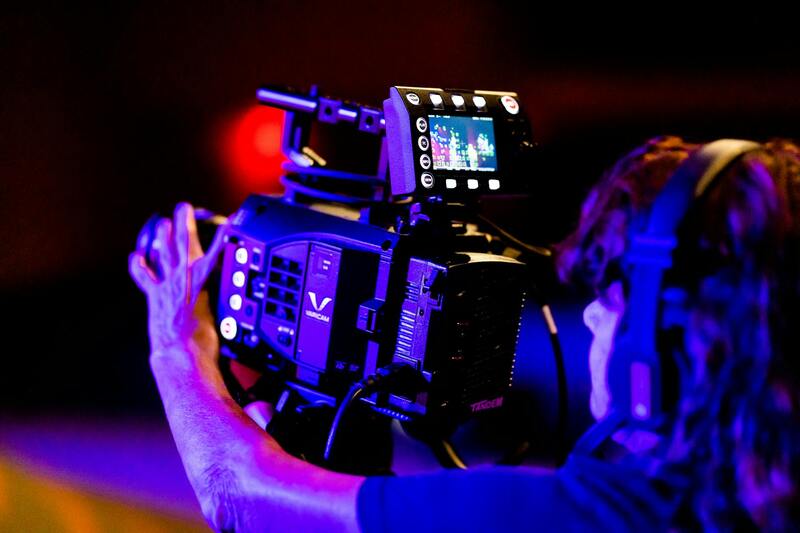
In this context, establishing clear communication channels among crew members is vital. An efficient command center, often supported by a dedicated team, coordinates camera switches, graphics, and audio levels, ensuring the broadcast maintains a professional standard throughout the event. Content planning and precise timing further contribute to the seamless flow of information, engaging viewers from start to finish.
Optimizing Quality and Reliability
To achieve superior broadcast quality, integrating high-performance encoding solutions and redundant network systems mitigates potential failures. Adaptive bitrate streaming, which adjusts video quality based on viewers’ internet speeds, ensures accessibility for audiences in varied locations in Miami and beyond.
Monitoring tools during the live event provide real-time analytics, allowing operators to quickly respond to issues such as lag, buffering, or audio dropouts. Continuous testing and maintenance of equipment further reinforce the reliability of live broadcasts.
In high-demand environments like Miami, where technological infrastructures vary, deploying mobile streaming units or leveraging cloud-based solutions can offer additional flexibility. These options help maintain stream integrity even in challenging connectivity situations, delivering a consistent viewer experience regardless of location or network constraints.
Optimizing Technical Aspects for Seamless Live Streaming
Achieving high-quality, interruption-free live streams requires meticulous attention to the technical components of the production process. Central to this is the selection and deployment of appropriate encoding hardware or software, which converts raw video signals into digital formats suitable for streaming. High-performance encoders ensure minimal latency and excellent video quality, critical factors for engaging viewers in Miami’s competitive event landscape.
Redundant network connections are vital to mitigate disruptions caused by network failures. Implementing backup internet sources, such as LTE or dedicated fiber lines, ensures continuous data flow even if the primary connection experiences issues. This redundancy is particularly important in a city like Miami, where diverse network infrastructures and potential interference can impact stream stability.
Adaptive bitrate streaming further enhances the user experience by dynamically adjusting video quality based on the viewer’s internet speeds. This method reduces buffering, allowing audiences to enjoy consistent viewing across various devices and connection speeds. Coupled with robust CDN (Content Delivery Network) integration, adaptive streaming delivers content efficiently to viewers in different geographic locations within Miami and beyond.
Monitoring tools are indispensable during live events, providing real-time analytics on stream health, viewer engagement, and technical performance. These insights enable production teams to diagnose and resolve issues swiftly, maintaining the integrity of the broadcast.

Advanced Techniques for Live Streaming Production
In the landscape of live streaming, employing advanced production techniques can significantly enhance viewer experience, streamline operations, and ensure a professional presentation. These methods encompass both technical innovations and strategic practices tailored for high-quality, seamless broadcasts in Miami.
Multi-Camera and Angle Management
Integrating multiple cameras allows production teams to deliver dynamic content with varied perspectives. Utilizing robotic or remote-controlled cameras reduces manpower while maintaining flexible shot changes. Synchronization of feeds from different angles requires high-bandwidth connections and reliable switchers, enabling smooth transitions that keep viewers engaged.
Audio Optimization and Mixing
Clear audio is fundamental to a compelling live stream. Employing professional microphones and sound mixing consoles ensures that audio signals are well-balanced. Real-time audio processing tools allow for equalization, noise suppression, and other enhancements. Additionally, embedding audio metadata within the stream facilitates better synchronization and accessibility.
Overlay Graphics and Stream Branding

Custom overlays, lower thirds, and animated graphics add a professional touch while conveying important information. Automated graphic insertion tools enable real-time updates, supporting event branding and sponsor visibility, crucial for maintaining a cohesive visual narrative throughout Miami-area broadcasts.
Real-Time Monitoring and Quality Control
Monitoring stream quality is critical for immediate issue resolution. Utilizing multi-source monitoring dashboards enables production teams to oversee video quality, audio fidelity, and stream stability. Automated alerts notify engineers of potential disruptions, allowing for rapid interventions that prevent viewer churn.
Internet Feed Optimization
The reliability of the internet connection directly impacts stream stability. Employing bonded internet solutions, which combine multiple networks, provides redundancy and bandwidth aggregation. Connection management software dynamically switches between sources if a primary connection falters, maintaining continuity during Miami’s variable network conditions.
Utilization of Cloud-Based Workflows
Adapting cloud infrastructure for live streaming allows for scalable and flexible production setups. Cloud-based encoding, storage, and distribution platforms facilitate remote collaboration and reduce hardware dependency on-site. This approach is especially beneficial for large-scale events happening across Miami, offering resilience against local infrastructure limitations.
Implementing Remote Production and Virtual Studios
Remote production configurations enable crews to operate from multiple locations, reducing on-site presence while maintaining quality control. Virtual studio environments, supported by augmented reality overlays and digital backgrounds, add visual depth and professionalism without the need for extensive physical sets.
Sample Workflow Diagram
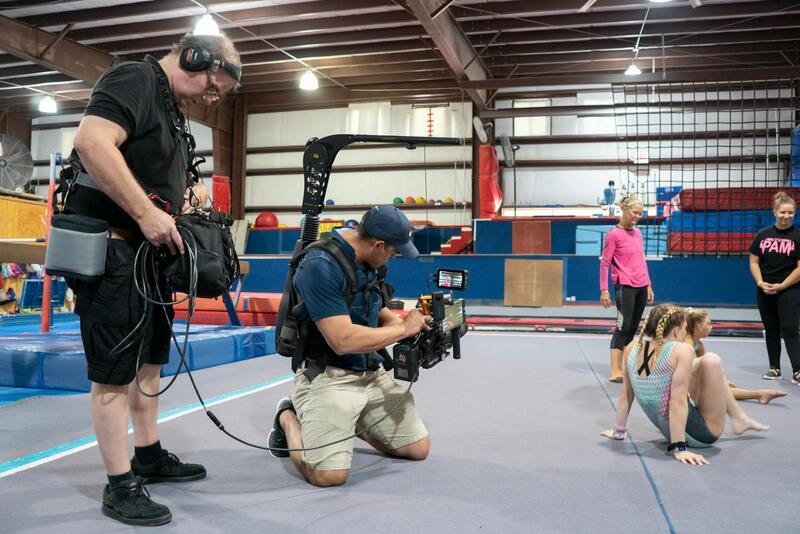
By leveraging these advanced production techniques, live streaming in Miami can achieve a high caliber of broadcast quality, ensuring content is engaging, stable, and visually impressive across diverse audiences and connection platforms. Proper planning, combined with cutting-edge technology, is essential for delivering compelling live content that meets the expectations of today’s digital viewers.
Production Techniques and Best Practices
Achieving a professional and seamless live stream in Miami requires adherence to proven production techniques and industry best practices. This ensures the delivery of high-quality content, minimizes technical issues, and enhances viewer engagement. Effective management of this process involves meticulous planning, real-time coordination, and the use of advanced tools tailored for live production.
Camera Operation and Angles
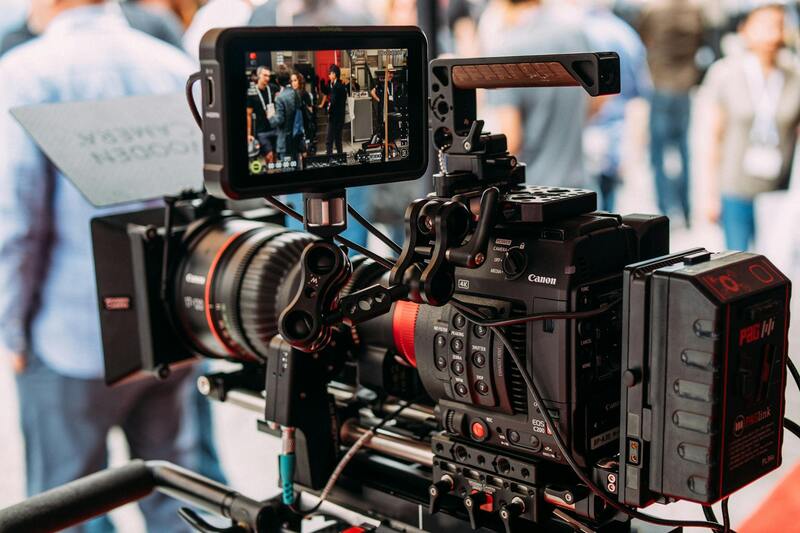
Utilizing multiple camera angles and high-definition cameras enhances the visual dynamics of a live stream. Skilled camera operators can provide close-ups, wide shots, and dynamic transitions, giving viewers a more immersive experience. Incorporating robotic or remotely operated cameras can provide steady shots and complex angles without necessitating additional crew on-site.
Audio Quality Control
Clear audio is fundamental to professional live streaming. Deployment of high-quality microphones, audio mixers, and real-time monitoring ensures sound fidelity and clarity. Additionally, managing audio levels to prevent distortion or imbalance between different sources is crucial for maintaining a polished broadcast.
Lighting Setups
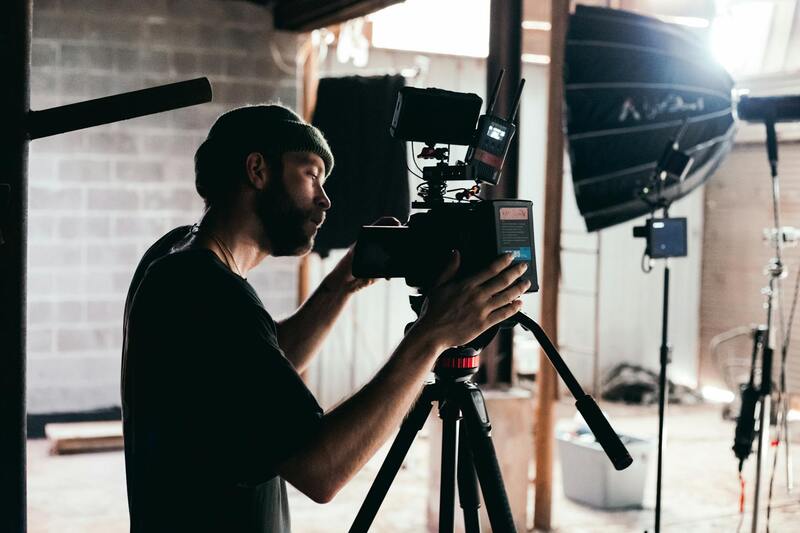
Optimal lighting enhances visual clarity and highlights key elements of the presentation. Consistent, well-placed lighting eliminates shadows and ensures subjects are well-lit, which is especially important for indoor settings. Consider using adjustable LED panels or softboxes to adapt to various environments and maintain a high production standard.
Real-Time Monitoring and Quality Assurance
Continuous monitoring of video and audio feeds during a live stream allows operators to detect and resolve issues promptly. Employing multi-view monitoring systems facilitates the oversight of all sources, ensuring smooth transitions and consistent quality. This proactive approach minimizes interruptions and maintains viewer trust and satisfaction.
Engagement and Interaction
Integrating live chat, polls, or Q&A features enhances viewer interaction, making the broadcast more engaging. Properly managing these elements requires dedicated personnel or automated moderation tools to ensure a positive experience and timely responses. Interactive features can also provide valuable feedback and insights for future productions.
Bandwidth Management and Redundancy
Ensuring stable internet connectivity is vital for uninterrupted live streaming. Implementing redundant internet sources, such as backup fiber connections or cellular bonding solutions, can safeguard against connectivity failures. Bandwidth management tools help optimize data flow, reducing latency and buffering issues, especially in Miami’s bustling digital environment.
Post-Stream Review and Analytics
After the live broadcast, reviewing technical performance and viewer engagement data provides insights into what worked well and areas for improvement. Analyzing metrics such as viewer retention, chat activity, and technical logs informs future production strategies and helps refine workflows for subsequent streams.
Applying these production techniques ensures that live streaming projects meet professional standards, deliver compelling content, and foster audience loyalty. Staying current with emerging tools and methodologies in Miami’s dynamic media landscape is key to maintaining excellence in live event broadcasting.
Understanding Live Streaming Production
Live streaming production involves a complex interplay of technical expertise, creative vision, and meticulous planning. It requires a seamless integration of hardware, software, and logistical coordination to deliver high-quality broadcast content in real-time. This process begins with comprehensive pre-production planning, which establishes the foundation for a successful live event. The goal is to produce a broadcast that engages viewers, maintains professional standards, and adheres to the specific objectives of the content being streamed.
Essential Components of Live Streaming Production
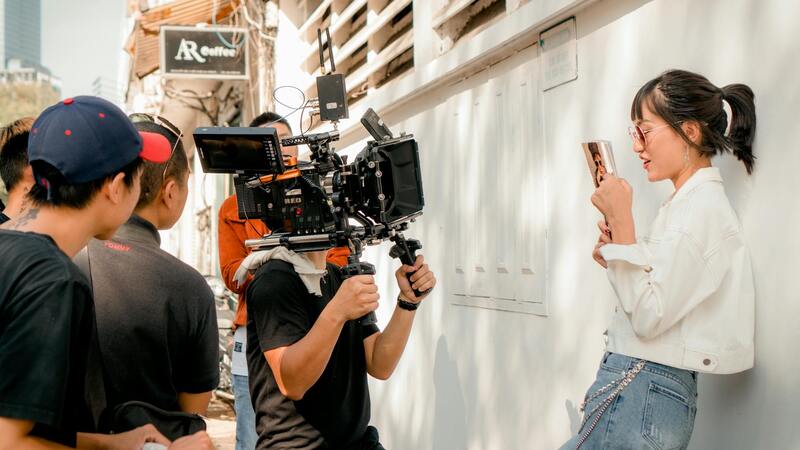
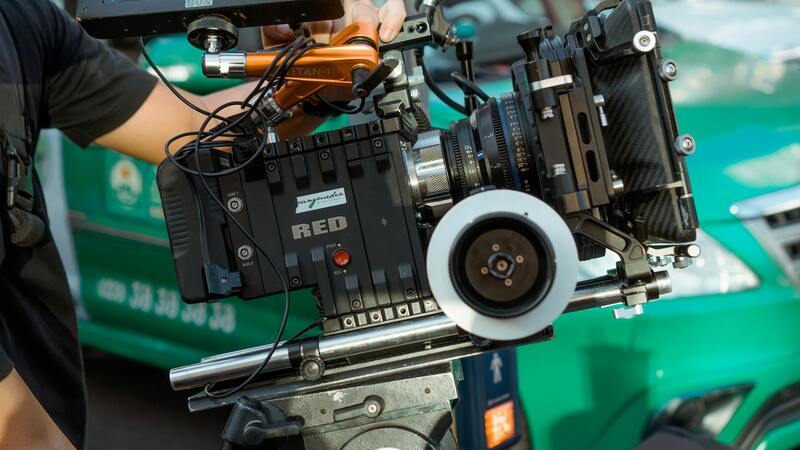
- Video Capture Equipment: High-definition cameras capable of delivering crisp visuals from various angles are vital. Multiple camera setups enable dynamic shots, close-ups, and panoramic views, enriching the viewer experience.
- Audio Equipment: Clear audio quality is equally important. Professional microphones, audio mixers, and noise reduction tools ensure sound fidelity, capturing the nuances of spoken content, performances, or ambient sounds.
- Encoding Hardware and Software: Video encoders convert raw footage into streams compatible with content delivery networks. Software encoders offer flexibility for customizing streams, overlays, and real-time graphics.
- Switchers and Mixers: Video switchers enable seamless scene transitions, multi-camera switching, and live editing, adding professionalism to the broadcast.
- Reliable Streaming Infrastructure: High-capacity servers or cloud-based solutions ensure continuous transmission, minimizing latency and buffering issues.
Preparation for Live Streaming
Thorough planning and organization are crucial. This encompasses scheduling, content arrangement, and technical rehearsals. Conducting test streams helps identify potential issues, ensuring all equipment functions correctly under live conditions. Additionally, scripts or run-of-show outlines guide on-air talent and technical staff, maintaining flow and timing clearances between segments.
Technical Considerations
Ensuring a robust internet connection is the cornerstone of effective live streaming. In Miami, where network congestion can be an issue, adopting multiple internet sources such as redundant fiber lines or cellular bonding solutions helps maintain stream stability. Bandwidth management tools are essential to allocate data efficiently, avoiding bottlenecks. Monitoring network performance in real-time allows immediate response to any disruptions, preserving stream quality.
Content Delivery and Engagement
Choosing appropriate distribution channels—such as dedicated streaming platforms, social media, or a combination—maximizes audience reach. Embedding interactive features like live chat, polls, and Q&A sessions fosters viewer interaction, making the broadcast more engaging. Managing these interactions effectively requires dedicated personnel or automated moderation systems to facilitate smooth communication, ensuring a positive, engaging environment for all viewers.
Furthermore, establishing on-screen graphics, overlays, and branding elements enhances visual appeal and reinforces brand identity throughout the stream. These elements should be pre-designed and tested during rehearsals to prevent on-air glitches. Combining technical excellence with engaging content delivery results in a broadcast that resonates with audiences and elevates the professionalism of the live event.
Post-Stream Analysis and Content Management
After the live event, a thorough review process helps refine future productions. Analyzing viewer metrics such as engagement levels, retention rates, and chat activity offers insights into audience preferences. Technical logs and stream quality reports identify any issues encountered during transmission, guiding improvements in equipment or network infrastructure.
Archiving streams for on-demand viewing also extends content longevity, allowing audiences to access the broadcast after the live event concludes. Proper content management ensures that recordings are stored securely, organized effectively, and optimized for playback across various devices and platforms. This ongoing process contributes to building a robust content library that supports continuous engagement and brand growth in Miami's competitive media environment.
Challenges and Solutions in Miami Live Streaming
Executing high-quality live streaming production in Miami involves overcoming several technical and logistical challenges. Power outages, network instability, and equipment failures can significantly disrupt the broadcast, impacting viewer experience and overall production quality. To mitigate these issues, Miami production agencies often employ redundant systems such as backup power supplies, failover internet connections, and dual-streaming setups. These strategies ensure continuity even when unforeseen technical problems arise.
Furthermore, latency and synchronization issues can detract from the professionalism of a live stream, especially during multi-camera productions or interactive segments. Utilizing low-latency streaming protocols and synchronized audio-visual feeds helps maintain seamless broadcast quality. Advanced encoding hardware and optimized network routes contribute to reducing delay, ensuring that viewers receive a timely and engaging experience.
Engaging Miami’s diverse audiences also requires adherence to local standards and regulations, which include specific content guidelines and compliance measures. Staying updated with the latest requirements and engaging with local authorities ensures that live events run smoothly without interruptions due to regulatory issues.
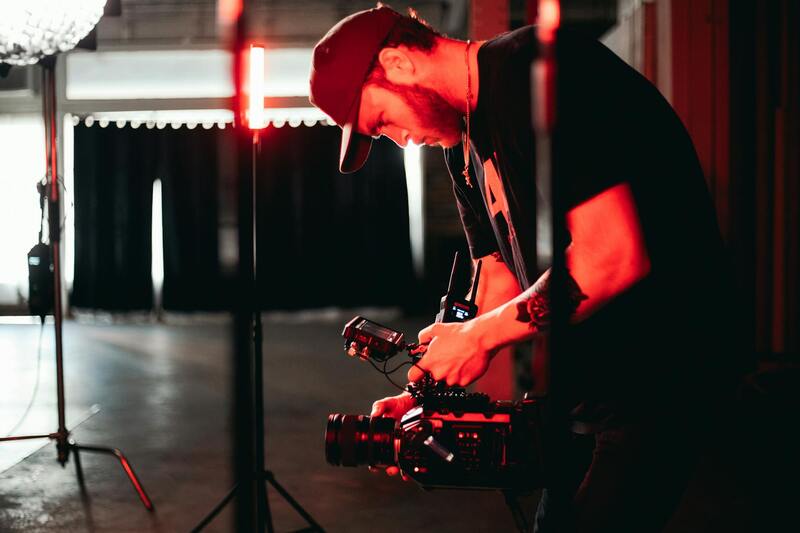
The dynamic environment of Miami's events necessitates a proactive approach to technical challenges. Implementing real-time monitoring tools allows crew members to receive immediate alerts if issues occur, enabling rapid response and minimizing downtime. Additionally, conducting thorough pre-event rehearsals, including full system checks and dry runs, helps identify potential vulnerabilities in the production setup. These rehearsals should simulate actual broadcasting conditions as closely as possible to expose and address any issues beforehand.
Effective communication among production team members is vital. Clear protocols and points of contact streamline decision-making during live broadcasts, allowing quick adjustments when necessary. Team coordination also extends to managing on-screen graphics, audio cues, and live interactions to foster an engaging presentation that resonates with Miami's vibrant audience.
Lastly, post-event evaluations are instrumental in identifying challenges faced during live streaming. Detailed reviews of technical logs and viewer feedback inform ongoing improvements, ensuring that subsequent productions are even more resilient and polished. This continuous cycle of assessment and adaptation is key to maintaining high standards in Miami’s competitive live streaming landscape.