Understanding Live Stream Productions
Live stream productions encompass the real-time broadcasting of media content over the internet, enabling audiences to engage with events as they unfold from virtually any location. This form of media delivery has rapidly become an integral component of modern communication, ranging from corporate events, conferences, and product launches to entertainment, sports, and community gatherings. In Miami, a vibrant hub for diverse industries and cultural events, live stream productions serve as essential tools for expanding reach and enhancing audience engagement.
Executing a successful live stream involves meticulous planning, high-quality equipment, and skilled production personnel. It provides organizations with an opportunity to diversify their communication channels, increase accessibility, and deliver immersive experiences. As technology advances, the demand for professional-grade live streaming services has surged, making it crucial for companies to understand the core aspects that underpin effective live broadcast operations.
Live stream productions facilitate instant access to content, interactiveness through real-time comments and Q&A sessions, and the ability to reach a global audience without geographical limitations. This capability is especially beneficial for events held in Miami, where regional diversity and international interest create a perfect environment for leveraging live streaming to showcase local talent, civic events, or business innovations.
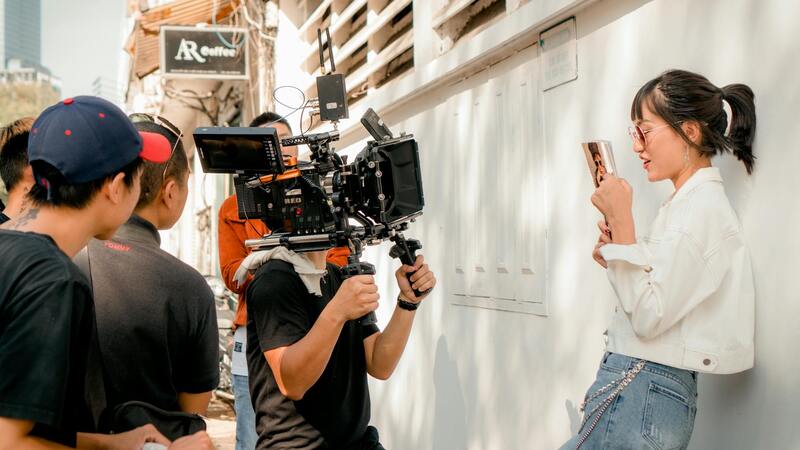
Effective live streaming also requires an understanding of various technical components and strategic planning to ensure seamless delivery. This involves selecting appropriate hardware and software, coordinating with hosts and presenters, and managing the production crew’s on-site activities. The ultimate goal is to produce a broadcast that is professional, engaging, and reliable, reinforcing the credibility of the content provider and enhancing viewer satisfaction.
By integrating advanced technology with professional expertise, live stream productions in Miami support a broad spectrum of event types, empowering organizations to maximize their outreach and create compelling digital experiences. Whether broadcasting a corporate conference, a local festival, or a remote charity fundraiser, comprehensive live streaming solutions are pivotal to capturing attention, maintaining viewer interest, and delivering high-value content in real-time.
Planning and Pre-Production for Live Streaming
Effective live stream productions begin long before the camera starts rolling. The planning and pre-production phase involves meticulous coordination to ensure every aspect of the broadcast aligns with the desired outcome. This includes defining clear objectives for the event, understanding the target audience, and determining the key messages to be conveyed. Establishing the technical requirements, such as bandwidth needs and equipment specifications, ensures the infrastructure can support a seamless broadcast.
Content development also plays a vital role during this phase. Scriptwriting, timing schedules, and rehearsals help smooth out potential glitches and build confidence among hosts and presenters. Venue assessment is crucial to identify optimal camera angles, lighting conditions, and acoustics, which directly influence broadcast quality. In addition, securing necessary permits and adhering to local regulations is an integral part of pre-production to avoid disruptions during the live event.
Effective communication between the production team, clients, and on-site personnel is essential for coordinating responsibilities and troubleshooting potential issues in advance. Creating a comprehensive production plan, including contingency strategies for technical failures or unexpected disruptions, minimizes risks and promotes a professional presentation. Leveraging detailed checklists and production timelines enhances team coordination and ensures that all elements—from equipment setup to audience engagement tactics—are executed flawlessly during the live event.
Equipment and Technology Used in Live Streams
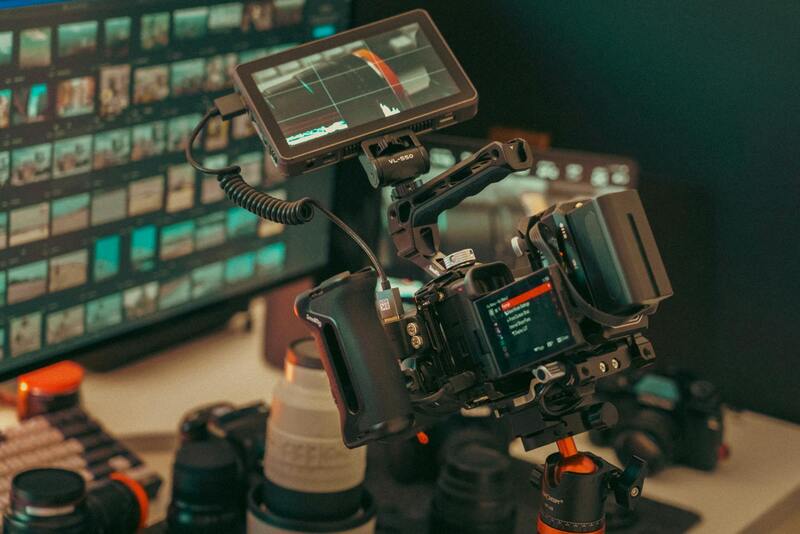
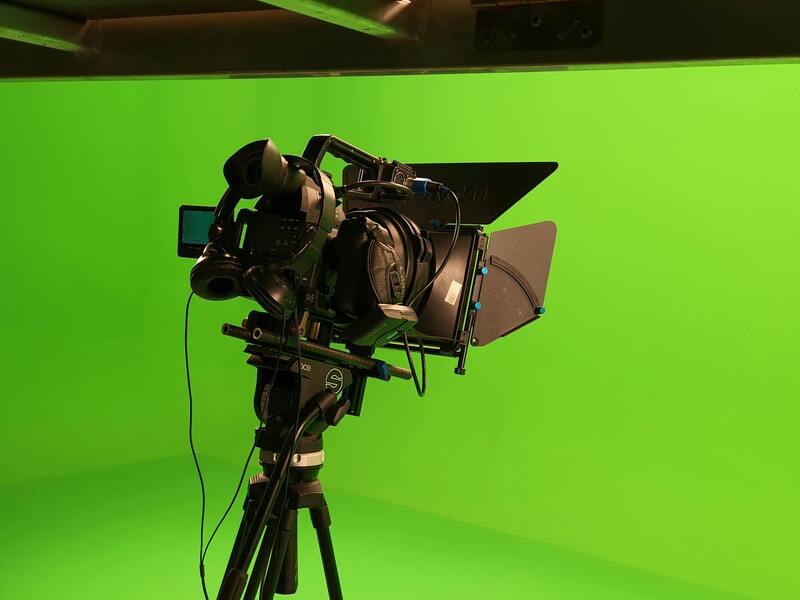
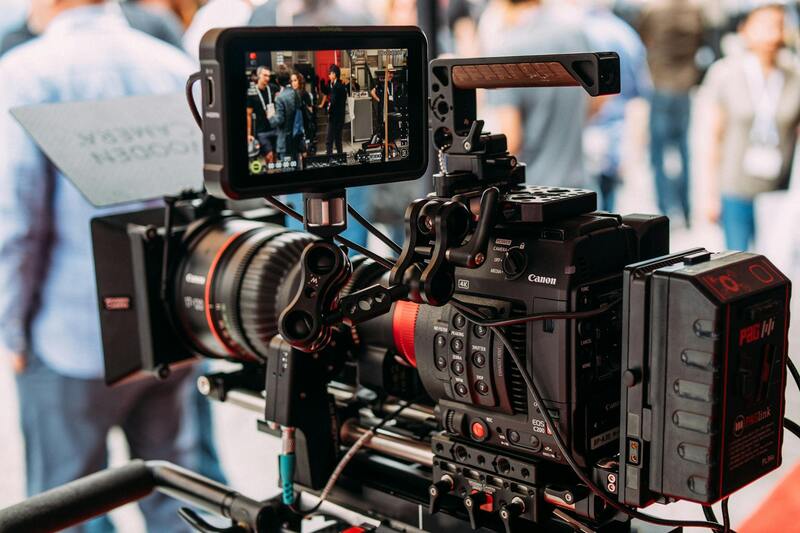
A successful live stream relies heavily on the integration of advanced hardware and software solutions. High-definition cameras, capable of capturing crisp and vibrant visuals, are essential for engaging viewers. These are often complemented by professional audio equipment, including microphones and mixers, to deliver clear sound quality that conveys the event's atmosphere and message effectively. Proper lighting setups are equally critical, as they enhance visual clarity and highlight key moments or speakers.
Reliable internet connectivity is the backbone of live streaming. A dedicated broadband connection with sufficient upload bandwidth minimizes latency and buffering, providing viewers with a smooth experience. In some cases, multiple internet sources or backup connections are used to ensure continuity if primary connections fail. Live streaming software manages video encoding, multi-camera switching, graphics overlays, and real-time streaming to various platforms or devices.
Additional tools such as wireless transmission systems, portable streaming kits, and hardware for remote control further enhance production flexibility, allowing for dynamic, professional-quality broadcasts from diverse locations. Choosing the right equipment tailored to the event’s scale and complexity is fundamental to delivering a high-caliber live experience.

Understanding Live Stream Productions
Live stream productions encompass a sophisticated process that integrates various technical components, strategic planning, and operational management to deliver engaging digital content in real-time. This process involves the deployment of high-end equipment, precise coordination of production staff, and adherence to a meticulously planned workflow. A successful live stream hinges on ensuring that each aspect—from video capture and audio clarity to seamless transitions and platform integration—works in harmony to produce a polished, viewer-friendly broadcast.
Fundamentally, a live stream production is characterized by its real-time nature, which demands robust infrastructure and flawless execution. This includes not only capturing content through professional-grade hardware such as high-definition cameras and audio devices but also utilizing specialized software for encoding, switching, and overlaying graphics. The infrastructure must handle various streaming platforms simultaneously if needed, ensuring a broad reach across multiple audiences. Whether broadcasting corporate events, concerts, or educational seminars, live stream productions demand a blend of creative vision and technical expertise.

Moreover, the infrastructure must be supported by reliable connectivity solutions. Dedicated internet connections with high bandwidth are critical to prevent latency and buffering issues. Redundant internet sources or backup solutions can safeguard against potential disruptions. On the technical side, live stream software enables multiple camera views, transitions, and graphical overlays that enhance viewer engagement. These software tools provide operators with control and flexibility, allowing adjustments to be made in real-time to address unforeseen issues or to emphasize key moments in the broadcast.
Aside from technical aspects, a structured operational framework is essential for live production. This includes pre-event planning, synchronized with the content schedule, and comprehensive on-site management to oversee equipment setup, personnel coordination, and real-time troubleshooting. The goal is to create a seamless experience for viewers and a smooth workflow for the production team, minimizing downtime and technical glitches. Properly coordinated efforts before, during, and after the event are what elevate standard streaming to a professional level that audiences find engaging and credible.
The importance of expertise in executing complex live stream productions cannot be overstated. Skilled technicians ensure optimal device operation, monitor streaming quality, and respond swiftly to any technical issues that arise. Adding layers of technical redundancy, such as backup encoding hardware or secondary internet sources, reinforces operational stability. This comprehensive approach guarantees that the focal event is delivered with clarity, professionalism, and resilience—hallmarks of high-caliber live stream productions.
Understanding Live Stream Productions
Executing a professional live stream requires meticulous coordination of various technical and operational components. It involves more than simply capturing footage and broadcasting it online; it encompasses detailed planning, real-time management, and post-event review to ensure the content delivered resonates with the intended audience. High-quality live stream productions rely on a strategic combination of technology, skilled personnel, and efficient workflows to provide seamless, engaging, and reliable streaming experiences. This process begins with pre-production planning, advancing through real-time execution, and culminating in post-event content management, each phase critical to the system's overall success.
Key Elements of Successful Live Streaming
- Quality Content Strategy: Defining clear objectives and a well-structured content outline ensures the broadcast remains focused and engaging from start to finish.
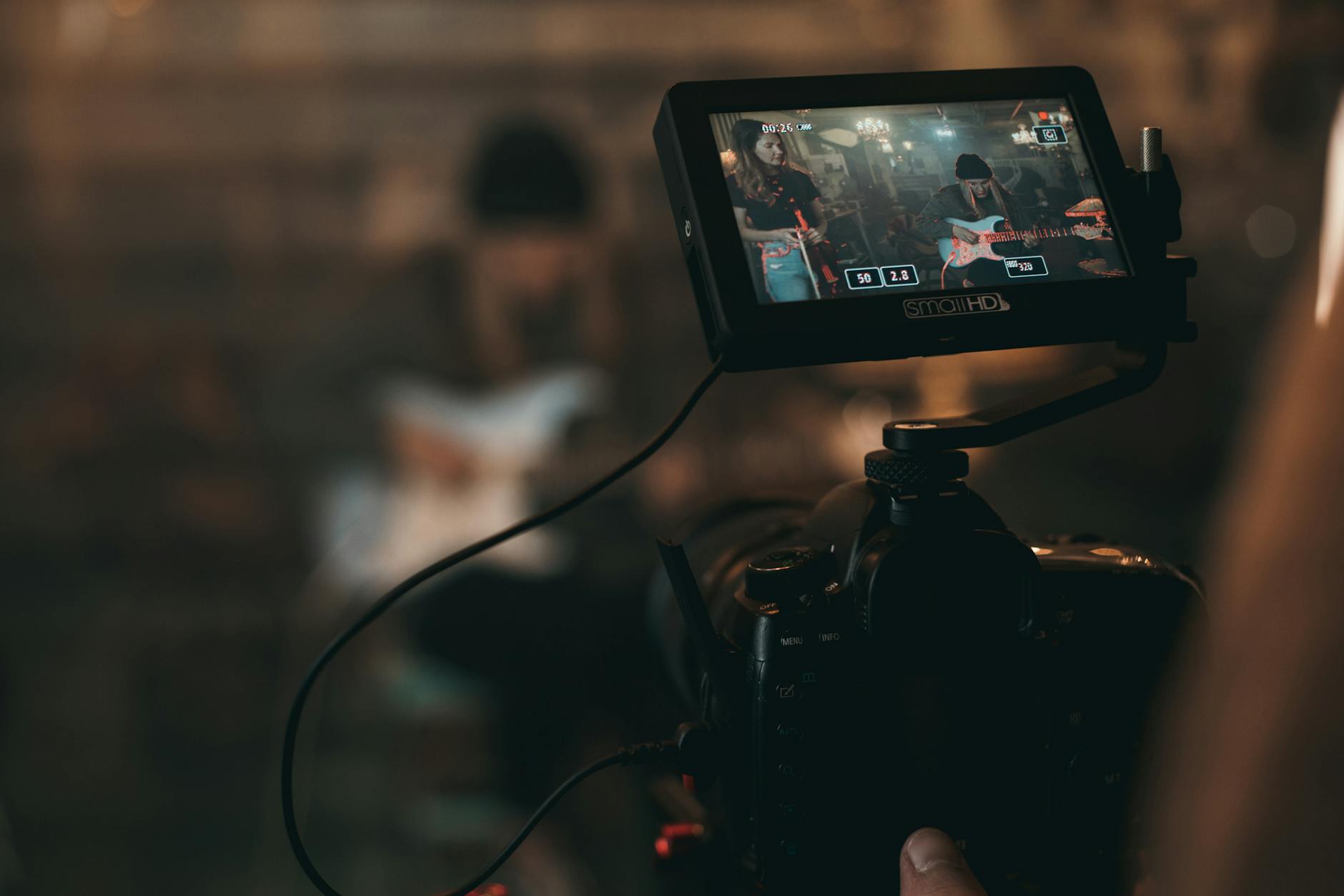
- Robust Technology Infrastructure: Utilizing high-definition cameras, professional-grade audio equipment, dedicated encoders, and reliable streaming platforms creates a flawless viewer experience.
- Professional Technical Team: Skilled operators who can manage equipment, troubleshoot issues swiftly, and execute transitions smoothly are indispensable for maintaining broadcast integrity.
- Comprehensive Connectivity Solutions: Redundant internet sources and backup hardware minimize the risk of disruptions, especially during critical moments of the stream.
- Audience Engagement Tools: Incorporation of live chat, real-time polls, and interactive graphics can enhance viewer participation and satisfaction.
Planning and Pre-Production for Live Streaming
Successful live streaming begins long before the cameras start rolling. It involves detailed pre-event planning that encapsulates content development, technical setup, and logistical arrangements. Content creators and production managers collaborate to craft a comprehensive plan, including shot lists, camera angles, and graphical overlays to be used during the broadcast. Equipment checks, network assessments, and rehearsals are conducted to identify potential issues and refine the operational workflow.
It is essential to coordinate with all on-site personnel, from camera operators to technical directors, to ensure everyone understands their roles and timing. Rehearsals provide a vital opportunity to test the equipment, run through the program timeline, and address any technical challenges. Furthermore, pre-configuration of encoding settings and streaming parameters ensures a smoother transition during the live event. Strategic planning reduces the likelihood of delays or technical failures, boosting the overall professionalism of the production.
The Role of On-Site Management
On-site management is pivotal during a live streaming event. It involves overseeing the technical setup, managing crew assignments, and monitoring the live feed continuously. The director holds a central role, coordinating camera shots, transitions, and graphics, all while maintaining alignment with the content schedule. Dedicated technical support teams constantly monitor internet stability, audio quality, and streaming hardware operation, ready to address any unexpected issues immediately.
Logistical oversight ensures that all equipment is correctly configured and functioning optimally. Precise timing in cueing cameras, switching angles, and integrating overlays enhances viewer experience and mimics the dynamics of a broadcast studio. Regular communication among team members via headsets and real-time dashboards bolsters workflow efficiency, ensuring that the stream proceeds smoothly and professionally regardless of unforeseen challenges.
Understanding Live Stream Productions
Live stream productions involve a complex integration of technical expertise, creative vision, and meticulous planning to deliver high-quality content in real-time. They serve as a powerful tool for businesses, organizations, and content creators to reach diverse audiences instantaneously. The success of such productions depends on precise coordination between multiple elements, including video capture, audio management, streaming platforms, and audience engagement strategies.
At their core, live stream productions are dynamic events that require a seamless blend of hardware and software components. Professional-grade cameras, switchers, encoders, and audio equipment work together to produce a cohesive viewing experience. The operational team, including directors and technical staff, must be adept at managing live feeds and troubleshooting issues as they arise. This level of sophistication ensures that audiences receive uninterrupted, professional-grade content regardless of the event’s scale or complexity.
Furthermore, the integration of interactive features such as real-time chat, social media interaction, and audience polls can elevate engagement levels, making live streams more compelling and inclusive. As technology advances, live stream productions are increasingly adopting scalable cloud solutions that facilitate multi-camera setups, remote broadcasting, and higher bandwidth management, expanding the possibilities for content delivery.
Key Elements of Successful Live Streaming
- Comprehensive Planning: Detailed scheduling, script development, and technical rehearsals ensure the smooth flow of the event.
- Reliable Equipment: Using professional-grade cameras, switchers, and fast internet connections minimizes technical disruptions.
- Skilled Personnel: Experienced directors, camera operators, and technical support staff can adapt swiftly to live challenges.
- Effective Communication: Clear coordination via headsets and dashboards keeps the production team aligned during the event.
- Audience Interaction: Incorporating live feedback and interactive features increases viewer engagement and satisfaction.
Planning and Pre-Production for Live Streaming
Careful planning and pre-production are paramount to executing a seamless live stream. This phase includes creating a detailed event timeline, conducting technical rehearsals, and ensuring all equipment is properly configured. Content creators should develop a comprehensive script and shot list, outlining camera angles, graphics, and cues for transitions. Conducting test streams allows the production team to identify and resolve potential issues ahead of the actual event, thereby reducing the risk of technical failures during the live broadcast.
Pre-production also entails coordinating with all stakeholders, including presenters, sponsors, and technical staff, to confirm roles, responsibilities, and contingency plans. In addition, permits or permissions required for broadcasting, especially if integrated with external locations, need to be secured in advance. This thorough preparation lays the foundation for a professional, engaging, and glitch-free live streaming experience.
Understanding Live Stream Productions
Live stream productions represent the culmination of strategic planning, technical expertise, and real-time content delivery. They involve orchestrating various multimedia components to broadcast events, performances, or corporate content directly to audiences via the internet. A comprehensive live streaming setup encompasses high-definition video capture, real-time encoding, stable internet connectivity, and an optimal distribution platform. The core objective is to deliver a seamless viewer experience that mirrors traditional in-person events, while also offering interactive elements that foster audience engagement. Successful live stream productions are often distinguished by meticulous planning and professional execution. They leverage advanced technologies such as multi-camera setups, live graphic overlays, and synchronized audio channels, ensuring that the content remains visually appealing and coherent. Moreover, live streams facilitate immediate audience interaction through live chat, polls, and social media integration, making the experience more immersive and participatory. Whether broadcasting a corporate conference, music concert, or educational seminar, the production team must adapt swiftly to on-the-fly challenges without sacrificing quality. This demands a combination of technical proficiency, creative vision, and proactive problem-solving skills. As the demand for high-caliber live streaming continues to grow, partnering with experienced production entities becomes integral to achieving professional results.
Key Elements of Successful Live Streaming
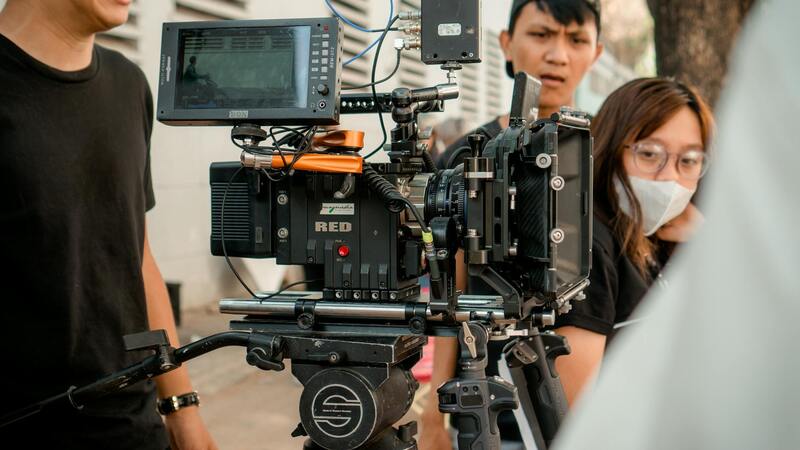
Effective live streaming hinges on several critical elements that collectively contribute to a smooth and engaging broadcast.
- High-Quality Video and Audio: Utilizing HD cameras and professional sound equipment ensures that viewers receive a crisp visual and clear audio experience.
- Reliable Internet Connectivity: A dedicated, high-bandwidth internet connection prevents interruptions and buffering issues, which can diminish viewer satisfaction.
- Production Crew Expertise: Skilled camera operators, directors, and technical support staff are essential for swift problem resolution and creative shot composition.
- Comprehensive Pre-Production Planning: Developing detailed scripts, shot lists, and broadcast timelines minimizes on-air surprises and technical glitches.
- Engagement and Interactivity: Incorporating live chat moderation, polls, and Q&A sessions boosts audience participation and retention.
- Post-Stream Content Management: Archiving recordings for on-demand viewing prolongs the lifespan of the content and allows for repurposing across multiple platforms.
Each of these elements requires precise coordination and adherence to best practices, ensuring the final broadcast aligns with the event's objectives and audience expectations.
Choosing a Miami Production Partner for Live Streaming
Understanding the Importance of a Local Expertise
Partnering with a professional Miami-based production company brings numerous advantages when planning and executing live stream productions. Local providers possess an intimate knowledge of the area's unique technical and logistical landscape, including optimal locations, local regulations, and environmental considerations that can impact the event broadcast. Their familiarity with Miami's infrastructure ensures smoother execution, minimizing unforeseen complications that might arise from unfamiliarity with regional specifics.
Furthermore, a local Miami production partner offers immediacy and accessibility, enabling rapid response to on-site issues and adjustments during the broadcast. Being geographically close facilitates efficient equipment setup, testing, and troubleshooting, which are crucial for ensuring uninterrupted streaming. A dedicated team on the ground can better coordinate with venue staff, local vendors, and talent, fostering seamless collaboration and adherence to schedules.
Evaluating Technical Capabilities and Service Offerings
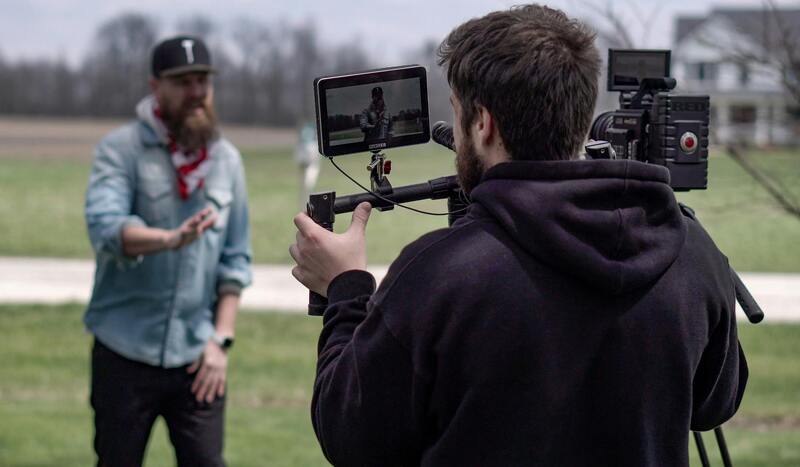
When selecting a Miami production service for live stream productions, it is essential to assess their technical capabilities thoroughly. A reputable provider should demonstrate access to high-end broadcasting equipment, such as multiple 4K cameras, professional switchers, high-quality audio systems, and reliable streaming platforms. Their technical expertise should extend to handling complex setups including remote guests, multi-camera angles, and mixed media integration.
Additionally, a comprehensive service offering typically includes pre-production planning, live directing, on-site technical support, and post-production editing. Providers with experience in various content genres—corporate events, concerts, religious services, or sports—can tailor their approach to meet specific event needs. They should also be adept at managing bandwidth constraints and ensuring secure data transfer, safeguarding content against potential cyber threats or unauthorized access.
Seeking Proven Experience and Client Testimonials
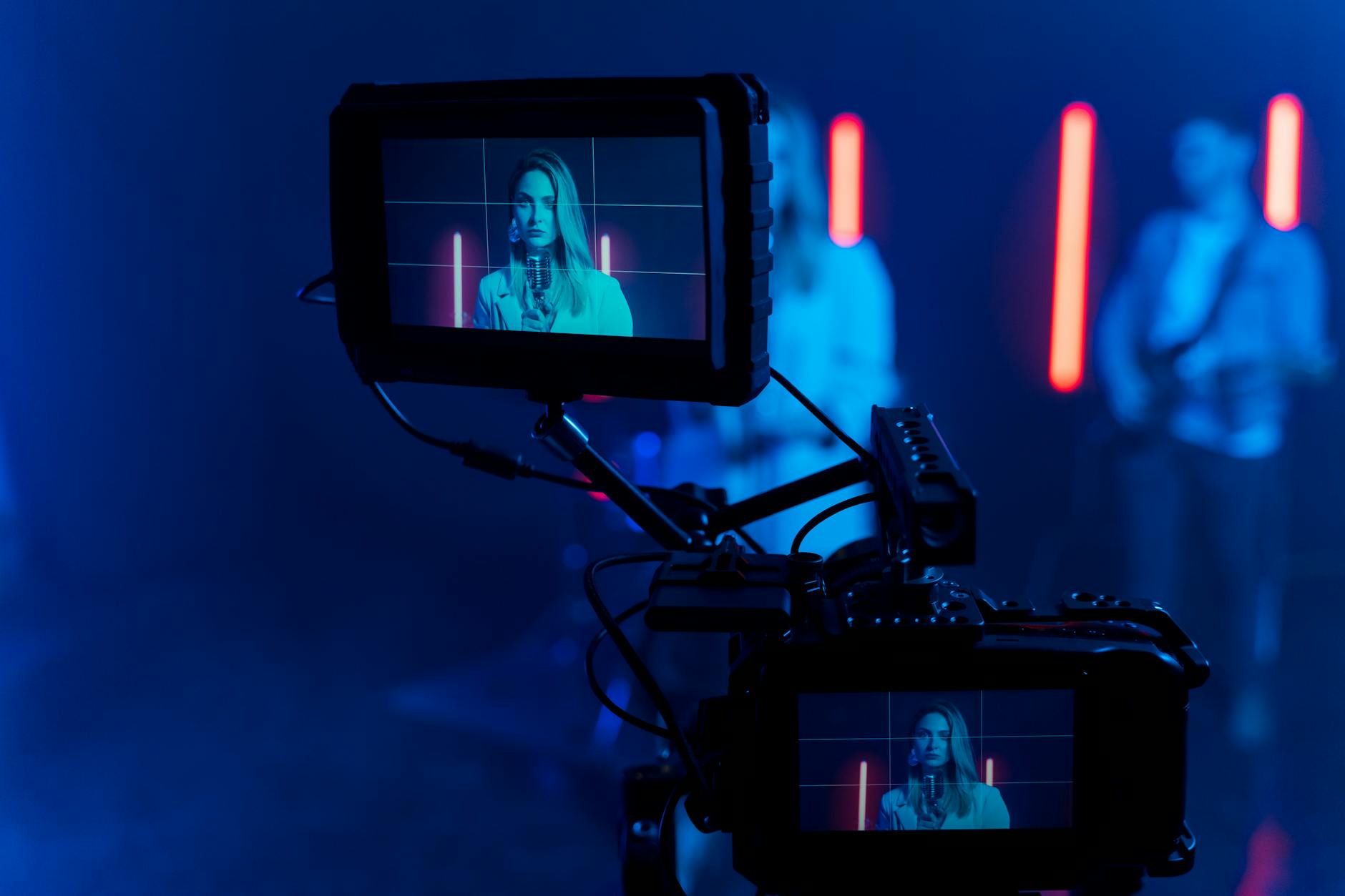
Assessing the demonstrated experience of a Miami production partner involves reviewing their portfolio of past live stream projects. Successful completion of similar events provides insight into their operational proficiency and technical reliability. Requesting case studies or references from previous clients can reveal their capacity for handling the scale, complexity, and specific requirements of your event.
Client testimonials and peer recommendations also serve as valuable indicators of professionalism and consistency. A well-established provider will typically showcase a diverse portfolio and positive feedback, reflecting their commitment to quality and customer satisfaction. Establishing clear communication channels and discussing project-specific goals upfront are vital steps toward ensuring the chosen partner aligns with your expectations and desired outcomes for the live stream production.
Advanced Techniques and Securing Live Stream Content
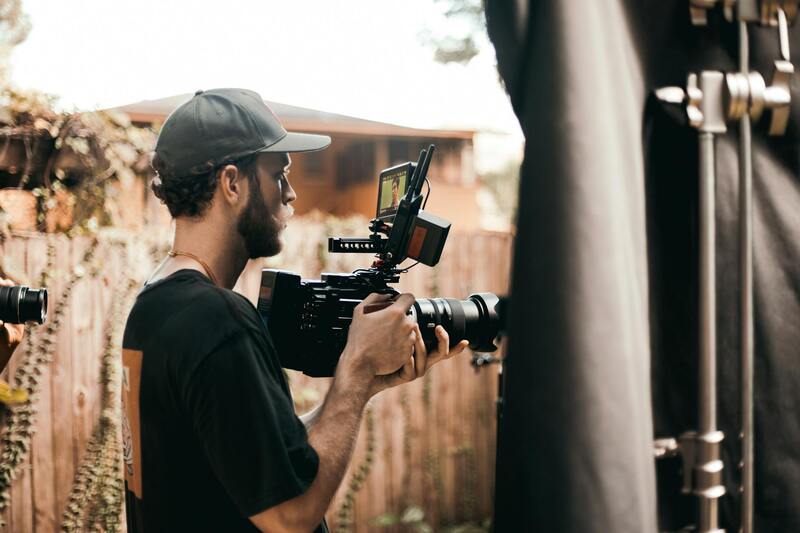
Implementing advanced techniques in live stream productions enhances broadcast reliability and viewer engagement. Techniques such as adaptive bitrate streaming adjust video quality dynamically based on viewers' internet bandwidth, minimizing buffering and stream interruptions. Multi-camera setups provide dynamic angles, enriching viewer experience and increasing production value. Use of graphics overlays, lower thirds, and real-time data integration adds professionalism and clarity to the broadcast, especially during corporate presentations or sports events.
Securing live stream content is critical to protect intellectual property and prevent unauthorized access. Employing encrypted data transmission prevents interception or tampering during the broadcast. Secure login credentials and multi-factor authentication help restrict access to production control panels and content management systems. Content Delivery Network (CDN) providers should offer robust security features, including DDoS protection and server security updates to safeguard against cyber-attacks. Additionally, using watermarking or digital rights management (DRM) techniques can help verify content authenticity and ownership.
Monitoring and Real-Time Troubleshooting
Constant monitoring of the live stream ensures rapid identification and resolution of technical issues. Professionals utilize specialized software tools to oversee stream health, bandwidth usage, and stream latency. Real-time troubleshooting can involve switching to backup streams, adjusting encoding settings, or coordinating with network providers to resolve any issues swiftly. Having a dedicated technical team on-site or online support available during the event reduces downtime and maintains broadcast continuity.
Compliance and Ethical Considerations
Maintaining compliance with relevant broadcast standards and ethical practices is essential for credibility. Proper management of sensitive content involves implementing access controls, adhering to privacy laws, and obtaining necessary permissions. When broadcasting live events that include participants or copyrighted materials, securing appropriate licenses and consents minimizes the risk of disputes. Transparency about content usage and respecting intellectual property rights ensures a responsible and professional live streaming operation.
Technical Innovations and Future Trends
Staying abreast of technological advancements allows producers to deliver cutting-edge live stream productions. Innovations such as 4K streaming, virtual reality integration, and augmented reality overlays create immersive experiences that captivate audiences. Artificial intelligence (AI) tools enhance production workflows through automated editing, scene switching, and content moderation, enabling more efficient operations. As internet infrastructure continues improving, the potential for higher resolution, interactive features, and multi-platform delivery expands, providing fresh opportunities for engaging viewers more deeply.