Overview of Video Conferencing in Miami
Miami has emerged as a vibrant hub for business, technology, and cultural exchange, making seamless communication essential for organizations operating within the region. Video conferencing has become a cornerstone of this interconnected environment, enabling real-time interactions across local, national, and international borders. As companies and institutions increasingly adopt remote collaboration methods, video conferencing solutions facilitate efficient communication, reduce travel costs, and foster stronger relationships with clients, partners, and team members.
The growth of video conferencing in Miami mirrors broader technological advancements and the rising demand for flexible, accessible communication tools. This shift is particularly significant for industries such as finance, tourism, real estate, healthcare, and education, which benefit from high-quality visual interactions. Virtual events, webinars, and remote meetings have become commonplace, transforming traditional business models and opening new avenues for engagement.
Due to Miami’s diverse demographic and expansive commercial landscape, businesses require solutions that are reliable, scalable, and tailored to their specific needs. Local service providers specialize in offering comprehensive video conferencing options that accommodate various organizational sizes, from small startups to large corporations. These services often include live streaming, secure data transmission, and integrated communication features designed to optimize virtual interactions.

Furthermore, the rise of remote work policies and hybrid office models in Miami has intensified the demand for effective virtual communication platforms. As the city continues to grow as an international business center, the ability to conduct professional, uninterrupted, and engaging video conferences becomes more vital than ever. Local organizations recognize that investing in state-of-the-art video conferencing infrastructure not only improves operational efficiency but also enhances their competitive edge in a dynamic marketplace.
From hosting large-scale virtual summits to supporting minute collaborative sessions, Miami’s video conferencing ecosystem is evolving to meet diverse organizational needs. Companies are increasingly looking for solutions that integrate seamlessly with existing workflows, offer user-friendly interfaces, and ensure high levels of security for sensitive information. In this context, the emphasis on official, reliable, and technologically advanced video conferencing methods remains a top priority for regional businesses and institutions.
Key Features of Effective Video Conferencing Technologies
To ensure seamless virtual interactions, Miami organizations depend on advanced video conferencing technologies that incorporate crucial features tailored to professional needs. High-definition video quality is fundamental, providing clear visuals that facilitate better engagement and communication among remote participants. This clarity aids in conveying non-verbal cues, vital for understanding tone and intent during discussions.
Reliable audio technology complements high-definition video, ensuring that voice clarity remains uninterrupted regardless of network fluctuations. This prevents miscommunications and maintains a professional atmosphere throughout virtual meetings. Integrated noise suppression and echo cancellation further enhance audio quality, creating an environment conducive to focused discussions.
Screen sharing capabilities are essential for facilitating collaboration, allowing participants to present documents, charts, or real-time data effortlessly. This feature streamlines meetings by reducing the need for multiple file exchanges and encourages interactive participation. Recording functionalities serve as valuable tools for documenting discussions, enabling teams to review key points or share sessions with absent stakeholders.
Security measures, such as end-to-end encryption and multi-factor authentication, are integral to safeguarding sensitive information shared during Miami's video conferences. Platforms that incorporate these features provide confidence that confidential data remains protected against unauthorized access.
Additional features like virtual backgrounds, breakout rooms, and live polling contribute to more engaging and interactive sessions. Breakout rooms enable smaller group discussions within larger meetings, fostering more focused collaboration. Live polling offers immediate feedback, making presentations more dynamic and participative. Ensuring these features are available on selected platforms allows Miami businesses to customize their virtual environments according to specific event or organizational requirements.

Choosing the Right Video Conferencing Platform for Miami Companies
Selecting an appropriate platform requires a comprehensive assessment of the organization's unique requirements, such as scalability, security, and ease of use. Miami-based firms should prioritize solutions that integrate seamlessly with existing communication tools like email, calendar systems, and enterprise software. Compatibility with mobile devices is also critical, given the prevalence of remote and hybrid work models, ensuring that team members can connect from any location with reliable access.
Platforms that offer localized support and tailored features designed for Miami’s unique business environment are advantageous. These services should feature robust technical support, easily accessible within the local timezone, to resolve issues swiftly and minimize disruptions during critical meetings.
Ease of user interface is another vital aspect, allowing staff at all levels to adopt new technologies without extensive training. Additionally, a solution’s capacity to handle varied conference sizes—from small team huddles to large-scale virtual events—is essential for accommodating Miami’s diverse organizational landscape.
Benefits of Professional Video Conferencing Services in Miami
Implementing professional-grade video conferencing services delivers numerous operational advantages for Miami companies. It reduces travel costs and time, enabling teams to connect instantly regardless of geographical barriers. This immediacy fosters quicker decision-making and more efficient project workflows.
Enhanced communication clarity and reliability contribute to higher productivity levels, especially when discussing complex topics that require visual aids or detailed explanations. Professional services also provide high levels of security and compliance, crucial for industries handling sensitive data such as finance, healthcare, and legal sectors in Miami.
Moreover, leveraging specialized technical support ensures minimal downtime and continuous high-quality service during vital interactions. This reliability reinforces stakeholder confidence and sustains professional relationships across the Miami business community.
Customizing Video Conferencing Solutions for Local Events and Conferences
Miami's dynamic event scene calls for tailored virtual conferencing solutions that align with local cultural nuances and logistical requirements. Customization efforts may include integrating branding elements, supporting multilingual interfaces, or enabling features suited for large audiences and interactive sessions.
For large-scale events, professional providers can facilitate multi-session platforms with breakout rooms, live Q&A, and real-time translation services, creating an immersive experience for diverse audiences. Ensuring the platform supports high participant capacities and provides robust bandwidth management guarantees smooth operations even during peak usage.
Custom configurations also encompass scheduling, registration integrations, and post-event analytics, helping organizers streamline logistics and measure engagement effectively. Localized support teams assist in optimizing these setups, addressing technical needs swiftly, and enhancing participant satisfaction.

Technical Setup and Infrastructure Considerations in Miami
Establishing a solid technical foundation is crucial for reliable video conferencing operations in Miami. This involves assessing the existing network infrastructure to support high-bandwidth activities and implementing dedicated internet connections where necessary. Fiber optic connectivity is highly recommended given Miami’s prevalent availability and its capacity to handle large data loads with minimal latency.
Organizations should consider the deployment of enterprise-grade routers, switches, and firewalls to ensure secure and efficient internal network performance. Adequate power supplies and backup systems, such as uninterruptible power supplies (UPS), ensure operational continuity during outages.
The physical environment also plays a role. Dedicated conference rooms with soundproofing, appropriate lighting, and ergonomic audiovisual setups significantly improve the experience for remote participants. Proper room acoustics reduce echo and background noise, essential for maintaining clarity during high-stakes discussions.
Finally, partnerships with local internet service providers and technology vendors can facilitate tailored infrastructure enhancements. Regular maintenance, upgrades, and staff training on system usage ensure ongoing performance and readiness for critical virtual engagements in Miami’s bustling business environment.
Choosing the Right Video Conferencing Platform for Miami Companies
Miami's dynamic business environment requires organizations to select video conferencing platforms that are robust, flexible, and capable of supporting a wide range of operational needs. When evaluating options, companies should prioritize platforms that offer high-quality video and audio fidelity, ensuring clear communication regardless of geographical diversity or time differences. Scalability is also essential, as new teams, departments, or external partners may need seamless integration into existing virtual communication channels without compromising performance.
Ease of use is another critical factor; platforms with intuitive interfaces reduce onboarding time and minimize technical difficulties during critical meetings. This ease of operation encourages broader adoption across teams, fostering more consistent and efficient communication practices in Miami's fast-paced market. Support for multiple device compatibility, including desktops, tablets, and smartphones, further enhances accessibility for all users, whether they are in the office or remote locations.
Integration capabilities with existing business tools—such as calendar apps, customer relationship management (CRM) systems, and project management platforms—allow for more streamlined workflows. For instance, the ability to schedule and join meetings directly from email or task management applications facilitates smoother collaboration. Additionally, platforms that incorporate security features like end-to-end encryption, role-based access controls, and multi-factor authentication help protect sensitive business information amid Miami's increasingly digital ecosystem.
Support services tailored to Miami companies, including local technical assistance and user training, can significantly enhance the overall experience. Responsive customer support ensures quick resolution of issues that might otherwise disrupt important meetings or conferences. When selecting a platform, it's crucial to consider vendor reputation, industry compliance standards, and the potential for future feature enhancements to meet evolving business needs.
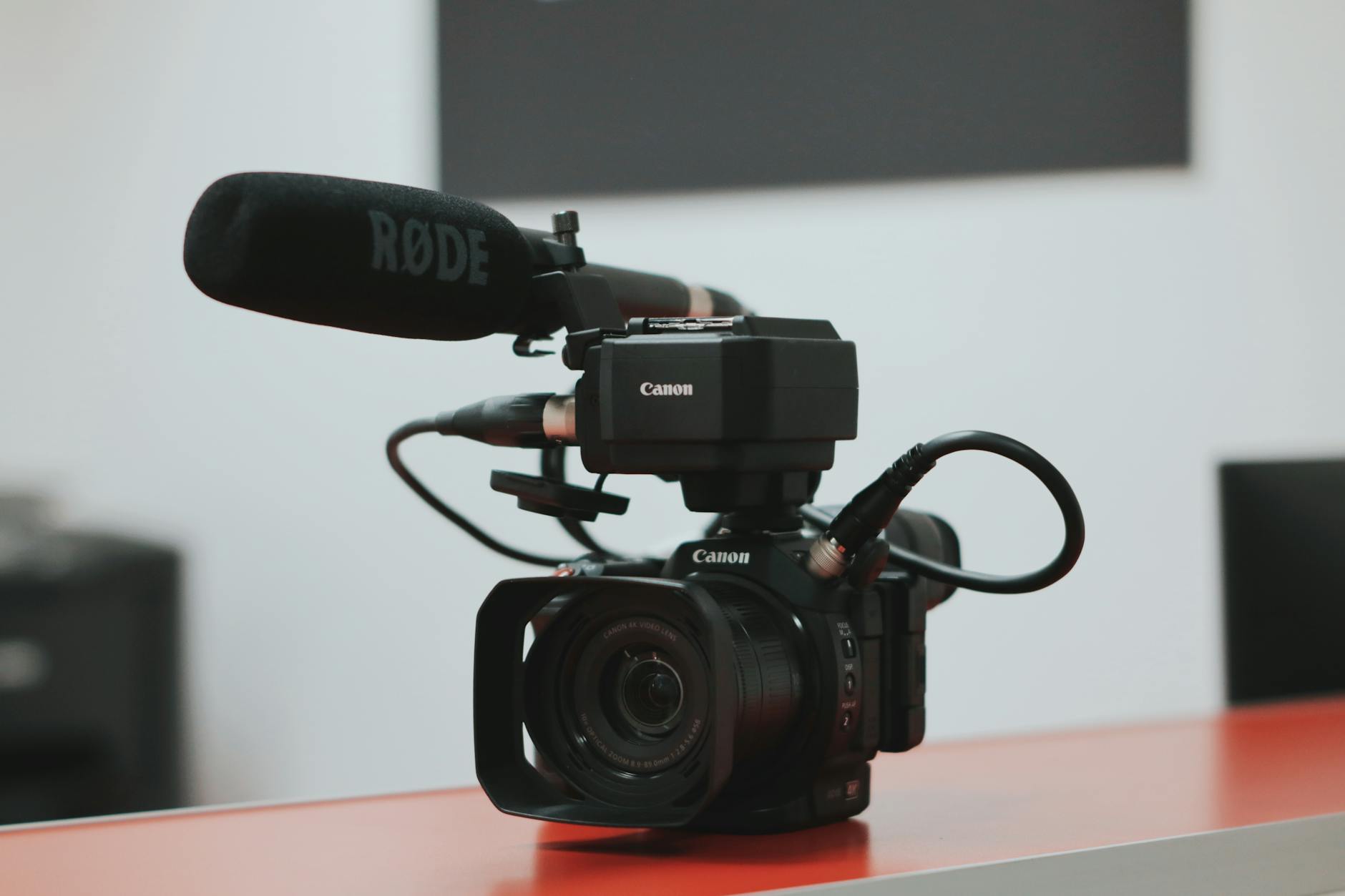
By carefully assessing these factors, Miami organizations can choose a video conferencing solution that not only supports current operational demands but also scales for future growth, ensuring continuous, reliable, and effective remote communications across all levels of business activity.
Ensuring Seamless Integration with Existing Business Infrastructure
To maximize the effectiveness of video conferencing in Miami, organizations must focus on seamless integration with their existing business systems and infrastructure. This involves selecting platforms that can connect effortlessly with enterprise resource planning (ERP) software, customer relationship management (CRM) systems, and other essential business tools. The ability to integrate these solutions not only streamlines workflows but also reduces manual data entry, minimizes errors, and accelerates decision-making processes.
For Miami-based companies, integration capabilities enable real-time access to critical data during meetings, facilitating informed discussions and action plans. For example, a sales team can review CRM data during a virtual client presentation without switching between multiple applications, thereby providing a smoother experience for both staff and clients. Likewise, project management integrations allow teams to update task statuses, assign new responsibilities, or share project timelines directly within the video conferencing platform, enhancing collaboration and transparency across departments.

Infrastructure Requirements for Optimal Video Conferencing Performance
Implementing high-quality video conferencing solutions requires reliable and robust hardware and network infrastructure. Companies in Miami should ensure that their internet bandwidth supports high-definition video streams without interruption. Typically, a minimum upload and download speed of 5 Mbps are recommended for standard meetings, with higher speeds necessary for larger groups or high-resolution video sharing.
Additionally, hardware components such as high-resolution cameras, quality microphones, and adjustable lighting contribute significantly to an effective virtual meeting environment. Conference rooms equipped with acoustically treated walls and soundproofing minimize background noise and echo, providing a clear audio experience. Proper camera placement and adjustable mounts ensure all participants are visible and engaged, fostering more natural interactions.
In terms of technical support, Miami organizations benefit from establishing relationships with local providers specializing in IT infrastructure and telecommunication. These experts can advise on the best configuration, perform regular maintenance, and troubleshoot issues swiftly, minimizing downtime during critical meetings.

Network Security and Data Privacy Considerations
Security is a vital aspect of integrating video conferencing into daily operations. Miami companies must deploy solutions that prioritize data privacy and secure transmission channels. Using platforms that offer robust encryption, secure login protocols, and role-based access controls ensures that sensitive discussions remain confidential.
Implementing a dedicated Virtual Private Network (VPN) can further safeguard internal communications, especially when employees access conferencing platforms remotely. Regular security audits, staff training on best practices, and strong password policies help prevent unauthorized access and data breaches.
As Miami hosts numerous international and local events, protecting intellectual property and sensitive client data during virtual interactions is critical. Organizations should also stay compliant with relevant data protection regulations, thereby maintaining trust with clients and partners.
Technical Setup and Infrastructure Considerations in Miami
Establishing a reliable video conferencing environment in Miami requires careful planning of the technical infrastructure. Facilities hosting virtual events or conferences must ensure robust internet connectivity, high-quality audio-visual equipment, and seamless integration between hardware and software components. Given Miami’s strategic position as a gateway for international business and a hub for diverse industries, local organizations must focus on developing scalable solutions to accommodate fluctuating demands.
A key element involves choosing high-bandwidth internet connections, such as fiber-optic services, to support high-definition video streams without lag or interruption. Network redundancy also plays a crucial role in maintaining continuous connectivity during critical meetings. This can include backup internet sources or load balancing configurations that automatically switch to secondary networks if primary ones experience disruptions.
For physical setups, professional-grade cameras, microphones, and lighting are essential to ensure clear visuals and audio quality. These should be compatible with chosen conferencing platforms and capable of capturing multiple angles if needed. Additionally, employing dedicated audio-visual control systems can facilitate smooth transitions and presentations during live events.
On the software front, integrating conferencing platforms with existing business tools like calendars, email systems, and customer relationship management (CRM) software enhances operational efficiency. Ensuring compatibility across devices and operating systems is also vital for user convenience.

Optimizing Connectivity and Hardware for Miami’s Dynamic Environment
To ensure seamless video conferencing in Miami, organizations must prioritize robust technical infrastructure that aligns with the city’s diverse business landscape. High-speed internet connectivity is fundamental, particularly fiber-optic lines that provide the bandwidth necessary for high-definition video streams. Miami's geographic and infrastructural investments support scalable internet solutions, which can adapt to the evolving demands of remote communication.
In addition to reliable internet, hardware components such as professional-grade cameras and microphones play a pivotal role. These devices should support high-resolution video and clear audio, with features like multiple lens options or auto-focus capabilities to adapt to various presentation needs. Light positioning is equally important; adequate lighting enhances visual clarity and maintains professionalism during virtual interactions.

Supporting equipment includes dedicated video switchers, audio mixers, and control panels that allow for dynamic management of multimedia content during live sessions. Deploying these tools ensures that presentations and discussions replicate the quality of in-person meetings, critical for client engagements, workshops, and corporate conferences held across Miami's vibrant business venues.
Implementing Reliable Network Solutions and Support Systems
Network redundancy is essential to prevent disruptions during crucial meetings. This involves configuring backup internet connections, such as secondary broadband lines or cellular data hotspots, which can automatically activate if primary networks experience outages. Load balancing configurations distribute network traffic efficiently, reducing latency and maintaining smooth video delivery.
Local technical support teams are equally vital, offering on-site assistance for device setup, troubleshooting, and maintenance. Miami-based technicians possess familiarity with regional infrastructure and can swiftly address any issues, minimizing downtime and ensuring that organizational communications proceed without interruption.
Ensuring Compatibility and Security in Video Conferencing Systems
Compatibility across devices and platforms is paramount for maximizing user engagement. Conferencing solutions should support various operating systems, including Windows, macOS, Android, and iOS, and integrate seamlessly with existing communication tools such as email clients and calendar systems.
Security protocols must also be a significant consideration. Encryption of data transmissions, secure login procedures, and multi-factor authentication protect sensitive business information during online meetings. Miami companies should establish strict access controls and regularly update security measures to prevent unauthorized access and safeguard virtual interactions.
Strategic Deployment for Miami’s Business Ecosystem
Organizations operating in Miami can benefit from tailored deployment strategies that consider local infrastructure, business size, and operational needs. For instance, large enterprises might invest in dedicated private networks and customized hardware configurations, while smaller firms may focus on cloud-based solutions with minimal hardware requirements.
Incorporating these strategies into the broader framework of video conferencing technology ensures enhanced reliability, security, and overall performance. As Miami continues to grow as a hub for international commerce and innovation, maintaining a resilient and adaptable communication infrastructure will remain a key priority for organizations seeking to leverage remote collaboration effectively.
Technical Setup and Infrastructure Considerations in Miami
Implementing robust video conferencing solutions in Miami requires careful planning of technical infrastructure to ensure seamless connectivity, high-quality audio and video, and reliable performance. Businesses and organizations must evaluate the existing network capabilities and upgrade where necessary to support high-bandwidth applications essential for effective remote communication. This involves investing in high-speed internet connections with sufficient upload and download speeds, ideally with fiber-optic technology, to handle large data transfers without latency issues.
Hardware choices play a vital role in the success of video conferencing. Organizations should consider high-resolution cameras that provide clear imagery, noise-canceling microphones, and quality speakers to facilitate clear communication. For large conference rooms, professional AV systems with multiple screens and integrated audio-visual controls enable participants to interact effortlessly, regardless of their physical location.
Network security measures are equally critical, especially given Miami's dynamic business environment that encompasses multiple industries like finance, tourism, and international trade. Organizations should implement firewalls, intrusion detection systems, and secure Wi-Fi networks to protect sensitive data during virtual meetings. Regular maintenance and updates of software and hardware components help prevent vulnerabilities that could disrupt operations or compromise confidential information.
Scalability is another crucial consideration for Miami businesses aiming to grow or accommodate fluctuating remote workforce sizes. Cloud-based conferencing platforms provide the flexibility to scale operations up or down with minimal hardware adjustments. Virtual private networks (VPNs) are recommended to create secure, dedicated pathways for remote employees accessing corporate resources, ensuring a consistent and protected communication experience.

Cost-effective deployment strategies tailored to Miami’s diverse business landscape can optimize both initial investment and ongoing operational expenses. For smaller enterprises or startup firms, cloud-based solutions that require minimal hardware are often sufficient, providing immediate benefits without significant capital expenditure. Larger organizations with extensive collaborative needs might explore dedicated local data centers or private networks to ensure optimal control, data sovereignty, and quality of service.
Ultimately, a well-designed technical foundation combined with robust security protocols ensures that Miami companies can leverage advanced video conferencing capabilities effectively. As the city continues to serve as a nexus for innovation and commerce, maintaining a resilient and adaptable infrastructure remains essential to supporting dynamic remote collaboration and driving long-term growth.
Advanced Security Protocols and Data Privacy Measures in Miami Video Conferencing
Maintaining the security of communications and safeguarding sensitive business information are fundamental requirements for Miami companies utilizing video conferencing solutions. As remote collaboration becomes ingrained in daily operations, the significance of implementing sophisticated security protocols cannot be overstated. Robust encryption methods are essential, ensuring that data transmitted during virtual meetings remains confidential and inaccessible to unauthorized entities. End-to-end encryption offers an additional layer of security, meaning that only participating parties can decrypt the shared content, effectively preventing eavesdropping or data interception.

Application of multi-factor authentication (MFA) enhances access control by requiring users to verify their identities through multiple methods before joining meetings. This protocol significantly reduces risks associated with compromised credentials. Regular security audits and vulnerability assessments are prudent practices for Miami enterprises to identify and address potential points of weakness within their conferencing infrastructure.
Implementing Secure Network Infrastructure
Securing the network infrastructure is equally critical. Using Virtual Private Networks (VPNs) creates encrypted channels for remote access, ensuring that data exchanges occur within a protected environment. Firewalls, intrusion detection systems (IDS), and intrusion prevention systems (IPS) form the backbone of network security, actively monitoring and blocking malicious activities.
Compliance with Data Privacy Standards
Adherence to regional and industry-specific data privacy standards, such as HIPAA for healthcare or GDPR for data protection, ensures that Miami-based organizations manage user information responsibly. Regular staff training on cybersecurity best practices further reduces the likelihood of security breaches resulting from human error.
Establishing Incident Response Protocols
In the event of a security incident, having a predefined response plan minimizes impact and accelerates recovery. This plan should encompass detailed procedures for identifying, containing, and resolving breaches, as well as communication strategies to inform affected stakeholders effectively.
Role of Professional Consultation and Ongoing Monitoring
Partnering with cybersecurity experts in Miami can help tailor security frameworks that meet specific organizational needs. Continuous monitoring and real-time threat detection are vital to promptly identify potential vulnerabilities, enabling swift intervention to safeguard ongoing business operations.
Ultimately, integrating advanced security measures into Miami’s video conferencing systems not only protects vital data but also bolsters stakeholder trust, ensuring that remote communication channels remain reliable and secure in a fast-evolving digital landscape.