Understanding Remote Live Stream Production
Remote live stream production refers to the process of broadcasting live events, activities, or content to viewers over the internet by utilizing geographically dispersed production teams and equipment. Unlike traditional onsite broadcasting, remote streaming leverages advanced telecommunications technology to coordinate multiple locations, allowing for high-quality, real-time video delivery without the need for all personnel to be physically present at the event site.
This method plays a pivotal role in today's fast-paced digital landscape, especially for organizations and events based in Miami that aim to reach wider audiences across local, national, or global markets. The advantages of remote live stream production are multifaceted:
- Cost Efficiency: Eliminates the need for extensive on-site setups, reducing travel, accommodation, and logistics expenses.
- Flexibility: Allows for seamless integration of content from multiple locations, making it ideal for hybrid or multi-site events.
- Improved Accessibility: Broadens audience reach by providing high-quality streams accessible from anywhere with an internet connection.
- Enhanced Content Quality: Enables the use of specialized remote cameras, multiple angles, and professional-grade equipment to deliver engaging and polished broadcasts.
- Real-Time Interactivity: Facilitates live Q&A, social media engagement, and audience participation, enriching the viewing experience.
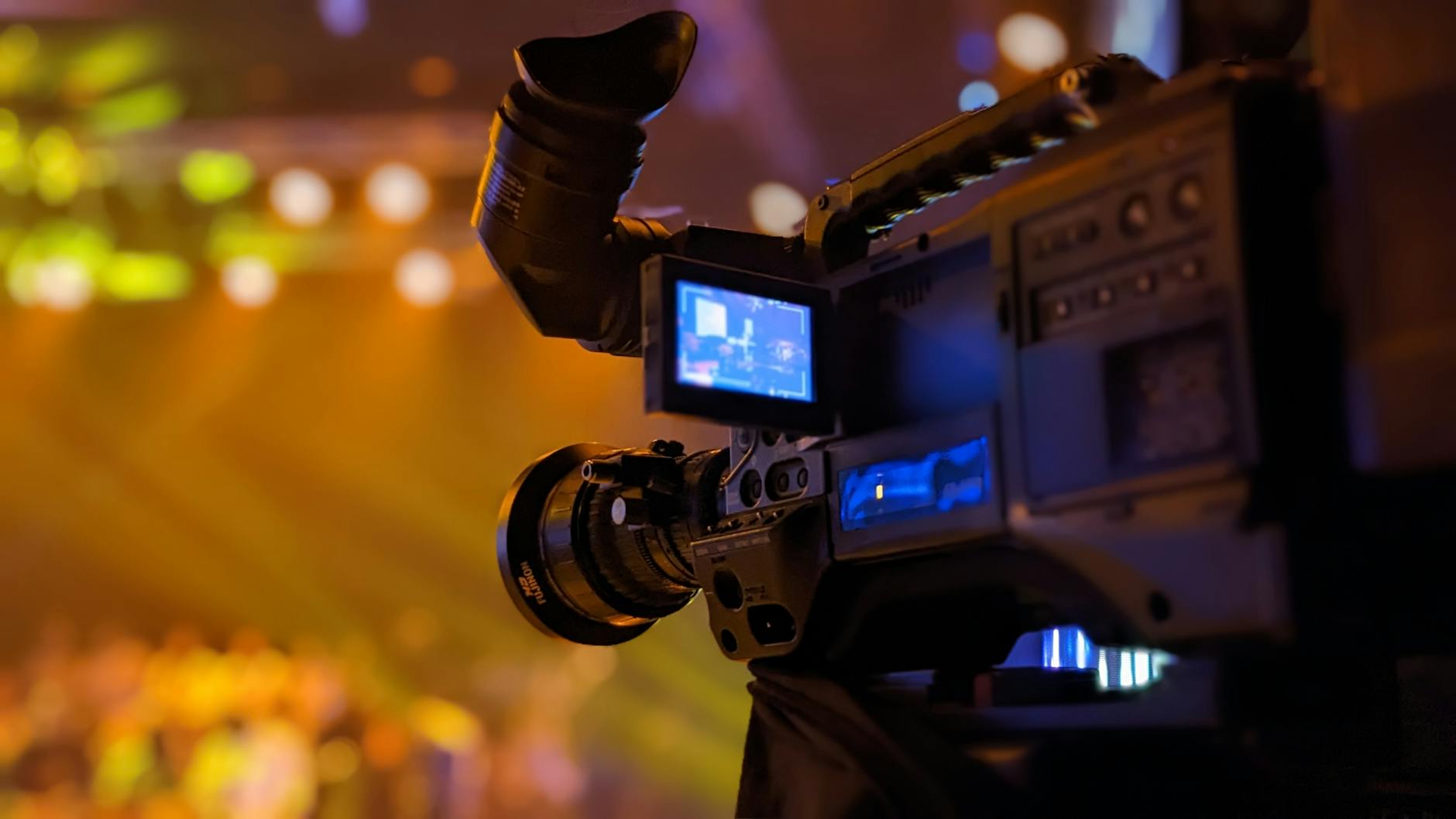
In the vibrant Miami event scene, remote live stream production offers a strategic advantage by enabling organizers, corporations, and cultural institutions to broadcast their events without geographical limitations. Whether it’s a corporate conference, music festival, or a community gathering, the ability to deliver high-quality live content remotely enhances outreach and engagement. As technology continues to evolve, remote streaming solutions become more accessible and sophisticated, supporting the dynamic needs of Miami’s diverse and bustling event landscape.
Key Components of Remote Live Streaming
Successfully executing a remote live stream requires a combination of advanced technology and skilled personnel to ensure the production runs smoothly. The core components of a remote live stream setup include high-quality professional cameras, robust streaming software, hardware encoders, and a reliable internet connection. Each element plays a vital role in delivering a seamless viewing experience that meets high production standards.

Professional Cameras
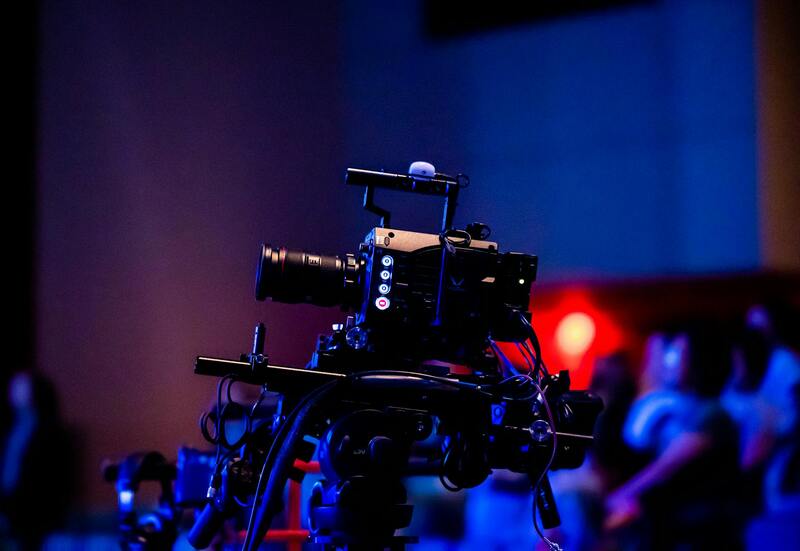
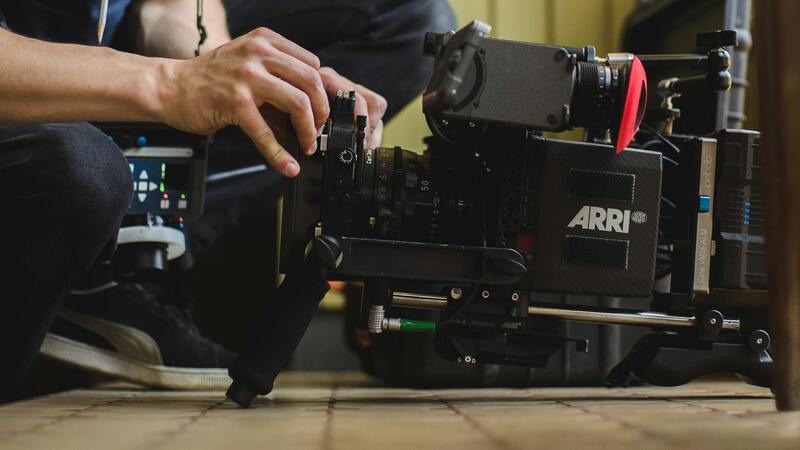
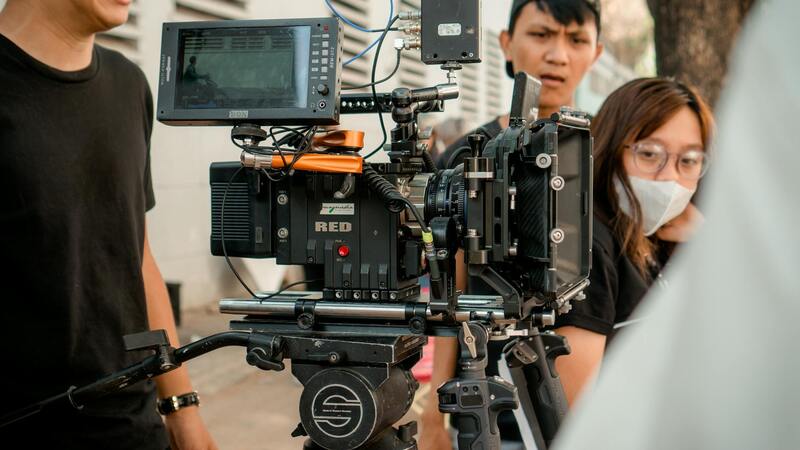
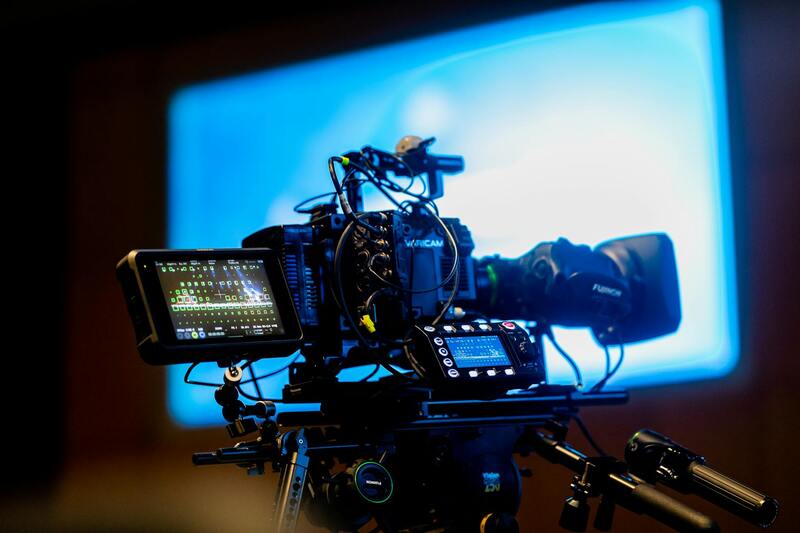
Camera quality significantly impacts the overall visual quality of the broadcast. Remote live streaming often employs multiple cameras to provide varied angles, close-ups, and wide shots, which enhance viewer engagement. PTZ (pan-tilt-zoom) cameras facilitate remote control over framing and focus, enabling dynamic coverage without physical presence onsite. High-definition (HD) or 4K cameras ensure crisp, clear visuals suitable for professional broadcasts.
Streaming Software
Stream management software is pivotal for mixing feeds, adding graphics, overlays, and transitions in real-time. Platforms such as OBS Studio, vMix, or Wirecast are popular choices that support multiple input sources and enable live editing. These software solutions also support integration with social media platforms and streaming services, broadening content reach.
Hardware Encoders
Encoders serve as the bridge between the camera feeds and the internet. They compress video signals into streamable formats and transmit them to streaming servers. Hardware encoders are preferred for their reliability, consistent performance, and minimal latency during live events. They support multiple input sources, secure streaming, and easy configuration for optimal performance.
Reliable Internet Connectivity
Stable, high-bandwidth internet is the backbone of remote live streaming. Uninterrupted connectivity minimizes latency, buffering, and quality degradation. Typically, a dedicated fiber or broadband connection with symmetrical upload/download speeds is necessary. Redundant internet options, such as failover connections or mobile hotspots, are often incorporated to mitigate disruptions during live broadcasts.
Image Placeholder
Additional Technologies and Accessories
- Audio Equipment: High-quality microphones, audio mixers, and wireless transmitters ensure clear sound delivery.
- Networking Equipment: Routers, switches, and signal extenders optimize network performance and coverage.
- Control Interfaces: Remote control panels, console interfaces, and software dashboards facilitate easy management of camera angles, audio, and stream settings.
- Lighting: Proper lighting setups are essential for producing visually appealing streams, especially when covering indoor or low-light events.
Ensuring Compatibility and Future-Proofing
For effective remote live stream production, compatibility between components is crucial. Selecting equipment that supports standard protocols and formats ensures smooth interoperability. Investing in scalable and upgradable technology allows broadcasters to adapt to technological advancements, expanding their capabilities and maintaining high production standards over time.
Understanding Remote Live Stream Production
Remote live stream production involves the seamless integration of multiple technological components and skilled personnel working together to deliver high-quality broadcasts from multiple locations. This approach allows content creators, event organizers, and broadcasters to extend their reach without the need for on-site presence, significantly reducing logistical and logistical expenses. Central to this process is the deployment of advanced streaming hardware and software solutions, which facilitate high-definition video and audio transmission over the internet. These systems should be capable of handling real-time encoding, decoding, and transcoding, ensuring that the content remains consistent and of professional quality regardless of geographic dispersal.
Effective remote live stream production hinges on a meticulous understanding of network infrastructure. High-bandwidth, reliable internet connections are essential, with primary links supplemented by backup options such as cellular hotspots or secondary internet providers. This redundancy safeguards against potential disruptions, keeping the stream live and accessible to viewers at all times. Additionally, data compression technologies, such as H.264 or HEVC codecs, play a vital role in maintaining optimal video quality while minimizing bandwidth consumption. Integration of these technologies ensures that streams remain crisp, clear, and synchronized, even in challenging network conditions.
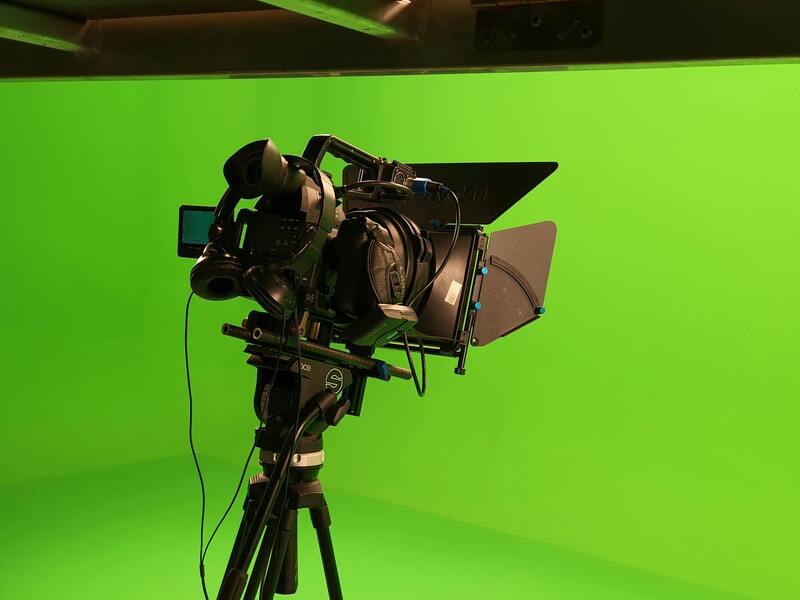
Beyond the core video and network components, supplementary hardware and accessories contribute to the production's overall professionalism. Audio equipment, including high-fidelity microphones and wireless transmitters, guarantees clarity and immersive sound experiences for viewers. Quality lighting setups enhance the visual appeal, especially for indoor or low-light environments. Control interfaces—such as remote camera controllers, software dashboards, and mixing consoles—allow operators to manage multiple feeds, adjust audio levels, and configure stream settings efficiently from a distance. Proper integration of these elements creates a cohesive production environment that supports dynamic, engaging live streams.
Interoperability and future-proofing are also critical considerations. Utilizing equipment that supports industry-standard protocols like RTMP, SRT, or NDI ensures compatibility across various software platforms and hardware devices. This flexibility allows for easier upgrades and scalability, enabling teams to adapt to evolving broadcast demands. Continual assessment of emerging technologies and compatibility options helps broadcasters stay ahead, delivering consistently high-quality content for diverse audiences.
Key Takeaways:
- Reliable, high-bandwidth internet connections with redundancy are essential for uninterrupted streaming.
- Compatibility between different equipment and support for standard streaming protocols facilitate smooth operation and upgrades.
- Supplementary hardware, including audio tools, lighting, and control interfaces, enhance production quality and viewer engagement.
- Investing in scalable and adaptable technology ensures long-term success and flexibility in content delivery.
Understanding Remote Live Stream Production
Remote live stream production has become a cornerstone of modern broadcasting, enabling content creators, businesses, and educational institutions to connect with audiences across the globe seamlessly. This approach involves using specialized technology to manage and transmit live video and audio content from geographically dispersed locations, often with multiple collaborators contributing in real-time. Effectively executing remote production requires a comprehensive understanding of the technical framework, workflow, and best practices that guarantee a high-quality broadcast.
Core Goals of Remote Live Stream Production
- Ensure reliable, high-quality content delivery across diverse internet environments.
- Maintain low latency to allow real-time interaction and engagement.
- Allow flexible, scalable configurations tailored to specific event needs or audience sizes.
- Optimize workflows to facilitate seamless collaboration among dispersed teams.
- Secure content integrity and protect against disruptions or unauthorized access.
Achieving these objectives involves careful planning, deployment of advanced technologies, and continuous monitoring. The process begins with a detailed assessment of the production scope, audience expectations, and technical infrastructure. From there, selecting suitable hardware and software solutions tailored to the project's scale and requirements is critical. This ensures that the live stream maintains high resolution, stable connectivity, and minimal latency, creating an engaging viewing experience regardless of geographic location.
Distinguishing Features of Remote Production
- Distributed Control: Producers, directors, and technical staff operate distant from the actual filming or event site, utilizing remote control panels and collaboration platforms.
- Multi-Source Integration: The ability to incorporate multiple video feeds, audio inputs, and graphical overlays from various locations into a cohesive broadcast.
- Real-Time Monitoring: Continuous oversight of streaming quality, audio levels, and visual elements to address issues proactively.
- Adaptive Streaming Protocols: Use of industry-standard protocols such as RTMP (Real-Time Messaging Protocol), SRT (Secure Reliable Transport), and NDI (Network Device Interface) to ensure optimal transmission performance across different networks and devices.
Implementation Strategies for Remote Production
To realize efficient remote live streaming, production teams need to establish robust workflows that encompass several key areas:
- Network Infrastructure: Deploy high-bandwidth, low-latency internet connections with redundancy options such as backup ISPs and satellite links to prevent streaming interruptions.
- Hardware Setup: Utilize professional-grade cameras with remote control capabilities, audio mixers, and video encoders designed for remote operation, all compatible with industry-standard protocols.
- Software Ecosystem: Implement scalable production software platforms that support multi-camera control, live editing, and integrated graphics. These platforms should allow remote access and collaboration.
- Communication and Coordination: Establish clear channels of communication among team members, combining tools such as voice communication apps, chat platforms, and shared project dashboards to streamline operations.
- Security Measures: Enforce encryption and access controls to safeguard content integrity and protect sensitive data during transmission and storage.
Training and Workflow Testing
Prior to the event, comprehensive staff training on equipment and procedures is essential to mastering remote control interfaces and troubleshooting common issues. Conducting pre-event dry runs allows teams to identify potential points of failure, refine coordination protocols, and familiarize everyone with the technical environment. This proactive approach reduces the risk of disruptions during live broadcasts, ensuring a smooth, professional presentation for viewers.
Execution and Troubleshooting During Live Streams
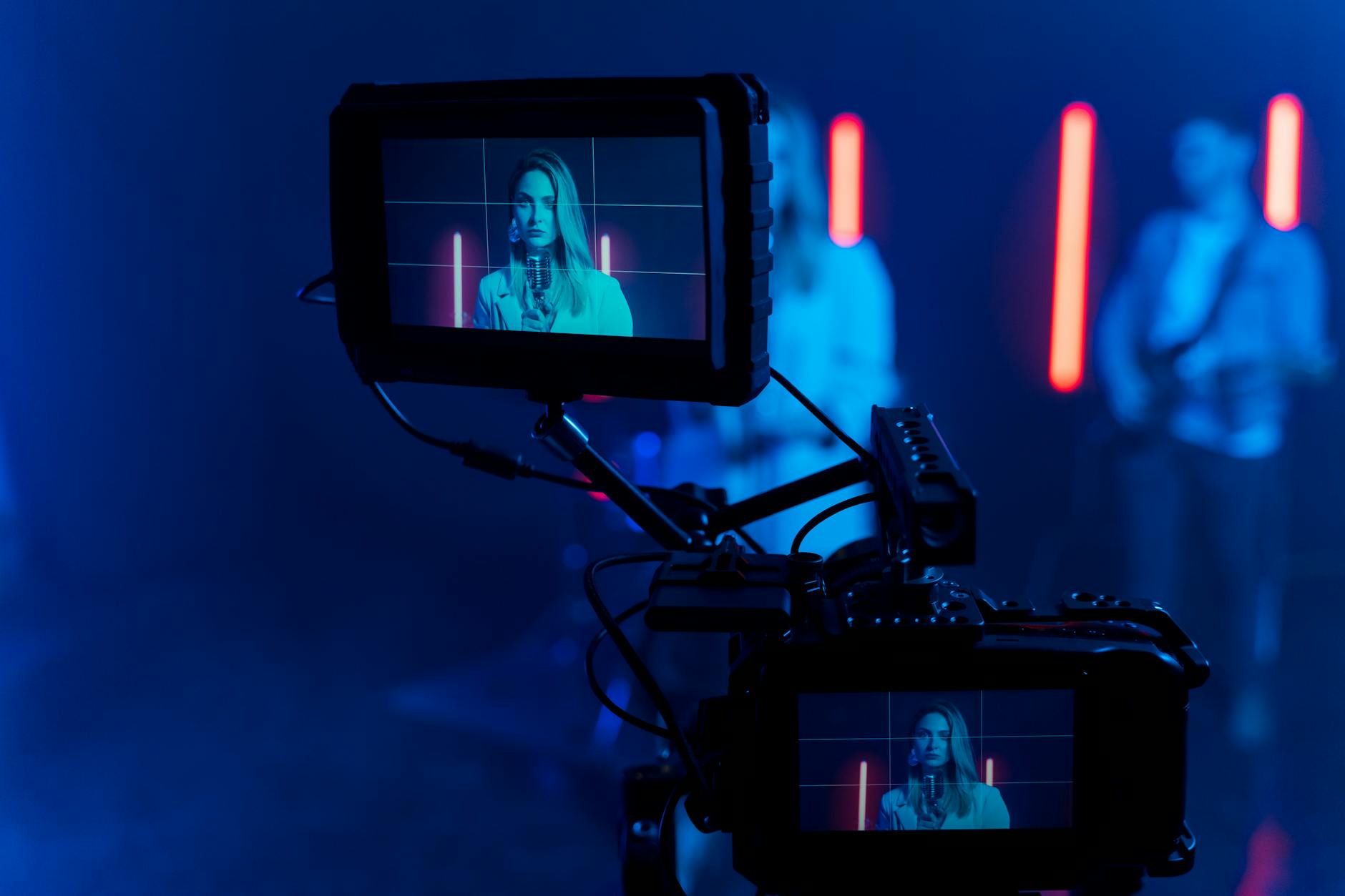
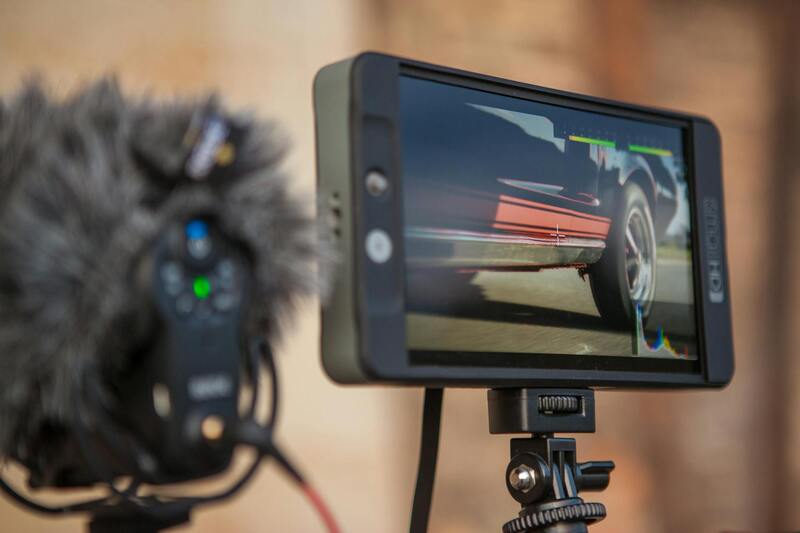
Once the remote live stream is underway, the importance of vigilant oversight cannot be overstated. Continuous monitoring of audio and video feeds ensures that any quality issues are promptly identified and addressed. This process involves dedicated technical staff or remote control centers equipped with real-time dashboards that display stream health metrics, latency indicators, and device statuses. Such monitoring allows the team to maintain the integrity of the broadcast and swiftly implement corrective measures if disruptions occur.
In addition to monitoring, effective troubleshooting protocols are vital for a seamless streaming experience. Common challenges may include connectivity drops, audio-visual sync issues, or hardware failures. Remote teams should have access to diagnostic tools that enable quick identification of the root cause. For instance, a sudden loss of video feed might be resolved by resetting a remote encoder or switching to a backup internet connection. Similarly, synchronized audio-visual streams can be restored by adjusting settings on remote control interfaces with minimal delay.
Preparation for potential problems involves pre-configuration of backup systems and clear escalation procedures. Maintaining communication channels with on-site personnel can facilitate quick on-the-spot interventions, even if team members are geographically dispersed. In practice, establishing predefined workflows ensures that when a technical issue arises, the response is swift, organized, and minimizes viewer disruption. Regularly scheduled test runs and dry rehearsals reinforce team readiness and help uncover unforeseen issues before a live event.
Post-Stream Review and Content Distribution
After the conclusion of a remote live stream, the focus shifts to comprehensive review and strategic content dissemination. Analyzing metrics such as viewer engagement, stream stability, and technical performance provides insights into the overall success of the broadcast. Recorded footage can be meticulously reviewed to identify areas for improvement, whether it involves technical adjustments, content flow, or production techniques.
This post-broadcast analysis also involves editing raw footage to produce highlight reels, on-demand content, or promotional snippets. Properly archived recordings facilitate future reuse, repurposing for marketing campaigns, or educational purposes. Distributing this content across multiple channels—such as social media platforms, websites, and content delivery networks—maximizes reach and enhances audience engagement. Tailored strategies for content placement and timing can significantly increase visibility and viewer interaction.
Benefits of Hiring Miami Production Agencies for Remote Streaming
Partnering with seasoned Miami-based production agencies offers a distinct advantage in remote live stream initiatives. These firms bring a wealth of experience in handling diverse live event scenarios, providing access to advanced technological infrastructure and skilled personnel. Their expertise allows for seamless integration of multiple remote locations, ensuring synchronized content delivery and professional-quality production.
Moreover, Miami production agencies excel in customizing the workflow to suit specific event requirements, whether it’s a corporate conference, music festival, or educational seminar. They leverage industry best practices, adhere to high production standards, and maintain robust safety protocols, which collectively enhance the reliability of the live broadcast. Their local knowledge also facilitates smooth logistics and permits quick resolution of regional challenges, such as connectivity issues or technical constraints.
Engaging local specialists also fosters tighter collaboration within the team, ensuring that all aspects of remote streaming—from equipment setup to post-production—are managed proficiently. This coordination results in a polished, impactful presentation that effectively communicates the intended message and meets audience expectations. Furthermore, Miami agencies often provide additional services like post-event analytics and content management, adding value beyond the live broadcast itself.
Execution and Troubleshooting During Live Streams
Effective execution during remote live stream production hinges on meticulous real-time monitoring and swift response to unforeseen technical issues. A dedicated technical team should be assigned to oversee the stream software, hardware, and network stability throughout the broadcast. This team is responsible for continuously observing live feed quality, checking audio and video synchronization, and ensuring that all equipment is functioning optimally. Real-time troubleshooting capabilities are essential, including the ability to quickly identify and resolve disruptions such as signal drops, audio delays, or visual artifacts.
Implementing multi-layered redundancy strategies significantly enhances stream reliability. This involves having backup internet connections, alternative power supplies, and redundant streaming hardware on standby. For example, utilizing both wired and wireless internet options ensures that if one network encounters issues, the other can automatically take over, minimizing disruptions. Likewise, employing hardware with failover capabilities allows for seamless transition in case primary components fail, maintaining continuous broadcast flow.
During the live event, communication channels among production team members should be constant and clear. This includes using dedicated headsets or communication apps that facilitate immediate coordination. A well-prepared contingency plan should outline specific steps for common technical issues, enabling quick implementation without panicking or losing valuable broadcasting time.
Post-event analytics also play a crucial role in refining future live streams. Reviewing key metrics such as bitrate stability, buffer rates, and viewer engagement helps identify vulnerabilities and areas for improvement. Regular training sessions for technical staff and rehearsals prior to the main event can further reduce technical hiccups, ensuring that all team members are familiar with protocol and equipment operation under live conditions.
Ultimately, steadfast adherence to best practices in troubleshooting and live management ensures a smooth, high-quality viewer experience. It also reinforces overall professional reliability, which is pivotal in establishing trust and credibility with clients and audiences alike.
Understanding Remote Live Stream Production
Remote live stream production involves orchestrating a high-quality broadcast from multiple locations, often leveraging a combination of internet-based streaming platforms and professional-grade equipment. It requires meticulous coordination of various technical and logistical elements to ensure that the story, event, or presentation is conveyed seamlessly to the audience. This approach eliminates geographical constraints, allowing content to reach viewers from different regions while maintaining clarity, audio-visual integrity, and real-time interaction. Effective remote production relies heavily on reliable connectivity, sophisticated streaming software, and skilled personnel who manage the flow, troubleshoot issues, and adapt dynamically to any unforeseen disruptions.
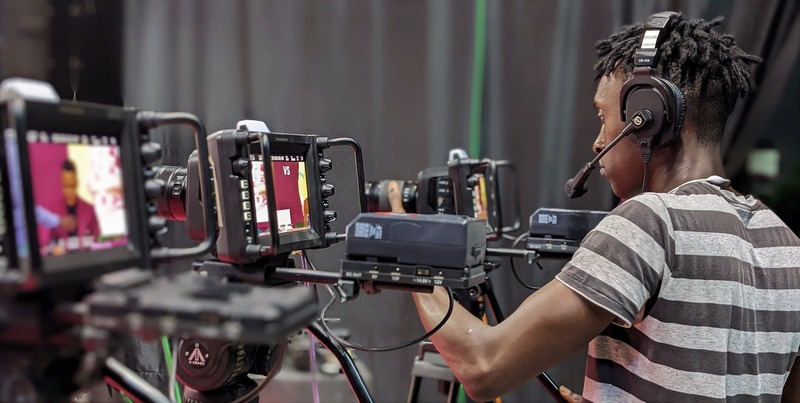
Key Components of Remote Live Stream Production
Successful remote live streaming depends on several critical components that work cohesively:
- Professional Cameras and Audio Equipment: Ensuring high-definition video quality and clear audio pick-up from multiple locations.
- Streaming Software and Platforms: Utilizing robust solutions capable of handling multi-source feeds, overlay features, and real-time switching.
- Reliable Internet Connection: Both for the production team and participants, with backup options like failover internet or bonded cellular connections to prevent interruptions.
- Encoding Hardware: Devices that convert video signals into streams compatible with broadcasting platforms.
- Switchers and Mixer Systems: For seamless transition between camera angles, sources, and overlays during the broadcast.
- Communication Systems: Dedicated channels such as intercoms or secure apps to ensure constant coordination among team members.
Planning and Pre-Production for Remote Streaming
Thorough planning forms the backbone of a successful remote live stream project. It involves aligning the technical setup with the event’s objectives, scheduling rehearsals, and preparing contingency strategies. Pre-production activities include defining roles for each team member, conducting test runs to verify connectivity and equipment performance, and creating detailed run-of-show scripts. Detailed coordination with remote locations is vital to synchronize timing, camera angles, and audio inputs. Pre-event communication ensures that all collaborators are aware of their responsibilities, expected technical specifications, and emergency protocols that can resolve potential issues swiftly. This preparation minimizes surprises during the actual broadcast, reducing the risk of delays and technical hiccups.
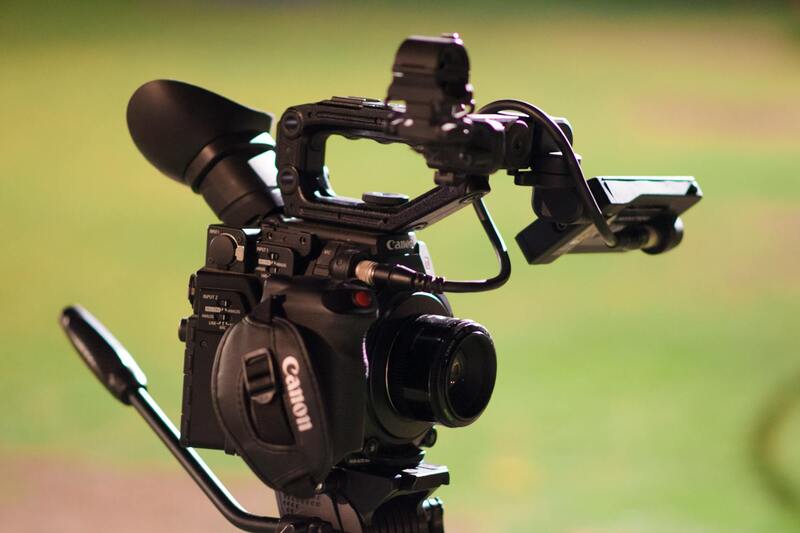
Choosing the Right Technology and Equipment
Selecting the appropriate hardware and software is essential for delivering a professional-grade remote live stream. Factors influencing technology choices include the scale of the broadcast, budget constraints, and specific production requirements. High-definition cameras with remote control capabilities, efficient encoders, and secure, high-bandwidth internet connections constitute the foundation. Cloud-based streaming solutions allow for easy scalability and management, while dedicated hardware switchers provide smooth visual transitions. For venues or remote locations with limited connectivity, mobile bonding solutions or satellite links can augment internet reliability. The integration of real-time monitoring tools ensures continuous oversight of stream quality, enabling immediate response to any performance issues.
Roles and Responsibilities in Remote Live Stream Teams
An effective remote streaming team is composed of specialists fulfilling distinct roles:
- Producer: Oversees the entire broadcast, manages schedules, and coordinates between teams.
- Technical Director: Operates the video switcher, manages transitions, and ensures visual consistency.
- Audio Engineer: Handles sound levels and quality, balancing inputs from multiple sources.
- Camera Operators or Remote Camera Supervisors: Control camera angles and framing, often via remote control systems.
- Connectivity Specialist: Monitors internet performance and manages backup solutions.
- Communication Coordinator: Maintains open channels among team members for seamless collaboration during the live event.
Clear delineation of responsibilities equips teams to troubleshoot swiftly and adapt to dynamic situations, ensuring the broadcast remains smooth and engaging.
Execution and Troubleshooting During Live Streams
During the live broadcast, real-time management is crucial. Continuous monitoring of streaming quality, audio, and video feeds enables early detection of issues. Dedicated screens displaying various feeds and system statuses help technical teams identify anomalies promptly. In cases of network fluctuations, hardware failovers, such as switched links or backup encoders, should activate automatically to maintain continuity. Verbal communication channels—like secure headsets—facilitate instant coordination among remote operators, allowing swift correction of visual or audio glitches. A comprehensive contingency plan detailing specific troubleshooting steps for common issues like latency problems, dropped feeds, or synchronization errors allows teams to respond efficiently. Pre-recorded segments or backup streams prepared beforehand can serve as fallbacks if live issues persist beyond immediate resolution, thus safeguarding the viewer experience.
Advanced Techniques for Secure and Reliable Remote Live Stream Production
Achieving a high-quality remote live stream requires not only state-of-the-art equipment but also the implementation of advanced production techniques that ensure security and reliability throughout the broadcast. As the demand for seamless live streaming grows, especially in dynamic environments such as corporate events, sports, or cultural festivals, leveraging robust methodologies becomes essential to maintain uninterrupted service and safeguard the integrity of the content.
Implementing Encrypted Data Transmission
End-to-end encryption is a fundamental component of secure remote streaming operations. Utilizing encrypted streaming protocols, such as Secure Reliable Transport (SRT) or Transport Layer Security (TLS), encrypts the video and audio data during transmission. This prevents unauthorized interception or tampering, maintaining the confidentiality and integrity of the broadcast. Proper encryption also reassures clients and stakeholders that sensitive information remains protected, especially during corporate or government-related events.
Utilizing Redundant Networks and Backup Solutions
Reliability in remote live streaming heavily depends on network stability. Setting up multiple internet connections, such as fiber optics, cellular 4G/5G, and satellite links, creates redundancy that minimizes the risk of service interruptions. Load balancing and automatic failover systems ensure that if one connection experiences degradation, another seamlessly takes over without disrupting the stream. Additionally, redundant hardware components, including backup encoders and switches, guarantee continuity even if primary equipment encounters failure.
Employing Secure Access Controls and Authentication
Controlling access to streaming platforms and control interfaces is vital to prevent unauthorized modifications or disruptions. Implementing multi-factor authentication (MFA) for all personnel involved in the production adds an extra layer of security. Role-based access controls restrict functionalities based on specific responsibilities, reducing the likelihood of accidental or malicious interference. Secure login procedures and encrypted credentials help maintain strict access management across the entire remote production setup.
Real-Time Monitoring with Automated Alerts
Continuous real-time monitoring tools are essential to detect anomalies promptly. Automated alert systems can notify technicians instantly if issues such as packet loss, latency spikes, or connectivity drops occur. Employing comprehensive dashboards that display streaming metrics allows operators to visualize performance and act swiftly. Combining proactive monitoring with predefined troubleshooting protocols enables teams to address problems before they impact viewer experience significantly.
Data Security Best Practices During Content Distribution
- Ensure Content Delivery Network (CDN) Configuration: Use reputable CDNs with built-in security features, such as DDoS protection and access control, to distribute streams efficiently and securely.
- Implement Digital Rights Management (DRM): Protect copyrighted content with DRM solutions, preventing unauthorized access or redistribution.
- Regularly Update Software and Firmware: Keep all production hardware and software up to date with the latest security patches to mitigate vulnerabilities.
- Stream Authentication and Licensing: Use token-based authentication or license keys for access to private streams, ensuring only authorized viewers can access the content.
Building a Resilient Remote Streaming Workflow
Designing a resilient workflow involves meticulous planning and adherence to best practices. Establish clear communication protocols that facilitate real-time problem resolution, assign well-defined roles, and maintain detailed documentation of procedures. Conduct regular drills to test emergency response plans, simulate network failures, and evaluate recovery times. Additionally, documenting all aspects of the setup—from network configurations to troubleshooting procedures—ensures consistent quality and rapid adaptation to unforeseen challenges.