Overview of Live Broadcast Services
In today’s digital era, live broadcast services have become an essential component of media production, providing real-time content delivery across multiple platforms. These services enable organizations, businesses, and event organizers in Miami to reach their target audiences instantaneously, whether for corporate events, concerts, sports, news coverage, or community gatherings. Live broadcasting enhances viewer engagement by offering an immersive experience that static recordings simply cannot match.
The integration of advanced technology and professional expertise ensures seamless live streams, even in complex environments. For many Miami-based enterprises and event planners, access to high-quality live broadcast services facilitates broader reach, enhanced visibility, and immediate interaction with viewers. The significance of live streaming continues to grow as audiences increasingly consume content via online channels, necessitating reliable and sophisticated broadcast solutions.
Live broadcast services encompass all stages from initial planning to post-event analysis, encompassing the technical setup, content management, and distribution. As Miami continues to flourish as a hub for entertainment, business, and cultural events, the demand for professional live streaming solutions escalates. Choosing the right provider involves understanding the scope of services offered, the technological capabilities, and the experience in managing diverse event formats.
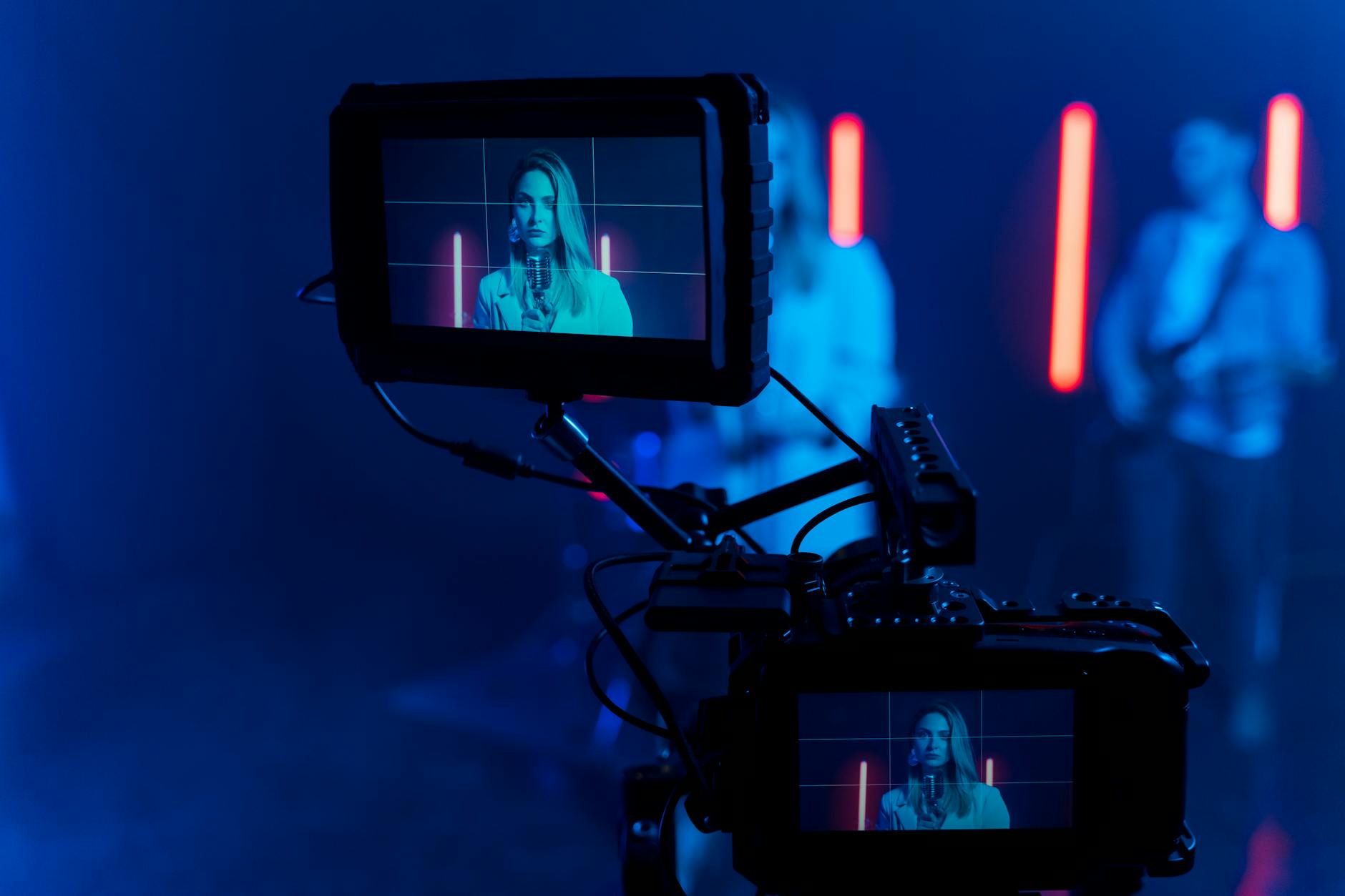
Importance of Live Broadcast Services in Miami
- Enhances audience engagement with real-time content sharing
- Increases event visibility to a broader, global audience
- Provides invaluable opportunities for interactive participation and feedback
- Supports strategic marketing, promotional campaigns, and brand awareness
- Ensures professional-quality content delivery during crucial moments
With Miami’s vibrant cultural scene, booming corporate sector, and diverse community events, live broadcast services are vital in delivering impactful content that resonates with audiences locally and internationally. As technological capabilities advance, so does the potential for innovative and immersive broadcast experiences that align with the dynamic media consumption habits of today’s viewers.
Overview of Live Broadcast Services
Live broadcast services have become integral to the way organizations and individuals share their content in real-time, offering dynamic engagement opportunities and broad reach. These services involve comprehensive workflows starting from meticulous planning and technical setup to execution, distribution, and post-event analysis. In Miami, with its diverse event landscape—ranging from bustling corporate functions to vibrant cultural festivals—the importance of reliable live streaming solutions cannot be overstated. They empower clients to extend their presence beyond physical boundaries, ensuring their message reaches audiences locally, nationally, and internationally.
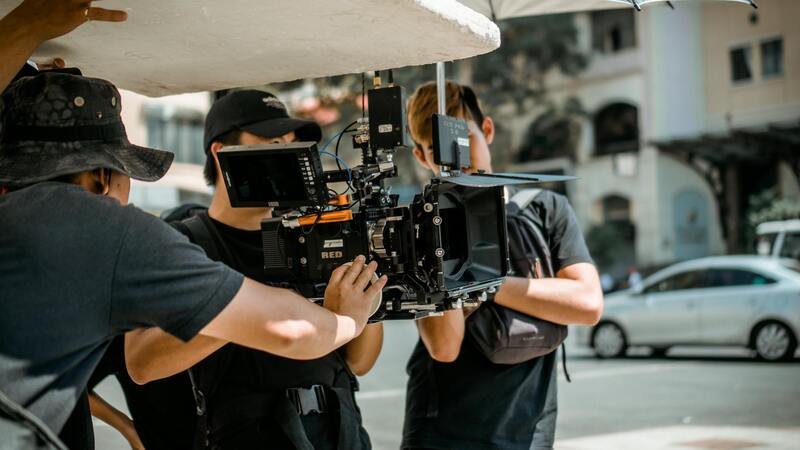
Professional live broadcast services encompass a detailed understanding of broadcast workflows, advanced production equipment, and innovative distribution methods. This holistic approach guarantees a seamless streaming experience that maintains quality, stability, and viewer engagement. Given Miami’s fast-paced event calendar and its role as a hub for entertainment, business, and cultural exchanges, choosing a provider with a track record of delivering consistent, high-quality live streaming is pivotal. Such providers are adept at managing diverse event types, from large-scale concerts to intimate seminars, providing tailored solutions that meet specific needs.
The array of services offered typically includes multi-camera productions, live switching, audio mixing, graphics overlay, and real-time commentary, all integrated with robust streaming protocols. This ensures that even during complex events, the broadcast remains fluid and professional, minimizing latency and buffering issues. In addition, many providers incorporate advanced encoding technologies and adaptive bitrate streaming, which optimizes playback across various devices and internet speeds. This technological prowess ensures broad accessibility and a superior viewing experience for remote audiences, reinforcing the strategic value of live broadcast services.
Importance of Live Broadcast Services in Miami
Live broadcast services significantly elevate the exposure and impact of events in Miami. By sharing content in real-time, organizers can foster immediate interaction and engagement, creating a more immersive experience for viewers. This immediacy also amplifies event visibility, making it accessible to those who cannot attend physically, thereby expanding the scope and reach of every occasion.
- Enhance audience engagement through interactive features like live chats and Q&A sessions.
- Broaden event reach to a global audience, facilitating international participation and exposure.
- Enable strategic promotional efforts by sharing live content across multiple channels simultaneously.
- Deliver high-quality visuals and audio during critical moments, preserving the event’s professionalism.
Miami’s diverse cultural environment and thriving business ecosystem make live streaming a vital tool for content dissemination. From fashion shows and art festivals to corporate webinars and sporting events, live broadcast services ensure that vital moments are captured and shared in a manner that resonates with audiences. As technological innovations continue to evolve, so does the potential for creating immersive, engaging, and interactive viewing experiences that meet the expectations of today’s media consumers.
Image Placeholder
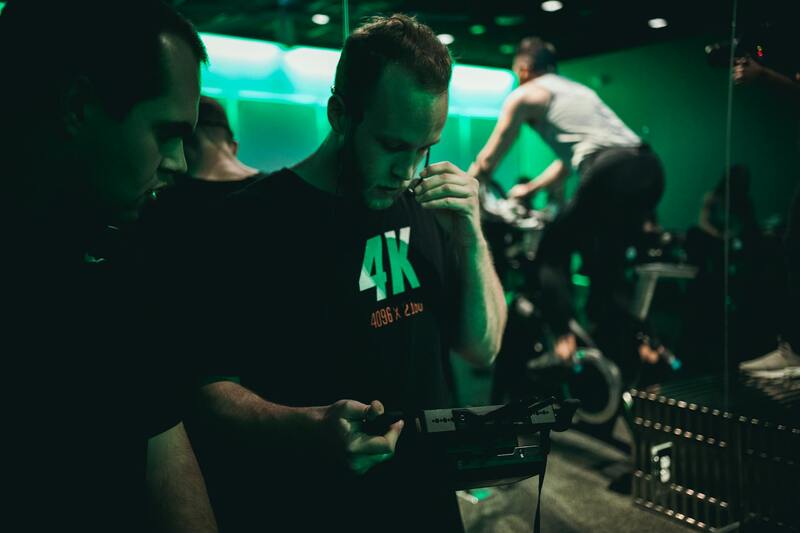
Employing a strategic approach to live broadcasting allows content creators in Miami to maximize the impact of their events. Crafting a clear plan that aligns with event goals, audience preferences, and technological capabilities ensures a smooth performance that enhances brand reputation, stakeholder engagement, and overall event success.
Key Equipment and Technology
To achieve seamless and high-quality live broadcasts, a comprehensive understanding of the essential equipment and technological infrastructure is vital. Professional live streaming relies on a combination of advanced hardware and reliable software solutions designed to deliver crisp visuals and clear audio, even in dynamic and unpredictable environments.
Central to any successful transmission are high-definition cameras capable of capturing detailed footage across multiple angles. These cameras are often equipped with remote control features to facilitate smooth adjustments during live events, ensuring optimal framing and focus. In addition, video switchers or switching hardware are used to seamlessly transition between different camera feeds, graphics, or video clips, creating a polished presentation that maintains audience engagement.
Streaming platforms play a pivotal role in the overall setup. Using robust encoding devices or software, live video feeds are compressed and transmitted to the chosen streaming server or platform. It is critical to select solutions that support adaptive bitrate streaming to accommodate varying viewer internet speeds, thus reducing buffering issues and ensuring a consistent viewing experience.
Backup systems, including redundant internet connections, power supplies, and data storage, are essential components of a resilient live broadcast setup. These safeguards minimize downtime and protect against potential technical disruptions, allowing broadcasters to maintain professionalism even when encountering unforeseen challenges.
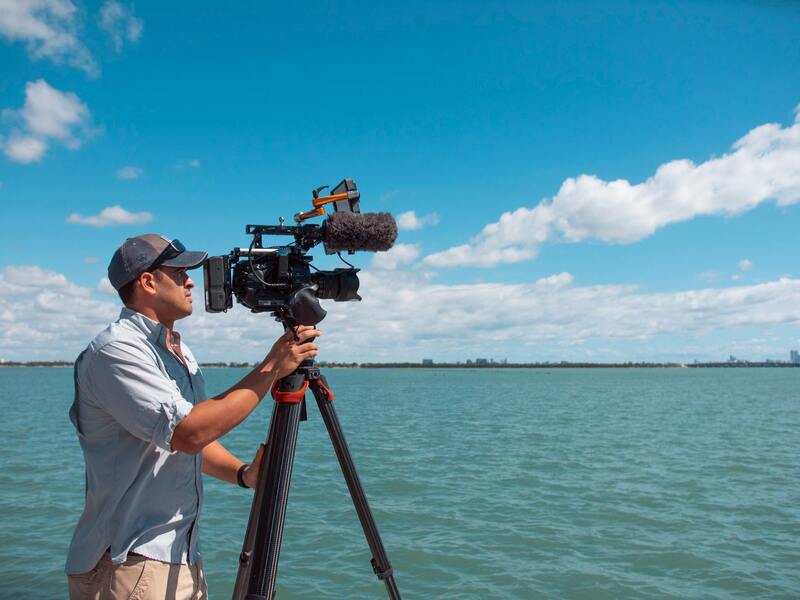
Software platforms specialized for live broadcasting facilitate scheduling, multistreaming, and real-time interaction. They offer features such as live chat, viewer analytics, and integration with social media channels, allowing broadcasters to engage audiences actively and gather valuable data post-event. Additionally, audio equipment—microphones, mixers, and speakers—must be carefully selected to ensure clear sound quality, crucial for a professional and immersive viewing experience.
Cutting-Edge Technologies Driving Live Broadcasts
- 4K Ultra HD Cameras for detailed footage
- Professional-grade Video Switchers to manage multiple feeds
- High-speed Internet connections with backup options
- Encoder hardware/software supporting adaptive streaming
- Multichannel audio equipment for clear sound
- Touchscreen control panels for real-time adjustments
Investing in these core technologies allows event organizers and content creators in Miami to deliver broadcasts that are visually compelling, technically sound, and capable of meeting the expectations of diverse audiences. Leveraging the latest innovations not only enhances the viewing experience but also reinforces the professional image of the producing entity.
Types of Live Broadcast Services Offered
Miami-based live broadcast service providers offer a comprehensive range of solutions tailored to diverse event needs. These services include live event streaming for conferences, concerts, sports, corporate presentations, religious services, and cultural festivals. Each type of service is designed to maximize viewer engagement and ensure seamless delivery. For large-scale events, professional multi-camera setups facilitate dynamic coverage, capturing multiple angles and providing a more immersive experience for remote audiences.
Additionally, specialized services such as multi-platform streaming allow broadcasters to simultaneously broadcast to various social media channels and platforms, expanding outreach and engagement. Interactive features like live chat and Q&A sessions can be integrated into the broadcast, fostering real-time interactions between presenters and viewers. For remote or hybrid events, virtual event streaming solutions offer secure, customizable access controls and high-quality visuals, ensuring participants worldwide experience subpar connectivity issues or lag. This versatility in service offerings caters to the specific requirements of different industries and event formats, supporting effective communication and audience retention.
Furthermore, businesses and event organizers often leverage services like on-demand video archiving, which stores live streams for later viewing or promotional use. This feature enhances content longevity, provides additional promotional material, and facilitates post-event analysis. For venues seeking to enhance audience experience onsite, live broadcast solutions can include large-scale LED screens displaying live feeds, creating a more engaging environment for attendees.

Understanding the specific demands of each event type allows providers to craft tailored live streaming solutions. Whether it's a high-profile corporate summit, a music festival, or an educational seminar, professionally executed live broadcast services ensure high quality, reliable delivery, and real-time audience interaction. This flexibility is crucial in maintaining a professional image and maximizing the impact of every event.
Key Equipment and Technology
Implementing high-performance live broadcast services in Miami hinges on employing the latest technology and equipment. Essential hardware includes 4K Ultra HD cameras capable of capturing detailed footage, providing crisp video quality suited for large displays and immersive viewing experiences. These cameras are often complemented by professional-grade video switchers, which enable seamless switching between multiple feeds—crucial for dynamic live productions involving multiple camera angles.
Reliable high-speed internet connections are fundamental. In Miami, providers often utilize redundant internet setups with backup options such as LTE or fiber connections to ensure uninterrupted streaming. This minimizes the risk of disruptions during crucial moments of a broadcast. Encoder hardware or software supports adaptive streaming to optimize video quality based on viewers’ bandwidth, maintaining a consistent experience across various devices and network conditions.
Audio quality is equally critical. Multichannel audio equipment, including high-quality microphones, audio mixers, and speakers, guarantees clear and balanced sound, essential for live commentary, musical performances, or keynote speeches. Touchscreen control panels further facilitate real-time adjustments to video and audio settings, allowing production teams to respond swiftly to changing conditions or last-minute requirements. Additionally, professional graphics computers and broadcast servers manage overlays, titles, and branding in real time, enhancing the visual professionalism of the broadcast.
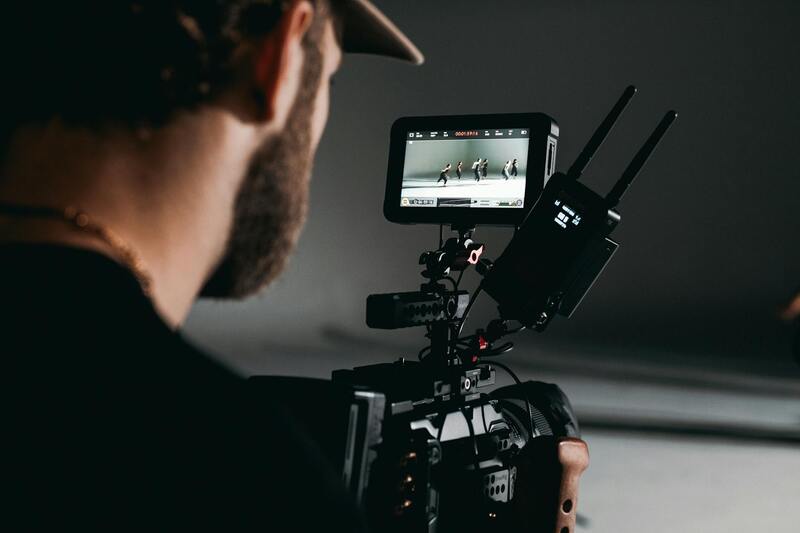
Investment in these core technologies translates into broadcasts that not only meet high visual standards but also operate reliably in high-pressure scenarios. This infrastructure supports the delivery of emotionally compelling content, critical for engaging audiences and building a strong online presence. The integration of sophisticated equipment with the latest software platforms further refines the production process, enabling smooth transitions, real-time analytics, and post-event reporting that inform future strategies.
Planning and Pre-Production
Effective live broadcast services in Miami commence long before the on-air moment. Pre-production planning is crucial to ensure that every technical element aligns with the event’s objectives and audience expectations. This phase includes comprehensive content planning, script development, and logistical coordination. Identifying the appropriate locations, securing permits, and conducting site surveys help streamline the setup process and anticipate any potential challenges.
Advanced storyboarding and shot planning are essential to visualize how the event will unfold on camera. Collaborating closely with clients allows production teams to understand the desired aesthetic, branding guidelines, and specific segments to highlight. This preparation extends to technical rehearsals, where equipment functions are tested to minimize disruptions during the live event.
An integral part of pre-production involves establishing a detailed production timeline. This schedule coordinates crew activities, equipment deployment, and connection setups to guarantee seamless transitions during the broadcast. Ensuring reliable power sources, backup systems, and internet connectivity forms the backbone of a robust broadcast infrastructure. This meticulous planning is fundamental to delivering high-quality live content, safeguarding the broadcast’s smooth execution, and capturing the event’s important moments without interruption.

Technology plays a significant role during the planning phase. Selecting the right combination of cameras, sound equipment, and streaming hardware is vital to match the event’s scale and scope. For example, multi-camera setups enable dynamic shot composition, while professional audio systems provide crystal-clear sound. Integration of these systems with streaming platforms ensures that the live feed is both visually engaging and technically sound. Additionally, implementing contingency plans for potential technical issues guarantees resilience, even under unexpected conditions, fostering confidence in the broadcast team’s ability to manage live events effectively.
Focus on audience engagement strategies, such as social media integration and interactive features, can be incorporated during pre-production. These elements amplify the event’s reach and foster real-time interaction, creating a more immersive experience for viewers. This comprehensive approach to planning and pre-production underscores the importance of preparation in delivering a polished, professional live broadcast that resonates with audiences across various platforms.
Investing in sophisticated planning tools, such as production management software, can enhance coordination and communication among team members. These tools facilitate real-time updates, resource allocation, and task management, ensuring every aspect of the broadcast is monitored and executed as scheduled. Ultimately, thorough pre-production and planning foster a successful live broadcast, elevating the standards of Miami’s vibrant media production landscape.
Distribution and Streaming Platforms
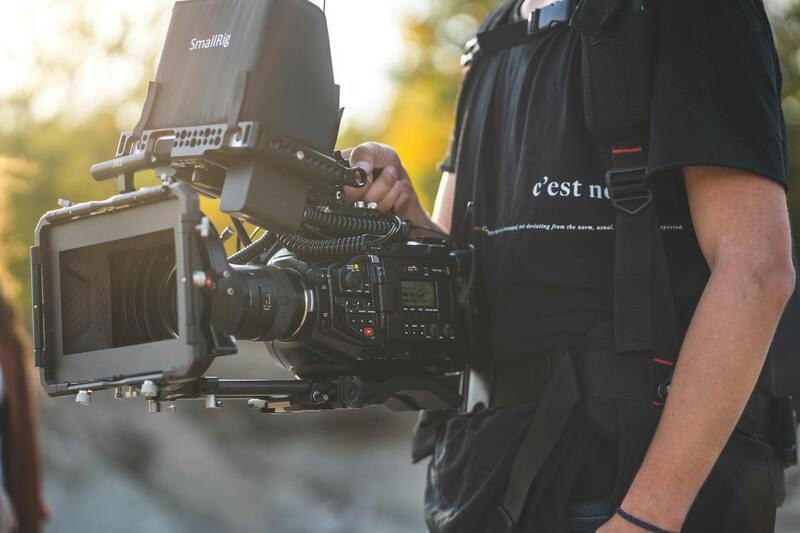
Effective dissemination of live broadcast content relies heavily on choosing the right streaming platforms to maximize audience engagement and reach. Popular consumer-level platforms like YouTube Live and Facebook Live serve as accessible options that facilitate broad audience access with minimal technical complexity. These platforms support streaming in high definition, enabling broadcasters to deliver clear and immersive live experiences across various devices, including smartphones, tablets, and PCs.
However, for organizations requiring enhanced control over their streaming infrastructure, custom Content Delivery Network (CDN) solutions are often employed. These tailored solutions enable the delivery of live streams with optimized performance, lower latency, and geographic customization. By leveraging CDN technology, broadcasters can ensure their content remains available with minimal buffering, regardless of the viewers’ location.
A significant benefit of using reputable distribution channels is the ability to integrate analytics and audience insights directly into the streaming process. These insights help broadcasters evaluate viewer engagement, geographic distribution, and device usage, informing future content strategies. The selection process involves assessing platform features, compatibility with existing systems, and the scalability needed to accommodate fluctuating viewer numbers.
Another critical aspect involves ensuring platform compatibility with other digital tools used in live event management. This includes integration with real-time chat functions, social media sharing options, and audience interaction features that enhance viewer participation. Broadcasters should also consider the ability to stream simultaneously across multiple platforms, increasing event visibility and engagement.
Furthermore, some organizations prefer to utilize enterprise-grade streaming solutions, such as dedicated servers or private CDN setups, to maintain greater control over their broadcast quality and security. These options often come with dedicated support teams, providing higher reliability during live events, especially for large-scale or high-profile broadcasts.
Key Considerations for Platform Selection
- Audience Size and Geographic Distribution: Evaluate the expected viewership and regional diversity to choose platforms that can handle the anticipated traffic.
- Technical Compatibility: Ensure the streaming solution seamlessly integrates with existing production hardware and software.
- Quality and Stability: Prioritize platforms with proven track records for high-quality streams and minimal downtime.
- Interactivity and Engagement: Select solutions that support viewer interactions, such as live chat, polls, and social media sharing.
- Cost and Scalability: Balance hosting and bandwidth costs with the need for scalability, particularly for large or recurring events.
By aligning platform capabilities with the specific needs of each live broadcast, organizations can deliver seamless, engaging live experiences that reach their audiences effectively. This strategic selection process enhances the impact of live events, fostering stronger connections and delivering valuable content across multiple digital channels.
Post-Broadcast Services and Analytics
After the live broadcast concludes, a comprehensive post-event review is essential to evaluate the overall success and identify areas for improvement. Video archiving ensures that content remains accessible for on-demand viewing, enabling organizations to extend their reach beyond the live event. Utilizing high-quality storage solutions guarantees durability and easy retrieval of broadcast recordings for future use.
Performance analytics provide in-depth insights into viewer engagement, stream stability, and audience demographics. These metrics help content creators understand viewer behavior, optimize future broadcasts, and tailor content to their audience's preferences. Key data such as peak concurrent viewers, geographic distribution, and engagement patterns guide strategic decisions, enhancing the effectiveness of subsequent live events.
Collecting viewer feedback through surveys, social media comments, and direct communication adds valuable qualitative insights. This feedback avenues help identify what resonated most with viewers, evaluate the user experience, and address technical or content-related issues. Incorporating these insights into future planning fosters continuous improvement and elevates the quality of live broadcast services.
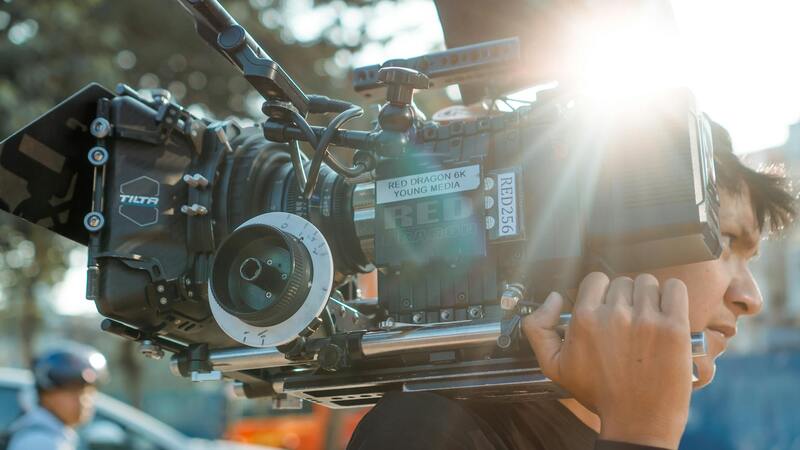
In addition, technical teams review broadcast logs and system reports to troubleshoot issues encountered during the live event. This detailed analysis supports refining streaming infrastructure and workflows to ensure smoother future broadcasts. Overall, a structured post-broadcast review cycle is vital to maintaining high standards, increasing audience satisfaction, and maximizing the impact of live streaming initiatives.
Choosing a Miami Production Partner
Selecting the right live broadcast services provider in Miami requires careful consideration of several critical factors. An ideal partner should possess a proven track record of delivering high-quality live streaming solutions tailored to diverse organizational needs. Their portfolio should demonstrate experience with a range of event types, from corporate conferences to large-scale public festivals, underscoring adaptability and technical competence.
Furthermore, comprehensive understanding of the local Miami market ensures that the provider is well-versed in the regional infrastructure, local regulations, and audience preferences. This local expertise facilitates seamless coordination, timely execution, and effective troubleshooting during live events.
Key qualities to look for include advanced technical capabilities, such as the deployment of enterprise-grade equipment, reliable internet connectivity, and resilient streaming platforms. A reputable Miami production partner should also offer end-to-end services, encompassing pre-production planning, live execution, and post-event analytics, delivering a holistic approach to live broadcasting.
Clear communication and transparent pricing are fundamental, enabling organizations to plan budgets effectively and set realistic expectations. Additionally, the ability to support interactive features, multiple distribution channels, and scalable solutions further distinguishes a premium provider.
Finally, client testimonials, case studies, and industry certifications serve as valuable indicators of a company's professionalism and commitment to excellence. Partnering with a trusted Miami-based provider ensures a smooth, engaging, and impactful live broadcast experience, empowering organizations to connect effectively with their audiences.
Post-Broadcast Services and Analytics
After the live broadcast concludes, the emphasis shifts to post-production services and analytics that help evaluate the success of the event and inform future strategies. High-quality providers offer comprehensive post-broadcast solutions, including detailed analytics reports, viewer engagement metrics, and content repurposing opportunities. These services are essential tools for organizations aiming to maximize their audience reach and engagement beyond the live event.
In-depth analytics provide insights into viewer demographics, peak viewing times, geographic distribution, and audience retention rates. Such data enables content creators and organizers to understand which segments resonated most and identify areas for improvement. Metrics related to streaming quality, latency, and buffering times are also analyzed to ensure technical performance met expected standards.
Post-broadcast content management involves editing recordings for on-demand playback, social media snippets, or promotional use. Providers often assist in creating highlight reels or shareable clips to maintain audience interest and amplify event visibility across multiple channels.
Furthermore, feedback collection through surveys or interactive prompts incorporated during or after the broadcast helps gather audience impressions and preferences. This information guides future event planning, content customization, and platform selection.
Incorporating these analytical and content optimization services offers a strategic advantage, enabling organizations to refine their messaging, enhance viewer experience, and expand their online presence.