Understanding Live Streaming Production
Live streaming production has become an essential component of modern media distribution, enabling organizations, businesses, and content creators to broadcast real-time video footage to global audiences via the internet. This process involves a complex interplay of technology, meticulous planning, and skilled execution to deliver seamless and engaging live broadcasts. Central to live streaming production are core components such as video capture, encoding, transmission, and distribution, all working in harmony to ensure high-quality content delivery.
The typical workflow begins with capturing live footage through high-definition cameras, which are then transmitted to a control room or production hub. Here, content is mixed, graphics are added, and audio levels are balanced to enhance viewer experience. The encoding process compresses the video and audio signals into a digital format suitable for internet transmission. Utilizing reliable streaming protocols and content delivery networks (CDNs), the signal is transmitted to viewers across various devices and platforms.
Key technologies involved in live streaming production include switchers, video mixers, professional microphones, and advanced streaming software. These tools facilitate real-time editing, multi-camera switching, and integration of visual effects, ensuring the broadcast remains dynamic and visually compelling. High-performance servers and robust internet connections are vital to minimize latency and prevent disruptions during live transmission.
Understanding the foundational elements of live streaming production allows organizations to appreciate the complexity behind seamless broadcasts. From initial setup to real-time management, each step requires precision, technical expertise, and the right hardware and software to execute effectively. As the industry advances, new innovations continue to refine the process, making live streaming more accessible, reliable, and engaging for diverse audiences around the world.
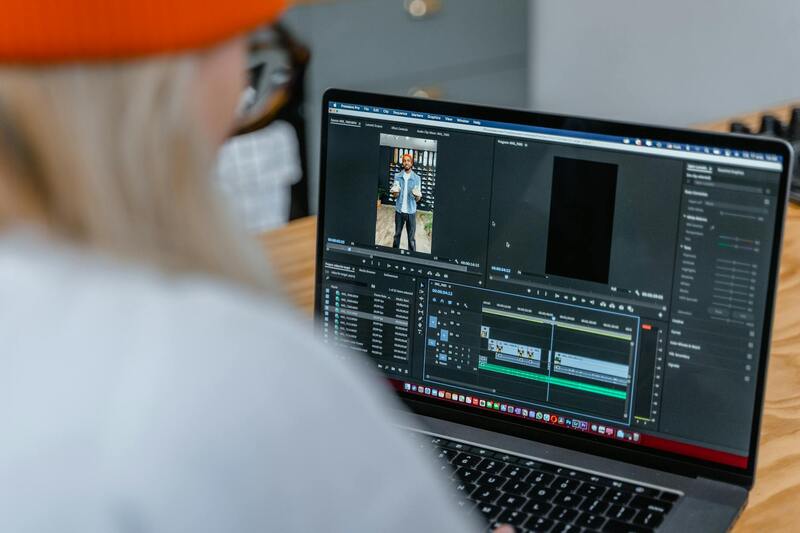
In essence, establishing a successful live streaming production hinges on understanding its fundamental components, integrating advanced technology, and executing a well-structured workflow. Whether for corporate events, entertainment, or educational purposes, mastering these elements ensures broadcasts are professional, secure, and capable of captivating viewers on a global scale.
Importance of Professional Equipment and Technology
High-quality live streaming production depends heavily on the selection and integration of professional-grade equipment and advanced technologies. This ensures that the broadcast meets industry standards for clarity, stability, and engagement. The key components include high-definition video cameras, audio mixing consoles, professional-grade microphones, and reliable streaming hardware. Each element must be carefully chosen to match the scale and purpose of the event, whether it’s a corporate presentation, live concert, or a large-scale conference.
Beyond hardware, sophisticated software solutions play a critical role in managing live streams. These include broadcast management software that enables multi-camera switching, real-time graphics overlay, and live chat integration. Software-based solutions allow operators to execute complex production tasks seamlessly, maintaining professional standards throughout the broadcast. Furthermore, encoding devices and streaming servers ensure efficient transmission of high-quality video data to viewers’ devices, optimizing for minimal latency and buffering issues.
Reliable internet connectivity is paramount, with most professional productions utilizing dedicated high-bandwidth internet lines or backup connections to prevent interruptions. The use of content delivery networks (CDNs) distributes live streams across multiple servers, reducing latency and ensuring viewers experience consistent quality regardless of location. Alongside these technical components, proper audio systems—including professional microphones, mixers, and soundproofing—are essential to capture and transmit clear audio, which is often as critical as video quality in delivering engaging live content.
- High-Definition Cameras and Video Switchers
- Professional Audio Equipment, including Microphones and Mixers
- Advanced Streaming and Encoding Software
- Robust Internet Connection and Backup Lines
- Content Delivery Networks for Global Reach
Integration and Workflow Optimization
An effective live streaming setup requires not only the right equipment but also a carefully designed workflow. Pre-production planning ensures all devices are properly configured and synchronized before broadcast begins. During the event, real-time management involves monitoring stream quality, switching camera angles, and adjusting audio levels—all coordinated through user-friendly control interfaces. Post-production plays a role in enhancing the content, whether through editing, captioning, or adding graphical overlays, before distributing the final version to the audience.
Investing in professional equipment and employing knowledgeable technical staff are critical to delivering a seamless live streaming experience. This approach guarantees that the broadcast maintains consistency, visual appeal, and audience engagement, ultimately reinforcing the credibility and professionalism of the presenting organization. As technology progresses, new equipment and innovative solutions continue to enhance live streaming capabilities, making it more efficient and impactful than ever before.
Understanding Live Streaming Production
Live streaming production encompasses the entire process of planning, executing, and delivering real-time video content to online audiences. This involves more than just broadcasting; it requires meticulous attention to detail in technical setup, production workflow, and content management. Effective live streaming production ensures that viewers experience high-quality visuals and audio, seamless transitions, and engaging presentation, all synchronized within a cohesive framework. Integration between hardware and software plays a vital role in managing multiple camera feeds, overlay graphics, and interactive features, creating a professional broadcast that captivates the audience. The strategic coordination of pre-event preparation, technical execution, and post-event processing forms the backbone of successful live streaming initiatives, particularly within the dynamic Miami media landscape which demands both innovation and reliability.

Importance of Professional Equipment and Technology
Investing in top-tier equipment and cutting-edge technology is fundamental to achieving superior live stream quality. High-definition cameras capture detailed visuals, while video switchers enable seamless transitions between multiple camera angles, maintaining viewer engagement. Professional audio equipment, such as shotgun microphones, lapel mics, and mixing consoles, guarantees clear, crisp sound that complements visual clarity. Modern streaming and encoding software offer real-time processing capabilities, optimizing video transmission for various platforms. A reliable internet connection, supported by backup lines, minimizes the risk of disruptions caused by bandwidth fluctuations, which are particularly critical in Miami’s bustling event scene. Content Delivery Networks (CDNs) facilitate global reach, ensuring viewers across different regions experience consistent stream quality. These technological investments reflect a commitment to professionalism and enhance audience trust.
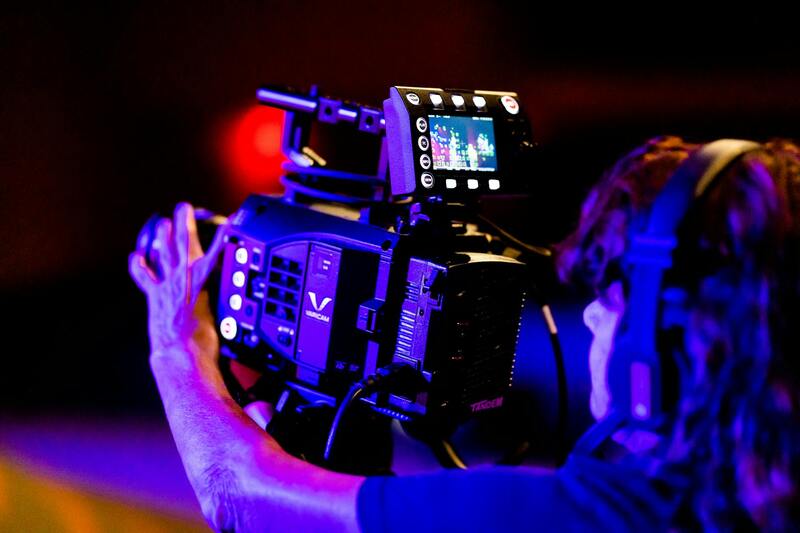
Integration and Workflow Optimization
Creating a seamless live streaming experience depends heavily on an integrated workflow that encompasses every stage of production. Pre-production planning involves detailed scheduling, content design, and technical rehearsals to align all equipment and personnel. During the broadcast, real-time management focuses on monitoring stream stability, switching between camera feeds, adjusting audio levels, and managing graphics overlays—all facilitated through intuitive control interfaces. Post-production activities, including editing, captioning, and graphical enhancements, prepare the recorded content for on-demand viewing or future dissemination. Employing specialized management software aids in coordinating these processes efficiently, reducing the likelihood of technical issues and ensuring a cohesive presentation. A well-orchestrated workflow minimizes stress during live events and guarantees a polished final product, which resonates strongly within the competitive Miami live streaming market.
Implementing Quality Assurance Protocols
To maintain high standards, establishing comprehensive quality assurance (QA) protocols is essential. Regular equipment checks, signal testing, and crew training help identify potential problems before the event, reducing the risk of failures during live broadcast. Implementing redundant systems, such as backup encoders and internet lines, offers additional security against unforeseen disruptions. Continuous monitoring during the broadcast allows immediate response to technical glitches, ensuring the stream remains uninterrupted. Post-event reviews assess performance metrics and client feedback, providing insights into areas for improvement. These rigorous QA practices foster confidence among clients and audiences, establishing a reputation for reliability and professionalism in the live streaming production industry across Miami.
Execution and Live Broadcast Management
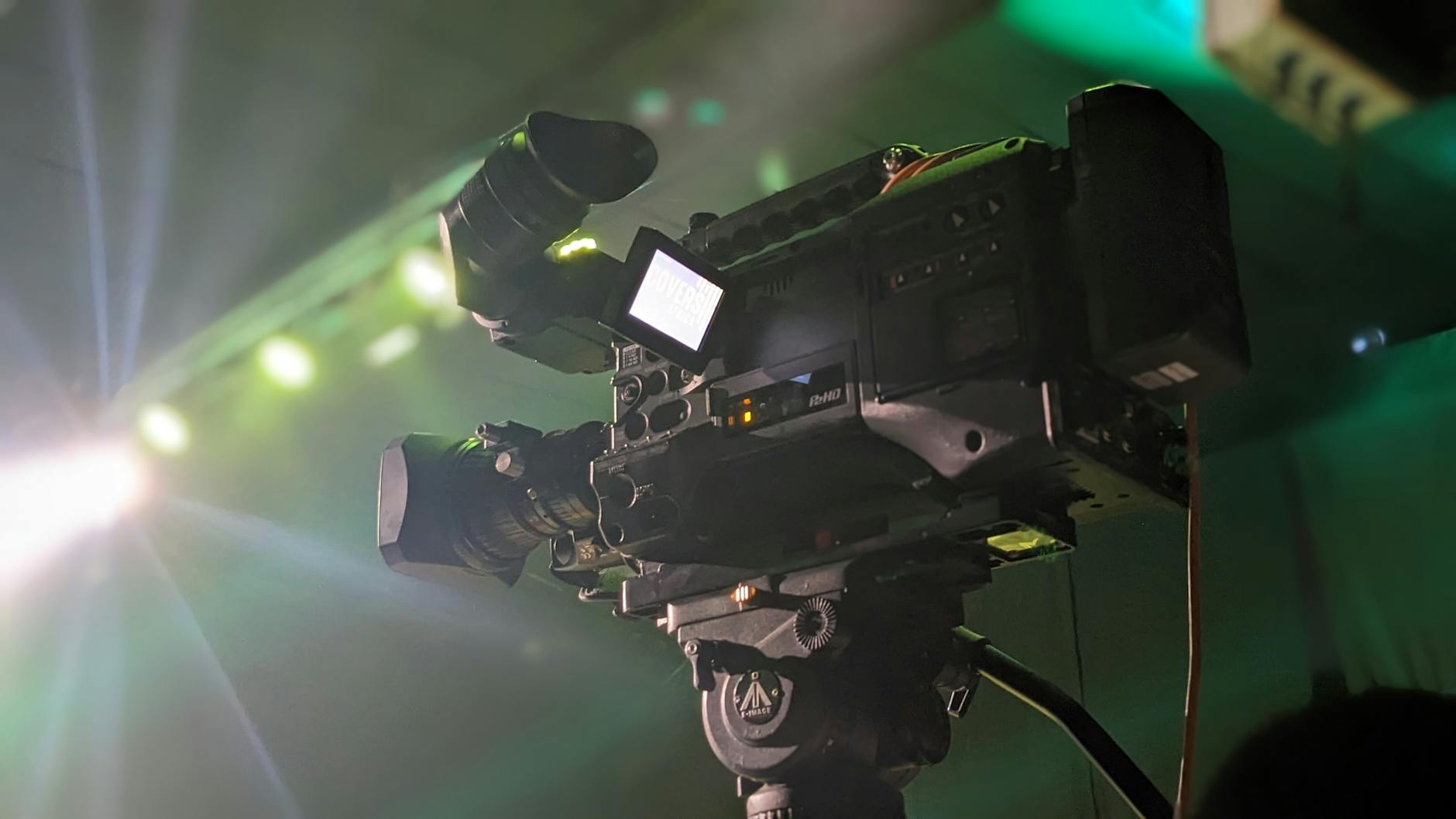
Effective execution during a live streaming event hinges on meticulous coordination among the technical crew and seamless operation of broadcast components. Camera operators must be adept at capturing engaging visuals, adjusting angles, and maintaining focus to keep the audience visually connected to the event. Simultaneously, production staff manages switching between camera feeds, graphics overlays, and pre-recorded content to ensure a dynamic and professional presentation.
Central to this process is the control room, which houses key equipment including video switchers, encoding hardware, and audio consoles. These tools allow operators to transition smoothly between different video sources, insert graphics or titles, and synchronize audio tracks for a cohesive viewer experience. This demands precise timing and coordination, especially during high-pressure moments like a live keynote or performance where split-second decisions shape the broadcast's flow.

Encoding is another critical aspect, converting raw video signals into digital formats compatible with streaming platforms. Reliable encoders ensure minimal latency and high-quality output regardless of fluctuating internet conditions. During the broadcast, continuous monitoring of the live feed is essential to promptly address issues such as audio disruptions, signal drops, or visual artifacts. Crew members employ real-time diagnostics to swiftly troubleshoot and resolve potential problems, preserving the integrity of the stream.
Post-Production and Content Delivery
While live management is vital, post-production processes significantly enhance the final content. Once the live event concludes, recorded footage is compiled for editing, allowing the removal of minor errors or technical glitches. This phase also involves adding branded graphics, subtitles, and captions to improve accessibility and viewer engagement. High-quality editing ensures that on-demand recordings meet the professional standards expected by clients and audiences alike.
Content delivery extends beyond the live event, requiring strategic distribution across multiple channels—be they social media platforms, dedicated websites, or internal portals. Utilizing content management systems facilitates efficient dissemination while maintaining version control. Moreover, analyzing viewer engagement metrics post-event enables producers to refine future live streams, tailoring content and delivery methods to maximize reach and impact.
Ensuring Seamless Content Delivery and Engagement Strategies
Effective content delivery extends well beyond the live event, requiring strategic planning and technical precision to ensure that audiences receive the content in a manner that maximizes engagement and accessibility. After the live broadcast concludes, the recorded footage must be promptly processed for on-demand viewing. This involves encoding the content into various formats suitable for multiple devices and platforms, such as websites, social media, and streaming portals. A well-structured content management system (CMS) simplifies this process, allowing for efficient distribution and ensuring that all versions remain consistent and current.
Integrating metadata, descriptive tags, and SEO-optimized titles enhances discoverability across digital channels. Additionally, delivering synchronized subtitles, captions, and branding overlays improves accessibility for diverse audiences and reinforces brand identity. These elements are incorporated during the post-production editing process, ensuring that the final product maintains professional standards.
Social media and email marketing campaigns play a pivotal role in promoting on-demand content, increasing viewer reach beyond the live audience. Cross-platform promotion of recordings helps attract new viewers while re-engaging existing followers. Monitoring real-time engagement and viewer feedback provides valuable insights, guiding subsequent live streams to evolve in content relevance and technical quality.
- Optimize video formats for various devices and platforms to improve accessibility and playback quality.
- Implement SEO strategies with detailed metadata to increase organic reach of on-demand recordings.
- Utilize analytics tools to assess viewer engagement and identify areas for content improvement.
- Enhance accessibility with subtitles, captions, and multi-language options where applicable.
- Leverage digital marketing campaigns to promote the archived content across social networks, websites, and email channels.
- Archive recordings systematically for easy retrieval and compliance with long-term storage policies.
Overcoming Common Challenges in Live Streaming and Implementing Solutions
Live streaming production involves several technical and operational challenges that can impact broadcast quality and viewer experience. Connectivity issues such as internet disruptions or bandwidth limitations pose significant risks, often leading to buffering, signal drops, or degraded video quality. To mitigate these problems, employing redundant internet connections and adaptive streaming technologies ensures continuous delivery even under adverse network conditions.
Audio quality is equally critical, with disruptions such as audio mismatches or background noise detracting from professionalism. Using high-quality microphones, real-time audio mixers, and noise-cancellation technologies is essential for clear sound reproduction. Regular audio checks and monitoring during the broadcast help promptly address any issues.
Visual artifacts like pixelation, lag, or color inconsistencies can undermine the perceived quality of a live production. Employing professional-grade cameras, proper lighting setups, and dedicated video switchers minimizes these problems. Additionally, real-time diagnostics and skilled technical crew enable swift troubleshooting, maintaining a smooth viewing experience.
Handling high-tension scenarios such as equipment failure or unexpected interruptions requires thorough contingency planning. Developing detailed emergency protocols and conducting rehearsal sessions significantly reduce the likelihood of unforeseen difficulties. These preparations include backup hardware, alternative internet options, and clear communication channels among crew members.

- Invest in redundant internet connections to ensure uninterrupted broadcast delivery.
- Utilize adaptive streaming protocols to manage bandwidth fluctuations dynamically.
- Deploy high-quality audio equipment and sound engineering practices for clear audio output.
- Use professional video equipment and proper lighting to enhance visual quality.
- Establish comprehensive contingency plans for equipment failure and emergency procedures.
- Conduct thorough technical rehearsals to identify and address potential issues prior to the live event.
Advanced Techniques for Enhancing Live Streaming Quality
To deliver a seamless live streaming experience, leveraging advanced production techniques becomes essential. This involves synchronizing multiple camera angles through professional video switchers, which provide smooth transitions and dynamic visual engagement. The use of multi-camera setups allows for varied perspectives, capturing the event from different angles to create a more immersive viewer experience.
Implementing real-time graphics and overlays can significantly elevate the production quality, especially for corporate presentations, sports events, or entertainment broadcasts. These elements should be designed to complement the content without overwhelming it, ensuring clarity and visual appeal. Integration of professional titling and animated graphics enhances the information delivery, making the broadcast more engaging and informative.

High-end audio management remains a cornerstone of quality live streaming. Employing digital mixers and directional microphones ensures crisp sound capture, reducing ambient noise and echo. During the broadcast, continuous audio monitoring allows technicians to make real-time adjustments, maintaining clarity and balance. Incorporating features like audio ducking and noise suppression helps deliver a polished auditory experience that complements the visual elements.
Utilizing Network Optimization and Streaming Protocols
Optimizing internet bandwidth is vital for uninterrupted streaming. Techniques such as adaptive bitrate streaming dynamically adjust video quality based on real-time network conditions, preventing buffering and maintaining viewer engagement. Establishing dedicated internet connections with sufficient upload speeds reduces the risk of disruptions, especially during high-traffic events.
Employing reliable streaming protocols like SRT (Secure Reliable Transport) or RTMP (Real-Time Messaging Protocol) enhances data transmission stability. These protocols allow for error correction and packet recovery, minimizing latency and artifacts. By integrating these protocols into the streaming setup, producers can ensure a resilient broadcast even in fluctuating network environments.
Implementing Quality Control and Monitoring Systems
Continuous monitoring of broadcast quality through professional software tools enables live technicians to promptly identify and resolve issues. Real-time diagnostics provide actionable insights into audio levels, video signal strength, and streaming stability. Additionally, redundant systems for video capture and internet connectivity act as safeguards, allowing quick switchover in case of failure.
Pre-event technical rehearsals are important to test all equipment and streaming pathways, verifying that the system operates under expected conditions. During the event, dedicated operators should oversee the stream, responding swiftly to any anomalies to minimize viewer impact and uphold broadcast standards.

Advanced Techniques for High-Quality Live Streaming Production
Achieving a flawless live streaming experience requires mastery over a range of technical and operational aspects. Beyond the initial planning and equipment setup, producers must implement advanced techniques that ensure stability, clarity, and engagement throughout the broadcast. This includes optimizing video encoding configurations, leveraging adaptive bitrate streaming, and maintaining rigorous quality assurance processes.
Optimizing Video Encoding Settings
Proper encoding settings are critical to balance video quality and bandwidth consumption. Using hardware encoders or high-end software solutions allows for real-time compression that preserves image detail while minimizing latency. Selecting appropriate codecs—such as H.264 or H.265—can significantly improve streaming efficiency, especially for high-resolution content. Adjustments to bitrates, keyframe intervals, and audio encoding parameters further refine stream stability and viewer experience.
Implementing Adaptive Bitrate Streaming
Adaptive bitrate streaming dynamically adjusts video quality based on each viewer's internet speed, providing a seamless viewing experience regardless of network conditions. This technique involves encoding multiple quality levels and delivering the appropriate stream to each user in real-time. It reduces buffering, prevents viewer dropout, and ensures consistent playback—especially important during large-scale events or scenarios with diverse internet infrastructures.
Regular Quality Assurance and Monitoring
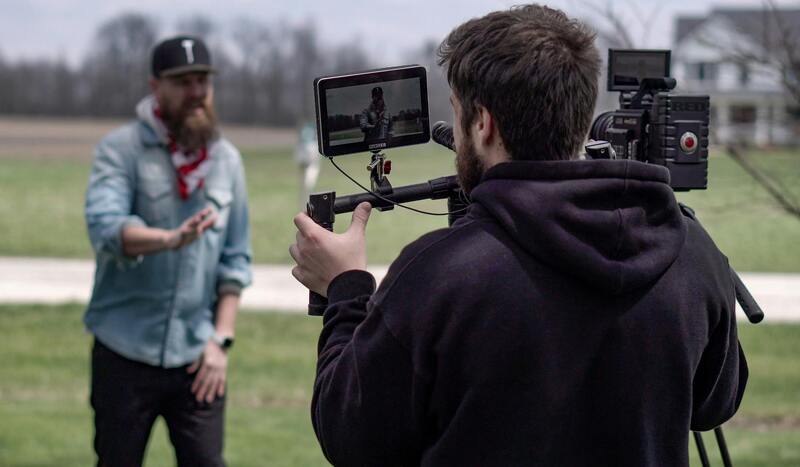
During the live event, continuous monitoring of the broadcast is essential for immediate issue detection and resolution. Professional software tools track parameters like video latency, signal strength, audio levels, and stream stability. Implementing redundant systems, such as backup internet connections and secondary production feeds, provides fallback options that prevent total broadcast failure. Pre-event rehearsals serve as a crucial step for testing these systems under real conditions, minimizing surprises during the live event.
Handling Live Production Challenges
- Network Fluctuations: Maintaining multiple internet connections or switching between wired and wireless setups ensures consistent bandwidth.
- Hardware Failures: Redundant equipment and quick-swappable hardware components reduce downtime during technical issues.
- Audio/Video Sync: Precise synchronization during encoding and transmission prevents lip-sync errors or lag, which can detract from viewer engagement.
- Real-time Communication: Clear communication channels among the production team facilitate swift decision-making and troubleshooting.
Integrating Live Interaction Features
Engagement elements such as live chat, polling, or Q&A sessions should be integrated smoothly into the broadcast. These features enhance viewer participation and can be moderated in real-time to maintain quality standards. Ensuring that these interactive elements are seamlessly incorporated without risking broadcast stability requires advanced streaming platforms and dedicated operators.
Security and Data Integrity
Securing live streams against interruptions or malicious interference involves implementing encryption protocols and secure transmission channels. Regularly updating streaming software and monitoring access permissions protect both the content and the infrastructure. These measures safeguard the broadcast integrity and maintain the trust of viewers and stakeholders.
Future Trends in Live Streaming Production
Emerging Technologies and Methodologies
As live streaming continues to evolve, new technological innovations are shaping the landscape of production quality and viewer engagement. High dynamic range (HDR) streaming is becoming increasingly accessible, providing richer visuals with enhanced color accuracy that captivate audiences and elevate the viewing experience. Likewise, 4K and even 8K streaming capabilities are gaining traction, driven by advancements in camera technology and increased bandwidth availability. These higher resolutions enable broadcasters to deliver crystal-clear visuals, making immersive live events more compelling than ever.
Artificial intelligence (AI) and machine learning are also beginning to influence live streaming production. Automated captioning, intelligent content moderation, and real-time analytics enable broadcasters to maintain quality standards and improve viewer interaction without manual intervention. AI-powered camera tracking and scene switching can add a dynamic flair to broadcasts, ensuring that the focus remains on essential moments or speakers, thus enhancing the overall professionalism of the event.
Adoption of Cloud-Based Infrastructure
The shift towards cloud-based streaming solutions is a defining trend, offering scalability and flexibility that traditional on-premises systems struggle to match. Cloud services allow production teams to manage streams remotely, collaborate efficiently across geographic locations, and integrate multiple feeds effortlessly. This approach is particularly advantageous for large-scale live events, multi-camera productions, and interactive broadcasts that demand robust infrastructure and high availability.
Beyond infrastructure, cloud-based management platforms simplify workflows—from content ingestion and encoding to delivery and analytics—resulting in faster turnaround times and reduced operational costs. This flexibility enables Miami-based producers to stay agile, experiment with innovative formats, and adapt swiftly to viewer preferences or event requirements.
Enhanced Viewer Engagement and Interactivity
Interactive features are becoming integral to modern live streams, transforming passive viewers into active participants. Techniques such as real-time polling, chat integration, and virtual Q&A sessions foster engagement, making events more memorable and communicative. Leveraging 5G connectivity can facilitate these interactive elements with minimal latency, ensuring seamless participation even during high-volume streams.
Furthermore, augmented reality (AR) and virtual reality (VR) integrations are on the rise, providing immersive environments that captivate audiences. For example, virtual stage setups or 3D graphics enhance the storytelling dimension of live productions, offering an innovative way to present content that resonates deeply with viewers.
Data-Driven Content Optimization
Data analytics tools embedded within streaming platforms enable broadcasters to gather detailed insights about viewer behavior and preferences. Analyzing metrics such as viewer retention, engagement levels, and geographic distribution allows producers to tailor content dynamically during broadcasts. This real-time feedback loop ensures that each segment of an event resonates better with the audience, ultimately boosting viewer satisfaction and reach.
Predictive analytics can also assist in planning future productions by identifying trending topics and preferred content formats. For Miami-based companies, this means leveraging local viewer data to create more targeted and impactful live events that align with the community’s interests and cultural nuances.
Conclusion: The Path Forward for Live Streaming Production
The future of live streaming production in Miami is characterized by technological sophistication and heightened viewer interaction. Embracing innovations such as higher resolution formats, AI automation, cloud infrastructure, and immersive multimedia features will enable producers to craft more dynamic, engaging, and seamless broadcasts. As the industry continues to advance, establishing partnerships with experienced local providers ensures access to cutting-edge tools and expert support, helping brands and organizations deliver memorable live experiences that stand out in a competitive digital landscape.