Understanding Live-Streaming Production
Live-streaming production encompasses the comprehensive process of capturing, broadcasting, and delivering live video content to audiences over digital platforms. It has become an essential element for a wide array of events, including corporate conferences, entertainment shows, community gatherings, and cultural festivals. In Miami, where vibrant events and diverse audiences converge, the significance of high-quality live-streaming cannot be overstated. It facilitates real-time engagement, expands reach beyond physical venues, and enhances the overall impact of live events.

At its core, live-streaming production involves several critical processes—from initial planning and technical setup to execution and post-broadcast review. It ensures that viewers experience seamless, professional broadcasts that convey the event’s energy and messaging accurately. The importance of this technology extends not only to entertainment and social events but also to business meetings, product launches, and academic seminars, making it an integral part of the modern digital landscape.
Why Live-Streaming Production Matters in Miami
- Expands Audience Reach: Live streaming removes geographical barriers, allowing spectators from around the world to participate in Miami-based events in real-time.
- Enhances Engagement: Dynamic visuals, interactive elements, and social media integration foster active viewer involvement.
- Boosts Brand Visibility: Companies and organizations can showcase their events to a broader demographic, reinforcing brand presence.
- Ensures Continuity: During disruptions or adverse weather conditions, live streams provide uninterrupted access to important proceedings or entertainment.
The Evolution of Live-Streaming in Miami
Miami’s vibrant cultural scene and bustling corporate environment drive demand for advanced live-streaming services. Over the years, technological improvements, such as 4K broadcasting, multi-camera setups, and cloud-based production tools, have elevated the quality and reliability of live streams. These innovations ensure that live content remains engaging, visually appealing, and technically resilient, regardless of location-specific challenges.
Understanding the fundamentals of live-streaming production is vital for anyone involved in planning or executing live events. It requires a strategic approach, technical expertise, and attention to detail to achieve professional results that reflect the event's significance and reach target audiences effectively.
Key Components of Live-Streaming Setup
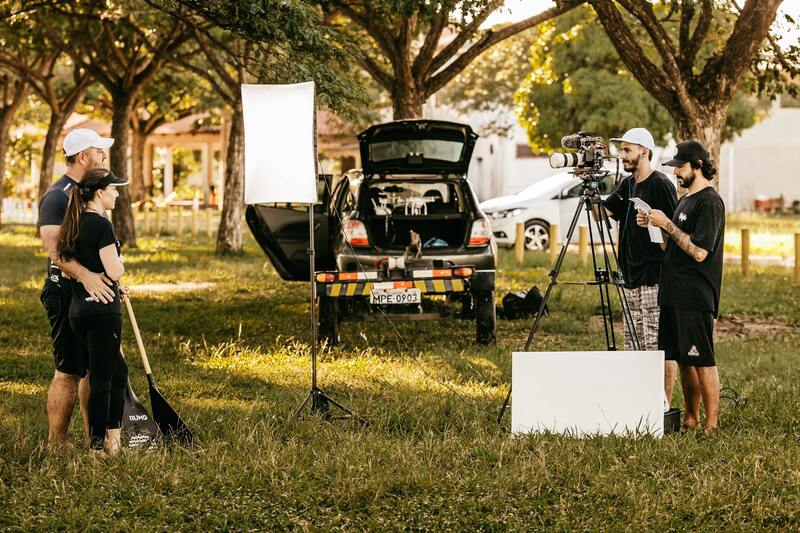
Establishing a successful live-streaming production hinges on assembling a robust and reliable array of equipment and technology. Each element plays a critical role in ensuring smooth transmission, high visual and audio quality, and viewer engagement. The primary components include professional-grade cameras, encoders, lighting systems, microphones, and stable internet connections.
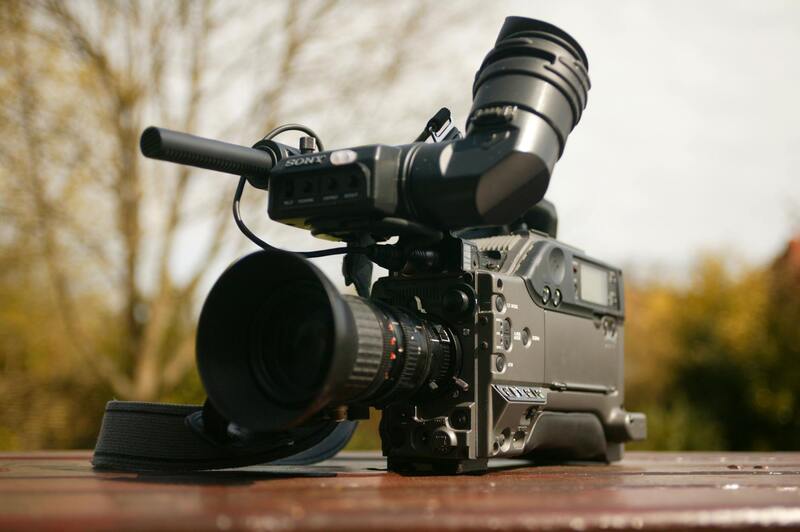
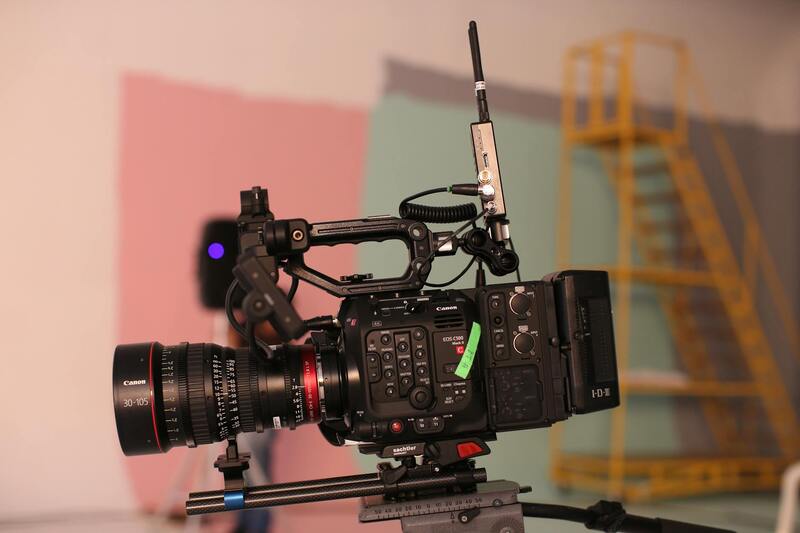
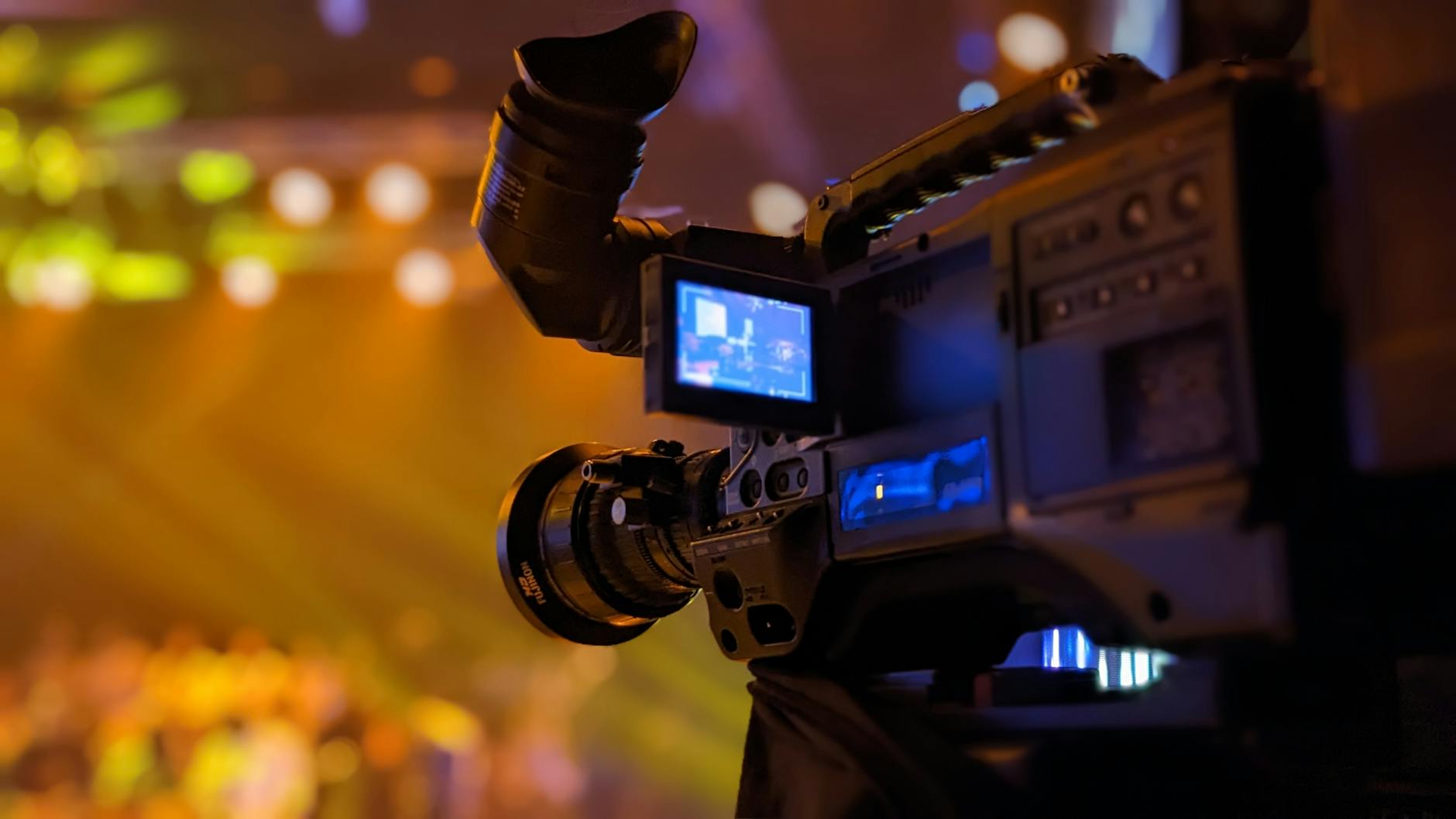
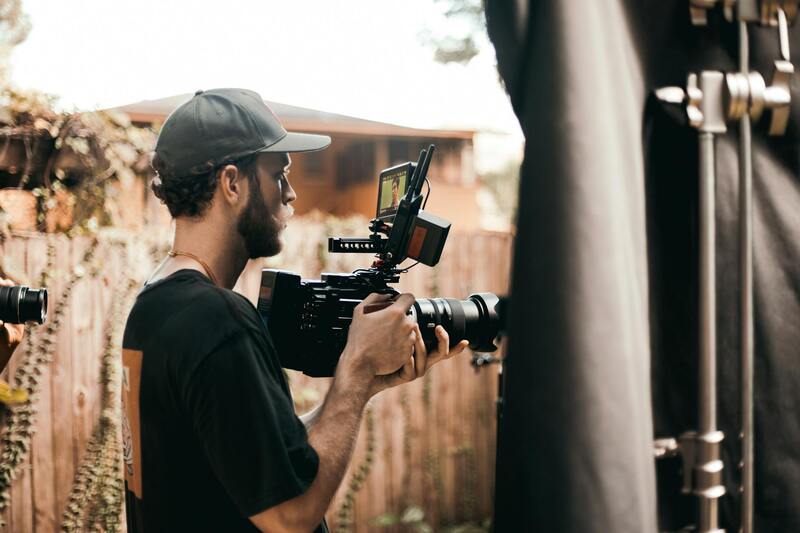
High-quality cameras are fundamental for capturing crisp, clear visuals. Depending on the scope of the event, multiple camera setups—such as fixed, pan-tilt-zoom, and robotic cameras—allow for dynamic shots and professional coverage. Encoders, whether hardware or software-based, are responsible for converting raw footage into a digital stream compatible with the chosen streaming platform, ensuring minimal latency and maximum compatibility.
 igure>
Lighting plays a pivotal role in visual quality, especially in indoor or controlled environments. Proper lighting ensures that topics are clearly visible and colors are vibrant, which enhances viewer experience. Microphones are equally essential; selecting between lavalier, shotgun, or wireless systems depends on the event's nature, ensuring clear audio capture even in noisy environments.
Reliable internet connectivity underpins the entire live-streaming process. Typically, a dedicated high-bandwidth connection with redundancy is preferred to avoid interruptions. Additionally, backup systems such as secondary internet connections or portable hotspots provide contingency options in case of main connection failure.
Planning and Pre-Production for Live Streaming
Effective live-streaming begins well before the event goes live. Pre-production involves meticulous planning to align technical resources, content flow, and audience interaction strategies. This phase includes defining the event's objectives, selecting appropriate equipment, and coordinating with on-site staff to ensure seamless execution.
- Content Scheduling: Developing a detailed run sheet with cues for live switching, transitions, and replays helps maintain professionalism and engagement.
- Technical Rehearsals: Conducting full rehearsals allows the production team to troubleshoot issues, refine camera angles, test audio clarity, and verify internet stability.
- Visual and Audio Setup: Proper placement of cameras, lighting positioning, and sound checks are crucial to achieving technical excellence.
- Audience Engagement Strategies: Incorporating interactive elements like live polls, Q&As, and social media comments can significantly boost viewer participation.
 igure>
Production Process and Execution
During the live event, the production team manages camera switching, audio levels, graphic overlays, and real-time interactions. Skilled directors oversee the entire process, coordinating between on-site talent, technical operators, and streaming platforms to deliver a cohesive presentation.
Multi-camera setups facilitate dynamic visuals, allowing the production team to show different angles, close-ups, or wide shots as needed. Video switching is performed using professional switchers, enabling seamless transitions that mirror broadcast standards.
Audio mixing ensures clarity and balance, compensating for different sound sources and minimizing background noise. Real-time graphics, lower thirds, and branding elements reinforce the event's professionalism and support branding strategies.
Technical Challenges and Troubleshooting
Despite careful planning, live-streaming production can encounter technical hurdles such as bandwidth issues, hardware failures, or software glitches. Prompt troubleshooting minimizes disruptions and maintains broadcast integrity.
- Latency and buffering issues are often linked to internet stability; bandwidth utilization should be monitored continuously, and data traffic managed to prevent overloads.
- Hardware failures, such as camera or encoder malfunctions, require backup equipment on standby and rapid replacement protocols.
- Software crashes or malfunctions can often be mitigated with pre-tested configurations, redundant systems, and real-time technical support.
Post-Production and Content Recycling
Post-event processes involve editing the recorded stream for highlights, promotional clips, or educational content. This material can be repurposed for social media, training, or archival purposes, maximizing the value of the live production.
Content management includes fact-checking, trimming, adding graphics, and ensuring the final product aligns with branding standards. Edited versions also provide opportunities for reaching audiences who prefer on-demand viewing, extending the lifespan and reach of the original broadcast.
Optimizing Connectivity and Equipment for Live-Streaming Production
Ensuring a reliable and high-quality live-streaming experience begins with robust connectivity and top-tier equipment. The choice of internet connection plays a critical role; wired Ethernet connections are preferred over Wi-Fi due to their stability and consistent bandwidth. In areas where Wi-Fi is necessary, professional-grade routers and signal boosters help maintain a strong, interference-free connection. Bandwidth capacity should be assessed well in advance of the event, with dedicated lines allocated solely for streaming to avoid congestion from other network activities.
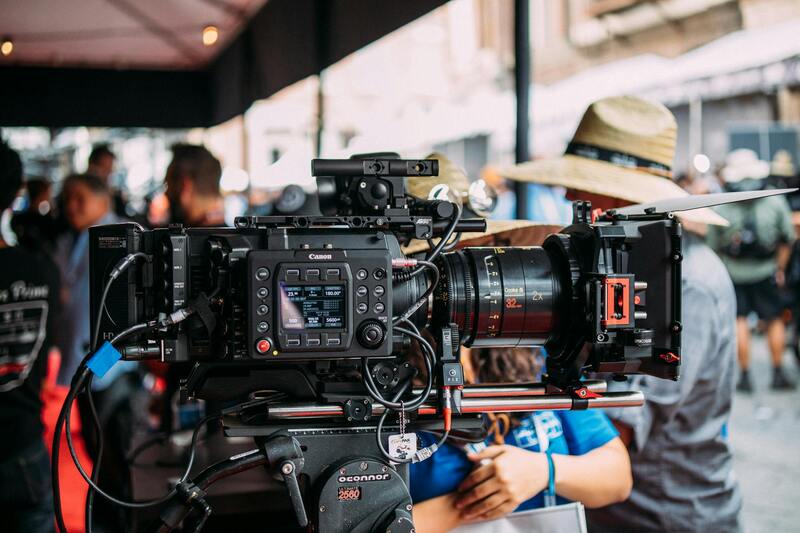
Equipment selection is equally vital. High-definition cameras with reliable streaming capabilities, encoder devices that handle real-time data compression efficiently, and audio gear that captures clean, crisp sound contribute significantly to professional-quality broadcasts. Backup hardware, including additional cameras, microphones, and encoders, should be readily accessible in case of equipment failure. Power sources need to be stable, with uninterruptible power supplies (UPS) to prevent disruptions caused by power outages or fluctuations.
Integrating Software Solutions for Seamless Production
Professional live-streaming hinges on sophisticated software platforms that manage multiple video sources, overlay graphics, and automate transitions. Switchers or mixers are used to switch between camera feeds smoothly, allowing for dynamic broadcasts that mimic traditional television production. Graphics software adds lower thirds, branding overlays, and real-time annotations to engage viewers and reinforce messaging.
Stream management tools enable monitoring of stream health, viewer analytics, and interactive components such as live chat or audience polls. These tools are essential for maintaining viewer engagement and responding swiftly to any technical concerns during the broadcast.
Implementing Quality Control and Redundancy Procedures
Quality control is an ongoing process during live-streaming production. Regularly testing all equipment and connections before the event minimizes surprises. Real-time monitoring allows technical teams to identify and resolve issues immediately, ensuring a smooth viewer experience.
Redundancy protocols include having backup internet connections, alternative power sources, and duplicate equipment for critical components. Dedicated technical personnel should be assigned to oversee each aspect of the broadcast, ready to intervene if necessary.
- Conduct pre-event dry runs to identify potential points of failure.
- Utilize failover internet connections to switch seamlessly between primary and backup sources.
- Maintain a detailed troubleshooting plan accessible to all technical staff.
- Train team members on emergency procedures to ensure swift response.
Monitoring and Enhancing Viewer Engagement
Engagement metrics and viewer feedback are essential to evaluate the success of a live-stream. Incorporate real-time analytics to monitor streaming quality, viewer count, and geographic distribution. Adjust content flow and technical parameters based on these insights to improve user experience.
Interactive features such as live chat, Q&A sessions, and social media integration cultivate a sense of community and increase viewer retention. Clear cues for audience interaction should be embedded within the stream, along with responding promptly to viewer comments and questions to foster engagement.
On-Site Setup and Camera Operations in Live-Streaming Production
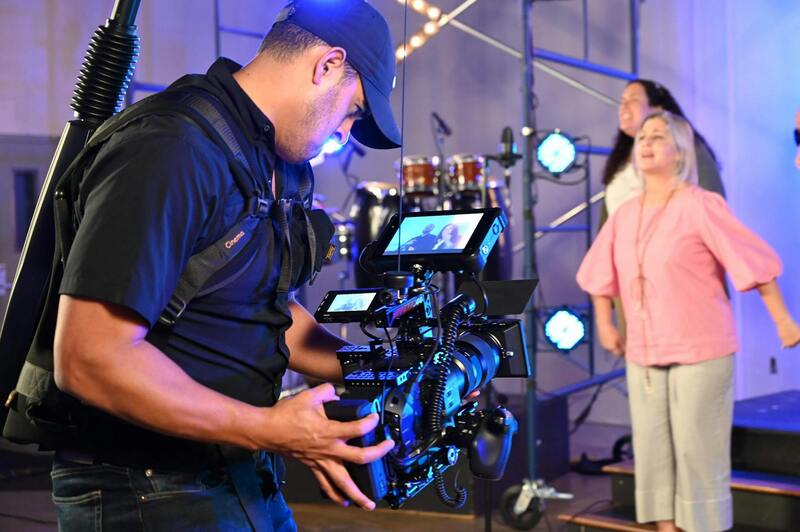
Efficient on-site setup is fundamental for a seamless live-streaming experience. This phase involves the strategic placement of cameras, microphones, and supporting equipment to ensure comprehensive coverage of the event. Multiple camera angles, including wide shots, close-ups, and dynamic movement shots, provide visual interest and professional quality, engaging viewers throughout the broadcast.

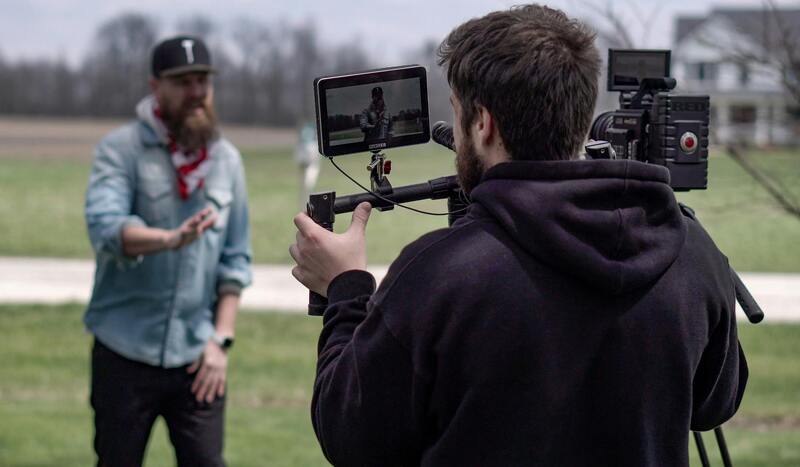
Camera operators must be skilled in framing shots, adjusting focus, and managing pan-tilt-zoom (PTZ) functionalities. Precise camera control ensures that each visual element aligns with the event’s flow, delivering a cohesive viewing experience. Deployment of robotic or remote-controlled cameras can also facilitate complex shots and reduce the need for extensive on-site personnel, streamlining the operation.
Audio Management and Audio-Video Synchronization
Clear audio is as critical as visual clarity in live streaming. Professional microphones, including lavalier, shotgun, and ambient mics, should be strategically positioned to capture speech, music, or environment sounds effectively. Sound checks prior to the event are essential to optimize levels, reduce background noise, and prevent audio clipping or distortion.
The synchronization of audio and video components ensures a natural and immersive experience for viewers. Delay mismatches between streams can disrupt the viewing experience and diminish engagement. Using timecode synchronization solutions or dedicated audio embedding equipment helps maintain audio-video sync throughout the broadcast.
Switching and Transition Control
The production team manages real-time switching between camera feeds using a professional video switcher. Skilled operators select the most appropriate feeds moment-to-moment, based on the event's flow and viewer interest. Smooth transitions, such as fades, dissolves, or wipes, are used to guide viewers' attention and keep the broadcast visually engaging.
Advanced switchers often support adding overlays, graphics, and lower thirds, which are vital for branding, providing supplementary information, or highlighting key moments. This process requires coordination between technical staff and on-site directors to ensure timing and content relevance.
Managing Streaming Quality and Latency
Maintaining high streaming quality involves monitoring latency, bitrate, and resolution. Adaptive bitrate streaming technologies automatically adjust quality based on viewers' internet speeds, preventing buffering and interruptions. Technical teams continuously monitor live feeds and transmission status, ready to intervene if issues arise.
Employing dedicated network connections with sufficient bandwidth and utilizing content delivery networks (CDNs) optimizes delivery, especially for large audiences. Testing these elements before the event ensures they operate effectively under live conditions.
Technical Teams and Coordination
Successful live-streaming production depends on well-organized technical teams, including camera operators, sound engineers, switchers, and stream managers. Clear communication protocols, often facilitated by headsets and communication channels, ensure seamless coordination. Regular briefings and rehearsals help align everyone's roles and responsibilities, minimizing errors during the live event.

Overall, a meticulous approach to on-site setup, camera operation, and audio management lays the foundation for a professional and engaging live-streaming experience. Ensuring that every component functions harmoniously reduces the risk of technical issues and enhances viewer satisfaction, which is crucial for the event's success and reputation.
Understanding Live-Streaming Production
Live-streaming production encompasses a series of meticulously planned and executed technical processes that facilitate the real-time broadcasting of events, performances, or presentations over the internet. This process involves not only capturing live footage and audio but also encoding, transmitting, and delivering high-quality streams to viewers across diverse locations and devices. As the foundation of digital engagement for many organizations, live-streaming production demands precision, advanced technology, and coordination among various technical departments.
The workflow begins with comprehensive pre-production planning, where content creators and technical teams outline the event’s scope, target audience, and desired outcomes. This stage includes selecting suitable venues, testing equipment, and establishing the streaming platform and infrastructure. It is critical to define backup procedures, communication protocols, and contingency plans to address potential technical disruptions proactively.
During the event, live coordination among camera operators, audio engineers, switchers, and streaming managers ensures seamless operation. High-quality camera work captures compelling visuals, while professional sound management guarantees audio clarity. An efficient switching system allows smooth transitions between different video feeds, camera angles, or multimedia content, elevating viewer engagement. Concurrently, encoding devices compress the video and audio signals into streams that are compatible with various bandwidths, enabling adaptive streaming and broad accessibility.
Additionally, the integration of real-time monitoring tools allows operators to oversee stream health, bandwidth usage, and viewer analytics. This ongoing oversight facilitates immediate responses to issues such as buffering, latency spikes, or hardware failures, preserving a consistent viewer experience. The deployment of content delivery networks (CDNs) further enhances distribution efficiency, ensuring stable delivery to viewers regardless of their geographical location.
Post-event, content can be archived, edited, and repurposed for various platforms. This extended lifecycle amplifies the impact of the original production, providing additional content for marketing, training, or educational purposes. The combination of rigorous pre-production planning, technical execution, and post-event analysis forms the backbone of effective live-streaming production, reinforcing an organization's digital outreach and engagement strategies.
Ensuring Proper Content Rights and Permissions
One of the fundamental aspects of successful live-streaming production involves meticulous management of content rights and permissions. Managers and producers must verify that all visual and audio elements being broadcast are authorized for public dissemination. This encompasses obtaining licenses for copyrighted music, images, video clips, and any third-party materials integrated into the stream. Having clear documentation and agreements in place helps prevent potential disruptions or copyright claims. It is advisable to work closely with content creators, rights holders, and licensors to secure the necessary permissions well in advance of the live broadcast. This proactive approach not only maintains the integrity of the production but also fortifies the organization against unforeseen legal complications. Furthermore, implementing a comprehensive rights management system allows transparency and accountability. Such systematization includes cataloging licensed content, tracking usage rights, and establishing protocols for compliance checks. These measures ensure that the final live stream aligns with intellectual property regulations and organizational policies.

Adhering to Industry Standards and Best Practices
Maintaining adherence to established standards and best practices is crucial for delivering high-quality live-streams that meet industry benchmarks. This includes following broadcast protocols that promote consistent visual and audio quality, accessibility, and viewer engagement. In terms of technical standards, using industry-grade equipment and adhering to recommended settings for video resolution, frame rate, and audio levels ensures professional output. For instance, complying with recommended bitrates prevents buffering issues and provides a seamless experience. Accessibility features, such as closed captioning and audio descriptions, increase the reach of the live stream by accommodating viewers with disabilities. Also, implementing security protocols like encrypted streams and secure login procedures safeguards content integrity. Most organizations also align their workflows with best practices for data management, viewer privacy, and emergency protocols. These include regular equipment maintenance, staff training, and conducting rehearsal sessions to iron out potential issues before the actual event. By integrating these standards into the production process, organizations foster a consistent, reliable, and professional live-streaming service that resonates positively with audiences and conforms with industry expectations.
Implementing Continuous Monitoring and Quality Control
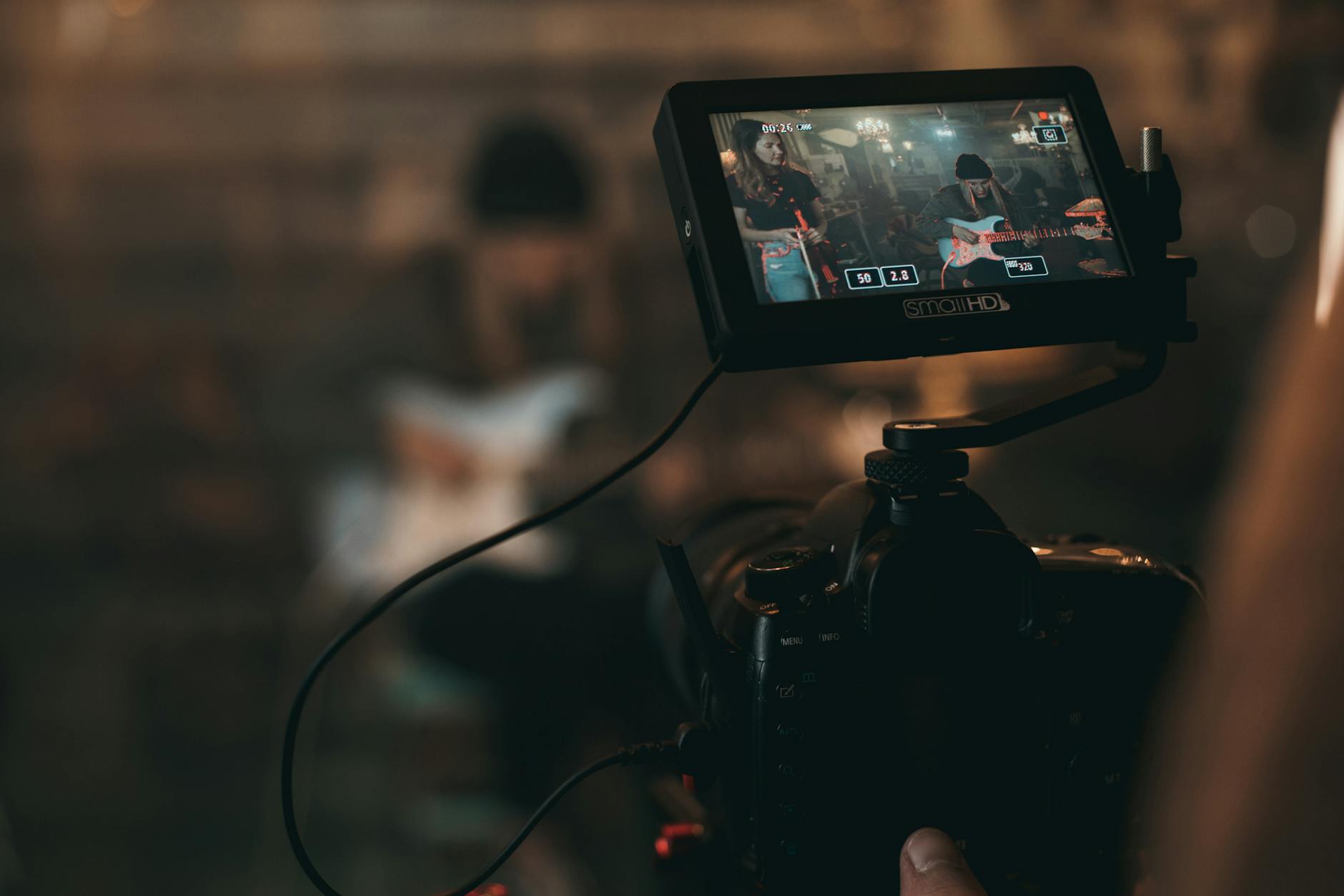
Throughout the live broadcast, continuous monitoring and quality control measures are vital for maintaining stream health and viewer satisfaction. Setting up real-time oversight tools enables operators to observe key performance indicators, such as bandwidth utilization, stream stability, and latency. These monitoring systems can automatically detect issues like frame drops, audio disruptions, or synchronization problems, allowing staff to intervene promptly. For example, if a sudden spike in latency occurs due to network congestion, technicians can switch to lower-quality streams or reroute data through different servers to mitigate interruptions. Quality control also involves regular checks on visual and audio aspects. This includes verifying camera angles, lighting, and audio clarity to ensure the content remains engaging and professional. During the broadcast, crew members should coordinate seamlessly to switch feeds, add graphics, or insert multimedia content without disrupting the flow. Post-event, analyzing streaming data provides insights into viewer engagement, peak viewership times, and technical performance. These insights inform future production improvements, helping to refine workflows, update equipment, and optimize streaming parameters. Such an iterative process guarantees continuous enhancement of live-streaming quality and reliability.
Implementing Robust Offline Content Backup Strategies
To maximize the overall effectiveness and reliability of live-streaming production, integrating comprehensive offline content backup protocols is essential. These protocols ensure that in case of unforeseen technical issues with the primary stream, content delivery can be seamlessly maintained, minimizing viewer disruption and safeguarding the event’s professionalism.
Developing a strategic approach involves creating redundant copies of all key media assets, including video clips, graphics, and audio files. These backups should be stored on secure, high-speed servers located either on-site or in geographically diverse data centers, reducing potential points of failure. Employing reliable backup media pipelines enables quick deployment of alternative streams or content, especially critical during live events with strict timing requirements.
Another critical aspect is establishing clear broadcast contingency plans, which include predefined protocols for switching between primary and backup streams. This may involve automated failover systems that detect stream interruptions and initiate a switch to a backup server immediately, without user intervention. These systems should be tested regularly through simulated disruptions to ensure immediate responsiveness under actual conditions.
Moreover, incorporating real-time monitoring tools capable of tracking backup system performance is vital. These tools should provide instant alerts if backup systems are activated or if any component shows signs of degrading performance. This proactive approach enables technical teams to address issues before they impact the viewer experience.
Finally, staff training plays an indispensable role in effective emergency response during live streams. Technical teams must be well-versed in backup procedures, including how to manually switch feeds if automatic systems fail. Regular drills and protocol reviews help ensure preparedness, allowing for swift action when faced with unexpected challenges during live-streaming production.
Advanced Techniques and Enhancements in Live-Streaming Production
Optimizing live-streaming production involves embracing cutting-edge technologies and methodologies that improve broadcast quality and viewer engagement. As digital content consumption continues to evolve, producers must incorporate advanced solutions to meet increasing expectations for high-definition delivery, immersive experiences, and interactivity.
Incorporating 4K and Higher Resolutions for Crystal Clear Content
One primary enhancement gaining traction in the industry is the adoption of 4K and even 8K streaming technologies. These higher resolutions deliver exceptionally detailed images, making live events more immersive and visually appealing. Technical implementations often involve upgrading encoding hardware, ensuring robust internet bandwidth, and utilizing compatible playback devices. Additionally, multi-channel encoding allows simultaneous streaming at various resolutions, providing viewers with options suitable to their devices and internet speeds.
Integrating Virtual and Augmented Reality for Enhanced Engagement
Virtual reality (VR) and augmented reality (AR) are transforming the landscape of live-streaming by offering interactive and immersive experiences. These technologies allow viewers to virtually attend events, explore 360-degree environments, and interact with digital overlays in real time. Implementing VR and AR in live productions requires specialized cameras, real-time rendering capabilities, and user-friendly interfaces to ensure seamless interaction. Content creators leverage these tools to provide unique experiences that stand out in competitive markets.
Utilization of Artificial Intelligence for Dynamic Content and Automation
Artificial intelligence (AI) plays an increasingly significant role in live-streaming production, from automated editing and scene switching to real-time analytics. AI-driven systems can identify key moments in footage, automatically insert graphics, and enhance audio quality without manual intervention. Furthermore, AI tools enable predictive audience engagement strategies, allowing producers to tailor content based on viewer behavior patterns, ultimately maximizing reach and retention.
Enhanced Interactivity through Second-Screen Experiences
Second-screen applications complement live streams by providing supplementary content, real-time polls, chat interfaces, and exclusive behind-the-scenes access. These platforms facilitate active viewer participation, fostering a sense of community and increasing overall engagement. Implementing synchronized content delivery across multiple devices requires sophisticated software integration and synchronized data pipelines, but it offers a compelling advantage in audience retention and brand loyalty.
Adoption of Cloud-Based Streaming Platforms for Flexibility and Scalability
Cloud technology underpins modern live-streaming infrastructures, providing scalable resources that adapt to fluctuating viewer demands. Cloud-based platforms facilitate easier deployment, remote control, and seamless content distribution across multiple regions. They support functionalities such as real-time transcoding, global CDN integration, and multi-source input management, significantly reducing latency and buffering issues. Additionally, cloud solutions enable rapid scaling during peak audiences, ensuring consistent quality regardless of viewer volume.
Security and Content Protection Measures
As live streams become more valuable, protecting the content from unauthorized access and piracy is crucial. Implementing secure streaming protocols, encryption, digital rights management (DRM), and geo-restrictions helps safeguard ownership rights. Continual updates to security measures are vital to stay ahead of potential vulnerabilities, and regular audits are recommended to verify compliance and effectiveness.
Real-Time Analytics and Performance Monitoring for Continuous Improvement
Advanced analytics tools provide detailed insights into viewer behavior, streaming quality, and technical performance. Metrics such as buffer rates, viewer drop-off points, and engagement levels inform production adjustments in real time, ensuring optimal user experience. Monitoring dashboards can identify bottlenecks or technical issues instantaneously, facilitating prompt resolution and minimizing disruptions to live events.