Understanding Live-Streaming Production Services
Live-streaming production services have revolutionized the way organizations broadcast events, conferences, corporate meetings, product launches, and other pivotal moments to audiences across the globe. These services encompass a comprehensive array of technical and creative processes designed to deliver high-quality, real-time video content optimized for various platforms and devices. In the digital era, a professionally managed live stream ensures seamless delivery, professional presentation, and engagement that elevates brand visibility and audience reach.
For businesses and organizations operating in Miami and beyond, utilizing live-streaming production services allows for increased accessibility, expanded outreach, and enhanced engagement with viewers. Whether it’s a corporate event or a community initiative, these services provide the infrastructure and expertise necessary to produce a broadcast that meets industry standards. They also help mitigate technical issues that often hinder streaming quality, ensuring that the audience’s experience remains uninterrupted and professional.
Such services typically include pre-production planning, content management, technical setup, real-time broadcasting, and post-event analysis. This comprehensive approach guarantees that every aspect of the live stream aligns with the organization’s goals, branding, and target audience expectations. As live streaming continues to grow in importance, engaging with experienced production providers becomes vital for delivering compelling digital content and maximizing viewer engagement.
A successful live-streaming experience hinges on meticulous planning and execution. From selecting suitable platforms to managing on-site technical requirements, professional service providers bring the necessary expertise to navigate the complexities of live digital broadcasting. For organizations in Miami aiming to make a lasting impression through live events, partnering with reputable production services ensures a polished, reliable broadcast that elevates their digital presence.
Understanding Live-Streaming Production Services
Live-streaming production services play a pivotal role in facilitating professional digital broadcasts across diverse sectors, including corporate, entertainment, education, and community initiatives. These services encompass a broad spectrum of technical and logistical support, ensuring that each live event is transmitted seamlessly, with high-quality visuals and audio, optimized for viewer engagement.
A comprehensive live-streaming solution begins with detailed pre-production planning. This phase involves assessing the specific needs of the event, selecting appropriate streaming platforms, and designing a broadcast workflow tailored to the content and target audience. Skilled producers coordinate content scripting, segment sequencing, and visual branding elements to craft a cohesive presentation.
On the technical front, live-streaming services deploy advanced hardware and software tools. High-definition cameras capture clear visuals, while professional audio equipment ensures pristine sound quality. Adequate lighting setups enhance visual clarity, and robust networking infrastructure guarantees uninterrupted data transfer. During the event, technical directors monitor feeds, switch between camera angles, and manage real-time graphics to create an engaging viewing experience.
Post-event analysis involves reviewing stream performance metrics, viewer engagement statistics, and technical logs to identify areas for improvement. Such evaluations inform future productions, refining process workflows and equipment setups.
Utilizing account management software and content management systems, production professionals can schedule streams, control access, and archive recordings for later use. This integration of technology ensures that every aspect of the live event is meticulously managed, resulting in a polished broadcast that maintains consistent quality.
High-caliber live-streaming solutions also incorporate contingency planning, preparing backup systems for internet outages or hardware failures. This proactive approach minimizes disruption risk, safeguarding the event's integrity.
Key Components of Live-Streaming Production
Creating a polished live broadcast necessitates careful coordination of multiple elements, each contributing to the overall quality and effectiveness of the presentation.
- Camera Setup: Utilizing multi-camera configurations allows dynamic shot compositions, providing viewers with varied perspectives. Professional-grade cameras with high-resolution capabilities capture crisp images, while remote camera control systems enable seamless operation from a central monitoring station.
- Audio Engineering: Clear, balanced sound is essential for viewer engagement. Employing quality microphones, audio mixers, and sound processors ensures intelligible dialogue, music, and ambient sounds, free from distortion or background noise.
- Lighting: Proper illumination enhances visual clarity and mood setting. Techniques such as three-point lighting and LED fixtures optimize scene aesthetics, highlighting speakers and subjects effectively.
- Networking Infrastructure: Reliable internet connections, often reinforced with backup links, prevent streaming interruptions. Network hardware that supports high bandwidth and low latency is fundamental for transmitting high-quality streams without lag or buffering issues.
Integrating these components seamlessly requires expertise, as each element must synchronize to produce a cohesive broadcast. Professional production teams oversee these aspects, ensuring that technical failures are minimized, and the viewer experience remains smooth and engaging.
Understanding Live-Streaming Production Services
Essential Techniques and Best Practices for Optimal Broadcasts
Executing a successful live-streaming event demands meticulous planning and precise implementation of various technical and creative elements. Ensuring high-quality visuals, clear audio, and reliable delivery hinges on the integration of advanced technologies and skilled personnel. These services leverage specialized hardware and software tailored to meet the dynamic needs of live content delivery, whether for corporate events, concerts, or community gatherings.
One of the fundamental aspects of live-streaming production is the deployment of professional-grade equipment. High-definition cameras, including multiple angles and remote-controlled units, provide flexibility in shot composition and foster an engaging viewing experience. Simultaneously, the audio component is managed through sophisticated mixing consoles and premium microphones, capturing voice and ambient sounds with clarity and balance, which is critical for audience retention and message clarity.
Lighting plays an equally vital role in creating visually appealing broadcasts. Techniques such as three-point lighting and LED fixtures help highlight presenters and subjects while setting the appropriate mood for the event. Furthermore, a robust network infrastructure is crucial. These services employ high-bandwidth internet connections with backup links to prevent disruptions, ensuring a seamless transmission even amidst unforeseen issues.
To facilitate a smooth and professional live stream, dedicated control rooms are often set up, housing monitoring and switching equipment. Skilled operators manage live feeds, audio levels, and transitions in real-time, responding promptly to any technical adjustments needed during the broadcast. This dynamic management minimizes technical glitches and maximizes viewer engagement.
Beyond hardware, the software platforms used in live-streaming production provide interfaces for real-time editing, graphics, and overlays. These tools allow for branding, information display, and interactive elements that elevate the viewer experience. Continuous testing and rehearsal sessions are integrated into the planning phase, enabling the production team to troubleshoot potential issues beforehand and refine the broadcast flow.
Adherence to established workflows and best practices further ensures consistent quality. These include pre-event content checks, stable internet hardware configurations, dedicated technical support, and contingency plans for technical failures. Proper coordination among team members, from cameramen to sound engineers and technical directors, is essential to troubleshoot swiftly and adapt during live broadcasts.
In essence, the combination of cutting-edge technology, experienced professionals, and strategic planning culminates in a reliable and high-impact live-streaming presentation. Engaging audiences through such polished productions not only amplifies the reach of an event but also elevates the reputation of the hosting organization, fostering trust and credibility in the digital space.
Technologies and Equipment Used
High-quality live-streaming production relies on a diverse array of advanced technology and equipment to ensure a seamless broadcast experience. Central to this setup are professional-grade cameras capable of capturing crisp, high-resolution footage from multiple angles, allowing for dynamic and engaging visuals. These cameras often integrate with robotic systems or can be operated remotely, providing flexibility during live events.
A robust video switcher facilitates real-time mixing of multiple camera feeds, enabling smooth transitions, picture-in-picture effects, and overlay graphics that enhance the visual storytelling. Audio quality remains paramount; therefore, professional microphones and sound mixers are used to capture clear, balanced sound, ensuring the audience can hear every detail without distortion.
Reliable encoding hardware or software is critical for transmitting the high-quality video streams to streaming platforms. Hardware encoders often provide more stable and consistent performance, especially in complex live environments. In conjunction with encoding, powerful internet infrastructure is vital; multiple redundant internet connections are maintained to prevent interruptions, ensuring uninterrupted broadcast quality.
Graphics, titles, and real-time overlays are managed through specialized live-production software that integrates seamlessly with the camera and audio feeds. These tools enable real-time editing, branding, and inclusion of interactive elements that captivate viewers. Additionally, monitors and control interfaces are set up for the production team to oversee all aspects of the broadcast, from video switching to live chat moderation.

Best Practices for Smooth Live Streaming
Executing a flawless live broadcast involves meticulous planning and adherence to established best practices. Prior to going live, comprehensive testing of all equipment, internet connections, and streaming platforms is conducted to identify and resolve potential issues. This step minimizes the risk of technical hiccups during the event.
- Develop a detailed production checklist that covers camera angles, audio setups, graphics, and streaming parameters.
- Implement a rehearsal schedule where the entire production team practices with the actual equipment and environment to simulate live conditions.
- Ensure a dedicated technical support team is on-site or available remotely to troubleshoot issues instantly.
- Use redundant internet connections, such as wired LAN and cellular hotspots, to provide failover options in case of connectivity problems.
- Monitor stream quality continuously, adjusting settings as necessary to maintain optimal resolution and latency.
- Maintain clear communication channels among camera operators, directors, sound engineers, and overlays specialists to coordinate changes smoothly during the broadcast.
- Prepare contingency plans, including backup content or pre-recorded segments, to switch to if unforeseen issues arise.
Implementing these practices ensures a professional-level broadcast that maintains viewer interest and avoids interruptions. Consistent quality is reinforced through ongoing training of the technical team, allowing workers to stay current with evolving technology and industry standards.
Technologies and Equipment Used
Professional live-streaming production relies on advanced hardware and software solutions to deliver seamless content to viewers across various platforms. Central to this setup are multicamera systems, which allow for dynamic shot compositions and real-time switching, enhancing the viewer experience. High-definition cameras, often with remote control capabilities, provide crisp images that are vital for engaging broadcasts. These cameras are typically paired with professional-grade tripods, stabilizers, and control interfaces to ensure steady, smooth footage.
Encoding hardware, such as hardware encoders and dedicated streaming servers, compress and transmit video signals efficiently. These devices are calibrated to balance quality with bandwidth limitations, maintaining high-resolution streams without buffering issues. Software encoders, often integrated into broadcasting platforms or dedicated applications, give producers control over video sources, overlays, and audio integration.
Streaming platforms serve as the conduits for content distribution. Popular solutions like YouTube Live, Facebook Live, and specialized enterprise platforms facilitate wide-reaching, scalable broadcasts. These platforms often incorporate features such as multi-platform streaming, chat interactions, and analytics tools that help producers monitor and engage with their audiences effectively.
Audio is equally critical, with high-quality microphones and audio mixing consoles ensuring clear communication and sound fidelity. External audio interfaces help synchronize audio feeds with video, creating a cohesive viewing experience.
Additional equipment includes teleprompters, live graphics generators, and streaming hardware integrated with control interfaces, enabling producers to add overlays, branding, and real-time information displays seamlessly. Signal routing and distribution are managed through video switchers and distribution amplifiers, which facilitate complex shots and multi-camera feeds.
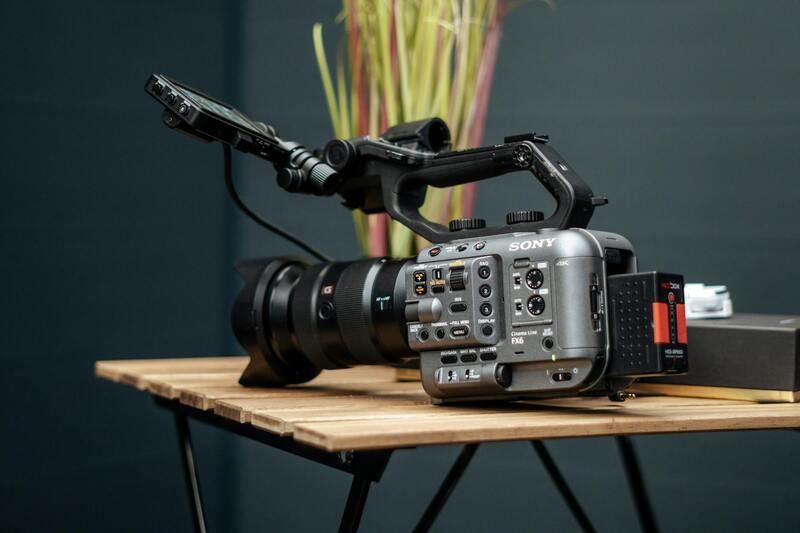
Advanced Signal Routing and Multi-Source Integration
To ensure a seamless viewing experience, live-streaming production services leverage sophisticated signal routing technologies. These systems allow producers to switch between multiple video sources effortlessly, whether from cameras, pre-recorded clips, or graphics feeds. Multi-source integration is crucial during complex broadcasts, such as concerts or conferences, where multiple angles and media types are displayed concurrently.
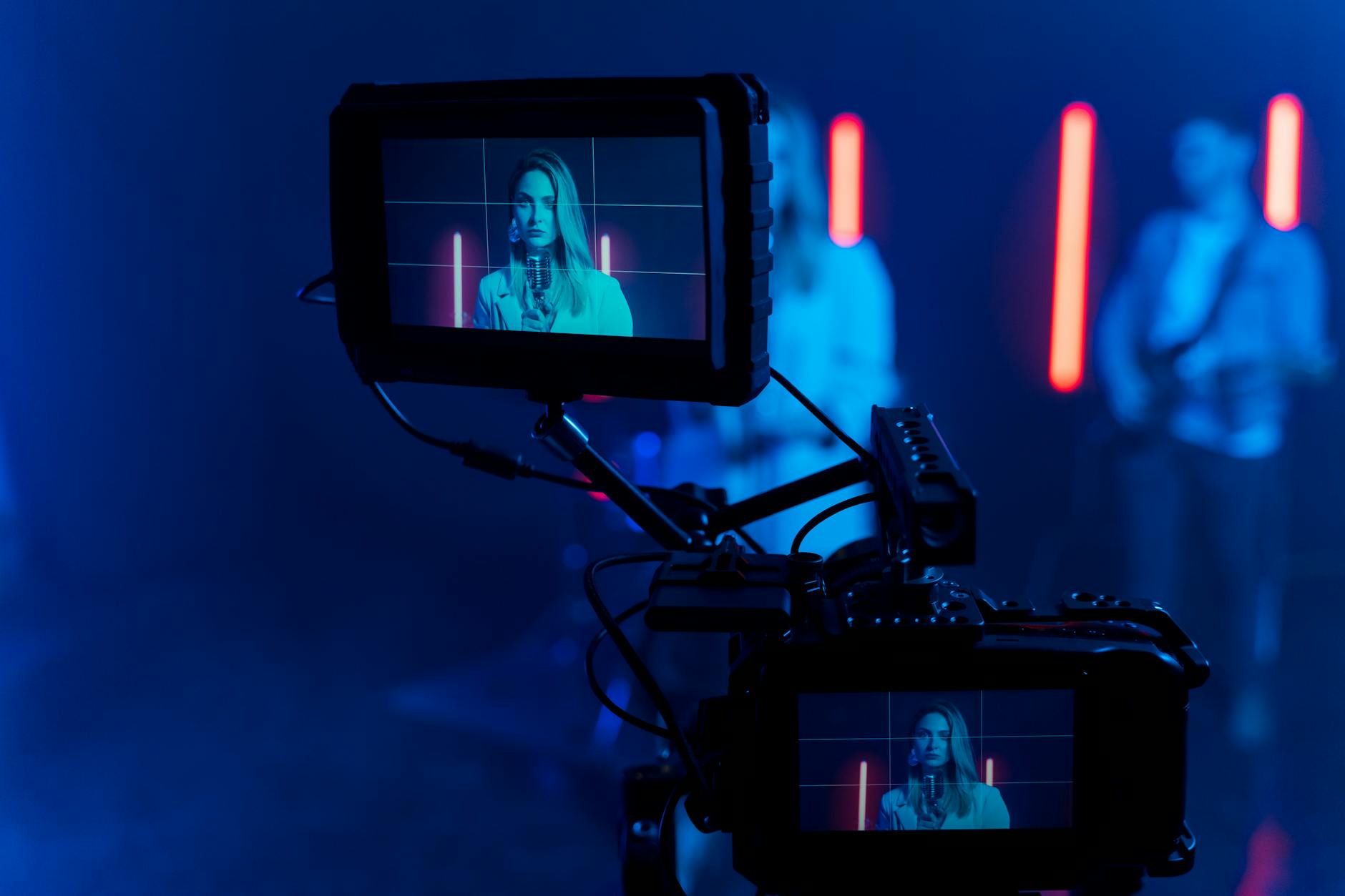
Utilizing video switchers and matrix routing systems, producers can seamlessly switch between sources, apply transitions, and overlay graphics in real time. These capabilities demand precise calibration and synchronization of devices, often managed through dedicated control interfaces. Maintaining this level of coordination requires experienced technicians to monitor and adjust feeds dynamically, ensuring the broadcast remains smooth and professional.
Real-Time Monitoring and Quality Control
Throughout the live broadcast, continuous monitoring is essential. Live-streaming production services employ specialized software and hardware tools to oversee video and audio quality, stream stability, and synchronization. These systems detect issues such as latency, buffering, or audio delays and alert technicians immediately, facilitating swift corrective actions.
Quality control also involves reviewing lower-third graphics, branding overlays, and on-screen information to ensure they appear correctly and do not obscure critical content. This real-time oversight guarantees that viewers experience a polished and cohesive broadcast, aligning with the expectations of both organizers and audiences.
Streaming Platform Integration and Distribution
Effective live-streaming involves integrating the production output with various distribution channels. This process requires configuring streaming software to upload the final feed to multiple platforms simultaneously, such as social media pages, video hosting sites, or dedicated enterprise streaming services. Multi-platform streaming broadens reach and enhances audience engagement.
Engineers optimize encoding settings to balance video quality with bandwidth constraints, ensuring streams are accessible across different devices and internet speeds. Additionally, they implement security measures, such as password protection or encrypted streams, to control access to the content effectively.
Archiving and Post-Production Capabilities
Besides live transmission, many live-streaming services also provide comprehensive archiving solutions. Recording high-quality duplicates of the stream enables event organizers to preserve content for on-demand viewing, promotional uses, or quality assessments. Post-production editing can enhance the final product, adding annotations, editing clips, or incorporating additional graphics before sharing with wider audiences.

Professional live-streaming providers in Miami employ robust storage solutions, ensuring that recorded content remains accessible and secure. This flexibility allows clients to maximize the impact of their events long after the live broadcast concludes.
Ensuring Compliance with Legal and Advertising Regulations
Adhering to established guidelines in live-streaming production is essential for maintaining credibility and protecting content integrity. It involves verifying that all visual and audio components, including music, logos, and trademarks, are appropriately licensed or authorized for broadcast. Content creators should consult with legal advisors to ensure that intellectual property rights are not infringed upon during the live event.
Proper identification and disclosure of sponsorships or promotional partnerships are also critical to maintaining transparency with viewers. Clear mentioning of any sponsored content, use of branded visuals, or endorsements should be handled thoughtfully to comply with industry standards.
Additionally, content moderation plays a vital role in live streaming. Organizations should establish protocols for monitoring live chats, comments, and other interactive elements to prevent the dissemination of inappropriate or prohibited material. Utilizing filtering tools and having a dedicated moderation team ensures that the stream remains professional and positive.
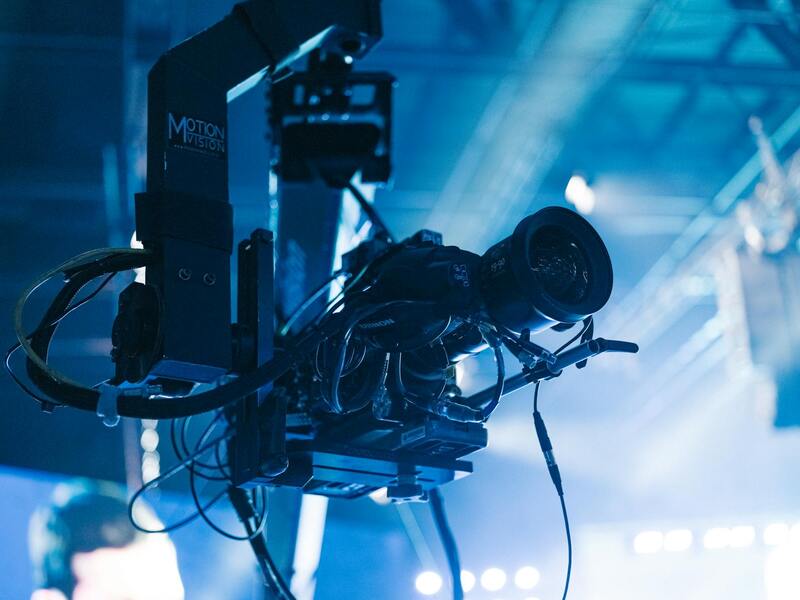
Utilizing Secure Streaming Platforms
Choosing the right streaming platform is foundational to delivering reliable and secure live broadcasts. Reliable providers offer multiple layers of protection, including encrypted data streams, password-restricted access, and user authentication features. These security measures help prevent unauthorized viewing, content theft, or disruptions such as stream hijacking.
In addition to security, robust platforms offer analytics tools that enable real-time monitoring of viewer engagement, geographic distribution, and stream quality. These insights allow producers to make immediate adjustments to optimize the viewing experience.
Many professional Miami-based service providers recommend integrating secure content delivery networks (CDNs) and end-to-end encryption techniques to protect sensitive content, especially during high-stakes corporate events or confidential broadcasts. These technologies are vital for maintaining the integrity and trustworthiness of the live stream.

Stream Monitoring and Technical Support During Live Events
Continuous monitoring during a live broadcast is indispensable for immediately addressing unforeseen technical issues that may arise. Professional live-streaming teams employ dedicated operators and automated systems to oversee the feed, network connection stability, audio levels, and video quality.
Having a technical support team on standby ensures rapid response to potential disruptions, minimizing downtime and maintaining a seamless experience for viewers. This approach includes proactive troubleshooting and real-time adjustments to mitigate lag, buffering, or quality degradation.
Proactive stream management also involves replicating feeds across multiple servers to prevent single points of failure. Employing failover protocols guarantees that the live event continues without unnecessary interruptions, which is especially crucial for large-scale or high-profile broadcasts.
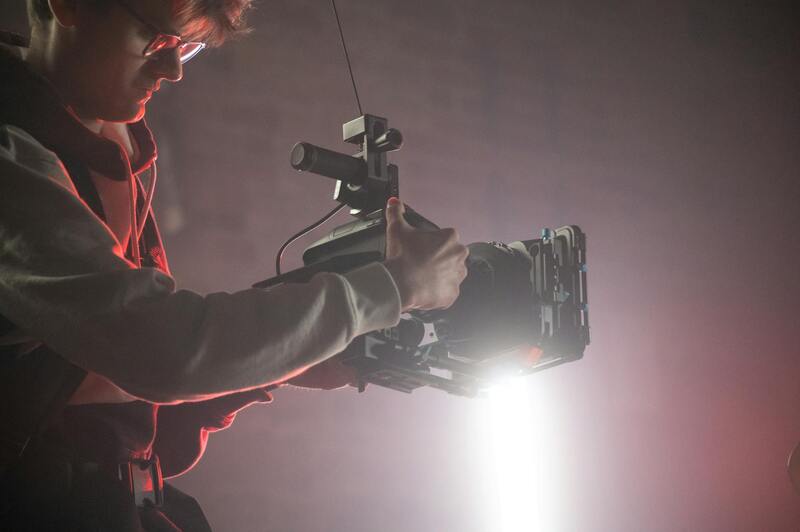
Advanced Techniques for Enhancing Live-Streaming Production Quality
Ensuring a high-quality live stream requires a comprehensive understanding of both innovative techniques and meticulous planning. Among these techniques, adaptive bitrate streaming plays a pivotal role by dynamically adjusting video quality based on viewers' internet speeds. This technology helps mitigate buffering issues and provides a seamless experience regardless of network conditions. Implementing multi-camera setups allows producers to deliver a more engaging and professional broadcast, offering varied angles and closer attention to detail.
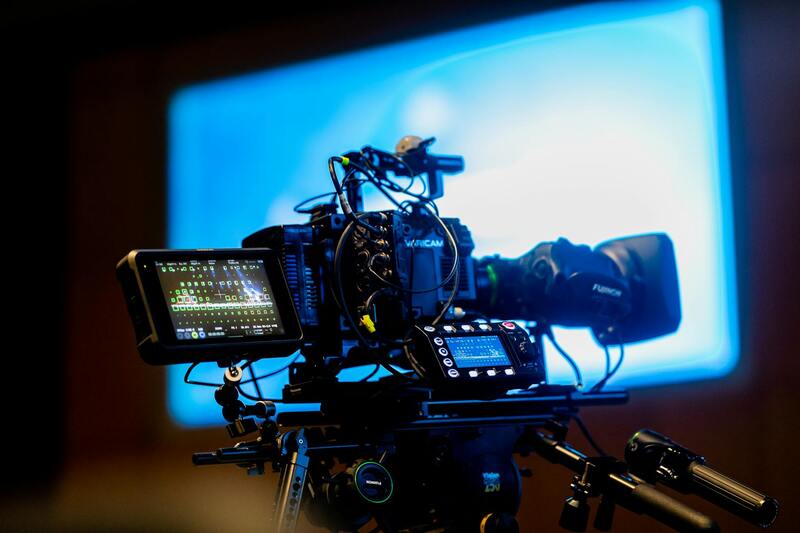
An often underappreciated aspect is audio management. Clear, balanced audio is crucial for viewer retention and overall broadcast professionalism. High-quality microphones, sound mixers, and real-time audio monitoring ensure that audio complements visual content effectively. Additionally, integrating real-time graphics and overlays enhances visual storytelling and brand visibility, making streams more attractive and informative.
Stream Optimization and Redundancy Measures
Optimizing the streaming infrastructure involves deploying Content Delivery Networks (CDNs) to distribute content across multiple servers globally. This approach reduces latency and prevents bottlenecks, especially for larger audiences. Redundancy strategies, including backup streaming encoders and dual internet connections, serve as safety nets to maintain continuity in case of technical failures.
- Backup Encoders: Dual units ensure that if the primary encoder fails, the backup seamlessly takes over without interrupting the stream.
- Dual Internet Connections: Multiple internet sources, wired and wireless, provide additional reliability, reducing the risk of disconnection.
- Failover Protocols: Automated systems switch to secondary streams or servers, maintaining an uninterrupted live broadcast.
Real-Time Data Analytics and Viewer Engagement
Utilizing real-time analytics tools helps producers gauge viewer engagement, identify technical issues, and optimize streaming quality dynamically. Metrics such as viewer count, lag time, and geographical distribution inform immediate adjustments and future improvements. Moreover, fostering interaction through live chat, polls, and Q&A sessions not only boosts engagement but also provides immediate feedback for content refinement.
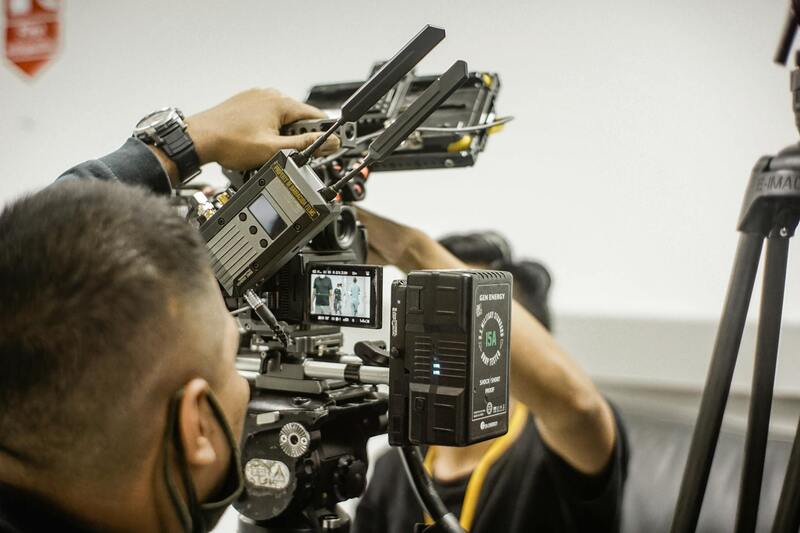
Integrating Emerging Technologies for Future-Ready Productions
Adopting cutting-edge technologies like 4K ultra-high-definition streaming ensures future-proof broadcasts with stunning image quality and detail. The rise of augmented reality (AR) and virtual sets allows for more immersive and creative visual environments, transforming traditional live streams into dynamic experiences. Furthermore, 5G connectivity enhances the capacity for higher bandwidth streams, enabling producers to deliver richer content with minimal latency across wider geographic regions.
Strategic implementation of these advanced techniques and technologies enhances audience satisfaction, boosts brand reputation, and positions Miami-based live-streaming services at the forefront of digital content delivery.