Understanding Live Streaming Video Production
Live streaming video production involves the real-time transmission of video content over the internet. It encompasses a comprehensive process that ranges from planning and equipment setup to actual broadcasting and post-event content management. This method has become an essential communication tool for organizations, event organizers, and businesses aiming to reach wide audiences instantly. In Miami, a city renowned for its vibrant cultural events, dynamic business environment, and lively entertainment scene, live streaming has gained significant momentum as a preferred mode of engaging viewers across the globe.
The core components of live streaming video production include high-quality video capture, reliable internet connectivity, professional audio systems, and sophisticated broadcasting hardware and software. Effective production requires meticulous coordination among technical teams, creative personnel, and clients to ensure the final output aligns with the intended message or branding goals. As the use of live streaming continues to expand in Miami, organizations leverage this technology for events such as conferences, product launches, concerts, and community gatherings, allowing them to broaden their reach without geographical limitations.

Given the increasing demand for real-time content delivery, understanding the intricacies of live streaming video production becomes critical for businesses and event organizers alike. From the technical aspects to creative execution, mastering these components ensures a seamless viewer experience and enhances brand visibility in the competitive Miami market.
The importance of live streaming in Miami is evident in its ability to connect local events with a global audience instantly. Whether it's broadcasting a small corporate meeting or a large public festival, the technology allows for immediate, interactive engagement, pushing the boundaries of traditional event hosting and marketing strategies. As a result, organizations in Miami are investing more in professional live streaming solutions, recognizing the impact of immediacy and accessibility in today’s digital landscape.
Understanding Live Streaming Video Production
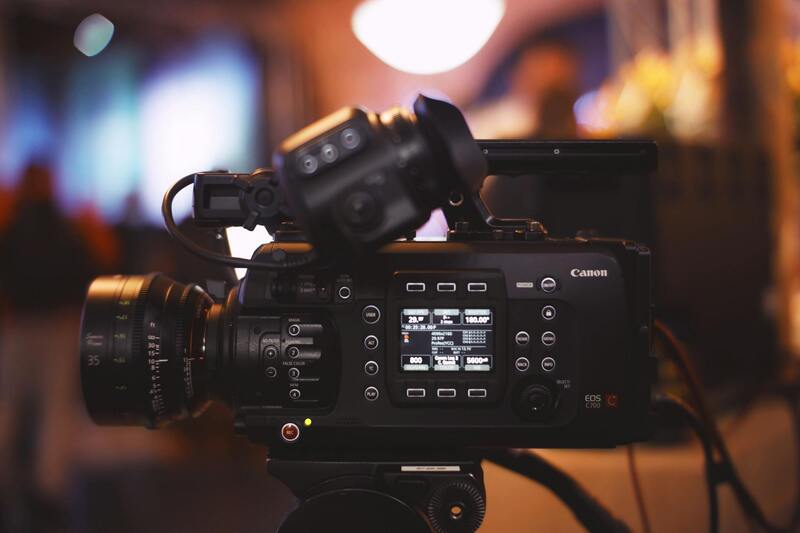
To deliver a seamless live streaming experience, the selection and integration of appropriate equipment are paramount. High-quality visuals and audio form the backbone of engaging broadcasts, making the choice of devices critical to success. Professionals in Miami rely on advanced cameras capable of capturing crisp, detailed images in varying lighting conditions, essential for event coverage, corporate presentations, or entertainment performances. These cameras can range from compact portables to fully professional broadcast-grade devices, each suited to different production scales and needs.
Encoding hardware serves as a bridge between the video input and the streaming platform, converting raw footage into a compatible digital format. This hardware ensures minimal latency and maximum stability during transmission, which is vital for interactive sessions or real-time broadcasts. Streaming platforms themselves offer various services, from content delivery networks (CDNs) to integrated cloud solutions, providing scalable options tailored to the size and scope of each event.
Key Components of Live Streaming Equipment
- High-Definition Cameras: Capture pristine video quality to engage viewers effectively.
- Audio Mixers and Microphones: Ensure clear sound, essential for audience retention and message clarity.
- Video Switchers and Mixers: Enable real-time scene changes, overlays, and graphic additions, adding production value to broadcasts.
- Encoding Devices: Compress video streams for efficient transmission over the internet.
- Stable Internet Connection: Critical for continuous, uninterrupted streaming, often supported by dedicated high-speed networks or fiber optic connections.
Utilizing this technology, Miami-based businesses and event organizers can produce professional-grade live streams capable of reaching large, geographically dispersed audiences. Proper setup and calibration of equipment are crucial for avoiding common issues such as lag, buffering, and poor audio-visual quality, thereby assuring a polished viewer experience.
Pre-Production Planning and Strategy
Effective live streaming begins well before the event itself. Pre-production involves careful planning of the content, understanding the target audience, and designing an engaging broadcast flow. This phase includes securing the right equipment, scripting segments, coordinating camera angles, and establishing backup plans for potential technical disruptions. Additionally, selecting the appropriate platform and stream schedules ensures maximum visibility and viewer engagement.
Strategic content creation involves harmonizing visual elements, branding, and messaging to create a cohesive experience that aligns with client objectives. For instance, Miami's vibrant culture offers unique opportunities for thematic presentations, requiring specific audiovisual setups and creative overlays to enhance storytelling. Clear communication among the production team, hosts, and technical personnel is essential for a smooth execution.
On-Site Setup and Execution
On the day of the event, the focus shifts to configuring equipment and executing the pre-laid plan. Setup typically includes positioning cameras for optimal coverage, testing audio feeds, and establishing internet connectivity. The technical team monitors the live feed continuously, ready to make adjustments in real-time to maintain quality and address emerging issues.
Operational aspects such as switching between camera feeds, managing graphics insertions, and coordinating with hosts or presenters demand precision and experience. Live directing requires a keen eye for detail to ensure the broadcast maintains professionalism, especially during high-profile events or multi-camera productions. Additionally, quick troubleshooting for connectivity problems, equipment malfunctions, or audio-visual discrepancies is vital to prevent broadcast interruptions.
Post-Production and Content Management
After completing a live event, the emphasis shifts to capturing and repurposing content for future use. Recording the live stream allows organizations to create on-demand videos, highlight reels, and training materials. Proper content management involves organizing recordings, editing segments if necessary, and distributing materials across various channels.
In Miami, content sharing and archival enhance outreach efforts, allowing clients to extend event value beyond the live broadcast. Analytics derived from viewership data help refine future strategies, optimize engagement, and measure success. Secure storage and proper cataloging simplify retrieval, enabling easy access for promotional or archival purposes.
Understanding Live Streaming Video Production
Effective live streaming video production involves a series of meticulously coordinated steps that ensure a seamless broadcast experience. Central to this process is the integration of high-quality equipment, sophisticated software, and expert personnel who are skilled in managing various aspects of the live event from setup to post-broadcast activities.
One critical component of live streaming is the use of professional-grade cameras capable of capturing clear, high-definition footage from multiple angles. These cameras are often connected to switching devices that allow real-time selection and transitions, creating a dynamic viewing experience. Audio production is equally vital; microphones, mixers, and soundboards are employed to deliver crisp, clear audio that complements visual content without distraction.
Behind the scenes, powerful encoders and streaming software transmit the content to publishing platforms with minimal latency and maximal stability. These tools optimize video quality based on network conditions, ensuring viewers enjoy uninterrupted content regardless of their device or internet speed.
Monitoring and Troubleshooting During Broadcast
Live streaming is a dynamic process that requires constant monitoring. Production teams keep an eye on multiple feeds, audio levels, and stream health, ready to intervene if technical issues arise. High-pressure situations such as connectivity fluctuations, hardware malfunctions, or audio-visual mismatches demand quick adjustments to prevent broadcast disruptions. Redundancies, such as backup internet connections and spare hardware, are often employed to bolster reliability.
Graphics and Interactivity
The inclusion of graphics, overlays, and real-time annotations enhances engagement and professionalism. Scripting and cues help presenters and hosts stay aligned with the planned content flow, while social media integration allows for interactive features like live Q&A or viewer polls, fostering a participatory environment.
Content Capture and Post-Stream Management
Post-event activities revolve around capturing the live feed for future use. Recorded content is archived and managed through organized digital libraries, enabling easy retrieval for on-demand distribution, highlight compilations, or promotional material. Analytical tools scrutinize viewership metrics, audience engagement, and platform performance, guiding future strategies to enhance reach and impact.
This comprehensive approach ensures that every phase of live streaming—from initial planning through to post-broadcast content management—is executed with precision, leveraging the latest technology and best practices to deliver high-quality visual content tailored to meet the specific needs of Miami-based organizations and events.
Optimal Configuration of Cameras and Audio Systems
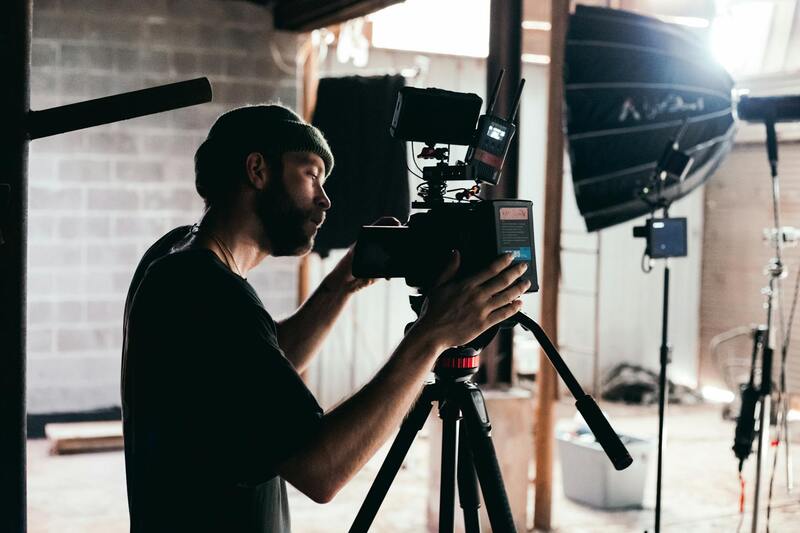
Achieving broadcast-quality live streaming video hinges on selecting and deploying the right camera and audio equipment. High-definition cameras are essential for capturing crisp, clear visuals that engage viewers across various devices. Depending on the event scale and venue size, camera setups may include stationary models for stable shots or dynamic, pan-tilt-zoom (PTZ) cameras for versatile angles and remote operation. Complementing the cameras, high-quality microphones—such as Lavalier, shotgun, or direct injection (DI) units—ensure that sound is captured with clarity, minimizing ambient noise and feedback issues.
Integrating professional audio mixers allows for seamless balancing of multiple sound sources, ensuring consistent audio levels that match the visual feed. For large or complex productions, wireless microphones provide mobility without sacrificing audio fidelity. Additionally, supplementary audio equipment, like audio interfaces and digital signal processors (DSP), facilitate pristine sound quality, which is paramount for viewer experience.
Lighting and Environment Setup
Proper lighting enhances visual quality and ensures that subject details are visible and vibrant. Lighting solutions incorporate softboxes, ring lights, and LED panels to eliminate shadows and create a balanced exposure. The lighting setup should be tailored to the venue's dimensions and the nature of the event, whether a formal presentation or a lively outdoor event.
Controlling the environment involves background considerations, dust or noise management, and ensuring sufficient power supplies. For outdoor or expansive venues, additional measures such as weatherproofing and mobile power solutions are crucial to maintain consistent streaming without technical hiccups.
Connectivity and Network Infrastructure
Reliable internet connectivity forms the backbone of any successful live streaming operation. Bonding multiple internet sources—such as wired Ethernet, fiber optic links, and 4G/5G cellular networks—ensures that the stream remains stable even if one connection falters. The implementation of load balancing and automatic failover mechanisms optimizes bandwidth utilization and minimizes latency.
Networking equipment, including routers and switches configured for prioritized traffic, must be capable of handling high data rates without congestion. Additionally, network security measures safeguard the stream from interruptions or unauthorized access, preserving the integrity and privacy of the broadcast.
Use of Encoders and Streaming Platforms
Hardware encoders and software solutions convert the captured audio-visual signals into digital streams compatible with online platforms. Advanced encoders offer features like multi-bitrate streaming, which adjusts video quality dynamically based on viewer bandwidth, ensuring a smooth viewing experience. Compatibility with popular streaming platforms such as Facebook Live, YouTube Live, and custom CDN networks provides flexibility and broad audience reach.
Employing reliable, scalable encoding systems mitigates common issues like lag, buffering, or signal dropouts, facilitating professional-grade broadcasts tailored to Miami's diverse event landscape.
Video Switchers and Graphics Integration
Multi-camera setups necessitate efficient switching between feeds to maintain viewer engagement and showcase key moments. Video switchers enable operators to seamlessly transition visuals, incorporate picture-in-picture displays, or overlay graphics. Real-time graphics, including event branding, titles, and lower thirds, boost professionalism and facilitate information dissemination.
Interactive graphics, such as live viewer polls or social media feeds, enhance audience participation, creating a dynamic broadcasting environment that resonates with Miami's vibrant event scene.
Summary
Implementing a comprehensive hardware and technological infrastructure forms the core of successful live streaming video production. From camera rigs and audio systems to lighting, networking, and encoding, each component plays an integral role in delivering high-quality content. Proper integration, configuration, and performance management of this equipment ensure reliable, engaging, and professional broadcasts capable of meeting the diverse needs of Miami-based organizations and event organizers.
Effective Methods for Ensuring Secure Live Streaming in Miami
As live streaming becomes a vital component for businesses and organizations across Miami, implementing secure streaming practices is essential to protect content integrity and maintain audience trust. Robust security measures not only prevent unauthorized access but also safeguard sensitive information associated with the event or broadcast. Here are some established methods for ensuring secure live streaming:
- Encrypted Streaming Protocols: Utilizing protocols such as Secure Reliable Transport (SRT), Real-Time Messaging Protocol (RTMP) over SSL/TLS, or Hypertext Transfer Protocol Secure (HTTPS) encrypts data streams during transit. This encryption prevents interception and tampering by malicious actors, ensuring that only authorized viewers can access the content.
- Access Control and Authentication: Implementing strict access controls such as password protection, token-based authentication, or geo-restrictions limits viewership to authorized audiences. This approach is particularly beneficial for private events, corporate webinars, or premium content where exclusivity is desired.
- Digital Rights Management (DRM): Applying DRM technologies protects copyrighted content from unauthorized redistribution or recording. This is especially pertinent for content creators and broadcasters looking to monetize their streams securely.
- Secure CDN Integration: Partnering with Content Delivery Network providers that prioritize security ensures that streams are transmitted through protected channels. Advanced CDN services offer features like edge security, firewalls, and DDoS mitigation, which are vital in maintaining uninterrupted, secure broadcast sessions.
- Monitoring and Incident Response: Continuously monitoring streaming sessions helps identify suspicious activity or potential security breaches swiftly. Establishing incident response protocols allows for immediate action, such as terminating unauthorized streams or blocking malicious IP addresses, minimizing disruption and protecting brand reputation.
In Miami’s dynamic event environment, combining these security practices with reliable technology infrastructure ensures that live streaming sessions remain protected, professional, and aligned with organizational standards. Proper security not only prevents potential risks but also reinforces viewer confidence, which is critical for long-term engagement and success in competitive markets.
Understanding Live Streaming Video Production
Live streaming video production involves a comprehensive workflow that ensures high-quality, reliable broadcast content delivered to audiences in real-time. This process encompasses multiple stages, from initial planning and content creation to the technical execution and post-broadcast management. At its core, successful live streaming relies on meticulous coordination among technical teams, content creators, and hosting platforms to maintain seamless transmission without interruptions or quality degradation. Central to live streaming production is the synchronization of various hardware and software components, including video cameras, audio equipment, encoders, and streaming platforms. Effective management of these elements ensures the transmission's stability, clarity, and visual appeal. Moreover, integrating interactive features such as real-time chat, polls, or Q&A sessions can elevate viewer engagement and foster a dynamic online environment. Audiences expect broadcast content to be not only informative but also visually compelling and devoid of technical glitches. This demands thorough pre-event rehearsals, network bandwidth assessments, and contingency plans for potential technical issues. Furthermore, understanding the target audience's preferences and tailoring content delivery accordingly help maximize viewer retention and overall satisfaction. A proficient live streaming setup also emphasizes the importance of professional on-air talent, strategic camera angles, and high-quality audio, all of which contribute significantly to the production value. The use of multi-camera setups, graphics, and overlays can enhance storytelling and provide a polished viewing experience that rivals traditional broadcast television. Beyond the technical aspects, legal considerations such as rights management, licensing, and privacy compliance are critical. Ensuring that all content used in the broadcast has the necessary permissions and that viewer data is protected forms a foundation for trustworthy and sustainable live streaming operations. Ultimately, mastering live streaming video production requires a blend of technical expertise, creative vision, and strategic planning. Properly executed, it offers a powerful platform for businesses, event organizers, and content creators to reach global audiences effectively, fostering engagement and expanding brand presence in a competitive digital landscape.
Essential Considerations for Effective Live Streaming
- Reliable Internet Connection: Ensuring a high-speed, stable network is fundamental to prevent buffering and frame drops during broadcasts.
- Professional Hardware: Using broadcast-grade cameras, microphones, and encoders significantly improves stream quality and reliability.
- Content Management: Effective scheduling, rehearsals, and content review mitigate issues and enhance the overall production flow.
- Encoding and Compression: Selecting the right encoding settings optimizes video quality while maintaining manageable bandwidth consumption.
- Platform Compatibility: Choosing a streaming platform or CDN that supports your content type and audience size ensures smooth delivery.
- Security Measures: Implementing encryption, DRM, and secure delivery channels protects content and data integrity.
- Audience Interaction: Incorporating live polls, chat, and feedback mechanisms keeps viewers engaged and encourages participation.
- Monitoring and Troubleshooting: Real-time observation of streaming metrics allows quick responses to technical anomalies.
Understanding Live Streaming Video Production
Effective live streaming video production involves a combination of meticulous planning, skilled execution, and ongoing management to deliver high-quality content that resonates with audiences. It requires a seamless integration of technical equipment, comprehensive pre-production strategies, on-site operational expertise, and post-broadcast content management. The goal is to produce a broadcast that is not only visually appealing but also stable, engaging, and accessible across various devices and platforms.
Implementing Effective Camera and Audio Techniques
High-definition cameras are fundamental for capturing clear visuals, with professional-grade lenses providing sharp image quality and versatility. Multiple camera angles enable dynamic shots, making the broadcast more engaging. For audio, using professional microphones—such as lapel, shotgun, or stereo condenser mics—ensures clear sound, a crucial aspect of viewer experience. Proper sound mixing and balancing prevent audio issues like background noise or uneven volume levels, which can detract from overall production quality.
Utilizing Advanced Streaming Hardware and Software
Media encoders are the backbone of live streaming, converting high-quality video and audio signals into formats suitable for online delivery. Hardware encoders offer superior reliability and consistent performance for larger or more complex broadcasts, while software encoders provide flexibility and are often more accessible for smaller-scale productions. Stream management software allows for overlays, transitions, and real-time edits, adding professionalism and branding to the broadcast.
Building a Robust Content Delivery Strategy
Delivery infrastructure, such as Content Delivery Networks (CDNs), plays a vital role in ensuring that live streams are efficiently distributed to viewers worldwide. Selecting the right streaming platform involves evaluating factors like latency, bandwidth support, audience size capacity, and integration capabilities. Strategic scheduling, rehearsal sessions, and content rehearsals minimize technical issues and ensure smooth execution during live events.

Real-Time Monitoring and Troubleshooting
Constant monitoring during live broadcasts helps identify and resolve technical issues promptly. Using monitoring tools and dashboards, operators can track stream health, bandwidth usage, and viewer engagement metrics. Immediate troubleshooting may involve switching streams, adjusting encoding settings, or managing network connectivity problems to prevent interruption and maintain a professional broadcast quality.
Content Security and Rights Management
Protecting live streaming content from unauthorized access is essential. Techniques such as encryption, secure tokens, and digital rights management (DRM) help control access while safeguarding intellectual property. Implementing these security measures ensures that content remains accessible only to authorized viewers, enhancing trust and brand integrity.
Training and Workforce Development
Ensuring that production staff are well-trained in both the technical and creative aspects of live streaming is crucial for seamless execution. Regular training on the latest equipment, troubleshooting procedures, and platform updates helps maintain high standards and adapt to emerging trends. Skilled personnel can make the difference between a smooth broadcast and a compromised event.
Ensuring Content Security and Rights Management in Live Streaming
As live streaming continues to evolve as a vital communication and promotional tool, safeguarding the content from unauthorized access and distribution becomes increasingly important. Effective content security measures help protect intellectual property and maintain the integrity of the broadcast, ensuring that the audience receives a high-quality, exclusive experience.
Encryption and Secure Transmission
Implementing encryption protocols for live streams is fundamental. This involves encrypting the data before transmission so that any interception by unauthorized parties results in unusable content. Secure socket layer (SSL) and Transport Layer Security (TLS) protocols are standard methods, providing encrypted channels for data transfer. These safeguards prevent malicious actors from hijacking streams or intercepting sensitive information during transmission.
Access Control and Authentication
- Tokenized Access: Employing secure tokens that grant viewing rights only to authorized viewers limits access to select audiences. These tokens can be time-sensitive or linked to specific user profiles, enhancing control over who can watch the live event.
- Authentication Systems: Requiring viewers to verify their identity through login credentials or single sign-on (SSO) systems creates an additional layer of security. This approach ensures that only verified users can access premium or confidential content.
- Geo-Blocking: Limiting viewing access based on geographic location can be crucial for regional broadcasts, rights management, and preventing unauthorized viewership from outside target areas.
Digital Rights Management (DRM)
DRM solutions play a pivotal role by controlling how digital content is used and distributed after the live broadcast. These systems enforce restrictions on copying, recording, and sharing, thus protecting content rights and preventing illegal redistribution. Implementing DRM involves licensing technologies that integrate seamlessly with streaming platforms, offering publishers and content creators peace of mind regarding their assets.
Monitoring and Incident Response
Continuous monitoring during live broadcasts allows operators to detect anomalies and potential security breaches in real-time. Using sophisticated dashboards and monitoring tools, the team can track viewer activity, bandwidth fluctuations, and stream health indicators. In the event of a security incident, rapid response protocols should be in place, such as terminating the compromised stream, issuing alerts, and implementing corrective measures to maintain the broadcast's integrity.
Training and Workforce Fundamentals in Content Security
Properly trained production and technical staff are essential for maintaining security standards. Regular training on encryption practices, access controls, and incident response procedures ensures that personnel are prepared to handle potential threats efficiently. This continuous education helps keep the team up-to-date with emerging security protocols and technological advancements, ultimately fostering a culture of security awareness within the organization.