Understanding live-streaming video production
Live-streaming video production has become a vital tool for organizations seeking to connect with audiences in real-time, whether for corporate events, conferences, product launches, or entertainment. The process involves a complex integration of technology, planning, and execution, demanding a comprehensive understanding of various components to ensure a seamless broadcast experience.
At its core, live-streaming production encompasses multiple elements:
- Video Equipment: High-quality cameras, switchers, and additional peripherals that capture and transmit visual content.
- Audio Components: Microphones, mixers, and audio processing units that guarantee clear, balanced sound.
- Streaming Software: Specialized platforms that encode, manage, and broadcast the content across several online channels.
- Networking Infrastructure: Reliable internet connectivity, including wired and wireless solutions, ensures uninterrupted data flow.
- Technical Staffing: Skilled operators who handle camera work, sound, and streaming management to coordinate during the live event.
The overall process begins with meticulous planning, moving through preparation and setup, execution, and finally post-broadcast analysis. Each stage requires specific attention to detail to provide viewers with an engaging, professionally produced viewing experience.
Effective live-streaming production hinges on synchronization between equipment, software, and personnel, facilitating a smooth broadcast from start to finish. Technical troubleshooting, redundancy planning, and real-time management are vital to address issues that may arise unexpectedly. Increasingly, advancements in streaming technology and distribution platforms continue to elevate the standards of live production, enabling organizations to reach global audiences with high-quality content that maintains viewer engagement and trust.
Essential Equipment and Technology
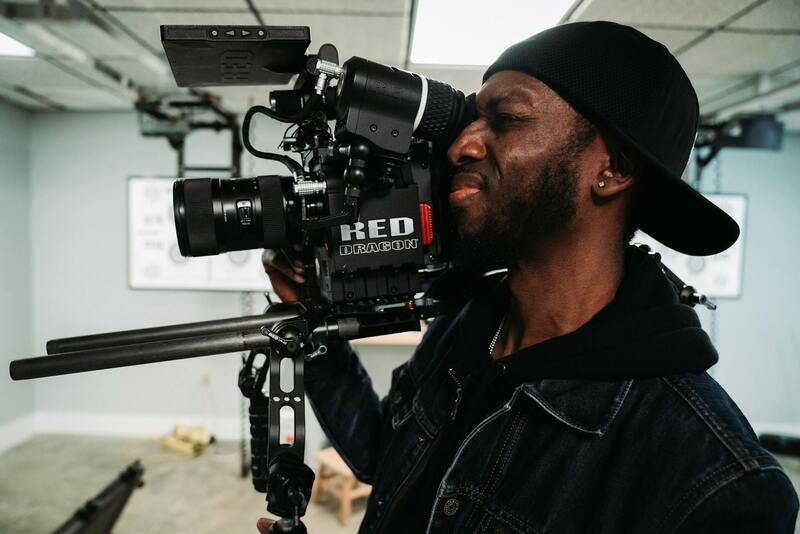
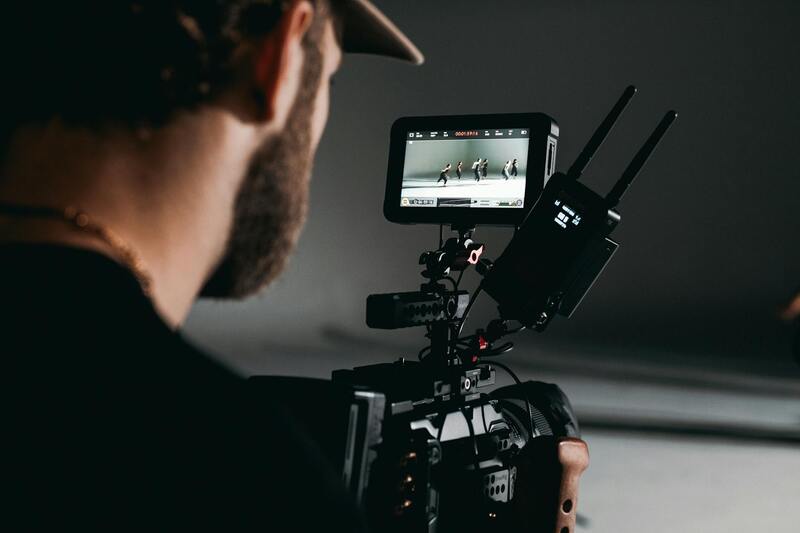
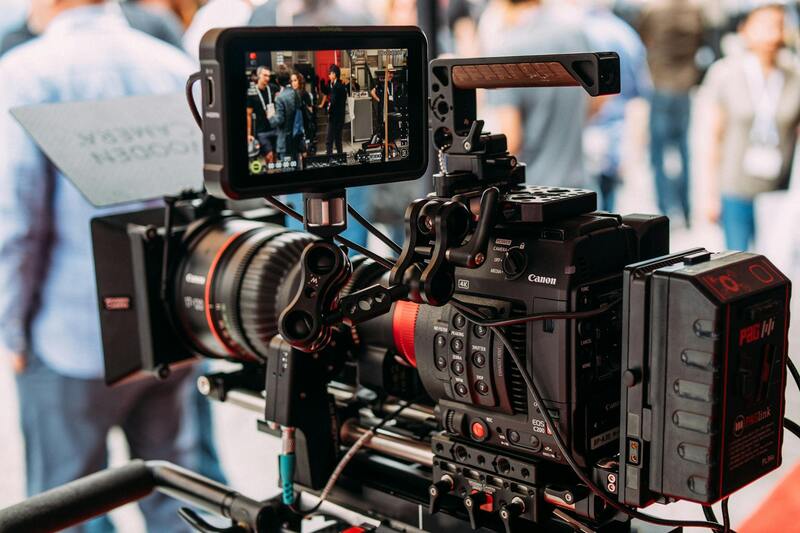
Investing in the right equipment forms the backbone of any successful live-streaming video production. High-definition cameras are pivotal for capturing crisp, professional visuals, and they must be complemented with sturdy tripods or stabilizers to ensure steady shots. Switchers or production consoles allow seamless transitioning between multiple camera feeds, which enhances the viewer experience by providing dynamic angles and perspectives. Additionally, encoding hardware or software is necessary for compressing video data in real-time, ensuring smooth transmission over the internet without buffering delays.
Audio quality cannot be overlooked, as it significantly impacts viewer engagement. High-quality microphones, including lapel, shotgun, or condenser types, should be chosen according to the environment and nature of the live event. Audio mixers enhance clarity by balancing multiple sound sources, while audio processing units eliminate background noise and optimize sound levels for a balanced broadcast. Headphones equipped with reliable noise-canceling features are also crucial for the technical team to monitor sound in real-time.
On the software front, specialized streaming platforms offer a suite of tools for encoding, managing, and broadcasting content. These platforms support a variety of input sources and facilitate multi-platform distribution, reaching audiences across social media, dedicated websites, and streaming services. They often include features such as live chat, analytics, and stream overlays, enhancing viewer engagement and providing valuable production insights.
Networking Infrastructure and Connectivity
Reliable internet connectivity is critical for consistent live streams. Wired Ethernet connections provide the most stable data transfer, reducing the risk of interruptions. Where wireless solutions are employed, dual-band Wi-Fi with sufficient bandwidth and signal strength should be used to mitigate latency issues. Backup options like cellular data or secondary internet lines are advisable for redundancy, ensuring the stream remains uninterrupted even if primary connections fail. Network hardware such as high-performance routers and switches should be configured for optimal data flow, prioritizing live video traffic to prevent lag or buffering.
Technical Staffing and Management
Experienced technical personnel are vital for managing the complexities of live streaming. Operators skilled in camera operation, audio mixing, and stream management execute real-time adjustments, troubleshoot issues, and ensure synchronization among all elements. Additionally, a dedicated director oversees the entire production, coordinating camera cues, graphics, and audience interactions. Proper training and clear communication protocols are essential to handle emergencies and technical hiccups as they arise, maintaining a professional and seamless broadcast throughout the event.
Technical Setup for Live-Streaming Video Production
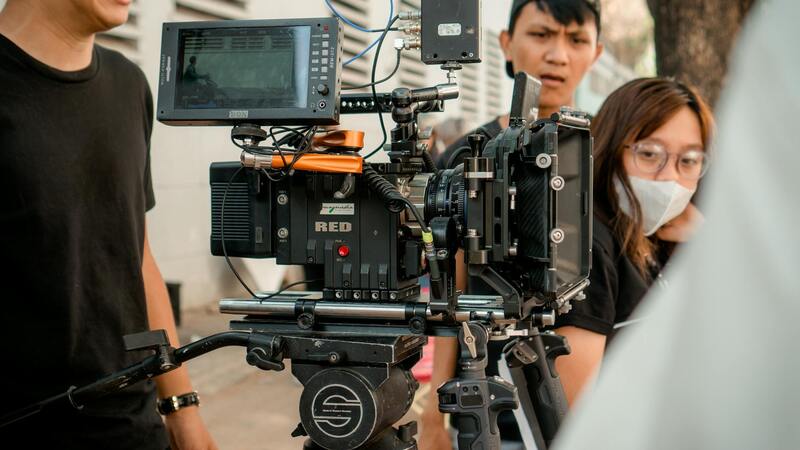
Achieving high-quality live-streaming video production in Miami requires meticulous setup of hardware and software components. The core equipment includes professional-grade cameras capable of delivering crisp, high-definition footage. These cameras should be integrated with reliable streaming encoders that compress and transmit video data seamlessly over internet connections. High-performance microphones and audio mixers are equally essential to capture clear sound, which significantly enhances viewer engagement.
Furthermore, a robust streaming platform or software, such as OBS Studio or Wirecast, is used to manage live feeds, overlays, and graphics. These tools facilitate real-time customization, enabling producers to add lower thirds, logos, and other visual elements to the broadcast. For facilities in Miami, where weather variability can impact outdoor shoots, weatherproof camera enclosures and stable power supplies help maintain consistent performance.
In addition to hardware, internet connectivity forms the backbone of a successful live stream. Dedicated fiber optic lines are ideal, offering high bandwidth and low latency. When fiber is unavailable, bonded cellular solutions or secondary internet connections safeguard against disruptions, ensuring continuous streaming quality. Network equipment like high-end routers and switches should be configured to prioritize video traffic, preventing latency issues that could hinder the viewer experience.
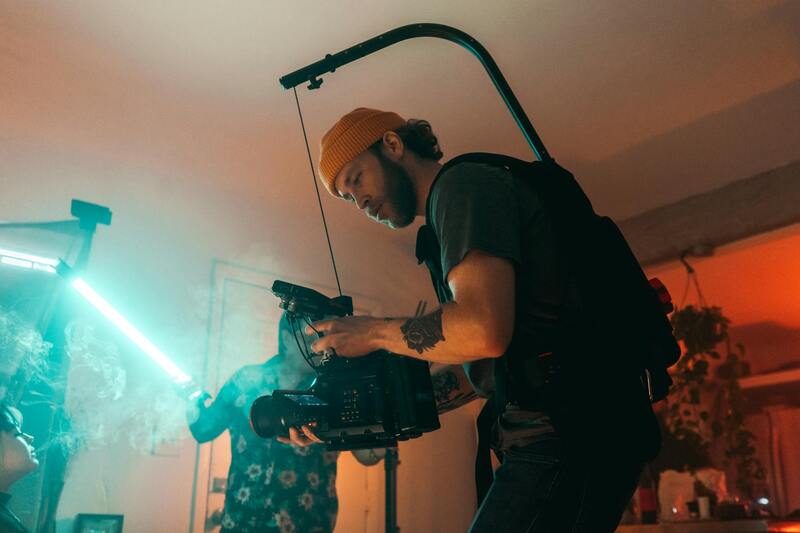
Understanding live-streaming video production
Live-streaming video production involves a complex integration of technology, creative direction, and logistical planning to broadcast events in real time to an online audience. The core objective is to deliver a seamless viewing experience, which requires meticulous attention to technical details, equipment reliability, and content management. High-quality live streaming not only captures the essence of live events but also boosts audience engagement, expands reach, and enhances brand visibility. As Miami continues to grow as a hub for entertainment, corporate functions, and cultural events, mastering the nuances of live-streaming production has become essential for organizations aiming at real-time audience interaction and immediate feedback.
Successful live-streaming hinges upon an understanding of the different phases of production. Pre-production is about strategic planning, identifying target audiences, selecting appropriate content, and logistical preparations. It involves selecting the right camera angles, deciding on the streaming platform, and preparing backup systems in case of technical issues. On the day of the event, execution requires precise coordination between camera operators, audio technicians, and streaming engineers to manage real-time encoding, monitor stream quality, and troubleshoot unforeseen problems swiftly. Post-production, though often minimized in live contexts, can include live graphics overlays, switching between multiple camera feeds, and integrating viewer interaction tools to enhance viewer engagement. Properly managing these elements ensures that the live stream maintains high production standards and resonates well with viewers.
Planning and pre-production for live streams
This stage sets the foundation for a successful broadcast and involves detailed planning to address all technical and creative aspects. Establishing the broadcast objectives, understanding the audience profile, and defining the visual style are crucial initial steps. These decisions influence the choice of equipment and streaming platforms. Next, a comprehensive site survey helps determine the optimal camera positions, lighting needs, and audio setup, especially in the dynamic Miami environment where outdoor scenes may require weather-resistant gear and portable solutions.
A detailed logistics plan is essential, covering equipment transportation, power supply arrangements, and personnel roles. Coordination between different teams—including technical staff, hosts, and performers—is vital for smooth execution. Pre-production also encompasses creating a schedule, rehearsing the flow of content, and testing all systems thoroughly. This stage often involves live rehearsals to identify potential issues with connectivity, equipment, or content delivery, allowing for adjustments before the actual event. Effective pre-production planning minimizes surprises during the broadcast, ensures optimal image and sound quality, and helps achieve a professional-level production standard.
Setting Up for a Successful Live Stream
To achieve a high-quality live-streaming video production, meticulous setup and attention to detail are essential. Whether broadcasting an event from a sleek indoor studio or a vibrant outdoor Miami location, the technical groundwork significantly influences the final broadcast's clarity and professionalism.
Choosing the right location is foundational. This involves evaluating the space for adequate power sources, reliable internet connectivity, and suitable lighting conditions. For outdoor Miami events, weather-resistant equipment becomes indispensable. Portable lighting setups that can withstand outdoor elements ensure consistent illumination regardless of changing weather patterns. Additionally, establishing a dedicated, clutter-free control area facilitates seamless management of the live stream’s technical aspects.
One of the critical elements is internet bandwidth. A stable, high-speed internet connection with sufficient upload speeds minimizes buffering and latency issues. Utilizing dedicated fiber optic lines or bonded internet solutions is common among professional setups to maintain uninterrupted streams. Redundancy measures, such as backup internet sources, can provide a safety net should primary connections experience disruptions.
Camera placement is equally vital. Multiple cameras positioned strategically at different angles allow for dynamic switching and more engaging content. In outdoor environments, stabilized camera mounts and weatherproof housings protect the equipment from Miami's climate while capturing steady footage. Choosing the correct lenses and resolutions ensures sharp images, essential for professional broadcasting standards.
Audio setup must prioritize clear sound, which is often challenging in outdoor settings. Wireless microphones with windshields help to reduce wind noise and interference. Lavalier mics for hosts and performers ensure consistent audio capture, while portable mixers allow for real-time audio adjustments. Monitoring audio levels during the broadcast helps prevent distortions or dropouts, guaranteeing viewers receive crisp sound quality.
Streaming hardware such as encoders plays a crucial role in transmitting high-quality video in real-time. Hardware encoders convert the camera feed into a streaming format compatible with chosen platforms, ensuring minimal latency and high fidelity. Likewise, reliable power sources, including UPS systems and generators, prevent disruptions caused by power outages, especially during outdoor events.
Finally, conducting pre-broadcast tests is vital. These include checking camera feeds, audio quality, internet stability, and the functionality of switching and streaming equipment. Running through the entire production workflow helps identify potential issues before going live, reducing the risk of technical failures during the actual event. Effective setup ensures the broadcast maintains a professional standard, keeps viewers engaged, and delivers a seamless viewing experience across all devices.
Legal considerations and best practices
Adhering to Intellectual Property Rights
In professional live-streaming video production, respecting intellectual property rights is fundamental. This includes securing the necessary permissions for any copyrighted material displayed during the broadcast, such as music, videos, or branded visuals. Obtaining licenses from rights holders or using licensed content ensures compliance and avoids potential legal complications. Implementing clear policies for content usage and documenting permissions can streamline this process and provide accountability.
Utilizing Permitted Music and Visuals
One of the common pitfalls in live streaming is the inadvertent use of copyrighted music or imagery. To mitigate this, production teams should source music tracks from licensed libraries or employ royalty-free options. Similarly, visuals such as logos or branded graphics should be used with permissions or under licensing agreements. Deploying these legally compliant resources not only upholds professional standards but also prevents disruptions that could arise from rights claims or takedown notices.
Data Privacy and Confidentiality
Managing viewer data responsibly is a critical best practice. Live streams often collect personal information through registration or chat interactions. Implementing strict data handling policies, secure storage, and transparent privacy notices helps build trust with viewers. Additionally, during the production process, it’s essential to safeguard sensitive or proprietary information, ensuring it is not inadvertently disclosed or mishandled. Employing secure transmission protocols and access controls minimizes risks associated with data breaches.
Compliance with Platform Policies and Standards
Each streaming platform may have specific policies regarding content and broadcast standards. Adhering to these guidelines is necessary to ensure the stream is not taken down or penalized. This includes respecting community standards, avoiding prohibited content such as hate speech or violent imagery, and following technical guidelines for streaming quality and formats. Familiarity with platform regulations and proactive compliance support a stable, uninterrupted broadcast experience.
Best Practices for Professional Live Streaming
- Pre-Event Legal Review: Conduct a thorough review of all content plans, permissions, and licensing agreements before the event.
- Clear Content Guidelines: Establish and communicate content standards to all participants and hosts to prevent inadvertent violations.
- Documentation: Keep detailed records of permissions, licenses, and agreements related to the content used during the broadcast.
- Secure Data Handling: Use encrypted systems for viewer data collection and storage, and restrict access to authorized personnel only.
- Regular Training: Educate production staff and hosts about legal and ethical standards to ensure compliant practices are followed consistently.

Legal Considerations and Best Practices in Live-Streaming Video Production
Ensuring compliance with legal standards is fundamental to maintaining a professional and trustworthy live-streaming operation. This encompasses rights management, licensing, privacy safeguards, and adherence to industry regulations. Rigorous management of multimedia rights involves securing appropriate permissions for all visual and auditory content, including music, footage, images, and branding elements used during broadcasts. Proper licensing agreements should be documented meticulously, detailing the scope and duration of rights granted, to prevent disputes or unauthorized usage.
Privacy concerns are paramount, especially when streaming with participant involvement or audience interaction. Implementing robust data protection measures safeguards viewer information and prevents unauthorized access. Regular audits of data handling processes ensure that sensitive data is encrypted, stored securely, and accessed solely by authorized personnel. When involving individuals in live streams, obtaining explicit consent for capturing and broadcasting their images and voices is necessary.
Adhering to established standards and platform policies serves as a cornerstone for sustainable streaming practices. This includes aligning with copyright laws, respecting community guidelines, and avoiding content that could be considered offensive or inappropriate. Clear communication with all collaborators about content expectations fosters a cohesive production environment. Documentation of permissions, licenses, and content sources is essential, providing a record that supports compliance and simplifies dispute resolution if needed.
In addition, the staff involved in live-streaming should receive ongoing training on legal and ethical standards. This education ensures that knowledge of rights management, privacy protocols, and compliance procedures is upheld consistently across all aspects of production. Having a designated legal or compliance officer can help oversee adherence to these practices, reducing the risk of violations that could tarnish reputation or lead to operational interruptions.
Monitoring and reviewing content regularly for compliance also forms a core part of responsible live-streaming. Employing automated tools for copyright detection and content moderation can assist producers in maintaining standards in real-time. These measures, combined with clear policies and procedures, create a framework that safeguards the integrity of live-streaming operations.
Legal considerations and best practices in live-streaming video production
Maintaining integrity and professionalism in live-streaming video production involves adhering to established methods that ensure content is appropriate, compliant, and respectful of rights. One of the fundamental aspects is proper content management, which includes verifying all materials, such as music, graphics, and clips, are properly licensed or owned by the production team. This prevents unauthorized use of copyrighted material, which can hinder the stream and lead to legal complications. Utilization of digital rights management tools can assist in tracking and managing content rights efficiently.

Developing a comprehensive content strategy that aligns with platform policies is critical. This involves understanding platform-specific guidelines regarding content restrictions, community standards, and acceptable behaviors. Consistent review and enforcement of these policies help prevent violations that could result in stream suspension or removal. Training staff and collaborators on these standards fosters accountability and ensures everyone involved is aware of the importance of adhering to shared guidelines.
Documentation and permissions
Thorough documentation of permissions, licenses, and agreements related to content rights forms the backbone of compliant streaming. Maintaining a detailed record of permissions obtained from content creators, music rights holders, and image providers simplifies dispute resolution and provides clarity in case of content assessments. This process encourages transparency and demonstrates due diligence in content management.
Staff training and ethical awareness
Ongoing education and training for staff involved in live-streaming are paramount. Regular workshops on copyright laws, privacy issues, and ethical standards keep the team informed of their responsibilities. Including a dedicated compliance officer facilitates oversight and proactive monitoring of streaming activities, reducing risks associated with content violations.
Real-time oversight and monitoring tools
Automated content moderation tools can assist in monitoring streams for potential violations in real-time. These tools can detect prohibited material, flag sensitive content, and ensure adherence to community standards. Combining technological solutions with manual oversight creates an effective safety net, maintaining the integrity of the live stream. Implementing clear policies for content review before and during live broadcasts ensures consistent standards are maintained.
Responding to issues promptly
In the event of any content disputes or issues during live streaming, prompt response protocols should be in place. This includes capabilities for pausing or stopping the stream, removing problematic content, and clarifying any misunderstandings. Transparent communication with the audience reinforces trust and demonstrates professionalism.
Continuous improvement and audits
Periodic reviews and audits of live-streaming practices help identify areas for enhancement. This ongoing process supports the evolution of internal policies, staff training, and technological tools to adapt to changing standards and emerging challenges. A proactive approach to compliance ensures sustained operational integrity and reputation management.