Understanding Live Streaming Video Production
Live streaming video production has become an essential component for organizations, event organizers, and businesses seeking real-time engagement with their audiences. This process involves capturing, transmitting, and broadcasting live video content over the internet, enabling viewers to experience events as they happen from virtually any location. The core of live streaming relies on a combination of advanced equipment, reliable technology, and strategic planning to ensure seamless delivery and high-quality visuals.
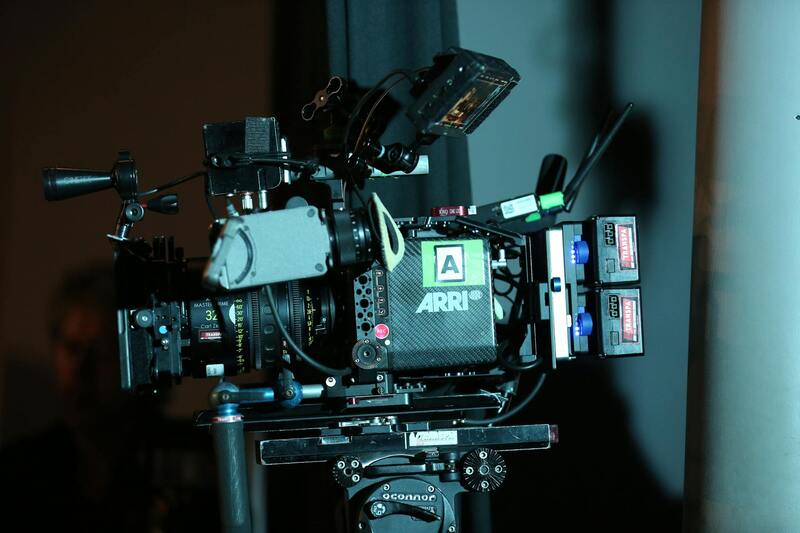
At the heart of live streaming is the video capture process, which begins with professional cameras capable of delivering high-definition footage. These cameras are often coupled with additional equipment such as tripods, stabilizers, and lens accessories to enhance image quality and stability. The visual feed from these cameras is then transmitted through a series of encoding devices, which convert the live video into digital signals suitable for internet transmission.
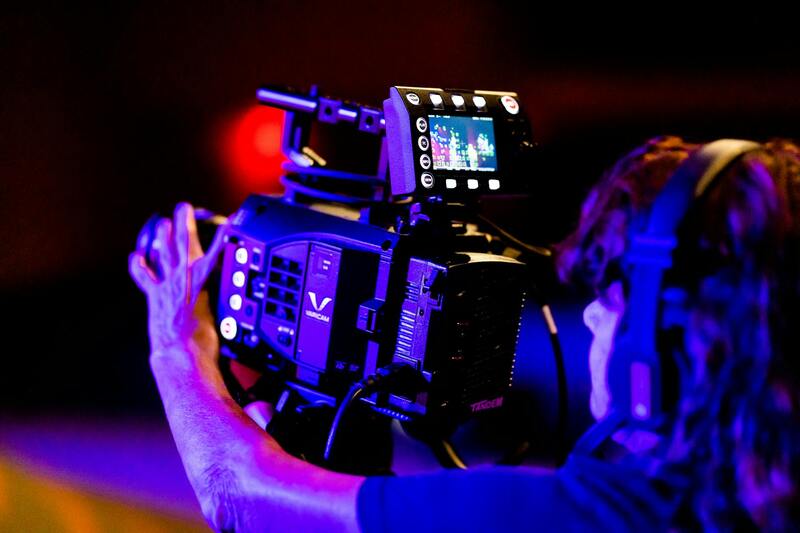
Advanced hardware, including portable encoders and switchers, facilitate the management of multiple camera feeds and production elements in real-time. During the live broadcast, these systems allow producers to switch between different camera angles, overlay graphics, and incorporate live comments or interactive features to enhance viewer engagement. The final step involves utilizing a robust streaming platform that distributes the encoded video to various viewing endpoints, such as dedicated websites, social media platforms, or streaming channels.
Integrating dependable internet connectivity, often through fiber optic lines or wireless solutions, is crucial to maintaining uninterrupted streams. Additionally, audio quality is preserved with professional microphones and sound mixing equipment, ensuring viewers receive clear and immersive sound alongside sharp visuals. This comprehensive setup enables a professional and reliable live streaming experience that can be tailored to different event sizes and types, from corporate conferences to large-scale festivals.
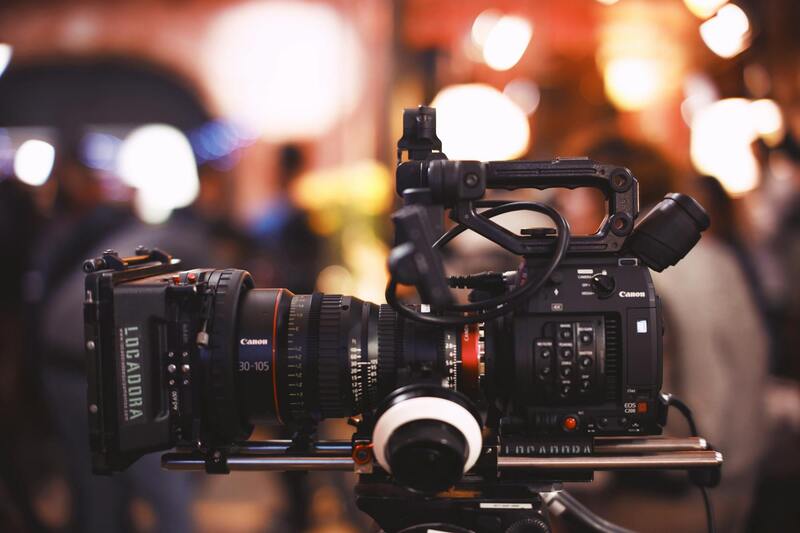
Effective live streaming also depends on meticulous planning and coordination among various production teams. Proper preparation involves setting up the necessary equipment, testing internet connections, and rehearsing technical procedures to address potential issues proactively. The synergy between hardware and software technologies, complemented by skilled technicians, forms the foundation for successful live video production, delivering engaging content that meets the high standards expected by modern audiences and content creators.
Understanding Live Streaming Video Production (Continued)
To ensure a seamless live streaming experience, attention to technical details is critical. Central to the process is the integration of high-performance encoder hardware or software, which compresses the video signals into formats suitable for real-time transmission over various networks. Encoders are configured based on specific event requirements, balancing video quality with bandwidth considerations to prevent buffering or dropped streams.
Another essential component is the use of multiple video sources, such as professional cameras, webcams, or smartphone feeds. These sources are managed through a dedicated switcher or control system, allowing producers to switch between angles, incorporate picture-in-picture effects, or overlay graphical elements like logos and lower thirds.
For audio, separate mixing consoles or digital audio interfaces are employed to capture clear sound from microphones and other sources. This audio is synchronized with video feeds to produce a professional and engaging broadcast. It is also important to incorporate audio levels checks and real-time adjustments to sustain consistent sound quality throughout the event.
Networking and Streaming Platforms
Reliable internet connectivity underpins the entire live production, facilitating uninterrupted data flow from cameras and microphones to viewers across the globe. Network setup often involves dedicated fiber optic lines, which provide high bandwidth and low latency, essential for transmitting high-definition video streams. Wireless solutions, such as 5G or enterprise Wi-Fi networks, are also utilized when wired connections are impractical, provided they meet stringent stability requirements.
Choosing the appropriate streaming platform is another cornerstone of a successful event. Platforms like dedicated CDN (Content Delivery Networks) or cloud-based streaming services enable broad distribution and adaptive bitrate streaming, which adjusts video quality based on viewers' internet speeds. This flexibility ensures viewers have a high-quality experience regardless of device or connection quality.
Technical Support and Monitoring
Throughout the broadcast, a dedicated technical team monitors all elements, including video feeds, audio levels, network stability, and stream health. Real-time diagnostics and troubleshooting ensure that potential issues are addressed promptly, minimizing the risk of disruptions. In addition, backup systems such as secondary internet connections or redundant hardware are often in place to maintain continuous streaming capabilities in case of primary system failures.
Post-event, detailed analytics can be gathered to assess viewer engagement, stream performance, and technical metrics. This data provides valuable insights for refining future live streaming strategies and equipment setups.
Key Equipment and Technology Used in Live Streaming
Successful live streaming depends heavily on a combination of advanced equipment and reliable technology. High-definition cameras are the backbone of any professional broadcast, offering crisp visuals that enhance viewer engagement. Multiple camera setups enable dynamic shots, including wide shots for the overall scene and close-ups for detailed interactions, enriching the viewing experience. Utilizing PTZ (Pan-Tilt-Zoom) cameras provides flexible control over camera angles remotely, minimizing the need for physical camera operators during live events.
Audio quality is equally critical. Professional-grade microphones, such as lapel, shotgun, and handheld microphones, are employed to capture clear, balanced sound. An audio mixer consolidates all audio feeds and adjusts levels in real-time, ensuring consistent sound quality throughout the stream. Integrating audio processors can further eliminate background noise and enhance clarity.

Streaming hardware includes encoders—either hardware-based or software solutions—that convert video signals into formats suitable for online transmission. Hardware encoders are preferred for their stability and minimal latency, especially during critical live events. Software encoders offer flexibility and ease of use, often through computer applications that manage encoding processes efficiently.
To manage the entire production seamlessly, live switching equipment, such as video switchers, allow operators to transition smoothly between camera feeds, overlay graphics, or add effects. This equipment helps in creating a polished, professional broadcast that maintains viewer interest.
Reliable internet connectivity is paramount. For Miami-based events, fiber optic connections are ideal, offering high bandwidth and low latency. When wired connections are not feasible, enterprise-grade wireless solutions such as 5G or licensed Wi-Fi networks ensure stable streaming. Redundant internet connections, including secondary broadband links, safeguard against potential disruptions, ensuring continuous broadcast flow.
Enforcing Proper Network Infrastructure and Connectivity
Ensuring a robust and reliable internet connection is fundamental for a seamless live streaming experience. Miami-based live streaming operations benefit greatly from high-bandwidth, low-latency internet sources, such as fiber optic connections. These connections provide the consistency and speed necessary to support multiple high-definition video feeds simultaneously.
When fiber is unavailable or impractical, enterprise-grade wireless solutions serve as viable alternatives. Technologies like 5G networks or licensed Wi-Fi offer substantial bandwidth and stability, minimizing buffering and lag. For larger events or broadcasts that require extraordinary reliability, deploying redundant internet connections is advisable. Multiple broadband links can automatically switch in case of primary connection failure, ensuring uninterrupted streaming.
In addition to establishing a primary connection, network monitoring and management tools help detect and resolve potential issues proactively. Quality of Service (QoS) configurations prioritize streaming data over less critical network traffic, reducing latency and preventing packet loss. This comprehensive approach guarantees a smooth streaming experience, even in high-traffic environments common in Miami's bustling event venues.
Implementing Redundancy and Backup Systems
Redundancy extends beyond internet connectivity. Incorporating backup power supplies, such as uninterruptible power supplies (UPS), ensures that equipment remains operational during power fluctuations or outages. Backup hardware components, including secondary encoders or cameras, allow quick switching to functional devices without disrupting the broadcast flow.
Advanced streaming setups integrate failover mechanisms that automatically detect issues and switch to backup feeds, maintaining a continuous live stream. Regular testing and maintenance of these systems are critical to confirm their readiness before high-profile events in Miami.
Monitoring and Managing the Stream in Real-Time
Active monitoring tools enable technical teams to oversee all aspects of the live broadcast, including video quality, audio clarity, and network performance. Real-time analytics provide insights that facilitate immediate action if issues are detected.
Operators can adjust encoding parameters dynamically, add graphics, or switch camera angles using live switching consoles to enhance viewer engagement. Communication platforms integrated into the production facilitate coordination among team members, ensuring smooth transitions and prompt responses to any technical challenges.
Ensuring Content Security and Compliance
Security measures are vital for protecting live streams from unauthorized access or interference. Implementing secure streaming protocols, such as Secure Reliable Transport (SRT), encrypts data, safeguarding sensitive content.
Additionally, content management systems help control access rights, allowing only authorized personnel to manage the stream, and monitor compliance with local broadcast regulations. For high-profile events, deploying digital rights management (DRM) solutions and watermarking further discourages content theft and unauthorized recording.
Understanding Live Streaming Video Production
Live streaming video production involves a complex integration of hardware, software, and strategic planning to deliver real-time content to viewers across various platforms. This process demands precision and technical expertise to ensure a seamless experience for audiences tuning into events, conferences, or performances in Miami. From camera operation to encoding, streaming servers, and network management, every element plays a vital role in creating a professional broadcast. Ensuring high-quality visuals, clear audio, and minimal latency requires a detailed understanding of the production workflow, as well as the ability to adapt dynamically to unforeseen challenges during a live event.
Effective live streaming also depends on robust content delivery networks (CDNs) that distribute the stream efficiently across various regions. These networks help prevent buffering and ensure viewers experience uninterrupted content regardless of their location. Additionally, integrating multiple streaming platforms allows broadcasters to reach broader audiences, maximizing engagement and visibility. The process begins with meticulous planning, followed by technical rehearsals, stable internet connections, and precise coordination among production team members.
Benefits of Live Streaming for Miami Events and Businesses
Hospitals, corporate organizations, cultural institutions, and entertainment venues across Miami leverage live streaming to extend their reach beyond physical boundaries. This approach enables real-time interaction with viewers, offering opportunities for instant feedback, engagement, and branding. By broadcasting live, businesses can increase their visibility, showcase products or services, and facilitate virtual attendance for conferences, workshops, or performances.
- Enhanced Audience Engagement: Live interactions through chat, Q&A sessions, or polling keep viewers actively involved.
- Cost Efficiency: Hosting virtual events reduces costs associated with physical venues and logistics.
- Global Reach: Miami-based companies can connect with audiences worldwide without geographical constraints.
- Content Accessibility: Recorded live streams can be repurposed and shared on-demand, extending the lifespan of the content.
- Real-time Data and Analytics: Tracking viewer metrics during the broadcast provides valuable insights for future campaigns.
Types of Live Streaming Content
Miami businesses and event organizers utilize various formats of live streaming to meet their specific goals. These include:
- Event Coverage: Live streaming concerts, festivals, conferences, or sports events to attract remote audiences.
- Product Launches: Showcasing new offerings through immersive live demonstrations that engage viewers directly.
- Educational Webinars: Interactive training sessions, workshops, and seminars for professional development or public education.
- Corporate Communications: Town hall meetings, quarterly updates, or executive addresses broadcasted to employees or stakeholders.
- Livestreaming for Social Causes: Drives fundraising or awareness campaigns across social media platforms.
Key Equipment and Technology Used in Live Streaming
To deliver professional live streams, a suite of specialized hardware and software tools are utilized. High-definition cameras equipped with zoom and stabilization features capture the content, while audio mixers and microphones ensure clear sound quality. Streaming encoders convert raw footage into digital streams suitable for transmission over the internet.
- Video Cameras: Professional-grade cameras capable of capturing high-resolution footage.
- Audio Equipment: Microphones, mixers, and soundboards that guarantee pristine audio clarity.
- Encoding Hardware or Software: Devices or applications that compress and prepare video data for streaming.
- Streaming Servers or Cloud Platforms: Infrastructure that distributes content to viewers through CDN integrations.
- Switching and Graphics Software: Tools for live camera switching, adding overlays, lower thirds, and branding elements.
- Monitoring Tools: Systems that track stream health, network stability, and viewer engagement.
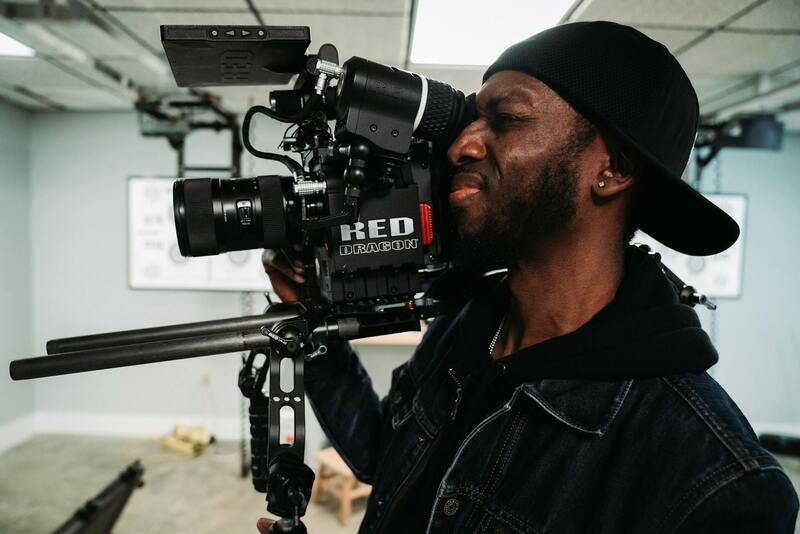
Choosing the right combination of these components, coupled with expert operators, ensures a high-quality, reliable live streaming experience tailored specifically to the unique needs of Miami's diverse event landscape. The integration of state-of-the-art technology with meticulous planning underscores the importance of professional handling in live streaming video production.
Executing the Live Stream: Production and Management
Effective execution of a live streaming event requires meticulous on-site coordination and real-time monitoring to ensure a seamless broadcast. Production teams deploy multiple strategies to manage live content continuously, addressing technical challenges proactively and maintaining high production standards. One crucial aspect involves the operation of professional switchers, which allow seamless transitions between different camera angles, video sources, and graphical overlays, enriching the viewer experience.
Live producers, often working from a dedicated control room, oversee all aspects of the broadcast, including audio levels, video feeds, and graphical elements. They coordinate with camera operators, sound engineers, and on-site technicians to respond promptly to any issues, such as connectivity disruptions or equipment malfunctions. Real-time monitoring dashboards display the health of the internet connection, streaming bitrate, and viewer engagement metrics, enabling swift adjustments when necessary.
Moreover, contingency plans are essential components of live event management. These plans include backup equipment, redundant internet connections, and predefined protocols for common issues. For example, in the event of a camera failure, the director can switch to alternative sources or full-screen graphics, maintaining the broadcast's continuity. During popular Miami events, such well-orchestrated management ensures an engaging and professional streaming experience for audiences tuning in from various locations.
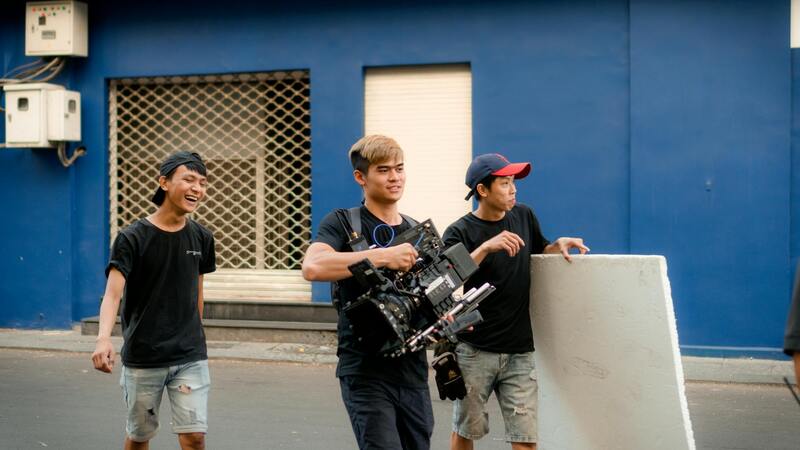
Having dedicated on-site experience staff familiar with the intricacies of live streaming technology is indispensable. They optimize camera placements for optimal coverage, ensure all audio and visual equipment function correctly, and respond swiftly to any technical emergencies. Their expertise minimizes downtime and maximizes the quality of the live stream, providing viewers with a smooth, immersive experience that reflects the professionalism of the event organizers.
Successful live streaming hinges on seamless coordination among all production elements, continuous communication, and a clear understanding of the event's goals. From managing multiple video feeds to adjusting graphics and troubleshooting technical issues, expert handling of the live stream process ensures the broadcast meets its objectives and elevates the profile of Miami-based events and businesses.
Understanding Live Streaming Video Production
Live streaming video production involves the comprehensive process of creating, broadcasting, and managing live video content over the internet. This process encompasses everything from initial planning and pre-production preparations to the actual execution of the stream and post-production activities. It requires a combination of technical expertise, advanced equipment, and strategic coordination to deliver high-quality content that engages viewers in real-time.
At its core, live streaming production is about capturing an event or message in real-time, while ensuring that the broadcast runs smoothly and professionally regardless of external variables. This involves the integration of multiple video sources, audio feeds, graphics, and overlays, all managed through sophisticated switching and encoding systems. Proper management of these components ensures that the final stream is cohesive, visually appealing, and accessible on various digital platforms.
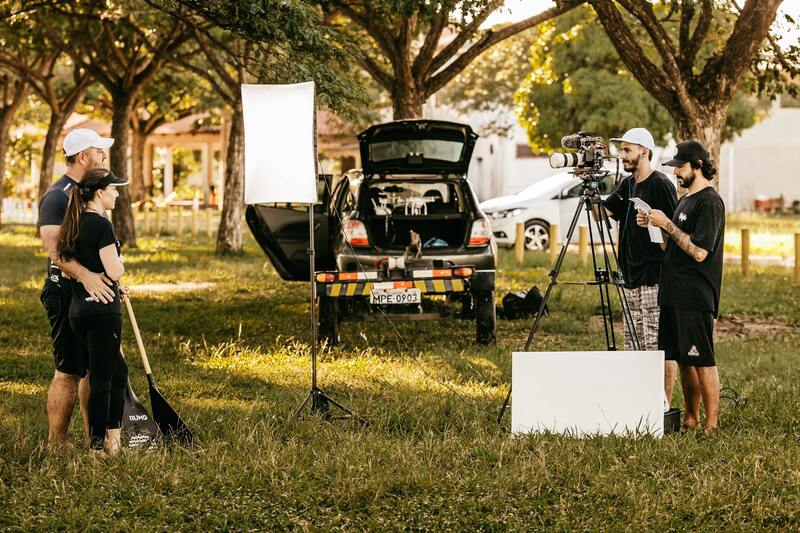
Effective live streaming also depends heavily on the digital infrastructure, particularly reliable internet connections with sufficient bandwidth to support high-resolution video transmission simultaneously to multiple viewers. Techniques such as bonding multiple internet sources and employing adaptive bitrate encoding help mitigate common issues like buffering and latency, ensuring viewers experience minimal interruption regardless of network fluctuations.
Additionally, creating a successful live video production requires a team of skilled professionals, including camera operators, sound engineers, technical directors, and producers. These individuals work collaboratively to monitor the broadcast, troubleshoot technical problems swiftly, and coordinate transitions, overlays, and graphics—all aimed at delivering a seamless viewing experience.
Investing in proper training and updated technology significantly enhances the quality of live streams, fostering greater engagement and brand visibility for Miami-based events and organizations. As live streaming becomes a vital communication channel, understanding the detailed process and deploying effective strategies within production workflows are critical for achieving compelling, professional broadcasts that resonate with audiences.
Understanding Live Streaming Video Production
Effective live streaming video production in Miami hinges on a meticulous combination of technical expertise, strategic planning, and professional execution. It begins with understanding the core components involved, such as high-definition video capture, reliable transmission protocols, and engaging content delivery methods. Modern live streaming involves capturing footage through multiple cameras, integrating professional audio, and employing real-time editing to ensure a dynamic presentation. This process is powered by robust broadcasting hardware and software that facilitate seamless transitions and graphics, creating an immersive experience for viewers.
Official and Reliable Technologies
Utilizing industry-standard platforms and codecs is paramount in delivering high-quality streams. Popular streaming protocols such as HLS (HTTP Live Streaming) and RTMP (Real-Time Messaging Protocol) ensure consistency and compatibility across diverse devices and networks. These technologies adapt video quality in real-time based on viewer bandwidth, minimizing potential disruptions. Additionally, content delivery networks (CDNs) are employed to distribute streams efficiently, reducing latency and buffering issues for large audiences.
Ensuring Stream Security and Integrity
Protecting digital content during live broadcasts is facilitated through encryption and secure server configurations. Implementing authentication mechanisms prevents unauthorized access and piracy. Content watermarking and stream monitoring tools help maintain the integrity of the broadcast, providing real-time alerts for any anomalies or potential breaches.
Staffing for Live Streaming Operations
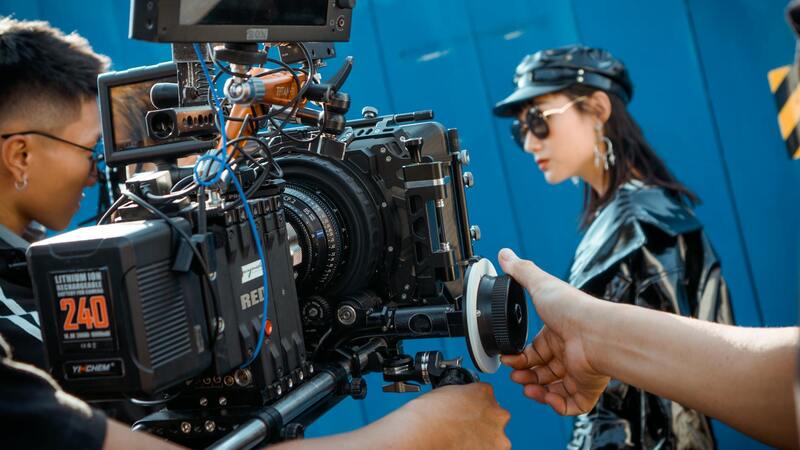
A competent team comprises camera operators, technical directors, audio engineers, and producers. These professionals coordinate to synchronize visuals, manage streaming software, and troubleshoot issues promptly. Their roles include handling transitions, overlay graphics, live captions, and social media integration to amplify reach and engagement. Skilled personnel ensure the broadcast maintains high standards and adapts swiftly to any on-site challenges.
Monitoring and Quality Control
Continuous monitoring during the live event is vital to detect and resolve technical issues. This involves checking signal quality, audio clarity, and network stability. Employing real-time analytics and feedback mechanisms allows producers to make immediate adjustments, maintaining a smooth flow and professional appearance. Clear communication channels among team members optimize responses to unforeseen circumstances, ensuring the final broadcast meets expectations.
Post-Production and Content Repurposing
Once the live stream concludes, editing and repurposing the footage extend its value. Highlights, interviews, and key moments can be clipped for social media content, promotional material, or on-demand viewing. Properly archived streams serve as valuable assets for future marketing strategies and documentation of Miami events. Moreover, detailed analytics from the livestream provide insights into viewer engagement, preferences, and technical performance, guiding improvements in subsequent productions.