Understanding Live Streaming Production
Live streaming production has become an essential element in modern multimedia communication, especially within the vibrant city of Miami. It involves the process of capturing, encoding, and broadcasting live video and audio content over the internet to reach audiences in real-time. This technology is highly versatile, serving a broad range of applications from large-scale corporate events and conferences to entertainment showcases, religious gatherings, and community festivals in Miami. With an increasing demand for instant connectivity and immersive experiences, organizations leverage professional live streaming productions to ensure their message is delivered effectively and professionally. This process not only enables remote audiences to participate as if they were physically present but also expands the visibility and engagement levels for event organizers, content creators, and brands alike. In Miami, where diversity and technological innovation intersect, live streaming production plays a pivotal role in connecting local communities, supporting business objectives, and showcasing the city's rich cultural landscape. Whether broadcasting a high-profile business presentation, a live concert, or an inspirational seminar, the importance of a well-orchestrated live production cannot be overstated. It involves meticulous planning, coordination of technical elements, and the utilization of various equipment to guarantee seamless delivery. As the city continues to evolve as a hub for digital content, mastering the essentials of live streaming production is vital for organizations aiming to maximize their outreach and engagement in an increasingly connected world.
Key Components of Live Streaming Setup
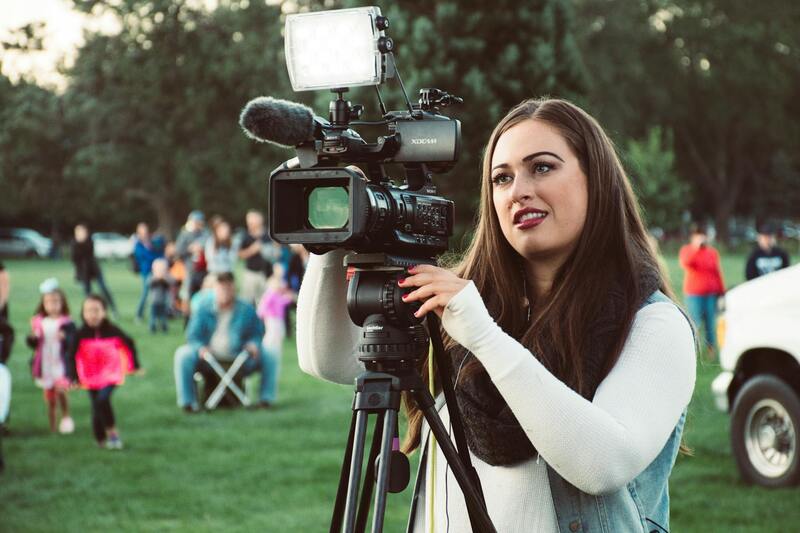
A successful live streaming production hinges on the integration of several critical components that work together to deliver a high-quality viewing experience. These include reliable video capture devices, professional audio equipment, streaming encoders, and a robust internet connection. High-definition cameras are employed to capture visuals with clarity, while external microphones and audio mixers ensure crisp sound quality. The streaming encoder compresses and transmits the feeds to the chosen platform, necessitating a setup that balances quality and stability. In Miami’s dynamic environments, a mobile or temporary studio setup may be required to adapt to different venues. This might involve portable lighting solutions, background setups, and space arrangements that optimize the overall aesthetics and technical functionality. Proper configuration of these components lays the foundation for a smooth, professional live stream that can accommodate various event sizes and formats. Technical Equipment Checklist:
- High-definition cameras
- Audio mixers and microphones
- Streaming encoders (hardware/software)
- Reliable internet connectivity (wired Ethernet preferred)
- Lighting equipment for clarity and visibility
- Tri-casting or multi-view systems for multiple camera feeds
Pre-Production Planning and Coordination
Effective live streaming begins well before the event takes place. Pre-production planning involves detailed coordination among technical teams, event organizers, and content creators. Establishing a clear timeline, determining camera angles, identifying key moments to highlight, and crafting a script or outline are crucial steps. In Miami, where events often involve diverse audiences and complex venues, thorough site surveys and equipment testing are vital to anticipate challenges and ensure all technical elements are compatible. Communication is essential in pre-production, with team members sharing responsibilities and verifying equipment functionality. Additionally, rehearsals are instrumental in ironing out potential issues, confirming cue points, and testing internet stability. This meticulous preparation ensures that live streams run smoothly, providing viewers with a seamless experience that accurately reflects the live event's energy and intent. Pre-Production Checklist:
- Site survey and technical assessment
- Equipment setup and testing
- Content and camera shot planning
- Coordination of roles and responsibilities
- Rehearsals and dry runs
- Backup plans and contingency arrangements
Key Components of Live Streaming Setup
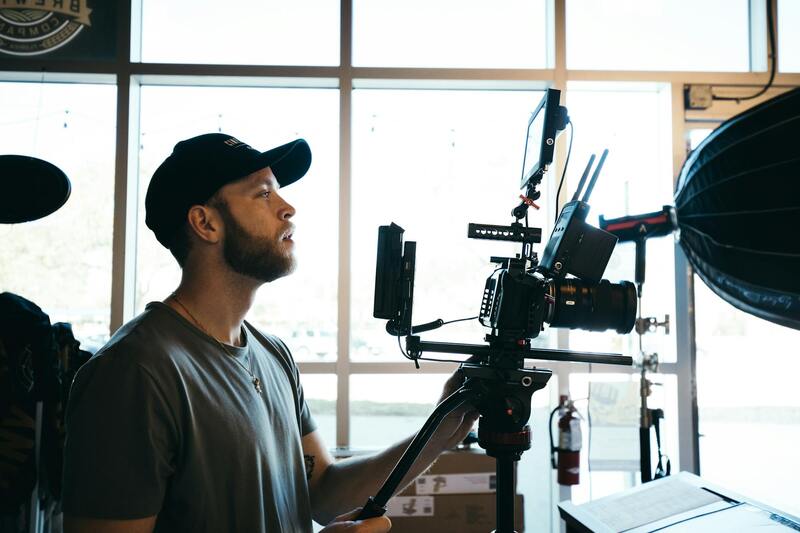
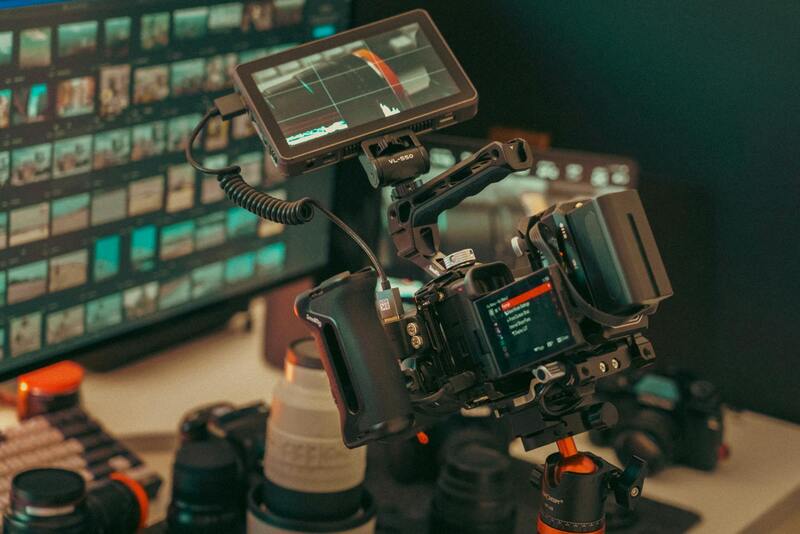
Establishing a robust live streaming production requires an integration of essential hardware and software tools designed to deliver high-quality content seamlessly. Fundamental elements include professional-grade cameras capable of capturing sharp, high-definition video from multiple angles. These provide visual clarity and help convey the atmosphere of the event to remote viewers effectively.
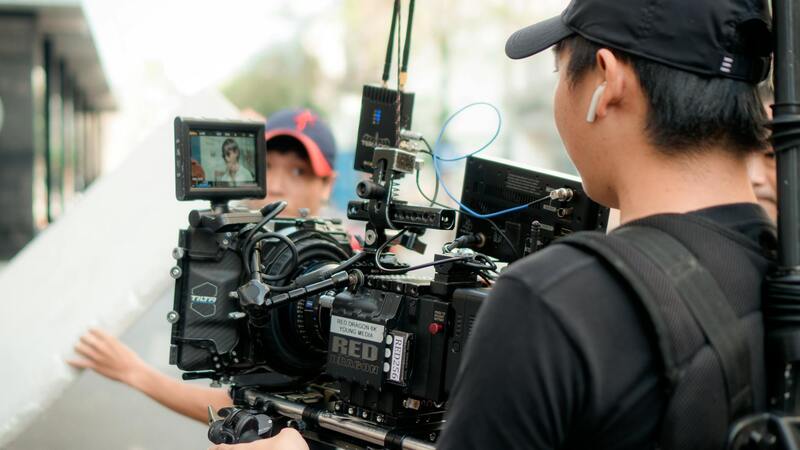
Streaming encoders, whether hardware-based or software-based, play a pivotal role in compressing and transmitting video data to streaming platforms. Hardware encoders are dedicated devices that offer reliability and lower latency, ideal for complex productions, whereas software encoders provide flexibility and are suitable for smaller setups or budget-conscious productions.
Switcher or live switcher consoles enable producers to switch seamlessly between multiple camera feeds, add graphics, overlays, or transitions. Multi-view systems, also known as tri-casting setups, allow operators to monitor several video feeds simultaneously, ensuring smooth transitions and real-time adjustments.
Complementing the visual components, high-quality audio equipment such as professional microphones, audio mixers, and sound processing units ensure audio clarity. Proper synchronization of audio and video streams is critical to provide a cohesive viewing experience.
Reliable internet connectivity forms the backbone of successful live streaming. Wired Ethernet connections are highly preferred to minimize disruptions, especially during high-bandwidth streams. Backup internet solutions, like cellular hotspots, can act as contingency options, maintaining stream stability in cases of network failure.
Streaming platforms or services act as the delivery channels through which content reaches viewers. These platform choices are guided by audience size, engagement features, and integration capabilities with other production tools. Whether using dedicated streaming servers or cloud-based services, compatibility and scalability are key considerations.
Pre-Production Planning and Coordination
Meticulous preparation enhances the overall quality of live streaming and reduces the risk of technical issues. In the context of events in Miami, where venues may vary greatly in size and infrastructure, a structured pre-production strategy ensures a smooth broadcasting process from start to finish.
The process begins with a comprehensive site survey, assessing the available space, power sources, internet access points, and acoustics. This allows technical teams to identify potential challenges early and adapt equipment and setup accordingly. Site assessments also include testing various network configurations to guarantee bandwidth sufficiency and stability for the event’s duration.
Coordination among the event organizers, technical staff, and content creators is vital. Establishing a detailed timeline, delineating responsibilities, and assigning team members to specific roles ensure every aspect of the production is covered. Content planning involves selecting camera shots, determining key moments to emphasize, and preparing scripts or cue sheets for presenters or hosts.
Rehearsals are a critical part of pre-production, providing an opportunity to test all equipment, execute camera movements, check audio levels, and troubleshoot potential connectivity issues. These dry runs should mimic actual event conditions to uncover unforeseen obstacles and fine-tune the technical setup.
Pre-Production Checklist:
- Site survey and technical assessment
- Equipment setup and testing
- Content and camera shot planning
- Coordination of roles and responsibilities
- Rehearsals and dry runs
- Backup plans and contingency arrangements
Understanding Live Streaming Production
Effective live streaming production hinges on meticulous planning and seamless execution across multiple technical facets. From the initial setup to the final broadcast, each phase plays a critical role in delivering a professional-quality event that captivates viewers and meets broadcast standards. A comprehensive approach involves integrating advanced equipment, employing strategic workflow procedures, and adhering to best practices for content presentation.
Optimizing Equipment and Signal Management
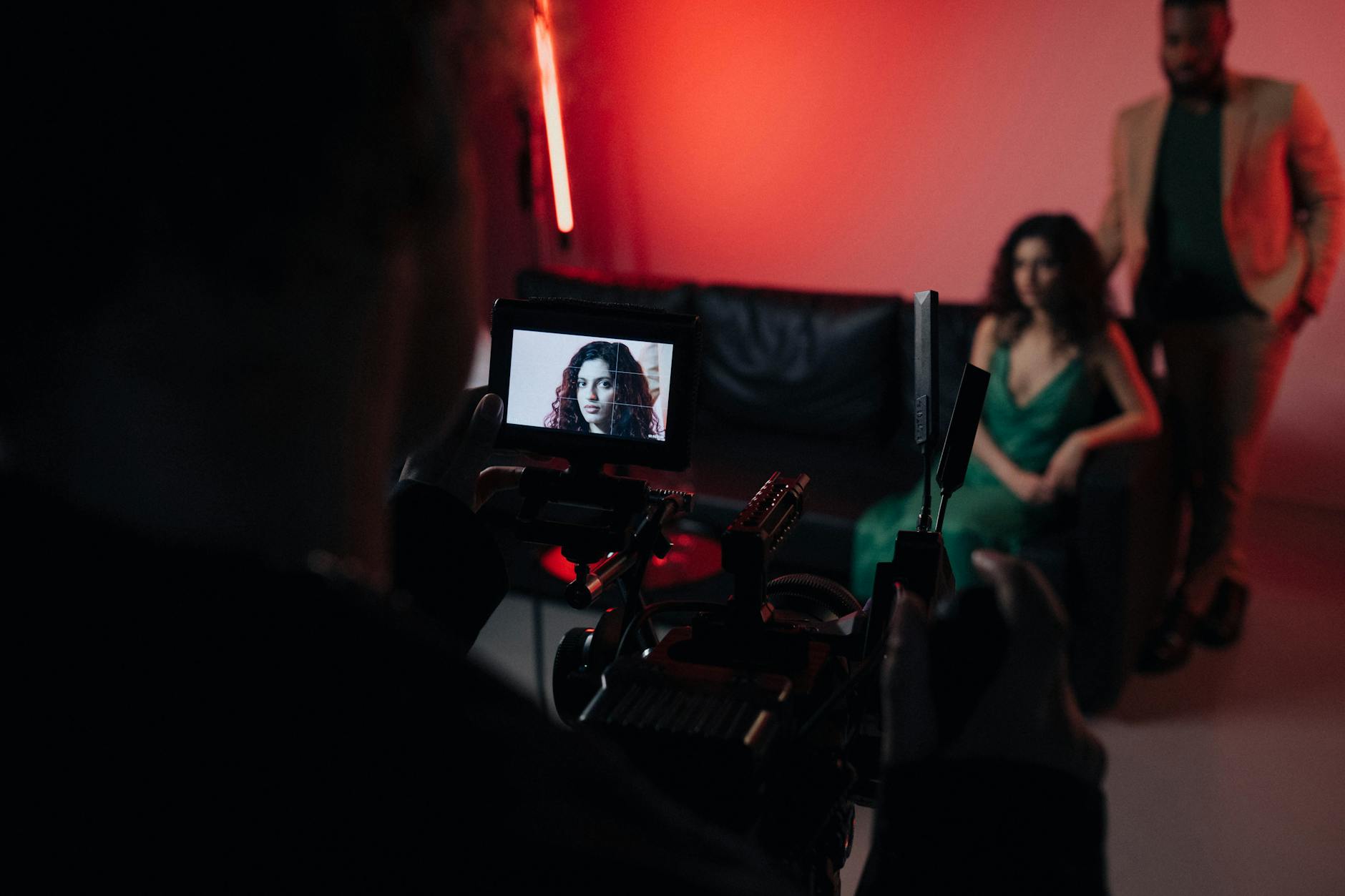
For robust live streaming, selecting the right hardware components is essential. High-definition cameras, professional-grade mixers, and high-fidelity microphones ensure crisp visuals and clear audio. Additionally, encoders are employed to convert video signals into optimized streams suitable for various platforms. Managing signal flow through a well-organized switching matrix allows seamless transitions between camera feeds, graphics, and video inserts, delivering a dynamic viewing experience.
Ensuring a reliable internet connection constitutes a cornerstone of successful broadcasting. Multiple redundant connections, such as wired Ethernet, bonded cellular networks, or satellite links, provide fail-safes against connectivity losses. Network performance should be continuously monitored, with bandwidth tests conducted prior to event start to confirm stability and capacity. Utilizing a dedicated network environment minimizes the risk of interference or bandwidth contention, especially in complex venues.
Implementing Scalable Infrastructure for Varied Venues
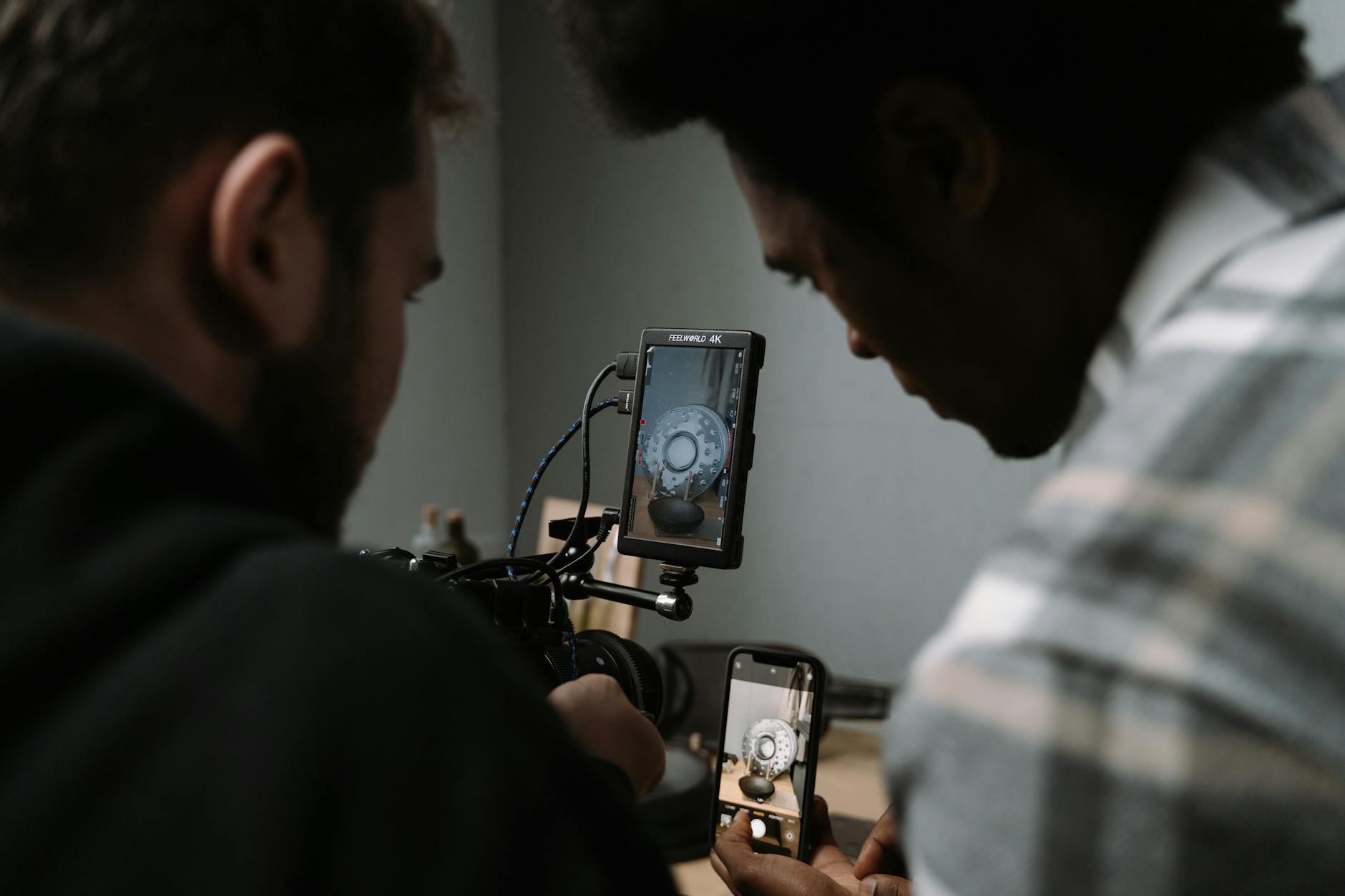
Miami venues often vary from intimate spaces to expansive auditoriums, demanding adaptable infrastructure. Portable streaming solutions involve modular setups that can be tailored to the venue's characteristics. For larger venues, multiple camera angles and remote production configurations might be necessary, employing extensive cabling or wireless transmission systems. When working with high-profile events or multi-camera productions, coordinating satellite trucks or external streaming services can augment capacity and reliability.
Maintaining Content Quality and Presentation Standards
A polished live stream depends heavily on flawless content delivery. This involves not only technical precision but also creative coordination. Content creators and directors collaborate to craft engaging visuals, compelling storylines, and timely cues. Graphics and overlays should be professionally designed to complement the live content without overwhelming it. Pre-programmed automation tools can assist with timed transitions, adding polish and professionalism to the broadcast.
Monitoring and Adjusting During Broadcast
During live streaming, real-time monitoring of video, audio, and network performance is vital. Dedicated operators oversee each aspect, ready to implement adjustments on the fly. Audio levels must be balanced, preventing distortion or silence, while video feeds require consistent color calibration and exposure settings. Network dashboards display latency and throughput statistics, enabling operators to respond swiftly to any issues that arise.
Implementing Effective Communication Channels
Clear communication among team members enhances coordination and enables rapid responses to sudden technical or content-related challenges. Utilizing walkie-talkies, headsets, or dedicated chat platforms allows seamless dialogue between camera operators, technical directors, and on-site coordinators. Establishing predetermined signals for cues, scene changes, or technical adjustments helps maintain a smooth workflow throughout the event.
Managing Multiple Video Feeds and Coordinating Transitions
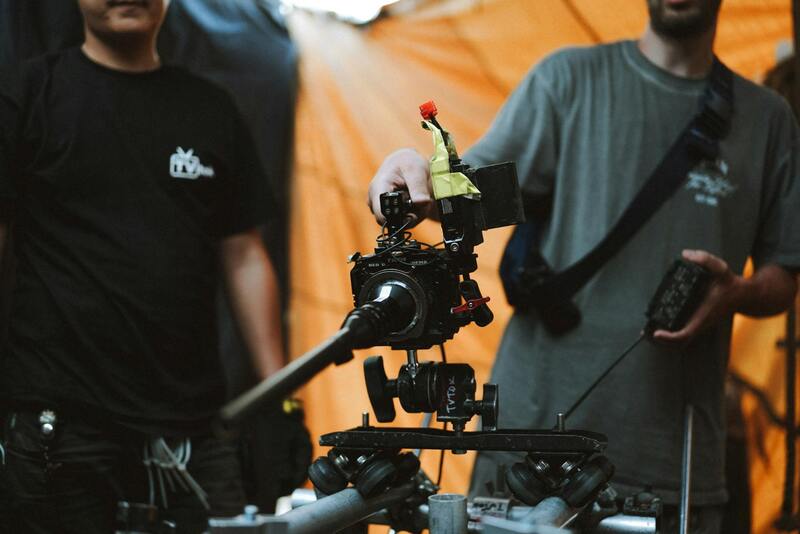
During a live streaming production, effective management of multiple video sources is critical for delivering a seamless viewer experience. Production crews utilize video switchers or mixers to alternate between different camera feeds, slideshows, or pre-recorded segments. This process requires precise timing and coordination among the director and technical team to ensure transitions are smooth and synchronized with the overall narrative.
Many professional setups incorporate multi-camera configurations to provide diverse perspectives, such as close-ups, wide shots, and alternative angles. These are strategically switched to highlight key moments, maintain viewer engagement, and enhance the storytelling aspect of the broadcast. Automated transition effects like wipes, fades, or chroma key overlays can add visual flair but should be used judiciously to maintain a professional appearance.
Integrating Graphics, Overlays, and Lower Thirds
Visual elements such as branded graphics, lower thirds, and real-time information overlays significantly enhance the production quality. These elements typically integrate through specialized software that allows producers to insert them dynamically during the broadcast. Properly designed graphics should complement the content without obstructing important visuals or distracting viewers.
Automation tools enable precise timing of graphic inserts, ensuring consistency and professionalism. For instance, lower thirds displaying speaker names or event details can appear at appropriate moments, aligning with the program's flow. Maintaining a cohesive visual style across all overlays helps reinforce brand identity and provides clarity for the audience.
Audio Mixing and Synchronization
Achieving optimal audio quality involves meticulous mixing and synchronization of multiple audio sources, including microphones, prerecorded audio, and embedded background music. A dedicated audio engineer oversees levels, ensuring clarity and preventing distortion. Equalization and noise suppression techniques are applied as needed to maintain a clean sound experience for viewers.
Latency between audio and video signals must be minimized, especially when integrating live commentary or interactive elements. Real-time audio monitoring allows for immediate adjustments if problems like feedback or imbalance occur. The use of audio delay compensates for any synchronization issues, ensuring the audio aligns perfectly with the visual content.
Live Stream Monitoring and Control Interfaces
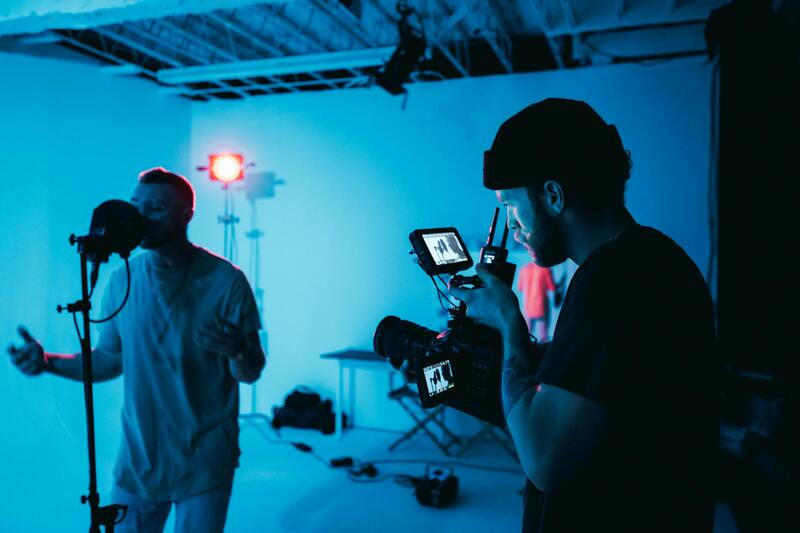
While the broadcast is underway, operators utilize specialized interfaces to monitor metrics such as stream stability, viewer engagement, and technical performance. These control panels provide insights into bitrate fluctuations, network health, and buffer statuses, enabling quick responses to potential disruptions.
Operators can make on-the-fly adjustments to stream quality, switch graphic overlays, or troubleshoot issues remotely. This real-time oversight is vital for maintaining a consistent, high-quality broadcast and addressing challenges before they significantly impact viewer experience.
Implementing Official Methods for Stream Security and Integrity
When undertaking live streaming production, utilizing proven, official methods ensures the security and integrity of the broadcast. This involves deploying industry-standard encryption protocols, such as TLS (Transport Layer Security), which encrypts data transmitted over the network. Encryption prevents unauthorized access, eavesdropping, and tampering with the live content, maintaining a trustworthy viewing experience.
Secure login systems and access controls are fundamental to restrict production and streaming management to authorized personnel only. Multi-factor authentication (MFA) adds an extra layer of security, verifying user identities before granting access to control panels or sensitive systems.

Content protection extends beyond network security. Implementing digital watermarking allows broadcasters to embed unique identifiers within the visual content, aiding in the detection of unauthorized distribution. Watermarking can be particularly useful in identifying the source of leaks or unauthorized recordings.
Another critical aspect involves the use of legitimate streaming accreditation and licensing. Ensuring that all streaming servers, software, and tools are obtained from reputable sources minimizes vulnerabilities linked to outdated or compromised systems. Regular updates and patches for software, along with continuous vulnerability assessments, further strengthen the broadcast’s resilience against cyber threats.
Utilizing Comprehensive Equipment and Infrastructure for Reliable Streaming
Official live streaming production relies heavily on certified equipment that has been tested for stability and compatibility. High-quality encoders, switches, and routers are essential to decode and distribute content efficiently, reducing latency and preventing data loss.
Redundant setups, including backup servers and power supplies, are vital for maintaining uninterrupted streams during technical failures. Implementing automatic failover mechanisms ensures that if a primary system encounters issues, a secondary system seamlessly takes over without impacting viewers.
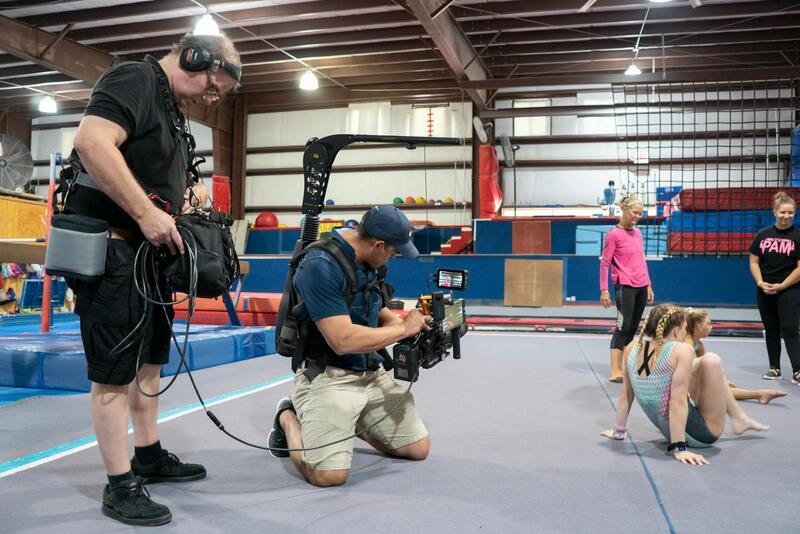
Operational protocols such as regular hardware maintenance, system health checks, and environment controls (temperature, humidity, etc.) are strictly adhered to, ensuring all equipment functions optimally throughout the event.
Engaging Qualified Technical Personnel
The backbone of any professional live streaming operation is a team of experienced technicians trained in handling official production processes. These experts oversee hardware and software setup, monitor stream health in real time, and respond swiftly to any anomalies.
Having designated personnel for sound, video, and network management allows for specialized attention to each critical aspect of the broadcast. Their expertise ensures that the stream adheres to high standards consistently, providing viewers with a seamless and engaging experience.
Technical Troubleshooting and Backup Plans
Maintaining the integrity of a live streaming production involves proactive measures to identify and resolve technical issues swiftly. An effective troubleshooting strategy encompasses real-time monitoring tools that track stream health, bandwidth usage, and hardware performance, allowing technicians to detect potential disruptions before they impact viewers significantly.
Common issues such as audio dropouts, video pixelation, or stream interruptions often stem from network instability, hardware malfunctions, or software glitches. Addressing these promptly requires a well-trained technical team equipped with diagnostic tools and a thorough understanding of the streaming infrastructure.
Contingency planning is crucial for seamless live broadcasts. Backup configurations include secondary encoders, alternative internet connections, and redundant hardware setups. For instance, having an additional internet source—such as a cellular data connection—can serve as a fail-safe to maintain connectivity if the primary network falters. Similarly, duplicate encoding setups can automatically activate if the main encoder experiences issues, ensuring minimal downtime.
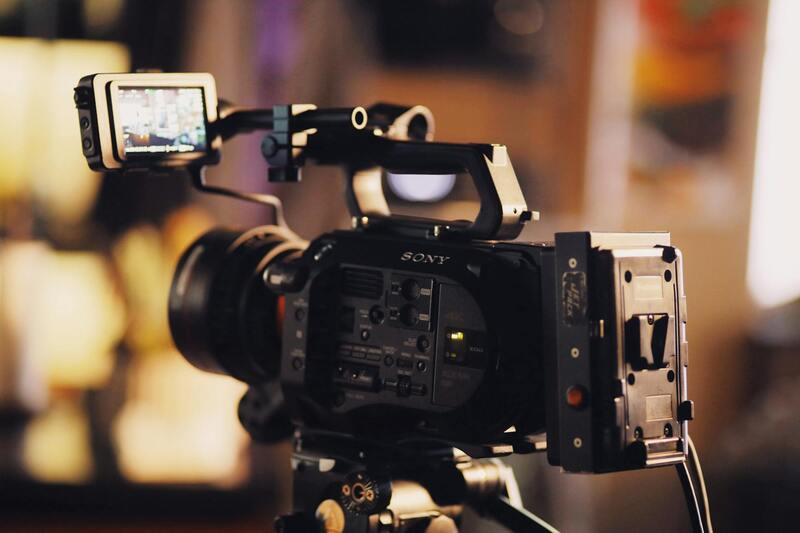
Developing detailed backup procedures ensures that in the event of unexpected failures, the transition to backup systems is smooth and transparent to viewers. These procedures include predefined roles for team members to quickly switch to backup feeds, adjust streaming parameters, or restart equipment as needed.
Regular drills and simulations of potential technical crises help teams refine their response strategies, reduce reaction times during actual events, and bolster overall reliability. Additionally, maintaining an updated inventory of spare parts and equipment ensures rapid replacement of faulty components, minimizing broadcast interruptions.
Implementing Proactive Communication Protocols
Effective communication among technical staff and event coordinators is vital during live streaming operations. Utilizing dedicated channels such as real-time chat platforms or internal communication systems enables rapid coordination, quick dissemination of troubleshooting steps, and status updates. Clear communication protocols prevent misunderstandings and ensure everyone is aligned during critical moments.
Advanced Techniques for Live Streaming Reliability
In high-stakes live streaming environments, utilizing advanced techniques to bolster broadcast stability is crucial. These methods include deploying load balancing across multiple internet connections, which ensures that if one connection drops or experiences degradation, the stream seamlessly transitions to an alternative source without viewer disruption. Utilizing multiple encoders configured with redundant streams creates a fail-safe system, allowing the production team to switch between different encoding setups instantaneously. This approach minimizes the risk of stream interruption due to encoder failure or technical issues.
Furthermore, implementing automated switching mechanisms, such as SDI or IP-based switching hardware, allows for rapid transitions between camera feeds or different sources, maintaining a professional and polished broadcast. These systems can be pre-programmed with transition cues and real-time switching commands, reducing the need for manual intervention during live events.
In addition to hardware solutions, software-based multi-streaming tools facilitate simultaneous streaming to several platforms. This not only maximizes audience reach but also provides redundancy if one platform experiences issues. Live stream monitoring dashboards enable real-time tracking of stream health metrics, allowing operators to identify and rectify problems promptly.
Advanced Strategies for Live Streaming Production
Implementing Stream Redundancy and Multi-Platform Delivery
To maximize reliability and maintain consistent broadcast quality, professional live streaming setups incorporate strategy-driven redundancy measures. Utilizing dual encoders or multi-source streaming configurations ensures that if one connection or device encounters a failure, an alternative stream seamlessly takes over. This built-in resilience is crucial during high-stakes events where interruptions can significantly impact audience perception.
Layered network architecture enhances robustness by employing multiple internet connections—such as wired broadband, fiber, and wireless links—configured with automatic failover capabilities. This setup guarantees continuous transmission, even if primary connections experience disruptions. Moreover, deploying load balancing hardware distributes streaming traffic efficiently across multiple links, optimizing bandwidth utilization and preventing overloads.
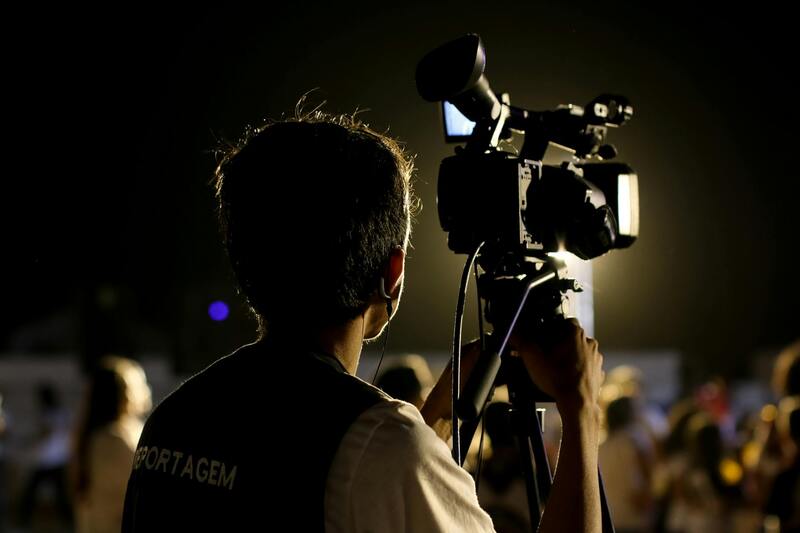
Multi-Platform Streaming for Broader Reach
Distributing a live feed across several streaming platforms concurrently enhances exposure and audience engagement. Using professional multi-streaming software or hardware, production teams can broadcast to popular services like YouTube, Facebook Live, Vimeo, and custom RTMP servers simultaneously. This multi-platform approach captures diverse viewer segments and mitigates risks associated with platform-specific outages.
Real-time monitoring dashboards provide comprehensive insights into individual stream health, viewer metrics, and engagement levels across channels. This data enables operators to swiftly identify issues or drop-offs, allowing for prompt corrective actions. Additionally, multi-platform streaming facilitates audience segmentation and targeted content delivery, increasing the effectiveness of your live events.

Ensuring Quality Delivery and Viewer Experience
Sustaining high-quality video and audio during live broadcasts requires meticulous configuration of encoding settings and content delivery networks (CDNs). Using hardware or software encoders with adjustable bitrates and resolutions ensures compatibility with different viewer devices and connection speeds. Adaptive bitrate streaming dynamically adjusts quality based on viewer bandwidth, reducing buffering and latency issues.
Audio clarity is equally vital; employing professional microphones, proper mixing consoles, and noise reduction techniques enhances sound fidelity. Implementing audio leveling and monitoring tools prevents sudden volume fluctuations and audio dropouts. Additionally, employing audio codecs like AAC or Opus alongside video codecs ensures synchronized and smooth audio-visual presentation.
Comprehensive Troubleshooting and Backup Protocols
Proactive troubleshooting plans address potential technical challenges before they impact live broadcasts. Routine equipment checks, pre-event dry runs, and system diagnostics help identify vulnerabilities early. Real-time monitoring tools track encoder performance, network stability, and stream health metrics, providing early warnings of potential issues.
Establishing backup strategies, such as secondary encoders, alternative content sources, and redundant power supplies, minimizes disruptions. In the event of a technical failure, automated failover systems switch to backup streams with minimal latency, ensuring uninterrupted delivery. Maintaining clear communication channels among the production team enables quick coordination and decision-making during unforeseen incidents.
Effective integration of these technical safeguards promotes a resilient live streaming environment, delivering a seamless viewer experience even in challenging situations.