Overview of Live Streaming Video Services
Live streaming video has become an essential communication and marketing tool across various sectors, including events, corporate communications, entertainment, and education. As technology advances and internet infrastructure improves, real-time video broadcasting has transformed how audiences engage with content, offering immediacy and interactivity that traditional media cannot match. Particularly within Miami, a city renowned for its vibrant culture and dynamic business environment, live streaming services enable organizations and individuals to reach global audiences instantly, showcasing events, product launches, performances, and more.
Miami's diverse market demands high-quality, reliable live streaming solutions that can handle large audiences and diverse content types. Professional live streaming providers offer comprehensive services that encompass everything from planning and production to distribution and analytics. These services allow clients to deliver seamless broadcasts, ensuring their message resonates clearly across digital channels. Whether broadcasting a high-profile concert from South Beach, a corporate conference downtown, or an innovative product showcase, tailored live streaming solutions facilitate broad reach and unparalleled engagement.
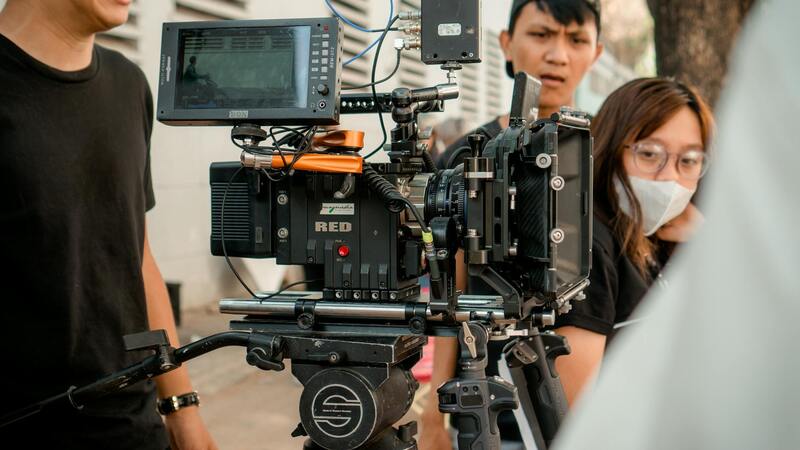
Moreover, live streaming opens up opportunities for audience participation, real-time feedback, and interactive engagement, making it an invaluable tool for marketing strategies and community building. As Miami continues to evolve as a media hub, the demand for high-caliber live streaming solutions grows, prompting many organizations to seek specialized providers capable of delivering high-quality broadcasts that reflect their brand image and meet technical standards.
Types of Live Streaming Solutions Offered
Miami-based live streaming video companies provide a diverse array of solutions tailored to meet the unique needs of different clients and event types. These solutions encompass live event broadcasting, corporate live streams, webinars, and entertainment streams, each with specific features designed to maximize audience engagement and technical robustness.
- Event Broadcasting: Large-scale public and private events, including concerts, festivals, sports events, and citywide celebrations, often require streaming to reach audiences beyond physical venues. These broadcasts demand high bandwidth, multi-camera setups, and professional audio-visual equipment to capture the vibrancy and atmosphere of live gatherings.
- Corporate Live Streams: Brand launches, annual meetings, training sessions, and product demonstrations benefit from professional corporate streaming. These solutions typically include branded overlays, real-time interaction features, and secure access controls to ensure brand consistency and confidentiality.
- Webinars and Virtual Conferences: Educational institutions, technology companies, and industry associations often host webinars to facilitate knowledge sharing and networking. High-quality video feeds, interactive Q&A functionalities, and reliable streaming platforms are integral to successful webinar delivery.
- Entertainment Streams: Live performances, fashion shows, and art exhibitions leverage streaming to reach broader audiences. Customizable visual effects, multi-platform integration, and on-demand options enrich viewer experience and expand event reach beyond physical confines.
These solutions are supported by comprehensive planning and execution services that ensure smooth operation during live broadcasts. Professional companies also incorporate multi-device compatibility, so audiences can access streams seamlessly via PCs, tablets, smartphones, and smart TVs, reinforcing accessibility and engagement across diverse viewer segments.
Key Features of Professional Live Streaming Companies
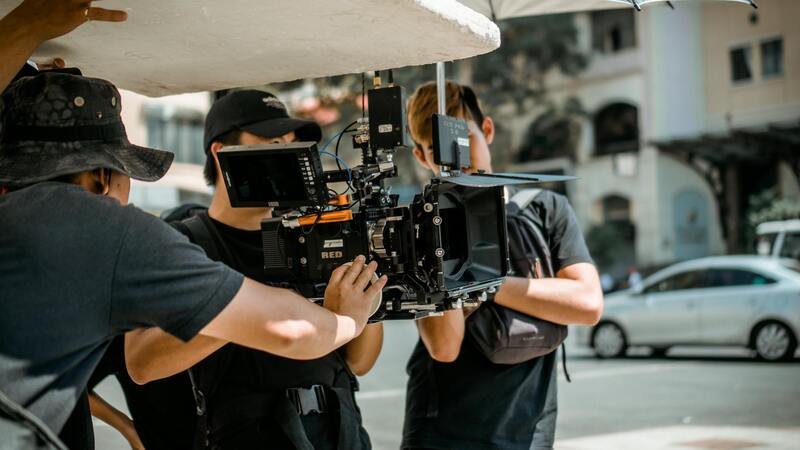
Leading live streaming providers in Miami distinguish themselves through advanced technological capabilities, an experienced crew, and comprehensive service offerings. These key features include:
- High-Definition Video Quality: Ensuring crystal-clear images across platforms, regardless of network conditions.
- Multi-Camera Production: Dynamic camera angles and professional switching create engaging and cinematic broadcasts.
- Reliable Streaming Platforms: Use of robust, scalable platforms that support large audiences without interruptions.
- Interactive Features: Live chat, polls, Q&A sessions, and social media integration foster real-time interaction.
- Custom Branding: Incorporation of logos, overlays, and graphical elements that align with brand identity.
- Post-Event Analytics: Detailed reports on viewer engagement, geographic reach, and technical performance to evaluate success and inform future strategies.
Technologies and Equipment Used
Professional live streaming in Miami relies on advanced hardware and software to deliver high-quality broadcasts. Core technologies include:
- High-Resolution Cameras: Four to 12 camera setups, including PTZ (pan-tilt-zoom) units, for capturing multiple angles.
- Audio Equipment: Lavalier microphones, mixing consoles, and soundproof audio rooms to ensure clear sound.
- Encoding Hardware and Software: Dedicated HD encoders and software encoders that convert raw footage into streamable content.
- Network Infrastructure: Managed high-speed internet connections, backup networks, and CDN (Content Delivery Network) integration for seamless delivery.
- Lighting and Set Design: Professional lighting rigs and staged backgrounds that enhance visual appeal.
Benefits of Hiring a Miami Live Streaming Production Agency
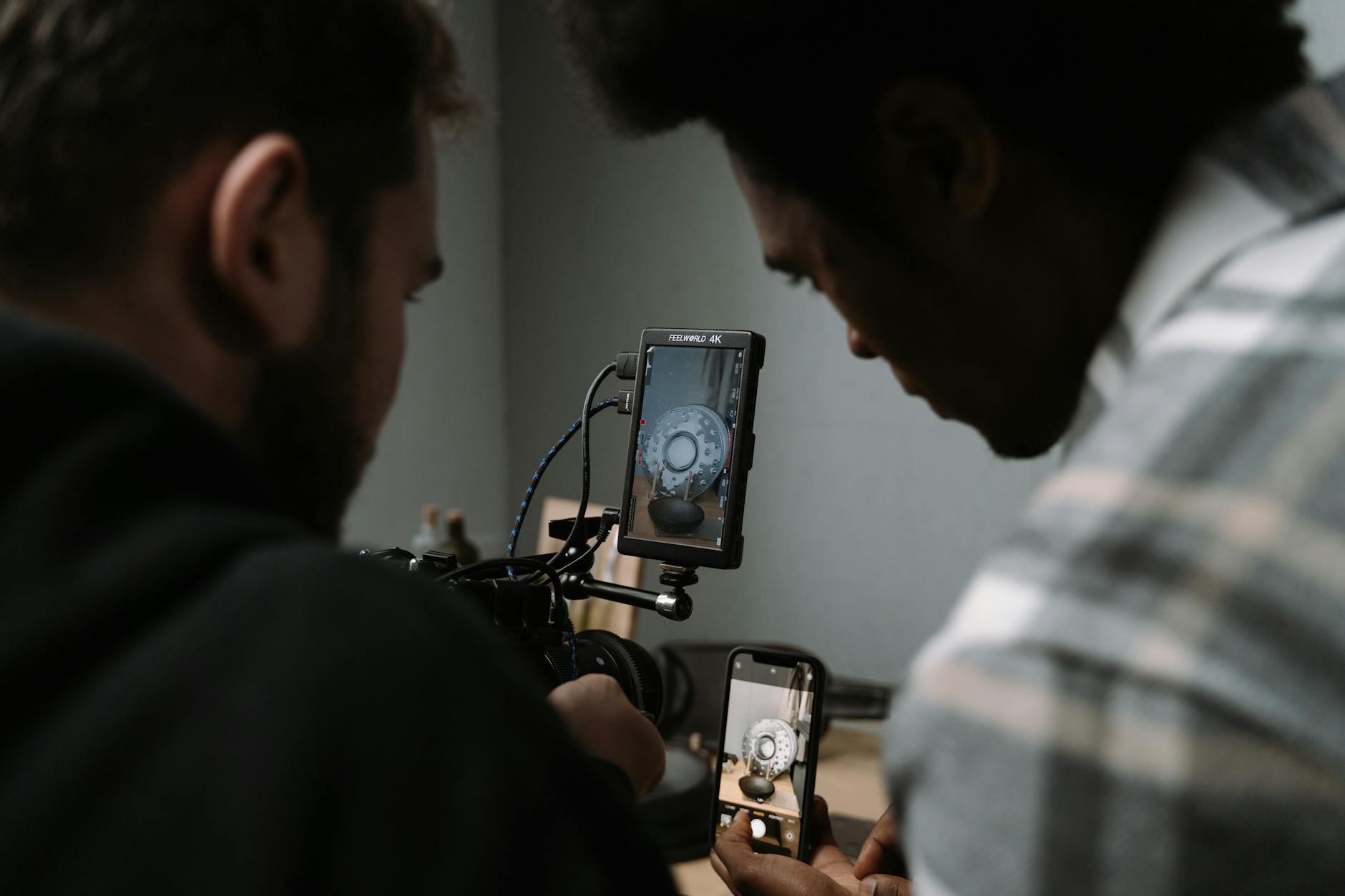
Engaging a professional agency in Miami offers numerous advantages for organizations aiming to maximize their live streaming efforts. These include:
- Technical Expertise: Access to experienced crews skilled in managing complex setups and troubleshooting potential issues live.
- High-Quality Production: Professional equipment and creative direction elevate the visual and audio quality of broadcasts.
- Project Management: End-to-end coordination of production, ensuring timely execution and adherence to event schedules.
- Enhanced Engagement: Interactive features and multimedia integrations foster a lively viewer experience.
- Broad Platform Compatibility: Expertise in streaming across various channels, including social media, corporate websites, and dedicated apps.
- Data and Analytics: Post-event insights aid in refining future strategies and understanding audience behaviors.
Factors to Consider When Choosing a Live Streaming Partner
Selecting the right provider in Miami involves evaluating several critical criteria:
- Technical Capabilities: Ensure the provider offers advanced equipment, scalable platform options, and experience with similar event types.
- Reputation and Past Work: Review case studies, client testimonials, and references to gauge reliability and quality of service.
- Customization and Flexibility: Ability to tailor services to specific event requirements and content strategies.
- Support and Customer Service: Availability of on-site technical support, quick response times, and post-event reporting.
- Pricing and Packages: Clear pricing structures aligned with budget constraints, without compromising essential quality features.
Key features of professional live streaming companies
Leading live streaming video companies in Miami distinguish themselves through a suite of advanced features designed to deliver seamless and engaging broadcasts. These features encompass high-quality video production, multi-camera configurations, real-time editing capabilities, and comprehensive technical support, ensuring that every live event maintains a professional standard that captures the audience's attention and delivers the intended message effectively.
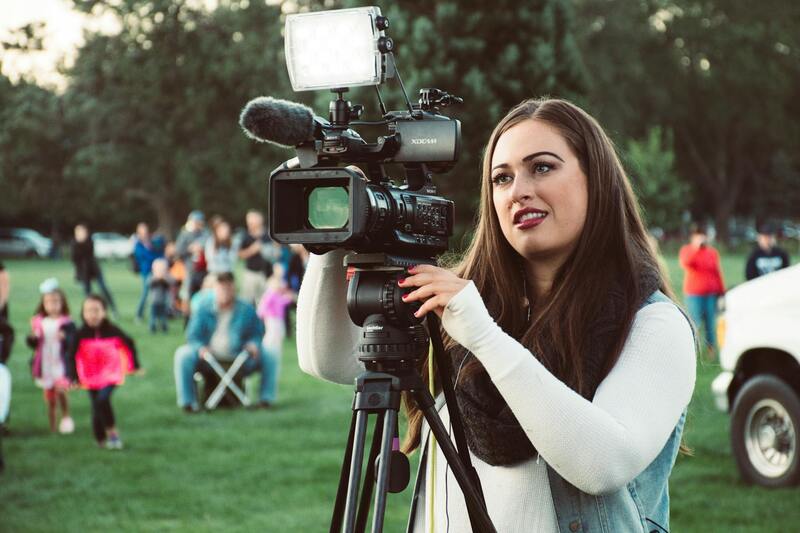
High-quality video production is the backbone of professional live streaming. Miami-based companies typically employ 4K resolution cameras, professional-grade audio equipment, and state-of-the-art lighting solutions to enhance visual clarity and capture every detail with precision. Multi-camera setups allow for varied angles and perspectives, creating a cinematic experience that keeps viewers engaged. Furthermore, these providers often incorporate real-time editing tools that enable switching between different camera feeds, adding graphics, overlays, and lower-thirds seamlessly during the broadcast.
Another critical aspect is technical support, which is available throughout the event duration. Skilled technicians monitor the stream for potential issues, manage data encoding, and troubleshoot connectivity problems swiftly to prevent interruptions. This ensures that the live transmission remains stable and of premium quality, regardless of the event size or complexity.
Beyond equipment and technical prowess, many agencies offer features such as integrated multimedia presentations, live chat options, and audience interaction tools. These facilitate instant viewer engagement, making live streams more participatory and interactive. Post-event analytics tools are also common, giving clients insights into viewer demographics, engagement levels, and streaming performance, which can inform future content strategies.
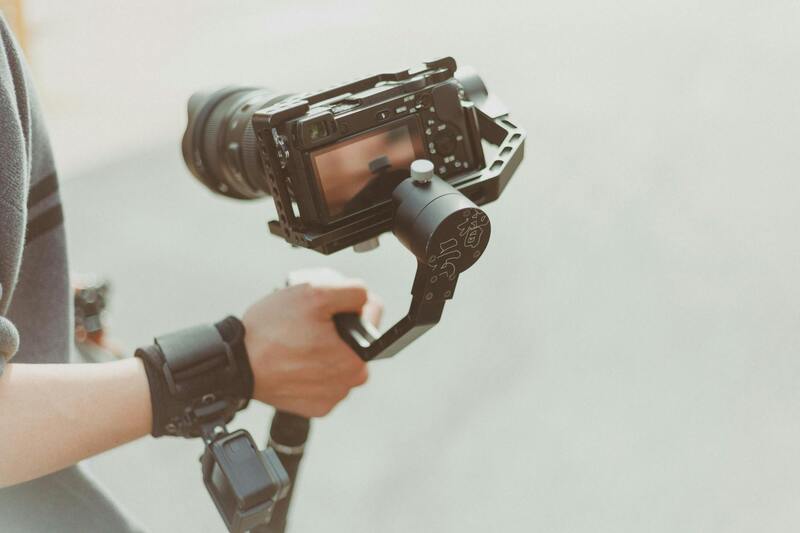
In essence, the key features of professional live streaming companies revolve around their ability to combine sophisticated technology with expert execution. This synergy results in broadcasts that are visually stunning, technically reliable, and highly interactive, meeting the expectations of corporate clients, event organizers, and content creators alike.
Technologies and Equipment Used
For professional live streaming video companies, utilizing cutting-edge technology and state-of-the-art equipment is fundamental to delivering high-quality broadcasts. These companies typically deploy high-definition cameras that capture every detail with clarity and precision. Such cameras often include pan-tilt-zoom (PTZ) systems that allow dynamic shots and seamless transitions, enriching the viewer's experience.
Encoding software plays an essential role in preparing raw footage for transmission. Advanced encoders compress video streams efficiently without compromising quality, enabling smooth playback even on bandwidth-constrained networks. Companies often utilize hardware encoders alongside software-based solutions to optimize performance and reliability.
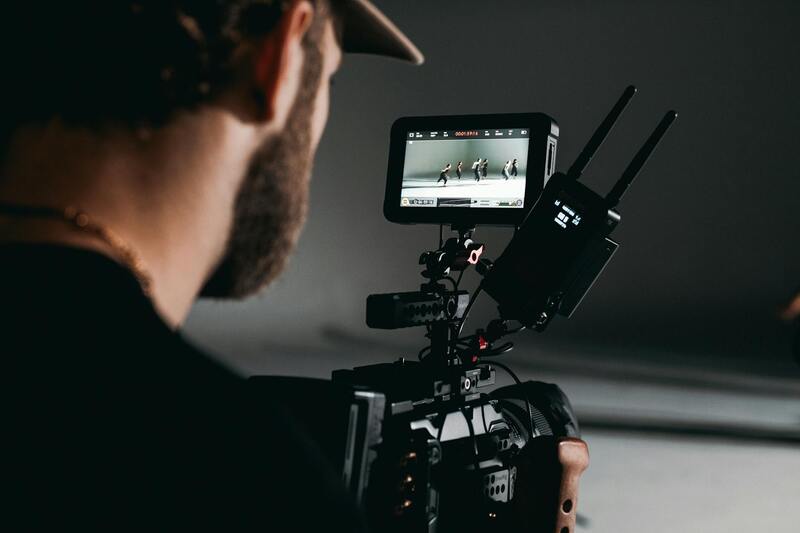
To ensure stability and minimal latency, robust streaming platforms are employed, often integrated with content delivery networks (CDNs) that distribute content across multiple servers geographically. This extensive infrastructure reduces buffering and delays, providing a seamless experience for audiences regardless of their location.
Further, network infrastructure components such as switches, routers, and redundant internet connections are critical for maintaining continuous streams. Backup systems and failover mechanisms are implemented to prevent interruptions due to technical failures or internet outages.
Sound quality is equally important, with companies using professional-grade microphones and audio mixers that capture clear, immersive sound. Digital audio interfaces and real-time audio processing ensure synchronization with video feeds and incorporate live commentary or music seamlessly.
In addition to hardware, these companies leverage various software tools for live production. Multi-camera switching, real-time graphics overlays, titling, and audience interaction features are integrated into the workflow, creating engaging and visually striking broadcasts.
The combination of high-performance equipment, reliable streaming technology, and expert operation ensures that live events are delivered without compromise. This technological foundation forms the backbone of successful live streaming projects in Miami and beyond, enabling companies to cater to diverse client needs—from corporate conferences and sports events to music festivals and cultural celebrations.
Technologies and Equipment Used
Professional live streaming companies in Miami leverage cutting-edge technology to deliver high-quality broadcasts that meet the diverse needs of their clients. Central to this are advanced encoding and transcoding solutions, which ensure that the live video content is optimized for various platforms and bandwidth conditions. State-of-the-art hardware such as high-definition broadcast cameras, professional-grade microphones, and audio mixers are employed to capture pristine visuals and sound, providing an immersive viewer experience.
For seamless streaming, these companies utilize robust hardware infrastructure, including multi-core servers and dedicated streaming encoders. These devices facilitate real-time encoding, allowing live footage to be transmitted efficiently without lag or degradation in quality. Additionally, high-capacity content delivery networks (CDNs) distribute streams across multiple servers globally, minimizing buffering and latency issues for viewers regardless of their geographic location.
Hardware redundancy is a critical aspect, with backup internet connections, power supplies, and failover systems in place to prevent disruptions during live events. Reliable networking hardware such as enterprise-grade routers and switches are used to maintain stable data flow. On the video production side, multi-camera setups enable dynamic angles and professional switching, enhancing viewer engagement.
Technologies and equipment used
Professional live streaming companies in Miami leverage a comprehensive suite of cutting-edge technologies and state-of-the-art equipment to deliver seamless broadcast experiences. Central to this setup are high-definition cameras, which capture visuals with clarity and detail that engage viewers across diverse devices. These cameras range from fixed studio models to mobile units, adaptable to a variety of event environments.
Hardware switchers facilitate real-time video mixing, allowing producers to toggle between multiple camera feeds, add graphics, and insert pre-recorded segments. This dynamic switching creates a cohesive, professional flow for the broadcast, elevating the overall production quality. Complementing these are high-performance video encoders, responsible for compressing and transmitting live footage to streaming platforms with minimal latency and maximum fidelity.
Reliable audio technology is equally vital, with professional microphones, sound mixers, and audio interfaces ensuring crisp sound that complements high-quality visuals. The use of wireless microphones and in-ear monitoring allows for flexible movement by hosts and presenters without sacrificing audio clarity.
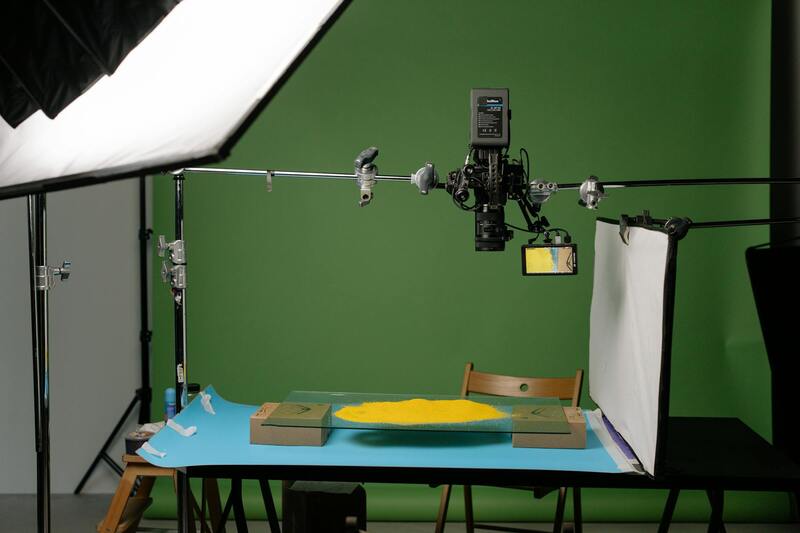
Networking hardware such as enterprise-grade routers, switches, and firewalls underpin the stability of the live stream, preventing disruptions caused by bandwidth limitations or network failures. Multiple internet connections, including fiber-optic lines and LTE/5G backups, are often employed to ensure consistent data flow. Load balancing software dynamically directs traffic to prevent bottlenecks, maintaining stream quality even under high viewer demand.
On the software front, live production platforms provide comprehensive control over the broadcast. These solutions enable live switching, graphics overlay, real-time titling, transitions, and interactive features like on-screen polls and viewer comments. Cloud-based services facilitate remote operation and scalability, allowing Miami-based companies to handle events ranging from small webinars to large festivals with multiple simultaneous streams.
From stabilization rigs and jibs to lighting systems designed specifically for live environments, each piece of equipment is chosen based on the specific requirements of the event. High-quality lighting enhances the visual aesthetic, especially in indoor settings where ambient light may be insufficient or inconsistent. For outdoor venues, weather-resistant equipment ensures durability and uninterrupted operation.
All these technological components are seamlessly integrated by skilled production teams, ensuring that each element functions harmoniously to produce a captivating live stream. The use of real-time monitoring tools allows operators to detect and resolve issues promptly, maintaining the broadcast’s integrity and quality at all times.
Key Technologies and Equipment Used in Professional Live Streaming
Professional live streaming companies in Miami leverage a sophisticated array of technologies and equipment to deliver high-quality broadcasts. Central to these setups are robust video capture devices, including multiple high-definition cameras combined with switchers that enable seamless transitions and live editing. These cameras are often outfitted with advanced lenses for sharper focus and better depth of field, contributing to a visually compelling stream.
Audio clarity is equally important and is achieved through high-fidelity microphones, audio mixers, and noise-canceling devices. These components ensure that sound remains clear and synchronized with the video feed, even in complex environments with ambient noise or live audience reactions.
Transition and Graphics Integration
Professional solutions incorporate hardware and software tools for live graphics overlays, lower thirds, and real-time titling. These features add informational and branding elements to the broadcast, enhancing viewer engagement. Video switchers and control panels enable operators to manage multiple video sources smoothly, ensuring dynamic and polished presentations.
Encoding and Streaming Hardware
Encoding devices transform raw video signals into data streams that can be efficiently transmitted over the internet. Advanced encoders support adaptive bitrates, which adjust the quality based on viewer bandwidth, maintaining smooth playback across devices. These are connected to content delivery networks (CDNs) that distribute streams globally, ensuring minimal latency and buffering.
Networking Infrastructure
To guarantee stable streams, Miami live streaming companies employ dedicated high-speed internet connections, often utilizing fiber optics paired with backup solutions like LTE or 5G networks. Load balancing and traffic management tools distribute bandwidth effectively, avoiding bottlenecks during peak viewer periods. Real-time network monitoring further assures consistent quality and immediate troubleshooting if issues arise.
Support and Monitoring Technologies
Real-time monitoring tools track stream health, viewer metrics, and signal integrity. These systems enable production teams to promptly address any technical disruptions, ensuring a flawless broadcast. Moreover, remote control interfaces allow operators to oversee multiple aspects of the stream from various locations, providing flexibility and rapid response capabilities.
By integrating these advanced technologies and equipment, Miami’s live streaming companies deliver professional-grade broadcasts that cater to diverse client needs—ranging from corporate seminars to large-scale entertainment events.
Advanced Delivery and Network Optimization
Professional live streaming companies in Miami leverage cutting-edge technologies to provide seamless broadcasting experiences. Content delivery relies heavily on sophisticated Content Delivery Networks (CDNs), which distribute streams across multiple servers globally to minimize latency and buffer issues. This infrastructure ensures viewers receive high-quality, uninterrupted streams regardless of their geographic locations or connection speeds.
To maintain broadcast stability, providers employ dedicated fiber optic internet connections, augmented by backup systems such as LTE or 5G networks. This layered approach guarantees continuous stream delivery even during primary connection disruptions. Load balancing and traffic management tools efficiently allocate bandwidth, effectively preventing network overloads during high traffic periods. Real-time network monitoring tools offer immediate insight into stream health, enabling rapid detection and resolution of issues before viewers experience disruptions.
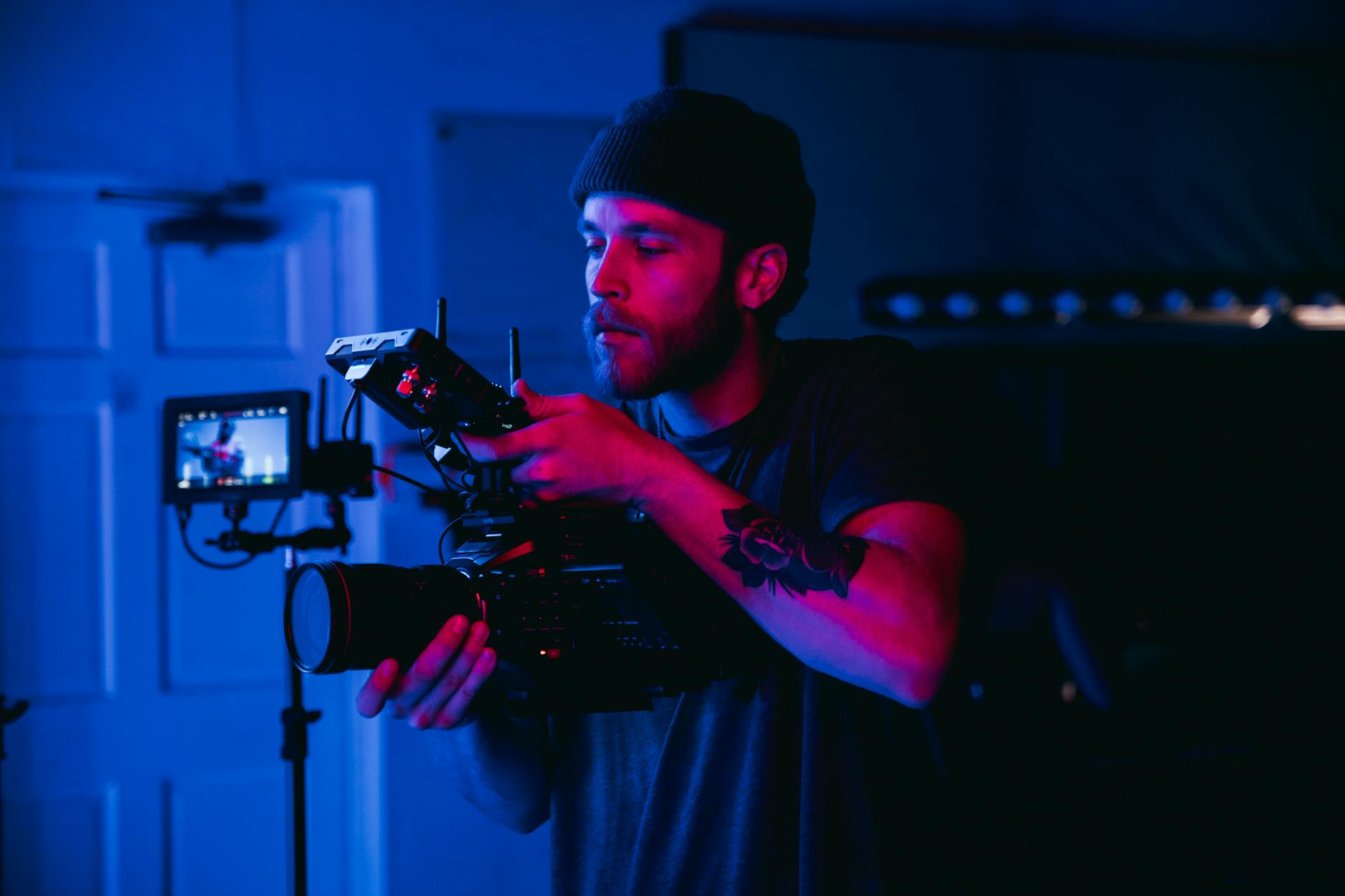
Support and Monitoring Technologies for a Flawless Broadcast
Stability in live streaming is further reinforced by advanced support and monitoring systems. These tools continuously track signal quality, viewer engagement metrics, and technical performance. They allow production teams to swiftly identify problems such as signal degradation or synchronization errors. Control interfaces accessible remotely enable operators to oversee the entire broadcast process from various locations, ensuring quick intervention when necessary.
Emerging Technologies Shaping the Future of Live Streaming
Looking toward future developments, live streaming solutions are increasingly adopting emerging technologies such as 4K and 8K video resolutions, augmented reality (AR), and virtual reality (VR). These innovations enhance viewer immersion and engagement. Artificial intelligence (AI) and machine learning are being integrated for real-time content moderation, personalized viewer experiences, and predictive analysis for stream optimization.
Interactivity is set to become more prominent, with features like live chat, real-time polls, and social media integration becoming standard to foster audience participation. As demand for live content continues to grow, Miami-based live streaming companies are investing in scalable cloud infrastructure and 5G networks to support larger audiences and more sophisticated broadcast formats.