Understanding Broadcast Company for Live Stream Services
In the rapidly evolving landscape of digital media, a broadcast company specializing in live stream services plays a pivotal role in delivering real-time content to viewers around the globe. These companies harness advanced technology and skilled personnel to ensure seamless live event coverage, whether it involves corporate conferences, concerts, sports events, or community gatherings.
The core offerings of a broadcast company for live streaming include comprehensive production management, high-quality video and audio capture, and efficient distribution channels. Their services typically encompass pre-event planning, setting up broadcast infrastructure, staging on-site production, and post-event content management. This holistic approach guarantees that every aspect of the live stream aligns with the event’s objectives and audience expectations.

Leveraging cutting-edge broadcasting technology, these companies enable real-time transmission with minimal latency, robust connectivity, and scalable solutions to accommodate varying viewer loads. They also offer multi-platform streaming capabilities, allowing content to reach audiences on social media, corporate websites, and third-party streaming services simultaneously.
Proficiency in managing live broadcasts not only requires technical skill but also the ability to adapt quickly to on-the-fly changes, troubleshoot technical issues, and coordinate with event organizers. The expertise of a broadcast company ensures a polished, engaging viewer experience that maximizes engagement and impact.
As live streaming continues to grow as a preferred method of content consumption, the role of a professional broadcast company becomes increasingly vital. They serve as the bridge between content creators and their audiences, transforming live events into accessible, high-quality digital experiences.

Essential Technical Capabilities for Broadcast Company Selection
When evaluating a broadcast company for live stream services, it is imperative to prioritize their technical expertise and infrastructure. This encompasses the deployment of high-quality, industry-standard equipment such as professional-grade cameras, switchers, audio mixing consoles, and encoders. Equally important is their capacity to manage reliable uplink and downlink connectivity, ensuring consistent, high-bandwidth streams that minimize buffering and latency.
Advanced streaming technologies like adaptive bitrate streaming are crucial for delivering a seamless viewing experience across diverse network conditions. Companies should also utilize multi-platform streaming software, enabling simultaneous content distribution across social media channels, streaming platforms, and dedicated websites. Their ability to integrate these systems smoothly is fundamental to maximizing reach and viewer engagement.
Experience and Industry Knowledge
An experienced broadcast partner demonstrates a deep understanding of various event types, audience engagement strategies, and broadcast standards. Their portfolio should include a variety of successful projects, reflecting versatility in handling live sports, corporate webinars, cultural festivals, and other high-profile events. Technical proficiency in managing live feeds, troubleshooting real-time issues, and adapting to unforeseen challenges is essential for ensuring a smooth broadcast.
Furthermore, industry knowledge extends to familiarity with regulatory compliance, content security, and data protection protocols. This expertise cultivates a dependable partnership capable of delivering high-quality broadcasts regardless of event complexity or scale.
Range of Service Offerings
Leading broadcast companies offer comprehensive package options to suit diverse client needs. These may include:
- Pre-event planning and technical consultation
- On-site production and multi-camera coverage
- Real-time editing and graphics overlay
- Audio mixing and sound design
- Post-event content archiving and on-demand streaming
Choosing a provider with a broad spectrum of services ensures seamless integration from initial planning through to live broadcast and post-event analysis, increasing overall efficiency and effectiveness.
Reputation and Client Feedback
A company's reputation is a tangible indicator of their reliability and quality. Investigating client testimonials, case studies, and industry awards can provide insights into their service standards. Positive feedback highlighting punctuality, professionalism, technical competence, and customer support reinforces confidence in their ability to deliver successful live streams.
Partnerships with reputable industry organizations and ongoing professional development further demonstrate a commitment to excellence and consistency in service delivery.
Understanding Broadcast Company for Live Stream Services
Choosing a broadcast company for live streaming involves a comprehensive understanding of the technical and operational capabilities necessary to deliver high-quality content reliably. These companies utilize a combination of professional-grade equipment, cutting-edge technology, and experienced personnel to manage every aspect of the live stream, from initial setup to seamless transmission. Their expertise spans network stability, signal encoding, and distribution methods, ensuring viewers experience minimal buffering and high-definition visuals regardless of geographical barriers or event complexity. A proficient broadcast company also assesses bandwidth requirements, ensures compatibility with various platforms, and provides contingency plans to handle unforeseen technical issues swiftly. Their role extends to optimizing the viewing experience through adaptive streaming technologies, which adjust the quality based on viewer internet connectivity, thereby maintaining consistency and viewer engagement. Engaging with a broadcast partner that possesses a thorough understanding of live streaming infrastructure guarantees a professional presentation that aligns with the event's objectives, whether they involve live audience interaction, corporate announcements, or entertainment broadcasts. This partnership is vital in delivering impactful content that meets industry standards and exceeds audience expectations, reinforcing brand authority and audience trust in your live streaming initiatives.
Key Factors When Selecting a Live Stream Broadcast Partner
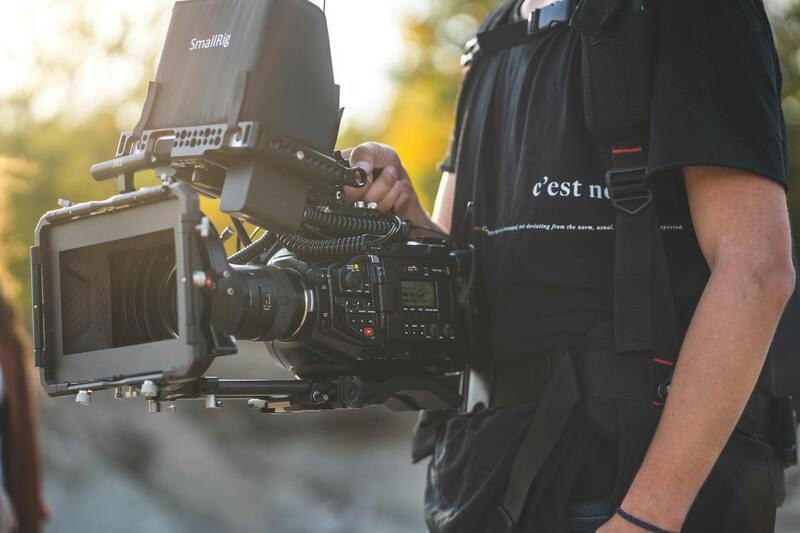
To ensure a successful live streaming event, careful consideration must be given to the capabilities, experience, and resources of the broadcast company. Critical factors to evaluate include the company’s technical expertise, experience with similar event types, and capacity to handle streaming at the required scale. Proven proficiency in utilizing multi-camera setups, real-time editing, and graphics overlay enhances viewer engagement and professionalism. Additionally, the provider’s infrastructure—such as reliable internet connectivity, redundant systems, and state-of-the-art broadcasting equipment—directly influences the quality and stability of the stream. The company’s grasp of streaming protocols, security measures to protect content, and compliance with industry standards promote a secure and resilient broadcast environment. Client service levels, including communication transparency, responsiveness, and post-event support, also play a significant role in ensuring a smooth workflow. Choosing a partner with a strong reputation for punctuality, technical excellence, and customer support creates a dependable foundation for your live stream, ultimately contributing to a successful event that aligns with your strategic goals and audience expectations.
Equipment and Technology Used in Live Stream Broadcasting
Delivering a seamless live streaming experience hinges on utilizing cutting-edge audiovisual (AV) equipment and robust broadcasting technology. Professional broadcast companies employ multi-camera setups that deliver dynamic visuals from various angles, enhancing viewer engagement and providing a cinematic quality to streams. High-definition cameras with adjustable lenses capture clear, detailed images, critical for professional presentations, concerts, or corporate events. These cameras are often synchronized with advanced video switchers, allowing real-time scene transitions, graphics overlays, and picture-in-picture effects, all managed by experienced technical operators.
To ensure uninterrupted service, broadcast companies integrate high-performance streaming platforms compatible with multiple content delivery networks (CDNs). These platforms facilitate adaptive bitrate streaming, automatically adjusting video quality based on the viewer’s internet connection, thus minimizing buffering and lag. Reliable internet connectivity is paramount; professional broadcast companies typically invest in fiber optic lines and redundant internet connections, ensuring continuity even during outages or network fluctuations.
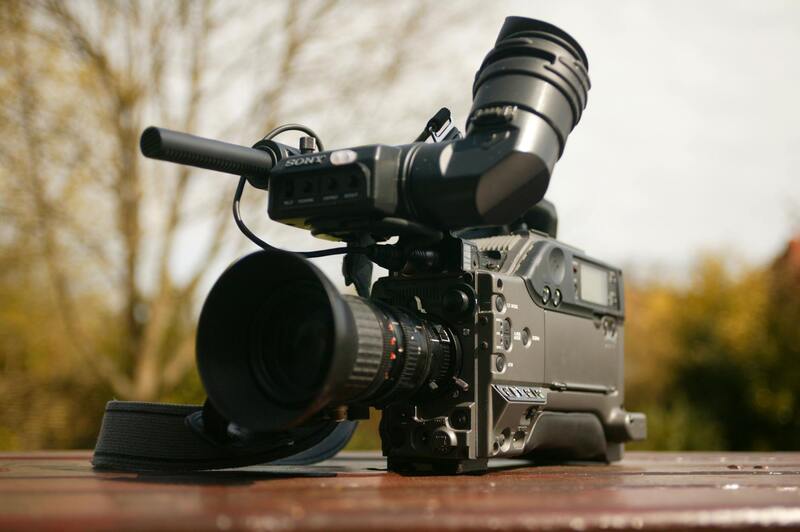
Backup systems form a critical component of resilient live streaming operations. Backup encoders, power supplies, and secondary internet links are systematically integrated to take over instantaneously if primary systems fail. Live production management includes on-site control rooms equipped with real-time editing software, graphics workstations, and monitoring tools that allow producers to oversee the broadcast continuously and make on-the-fly visual adjustments. This sophisticated technological ecosystem guarantees a stable and professional streaming experience capable of handling the complexities of live event production.
Furthermore, security measures such as encryption and access controls protect streamed content from unauthorized viewing or piracy, ensuring the integrity of your broadcast. The combination of advanced AV equipment, intelligent streaming platforms, and comprehensive backup protocols forms the backbone of a reliable and high-quality live streaming service.
Types of Live Streaming Services Provided by Miami Production Agencies
Miami-based production agencies specializing in live streaming offer a diverse range of services tailored to meet the unique needs of clients across various industries. These services encompass everything from simple live event broadcasting to complex multi-camera productions, ensuring high-quality delivery suitable for digital audiences worldwide.
One of the core services is single-camera live streaming, ideal for small events such as webinars, corporate updates, or niche presentations. This straightforward approach typically involves a single high-definition camera, basic audio equipment, and a reliable streaming platform. Despite its simplicity, professional agencies ensure seamless operation through meticulous setup and real-time monitoring.

For larger or more dynamic events, multi-camera live streams provide a comprehensive solution that captures multiple angles and allows for a more engaging viewer experience. These setups often include three or more cameras, switchers, professional lighting, and sophisticated audio systems. Operators coordinate camera feeds and visuals, delivering a polished broadcast that can mimic traditional television production quality.
Another crucial service is remote live streaming production. This involves managing broadcasts from off-site locations using dedicated control rooms or cloud-based platforms. Remote production enables high-caliber content delivery without the need for extensive on-site infrastructure, making it an efficient choice for live sports, interviews, or hybrid events combining in-person and virtual participation.
Furthermore, agencies frequently provide live streaming for social media platforms. This includes customizing content for multiple channels such as Facebook Live, YouTube Live, or Instagram, optimizing the stream for each platform's specifications. This approach maximizes audience reach and engagement, leveraging the native features of social media to foster real-time interaction and feedback.
Additionally, many Miami production companies extend their services to include live event graphics and overlays which enhance the broadcast with branding, sponsor logos, real-time statistics, and visual effects. These elements contribute to a more professional presentation and increased viewer retention.

Customizable options for on-demand replays and highlight compilations are also available, offering clients lasting content assets for post-event promotion and archival purposes. Overall, these diverse service offerings from Miami broadcast specialists ensure tailored solutions that elevate the quality, engagement, and reach of live streaming events across sectors including corporate, entertainment, education, and community outreach.
Understanding Broadcast Company for Live Stream Services
Choosing a reliable broadcast company for live streaming involves evaluating multiple components that ensure seamless content delivery. These companies specialize in providing end-to-end solutions tailored to various event types, from corporate conferences to entertainment festivals. Central to their service offerings is the deployment of cutting-edge infrastructure, including professional-grade cameras, high-bandwidth internet connections, and advanced encoding hardware. This setup ensures the live stream maintains optimal video and audio quality across multiple viewing platforms.
Moreover, a proficient broadcast company for live streaming will have experienced technical crews capable of managing complex production tasks, such as switching between multiple camera angles, integrating on-screen graphics, and handling live commentary. They often utilize redundant systems and backup equipment to mitigate the risk of technical failures, thus guaranteeing uninterrupted broadcasts. Additionally, comprehensive pre-event planning sessions facilitate detailed coordination, ensuring all technical and content elements align perfectly for the live broadcast process.

Recognizing the importance of content compatibility with various streaming platforms is also essential. A reputable broadcast company's service includes optimizing the stream for social media channels like Facebook, YouTube, or Instagram through customizable encoders and adaptive bitrate streaming. This approach improves viewer experience by reducing buffering issues and automatically adjusting the video quality based on viewers' internet speeds.
Staff training and real-time monitoring constitute integral parts of a broadcast company's operations to promptly address any issues during the live event. They also offer post-broadcast support, including data analytics, viewer engagement metrics, and content archiving, which are vital for assessing success and planning future events.
Key Factors When Selecting a Live Stream Broadcast Partner
Evaluating potential broadcast companies hinges on several critical factors that directly impact broadcast quality and reliability. The first consideration should be their technical capabilities, including access to high-definition broadcasting equipment, stable internet solutions, and innovative streaming software. Experience in managing live events of similar scale and complexity provides an added layer of confidence in their expertise.
- Track Record and Portfolio: Review their previous work to gauge the quality and scope of their live streaming projects.
- Technical Support: Ensure they offer dedicated support teams that can troubleshoot issues in real-time.
- Customization Options: Look for flexible services that allow branding integrations, overlay graphics, and multi-platform streaming capabilities.
- Compliance and Certifications: Verify adherence to safety protocols and industry standards for broadcast operations.
- Pricing Transparency: Clear breakdowns of costs, including potential additional fees for specialized features or last-minute adjustments.
Equipment and Technology Used in Live Stream Broadcasting
The backbone of successful live streams is the robust technology infrastructure employed by broadcast companies. This includes high-definition cameras that provide crisp visuals and professional-grade audio capture systems that ensure clear sound quality. State-of-the-art video encoders compile and compress the content for efficient transmission over the internet, supporting high-resolution feeds without buffering issues.
To minimize latency and prevent downtime, multi-layered internet connections utilizing fiber optics and bonded broadband solutions are common. Cloud-based encoding platforms enable scalable streaming options that can adapt to fluctuating audience sizes. Additionally, real-time switching towers and graphics engines enhance production value, allowing dynamic insertion of overlays, sponsor logos, and live statistics that add professionalism and engagement to the broadcast.

Advancements in mobile streaming technology have also expanded possibilities, letting broadcasters deliver high-quality streams in remote or unconventional locations. The integration of 5G networks and portable broadcasting units enables flexible and rapid deployment, making live streaming more accessible across diverse settings while maintaining technical excellence.
Understanding Broadcast Company for Live Stream Services
Choosing an appropriate broadcast company for live streaming involves evaluating their ability to deliver consistent, high-quality content tailored to your specific needs. Such companies utilize advanced technology and expert personnel to ensure seamless transmission, whether for corporate events, concerts, or live news coverage. Their expertise covers a broad spectrum of production quality, from pre-event planning to post-broadcast analysis, ensuring every aspect of the live stream aligns with your objectives. It’s crucial to understand that reputable broadcast companies have a proven track record, demonstrating their proficiency through client testimonials, portfolio showcases, and adherence to industry standards.

Many leading broadcast companies utilize state-of-the-art equipment, including 4K cameras, professional audio systems, and reliable encoding solutions, to deliver crisp visuals and clear audio to audiences worldwide. Their infrastructure often includes redundant internet connections, such as fiber optic links and LTE/5G networks, ensuring uninterrupted streams even during high traffic volumes or technical disruptions. Furthermore, experienced broadcast professionals oversee every stage of the live event—from setup and testing to broadcast management and troubleshooting—guaranteeing the highest operational standards are met.
Key Factors When Selecting a Live Stream Broadcast Partner
- Technical Expertise and Equipment: Confirm their use of current high-definition cameras, robust audio systems, and reliable encoding platforms.
- Reputation and Experience: Review their portfolio to assess their capability in handling events similar to yours, including scale and complexity.
- Customization and Flexibility: Ensure they can tailor services to your specific event requirements, including interactive features or multi-camera setups.
- Support and Reliability: Evaluate their responsiveness support and backup solutions to handle unforeseen incidents smoothly.
- Cost Transparency: Seek detailed quotes that outline all fees, including those for specialized features and potential additional costs.
Types of Live Streaming Services Provided by Miami Production Agencies
Miami-based production agencies offer an array of live streaming solutions designed to cater to diverse client needs. These services include:
- Corporate Live Streams: For product launches, webinars, and company announcements, focusing on professional presentation and audience engagement.
- Event Broadcasts: Covering concerts, conferences, or sporting events with multiple camera angles and real-time graphics.
- News and Media Streaming: Delivering live updates and reports with fast turnaround times and high production quality.
- Educational Live Streams: Facilitating remote teaching sessions, workshops, and seminars with interactive features.
- Hybrid Events: Combining in-person attendance with virtual streaming to broaden reach and accessibility.
Equipment and Technology Used in Live Stream Broadcasting
The backbone of effective live streaming lies in the deployment of cutting-edge technology. This includes professional-grade cameras capable of capturing high-resolution footage, ensuring that viewers experience crisp, detailed visuals. Audio quality is enhanced through the use of sophisticated microphones and digital mixing consoles to deliver clear, undistorted sound. Modern broadcast solutions employ hardware encoders, which optimize video and audio signals for streaming, supported by cloud-based encoding platforms for scalability.
Connectivity is equally vital. Reliable, multi-layered internet connections utilizing fiber optics, bonded broadband, and 5G networks are common to prevent buffering and reduce latency. These connections ensure the stream remains stable regardless of audience size or network fluctuations. Mobile broadcasting units equipped with portable equipment and LTE/5G capabilities have expanded the possibilities of live streaming from remote locations, festivals, or venues lacking fixed infrastructure. Advanced software features such as real-time graphics overlays, live statistic insertion, and multi-camera switching further enhance the quality, making content more engaging and professional.
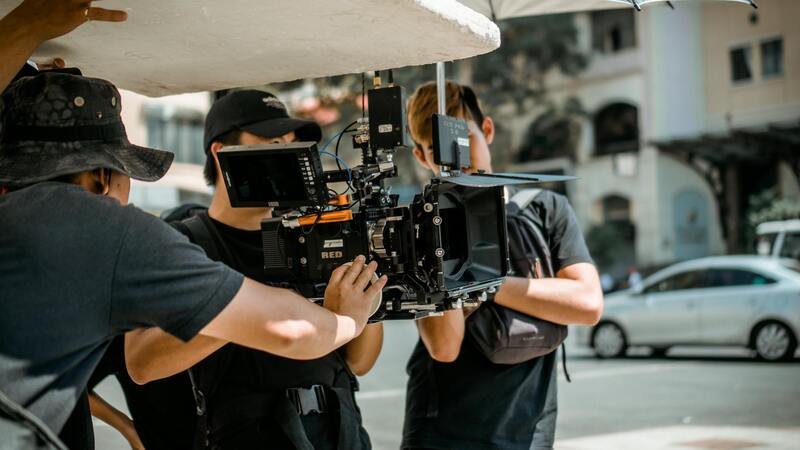
Overall, the combination of top-tier hardware and reliable connectivity forms the foundation of successful live streaming projects. As technology continues to evolve, integration of new tools like 4K streaming, 8K cameras, and AI-driven production automation will offer even greater possibilities for high-quality, adaptable live broadcasts.
Understanding Broadcast Company for Live Stream Services
Partnering with a professional broadcast company for live streaming involves comprehending the full scope of their offerings and operational practices. These companies specialize in delivering high-quality, uninterrupted live video content across various digital platforms, ensuring wide reach and viewer engagement. Their expertise encompasses comprehensive planning, technical setup, and real-time management to produce a seamless streaming experience that aligns with the specific needs of each event or broadcast. Such companies employ a team of skilled technicians, producers, and engineers dedicated to maintaining high standards of video and audio quality, adhering to industry best practices for latency reduction, stream stability, and viewer interaction.
Core Responsibilities of a Broadcast Company in Live Streaming
- Pre-production planning, including content scripting, scheduling, and technical rehearsals.
- Multi-camera setup for varied shots, including aerial, studio, and remote feeds.
- Hardware and software encoding solutions to ensure optimal video quality tailored for various viewing devices.
- Real-time video mixing, graphics overlays, and live switching to enhance viewer engagement.
- Audio engineering to deliver clear sound, minimizing background noise and echo.
- Connectivity management, utilizing redundant internet sources to prevent stream interruptions.
- Post-broadcast analytics to evaluate viewer engagement and technical performance for future improvements.
Maintaining Quality and Reliability in Live Broadcasts
Broadcast companies utilize an array of advanced equipment, including high-definition cameras, professional microphones, and hardware encoders. These components are integrated into a synchronized system managed by skilled technicians to coordinate live switching, overlays, and seamless transitions. Connectivity infrastructure plays a pivotal role; service providers often rely on fiber optic lines, bonded broadband, and 5G networks to provide the bandwidth needed for uninterrupted streams, even during peak traffic times. Such redundancy ensures the broadcast remains smooth, avoiding buffering or dropout issues.
Security and Compliance in Live Streaming
Ensuring the security of live streams is critical, especially for sensitive events or corporate broadcasts. Broadcast companies implement encryption protocols to safeguard content against unauthorized access during transmission. Additionally, they adhere to industry regulations regarding data privacy and content rights, delivering peace of mind to clients by managing rights management and geo-restrictions as needed. This disciplined approach to security supports a professional broadcast that maintains audience trust and brand integrity.