Understanding Live Stream Video Production
Live stream video production has become a cornerstone of modern digital communication, blending real-time broadcasting with sophisticated technical execution. For Miami-based businesses and event organizers, harnessing effective live streaming capabilities enables direct engagement with audiences, whether for corporate conferences, product launches, or cultural events. This process involves a complex interplay of technology, planning, and execution, aiming to deliver seamless and high-quality content to viewers across various platforms.
Core components of live streaming encompass video capturing devices, encoding hardware, a reliable internet connection, and a streaming server. These elements work in tandem to ensure that the video content is transmitted with minimal delay and maximum clarity. The production team must understand the importance of each element, from high-definition cameras capturing the event atmosphere to professional-grade microphones ensuring clear audio. The choice of streaming platform and the method of deployment are equally vital, influencing accessibility and viewer engagement.
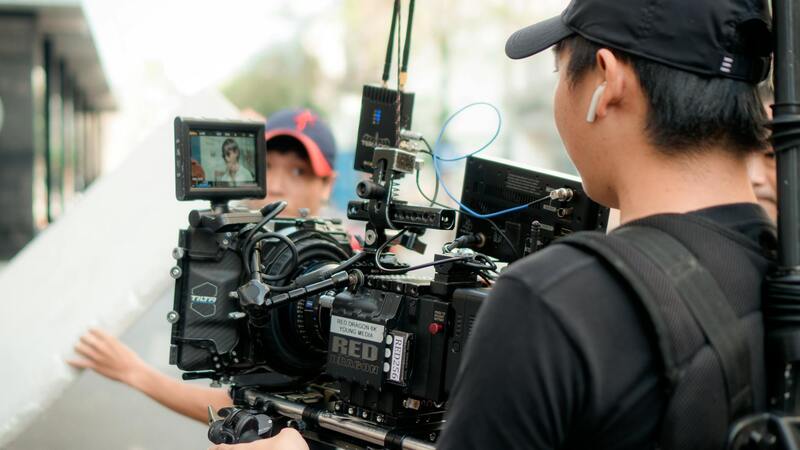
In the context of Miami, a city renowned for its vibrant events, diverse business landscape, and artistic expressions, live streaming extends the reach and impact of onsite events into the global sphere. Whether broadcasting a high-stakes business presentation or a cultural festival, live streaming delivers immediacy, authenticity, and broad audience participation. It transforms traditional event formats into interactive digital experiences, fostering greater visibility and engagement.
Successful live streaming relies heavily on understanding the fundamental stages involved—from initial conception to final broadcast. These stages include meticulous planning, technical setup, execution during the event, and post-broadcast analysis. Each phase requires specialized knowledge and resource coordination. Given the high expectations for quality and reliability, Miami-based organizations typically work with experienced production teams that possess strong technical expertise and a comprehensive understanding of the local event landscape.
As live streaming technology continues to evolve, so does the need for reliable infrastructure and innovative approaches. Advances in hardware and software now facilitate multi-camera setups, real-time graphics, and interactive features that enhance viewer experience. For Miami's business community and event planners, mastering these elements is crucial to delivering compelling live content that resonates with audiences, elevates brand presence, and generates tangible results.
Understanding Live Stream Video Production
In the realm of live stream video production, meticulous planning and precise execution are essential to delivering a seamless experience that captivates viewers and fulfills client objectives. This process demands a comprehensive understanding of both technological components and strategic considerations, ensuring that each element aligns to produce a high-quality broadcast. Miami's vibrant event scene necessitates adept production teams equipped with cutting-edge tools and in-depth industry knowledge, capable of managing the complexities of dynamic live streaming environments.
Detailed Technical Planning
Before initiating a live stream, producers must assess the scope of the project thoroughly. This includes identifying target audiences, defining the core message, and establishing clear objectives. Technical planning involves selecting appropriate equipment, software, and platforms that match the production's scale and quality requirements. During this phase, considerations such as video resolution, audio fidelity, latency, and redundancy measures are critically evaluated to mitigate potential disruptions and ensure stability throughout the broadcast.
Coordination and Team Roles
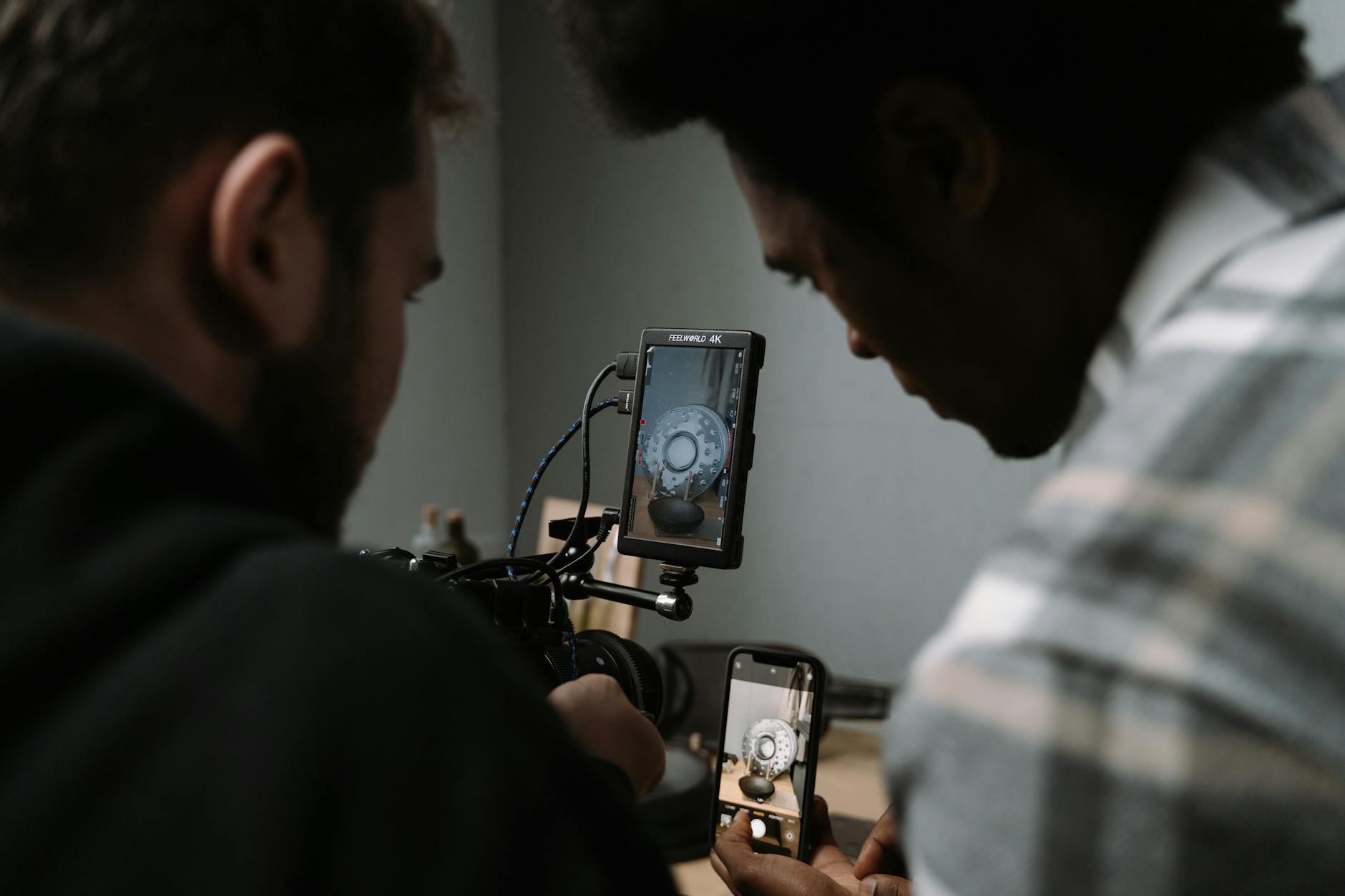
An effective live stream depends on clearly defined roles within the production team. Key positions typically include a director managing the overall broadcast, camera operators capturing visuals, audio technicians ensuring sound clarity, and technical support staff handling equipment and connectivity issues. Communication among team members must be streamlined through dedicated channels, often utilizing walkie-talkies or specialized software, to respond swiftly to real-time challenges and maintain a cohesive flow.
Utilizing Advanced Technology
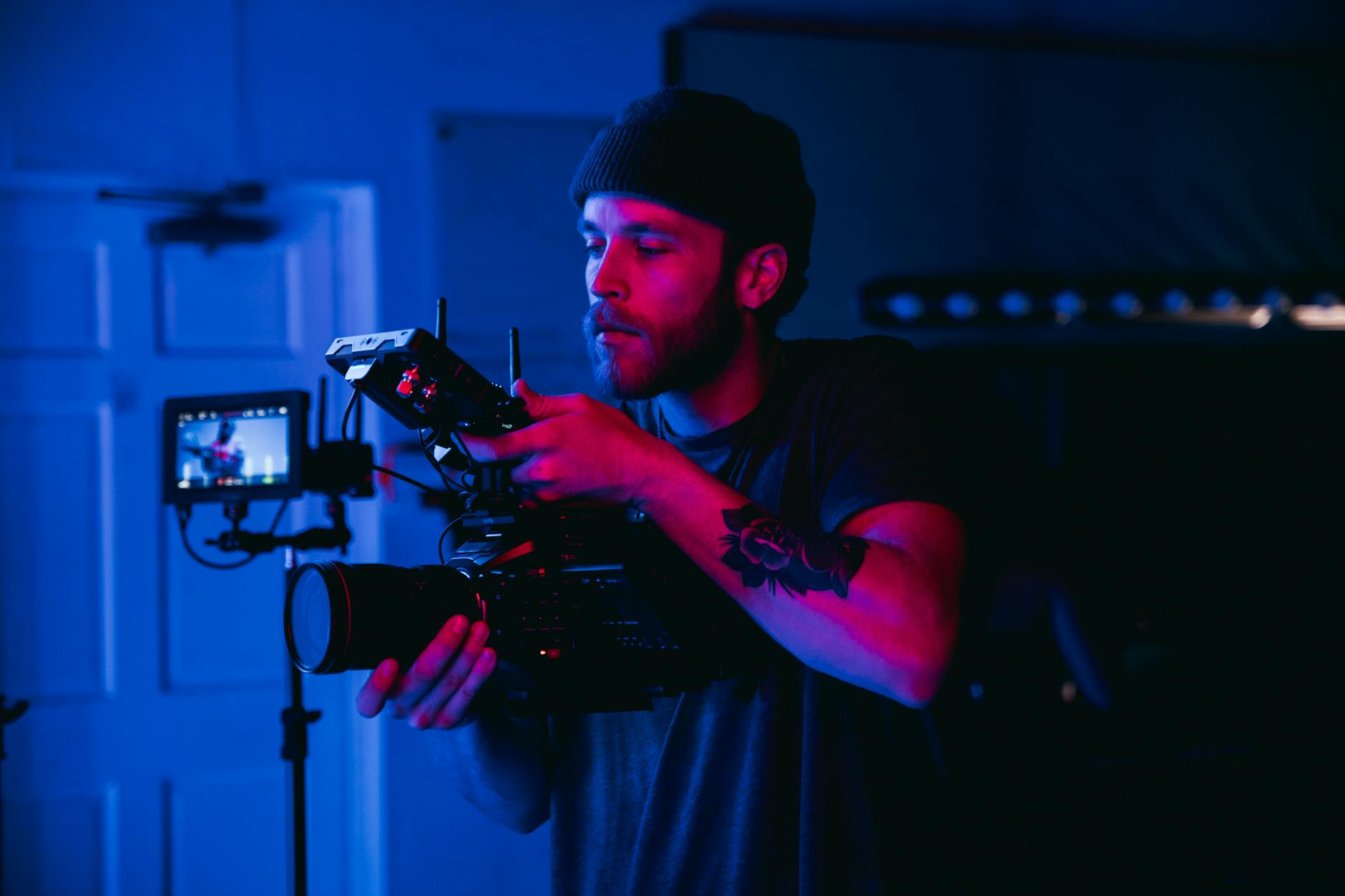
Implementing state-of-the-art technology is fundamental in elevating live streaming quality. Multi-camera configurations allow for varied angles and dynamic visuals, while real-time graphics and overlays add professionalism and engagement. High-end encoders and streaming servers facilitate smooth data transmission, particularly in live environments with fluctuating internet conditions. Miami's production companies often incorporate hybrid solutions combining hardware and cloud-based platforms, offering flexibility and scalability for different event sizes and types.
Ensuring Reliable Connectivity
A pivotal factor in live streaming success is robust internet connectivity. Professionals employ dedicated fiber optic internet connections with sufficient upload speeds to handle high-definition video feeds. Additionally, backup connections via cellular networks or satellite links are often prepared to counteract potential outages or bandwidth issues. Proper network configuration, including firewall settings and port forwarding, further optimizes data flow and reduces lag or buffering issues during the broadcast.
On-site Management and Quality Control
During the live event, continuous monitoring ensures all technical parameters remain within desired thresholds. Quality control includes checking audio levels, video stability, and stream health metrics. Experienced technicians operate hardware switches and software controls to manage live feeds, transitions, and graphic overlays. Real-time troubleshooting skills are indispensable for addressing unforeseen problems promptly, safeguarding broadcast integrity and viewer experience.
Integration of Audience Engagement Tools
Enhancing viewer participation through live chat, polls, and interactive overlays requires seamless integration with the streaming platform. These features foster active engagement, increase viewer retention, and create a sense of community around the event. Producing teams often coordinate with social media managers to moderate interactions and ensure messages align with the event’s objectives, thereby amplifying reach and impact.
Post-broadcast Responsibilities
Beyond the live event, post-production activities include editing, archiving content, and analyzing performance metrics. Data regarding viewer count, engagement rates, and technical issues help refine future strategies. Additionally, distributing recordings through on-demand platforms extends the lifespan of the content and provides alternative access points for audiences unable to attend the live stream. This comprehensive approach leverages real-time success into lasting digital assets, bolstering the organization’s ongoing outreach efforts.
Understanding Live Stream Video Production
Effective live stream video production is a multifaceted process that demands meticulous planning, high-quality equipment, and skilled technical crew to ensure a seamless broadcast. The core objective is to deliver a professional viewing experience that captures the essence of the event while maintaining technical excellence. This involves a coordinated effort between pre-production planning, on-site execution, and post-event analysis. High-resolution cameras, professional-grade microphones, reliable encoding hardware, and specialized streaming software are essential elements that contribute to the overall quality of the live stream. Equally important is the role of experienced directors and technicians who manage camera angles, switch feeds, insert graphics, and monitor stream health in real time. Achieving a harmonious integration of these components minimizes disruptions, ensures smooth transitions, and guarantees that the content reaches viewers without interruption or quality compromise.
Planning and Preparation for Live Streaming
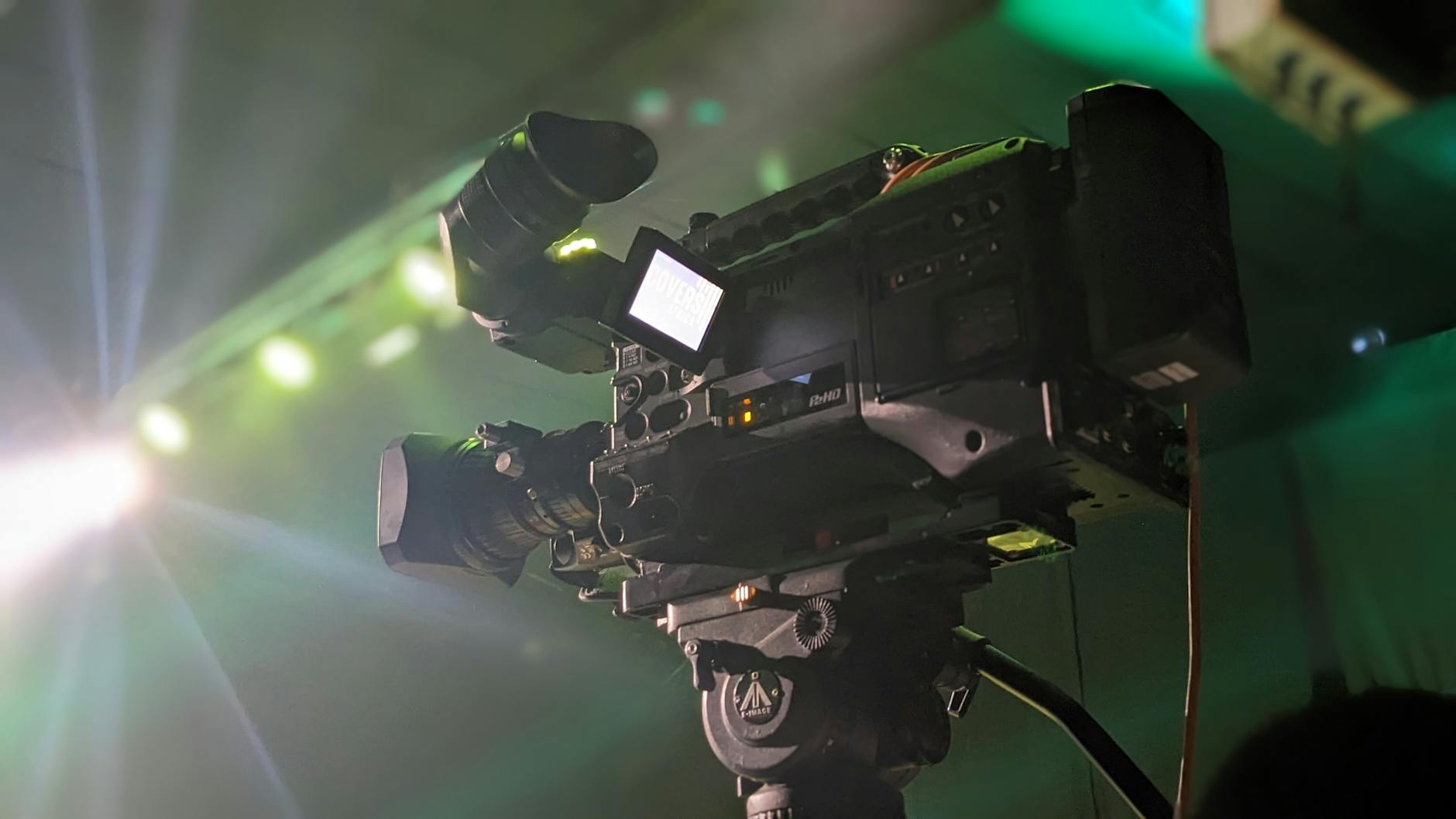
Success in live video streaming depends heavily on thorough pre-production planning. This phase involves defining the event’s scope, setting clear objectives, and outlining the storyboard or script that guides the visual narrative. It’s crucial to identify the most suitable streaming platforms based on audience reach, technical requirements, and content type. During planning, the production team assesses venue-specific considerations such as lighting conditions, available power sources, and space for equipment setup. Additionally, a comprehensive technical checklist ensures all hardware, software, and connectivity components are prepared and tested well in advance of the broadcast date.
Technical Infrastructure and Connectivity
An optimal internet connection is the backbone of any live stream. Bandwidth should be robust enough to handle high-definition video data transfer without latency or buffering issues. Wired Ethernet connections are preferred over Wi-Fi due to their stability and speed. Backup internet solutions, such as cellular or satellite connections, provide redundancy in case of primary network failure. Network security measures should also be in place to prevent unauthorized access or disruptions during broadcasting. Configuration of routers, firewalls, and IP settings is critical for maintaining a secure and stable streaming environment.
Equipment Selection and Setup
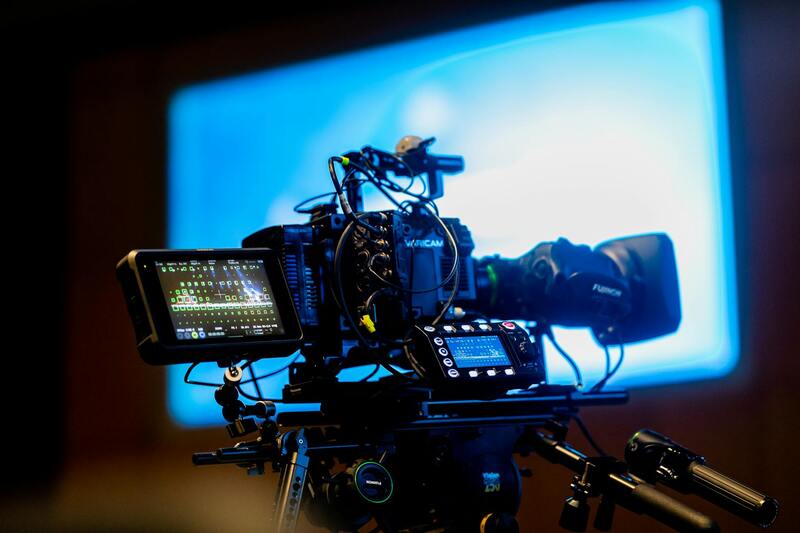
Choosing the right hardware is vital for producing a professional live stream. Cameras with HD or 4K capabilities ensure crisp visuals, while high-quality microphones capture clear audio. Stream encoders convert raw footage into compressed streams suitable for internet transmission. Hardware switchers facilitate real-time switching between camera feeds, enabling dynamic presentations and interviews. Proper lighting enhances image clarity, especially in indoor venues, and tripod stands or stabilization rigs prevent shaky footage. Power management solutions safeguard against outages and ensure continuous operation during the broadcast.
On-site Production Best Practices
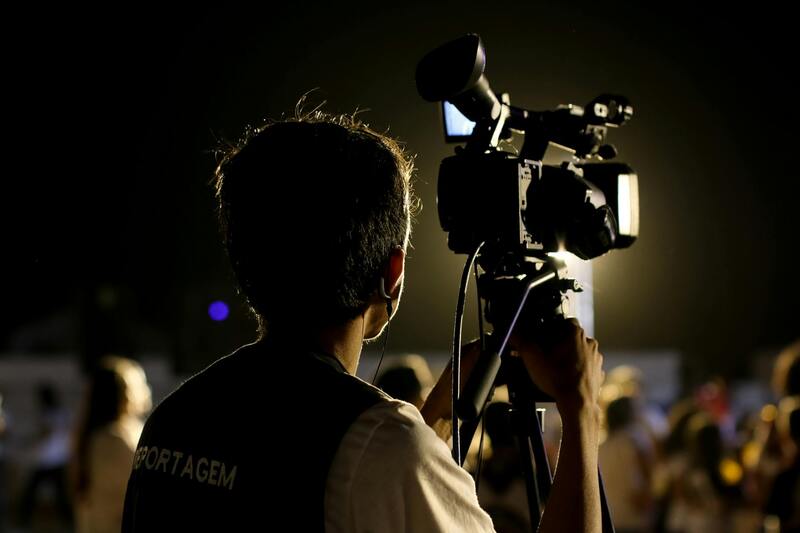
Executing a smooth live stream requires meticulous coordination among crew members and adherence to established protocols. Assigning roles such as director, camera operators, audio technicians, and technical monitors helps streamline operations. Maintaining open communication channels via headsets ensures quick response to any technical or content-related issues. Testing all connections and equipment immediately before the broadcast minimizes the risk of malfunctions. During the live event, technicians continuously monitor the stream quality, audio levels, and server status, ready to make adjustments instantly. Managing transitions, inserting graphics, and controlling camera angles are handled by skilled personnel to create a polished viewing experience.
Audience Engagement and Interactive Features
Integrating audience interaction tools like live chat, polls, and real-time overlays boosts engagement and encourages participation. These features must be seamlessly embedded into the stream to prevent disruption. Moderation of chat comments ensures a positive environment and aligns interactions with the event’s tone. Additionally, social media integration allows viewers to share content, amplifying the reach. Interactive elements foster a sense of community, making viewers feel more involved and attentive throughout the broadcast. Coordinating with social media managers ensures prompt responses to audience queries and maintains a lively, interactive atmosphere.
Post-production and Performance Review
After the live broadcast concludes, editing and archiving activities extend the value of the event. Recorded footage can be reviewed for quality assurance purposes, while edited versions can be repurposed for promotional campaigns, training, or on-demand viewing. Data analysis from streaming platforms provides insights into viewer engagement, drop-off points, and technical performance, informing future improvements. Sharing recordings through various digital channels widens the content’s reach and provides alternative access options for attendees who missed the live event. This continuous refinement process enhances future live streaming initiatives, ensuring better quality and audience satisfaction.
Technical Setup and Connectivity
Achieving a flawless live stream hinges on a meticulously planned technical setup that prioritizes reliable connectivity and optimal network configuration. It is essential to evaluate the available internet bandwidth at the live event location, ensuring it exceeds the streaming platform's recommended upload speed. Generally, a minimum of 10 Mbps upload speed is advisable for high-definition streams, but higher speeds guarantee better stability and quality.
Integrating wired Ethernet connections wherever possible is a best practice, as wired connections offer superior stability over wireless networks. When Wi-Fi is unavoidable, setting up a dedicated, secure network with a strong signal and minimal interference is critical. Employing dual-band routers and network extenders can also help maintain consistent connectivity.

Implementing backup solutions is an integral part of a resilient live streaming strategy. This includes maintaining a secondary internet connection, such as a mobile hotspot or backup fiber line, which can be activated instantly if the primary connection drops. Using hardware with automatic failover capabilities ensures minimal disruption.
Furthermore, configuring advanced network protocols such as Quality of Service (QoS) helps prioritize streaming traffic over other network activities, optimizing bandwidth allocation. Regularly testing the network prior to the event and monitoring it throughout the broadcast phase allow for real-time adjustments and troubleshooting.
On-site Equipment and Setup
- High-quality encoders compatible with your streaming platform
- Multiple cameras for varied angles and shots
- Audio mixers and professional microphones for clear sound
- Lighting equipment suitable for the venue and mood
- Video switchers for seamless scene transitions
- Monitor screens to oversee the broadcast feed
Additional Tips for Connectivity
- Perform comprehensive tests of all hardware and network elements prior to the event
- Monitor internet performance continuously during the broadcast
- Ensure all network security measures are in place to prevent interruptions
- Coordinate with venue IT staff for optimal setup assistance
Optimizing Video Production Live Stream for Maximum Impact
Producing a high-quality live stream requires meticulous attention to detail across every stage of the process, from technical setup to on-site coordination. Effectively managing key elements such as camera angles, lighting, and audio ensures a polished and professional presentation that resonates with viewers. Incorporating multiple camera feeds allows for dynamic scene changes, keeps the audience engaged, and offers varied perspectives that enhance storytelling. Proper lighting setup not only boosts image clarity but also influences the overall mood, making the broadcast more immersive. Selecting lighting equipment that complements the venue and the thematic tone of the event is essential to create visuals that captivate viewers.
Sound quality is equally critical in delivering a compelling live stream. Utilizing professional-grade microphones, audio mixers, and sound processing tools ensures that every word and sound effect is crisp and clear. Managing audio levels and minimizing background noise contribute to an engaging viewer experience. When combined with precise camera work and effective lighting, these audio-visual elements lay the foundation for a seamless production.

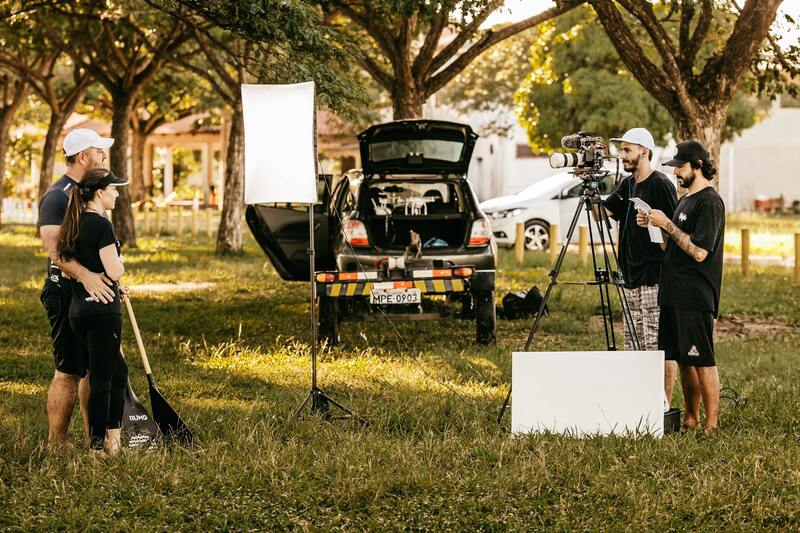
Coordination among the production team is vital for fluid execution. Assign clear roles for camera operators, technical directors, and talent to foster smooth communication during live operation. Implementing a detailed run-of-show or shot list helps in managing transitions and maintaining pacing. Regular rehearsals before the live event provide opportunities to troubleshoot technical issues and adapt the production script as needed.
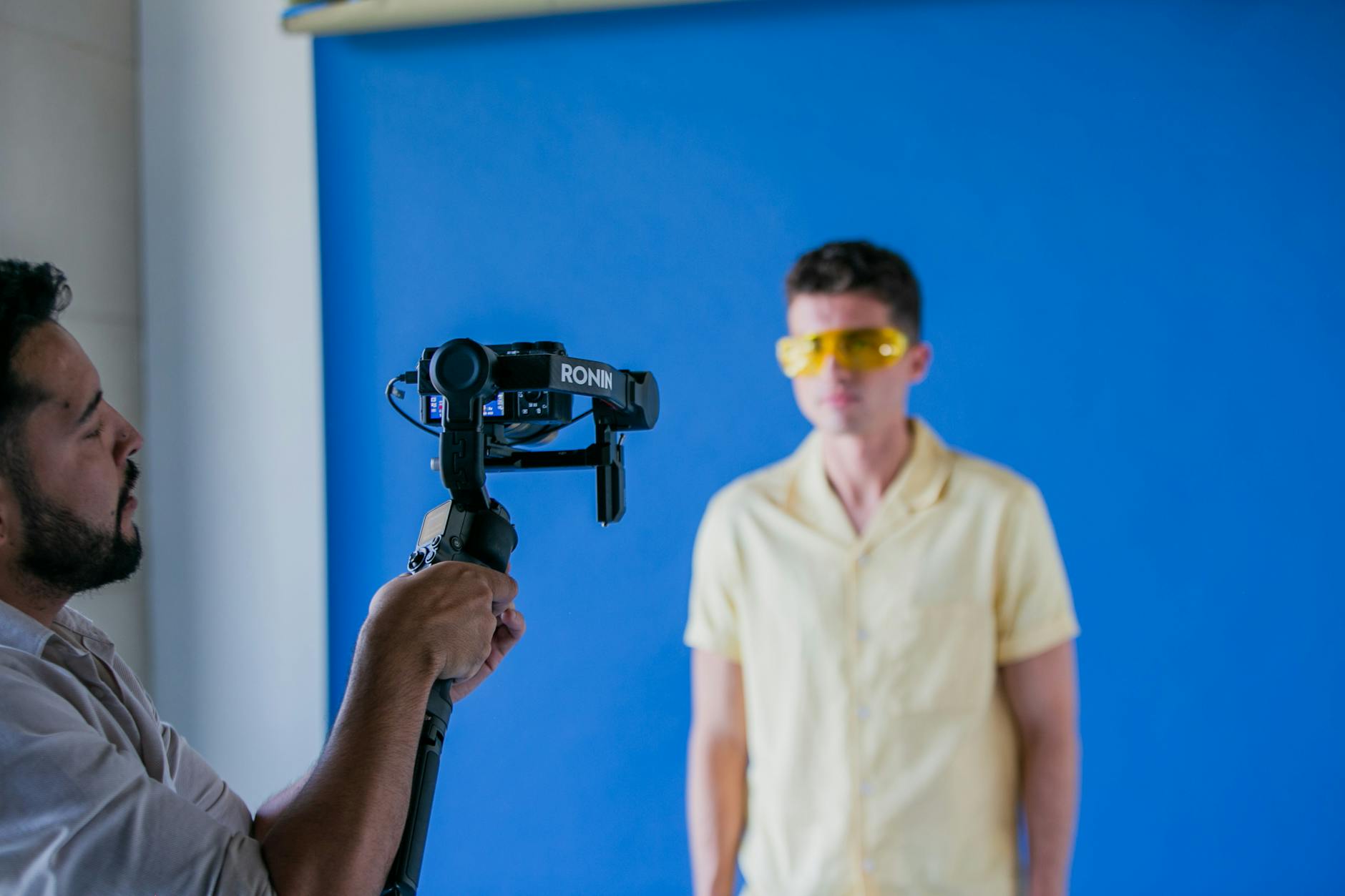
Advanced video switchers and real-time monitoring tools enable the director to seamlessly transition between scenes, adjust visuals on the fly, and respond promptly to unforeseen circumstances. Using professional streaming platforms and encoders compatible with the chosen platform guarantees optimal video quality and stability. Additionally, incorporating backup systems, such as redundant encoders or secondary internet connections, mitigates risks associated with technical failures.
Post-broadcast, it is crucial to evaluate the entire production process. Gathering performance metrics and viewer engagement data provides insights into the success of the stream. Reviewing technical logs helps identify areas for improvement, such as signal stability or audio clarity issues. These evaluations inform future live streaming strategies, ensuring continuous enhancement of video production quality and delivery.
Legal and Compliance Considerations
Ensuring that live streaming content adheres to legal standards and industry regulations is a critical aspect of professional video production. This involves obtaining necessary permissions for copyrighted materials, such as music, images, or video clips, used within the stream. It is essential to verify ownership rights and secure licenses to prevent potential copyright infringement issues that could disrupt or compromise the broadcast.
In addition to copyright considerations, streamers must comply with broadcast rights related to the use of trademarks, logos, and proprietary content. Proper attribution and acknowledgment of content sources help mitigate infringement risks and uphold ethical broadcasting practices. When broadcasting live events, especially those involving third-party content, producers should establish clear agreements outlining permissible usage and distribution rights.
It is also vital to respect privacy laws and obtain consent from individuals appearing on camera, particularly in sensitive or private settings. This includes clearly communicating the nature of the broadcast and providing opt-out options where applicable. Incorporating consent forms and releasing rights can serve as essential documentation confirming that all participants understand and agree to their involvement.
Content moderation policies must be in place to monitor live chats and user interactions, aiming to prevent the dissemination of inappropriate or harmful material. Establishing moderation teams or automation tools helps maintain a positive and compliant environment during live broadcasts.
When planning a live stream, understanding and applying relevant legal frameworks, such as consumer protection laws and broadcasting standards, directly influence the credibility and reputation of your production. Regularly consulting with legal experts or compliance officers ensures that your streaming practices align with current regulations, safeguarding your organization from potential liabilities.
Furthermore, staying updated on platform-specific policies—such as those mandated by streaming providers—is crucial. This includes adhering to content guidelines, formatting requirements, and community standards to avoid interruptions or penalties that could affect your streaming schedule or content availability.
Legal and Compliance Considerations in Live Stream Video Production
When conducting a live stream, adherence to established legal and compliance standards is essential to ensure the integrity and smooth operation of the broadcast. This involves meticulous attention to rights management, content licensing, and privacy considerations, all of which help prevent potential disputes or disruptions during the stream.
One of the pivotal aspects involves securing the necessary permissions and licenses for all visual and audio content used within the live stream. This encompasses music rights, copyrighted material, trademarks, and any proprietary content. Utilizing licensed music for background scores or overlays is critical, as unlicensed usage can lead to content takedowns or legal claims, affecting the reputation of the production team.
Furthermore, it is vital to verify the right to broadcast all participant-related content, especially when featuring third-party individuals or private assets. Ensuring that every participant has provided explicit consent, preferably documented through signed release forms, safeguards against unforeseen claims related to privacy or intellectual property rights. Similar precautions should be taken when showcasing branded products, logos, or confidential information.

In addition to content rights, compliance with data protection laws is integral. Live stream operators must implement procedures to handle personal data securely, including user information collected through registration forms or interactive features. Transparent terms of service and privacy policies should be communicated clearly, outlining how the data will be used and stored.
Regulatory adherence extends to platform-specific policies. Each streaming platform, whether it is a social media site or a dedicated video hosting service, imposes specific guidelines on content format, conduct, and user interaction. Establishing a comprehensive understanding of these platform policies ensures ongoing compliance and prevents interruptions resulting from violations.
Content moderation plays a crucial role in maintaining compliance during live broadcasts. Implementing moderation policies, whether through automated tools or human oversight, helps control user comments and prevent the dissemination of offensive or inappropriate material. This proactive approach sustains a professional and respectful environment throughout the live stream.
Implementing Effective Legal Protocols
- Secure all necessary rights and licenses before the broadcast.
- Obtain explicit written consent from all participants and individuals featured on camera.
- Maintain thorough documentation of permissions in case of future disputes.
- Enforce data privacy and protection measures consistent with applicable laws.
- Stay updated with platform-specific content policies and community standards.
- Establish content moderation strategies to prevent harmful interactions.
By systematically addressing these legal considerations, organizations can mitigate risks and ensure their live stream operations are conducted ethically and responsibly. This proactive approach not only protects the organization but also fosters trust and credibility among viewers and stakeholders.
Handling Intellectual Property and Content Rights During Live Streaming
Maintaining control over the content shared in a live stream is crucial for avoiding potential disputes and safeguarding the integrity of your broadcast. This involves securing appropriate licenses for any music, video clips, images, or proprietary material used during the event. Content owners should be approached for permissions, and licensing agreements should be documented thoroughly to demonstrate compliance and ownership rights.
In addition to licensing, it’s imperative to exercise diligence when incorporating third-party content. Utilizing copyrighted material without proper authorization can lead to content takedowns, account suspensions, and potential legal repercussions. Whenever feasible, opt for licensed or royalty-free assets and attribute creators when necessary. This not only complies with content policies but also promotes ethical usage of intellectual property.
Implementing Business and Broadcast Policies
Effective live streaming requires clear policies that outline acceptable content, user interactions, and moderation procedures. These policies should be communicated transparently to all participants to maintain consistency and accountability. Having defined guidelines helps prevent the dissemination of offensive or inappropriate material during the broadcast.
Organizations should also develop protocols for handling unforeseen issues, such as technical failures, external disruptions, or inappropriate comments. Preparedness plans ensure a swift and professional response, minimizing the impact on viewers’ experience and preserving brand reputation.
Documentation and Record-Keeping
- Secure written agreements for all involved parties, including hosts, interviewees, and sponsors.
- Maintain detailed records of permissions, licenses, and consent forms.
- Archive live recordings and related documentation for future reference or dispute resolution.
This meticulous documentation process affirms your organization's commitment to responsible broadcasting and simplifies resolution procedures if legal questions arise.
 igure>
Compliance With Data Privacy and Confidentiality Standards
Handling viewer data responsibly is a foundational aspect of credible live streaming practices. This entails adhering to relevant privacy laws and standards, which vary by jurisdiction but generally include securing user consent before collecting personal information and providing clear privacy notices.
Additionally, sensitive or proprietary organizational information should be protected through encryption and secure access controls. During live broadcasts, safeguards should be in place to prevent inadvertent disclosure of confidential data, ensuring that all content aligns with established confidentiality agreements.
Monitoring and Moderation
- Utilize automated moderation tools alongside human oversight to filter comments and prevent harmful interactions.
- Establish escalation procedures to address problematic interactions promptly and effectively.
- Regularly review moderation policies to adapt to changing platform features and community standards.
This dual approach fosters a safe and respectful environment, reinforcing trust with viewers and encouraging ongoing engagement.
 igure>
Ensuring Ongoing Legal Compliance
Staying current with evolving legal requirements and platform policies is critical. Regular training for team members on compliance standards, and engaging legal counsel when needed, ensures that your live streaming operations remain within the bounds of applicable rules. Establishing routine audits of content and operational practices helps identify and rectify potential violations proactively.
This proactive stance not only minimizes risks but also demonstrates professional accountability, fostering long-term credibility and viewer trust.