Overview of Live Streaming Video Production
Live streaming video production has become an essential component for modern communication, providing real-time broadcasting capabilities that deliver high-quality visual content directly to audiences across the globe. This technology plays a pivotal role in how organizations, brands, and events engage with viewers, offering immediacy, interactivity, and reach that traditional media cannot match.
In recent years, the demand for live streaming has surged significantly, driven by advancements in internet infrastructure, the proliferation of mobile devices, and increased expectations for instant content delivery. For businesses in Miami, a vibrant hub of commerce and culture, leveraging live streaming video production services has become a strategic move to enhance visibility, connect with local and international audiences, and foster engagement through immersive, real-time experiences.
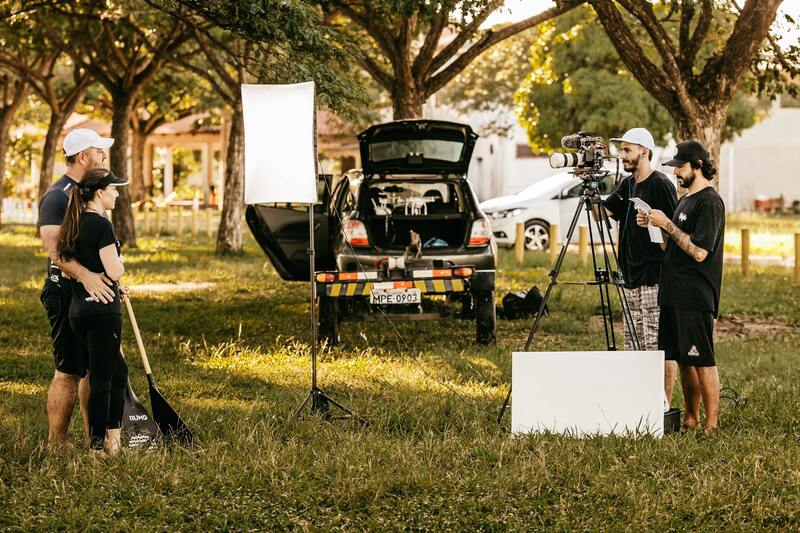
As the industry evolves, live streaming services have expanded well beyond simple webcam broadcasts. Modern solutions integrate sophisticated equipment, multi-camera setups, professional audio integration, and real-time graphics, ensuring the content delivered is compelling, seamless, and professional. Whether used for corporate presentations, product launches, music festivals, or community events, live streaming delivers an efficient way to reach targeted audiences effectively and efficiently.
Moreover, the flexibility of live streaming allows businesses in Miami to adapt to diverse content needs. From small-scale webinars to large-scale live concert broadcasts, the purpose remains centered around delivering engaging, accessible, and high-quality visual content. The growth of this industry is underscored by its ability to provide interactive features, such as live chats and audience polls, which foster real-time engagement and provide immediate feedback.
As industry standards continue to evolve, an emphasis on professionalism, technical expertise, and audience experience is vital. This necessitates collaboration with experienced live streaming video production providers who understand the technical intricacies, equipment requirements, and strategic planning needed to ensure a successful broadcast. For Miami businesses aiming to leverage live streaming for branding, outreach, or internal communication, investing in comprehensive live streaming production services can significantly accelerate growth and visibility.
Key Components of Live Streaming Production
Successful live streaming video production hinges on a blend of high-quality equipment, strategic planning, and technical expertise. These core elements work together to create a seamless viewing experience that captures audience attention and maintains engagement throughout the broadcast.
At the foundation of any professional live stream are the video capture devices. Multi-camera setups enable dynamic shots and varied perspectives, which are essential for complex events such as conferences, concerts, or sports competitions. High-definition cameras are often used to produce crisp, clear images that translate well across various viewing devices, from desktops to mobile screens.
Complementing the video capture are encoders—hardware or software tools that convert raw footage into digital signals suitable for online transmission. Advanced encoders provide options for multiple bitrates and protocols, ensuring smooth delivery across different networks and devices.
Streaming platforms serve as the distribution channels for live content, with options ranging from specialized enterprise platforms to popular social media channels. The choice of platform depends on the target audience, content type, and desired level of interaction. Integrating features such as live chat, viewer polls, and on-screen graphics enhances audience engagement and provides real-time feedback.
Audio quality is equally crucial. Professional-grade microphones, mixers, and sound processing gear are utilized to deliver clear, balanced audio that complements the visual content. Effective audio setup minimizes background noise and echoes, which can detract from viewer experience.
Lighting setups are tailored to ensure proper illumination of subjects, reducing shadows and enhancing visual clarity. Proper lighting not only improves the image quality but also ensures that the focus remains on the primary content, whether it’s speakers, performers, or products.
Additional production tools such as graphics generators, video switchers, and overlays are employed to enhance production value. These elements allow for dynamic presentation, branding consistency, and clear communication during the live event.
Integrating the right combination of these components—video and audio gear, encoding technology, distribution platforms, and production tools—is essential for creating professional-grade live streaming events that meet client expectations and audience demands.
Key Components of Live Streaming Production
Effective live streaming video production hinges on the seamless integration of various technical elements, each critical to delivering a high-quality viewer experience. Understanding these components ensures that producers can craft engaging and reliable live broadcasts that meet professional standards.
Video Capture and Encoding
At the core of any live streaming setup is the video capture device, typically professional-grade cameras capable of producing high-resolution images. These cameras are connected to dedicated encoding hardware or software that compresses the video signal into a digital stream suitable for transmission over the internet. High-definition (HD) or 4K video is often preferred to maintain clarity and detail, especially for corporate presentations or sporting events where visual precision is paramount.
Audio Quality and Management
Clear, balanced audio is essential for audience engagement. Utilizing professional microphones—such as shotgun, lavalier, or condenser types—ensures speech is captured without background noise. An audio mixer allows for real-time adjustment of sound levels, preventing distortion and ensuring consistency. Sound processing equipment further refines audio output by minimizing echoes and background interference, resulting in a crisp auditory experience that complements the visual content.
Lighting and Set Design
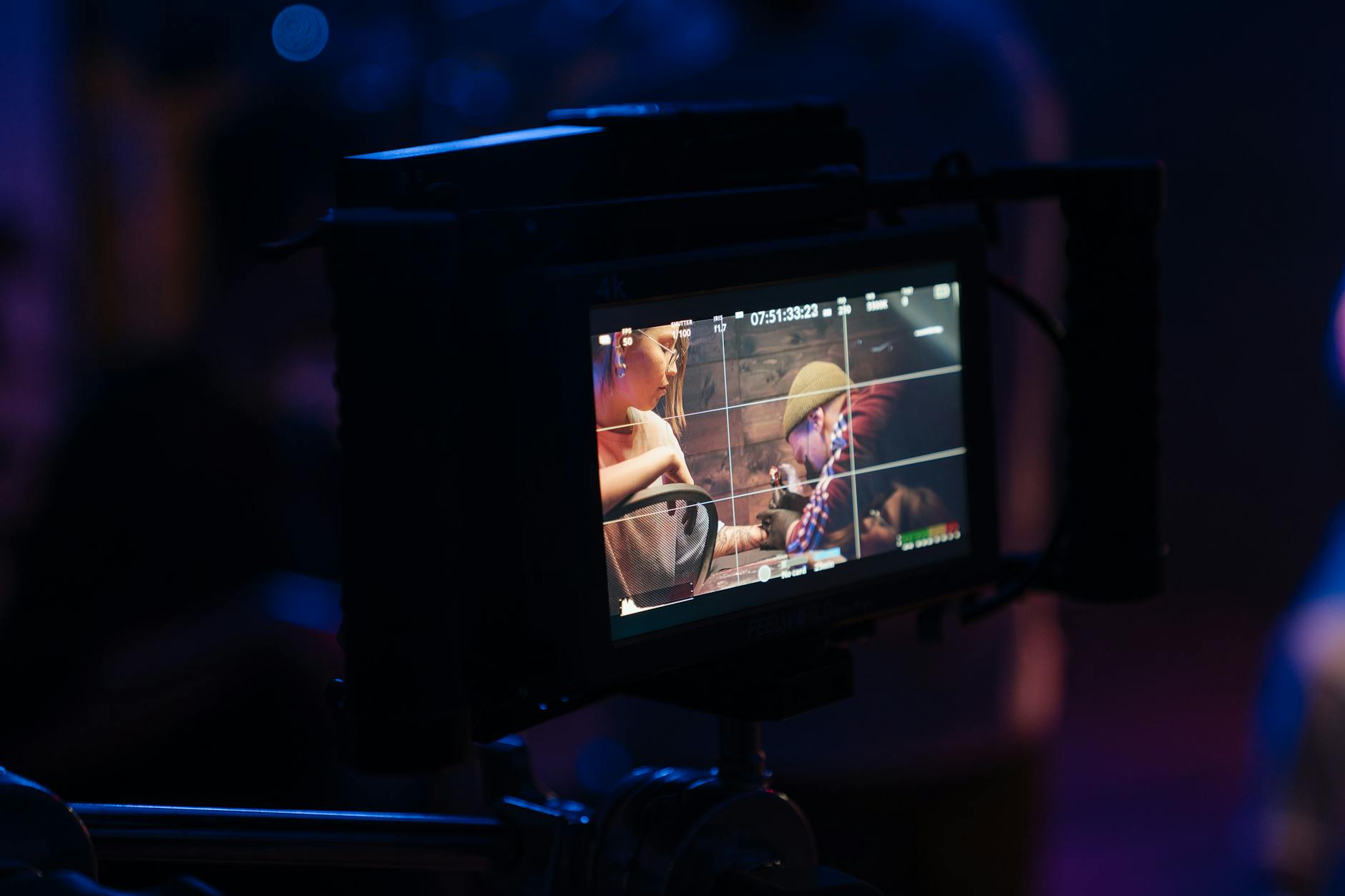
Appropriate lighting fixtures are arranged to eliminate shadows and highlight key subjects, be it speakers, performers, or products. Set design considerations include background aesthetics, branding elements, and camera angles, all contributing to a polished appearance. Consistency in lighting and visual styling helps maintain audience engagement and reinforces branding during live broadcasts.
Production Switchers and Graphics
Video switchers facilitate real-time scene changes, allowing multiple camera feeds to be seamlessly transitioned into a cohesive broadcast. Graphics generators overlay branding, titles, lower thirds, and other visual information, making content more informative and visually appealing. These tools are crucial for maintaining a professional look, especially during dynamic events like Q&A sessions or product demonstrations.
Streaming Hardware and Network Infrastructure
Reliable hardware, including robust encoders and streaming servers, ensures smooth transmission without interruptions. A high-speed internet connection, often with redundant systems, minimizes latency and buffering issues. Network stability is vital, especially during large-scale live events, where any disruption can compromise the viewing experience.
Distribution Platforms and Content Delivery
Once the content is encoded, it must be distributed through appropriate platforms such as dedicated streaming services, social media channels, or CDN (Content Delivery Network) providers. These platforms handle the delivery of the live stream to viewers across various devices, ensuring accessibility and scalability during peak traffic. Compatibility with multiple devices and adaptive streaming technologies ensures the best possible quality regardless of viewer hardware or bandwidth limitations.
Employing a comprehensive approach that combines high-quality equipment, solid network infrastructure, and effective content management tools is essential for producing live streams that are professional, reliable, and engaging. Whether broadcasting corporate announcements, entertainment events, or educational sessions, these components work together to meet the expectations of clients and audiences alike.
Detailed Breakdown of Live Streaming Video Production Services
Advanced Technology and Equipment Utilized in Professional Live Streaming
Delivering a seamless live streaming experience hinges on the integration of sophisticated technology and top-tier equipment. High-performance encoders are central to converting raw video feeds into compressed digital signals suitable for transmission over the internet. These encoders support multi-channel inputs, allowing for dynamic switching between camera angles or incorporating multimedia overlays, thus enriching the viewer experience.
Reliable streaming servers act as the backbone of live broadcasts, ensuring consistent delivery even during high traffic periods. These servers are optimized for low latency and minimal packet loss, critical factors in maintaining real-time interaction and smooth playback. The deployment of redundant servers safeguards against potential failures, guaranteeing uninterrupted transmission throughout the event.
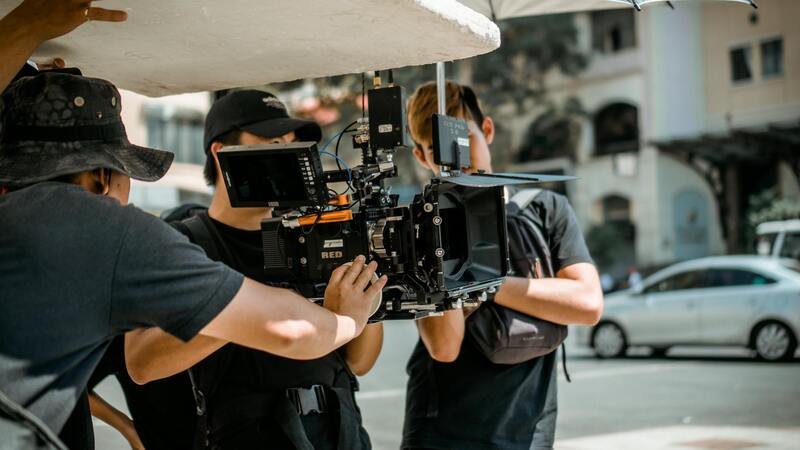
Network infrastructure also plays a pivotal role. Premium internet connections with symmetrical bandwidth are essential for uploading high-definition video streams without buffering. To achieve optimal reliability, organizations often utilize multiple internet sources with automatic failover systems, which enable the switch to backup connections if primary links experience disruptions.
Audio quality remains equally significant; professional-grade microphones, audio mixers, and noise reduction tools are employed to ensure clarity and fidelity. Visual elements, such as graphics and lower thirds, are integrated via streaming software, adding a layer of professionalism to the broadcast.
Best Practices Ensuring the Success of Live Streaming Events
- Pre-Event Testing: Conduct comprehensive rehearsals to verify equipment functionality, internet stability, and platform compatibility.
- Bandwidth Optimization: Secure sufficient upload speed to handle the event’s video quality requirements and reduce latency.
- Content Preparation: Prepare all multimedia assets, overlays, and scripts before going live to ensure a smooth flow.
- Engagement Strategies: Incorporate interactive tools such as live chat moderation or real-time polls to foster audience participation.
- Monitoring and Troubleshooting: Assign dedicated technical staff to oversee the stream, monitor quality metrics continuously, and promptly address any issues that arise.
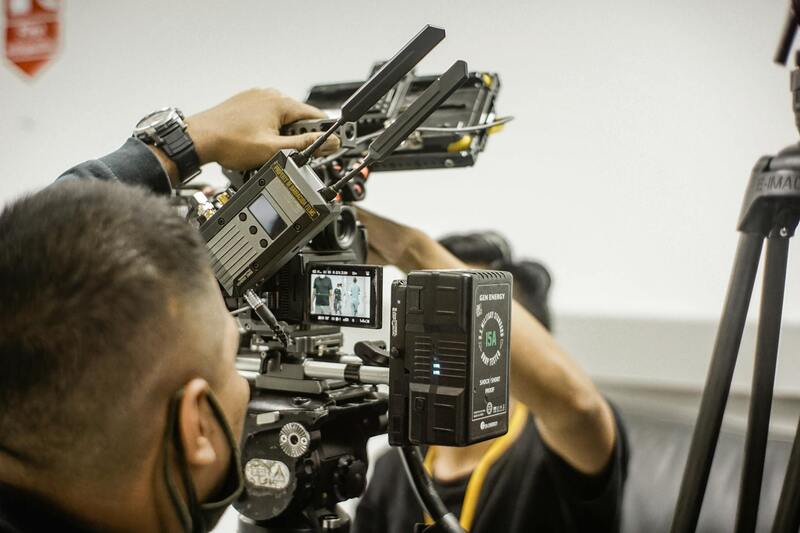
Adherence to these practices ensures a professional, reliable, and engaging live event that meets the expectations of both clients and viewers.
Technology and Equipment Used in Live Streaming
Executing a high-quality live streaming event hinges on deploying the right combination of technology and equipment. Professional-grade hardware guarantees a seamless broadcast, minimizing latency and buffering issues. Central to this setup are high-definition cameras capable of capturing live footage with vibrant clarity and depth, adaptable to various shooting environments. Multiple camera angles provide dynamic visuals, which can be switched in real-time by a skilled director for a polished viewing experience.
Complementing the cameras are video switchers, which allow for smooth transitions between shots, overlays, and other visual effects. Streaming software plays a crucial role in encoding the video feed, managing graphics, and ensuring the stream is compatible with different platforms. Reliable encoders, such as hardware or software-based solutions, compress the video without sacrificing quality to facilitate efficient transmission over the internet.
Audio quality is equally vital; therefore, professional microphones—including lapel, shotgun, and condenser types—are employed based on the event's requirements. These are often integrated with audio mixers for real-time sound adjustments, incorporating noise reduction filters to eliminate background noise and echo. Backup audio systems are also crucial to prevent disruptions.

Networking infrastructure must be prioritized, with robust internet connections providing sufficient bandwidth and redundancy to prevent interruptions. Multiple internet sources with automatic failover capabilities ensure that if one connection drops, the stream continues smoothly through backup links. Finally, modern streaming setups utilize high-performance monitors and control systems that allow technical teams to oversee every aspect of the broadcast in real time, ensuring optimal quality and immediate issue resolution.
Best Practices for Successful Live Streaming Events
- Pre-Event Planning: Develop a comprehensive event plan that includes technical rehearsals, content review, and contingency strategies to address potential issues.
- Equipment Calibration: Prior to the event, calibrate all equipment to ensure optimal performance. This includes checking camera angles, lighting setups, audio levels, and internet connectivity.
- Network Reliability: Use dedicated internet connections, test bandwidth capacity, and have backup options ready to minimize any transmission disruptions.
- Content Synchronization: Prepare multimedia assets, graphics, lower thirds, and overlays ahead of time to facilitate seamless integration during the live broadcast.
- Engagement Tactics: Incorporate real-time interaction tools, such as chat moderation, polls, and Q&A segments, to enhance viewer involvement.
- Technical Support: Assign a dedicated team to monitor the live stream, troubleshoot issues promptly, and ensure the broadcast remains uninterrupted and of high quality.
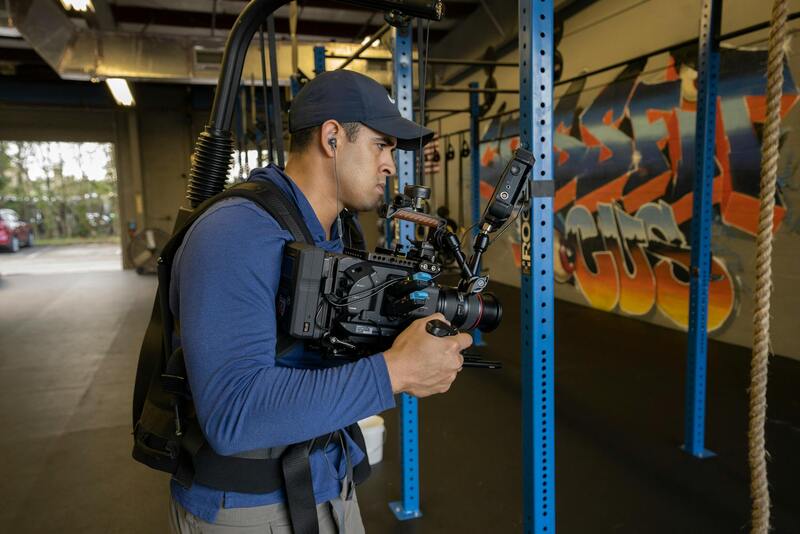
Technology and Equipment Used in Live Streaming
Executing a high-quality live streaming event relies heavily on advanced technology and equipment designed for reliability, clarity, and real-time control. Professional-grade cameras are essential for capturing sharp, high-definition visuals, often featuring features such as zoom capabilities, multiple lenses, and excellent low-light performance. These cameras may include PTZ (pan-tilt-zoom) models, enabling operators to remotely control camera angles and focus points, which adds a dynamic element to the broadcast.
Video Switchers and Mixing Consoles
At the core of live video production are broadcast switchers or video mixing consoles. These devices allow operators to seamlessly switch between multiple camera feeds, incorporate graphics, add transitions, and overlay live content such as lower thirds or branding elements. They facilitate real-time editing, ensuring the viewer experiences a cohesive and polished broadcast. Modern switchers often support multi-camera input, live streaming output, and integration with other production hardware.
Audio Systems and Microphones
Sound quality significantly impacts viewer engagement. Professional audio systems integrate high-fidelity microphones, audio mixers, and monitoring solutions. Microphones should be selected based on the event setting—lip microphones (lavalier) for speakers, handheld mics for interactions, or directional microphones for capturing ambient sound. Audio mixers manage levels, effects, and equalization, ensuring clarity and balance across all channels. Sound engineers monitor the audio feed continuously to prevent issues like feedback or distortions.
Encoding and Streaming Hardware
Encoding devices convert the live video and audio signals into digital formats optimized for streaming platforms. Hardware encoders, such as dedicated streaming boxes or rack-mounted systems, offer more stability and lower latency compared to software-based solutions. They support various streaming protocols and resolutions, including 4K if necessary, and provide features like multi-channel audio and closed captioning. These encoders ensure the content is transmitted efficiently without buffering or delays.
Internet Connectivity Solutions
Stable, high-speed internet connectivity is non-negotiable. Professional setups typically employ multiple fiber connections, bonded internet lines, or dedicated bandwidth services to prevent interruptions. Load balancing across multiple ISPs and automatic failover systems ensure that if one connection experiences issues, the stream automatically switches to backup links. Additionally, content delivery networks (CDNs) can be used to distribute the stream more effectively across widespread audiences, minimizing latency and congestion.
Control and Monitoring Systems
Behind the scenes, technical teams use sophisticated control systems that monitor the live stream's health, quality metrics, and network status. These systems provide real-time analytics and remote control capabilities, enabling quick troubleshooting and adjustments. High-performance monitors display video feeds, audio levels, and broadcast settings, allowing engineers to maintain optimal production standards from a centralized control room.
Implementing all these components involves meticulous planning and integration. The synchronization of cameras, audio, streaming hardware, and network infrastructure is crucial for consistent high-quality output. Skilled technicians are essential to operate and maintain the equipment, troubleshoot unforeseen issues, and ensure that the event proceeds smoothly. Schedule rehearsals to validate the entire setup, identify potential bottlenecks, and calibrate all gear for peak performance.
Advanced Technologies and Equipment Utilized in Live Streaming Video Production
In the realm of live streaming video production, leveraging cutting-edge technology and top-tier equipment is fundamental to delivering seamless and high-quality broadcasts. Modern live streaming setups incorporate a suite of sophisticated tools designed to provide clarity, stability, and adaptability during the event.
High-definition professional cameras serve as the foundation, capturing crisp visuals that engage viewers across digital platforms. These cameras are often equipped with remote control capabilities, allowing operators to adjust angles, focus, and settings in real-time to ensure optimal footage. Complementing the video capture are versatile video switchers, which enable producers to seamlessly transition between multiple camera feeds, add effects, or incorporate graphics, creating a dynamic viewing experience.
Audio quality is equally vital; therefore, state-of-the-art sound mixing consoles and microphones are employed to capture and optimize audio signals. Clear, balanced sound contributes significantly to viewer retention and overall production professionalism. Wireless microphone systems and audio mixers with multiple channels offer flexibility during live events, ensuring audio remains synchronized and free of feedback or interference.
Integral to smooth operation are robust streaming encoders and hardware that convert audio/video signals into streams compatible with various online platforms. High-capacity streaming servers and content delivery networks (CDNs) facilitate reliable transmission, even during high traffic moments. These systems are complemented by redundant internet connections and advanced networking hardware to prevent stream interruptions caused by connectivity issues.
Monitoring and control interfaces provide real-time oversight, allowing producers to oversee multiple video feeds, adjust audio levels, and troubleshoot issues instantaneously. These tools are coordinated through centralized control rooms featuring high-resolution monitors displaying live feeds, network status updates, and system performance metrics.
Effective integration of all these components demands skilled technicians trained in live production workflows. Proper calibration, thorough testing, and rehearsals are critical to identify potential problems before going live. Such preparations ensure the event proceeds smoothly and viewers experience a professional broadcast without technical disruptions.
Overview of Live Streaming Video Production
Live streaming video production has become an integral part of modern communication strategies, offering real-time engagement with audiences across the globe. It involves a combination of advanced video and audio technology, skilled personnel, and meticulous planning to deliver seamless broadcasts for corporate events, conferences, entertainment shows, and more. As the digital landscape evolves, the demand for professional live streaming solutions continues to grow, emphasizing the importance of high-quality production standards to maintain credibility and viewer engagement.
Key Components of Live Streaming Production
Successful live streaming hinges on several critical components that work together to ensure a professional and glitch-free broadcast:
- Video Capture Equipment: High-definition cameras, PTZ (pan-tilt-zoom) cameras, and encoders are essential for capturing clean, crisp visuals. Multiple camera angles are often integrated to provide a dynamic viewing experience.
- Audio Systems: Clear sound quality is achieved through professional microphones, audio mixers, and sound processing devices that eliminate noise and balance audio levels.
- Streaming Hardware and Encoders: Hardware encoders convert audio and video signals into a digital stream compatible with online platforms. They’re vital for maintaining stream stability during the broadcast.
- Content Delivery Networks (CDNs): CDNs distribute the stream efficiently to viewers by minimizing latency and buffering, especially during high-traffic periods.
- Control Rooms and Monitoring Tools: Centralized control rooms equipped with high-resolution monitors enable real-time management of video feeds, audio levels, and streaming quality metrics.
Types of Live Streaming Services Offered
Providers offering live streaming video production services typically cater to diverse client needs through various formats:
- Corporate Live Streams: For webinars, product launches, town halls, and training sessions that require professionalism and brand consistency.
- Event Broadcasts: Covering concerts, festivals, sports events, and conferences, often with multiple camera angles and interactive features.
- Educational Sessions: Streaming lectures, seminars, and workshops for remote learners with high visual and audio clarity.
- Religious Services: Live broadcasts of church, mosque, or temple gatherings to reach wider congregations.
- Content Monetization: Creating premium or subscription-based live streams to generate revenue while engaging niche audiences.
Benefits of Professional Live Streaming Services
Engaging the expertise of professional live streaming providers translates into numerous advantages for organizations, including:
- Enhanced Production Quality: High-definition visuals coupled with professional audio create a polished presentation that maintains viewer interest and leaves a lasting impression.
- Reliability and Stability: Use of redundant systems, backup internet connections, and state-of-the-art equipment reduces the risk of technical failures during broadcasts.
- Audience Engagement: Interactive features such as live chat, Q&A sessions, and social media integration foster real-time interaction with viewers.
- Audience Reach Expansion: Proper platform selection and optimized streaming ensure accessibility across devices and locations, broadening viewer demographics.
- Brand Credibility and Professionalism: High-quality broadcasts reflect positively on the brand, demonstrating a commitment to excellence and innovation.
Choosing a Live Streaming Service Provider in Miami
Selecting the right provider in Miami involves evaluating several key factors:
- Experience and Portfolio: Review past projects to assess technical expertise and production quality.
- Technology Infrastructure: Ensure the provider uses up-to-date equipment and reliable streaming platforms.
- Customization and Flexibility: Ability to tailor services to specific event needs, whether simple broadcasts or complex multi-camera productions.
- Support and Troubleshooting: Availability of technical support before, during, and after the event to address unforeseen issues.
- Cost Effectiveness: Transparent pricing with clear breakdowns helps determine value aligned with the project scope.
Technology and Equipment Used in Live Streaming
The backbone of any high-quality live stream is sophisticated technology, including:
- 4K Cameras and Camcorders: For capturing detailed visuals across wide or close-up shots.
- Wireless Microphones: Ensuring mobility and clear audio, especially in large venues.
- Video Switchers: Managing multiple camera feeds smoothly to create dynamic streams.
- Streaming Encoders and Software: Hardware or software solutions that compress and transmit video data reliably.
- Internet Infrastructure: Multiple high-bandwidth connections, routers, and load balancers used to maintain consistent stream quality.
- Backup Power Supplies: Uninterruptible Power Supplies (UPS) to safeguard against power outages during live events.
Best Practices for Successful Live Streaming Events
Maximizing the impact of live streams involves adherence to industry best practices:
- Pre-Event Planning: Comprehensive planning, including script development, shot listing, and a detailed timeline, ensures all aspects function seamlessly.
- Technical Rehearsals: Conduct practice runs to identify and resolve potential technical issues ahead of the live event.
- Studio and Venue Preparation: Ensuring optimal lighting, soundproofing, and camera placement to enhance video quality and minimize distractions.
- Content Management: Dynamic switching between camera feeds, graphics, and pre-recorded segments enhances viewer engagement.
- Monitoring and Communication: Real-time oversight of streaming metrics and active communication channels among production team members.
- Post-Event Analysis: Reviewing stream performance data and viewer feedback to improve future broadcasts.