Understanding Live Streaming Video Production
Live streaming video production has become an essential tool for a wide range of events and business activities in Miami. It enables organizations to broadcast real-time footage to global audiences with clarity and professionalism. The process involves a combination of specialized equipment, skilled personnel, and strategic planning to deliver seamless live content. From corporate conferences and product launches to concerts and community events, live streaming provides an interactive platform that amplifies reach and engagement.
At its core, live streaming video production encompasses several critical components. The first is the capturing of high-definition video through professional cameras that can adapt to various lighting and movement conditions. Accompanying this is the importance of high-quality audio equipment to ensure clear sound, whether for speech, music, or a mix of both. These feeds are then transmitted via robust internet connections, often supplemented with backup solutions to prevent interruptions.
Furthermore, the production team employs switching equipment to manage multiple video sources, add graphics or overlays, and incorporate pre-recorded segments as needed. This combination results in a broadcast that is polished, engaging, and reflective of the event’s objectives. For businesses and event organizers in Miami, deploying reliable live streaming solutions can dramatically expand their audience, create new marketing opportunities, and foster real-time interaction with viewers.
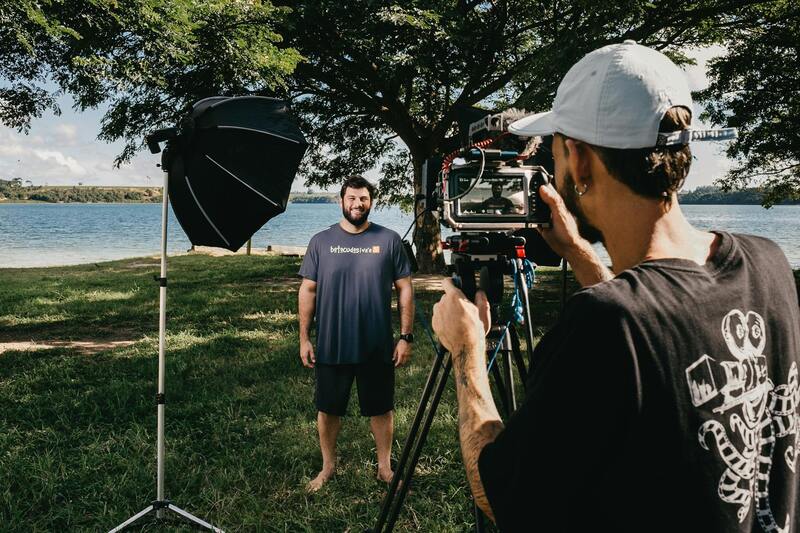
Choosing the right live streaming strategy is crucial for maximizing impact. It involves understanding the event's scope, target audience, and the platforms where the content will be shared. Whether it’s streaming to a private corporate portal, social media channels, or dedicated streaming services, each approach has specific requirements that need to be addressed to ensure smooth delivery.
The significance of well-planned live streaming cannot be overstated. It ensures that brand messaging remains consistent, audiences remain engaged, and technical issues are minimized. As Miami continues to grow as a hub for events and content creation, the demand for expert live streaming video production solutions continues to rise. Professional production ensures that no detail is overlooked and that the broadcast meets the high standards expected in today’s digital era.
Understanding Live Streaming Video Production
To deliver a seamless and impactful live streaming experience, professionals utilize a combination of advanced equipment and strategic techniques tailored to each event’s unique requirements. High-definition cameras with multiple angles are deployed to capture the event from various perspectives, providing viewers with a dynamic and engaging presentation. These cameras are compatible with digital encoders, which convert the video signals into compressed formats suitable for streaming over the internet. Utilizing professional switchers allows production teams to seamlessly alternate between camera feeds, overlay graphics, and integrate pre-recorded content that enriches the broadcast. This precise coordination results in a polished production that resonates with the audience and maintains visual professionalism.
In addition to visual components, audio quality plays a significant role in the overall production value. High-quality microphones, audio mixers, and sound processing tools ensure clear, crisp sound, minimizing background noise and balancing audio levels across different sources. When paired with premium video equipment, these elements create a cohesive experience that keeps viewers fully engaged.
The backbone of live streaming technology includes robust internet connections, with many providers recommending dedicated high-bandwidth digital lines to prevent interruptions. For ongoing events or large-scale productions, redundant internet setups—such as backup connections or bonding solutions—are implemented to mitigate potential disruptions. These measures guarantee continuous streaming even if primary connections encounter issues.
Software platforms for broadcasting, including professional streaming software and cloud-based services, facilitate the management and distribution of content. These platforms often support multiple output streams, adaptive bitrate streaming, and real-time analytics, providing producers with the tools that ensure high-quality delivery across different devices and network conditions.
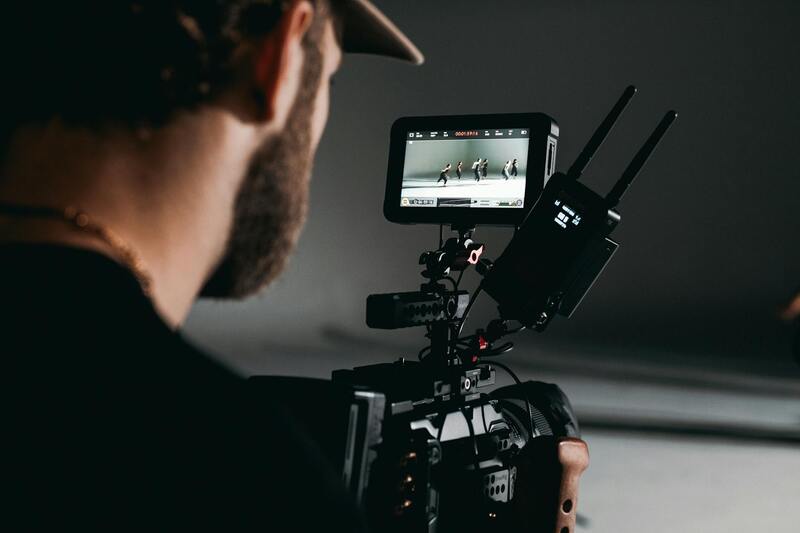
Understanding Live Streaming Video Production
Live streaming video production involves the seamless capture, encoding, and distribution of visual and audio content in real time to a broad online audience. This process requires a sophisticated blend of hardware and software components working harmoniously to ensure the broadcast's stability, clarity, and engagement. It is crucial for producers to have an in-depth understanding of various elements such as camera operations, signal flow, switching interfaces, and streaming protocols to deliver high-quality content. Effective planning and execution are vital in maintaining a professional appearance, especially when broadcasting live events that attract large viewerships.
Contemporary live streaming solutions leverage advanced technologies, including high-definition cameras, robust encoders, and dedicated streaming servers. These tools minimize latency, prevent signal interruption, and optimize video quality across multiple devices and platforms. As digital consumption grows more demanding, the integration of 4K video, wireless transmission systems, and AI-assisted functionalities has become standard. These innovations enable broadcasters to create engaging, visually stunning content without sacrificing performance or reliability, ensuring audience retention and brand reputation are maintained.
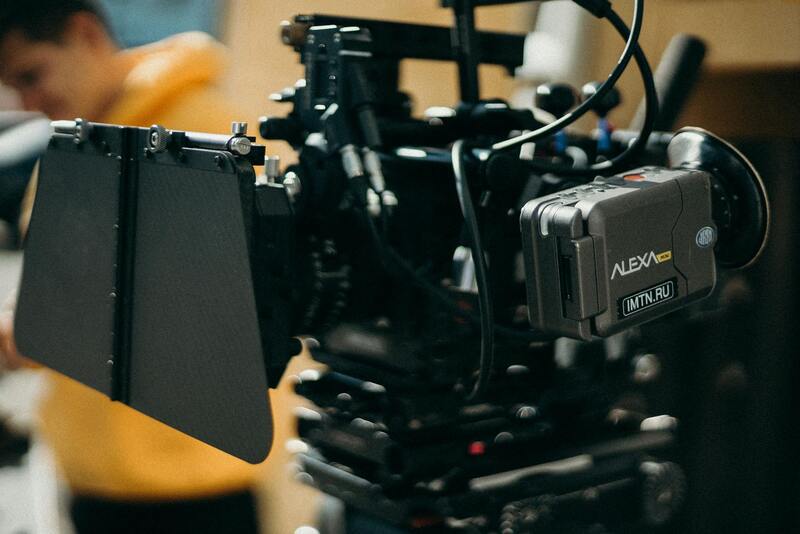
Successful live video production also depends on meticulous onsite setup, skilled technicians, and thorough pre-event testing. Careful calibration of audio and video sources, testing network stability, and rehearsing workflows are essential steps. This preparation mitigates potential technical disruptions during the broadcast, ensuring a smooth viewing experience for the audience. Additionally, adhering to industry standards and best practices for encoding bitrates, resolution settings, and content delivery networks (CDNs) contributes to a scalable, adaptable streaming process capable of handling fluctuating audience sizes and diverse device types.
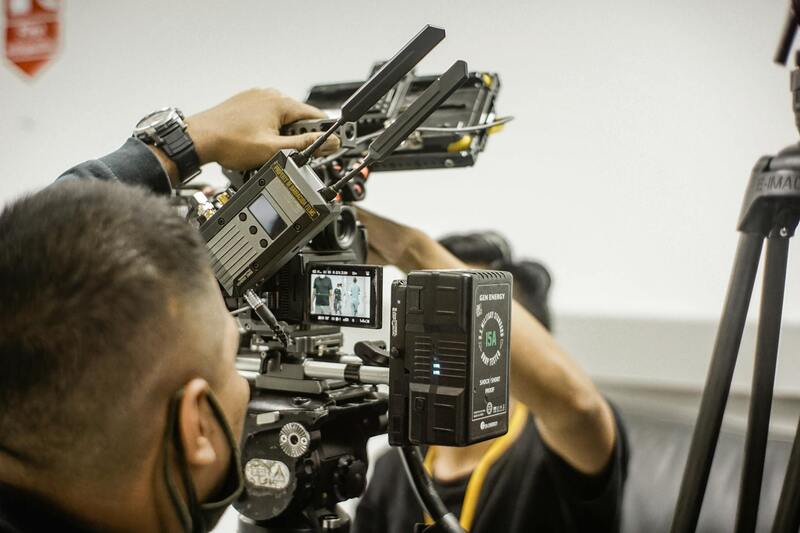
Equipment and Software Essentials
- Cameras: Professional-grade cameras with capabilities for HD, 4K, or higher resolutions for crisp visuals.
- Video Switchers: Hardware or software solutions for seamless scene transitions and overlays.
- Encoders: Dedicated hardware encoders or software-based solutions converting raw footage into streaming-compatible formats.
- Audio Mixers: High-quality audio mixing consoles ensuring clear sound quality and adaptive volume control.
- Streaming Platforms: Reliable content delivery networks capable of multi-platform broadcasting to maximize reach.
- Networking Infrastructure: High-bandwidth, low-latency internet connections to sustain uninterrupted live streams.
Harnessing these components within a well-structured production workflow allows content creators to deliver professional-grade live streams capable of engaging large audiences.
Understanding Live Streaming Video Production
Effective live streaming video production involves meticulously orchestrating a range of technical components to deliver a seamless broadcast. It begins with pre-production planning, where content structure, camera angles, and flow are mapped out clearly. During the live event, real-time coordination among technical staff ensures all equipment operates optimally, with a focus on both the visual and audio elements that captivate viewers. Restoring and rerouting signals to prevent lag, buffering, or quality degradation requires advanced switching technology and dedicated network infrastructure. A comprehensive approach to live production includes designing a flexible workflow capable of adapting to varying event scales, whether it's a corporate webinar, a concert, or a community gathering. Proper camera positioning, lighting, and sound reinforcement combined with robust encoding and distribution strategies funnel the content through multiple platforms, broadening the event's reach and impact.
Key Equipment and Technology Used
The backbone of any successful live streaming operation is composed of specialized equipment designed for high performance and reliability. Professional-grade cameras capable of capturing in HD or UHD (4K and above) ensure sharp visuals, even in challenging lighting conditions. Video switchers or multicams allow dynamic scene changes and overlays, providing a polished look for viewers. Encoders—either dedicated hardware devices or robust software solutions—convert high-quality video streams into formats compatible with various streaming platforms. Audio quality is equally vital; high-fidelity mixers enable fine-tuning of sound inputs, controlling volume levels, and incorporating multiple microphones for spatial audio effects. Reliable streaming requires high-bandwidth internet connections with low latency, enabling real-time delivery without interruption. Content delivery networks (CDNs) further optimize the transmission, ensuring scalability and consistent performance across different geographies and device types.
Another critical component includes streaming management software capable of integrating multiple sources, adding graphics, and controlling live feeds. Wireless transmission systems may augment fixed setups for flexible camera positioning during dynamic events. Audio and video monitoring tools provide real-time feedback, helping operators spot and resolve issues during the live broadcast before they impact the viewer experience.
Customizing Solutions for Different Event Types
Different events demand tailored live streaming solutions that align with the goals, scale, and environment of each occasion. Corporate conferences and seminars, for instance, benefit from multi-camera setups that capture speaker presentations, audience interaction, and stage activity. Hybrid events with some remote participants require integrated video conferencing and live streaming platforms, ensuring smooth interaction between on-site and online audiences. Festivals, concerts, and theatrical productions necessitate high-quality audiovisual equipment capable of handling complex cues, stage effects, and multiple performers. Religious services often use multiple cameras for worship rituals, sermon recording, and audience engagement, with an emphasis on clear audio delivery to preserve the atmosphere and message. r>r> Ultimately, the key to an effective streaming setup lies in understanding the specific content requirements and audience expectations. Custom solutions may involve deploying remote production teams, using wireless cameras for mobility, or installing permanent studio setups to facilitate quick turnarounds and routine broadcasts. Flexible infrastructure and staff expertise ensure each event is optimized for high-quality delivery, audience engagement, and seamless viewing experience across various digital platforms.
Optimizing Technical Setup for Peak Performance
Achieving flawless live streaming video production requires meticulous planning and execution of the technical setup. Ensuring robust internet connectivity is fundamental; a stable high-bandwidth connection prevents interruptions, buffering, and quality degradation during broadcast. Redundant internet sources such as bonded cellular or backup fiber lines further mitigate risks associated with connection failures. This redundancy guarantees uninterrupted delivery, preserving viewer engagement and event professionalism.
In addition to connectivity, deploying the right encoding hardware and software ensures the live stream is efficiently compressed, maintaining optimal video and audio quality while minimizing latency. Professional-grade encoders are capable of handling multiple streams simultaneously, enabling multi-camera angles, picture-in-picture displays, and real-time graphics overlays that elevate the production value.
Camera technology plays a pivotal role in capturing high-definition footage. Professional broadcast cameras with smooth pan, tilt, and zoom (PTZ) capabilities facilitate dynamic visuals, whether they are fixed or mobile cameras. Wireless camera systems enhance flexibility, especially in large venues or outdoor settings, allowing operators to move freely and capture diverse perspectives.
Lighting, audio capture, and staging elements must be calibrated meticulously. Adequate lighting setup ensures clarity and color accuracy, while high-quality microphones and audio mixers deliver clean, intelligible sound. Strategic placement of audio equipment reduces feedback and ambient noise, crucial for engaging audio experiences.
Furthermore, integrating reliable switching equipment and production control interfaces enables real-time management of multiple video feeds, graphics, and effects. Technical rehearsals before the event help identify potential issues, allowing technicians to fine-tune settings and troubleshoot in advance.
Understanding Live Streaming Video Production
Live streaming video production encompasses the comprehensive process of capturing, broadcasting, and delivering real-time video content to audiences via the internet. This practice leverages sophisticated technology and strategic operational planning to ensure high-quality transmission that engages viewers across various platforms. Effective live streaming solutions utilize a combination of specialized equipment, skilled personnel, and tailored workflows to meet the unique needs of each event, whether it is a corporate conference, concert, sports event, or community gathering.
The Core Elements of Live Streaming Production
At the heart of successful live streaming are three foundational components: video capture, encoding, and distribution. High-definition cameras, often integrated with remote control systems, are used to film the event from multiple angles, providing a dynamic viewing experience. The captured footage is then fed into encoders—hardware or software tools responsible for compressing the video while maintaining visual integrity, thereby optimizing data transfer rates. The encoded stream is subsequently distributed via reliable content delivery networks or streaming servers to reach viewers in real-time.
Meticulous planning and execution of these elements are essential, along with the integration of auxiliary capabilities such as graphics overlays, real-time chat interactions, and multiple video sources. This comprehensive approach ensures the live stream is not only visually appealing but also interactive and aligned with the event’s objectives.

Ensuring Production Reliability and Audience Engagement
Production teams must maintain robust systems to prevent disruptions during live broadcasts. This includes deploying redundant hardware, backup internet connections, and real-time technical support. Additionally, pre-event rehearsals and test streams are crucial to identify potential issues and fine-tune equipment settings, ensuring smooth operation during the actual event. Elevating audience engagement involves the integration of interactive features such as live chat, polls, and on-screen graphics, which foster real-time participation and enhance viewer retention.
Security and Compliance in Live Streaming
Managing security involves encrypting data streams and controlling access credentials to prevent unauthorized viewing and potential disruptions. Equally important is ensuring compliance with relevant broadcasting standards and platform policies, which can impact both content rights and distribution methods. Proper security protocols safeguard the integrity of the live stream and uphold the professional standards expected by clients and viewers alike.
Leveraging Advanced Technologies for Superior Production
Emerging technologies such as 4K ultra-high-definition cameras, IP-based video systems, and cloud-based production tools are transforming the live streaming landscape. These innovations enable producers to enhance image quality, streamline workflow, and provide flexible remote production options. Furthermore, integration with augmented reality (AR) and virtual sets can elevate the visual appeal, creating immersive experiences for viewers and setting new standards for live event broadcasts.
Strategic Planning for Seamless Execution
Effective live streaming production requires meticulous planning, including detailed logistics, equipment setup, crew coordination, and contingency strategies. Creating comprehensive technical and operational checklists ensures readiness at every stage. Additionally, ongoing staff training helps maintain high standards and adaptability to new tools and methodologies, which are vital for executing complex live streams efficiently.
Investing in such structured approaches guarantees that each live streaming solution is executed flawlessly, delivering a professional and engaging broadcast that meets or exceeds client expectations.
Choosing a Local Miami Production Partner
For organizations seeking reliable live streaming video production solutions in Miami, partnering with a seasoned local provider offers numerous advantages. A Miami-based production company understands the regional landscape, including venue specifics, local regulations, and audience preferences, which contributes significantly to the success of your live event. Moreover, proximity allows for rapid deployment of equipment and personnel, ensuring seamless setup and troubleshooting during live broadcasts.
When selecting a Miami production partner, consider their experience in handling a diverse range of events, from corporate conferences and trade shows to concerts and multi-camera productions. An established provider should have a portfolio demonstrating technical proficiency, creative capacity, and a track record of delivering high-quality streams under tight schedules and complex logistics.
Technical expertise is essential, especially in managing live switching, graphics integration, multi-platform streaming, and remote guest participation. A proficient local team will not only handle onsite operations efficiently but also coordinate remotely if necessary, providing a comprehensive turnkey solution. Collaboration with a Miami-based partner ensures direct communication, quick response times, and a nuanced understanding of the local audience dynamics, which enables customization of streaming content to maximize engagement.
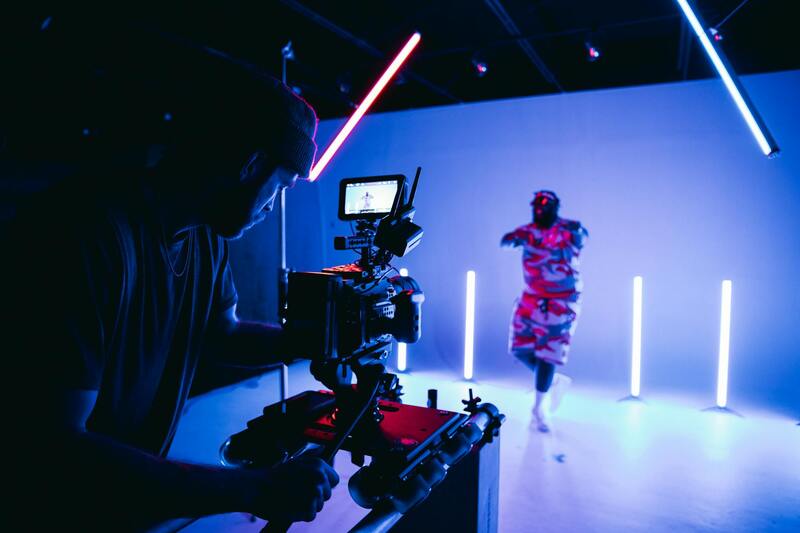
Choosing the right partner involves evaluating their technical infrastructure, including the availability of high-definition cameras, reliable internet connectivity, backup power sources, and advanced switching equipment. Additionally, their capacity to incorporate value-added features such as real-time analytics, viewer interaction tools, and multi-language support can enhance the overall experience.
Client testimonials, case studies, and references provide insight into their commitment to quality and customer satisfaction. Clear communication about project scope, deliverables, and pricing models helps establish a transparent working relationship. Ultimately, partnering with a local Miami production company with proven expertise ensures your live streaming event aligns with your objectives and resonates powerfully with your target audience.
Advanced Techniques and Quality Assurance in Live Streaming Video Production
To ensure a seamless live streaming experience that meets professional standards, adopting advanced techniques and implementing rigorous quality assurance measures are essential. These practices not only elevate the overall broadcast quality but also help in mitigating potential disruptions during the event.
Utilizing Redundant Systems for Reliability
One of the critical strategies involves establishing redundant systems to prevent any unforeseen technical failures. This includes backup internet connections, duplicate capture devices, and secondary power sources to maintain broadcast continuity. Redundancy ensures that even if primary equipment or connections encounter issues, the streaming can continue without noticeable interruptions.
Implementing Robust Testing Protocols
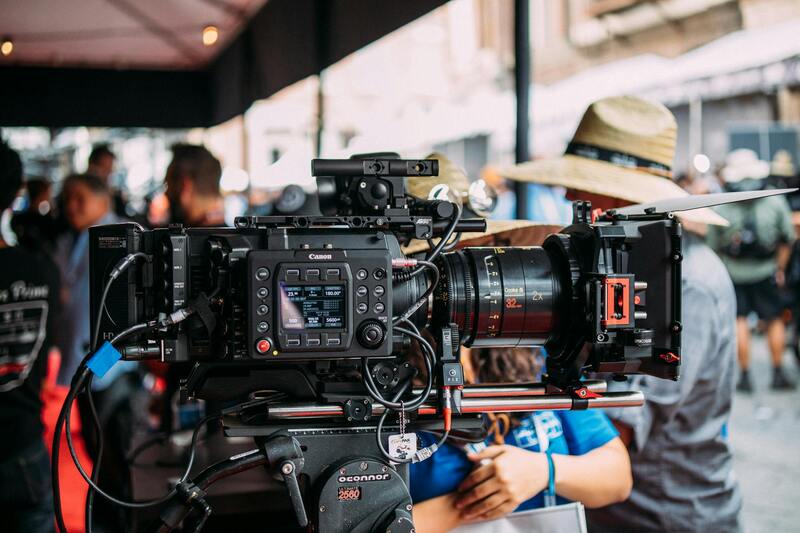
Pre-event testing is vital for identifying potential technical issues beforehand. This involves comprehensive checks of audio and video quality, internet stability, encoding settings, and streaming platform configurations. Conducting dry runs with all stakeholders allows for fine-tuning the quality settings and rehearsing contingency plans. Regular testing ensures that the production team is familiar with the workflow and can swiftly address any anomalies during the actual event.
Optimizing Network Infrastructure
Ensuring high-bandwidth, low-latency internet connectivity is crucial for smooth live streaming. This includes leveraging fiber optic internet connections when available and working with dedicated internet lines to avoid network congestion. Continuous bandwidth monitoring during the event helps in adjusting the stream quality dynamically, maintaining optimal video fidelity without buffering issues.
Quality Control and Real-Time Monitoring
deploying real-time monitoring tools allows technicians to track video and audio signals throughout the event. Any deterioration in quality can be immediately addressed, whether it involves switching to backup feeds or adjusting encoding parameters. This proactive approach minimizes the risk of compromised streams and guarantees a professional broadcast for viewers.
Ensuring Compliance with Industry Standards
Adhering to established industry standards for video compression, aspect ratios, color profiles, and audio formats ensures compatibility across different viewing platforms. Staying current with technological advancements—such as supporting 4K streams or integrating HDR—can also enhance viewer engagement and deliver superior visual experiences.
Training and Experienced Personnel
Having skilled personnel knowledgeable in the latest live streaming technologies and best practices is fundamental. Continuous staff training and certification programs help keep the team updated. Experienced technicians can swiftly troubleshoot issues, optimize media workflows, and implement innovative solutions to meet the evolving demands of live production.
Custom Solutions Tailored to Event Requirements
Incorporating customized workflows and protocols based on specific event needs ensures a personalized approach to quality assurance. Whether it's a corporate conference, music festival, or educational seminar, tailoring the technical setup allows for a more efficient, reliable, and impactful broadcast. This includes designing unique graphics, integrating multiple camera angles, and providing interactive features aligned with the event goals.
Conclusion
Achieving excellence in live streaming video production hinges on meticulous planning, deploying advanced tools, and maintaining rigorous quality standards. By embracing redundancy, thorough testing, network optimization, and skilled personnel, producers can deliver high-caliber broadcasts that captivate audiences and demonstrate professionalism. These measures collectively foster confidence and foster longer-term relationships with clients seeking reliable live streaming solutions.