Understanding Live Stream Production
Live stream production encompasses the process of broadcasting real-time video content over the internet to a target audience. This dynamic form of media delivery has grown exponentially in recent years, driven by demand across various sectors including corporate communication, entertainment, education, and events management. The core objective of live stream production is to deliver high-quality, engaging content seamlessly, ensuring viewers enjoy an experience comparable to that of traditional broadcast methods. Achieving this requires meticulous planning, technical expertise, and the right equipment to ensure each event runs smoothly and professionally.
At its essence, a live stream production involves several interconnected elements:
- Pre-Production Planning: Defining the purpose, audience, and key message of the broadcast, along with logistical arrangements.
- Technical Setup: Selecting and configuring equipment such as cameras, microphones, and streaming software.
- Content Creation: Managing visual and audio content, including live feeds, graphics, and overlays.
- Production Execution: Operating the technical hardware and software during the event to capture, encode, and transmit the stream.
- Post-Broadcast Review: Analyzing performance, viewer engagement, and technical metrics for continual improvement.
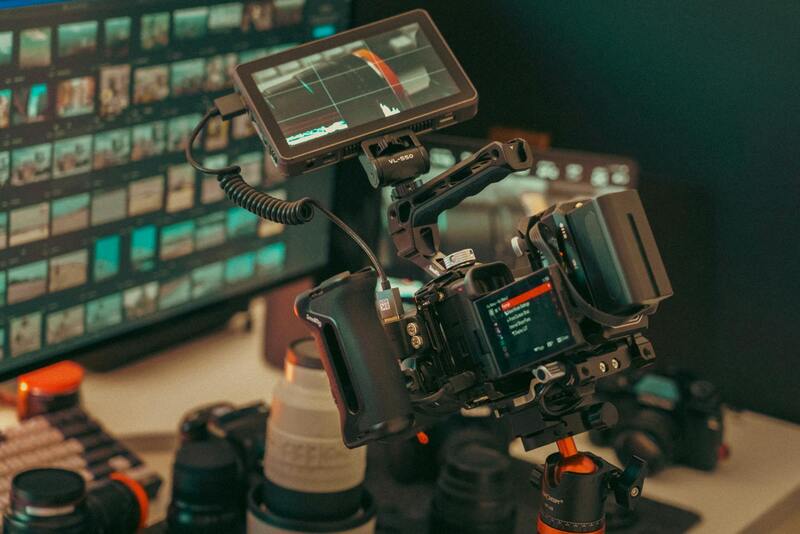
Success in live streaming hinges on several key factors. First, high production quality—video clarity, stable audio, and smooth transitions—enhances viewer experience and engagement. Second, reliable technology and robust internet connectivity are essential to prevent disruptions. Third, strategic planning ensures content relevance and audience retention. By aligning these elements with clear objectives, organizations can leverage live stream production as a powerful tool for communication, marketing, and brand visibility.
Essential Equipment and Technology
Implementing a successful live stream production hinges on utilizing the right combination of equipment and technology. The core components ensure high-quality broadcast delivery, seamless operations, and the capability to adapt to various live scenarios. Key equipment involves cameras, audio devices, streaming hardware, and reliable internet solutions. Each element must be selected carefully to match the scale and objectives of the event.
Streaming Hardware and Encoders
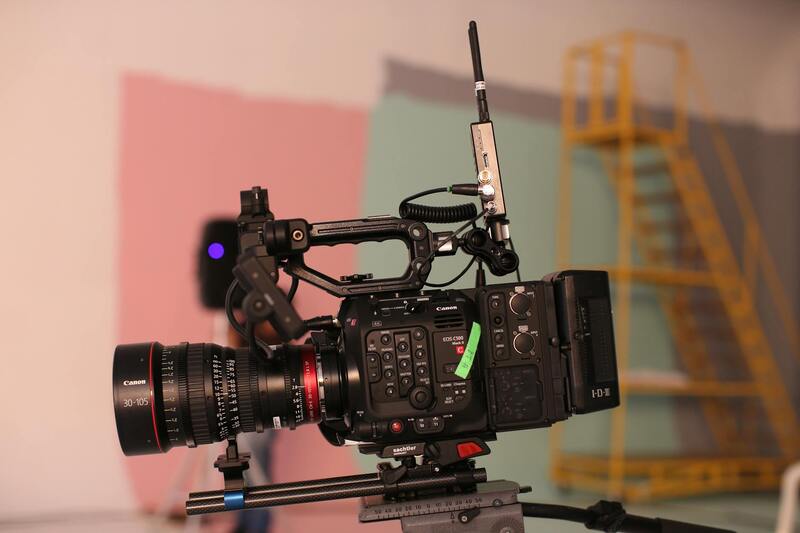
The backbone of any professional live stream is robust hardware that encodes the video and audio signals into streams compatible with the chosen platform. Hardware encoders like dedicated devices or software-based options provide higher stability and quality control compared to consumer-grade solutions. They often come with multiple input options, enabling the integration of various camera feeds and audio sources seamlessly.
Camera Selection and Setup
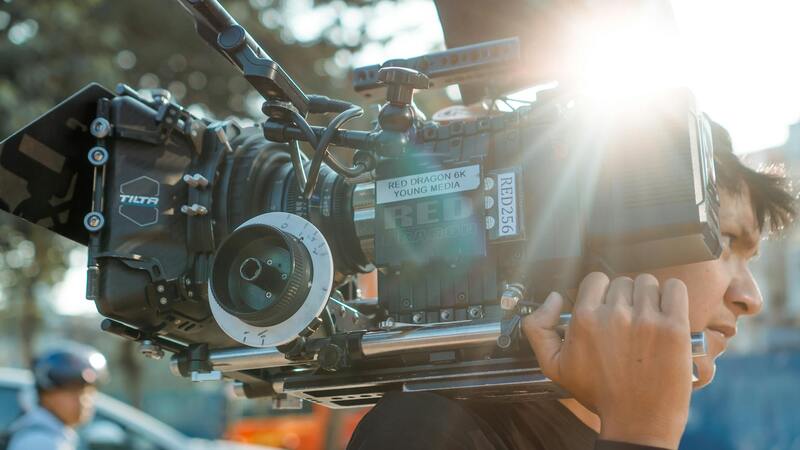
Cameras vary based on the event’s scale and desired production quality. Professional-grade cameras with HD or 4K capabilities allow for sharp, clear visuals. Proper mounting, lighting, and lens choices contribute significantly to the overall viewing experience. For mobility, digital portable cameras or PTZ (pan-tilt-zoom) cameras provide flexibility and remote operation capabilities.
Audio Equipment
The clarity and quality of audio are critical in maintaining viewer engagement. High-quality microphones, audio mixers, and sound processors ensure crisp, balanced sound. Wireless microphones are ideal for movement-intensive segments, while stationary setups benefit from directional microphones that reduce ambient noise.
Reliable Internet Connectivity
Uninterrupted streaming depends heavily on internet stability. Fiber-optic internet connections or dedicated bandwidth lines are preferred options to handle the high data transmission rates required. Employing backup internet solutions, such as secondary connections or mobile hotspots, provides redundancy to prevent disruptions during critical moments.
Supporting Software and Platforms
Streaming software manages live broadcast configuration, switching between camera feeds, overlays, and graphics. Popular platforms for distribution include dedicated streaming services, social media integrations, and private CDN options. Compatibility with these platforms and ease of use are vital factors when selecting software tools.
Additional Accessories
- Lighting equipment to ensure optimal visibility
- Switchers and mixers for real-time scene changes
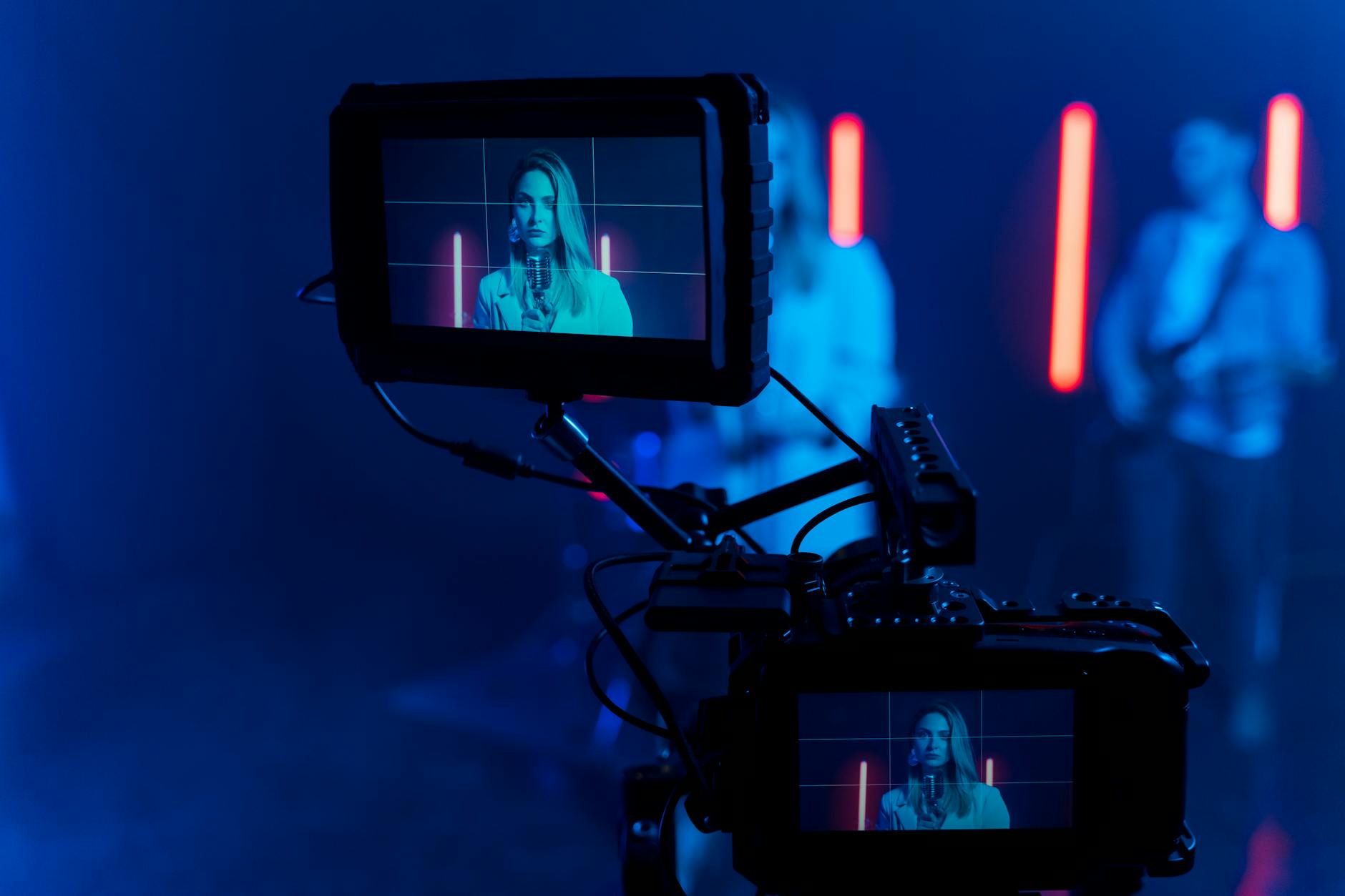
- Monitor displays for production staff to oversee feeds
- Cables, batteries, and power sources to support equipment stability
Investing in high-quality, professional-grade equipment and technology contributes significantly to the overall success of the live streaming process. Proper setup and calibration align with the planned content flow, ensuring viewers receive a seamless and engaging viewing experience.
Understanding Live Stream Production
Efficient live stream production hinges on meticulous coordination of multiple technical elements to ensure that the broadcast is smooth, professional, and engaging. Central to this process is the integration of high-quality camera work, precise audio setup, seamless switching and overlay capabilities, and reliable internet connectivity. Each component must be carefully synchronized, from pre-production planning assessments to real-time execution, to create a polished viewing experience that captures the essence of the event.
Critical Elements in Live Stream Production
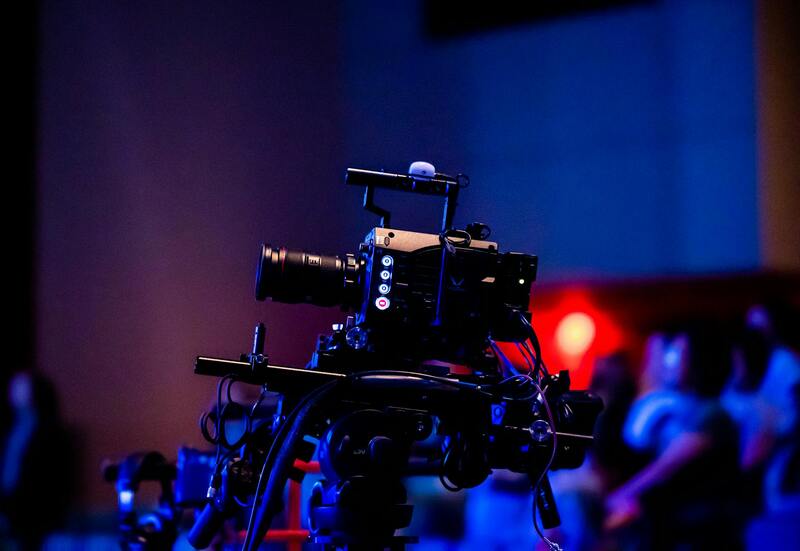
- Video Capture Equipment: High-definition cameras are fundamental in delivering crisp visuals. Multiple camera angles offer dynamic perspectives and enhance viewer engagement. PTZ (Pan-Tilt-Zoom) cameras enable remote control and flexible shot adjustments, facilitating production agility during live broadcasts.
- Audio Systems: Clear, balanced sound is vital. Professional microphones, including lapel, shotgun, and boundary mics, ensure optimal audio capture depending on the setting. Audio mixers and processors allow for real-time adjustments, reducing background noise and balancing levels across multiple sources.
- Switching and Control Devices: Video switchers and production consoles enable seamless transitions between camera feeds, overlays, and graphics. These tools allow operators to make real-time adjustments, creating a professional broadcast flow and enhancing viewer immersion.
- Streaming Hardware: Encoders convert video signals into streams suitable for transmission over the internet. Hardware encoders are preferred for their reliability and consistent performance, especially during intensive live events.
- Internet Connectivity: A stable, high-bandwidth internet connection underpins successful live streaming. Fiber-optic connections or dedicated lines are recommended to handle large data volumes. Redundant internet sources, such as mobile hotspots, are essential for preventing interruptions in case of primary connection failure.
- Monitoring Tools: Multi-view monitors and control panels allow broadcast teams to oversee multiple feeds and system statuses simultaneously, ensuring swift responses to any technical issues during the event.
Integrating Software and Digital Platforms
Effective live stream production also involves using specialized software solutions for scene switching, graphics overlays, and live interactions. Platforms such as dedicated streaming services or enterprise-grade CDN providers facilitate distribution to various channels, accommodating high traffic volumes and ensuring minimal latency. Compatibility, user interface, and support features are pivotal considerations when choosing these tools, as they influence the flexibility and professionalism of the final broadcast.
Furthermore, pre-configuring overlays, lower thirds, and visual effects within software enhances the broadcast's visual appeal and communication clarity. These elements should align with the event’s branding and content strategy, contributing to a cohesive viewer experience.
Best Practices for a Flawless Live Stream
- Conduct comprehensive equipment testing before the event to identify and resolve potential technical issues.
- Create detailed production scripts and cue sheets to ensure smooth transitions and timing. 3> Implement redundancy for critical components such as internet connections and power supplies.
- Ensure all team members are trained in equipment operation and troubleshooting procedures.
- Monitor live metrics continuously, including stream health, viewer engagement, and system performance.
- Prepare contingency plans for common problems, such as internet outages or hardware failures, to minimize disruptions.
Optimizing Camera Angles and Video Quality During Live Production
Maintaining high production standards hinges on precise camera work and effective video management. Selecting the right camera angles not only enhances viewer engagement but also ensures the content is dynamic and visually appealing. A multi-camera setup allows for varied perspectives, capturing different aspects of the event or presentation, thereby creating a more immersive experience for viewers.
Proper framing is essential; close-ups can emphasize facial expressions or important details, while wide shots establish context and environment. To achieve this, camera operators should employ consistent framing techniques, ensuring that each shot aligns with the overall visual storytelling strategy. Careful attention to the rule of thirds, focal length, and camera tilts contributes to a professional appearance.
Lighting plays a crucial role in video quality. Adequate illumination ensures clarity and color accuracy, reducing grain or noise in the footage. In controlled environments, softbox lights, LED panels, and key-light fill techniques create balanced illumination. For outdoor or unpredictable settings, supplementary lighting and reflectors help mitigate shadows and uneven exposure.
Seamless camera transitions are vital for maintaining viewer engagement. Operators should plan transition cues and use software features such as program switches, wipes, or picture-in-picture effects to execute smooth changes between shots. Automated presets or teleprompter cues can facilitate this process without disrupting the live flow.
Implementing a variety of shots also involves strategic camera placement. Fixed mounts work well for stable wide shots, while handheld or robotic cameras can provide flexibility for close-ups or quick movements. Ensuring consistent color balance and focus across all cameras maintains visual cohesion and professionalism. Regularly calibrating equipment before the broadcast ensures consistency in image quality.
Additional considerations include the use of zoom controls judiciously to avoid excessive pixelation and to preserve image quality during close-ups. Gentle and deliberate camera movements, like pans and tilts, contribute to a polished presentation. Employing shot composition rules and maintaining visual interest throughout the broadcast enhances the overall viewer experience.
In sum, meticulous camera work combined with strategic shot planning and high-quality video management protocols underpin successful live stream productions. Reliable equipment, skilled operation, and a thoughtful visual approach are indispensable for delivering compelling live content that resonates with audiences and maintains credibility across various distribution channels.
Camera Work and Video Production Techniques
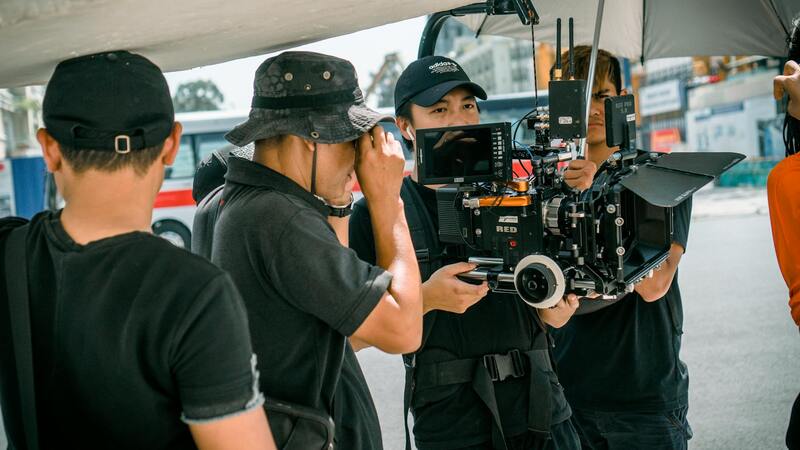
Effective camera work is fundamental to the quality of a live stream production, directly influencing viewer engagement and overall professionalism. Implementing a variety of camera angles and shot compositions helps create a dynamic viewing experience, making the content more immersive and visually appealing. Strategic camera placement involves positioning cameras to capture wide establishing shots, mid-range perspectives, and close-ups that highlight key details or reactions. Employing different types of camera equipment enhances versatility; fixed-mounted cameras deliver stable wide shots, while handheld or robotic cameras allow for more fluid and flexible movements.
Achieving consistent visual quality across multiple cameras requires diligent calibration of color balance, focus, and exposure settings before going live. Regular maintenance and calibration are necessary to prevent disparities that can distract viewers or diminish production value. Smooth transitions between shots are accomplished through detailed planning of switch cues, which can be executed manually or with software automation that offers preset configurations for quick and seamless changes.

Zoom control should be used judiciously to avoid pixelation and maintain clarity during close-up shots. Gentle, deliberate camera movements such as pans and tilts contribute to a seamless viewing experience, avoiding abrupt or distracting motions. Composition techniques, including the rule of thirds and balanced framing, help maintain visual interest and direct viewer attention effectively.
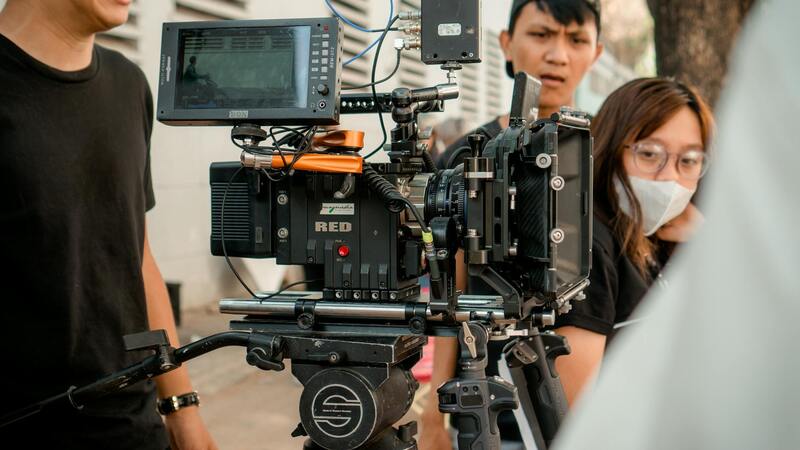
Operators should also incorporate visual cues and shot planning into the production workflow. For instance, pre-assigning camera operators to specific shots and using communication protocols during the broadcast can streamline transitions and minimize lag. Employing shot variety not only keeps the audience engaged but also enhances the storytelling aspect of the live event.
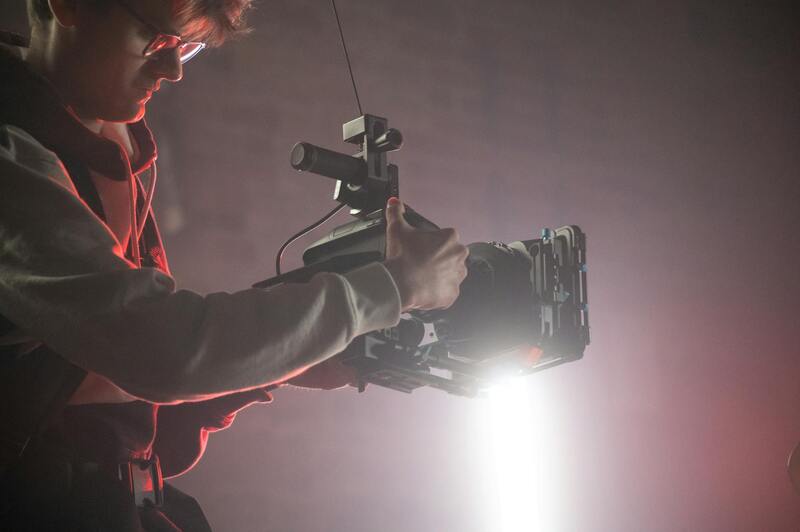
In addition, integrating real-time video management software allows for synchronized switches, overlays, and audio-visual effects, which elevate the live stream’s professionalism. The combination of skilled camera operators, reliable equipment, and thoughtful shot planning ensures a visually cohesive broadcast that sustains viewer interest and reinforces the credibility of the content.
Understanding Live Stream Production
Producing a high-quality live stream requires meticulous planning, coordination, and execution across various technical and creative domains. The core of effective live stream production lies in utilizing official, reliable methods that ensure smooth operation and engaging content delivery. This process begins with a clear understanding of the production workflow, including audiovisual setup, stream management, and audience interaction. Technical proficiency in configuring broadcasting equipment and a keen eye for visual storytelling are essential components that contribute to a seamless viewer experience.
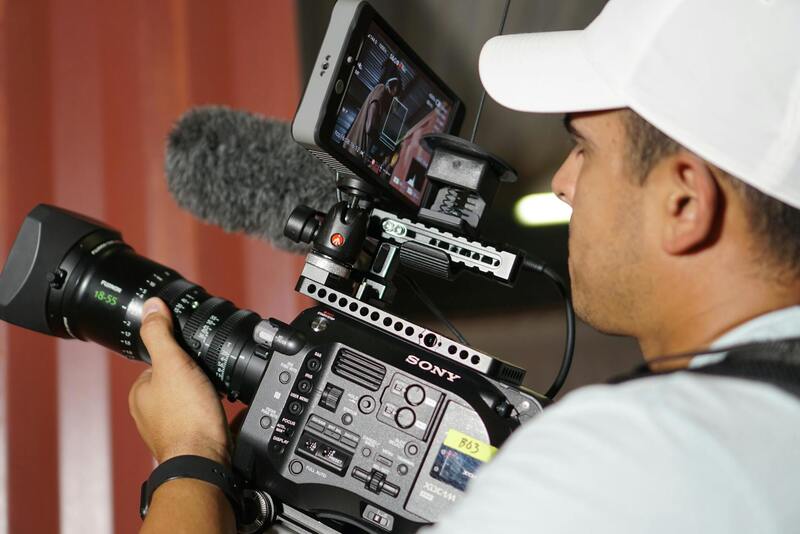
Furthermore, maintaining a structured approach to live stream production involves adhering to industry-standard protocols for signal transmission, audio/video synchronization, and real-time technical troubleshooting. Employing legislation-compliant methods such as using authorized streaming platforms and verified hardware helps to prevent disruptions while providing a secure environment for content dissemination. Live stream production, when executed with reputable tools and proven techniques, significantly enhances the credibility and reach of digital events.
Advanced Methods for Secure and Stable Live Streaming
To achieve an optimal broadcast, content producers should prioritize official streaming software licensed from reputable developers. These platforms often incorporate features like encrypted data transmission, multi-bitrate streaming, and adaptive delivery technologies that cater to varying viewer bandwidths. Hardware equipment, such as professional-grade encoders and switchers, must meet industry standards and certifications, ensuring compatibility and reliability throughout the broadcast.
Implementing redundancy measures—such as backup internet connections, secondary servers, and failover protocols—is fundamental for maintaining uninterrupted streams. These strategies help mitigate potential issues arising from network instability or hardware failure, thereby preserving the integrity of the live event. Additionally, rigorous quality assurance checks prior to the broadcast ensure all equipment functions as intended.

Engaging qualified personnel trained in official production procedures further supports a smooth live stream. Technical directors, camera operators, and audio engineers should be familiar with the latest standards and best practices to handle real-time challenges effectively. Regular training and certification contribute to a team that is well-prepared for high-stakes live events, ensuring that every technical aspect adheres to established guidelines for quality and consistency.
Secure Transmission and Data Protection
Incorporating official streaming protocols involves using authenticated content delivery networks (CDNs) and secure access controls. These measures protect the broadcast from unauthorized interruptions and content theft. Encryption technologies, such as Secure Real-time Transport Protocol (SRTP) and Transport Layer Security (TLS), safeguard the stream during transmission, providing peace of mind to both producers and viewers. Ensuring compliance with data privacy standards also reassures audiences that their information remains protected throughout the engagement.
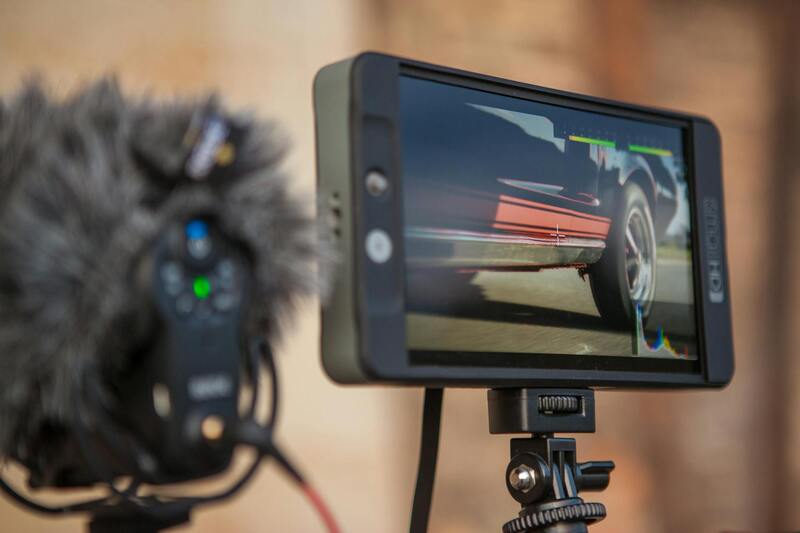
Officially supported live stream production methods include detailed logging, compliance with licensing agreements, and adherence to broadcasting standards set forth by governing bodies. These practices not only enhance professionalism but also demonstrate a commitment to producing trustworthy content. By leveraging certified technologies and following proven procedures, content creators can deliver high-quality streams that resonate with audiences and maintain operational integrity.
Understanding Live Stream Production
Producing a live stream involves careful orchestration of multiple technical and logistical components to ensure a seamless viewing experience. It requires a comprehensive approach that encompasses video and audio quality, reliable transmission methods, and real-time management of content flow. This process hinges on utilizing official, proven production techniques that uphold high standards of professionalism, security, and viewer engagement. Mastery in live stream production entails familiarity with sophisticated broadcasting tools and adherence to industry best practices to deliver content that is both compelling and technically sound.
Implementing Official Streaming Protocols
To ensure a stable and secure live streaming experience, producers should rely on established protocols and infrastructure. This includes authenticated Content Delivery Networks (CDNs) that distribute the stream efficiently across various devices and platforms, minimizing latency and buffering issues. Employing secure access controls prevents unauthorized viewing and ensures content protection. Encryption technologies like Secure Real-time Transport Protocol (SRTP) and Transport Layer Security (TLS) are often used during transmission to safeguard data and preserve viewer privacy.
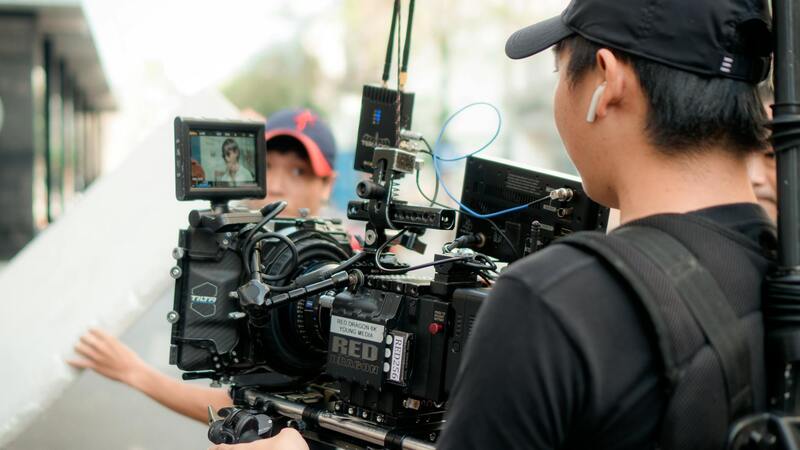
Integrating Authentication and Authorization Measures
Authentication processes, including secure login credentials and token-based access, serve as critical layers of control, ensuring that only authorized viewers can access the content. These measures typically involve verified logins, single sign-on (SSO) systems, or subscription-based access models. Implementing multi-factor authentication adds an additional layer of security, reducing the risk of content leaks and unauthorized distribution. These official methods reinforce a controlled and professional streaming environment.
Monitoring and Real-Time Troubleshooting
Active monitoring during a live stream is essential for promptly identifying and resolving issues. Utilizing official monitoring tools enables production teams to track stream health, bitrate stability, and viewer metrics in real-time. This proactive approach allows for quick interventions, such as adjusting encoding settings or switching streams if necessary, thereby maintaining the quality and continuity of the broadcast. Ensuring that personnel are trained to interpret analytics and respond swiftly is a cornerstone of professional live stream management.
Quality Control and Content Compliance
Maintaining high standards throughout the broadcast involves rigorous quality control protocols. This includes pre-stream checks on equipment, visual and audio clarity, and synchronization. Additionally, adhering to content licensing agreements and broadcast standards ensures that all material conforms to contractual and regulatory requirements. This compliance not only preserves brand integrity but also enhances credibility among viewers, fostering trust and loyalty.
Ensuring Reliable and Secure Broadcast Delivery
For a seamless live streaming experience, the method of content delivery is crucial. Utilizing official content delivery networks (CDNs) helps distribute streams efficiently across diverse geographic regions, reducing buffering and latency issues. These networks are optimized for high traffic loads and provide redundancy, ensuring that streams remain uninterrupted even in peak usage scenarios. This approach not only enhances viewer satisfaction but also maintains the professional integrity of the broadcast.
In addition to secure delivery mechanisms, implementing encryption protocols such as HTTPS or RTMPS (Real-Time Messaging Protocol Secure) is vital. These protocols protect the stream from potential interception, safeguarding both content rights and viewer data. Proper certificate management and adherence to established encryption standards prevent unauthorized access and ensure the authenticity of the stream.
Technical Redundancy and Backup Strategies
Technical redundancy is fundamental to establishing a resilient live stream infrastructure. This involves having backup hardware, alternative internet connections, and multiple streaming servers ready to take over if primary systems fail. A dual-stream setup allows broadcasters to switch seamlessly from one server to another without notice, minimizing downtime and preserving the viewer experience. Regular drills and testing these backup protocols during non-broadcast periods help validate their effectiveness and prepare the team for potential emergencies.
Monitoring and Troubleshooting During Live Broadcasts
Real-time monitoring tools are indispensable for maintaining stream quality. These tools track key parameters such as bitrates, latency, and viewer engagement metrics, providing immediate insights into the broadcast’s health. When issues arise, having a dedicated technical crew ready to troubleshoot ensures rapid resolution—whether adjusting encoding settings, managing network congestion, or switching to backup streams.
Efficiency in troubleshooting hinges on well-documented protocols and proactive communication among team members. Using official moderation and management platforms allows all stakeholders to coordinate effectively, respond swiftly to issues, and keep viewers engaged. The goal is to minimize disruptions and uphold a consistent, high-quality broadcast at all times.
Content Moderation and Compliance
Maintaining control over live content is imperative. This involves implementing moderated chat systems, filtering inappropriate comments, and ensuring all content aligns with predetermined guidelines. Conference or event organizers often utilize official moderation tools that integrate directly with streaming platforms to enforce content standards in real-time.
Moreover, adherence to copyright and licensing regulations is strictly enforced through content monitoring systems that automatically flag unauthorized material. These measures protect broadcasters from potential legal complications and preserve the integrity of the live production environment.
Engagement and Interaction Strategies
Engaging viewers during a live stream enhances the overall experience and encourages participation. Official platforms provide interactive features such as live chat, polls, Q&A sessions, and instant feedback mechanisms. Managing these interactions professionally requires dedicated moderation and strategic planning to ensure that audience engagement aligns with the event’s objectives.
Proactively responding to viewer inputs not only boosts engagement but also fosters community building. Leveraging sophisticated engagement tools and analytics helps tailor content in real-time, ensuring viewers feel valued and involved throughout the broadcast.
Deploying reliable technical infrastructure paired with strategic management practices forms the backbone of successful live stream production. By following official methods grounded in proven technology and adherence to standards, producers can deliver compelling, high-quality broadcasts that meet the expectations of diverse audiences. Consistent evaluation and refinement of these processes ensure continuous improvement and uphold the highest levels of professionalism in live streaming efforts.