Overview of Live Broadcast Services
Live broadcast services encompass a comprehensive range of solutions designed to deliver real-time video streaming of events, meetings, performances, and other key moments to audiences across various platforms. These services are crucial for organizations aiming to reach viewers instantaneously, whether it’s for corporate communications, sporting events, concerts, or community gatherings. In Miami—a vibrant hub for cultural, business, and entertainment activities—professional live broadcasting ensures that events are accessible to a broader audience, enhancing engagement and visibility.
Implementing a live broadcast involves intricate planning and sophisticated technology to achieve high-quality visuals and seamless audio. It requires an understanding of the target audience, the nature of the event, and the desired reach. With the right live broadcast service, Miami-based clients can extend their event’s impact well beyond physical attendees, providing a dynamic platform for interaction and publicity.
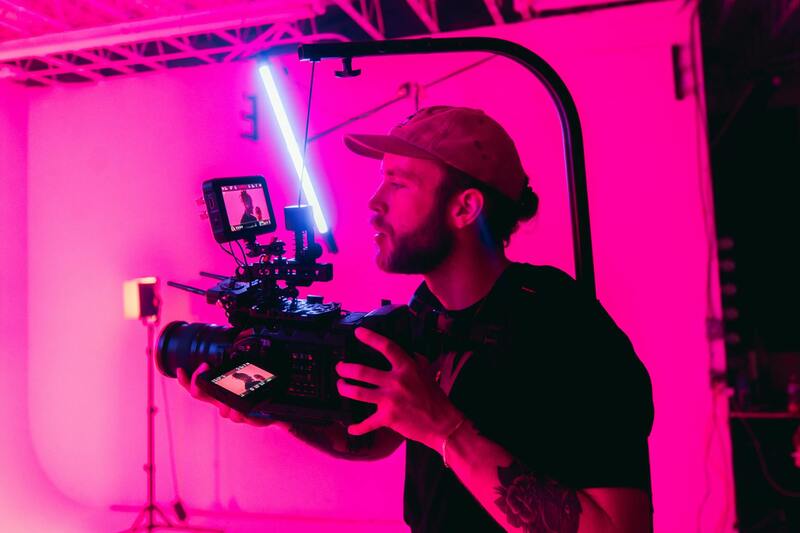
Effective live broadcasting also plays a pivotal role in corporate communications, allowing companies to conduct town halls, product launches, and training sessions remotely. For entertainment sectors, it provides opportunities to showcase performances and festivals to fans worldwide, transforming local events into global experiences. As Miami hosts a diverse array of events, utilizing professional live broadcast services guarantees a polished presentation and reliable streaming, vital for maintaining audience engagement and brand reputation.
Significance of Live Broadcast Services in Miami
- Enhanced Accessibility: Allows remote viewers to participate in live events, increasing reach and inclusivity.
- Real-Time Engagement: Facilitates immediate interaction through live chat, comments, and social media integration.
- Amplified Visibility: Boosts event exposure across digital platforms, attracting larger audiences and media coverage.
- Media Coverage and Documentation: Creates lasting digital records, useful for promotional content and archival purposes.
- Business Continuity: Ensures consistent communication channels during disruptions or restrictions on physical gatherings.
Whether for community events or corporate broadcasts, professional live broadcast services are instrumental in transforming how events are experienced and shared in Miami’s bustling environment. Leveraging advanced technology and expert execution, these services offer a compelling mix of innovation, reliability, and audience engagement that meet the demands of today’s digital landscape.
Types of Live Broadcast Services Offered
Miami-based live broadcast service providers offer a diverse array of streaming solutions tailored to meet the unique requirements of each event. Whether organizing an intimate corporate meeting, a large-scale concert, or a community festival, professionals utilize a spectrum of options designed to maximize audience engagement and delivery quality.
Event Streaming
This core service involves transmitting live footage of various events directly to online audiences. It includes conferences, seminars, product launches, and public celebrations, ensuring live access regardless of viewers’ physical locations. These streams are typically optimized for different devices, ensuring seamless viewing experiences across desktops, tablets, and smartphones.
Webcast Production
Webcast production involves the comprehensive setup of visual and audio elements to deliver polished, professional broadcasts. This process encompasses scripting, expert camera operation, sound engineering, and real-time graphics integration. High-definition quality is a standard, providing a visually appealing presentation that enhances the event's overall impact.
Multi-Camera Broadcasts
Multi-camera setups provide dynamic live streams by capturing different angles and perspectives. Such configurations are particularly beneficial for concerts, sports events, and theatrical performances. The ability to switch between camera feeds in real time creates a cinematic experience, captivating viewers and maintaining engagement.
Hybrid Live-Online Events
Hybrid events combine in-person attendance with live online streaming. This format enables organizers to reach broader audiences while maintaining physical event logistics. Features like virtual breakout rooms, interactive Q&A sessions, and live polling further enrich hybrid experiences, connecting virtual participants with physical attendees seamlessly.
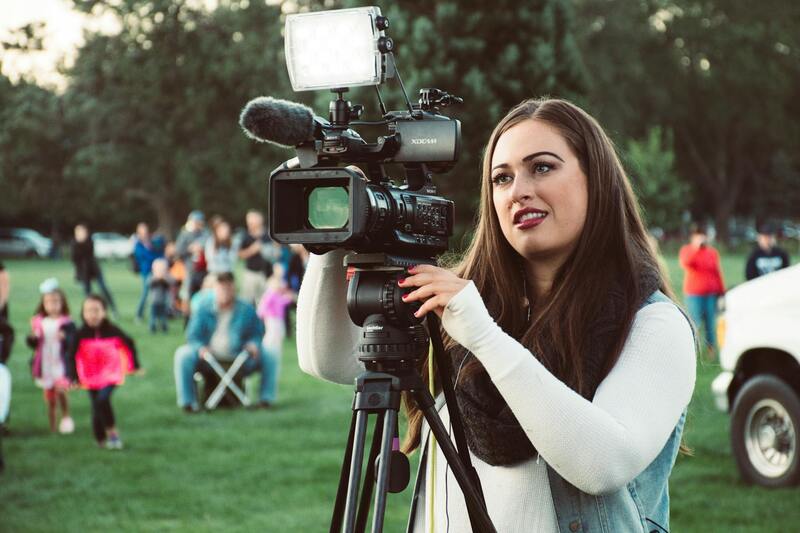
These varied streaming solutions enable organizations in Miami to adapt to different event formats, scale their outreach, and create compelling digital experiences. By leveraging specialized services, they ensure consistent, high-quality broadcasts that reinforce branding and audience retention.
Key Technologies and Equipment Used
To deliver reliable and crisp live streams, Miami broadcast service providers employ a range of advanced technologies and equipment. This infrastructure ensures seamless connectivity, real-time performance, and high-definition quality.
- Professional Cameras: High-resolution, broadcast-grade cameras capture clear visuals from multiple angles, enriching the viewing experience.
- Streaming Encoders: Devices or software encode raw footage into digital streams optimized for internet delivery, supporting adaptive bitrate streaming for fluctuating network conditions.
- Audio Equipment: Lavalier microphones, boom mics, and audio mixers guarantee crisp sound quality, critical for conveying messages effectively.
- Network Infrastructure: Dedicated fiber-optic internet connections and robust Wi-Fi networks provide the bandwidth necessary for uninterrupted streaming.
- Switcher and Transition Devices: Hardware or software tools enable smooth switching between camera feeds and adding graphics or overlays during live broadcasts.
- Streaming Platforms and CDN Integration: Utilizing popular Content Delivery Networks (CDNs) ensures efficient distribution of streams worldwide, reducing latency and buffering issues.
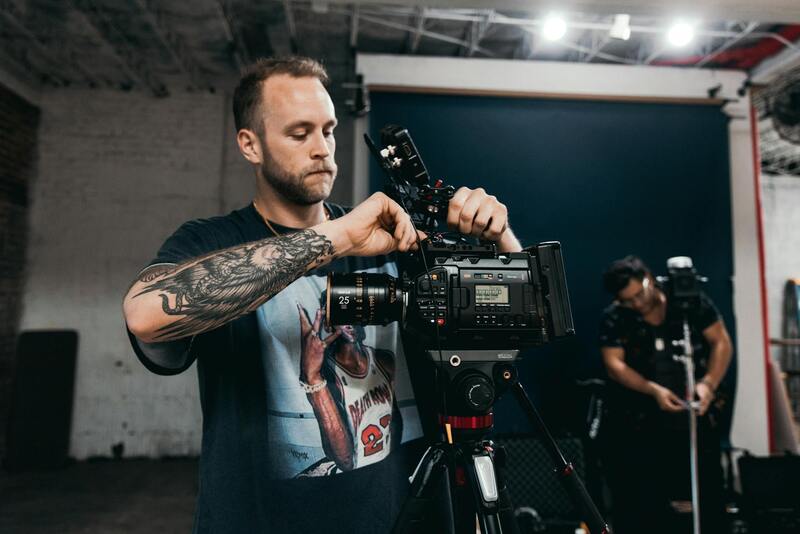
Planning and Pre-Production for Live Broadcasts
Effective live broadcast execution begins long before the event occurs. Pre-production involves meticulous planning to ensure technical and logistical aspects align perfectly, minimizing on-the-fly issues and optimizing viewer experience.
- Defining Objectives: Clarify the purpose of the broadcast, target audience, and desired outcomes, which guide technical and creative decisions.
- Technical Rehearsals: Conduct rehearsals with the full setup, testing all equipment, connections, and internet stability to identify and resolve potential issues.
- Content Planning: Develop a detailed schedule, including camera shots, graphics, key visual cues, and cues for transition, ensuring a cohesive flow.
- Coordination with Stakeholders: Collaborate with speakers, performers, and event organizers to synchronize timing and content delivery.
- Backup Plans: Prepare contingency protocols, such as alternative internet sources or backup equipment, to address unforeseen technical difficulties.
Execution of Live Broadcasts in Miami
During the live event, professional broadcasters execute the planned schedule with precision. Experienced technicians continuously monitor the stream quality, making real-time adjustments as necessary to address issues like bandwidth fluctuations or technical glitches. Skilled camera operators capture compelling visuals while sound engineers ensure audio clarity. Additionally, producers manage the live switching between camera angles and graphics, ensuring a dynamic and engaging presentation.

Sound and visual specialists remain attentive throughout to promptly resolve any issues, ensuring that the live stream meets high standards without interruptions or degradation. Audience interaction features, such as live chat or Q&A modules, are monitored to facilitate real-time engagement, making virtual viewers feel connected to the event.
Post-Broadcast Services and Content Delivery
Following the live event, the production team’s focus shifts towards content repurposing and distribution. Recorded streams, highlights, and behind-the-scenes footage are edited, packaged, and disseminated across various digital platforms to extend the event’s reach and engagement. These post-broadcast materials are valuable for promotional campaigns and archival records.
- Video Editing: Enhancing raw footage, adding subtitles, graphics, and branding for on-demand viewing.
- Distribution: Uploading content to social media, websites, and video hosting platforms to maximize accessibility.
- Analytics and Reporting: Gathering data on viewer metrics, engagement levels, and technical performance to inform future broadcasts.
- Content Archiving: Cataloging high-quality recordings for long-term storage, historical reference, or future promotional use.
Overview of Live Broadcast Services
Live broadcast services serve as the cornerstone for real-time digital communication, enabling organizations, event organizers, and content creators to reach audiences instantly across various platforms. These services encompass a wide array of technical and logistical elements designed to deliver high-quality streaming experiences with minimal latency. In the Miami area, providers specializing in live broadcasting leverage cutting-edge technology to facilitate events ranging from corporate conferences and sports tournaments to cultural festivals and religious gatherings. The core objective of these services is to produce a seamless, engaging broadcast that maintains professionalism and viewer engagement throughout the event duration.
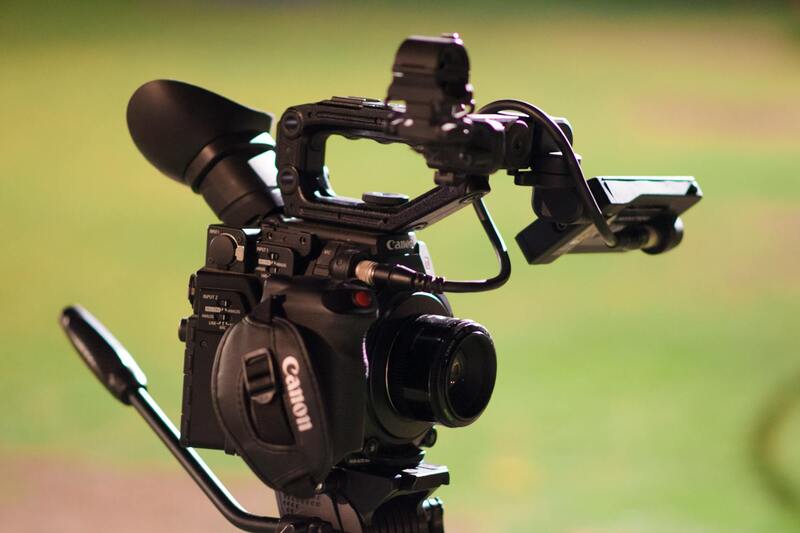
Live broadcast services typically include comprehensive planning, high-grade equipment, expert technical support, and post-event content management. This integrated approach ensures that every element of the live stream—from camera operation and audio fidelity to bandwidth management—is meticulously coordinated. Such services are invaluable for organizations seeking to maximize their reach, enhance viewer interaction, and ensure synchronized delivery regardless of geographical barriers. In Miami, the diversity of event types and target audiences makes it essential to choose a reputable live broadcast service capable of customizing solutions aligned with specific objectives and technical requirements.
Types of Live Broadcast Services Offered
Providers in Miami offer a broad spectrum of live streaming solutions tailored to different organizational needs and event formats. These include:
- Corporate Live Streaming: For product launches, webinars, and executive town halls, providing professional-grade visuals and uninterrupted flow to corporate channels or private audiences.
- Event Streaming: Covering conferences, trade shows, and awards ceremonies, often involving multiple camera angles, interview segments, and real-time audience interaction.
- Religious Services: Livestreaming church services, spiritual gatherings, and faith-based events with sensitivity to ambiance and audio clarity.
- Educational Content: Streaming classes, seminars, and graduations, often with features allowing simultaneous multi-camera views and interactive Q&A sessions.
- Sports and Entertainment: Broadcasting live sporting events, concerts, and cultural festivals, emphasizing high frame-rate video, dynamic graphics, and instant replay capabilities.
These varied service types require specific technical setups and expertise. For example, sports broadcasts demand high bandwidth and real-time graphics, while religious services benefit from clear audio and camera positioning to capture the atmosphere. Event organizers can choose from turnkey packages or bespoke solutions tailored to the complexity of their event and desired viewer experience.
Technical Aspects of Live Broadcasts
Implementing a successful live broadcast involves deploying advanced hardware such as professional video encoders, multi-input switchers, and high-definition cameras. Cloud-based streaming platforms are utilized for content distribution, ensuring global accessibility and reliable delivery. Audio quality is maintained through high-fidelity microphones and mixing consoles, which are critical for clear communication and audience engagement. Moreover, real-time monitoring tools are employed to track streaming quality, bandwidth usage, and viewer interactions, facilitating prompt adjustments when necessary.
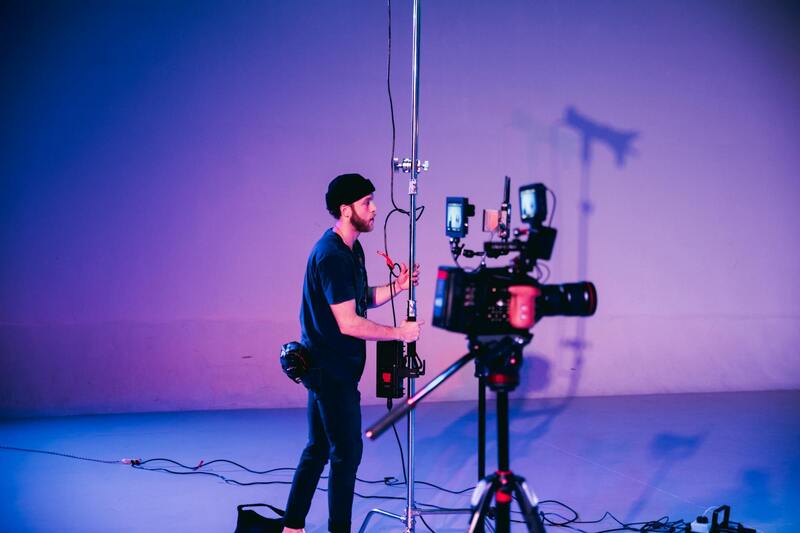
As technology evolves, integration between hardware and software solutions becomes increasingly sophisticated, allowing operators to enhance visual effects, incorporate live subtitles, and enable interactive features, all while maintaining a stable and high-definition stream. For reliable operation, backup systems such as redundant encoders and failover internet connections are often implemented, particularly for high-stakes events where uninterrupted transmission is essential.
Execution of Live Broadcasts in Miami
Successfully executing a live broadcast in Miami requires meticulous coordination of technical elements, skilled personnel, and seamless integration of hardware and software systems. On the day of the event, a dedicated technical team manages the entire operation, ensuring all equipment is functioning optimally and that the streaming flow remains uninterrupted. This team monitors key parameters such as signal integrity, audio-visual synchronization, and network stability, making real-time adjustments as necessary to maintain high production standards.
Placement and calibration of cameras are crucial for capturing the event from the best angles, ensuring that the audience, whether attending virtually or in person, receives a compelling visual experience. High-definition broadcast cameras are strategically positioned to cover every aspect of the event, whether it involves dynamic movement or static presentations. Multi-camera setups enable smooth transitions and varied perspectives, enhancing viewer engagement.

Audio management is equally critical. Omnidirectional microphones, lapel mics, and mixing consoles are deployed to capture clear sound. Sound engineers work diligently to balance audio levels, eliminate background noise, and deliver crisp, immersive sound, vital for maintaining audience immersion and communication clarity.
The integration of live graphics, overlays, and on-screen information enhances the viewing experience and can be customized for various event types. For virtual conferences, interactive features such as live chat, polls, and Q&A sessions are enabled to foster audience participation. Additionally, real-time analytics provide immediate feedback on viewer engagement, allowing hosts to tailor content delivery or address technical issues swiftly.
To maximize reliability, redundant systems such as backup encoders, secondary internet connections, and portable power supplies are put in place. These safeguards help prevent stream failure due to technical hiccups or internet disruptions, which are especially crucial for high-profile events or content with broad audience reach in Miami and beyond.
During the broadcast, continuous communication between on-site personnel and the remote production team ensures synchronized operations. This coordination is vital to manage live switching, camera feeds, and audio transitions seamlessly, delivering a polished final product that meets client expectations and audience demands.
Post-broadcast, the content is archived for on-demand access or further distribution across various digital channels. Review sessions and performance analyses help identify areas for improvement, allowing providers to refine workflows and technology deployment for future live events in Miami. Feedback from viewers and clients informs ongoing adjustments to technical setups and content strategy, emphasizing the importance of post-event evaluation in maintaining high standards and viewer satisfaction.
Execution of Live Broadcasts in Miami
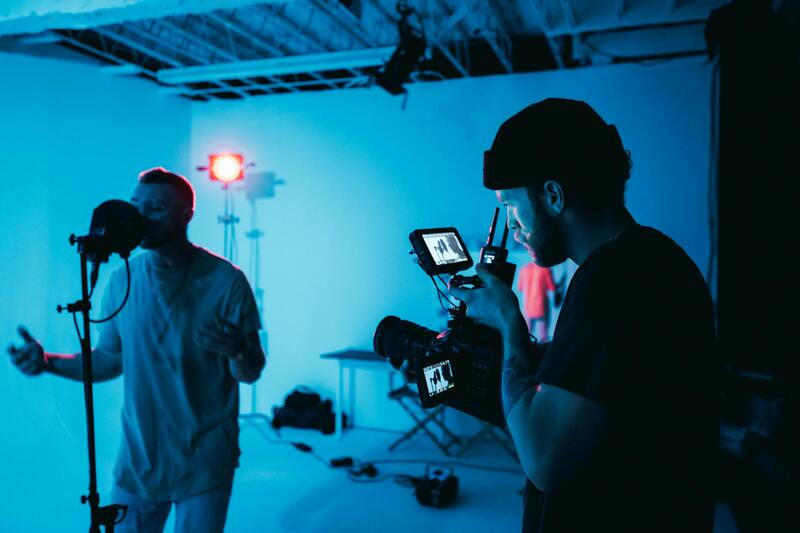
Effective execution of live broadcasts in Miami requires meticulous on-site operations to ensure a seamless viewing experience. The process begins with strategic camera setup, where multiple units are positioned to capture various angles of the event. High-definition cameras equipped with robotic pan-tilt-zoom (PTZ) capabilities allow operators to focus on key moments, speakers, or audience reactions, providing dynamic visuals that enhance engagement. Simultaneously, professional lighting systems are calibrated to ensure proper illumination, minimizing shadows and ensuring clear visibility regardless of indoor or outdoor settings.
Audio management is equally critical. Skilled audio technicians deploy a combination of microphones—wireless lavaliers, shotgun mics, and ambient mics—to capture clear sound from speakers and the surrounding environment. Sound mixers are used to balance audio levels, eliminate background noise, and apply real-time equalization, ensuring that voice clarity remains consistent throughout the broadcast. This attention to audio fidelity is essential for maintaining viewer focus and conveying the event’s message effectively.
Live switching and video signal management are handled through multi-input video switchers. These devices enable technical teams to switch between different camera feeds seamlessly, adding graphics, overlays, or video clips as required. This dynamic switching maintains visual interest and emphasizes important moments in real time. The control room, often situated close to the event venue, is staffed with experienced directors and operators who monitor all feeds, coordinate with camera operators via intercom systems, and respond swiftly to any unforeseen issues that may arise during the broadcast.

Contingency planning is an essential part of the execution process. The production team prepares for potential technical failures by having backup equipment such as spare cameras, extra microphones, and alternative power sources like portable generators on-site. Multiple internet connections, including fiber optic and wireless LTE/5G links, are employed to ensure continuous data transmission, with automatic failover protocols activated if primary connections falter. These measures guarantee uninterrupted streaming despite adverse conditions, which is vital for high-stakes conferences or large-scale events.
On-site personnel also coordinate closely with remote production teams to facilitate real-time adjustments. Clear communication channels via walkie-talkies and dedicated communication platforms allow for immediate problem-solving and synchronization of camera operations, audio levels, and graphic inserts. This level of coordination ensures that the final broadcast is polished, professional, and engaging, regardless of the event’s complexity or scale.
Post-event, the content is carefully reviewed and archived to allow for on-demand access, content repurposing, or promotional use. This review process involves analyzing technical performance, viewer engagement metrics, and overall broadcast quality. Feedback from stakeholders informs future planning, supporting continuous improvement for subsequent live broadcasts in Miami.
Execution of Live Broadcasts in Miami
Successfully executing a live broadcast in Miami involves meticulous coordination of technical resources, skilled personnel, and real-time management strategies. The process begins with establishing a robust technical infrastructure that can handle high-quality video and audio transmission. This includes deploying professional-grade cameras, switchers, and encoders capable of delivering HD or 4K streams. A critical aspect is ensuring a reliable internet connection, often achieved through multiple fiber optic lines combined with wireless LTE/5G links, to facilitate seamless data flow and provide automatic failover protocols in case of hardware or connectivity issues.
On-site team members, including camera operators, audio technicians, and production coordinators, work closely with remote directors and producers via dedicated communication channels. They execute a well-orchestrated plan to capture live footage, manage audio levels, overlay graphics, and switch camera feeds in real-time. Effective coordination allows the team to adapt swiftly to any unforeseen challenges, such as technical glitches or last-minute content changes, minimizing disruptions to the broadcast.
A comprehensive contingency plan is integral to the broadcast process. Backup equipment, including spare cameras, batteries, and audio devices, are maintained on-site. Emergency measures, like power generators and redundant streaming servers, are also in place to prevent data loss or interruptions. Additionally, extensive pre-show rehearsals and test runs are conducted to fine-tune technical parameters and coordinate all involved personnel, ensuring a smooth execution.
During the broadcast, real-time monitoring of video and audio feeds is essential for maintaining quality standards. Production staff utilize specialized software to manage graphics insertion, live captions, and instant replays, depending on the event's needs. Communication between on-site staff and remote control rooms is supported through secure walkie-talkies and digital platforms, facilitating instant adjustments and problem resolution.
Post-broadcast, the raw footage is archived with detailed metadata for future access. The content then undergoes quality assessment, where professionals analyze technical performance, viewer engagement, and overall broadcast effectiveness. This data supports refining technical setups, optimizing content, and preparing high-quality recordings for distribution on various digital and traditional channels. Ensuring comprehensive post-broadcast services allows organizers to maximize content value and strategize for subsequent events in Miami.
Overview of Live Broadcast Services
Live broadcast services encompass a comprehensive suite of solutions designed to transmit real-time video and audio content to audiences across various digital platforms. These services are vital for organizations, event organizers, and media companies looking to maximize engagement and reach a broader viewer base instantaneously. They utilize advanced streaming technology to deliver high-quality content seamlessly, regardless of location, ensuring the audience experiences minimal latency and optimal clarity. Such services are instrumental for live events, corporate meetings, religious gatherings, and entertainment shows, providing immediacy and authenticity that pre-recorded content cannot achieve.
When selecting a live broadcast service, organizers prioritize reliability, quality, and technical proficiency. The services often include multi-camera setups, live editing, graphics insertion, real-time captions, and on-the-fly content adjustments. They also support diverse streaming platforms such as social media, dedicated websites, and OTT services, facilitating wide accessibility for viewers. Moreover, live broadcast providers in Miami harness the latest broadcast technologies to ensure stability and high performance, making their offerings suitable for the most complex and high-profile events.
Types of Live Broadcast Services Offered
- Event Live Streaming: Covering conferences, concerts, sports, and community festivals with professional-grade video transmission.
- Corporate Live Broadcasts: Hosting product launches, executive meetings, or training sessions to a remote workforce or client base.
- Webcast and Webinar Solutions: Interactive online seminars with real-time Q&A, polls, and multiple presenter feeds.
- Religious and Cultural Services: Streaming sermons, religious ceremonies, and cultural celebrations to global audiences.
- Specialized Broadcasts: Including stunt shows, auctions, and other niche events requiring tailored broadcast setups.
Key Technologies and Equipment Used
Modern live broadcast services rely on a sophisticated array of equipment and technology to ensure professional output. This includes high-definition cameras, audio equipment with windshields and mixers, and streaming encoders that convert raw footage into digital streams suitable for online delivery. Central to the process are robust hardware and software solutions for video switching, graphics overlay, and content management. These tools enable producers to seamlessly switch between multiple camera feeds, insert graphics or lower-thirds, and manage live interactions.
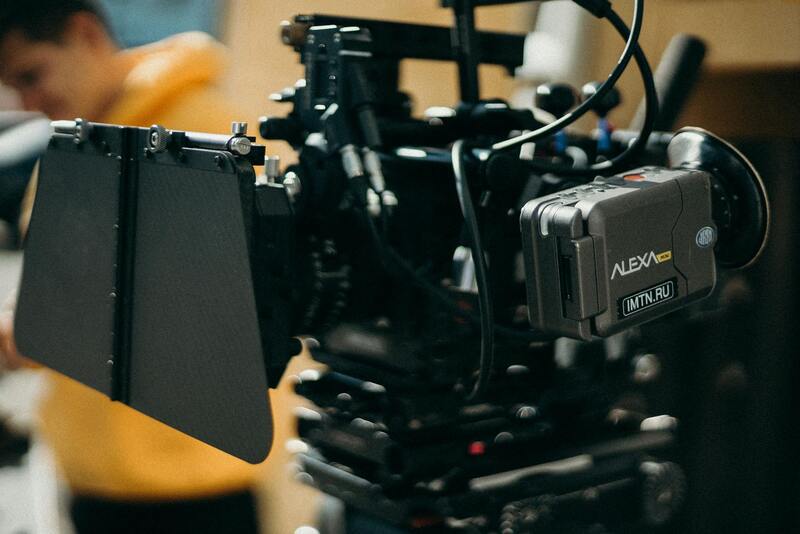
For redundancy and uninterrupted streaming, backup systems such as spare servers, power supplies, and multiple internet connections are deployed. These elements function together to provide a resilient infrastructure capable of handling unforeseen disruptions. Additionally, live broadcast services integrate with content delivery networks (CDNs) to distribute streams efficiently across various geographical locations, ensuring minimal buffering and high resolution for viewers regardless of their device or internet speed.
Planning and Pre-Production for Live Broadcasts
Effective planning is fundamental in delivering a successful live broadcast. This phase involves detailed logistical arrangements, technical rehearsals, and content scripting. Pre-production meetings coordinate between the client, production team, and technical staff to establish broadcast objectives, camera angles, graphics, and timing. Technical checks and test runs are performed to verify equipment functionality, internet stability, and streaming platform compatibility.
Preparation also includes securing necessary permits, configuring emergency contingency plans, and establishing communication protocols among on-site personnel. A comprehensive storyboard or run-of-show is developed to guide the live event, ensuring all key moments are captured and that the broadcast aligns with audience expectations. Content coordination with sponsors, speakers, and performers guarantees smooth transitions and timely scene changes during the live transmission.
Execution of Live Broadcasts in Miami
During the live event, a dedicated production team manages the entire broadcast process. This team monitors real-time feeds, controls camera switching, and manages graphics insertion, ensuring the broadcast maintains a professional look throughout. Concurrently, they oversee audio levels and video quality, making on-the-fly adjustments as necessary. Constant communication is maintained between technical staff, directors, and on-site personnel to facilitate immediate problem resolution and content modifications.
In Miami, live broadcast services often employ multi-platform streaming to reach audiences on social media, dedicated portals, or through integrated apps, broadening exposure. The use of remote control rooms allows these teams to operate seamlessly, even from off-site locations. The overlay of live captions, interactive elements, and audience engagement tools further enhances viewer participation, making the overall experience dynamic and interactive.
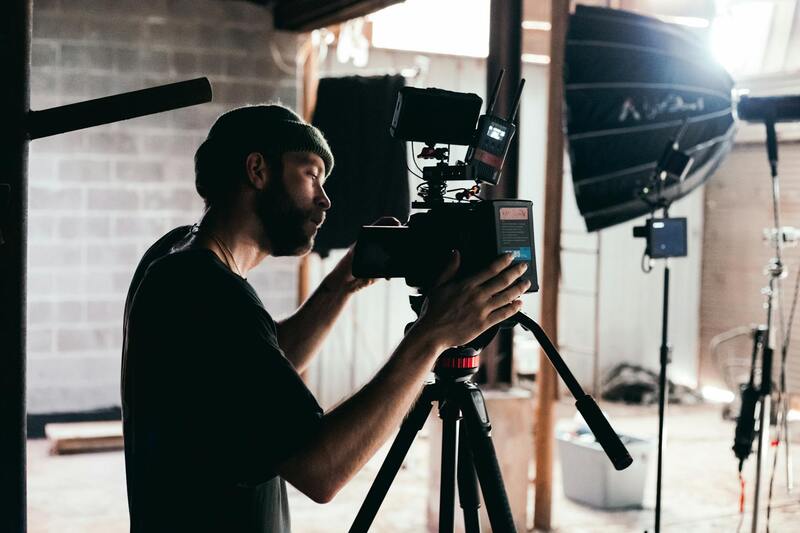
Throughout the broadcast, real-time analytics monitor viewer engagement, stream stability, and technical performance, providing vital feedback to the production crew. These insights enable immediate troubleshooting and adjustments, ensuring high-quality delivery. Post-show, the raw footage and metadata are archived for future reference and content repurposing, maintaining a valuable record of the event.
Post-Broadcast Services and Content Delivery
Following the live event, the content undergoes thorough processing to ensure it is accessible, organized, and primed for distribution. Quality assessments examine technical parameters such as resolution, synchronization, and audio clarity, alongside engagement metrics to evaluate audience interaction. The recorded footage is stored with detailed metadata, facilitating easy retrieval and editing for on-demand use or promotional highlights.
The delivery of content extends beyond live streaming. It includes creating optimized video files for social sharing, uploading to web platforms, and distributing to clients or collaborators. This extended service guarantees the event’s reach continues well beyond the live moment, supporting marketing, archival, or educational purposes and maximizing the broadcast’s impact within the Miami region and beyond.
Choosing a Live Broadcast Service Provider in Miami
When selecting a live broadcast service provider in Miami, several critical factors should guide your decision to ensure a seamless and successful event. It’s essential to focus on providers with a proven track record of high-quality streaming, robust technical infrastructure, and comprehensive support during all phases of the broadcast. Reliability is paramount; therefore, assessing a company’s experience in managing live events of similar scale and complexity can provide valuable insights into their capability to deliver under pressure.
Technical expertise is a key consideration. The provider should utilize advanced broadcasting technologies, such as multi-camera setups, professional encoding hardware, and reliable streaming platforms that support various devices and network conditions. Their proficiency in handling real-time encoding, latency management, and adaptive bitrate streaming ensures a consistent viewer experience across different platforms and internet speeds.
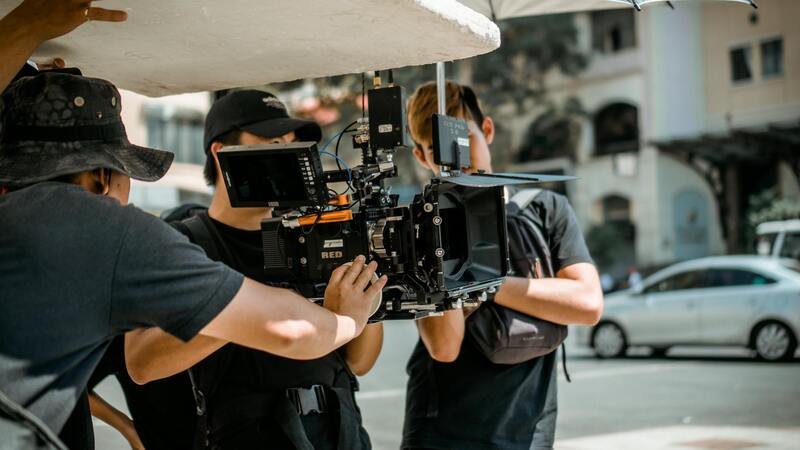
In addition to the technical aspect, a provider's experience with content protection, copyright compliance, and secure streaming protocols is vital, especially for events hosting sensitive or proprietary information. Ensuring that the service includes encryption and secure delivery mechanisms safeguards the content and maintains privacy.
Customer support and project management services also play a significant role in the selection process. Providers offering dedicated account managers, on-site technical teams, and clear communication channels can facilitate smooth coordination and rapid troubleshooting. This level of support is particularly critical for live events, where unanticipated issues can arise unexpectedly.
Customized Service Packages and Scalability
Opting for flexible service packages tailored to the specific needs of your event allows for adjustments based on audience size, broadcast duration, and technical requirements. A scalable solution ensures that as your event grows or evolves, the broadcasting infrastructure can accommodate increased demand without sacrificing quality.
Local Knowledge and Network Infrastructure
Locally based service providers in Miami bring operational advantages, such as better understanding of regional connectivity challenges, access to local technical expertise, and faster deployment during on-site setup. Their familiarity with Miami’s venues and infrastructure ensures that logistical aspects align seamlessly with the technical setup.
Evaluation and Certification
Finally, reviewing the provider’s certifications, industry affiliations, and client testimonials can help verify their professionalism and commitment to quality standards. Certification in broadcast and streaming standards demonstrates adherence to best practices, fostering confidence in the service quality.