Overview of Event Livestreaming Services
Event livestreaming has emerged as a vital component for modern gatherings, enabling hosts to reach a global audience in real-time. This technological service involves broadcasting live video footage of various events, from corporate meetings to cultural festivals, through online platforms. The core purpose of event livestreaming is to extend the event’s reach beyond physical attendees, creating opportunities for engagement and participation that transcend geographical barriers.
Specialized event livestreaming companies provide comprehensive solutions that encompass technical setup, content management, and broadcasting delivery. These services typically include high-definition video capture, multi-camera setups to ensure dynamic viewing angles, and professional audio equipment for clear sound. Beyond the hardware, these companies also manage the streaming platform, ensuring a stable and high-quality transmission throughout the event’s duration.
Moreover, event livestreaming services often incorporate additional features such as live chat interactions, social media integration, and multi-platform streaming capabilities. These enhancements foster audience participation, increase visibility, and boost the overall impact of the event. An effective livestreaming provider tailors their offerings to match the specific needs of each occasion, whether it’s a private corporate event or a large-scale public celebration.
Choosing a reputable event livestreaming company involves evaluating their experience, technical expertise, and ability to adapt to various event formats. As part of delivering seamless broadcasts, these companies also coordinate closely with event organizers to ensure all logistical and technical requirements are met. This collaboration is crucial for maintaining professional standards and providing a reliable viewing experience for online audiences.
In essence, an event livestreaming company acts as an extension of the event organizers, transforming traditional gatherings into accessible, interactive experiences suited for the digital age. The growing demand for real-time digital engagement continues to make event livestreaming an indispensable element of event planning.
Key Equipment and Technology Used in Livestreaming
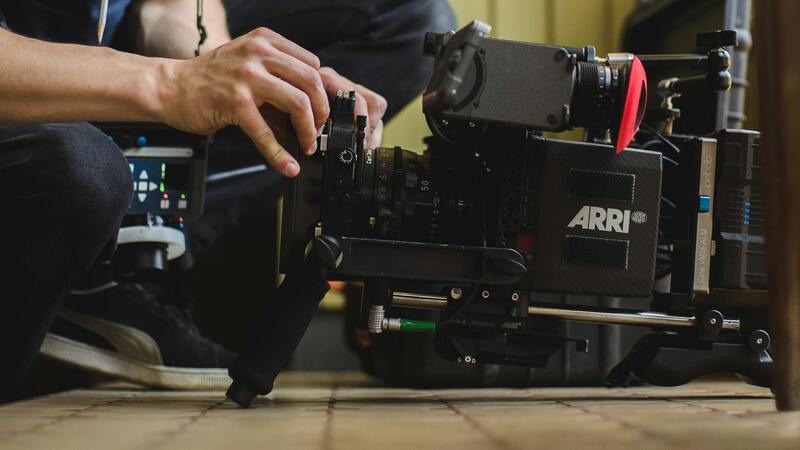
Achieving professional-grade livestreams requires a carefully selected suite of equipment and technological solutions. Central to this are high-definition cameras that capture clear, crisp video footage, capable of handling various lighting conditions typical at different event venues. PTZ (pan-tilt-zoom) cameras are often utilized for their flexibility and remote operation capabilities, allowing operators to cover multiple angles seamlessly.
Audio quality is equally critical, necessitating the use of professional microphones such as lapel, shotgun, or boundary microphones, to ensure clear sound transmission regardless of background noise. Audio mixers and processors are employed to balance and optimize sound quality, delivering an immersive experience for viewers.
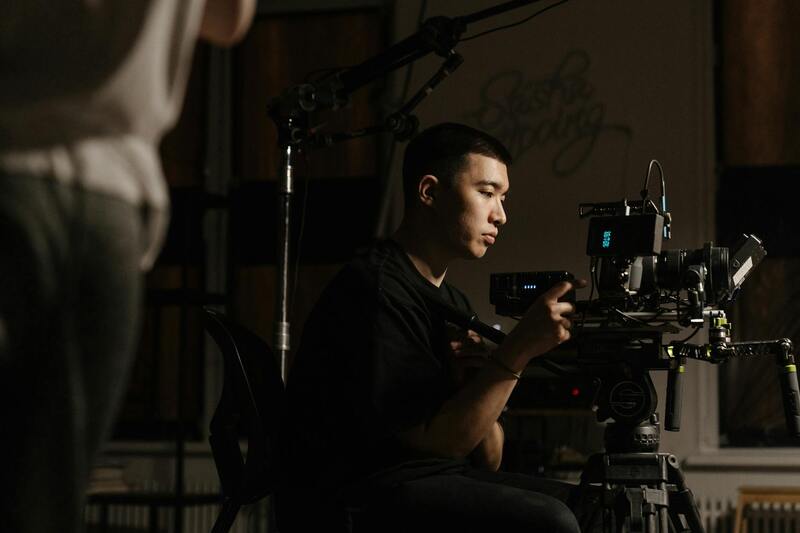
Streaming platforms and infrastructure form the backbone of any successful broadcast. Reliable internet connectivity, preferably hardwired Ethernet connections, minimizes latency and buffering issues. Multiple redundant internet connections can be employed to ensure uninterrupted transmission if primary connections fail.
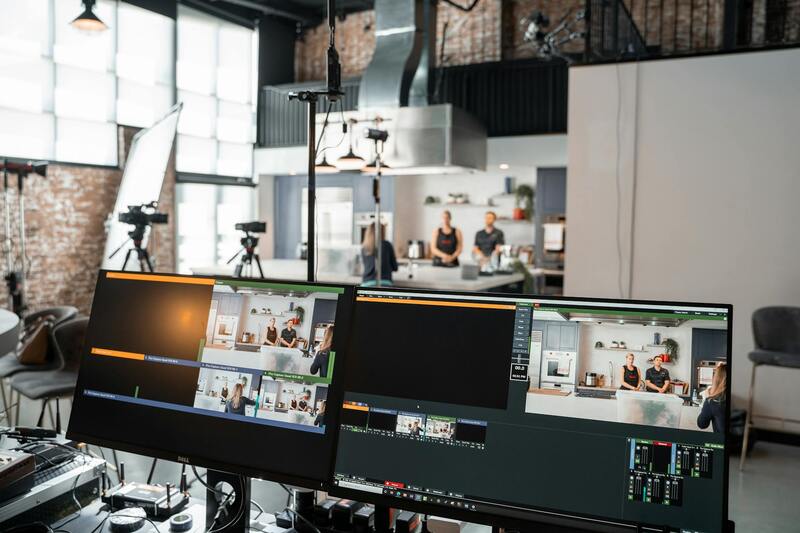
Encoders convert the video and audio signals into digital formats suitable for streaming over the internet. Hardware encoders are favored for their stability and performance, though software-based encoders provide flexibility for certain setups. Additionally, switchers enable multi-camera feeds, allowing producers to dynamically switch angles and add graphics or overlays in real-time, enhancing viewer engagement.
Content delivery networks (CDNs) help distribute the live stream across various platforms efficiently, increasing reach and minimizing latency. For interactive sessions, integration with social media APIs and chat modules ensures immediate audience participation and engagement, vital for fostering community and enhancing the event’s impact.

In essence, the harmony of advanced hardware, robust internet infrastructure, and sophisticated software solutions forms the foundation of a high-quality, professional livestream. Engaging a seasoned event livestreaming company that meticulously manages this technology stack is crucial for events aiming for wide-reaching, reliable digital broadcasts.
Key Equipment and Technology Used in Livestreaming
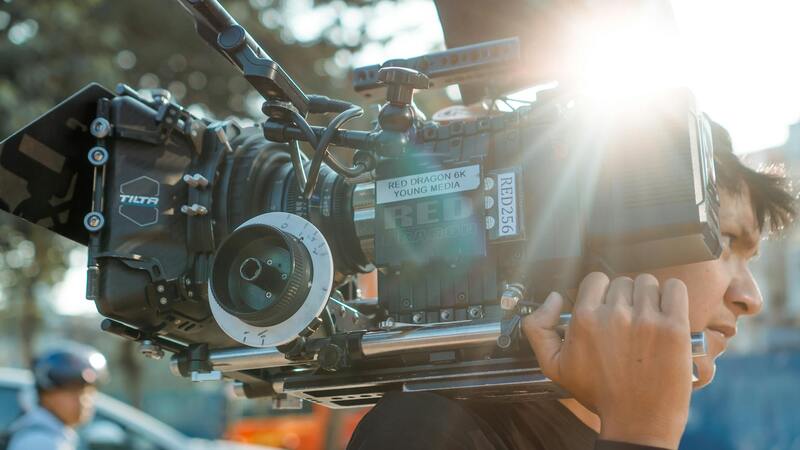
Achieving a high-quality, reliable live stream hinges on the integration of advanced hardware and cutting-edge software solutions. Central to this setup are sturdy video capture devices like professional cameras or encoders that convert real-time video signals into digital formats suitable for transmission. Hardware encoders are often preferred for their consistency and minimal latency, ensuring a smooth viewing experience even during large-scale events with multiple camera angles.
Switchers play a critical role by enabling real-time camera feed management. They facilitate dynamic angle switching, insertion of graphics, overlays, and transitions, thereby enriching the visual storytelling and viewer engagement. For complex events such as conferences or concerts, multi-camera setups coordinated via switchers help deliver a seamless, immersive experience.
 igure>
Audio quality is just as vital as video. Lavalier microphones, shotgun mics, and sound mixers are used to capture clear, crisp audio, minimizing background noise and ensuring speech intelligibility. Wireless audio systems provide flexibility for dynamic event environments, while audio mixers help balance sound levels and synchronize audio feeds seamlessly.
Stream delivery is managed through Content Delivery Networks (CDNs), which optimize the distribution of your broadcast across multiple platforms—be it social media, dedicated event portals, or proprietary websites. Employing multiple redundant internet connections with high bandwidth capacity reduces the risk of interruptions, ensuring continuous and reliable transmission.
Modern broadcasting also incorporates various software solutions for stream management, overlays, and audience interaction. Platforms with integrated chat modules, analytics, and engagement tools foster real-time interaction, enabling viewers to participate actively through comments, polls, or Q&A sessions. This integration not only boosts viewer engagement but also adds a layer of interactivity that elevates the overall event experience.
 igure>
Ensuring all these elements work harmoniously requires meticulous planning and technical expertise. Experienced event livestreaming companies in Miami possess the know-how to configure the entire technology stack, troubleshoot issues proactively, and adapt rapidly to evolving event needs. Their familiarity with the latest equipment and software ensures that every aspect of the broadcast—from video capture to final stream delivery—is optimized for a professional and impactful event.
Planning and Coordination for Successful Livestream Events
Executing a seamless event livestreaming experience requires meticulous planning and precise coordination among various technical teams. Pre-event preparation involves detailed assessments of the venue's infrastructure, including available power outlets, internet connectivity, lighting conditions, and space for equipment setup. This ensures that all technical components operate optimally during the live broadcast.
Coordination among event organizers, AV technicians, and streaming specialists is crucial to align on the event timeline, desired content flow, and interactive elements. Conducting comprehensive test runs prior to the event helps identify potential issues with video and audio feeds, streaming equipment, or internet bandwidth. These rehearsals allow the team to fine-tune camera angles, audio levels, and overlay graphics, thereby minimizing the risk of disruptions during the live event.
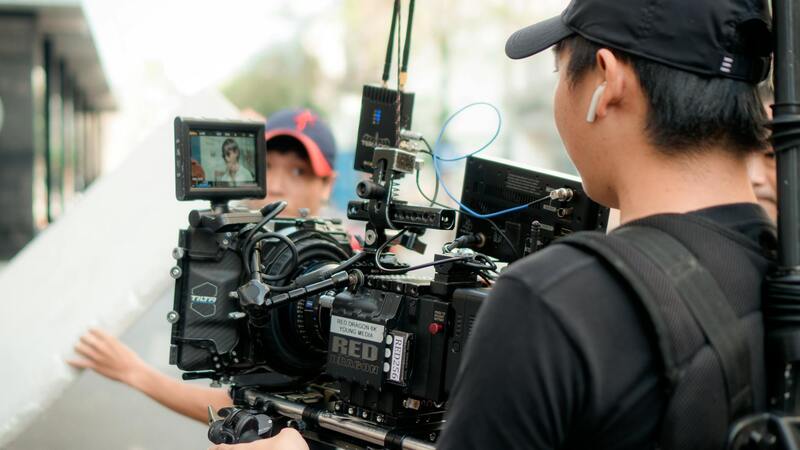
Furthermore, establishing an effective communication protocol is essential. Real-time communication channels such as dedicated walkie-talkies or instant messaging platforms enable technicians to swiftly address technical issues or make on-the-fly adjustments. Clear role definitions—with designated personnel for camera operation, audio management, streaming control, and audience engagement—streamline operations and facilitate swift issue resolution.
During the event, continuous monitoring of stream quality and audience interaction helps maintain a high standard of broadcast. Using specialized software, live feedback regarding stream stability, viewer engagement, and any technical anomalies can be tracked. This active oversight allows for immediate corrective actions, such as switching to backup internet connections, adjusting audio levels, or modifying graphic overlays.
Post-event analysis is equally vital. Reviewing streaming performance, audience metrics, and technical logs provides insights that inform improvements for future events. Implementing systematic feedback from event hosts and viewers ensures that the livestreaming process evolves to meet changing expectations and technology advancements.
Choosing the Right Event Livestreaming Company in Miami
Selecting an appropriate event livestreaming company in Miami requires careful consideration of several key factors to ensure a successful broadcast. A professional provider offers more than just equipment; they bring expertise, strategic planning, and a comprehensive understanding of the nuances involved in live event transmission. When evaluating potential partners, it’s essential to focus on their experience with similar events, their technological capabilities, and their ability to customize solutions that meet specific needs.
One of the primary considerations is the company's familiarity with the type of event being hosted. Whether it's a corporate conference, festival, or sporting event, different formats demand tailored technical approaches. Experienced companies will have a portfolio of diverse successful events, demonstrating their versatility and mastery over various livestreaming scenarios.
Technical competency is another critical aspect. A qualified livestreaming provider should utilize high-definition cameras, professional-grade audio systems, and reliable streaming platforms. They must also possess redundant internet connections and failover solutions to prevent disruptions. Advanced features such as multi-camera switching, graphic overlays, live chat moderation, and integration with social media are indicators of a company's capacity to deliver engaging and polished broadcasts.
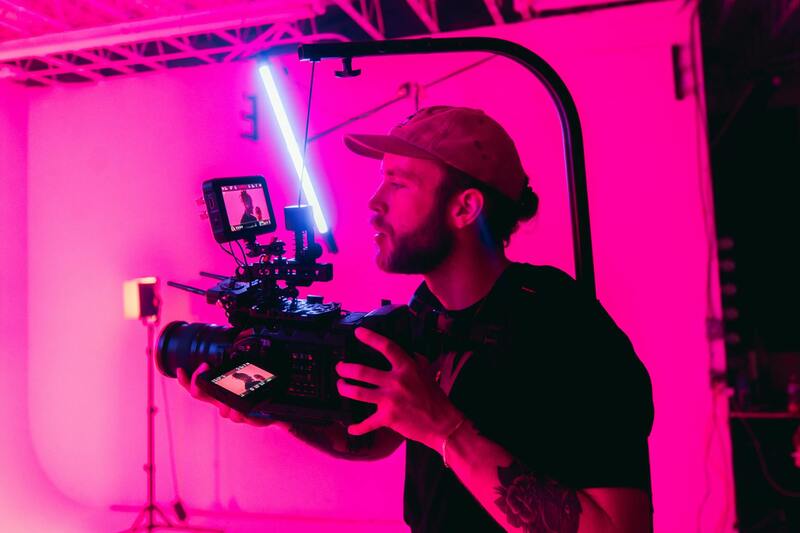
In addition to technical expertise, strong project management and communication skills reflect a company's ability to coordinate smoothly with event organizers. Clear pre-event planning sessions, well-defined responsibilities, and real-time coordination during the event contribute significantly to the overall quality of the livestream.
Evaluating customer testimonials, reviews, and case studies can provide insight into a company's reliability and professionalism. A reputable provider will be transparent about their processes, offer tailored solutions for client-specific requirements, and be proactive in troubleshooting potential issues.
Moreover, understanding the scope of support offered—such as on-site technical assistance, post-event analytics, and content archiving—can influence the success of the live broadcast. An experienced Miami-based livestreaming company will leverage local knowledge, resource proximity, and a network of skilled professionals to deliver seamless streaming experiences that resonate with diverse audiences.
Investing in a proficient event livestreaming company in Miami ensures that your live event effectively reaches your target audience, enhances engagement, and elevates your organization's reputation. Careful evaluation and choosing a partner that combines technological innovation with professional service quality will result in a broadcast that meets or exceeds expectations.
Choosing the Right Event Livestreaming Company in Miami
Finding a suitable partner for your event livestreaming needs in Miami involves a thorough evaluation of several critical factors. A professional and experienced livestreaming company will demonstrate a clear understanding of your event’s unique requirements and offer tailored solutions to ensure optimal broadcast quality. One of the primary aspects to consider is the company's technical expertise, including their familiarity with the latest streaming platforms, high-definition video capture, and seamless integration of multiple media sources. Equally important is the company's track record and portfolio of past projects. Reviewing case studies, client testimonials, and service samples provides valuable insight into their reliability and capacity to handle events of varying scales and complexities. A well-established Miami-based livestreaming company will also prioritize pre-event planning, including detailed consultations, site assessments, and equipment testing, to iron out potential issues before the event day. Another essential criterion is the availability of comprehensive support services. These should include dedicated on-site technicians, real-time monitoring during the event, and swift troubleshooting capabilities. Accessibility to content hosting solutions, archival services, and post-event analytics should also be discussed during the selection process to ensure the livestream reaches your audience effectively and remains accessible afterward. Cost transparency is another factor that influences decision-making. Companies that provide detailed proposals with clear pricing structures and without hidden fees demonstrate professionalism and build trust. It's important to verify whether the provider offers flexible packages that can be customized to align with your event's scope and budget. Furthermore, geographic considerations matter. A Miami-based livestreaming company often has advantages related to local knowledge, resource availability, and immediate access to necessary infrastructure. This proximity facilitates smoother coordination, especially for events requiring on-site presence, multiple camera setups, and quick response times. Lastly, evaluating technological innovation and adaptability is key. As live streaming technology continues to evolve rapidly, partnerships with providers that stay at the forefront of industry trends—such as 4K broadcasting, interactive features, and multi-platform streaming—will ensure your event remains engaging and competitive. Overall, selecting the right event livestreaming company in Miami demands careful analysis of technical competence, experience, support capabilities, transparency, and innovation. This strategic choice directly impacts the success of your broadcast, the engagement level of your audience, and the overall reputation of your event or organization.
Effective Strategies for Promoting Your Livestreamed Event
Promoting your event effectively ensures optimal viewership and audience engagement. An integrated marketing approach combining digital channels, targeted outreach, and strategic partnerships maximizes reach and visibility. Utilizing social media platforms, email marketing campaigns, and dedicated event pages can generate interest well in advance, building anticipation and encouraging participation.
Additionally, leveraging local Miami-specific channels—such as community websites, regional influencers, and event listings—can attract a geographically relevant audience. Paid advertising options, including geo-targeted social media ads and search engine marketing, allow precise audience targeting to boost attendance and online viewership.
Partnerships with local media outlets, neighborhood organizations, and business sponsors can further expand your event’s reach. Providing sneak peeks, behind-the-scenes content, and interactive pre-event activities encourages audience participation beforehand. Creating a compelling narrative around your event, emphasizing unique features or guest speakers, helps generate buzz and motivate viewers to tune in.
Moreover, ensuring your promotional messaging clearly communicates how and where to access the livestream is crucial. Providing straightforward instructions, technical support information, and reminder alerts via multiple channels can reduce barriers to participation. This comprehensive promotional effort also includes post-event content dissemination—such as highlights, recordings, and testimonials—which sustains engagement and extends the lifespan of your event’s impact.
Utilizing Data Analytics to Enhance Future Livestream Events
Data analytics are instrumental in assessing the effectiveness of your promotional strategies. Tracking metrics like viewership numbers, engagement levels, viewer demographics, and platform analytics helps refine future marketing efforts. Analyzing viewer feedback and participation patterns offers insights into content preferences and technical performance.
This ongoing analysis enables you to tailor your messaging, optimize platform choices, and improve overall event quality. As a result, your organization can build a robust audience base, foster loyalty, and strengthen your reputation as a premier provider of live event experiences in Miami.
Advanced Techniques for Effective Event Livestreaming in Miami
Executing a successful livestream requires not only quality equipment and seamless coordination but also sophisticated techniques that ensure a high-quality experience for remote viewers. Leveraging advanced strategies can significantly enhance the professionalism and engagement of your live event, solidifying your reputation as a leading event livestreaming company in Miami.
Utilizing Multi-Camera Setups for Dynamic Content
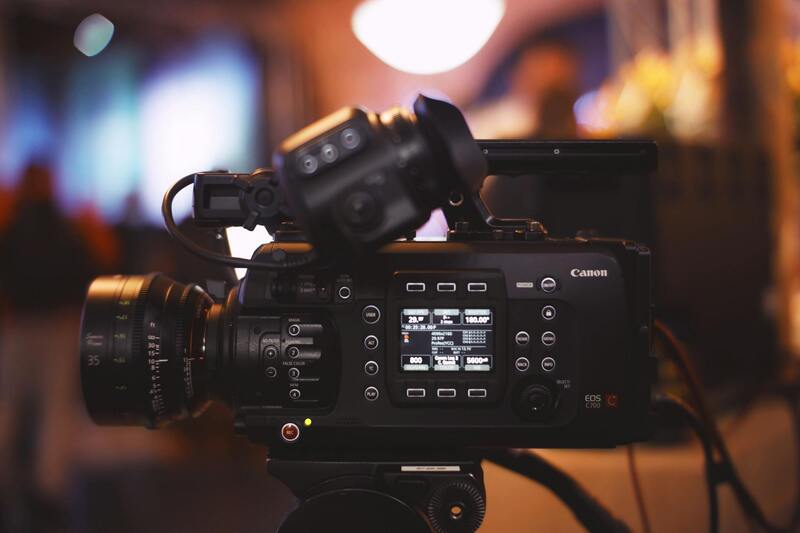
One of the most impactful methods to elevate your livestream is deploying multiple cameras at strategic angles. This approach creates a dynamic broadcast that mimics the richness of an in-person experience. By incorporating wide shots, close-ups, and specialty cameras such as jib or drone footage, the livestream gains visual interest and maintains viewer engagement. Multi-camera switching allows a professional director to seamlessly transition between angles, highlighting key moments and keeping the audience immersed.
Implementing Professional Audio Solutions
Superior audio quality directly correlates with viewer satisfaction. An event livestreaming company should utilize high-grade microphones, audio mixers, and sound reinforcement systems. Techniques such as directional microphones for speakers, lapel mics for presenters, and ambient mics for capturing audience reactions contribute to clear and balanced audio. Additionally, employing audio engineers to monitor sound levels in real-time helps prevent issues like feedback, background noise, or volume inconsistencies, ensuring a clean and professional audio environment.
Optimizing Internet Connectivity and Backup Systems
Reliable internet connectivity is the backbone of excellent livestreaming. Investing in high-bandwidth fiber optic connections, and configuring redundant internet sources, minimizes the risk of interruptions. Additionally, deploying backup encoding and streaming hardware ensures that, in case of technical failure, a secondary system can seamlessly take over, preserving the broadcast uninterrupted. Regular network testing and bandwidth management are essential to adapt to fluctuating internet conditions during live events.
Harnessing Live Editing and Real-Time Graphics
Real-time graphics, overlays, and on-screen information enhance viewer comprehension and engagement. Incorporating live annotations, subtitles, sponsor banners, and event-specific branding help create a polished presentation. Skilled operators can integrate live video cuts with on-the-fly editing, ensuring that the focal points of the event are emphasized. This kind of professional touch elevates the overall quality and delivers a broadcast that mirrors the broadcast standards of major televised events.
Interactive Features and Viewer Engagement Tactics
Engaging the audience through interactive features enriches the overall livestream experience. Implementing live polls, Q&A sessions, chat moderation, and social media integrations encourages active participation. These tools can help foster a sense of community and increase viewer retention. It’s vital to have dedicated staff to moderate and respond to audience interactions, ensuring the live stream remains lively, relevant, and respectful of viewers’ contributions.
Post-Event Content Management and Analytics
After the event concludes, the work continues with efficient content management. High-quality recordings can be edited into highlight reels or extended videos for on-demand access, increasing the longevity of your event’s reach. Utilizing analytics platforms to evaluate viewer metrics, engagement statistics, and feedback provides insights that inform future livestreaming strategies. By analyzing device preferences, peak viewership times, and content engagement patterns, you can optimize subsequent broadcasts to better meet audience expectations.
These advanced techniques exemplify the depth of service that a professional event livestreaming company provides. Integrating state-of-the-art technology, strategic planning, and innovative engagement tactics ensures that every event broadcast is memorable, engaging, and reflective of your organization’s high standards.