Overview of Live Event Streaming Production Services
Live event streaming production companies specialize in delivering high-quality, real-time broadcasting solutions for a wide range of live events, including conferences, concerts, corporate meetings, sports tournaments, and community festivals. These companies provide comprehensive services that encompass everything required to capture, produce, and transmit live content to viewers across various platforms, ensuring a seamless viewing experience.
At the core of their offerings are state-of-the-art broadcast equipment, professional technical crew, and robust technical support. They handle the entire production workflow — from equipment setup and signal acquisition to encoding and transmission — while maintaining high standards for audio and visual clarity. The services are tailored to meet the specific requirements of each event, ensuring that the broadcast aligns with the event’s objectives and audience expectations.
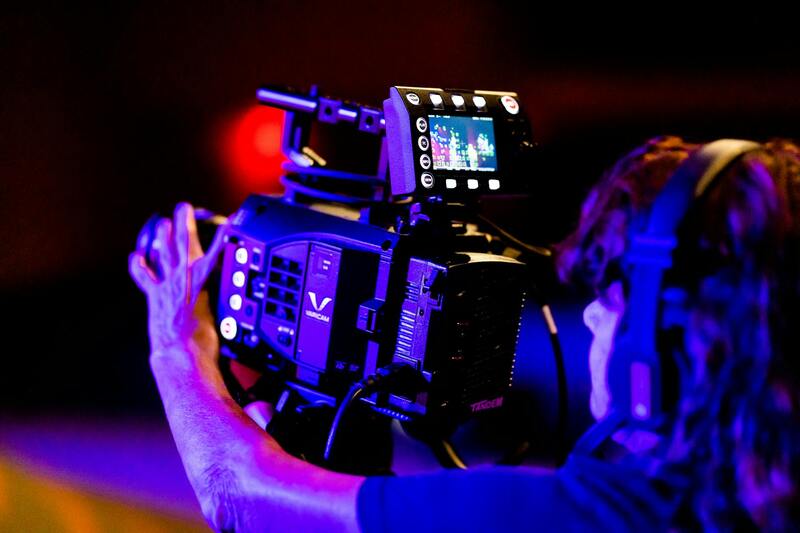
Additional services often include pre-event planning, onsite technical management, and post-event analytics. Expert producers coordinate with event organizers to develop a detailed production plan, ensuring technical specifications are met and contingencies are in place for unforeseen issues. During the event, dedicated operators manage camera feeds, switch between various shots, incorporate graphics, and ensure the stream runs smoothly without interruptions.
Technical support extends beyond the day of the event. It includes meticulous testing of all equipment beforehand, monitoring stream stability, and providing troubleshooting assistance to swiftly resolve any technical glitches. This comprehensive approach guarantees high reliability and professionalism, which are essential for engaging viewers and maintaining the event's reputation.
Key Technologies and Equipment Used
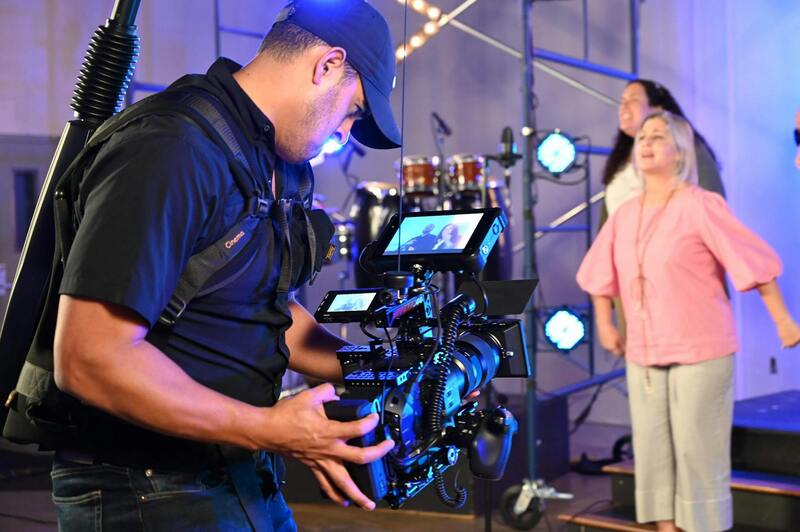
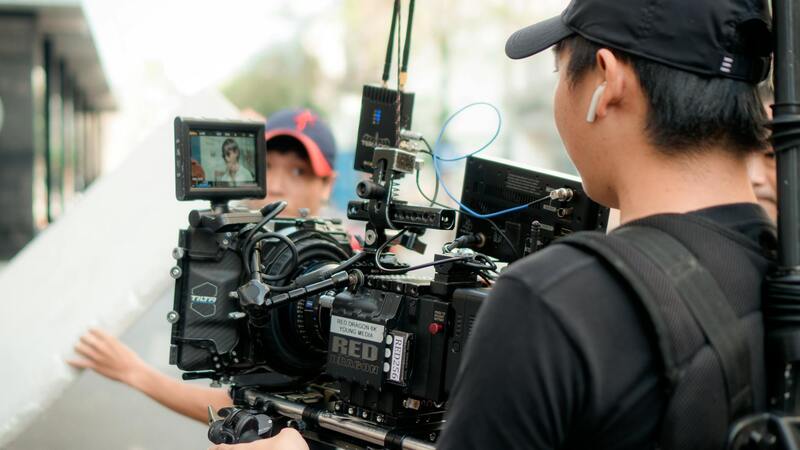
Leading live event streaming production companies deploy a suite of advanced technologies to deliver superior broadcasts. These include multiple high-definition cameras, professional audio equipment, switchers, video encoders, and streaming software. Modern productions often utilize hardware and software solutions that facilitate multi-camera switching, real-time graphics, picture-in-picture displays, and adaptive bitrate streaming to cater to viewers with varying internet speeds.
In addition, reliable internet connectivity, often with primary and backup lines, ensures uninterrupted streaming. Wireless technologies and satellite links may also be used during remote or outdoor events to maintain a stable connection. Given the critical importance of high-quality visuals and pristine audio, these companies prioritize technical innovations that enhance the overall production value.
Factors to Consider When Choosing a Production Company
Selection of an appropriate live event streaming production partner involves careful evaluation of several key factors. First, it is essential to examine their experience and portfolio to ensure they have a proven track record with similar events. The company's technical proficiency, familiarity with different streaming platforms, and ability to adapt to event-specific requirements are crucial considerations.
Another vital aspect is equipment quality and technological capabilities. High-definition cameras, reliable encoders, and flexible streaming solutions contribute significantly to a successful event broadcast. Equally important is the professionalism and expertise of the crew, including producers, camera operators, and technical support staff.
Assessing the company's customer service and communication skills is also important. Clear collaboration, transparent pricing, and detailed pre-event planning ensure a smooth production process. Additionally, references or reviews from previous clients can provide insights into their reliability and quality of service.
Customizing Streaming Solutions for Different Events
Every live event has unique requirements that demand tailored streaming solutions. For large-scale concerts, the focus may be on multi-camera setups, immersive audio, and high-definition visuals to enhance viewer engagement. Conversely, a corporate webinar might prioritize sleek graphics, branded overlays, and interactive features to foster engagement.
Event types also dictate the choice of streaming platforms, security measures, and bandwidth considerations. For outdoor or remote events, logistical planning around connectivity and equipment portability becomes critical. Customization involves close coordination with event organizers to determine objectives, audience size, and technical specifications, ensuring the live stream is optimized for its intended purpose.
Effective customization enhances viewer experience, expands reach, and increases overall event impact. Production companies often provide consultation to explore the best technological and creative options suited to each event’s unique needs.
Key Technologies and Equipment Used
State-of-the-art live event streaming production companies rely on a comprehensive array of hardware and software to deliver seamless, high-quality broadcasts. Central to these operations are professional-grade cameras, designed to capture every detail with clarity and precision. Multi-camera setups allow for dynamic angles and close-up shots, providing viewers with an immersive experience that replicates being physically present at the event.
Specialized encoders play a vital role in converting raw video signals into digital formats suitable for streaming. These devices ensure minimal latency and maximum stability, even during high-traffic events. High-performance streaming platforms are then used for distribution, capable of supporting thousands of concurrent viewers with adaptive streaming quality that adjusts to individual internet speeds.
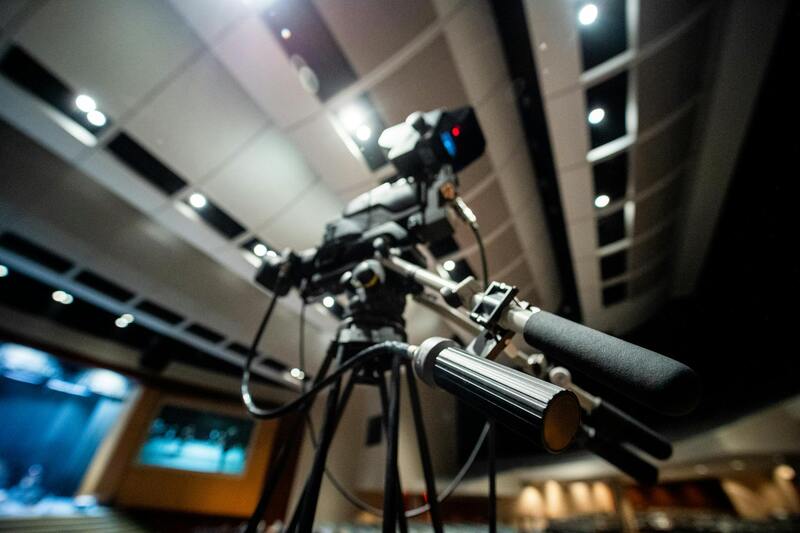
Complementing hardware are advanced software solutions that facilitate the integration of graphics, overlays, and real-time analytics. Broadcast control software allows operators to switch camera feeds, add visual effects, and monitor stream health, all in real-time. Sound engineering equipment, including mixers and microphones, ensures audio clarity and synchronization, which are essential for engaging viewer experiences.
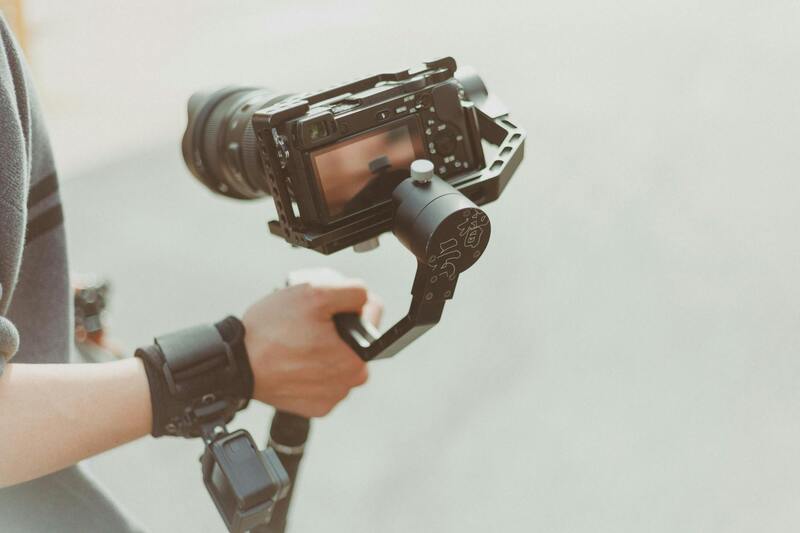
Additional equipment such as portable lighting, stabilization rigs, and backup power supplies enhance the flexibility and reliability of the production, especially for outdoor or remote locations where logistical variables can impact the quality of the stream. Whether it’s a corporate conference, music festival, or athletic event, the synergy of the right technologies ensures the live broadcast is crisp, synchronized, and professional.
In Miami, leveraging local providers with expertise in the latest equipment and technologies enhances the overall quality of the live stream. Familiarity with regional infrastructure, connectivity options, and venue-specific constraints enables a smoother production process and reduces potential technical issues.
Overview of Live Event Streaming Production Services
In the realm of live event streaming, professionalism and reliability are non-negotiable. Leading live event streaming production companies in Miami provide comprehensive services that encompass every aspect of broadcast, from pre-production planning to post-event analysis. These companies offer tailored solutions for a wide array of events, including corporate conferences, sporting events, concerts, and community festivals. They employ a team of skilled technicians, producers, and broadcast engineers who work collaboratively to deliver seamless, high-quality streams that meet the specific needs of each client.
These providers typically start with meticulous planning, understanding the event’s goals, target audience, and desired outcomes. They assist in selecting the right equipment, streaming platforms, and auxiliary services like graphics and real-time analytics. During the event, they manage multi-camera setups, live switching, sound mixing, and ensuring all visual and audio elements are synchronized perfectly. Post-event, they often offer valuable insights into viewer engagement and stream performance metrics, contributing to improved strategies for future productions.
Choosing a reputable live event streaming production company also involves evaluating their experience with similar event types, technological proficiency, and their ability to handle unexpected technical challenges effectively. The integration of innovative features such as multi-platform streaming, on-demand archive creation, and interactive components is increasingly becoming standard, ensuring that events are not only broadcasted but also engaging and accessible to wider audiences.
Key Technologies and Equipment Used
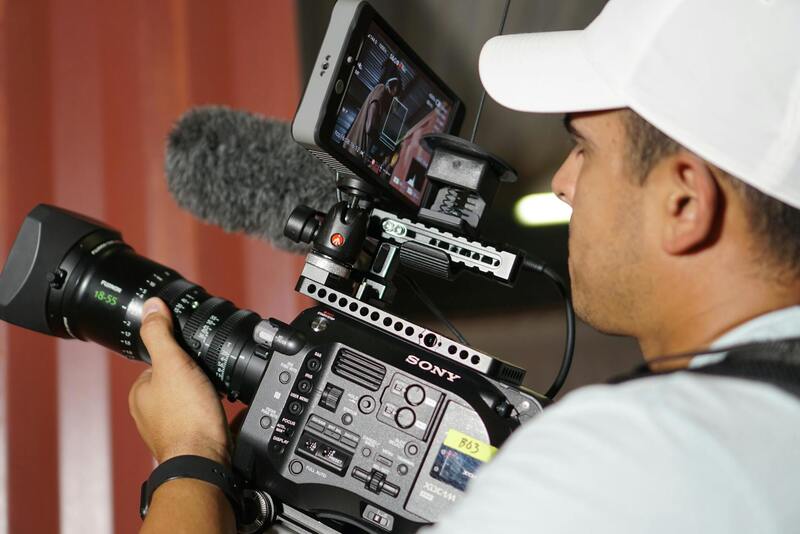
Professional live event streaming relies on a suite of advanced hardware and software tools designed to produce crisp, synchronized broadcasts. High-definition cameras with remote control capabilities capture event footage from various angles, providing dynamic visuals. These cameras are linked to encoders that compress and convert the video feed into a digital format suitable for streaming over the internet.
Strong emphasis is placed on robust streaming platforms that support adaptive bitrate streaming. This technology dynamically adjusts the stream quality based on each viewer’s internet connection, reducing buffering and providing a smooth viewing experience. Broadcast control software enables operators to switch between camera feeds, add visual overlays, and insert graphics seamlessly, creating a professional broadcast appearance.
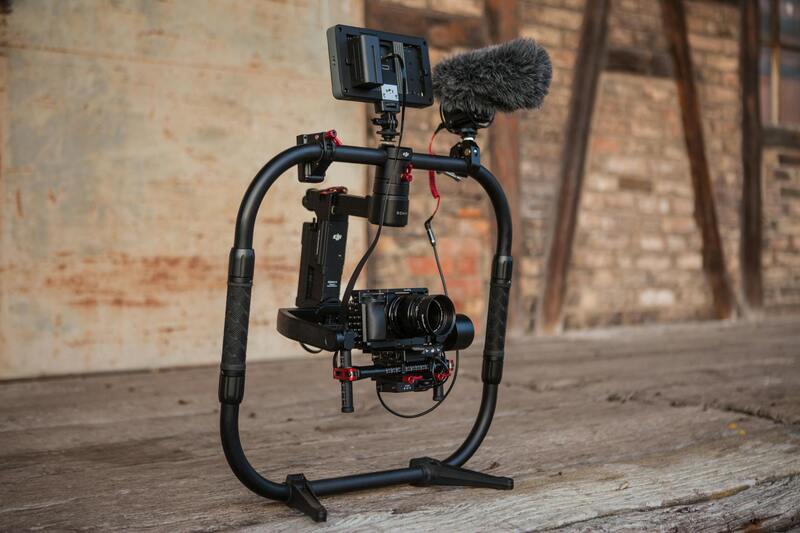
Audio clarity is maintained through high-quality microphones and sound mixers, ensuring synchronized sound with visuals. Additional equipment such as portable lighting, gimbals, and stabilization rigs enhance image stabilization and clarity, especially in outdoor or mobile settings. Backup power supplies and redundant internet connections are critical to prevent interruptions, especially during lengthy live streams or important moments.
Factors to Consider When Choosing a Production Company
- Experience with similar event types and scales
- Availability of cutting-edge technologies and equipment
- Ability to provide comprehensive support—from pre-production planning to post-event analytics
- Local presence with knowledge of Miami’s infrastructure and venues
- Portfolio of past successful projects and client testimonials
When selecting a Miami-based live event streaming production company, it’s crucial to assess their track record and technical expertise. An experienced firm understands how to adapt their equipment and workflow to various event environments, minimizing potential disruptions. Proximity to the event site ensures quicker setup times and easier coordination with venue staff, which can significantly impact the final broadcast quality.
Role of Local Knowledge in Miami's Live Streaming Landscape
Miami's vibrant event scene demands production companies with an acute understanding of local venues, infrastructure, and logistical nuances. Local expertise enables production teams to navigate the city’s unique environment effectively, ensuring seamless integration with existing facilities and compliance with venue-specific requirements. Familiarity with Miami’s bustling neighborhoods, waterfront locations, and outdoor spaces allows crews to optimize camera placements, lighting setups, and power sources, which are critical for high-quality streaming.
Having an in-depth knowledge of local laws, regulations, and permitting processes related to live events can streamline planning, reducing delays and unexpected challenges. Moreover, local companies often have established relationships with venue management and vendors, facilitating better access to equipment and services. This proximity and familiarity translate into faster response times for troubleshooting and on-site adjustments, ultimately enhancing the reliability of the live stream.
In a city as diverse as Miami, each event may require tailored logistical strategies. Whether setting up a corporate conference in Downtown Miami or a concert at a waterfront venue, knowing the specifics of each location allows production companies to deploy appropriate equipment and staff effectively. This localized insight ensures technical setups are unobtrusive yet effective, and that access points, power supplies, and internet connectivity are optimized for streaming quality.
Additionally, local knowledge plays a crucial role in coordinating with venue staff to align the production schedule with venue operations, minimizing disruptions. A Miami-based live event streaming production company with strong local ties can better anticipate and address challenges related to outdoor environments, weather conditions, and city-specific regulations. This strategic advantage is key to delivering a flawless live broadcast for any occasion.
Factors to Consider When Choosing a Production Company
Selecting the right live event streaming production company requires thorough evaluation of multiple critical factors. These include technical expertise, experience with specific event types, equipment capacity, and the company’s ability to adapt to unique event requirements. Clients should prioritize firms that demonstrate a robust portfolio of successful live streams, particularly those related to their event's format—be it corporate presentations, concerts, or sports events. An experienced company will have a detailed understanding of the nuances involved in capturing and broadcasting live content, ensuring high-quality audio and video, minimal latency, and seamless transitions.
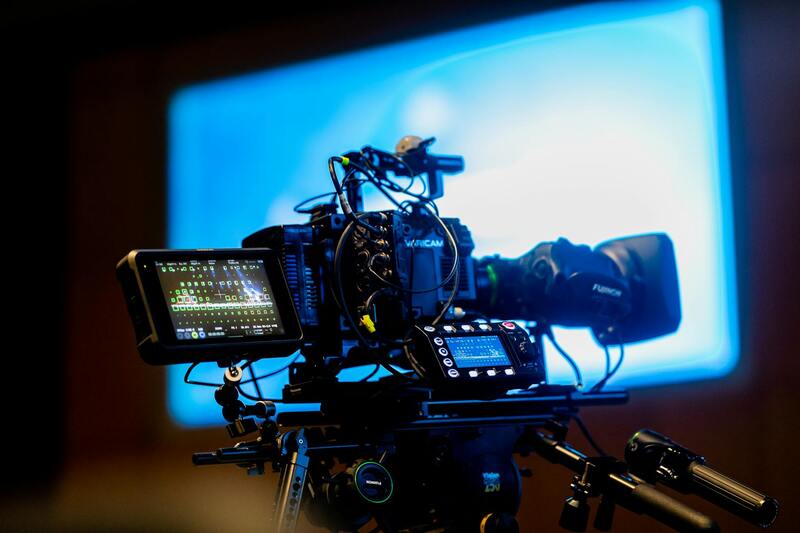
In addition, the production company's technological infrastructure should be evaluated. This encompasses the availability of high-resolution cameras, professional-grade audio systems, multi-camera setups, and redundant streaming pathways to mitigate potential disruptions. Companies that utilize state-of-the-art equipment and incorporate the latest broadcasting standards are more likely to deliver a professional and polished live stream.
Another vital aspect is the company's technical team’s expertise. Skilled operators, directors, and support staff ensure the event runs smoothly from setup through to the live broadcast. It is beneficial to review client testimonials or case studies that attest to the company’s capability in handling complex productions under tight timelines.

Flexibility and scalability are also key considerations. A competent production team should be able to scale their services to match the event’s size and scope, from small corporate seminars to large-scale festivals. Customization is equally important; the ability to tailor streaming solutions—such as multi-platform distribution, customized graphics, and interactive features—can significantly enhance viewer engagement and satisfaction.
Cost transparency and detailed quotes help ensure that the services align with the event’s budget constraints. Companies that are transparent regarding their pricing structure, potential additional fees, and inclusions foster trust and facilitate better financial planning.
Assessing Customer Support and Reliability
Reliable customer support before, during, and after the event is crucial. A dedicated support team that provides proactive communication, on-site technical assistance, and rapid troubleshooting can prevent potential issues from escalating. Additionally, companies with a proven track record of reliability and on-time delivery often have contingency plans in place to handle unforeseen challenges effectively.
Ultimately, selecting a live event streaming production company involves a comprehensive evaluation of technical capabilities, experience, customization options, and support services. An organization that aligns with these priorities is well-positioned to ensure a seamless and engaging live broadcast tailored to the event’s specific needs, reinforced by the expertise and resources needed to adapt to any unforeseen circumstances.
Quality Control and Post-Production Enhancements
Ensuring top-tier quality in both the live broadcast and subsequent recordings is essential for maximizing viewer satisfaction and creating lasting impressions. Live event streaming production companies implement rigorous quality control protocols throughout the broadcast process. This includes real-time monitoring of video and audio feeds, ensuring synchronization, clarity, and stability. Advanced multicam setups allow for dynamic switching between camera angles, enriching the viewing experience and providing a more cinematic feel.
Post-production plays a vital role in refining the raw footage captured during the event. High-quality editing can include color correction, graphic overlays, highlight reels, and other visual enhancements to produce engaging content for on-demand viewing. Additionally, the final edited videos serve as valuable assets for post-event marketing, archival purposes, or future promotional efforts. Companies with in-house editing and post-production capabilities can seamlessly deliver polished content, thus extending the event’s impact beyond the live broadcast.
Adherence to Technical Standards and Compliance
Adherence to industry standards is fundamental in guaranteeing consistent quality and broad compatibility across various devices and platforms. Live event streaming production companies leverage industry-standard codecs, streaming protocols, and encoding settings to optimize delivery and minimize issues such as buffering or lag. Technologies like H.264 or H.265/HVEC are commonly used for efficient compression without compromising visual quality.
Furthermore, complying with platform-specific requirements ensures smooth streaming on popular services such as social media platforms, dedicated websites, or corporate portals. This involves understanding each platform’s preferred formats, aspect ratios, and bandwidth considerations. Companies that stay up-to-date with emerging standards and compliance guidelines are better equipped to deliver reliable and accessible content.
Continuous testing and pilot runs before the event help identify potential technical issues, ensuring a smooth broadcast on the day of the event. These preparations also involve checking internet bandwidth, backup streaming options, and hardware redundancies, thereby safeguarding against disruptions.
Overview of Live Event Streaming Production Services
Live event streaming production companies offer comprehensive solutions to broadcast events in real-time across various digital platforms. Their services encompass everything from pre-production planning, technical setup, live video switching, to post-event content management. These companies employ a collaborative approach, working closely with clients to ensure the streaming aligns with their objectives, whether it’s a corporate conference, music festival, sports event, or community gathering. With tailored solutions, these companies enable organizations to reach global audiences, enhance engagement, and extend the lifecycle of their events through high-quality recordings.
Key Technologies and Equipment Used
The backbone of successful live streaming lies in advanced technology and top-tier equipment. Enterprise-grade encoders, such as hardware and software solutions, translate raw video feeds into streaming formats compatible with various platforms. Streaming servers and CDNs (Content Delivery Networks) distribute the content efficiently to viewers around the world, minimizing latency and buffering.
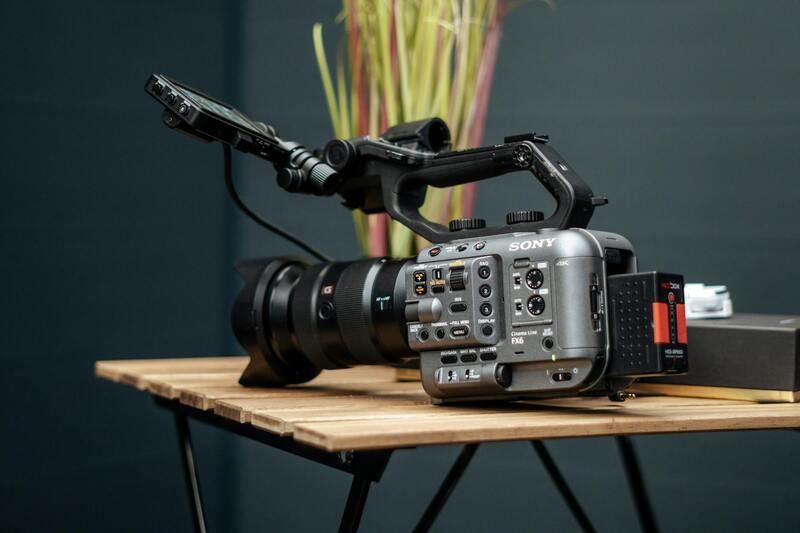
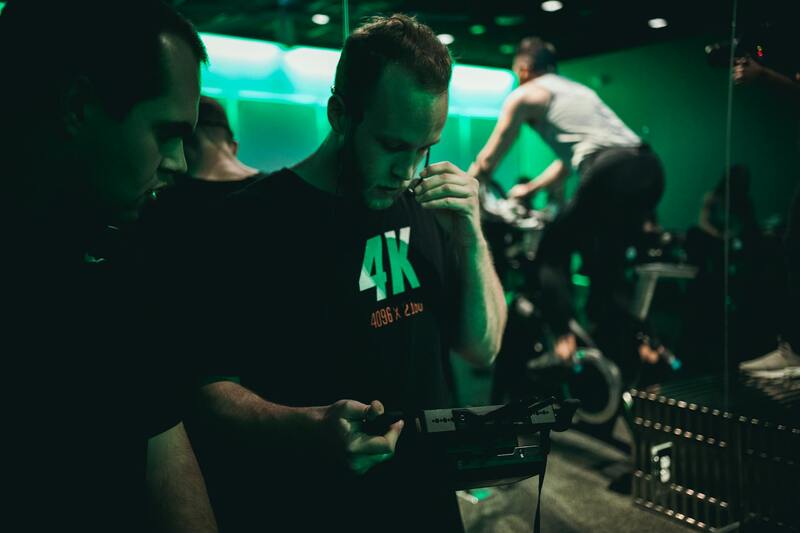
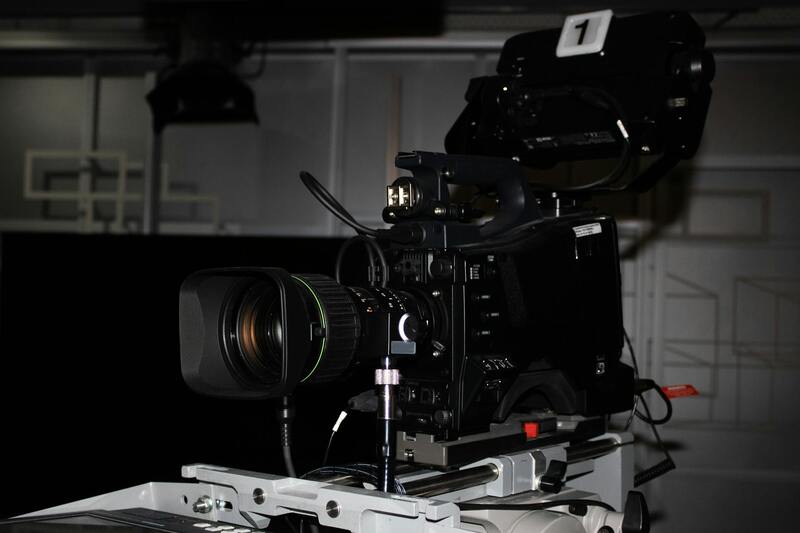
Additional essential equipment includes high-definition cameras, professional audio systems, multi-camera switching consoles, and real-time graphics overlays. Increasingly, 4K cameras and IP-based video routing systems are being adopted to elevate visual quality and streamline workflows. For seamless operation, redundancy measures like backup internet connections and power supplies are implemented to prevent interruptions.
Factors to Consider When Choosing a Production Company
- Technical Expertise: Ensure the team has extensive experience with the specific type of event, whether live concerts, conferences, or sports.
- Quality of Equipment: Verify the availability of high-quality cameras, audio, and streaming hardware that can meet the event’s visual standards.
- Industry Standards and Compliance: Confirm adherence to protocols that guarantee stream stability and compatibility across devices and platforms.
- Customization and Flexibility: The ability to tailor the streaming setup to match the event's unique requirements, including branding, multiple camera angles, and interactive features.
- Reputation and References: Seek testimonials and case studies demonstrating successful delivery in similar events.
Customizing Streaming Solutions for Different Events
Different events demand varying streaming configurations and feature sets. For corporate seminars or product launches, high-quality visuals and multiple camera feeds enhance professionalism, supplemented by branded graphics and interactive Q&A sessions. Music festivals might require robust audio setups, wider field coverage, and crowd management visuals, coupled with high bitrates for rich visual effects.
Sports events, especially those with fast-paced action, necessitate ultra-low latency streaming, multiple viewpoints, and instant replays to replicate the onsite experience. Nonprofit or community events may benefit from simpler setups but still require reliable internet connections and basic editing features for post-event promotion.
The Importance of Local Expertise in Miami
Given Miami’s vibrant event scene, working with a local live event streaming production company grants the advantage of regional knowledge. Local teams understand logistical considerations, traffic patterns, and the best venues suited for quality signal transmission. Their familiarity with Miami’s infrastructure ensures swift setup and troubleshooting. Additionally, local providers often cultivate relationships with regional broadcasters and platforms, facilitating smoother content dissemination and promotion within the South Florida market.
Cost Considerations and Budgeting for Live Streaming
Budgeting for live streaming involves balancing quality, scope, and available resources. Costs vary depending on event size, duration, and technical complexity. Essential components include equipment rental or purchase, personnel fees for technical operators, licensing, and platform hosting charges. Extras such as multi-camera setups, real-time graphics, or interactive features increase expenses but significantly enhance viewer engagement.
Some companies offer tiered service packages, enabling clients to select core services or premium solutions. Understanding the scope of work and potential add-ons helps in devising a comprehensive budget. Planning ahead allows for accurate estimates and ensures contingencies are in place for unforeseen technical challenges. Engaging with seasoned local providers can also provide valuable insights into cost-effective methods tailored for Miami’s dynamic event landscape.
Best Practices for Ensuring a Successful Live Stream
Executing a successful live event stream involves meticulous planning and adherence to proven strategies that maximize quality, reliability, and viewer engagement. Prior to the event, comprehensive pre-production activities are essential, including technical rehearsals, equipment checks, and connectivity tests within the venue environment. These preparations help identify potential issues and allow for timely adjustments to prevent disruptions during the live broadcast.
On-site management plays a crucial role in live streaming success. Employing a dedicated technical team familiar with the venue’s infrastructure ensures swift troubleshooting and real-time problem resolution. Utilizing redundant systems such as backup internet connections, secondary power supplies, and dual streaming encoders can mitigate the impact of unexpected technical failures, safeguarding the continuity of the broadcast.
Optimal Equipment and Network Configuration
- High-Quality Cameras: Employing HD or 4K cameras with stabilization features ensures crisp footage and professional visuals.
- Encoding Equipment: Reliable encoders and streaming hardware optimize broadcast quality and stability.
- Audio Capture: Professional microphones and mixers maintain sound clarity, crucial for audience engagement.
- Bandwidth Management: Dedicated high-speed internet connections, preferably wired, reduce latency and prevent buffering issues.
- Stream Platforms: Selecting reputable streaming platforms compatible with the audience’s devices enhances accessibility and scalability.
Employing Best Practices During the Broadcast
- Real-Time Monitoring: A dedicated team should oversee the stream, monitoring video quality, audio synchronization, and connectivity status continuously.
- Engagement Features: Incorporating live chat, polls, or interactive Q&A sessions can foster viewer participation and increase overall satisfaction.
- Clear Communication: Coordinating with on-site staff and remote producers ensures cohesive operation and swift response to any issues.
- Post-Stream Review: Analyzing viewership data, technical logs, and viewer feedback helps refine future streaming strategies.
Securing Reliable Content Delivery
Partnering with established content delivery networks (CDNs) and streaming platforms minimizes latency and ensures broad reach across different geographic locations and device types. Additionally, employing adaptive bitrate streaming techniques allows viewers to receive the best possible quality based on their internet connection, reducing interruptions and buffering during the event.
Effective coordination among technical staff, event organizers, and broadcast teams is fundamental. Consistent communication before and during the event guarantees that everyone remains informed, aligned, and prepared to handle unforeseen circumstances swiftly. Well-documented contingency plans should be readily accessible for rapid deployment if technical difficulties arise, further reinforcing the reliability of the live stream.