Understanding Live Stream Services Production
Live stream services production encompasses the comprehensive process of planning, executing, and managing real-time broadcasting of events across digital platforms. This multifaceted discipline requires precise coordination among various technical, creative, and logistical elements to deliver seamless viewing experiences for audiences. It plays a pivotal role in elevating events, conferences, corporate presentations, and entertainment functions by providing high-quality, accessible content that reaches viewers instantly, regardless of their location.
At its core, live stream services production involves several key components: robust technical infrastructure, skilled production teams, content development, graphic integration, and quality assurance measures. Each element must function harmoniously to ensure the delivery meets expectations for clarity, stability, and professionalism. For businesses and event organizers in Miami, understanding these components is crucial to harnessing the full potential of live streaming technology and maximizing audience engagement.
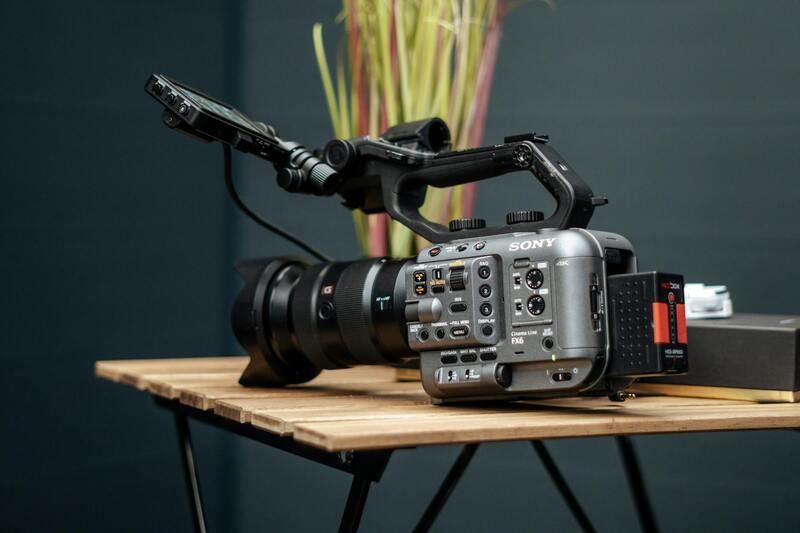
An effective live streaming setup begins with meticulous planning, addressing logistical considerations like audience size, content format, and platform compatibility. Technical infrastructure includes professional-grade cameras, audio equipment, encoders, and streaming servers, all chosen to optimize video and audio fidelity. The production process involves layering visuals, adding graphics or overlays, and managing real-time transitions to create a dynamic and engaging broadcast.
Furthermore, a dedicated production team oversees all operations during the live event, ensuring technical stability and swift handling of unforeseen issues. Quality control protocols are established well before the broadcast to minimize disruptions and enhance viewer experience. For Miami-based organizations, partnering with experienced live stream service providers is vital to navigate the technical complexities and deliver broadcasts that reflect professionalism and credibility.
Overall, live stream services production is a detailed and strategic endeavor that blends technology with creative storytelling. It serves as a powerful tool for organizations seeking to expand their reach, increase interaction, and elevate their brand presence through compelling live content that resonates with viewers worldwide.
Technical Equipment and Infrastructure
Establishing a robust technical foundation is essential for professional live stream services production. High-quality equipment minimizes technical hiccups and ensures a polished broadcast. Core components include professional-grade cameras capable of capturing crisp visuals, advanced audio systems to deliver clear sound, and reliable internet connectivity that supports high-bandwidth data transmission. The use of hardware encoders facilitates real-time video compression and distribution, which is crucial for minimizing latency and buffering issues during the stream.
In addition to primary equipment, auxiliary tools such as lighting kits, teleprompters, and backup power supplies are integrated into the setup. These elements contribute to the overall production quality, ensuring consistent performance even under unforeseen circumstances. Streaming infrastructure involves prioritizing server capacity, multi-platform compatibility, and security measures like encrypted data channels to protect content integrity and prevent cyber threats.
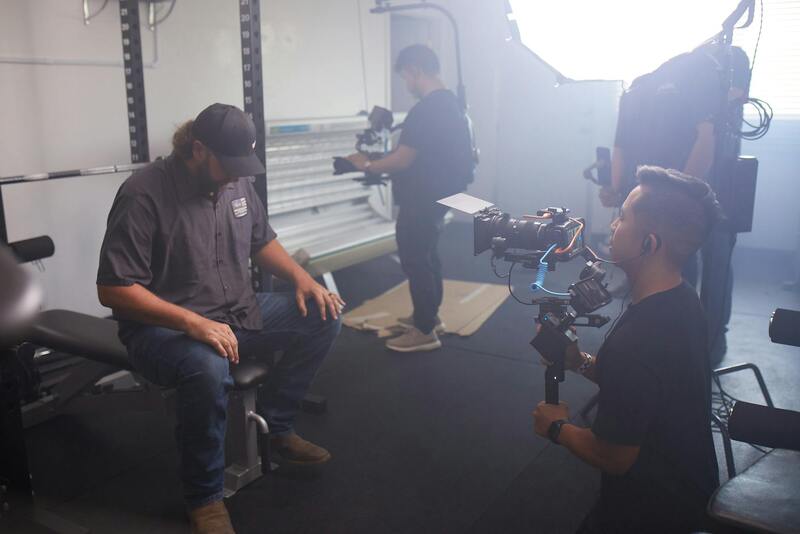
Modern live streaming relies heavily on cloud-based solutions for scalability and flexibility. Content delivery networks (CDNs) distribute streams efficiently across geographically dispersed audiences, reducing latency and buffering. Implementing redundant systems and real-time monitoring tools helps manage potential disruptions, ensuring a seamless viewing experience. Tailoring equipment choices to specific event needs—such as live concerts, corporate webinars, or product launches—is vital for optimal results.
Production Team and Workflow
An organized, experienced production team forms the core of successful live stream services. Roles typically include director, camera operators, audio engineers, graphic designers, and technical support staff. Clear communication and well-defined workflows are critical to synchronize all moving parts, from scene transitions to real-time graphics integration.
Pre-production planning involves script rehearsals, cue sheets, and contingency procedures. During live broadcasts, real-time coordination ensures smooth operation, with team members monitoring audio levels, camera angles, and streaming stability. Post-broadcast, team members compile analytics, troubleshoot issues, and prepare reports for future enhancements.
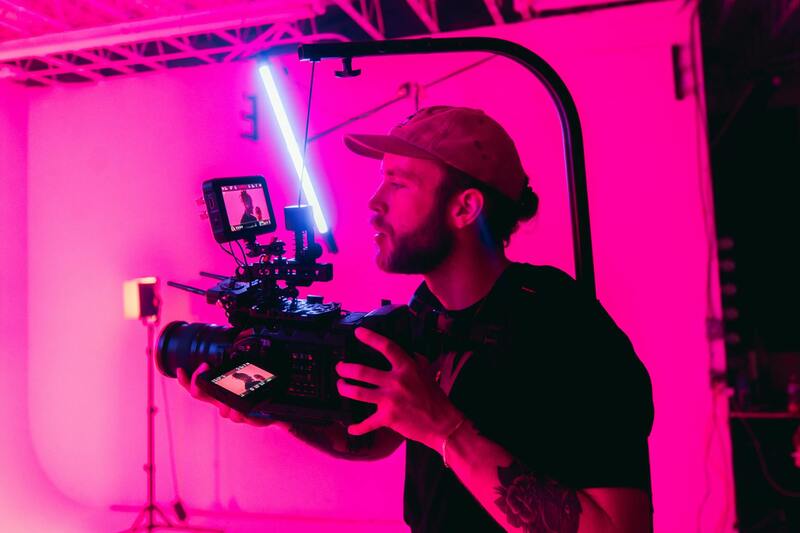
Adopting project management tools and communication platforms streamlines workflows and quickens decision-making. For Miami-based organizations, leveraging local expertise often enhances coordination, providing faster response times and more tailored solutions.
Content Creation and Graphics
Engaging content lies at the heart of compelling live streams. Creative professionals develop visual elements such as overlays, lower thirds, and branding graphics that augment viewer engagement. Integrating these visuals seamlessly into live feeds requires specialized software that allows for real-time editing without disrupting the broadcast flow.
Content creators incorporate multimedia elements—video clips, slideshows, or live interviews—to diversify the broadcast. Interactive features like live polls, chats, or Q&A sessions foster viewer participation, boosting overall engagement levels. Proper scripting and rehearsal ensure that content delivery remains smooth, professional, and aligned with organizational goals.
Live Stream Execution and Quality Control
The execution phase demands vigilance, technical proficiency, and adaptability. Producers oversee the transition between different segments, manage on-the-fly graphic updates, and troubleshoot technical challenges promptly. Continuous quality checks monitor video clarity, audio fidelity, and stream stability, with backup systems ready to activate if needed.
Proactive communication with viewers helps manage feedback and expectations. Real-time metrics tracking provides insights into viewer engagement, stream health, and latency issues, enabling immediate corrective actions. Maintaining an optimal balance between production sophistication and operational simplicity ensures that the live stream runs smoothly and professionally.

Ultimately, diligent quality control protocols and experienced personnel contribute to delivering a broadcast that is visually appealing, acoustically clear, and free of disruptions. This commitment to excellence fosters viewer trust and enhances organizational credibility in Miami’s competitive event landscape.
Technical Equipment and Infrastructure
Establishing a robust technical infrastructure is foundational for achieving high-quality live stream services production. Critical hardware components include professional-grade cameras capable of delivering sharp, high-resolution footage, with pan-tilt-zoom capabilities for dynamic shot composition. Modern encoders transform video signals into digital formats optimized for streaming, ensuring smooth transmission across various platforms. Adequate lighting setups, such as LED panels and studio lights, are essential for illuminating subjects uniformly and minimizing shadows, which significantly impacts visual clarity under different environmental conditions.
Reliable internet connectivity forms the backbone of seamless live streaming. A dedicated high-bandwidth internet connection, preferably with a wired Ethernet setup, reduces latency and minimizes buffering issues. Redundant internet links provide failover options, critical for maintaining stream stability amidst network fluctuations. Cloud-based streaming platforms and software solutions like professional-grade encoder applications facilitate the encoding process, offering advanced features such as adaptive bitrate streaming, multistream output, and real-time monitoring.
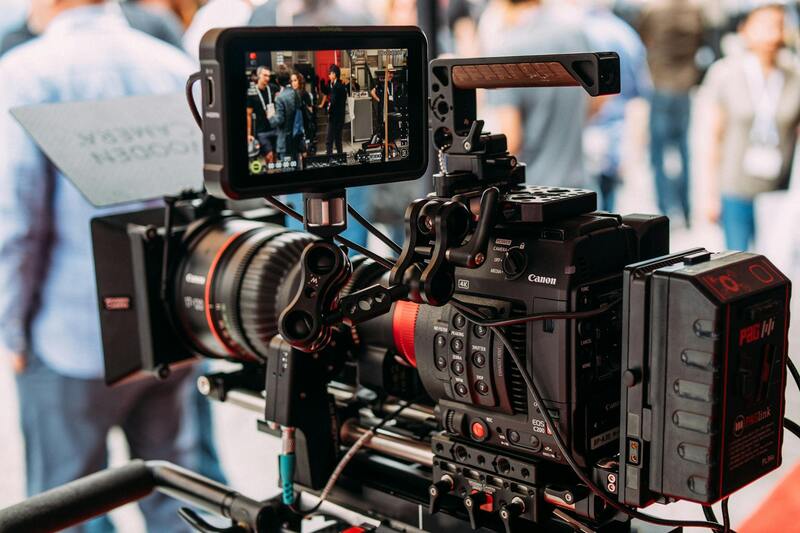
Software solutions integrated into the production workflow include video switchers, graphic overlay tools, and interactive interface platforms. These enable seamless transitions, branding elements, and viewer engagement functionalities. Properly configured network equipment, such as routers and firewalls, also ensure that data traffic remains prioritized for streaming purposes, avoiding interruption or degradation of the broadcast quality. Maintenance and periodic updates of all hardware and software components are vital for sustaining high operational standards.
Production Team and Workflow
A skilled production team orchestrates every element of the live stream, from pre-event setup to post-broadcast analysis. The team typically comprises a director, technical director, camera operators, sound engineers, and graphic specialists, each with distinct responsibilities. Clear communication channels and well-defined workflows facilitate smooth coordination, especially during live operations where timing and precision are paramount.
The workflow starts with meticulous pre-production planning, including content scheduling, shot lists, and technical rehearsals. During the event, the director manages camera switching, graphic overlays, and audio levels, ensuring visual and audio elements align with the intended narrative. The technical director monitors the encoding and streaming processes, ready to intervene if immediate technical issues arise. Post-event, the team compiles analytics, reviews stream data, and archives footage for future use or promotional purposes.
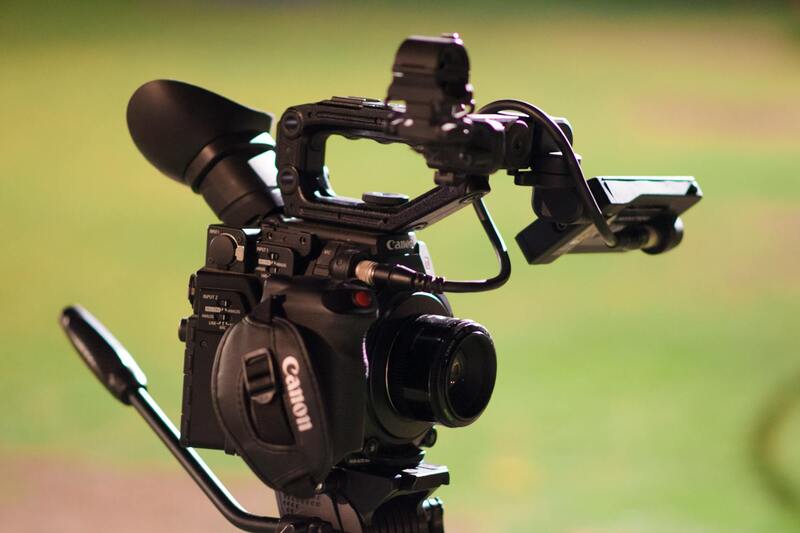
Efficient workflows depend heavily on comprehensive training and experience. Regular drills and scenario planning help the team respond swiftly to unforeseen circumstances, minimizing downtime. Collaboration tools such as real-time chat applications or event management software ensure alignment among team members throughout the production cycle, ultimately contributing to a successful broadcast experience.
Understanding Live Stream Services Production
Producing a live stream that captures viewer attention and maintains professional quality requires meticulous planning and execution. It involves a series of carefully coordinated steps, integrating advanced technical equipment, skilled personnel, and seamless workflows. This process starts long before the actual broadcast begins, with pre-production activities that set the foundation for a successful live event.
Pre-Production Planning
In-depth planning is essential to organize content, define objectives, and establish technical requirements. This phase includes developing a detailed schedule that outlines the timing of each segment, identifying key moments for camera shots, graphic insertions, and audience engagement segments. Meeting with clients or stakeholders ensures alignment on content delivery expectations. During this phase, a comprehensive technical review is conducted to confirm the suitability of the streaming platform, bandwidth capacity, and hardware compatibility.
Content Strategy and Creative Elements
Effective live stream production hinges on engaging content that resonates with the target audience. Content creators work closely with producers to develop scripts, outline segments, and craft compelling visual elements. Incorporating high-quality graphics, animations, and branding enhances viewer engagement. Additionally, the integration of remotely hosted interviews or interactive features can elevate the overall experience, provided the technical infrastructure supports seamless connectivity.
Technical Infrastructure and Equipment
Reliable and sophisticated technical setup forms the backbone of live stream services production. Key components include multiple high-definition cameras for capturing diverse angles, professional audio equipment for clear sound, and digital switching consoles to dynamically transition between feeds. Live encoding hardware and streaming servers are employed to compress and transmit data efficiently. Redundant systems and backup power supplies mitigate risks of disruptions, ensuring continuity even amidst unforeseen technical issues.
Control Room Operations
At the heart of a professional live stream setup is the control room, where operators manage various feeds and oversee the entire broadcast process. Here, a team of technicians and directors monitors live video feeds, audio levels, graphic overlays, and streaming metrics. The director coordinates camera angles, visual effects, and timing cues, directing the crew to ensure the content flows smoothly. The technical director handles the encoding and streaming logistics, responding quickly to on-the-fly adjustments as needed.
Execution and Real-Time Monitoring
During live encoding and streaming, constant vigilance is critical. Real-time monitoring tools track stream health, bandwidth usage, and viewer metrics, providing immediate feedback on quality or potential issues. Should any anomalies be detected, the production team can execute contingency measures, such as switching to backup streams or adjusting bitrate levels, to preserve broadcast integrity. Mutual communication among operators and technical staff enhances situational awareness, enabling swift responses to challenges as they arise.
Post-Event Analysis and Data Reporting
After concluding the live stream, the focus shifts to performance review and data analytics. Streaming platforms generate comprehensive reports detailing viewer engagement, stream quality, and technical performance. These insights help inform improvements for future broadcasts, optimize content delivery, and evaluate the overall success of the event. Recorded footage is archived for post-event review, promotional use, or on-demand streaming options, broadening the reach and impact of the streamed content.
Ensuring Consistency and Quality Assurance
Professional live stream services prioritize consistency and meticulous quality control throughout the production cycle. Regular maintenance of equipment, adherence to technical standards, and ongoing training fortify the team's ability to deliver seamless broadcasts. Pre-event rehearsals simulate live conditions, allowing teams to identify and resolve potential issues proactively. Additionally, comprehensive safety protocols and clear communication channels are vital for coordinating tasks efficiently and minimizing risks during high-stakes live events.
Implementing High-Quality Audio and Video Standards
Achieving impeccable live streams necessitates adherence to stringent audio and video standards. This begins with selecting professional-grade cameras capable of capturing high-resolution footage, ensuring sharp images that adapt seamlessly to various lighting conditions. Multiple camera angles are often utilized to provide dynamic viewing experiences, especially during multifaceted events like conferences or concerts.
Audio quality, often overlooked, is equally critical. High-fidelity microphones, sound mixers, and noise suppression technology are employed to deliver clear, natural sound that complements visual content. Proper microphone placement prevents audio bleed and background noise, maintaining clarity irrespective of venue size or acoustic environment.
Bandwidth Management and Streaming Protocols
Stable bandwidth allocation plays a pivotal role in delivering uninterrupted streams. Professional production teams conduct preliminary network assessments to match bandwidth capacity with stream quality requirements, preventing latency or buffering issues that could compromise viewer experience. Adaptive bitrate streaming technology allows content to adjust dynamically based on viewers' internet speeds, ensuring optimal quality across diverse devices.
Utilization of robust streaming protocols such as RTMP (Real-Time Messaging Protocol) and SRT (Secure Reliable Transport) guarantees low latency and secure delivery. These protocols facilitate efficient data transmission, even in complex network environments, while encryption ensures data integrity and safety.
Stream Monitoring and Real-Time Troubleshooting
Continuous monitoring during live streams involves specialized software that tracks key metrics like packet loss, latency, and stream stability. This real-time oversight enables technicians to identify deteriorating quality or technical hiccups immediately. When issues are detected, swift interventions such as switching to backup servers or adjusting stream parameters are implemented to uphold broadcast standards.
Understanding Live Stream Services Production
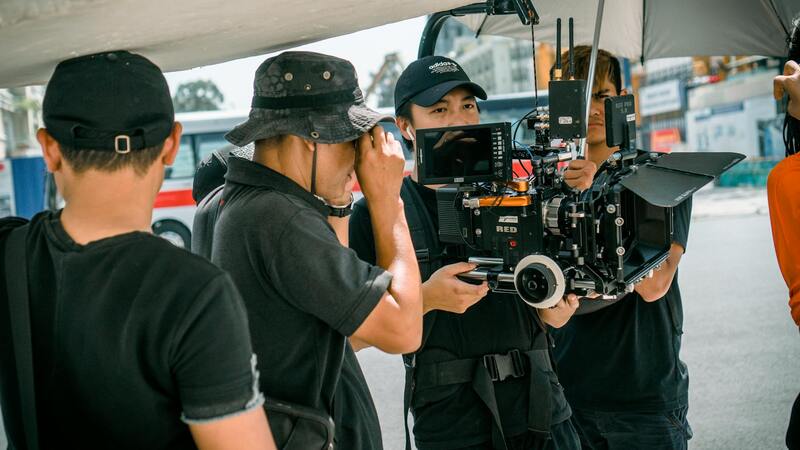
Executing a successful live stream requires meticulous planning, advanced technical setup, and coordination among various professionals. It involves not merely transmitting footage but ensuring the delivery is seamless, engaging, and of high quality for viewers across different devices and networks. Critical factors include the choice of streaming protocols, encoding configurations, and the integration of supplemental graphics and multimedia elements. The process begins with a comprehensive understanding of the audience’s expectations and the event’s scope, which guides decisions around technical specifications and content presentation.

Pre-Production Planning
Strategic planning is fundamental and involves detailed assessment of the event format, target audience, and desired broadcasting platforms. This phase includes creating a content schedule, determining camera positions, and establishing audio-visual workflows that maximize coverage and engagement. Liaising with content creators and event organizers ensures the final broadcast aligns with the intended message and branding.
Technical Infrastructure Setup
A robust technical infrastructure forms the backbone of a reliable live stream. This encompasses high-definition cameras, professional-grade microphones, and switchers that enable dynamic content editing on-the-fly. Network stability is paramount; thus, dedicated internet connections with sufficient upload bandwidth are essential. Backup systems and redundant hardware are often integrated to mitigate risks associated with equipment failure or connectivity disruptions.
Software and Encoding
Advanced encoding software ensures the captured audio and video are compressed effectively for transmission. Configurations must accommodate various platforms’ specifications, including resolutions, bitrates, and formats. Streaming software also facilitates real-time overlay of graphics, lower thirds, and interactive elements that boost viewer engagement and clarify content information.
Integration of Security Measures
Maintaining broadcast integrity involves implementing encryption protocols and secure streaming channels. These measures protect the content from unauthorized access and interception, ensuring that the broadcast remains exclusive to intended viewers. Network firewalls, VPNs, and digital rights management tools are commonly employed to safeguard the stream during transmission.
Content Synchronization and Multistreaming
Multistreaming allows content to be delivered simultaneously across multiple platforms, expanding reach and accessibility. Synchronization ensures that the streams remain cohesive, with minimal lag or mismatch between different channels. Cloud-based solutions are often utilized to facilitate scalable and synchronized delivery across diverse viewing environments.
Understanding Live Stream Services Production
Effective live stream services production encompasses a comprehensive approach to broadcasting real-time content across various platforms. It involves meticulous planning, precise execution, and continuous quality monitoring to deliver seamless and engaging live events. The backbone of this process is a well-coordinated team that manages technical elements, creative content, and audience interaction, ensuring that each broadcast meets the intended objectives with professionalism.

Strategic Planning and Pre-Production
Successful live streaming begins with detailed planning. This includes defining clear goals, understanding target audiences, selecting suitable streaming platforms, and mapping out the event flow. Pre-production also involves scouting locations, coordinating with speakers or performers, and preparing visual and audio content. A thorough technical assessment ensures all necessary equipment will perform optimally during the broadcast.
Choosing the Right Equipment and Technology
The foundation of professional live streaming lies in selecting high-quality cameras, audio interfaces, and switching systems. Reliable internet connectivity with ample upload bandwidth is critical to prevent buffering and ensure smooth playback. Additional hardware such as generators, uninterruptible power supplies (UPS), and backup servers safeguard against unexpected interruptions. Modern streaming platforms often leverage cloud-based infrastructures for scalability and redundancy.
Content Management and Interactivity
To enhance viewer engagement, live stream services incorporate real-time graphics, overlays, and interactive elements. These include lower thirds, event branding, live polling, and Q&A segments that foster audience participation. Integrating social media feeds or chat windows during the broadcast facilitates direct communication, enriching the viewing experience and expanding reach.
Post-Broadcast Activities
After the live event concludes, the recorded footage becomes a valuable asset. Post-production editing, if necessary, improves video and audio quality and adds supplementary content such as highlights or promotional clips. Performance analytics, including viewer metrics and engagement levels, provide insight into the broadcast’s effectiveness, informing future streaming strategies. Additionally, archived streams can be repurposed for marketing, training, or on-demand access, extending the event's impact beyond its initial live window.
Ensuring Seamless Broadcasts Through Robust Post-Stream Services and Analytics
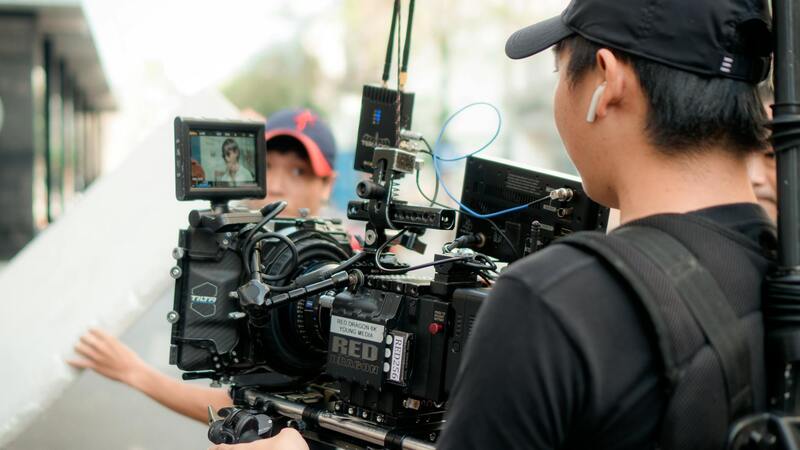
After the live streaming event has concluded, attention shifts toward comprehensive post-stream services that maximize the value gained from the broadcast. These processes not only serve to improve future productions but also provide critical insights into viewer engagement and content performance. High-quality recording management is essential here, including ensuring archived footage is properly stored, cataloged, and accessible for various downstream applications.
Advanced analytics platforms are employed to dissect viewer data meticulously. These include metrics such as peak viewership, average watch time, geographical distribution, and engagement rates across different segments of the audience. Monitoring social media interactions, chat activity, and viewer feedback also provides qualitative insights, helping production teams understand what resonated most during the broadcast.
Furthermore, detailed performance reports enable broadcasters to assess technical quality, viewer retention, and content effectiveness. This data informs strategic decisions, such as content scheduling, graphic design enhancements, or platform optimizations for subsequent streams.
Editing recorded footage for highlights or promotional videos extends the lifespan and reach of the event. Creative post-production work, such as color correction and audio enhancement, ensures the final outputs are polished and professional. These assets can be disseminated across social media channels, used in marketing campaigns, or integrated into online training modules.
Archiving streams responsibly is equally crucial. Proper storage in secure, redundant systems guarantees long-term access for future reference or on-demand viewing. The ability to repurpose content across multiple platforms considerably boosts the overall return on investment for live streaming initiatives.
- Comprehensive data analysis to refine future streaming strategies
- High-quality editing for effective post-event marketing
- Strategic content repurposing for extended audience engagement
- Secure storage solutions for archived streams
By leveraging these official and proven post-stream capabilities, organizations can significantly enhance their ability to engage audiences, improve content quality, and optimize the technical and strategic aspects of live streaming operations within Miami’s vibrant event landscape.