Overview of Live Streaming Video Services
In recent years, live streaming video has transformed the way businesses, organizations, and content creators engage with their audiences. This technology enables real-time broadcasting of video content to viewers across various digital platforms, expanding reach and enhancing interaction. The services provided by dedicated live streaming video companies encompass a broad spectrum of solutions tailored to meet diverse objectives, from corporate communications and marketing campaigns to large-scale virtual events. As live streaming continues to grow in prominence, the need for reliable, high-quality services has become essential for those seeking to deliver seamless digital experiences.
Professional live streaming services encompass various components, including equipment setup, content production, platform management, and post-event analytics. These services ensure that broadcasts run smoothly without technical disruptions, offering viewers a crisp, uninterrupted video experience. Businesses leverage these services to conduct webinars, product launches, corporate meetings, and community events, all accessible on multiple devices and locations. The immediacy and interactive potential of live streaming contribute to increased engagement, brand visibility, and audience loyalty. With advancements in broadband infrastructure and streaming technologies, companies that utilize professional live streaming services can confidently reach wider target markets while maintaining a polished and professional broadcast quality.
 igure>
For enterprises in Miami and beyond, choosing the right live streaming provider can optimize communication efforts and create compelling virtual experiences. The integration of state-of-the-art technology, skilled production teams, and strategic planning ensures broadcasts meet specific objectives, whether it's enhancing customer engagement or expanding remote participation. As an essential component of modern digital communication, live streaming video services have become indispensable for organizations aiming to stand out in a crowded online landscape and connect with their audiences in meaningful ways.
Key Features of a Live Streaming Video Company
When selecting a live streaming video company, several critical features ensure that the service delivered meets professional standards and aligns with organizational goals. These features include high-definition broadcast quality, consistent reliability, and robust scalability. High-definition video (typically 1080p or higher) guarantees clarity and sharp visual presentation, which is crucial for engaging viewers and delivering impactful content. A dependable streaming service minimizes buffering, latency, and disruptions, thereby maintaining a seamless viewing experience regardless of the event size or viewer count.
Scalability is equally important, especially as viewer numbers fluctuate or grow over time. A live streaming company must offer flexible solutions that can expand to accommodate larger audiences without sacrificing quality. This adaptability allows organizations to handle unexpected surges in viewership during peak times or special events.
Technical support is a core component of professional streaming services. Round-the-clock assistance from experienced technicians helps preempt potential issues, troubleshoot unforeseen problems promptly, and ensure uninterrupted broadcasts. This support extends to pre-event planning, equipment setup, platform configuration, and post-broadcast analytics, ensuring comprehensive service coverage.
Additional features include multi-platform streaming capabilities, enabling broadcasts to reach audiences across various devices such as smartphones, tablets, desktops, and smart TVs, thereby maximizing reach. Integration with content management systems and social media platforms facilitates audience engagement and broader dissemination of the broadcasted material.
Types of Live Streaming Events and Projects
A professional live streaming company can support a diverse range of event types, each requiring tailored approaches and equipment. Corporate events, such as product launches, webinars, and business conferences, benefit from clear visuals and stable streams that communicate professionalism and facilitate engagement.
Educational institutions utilize live streaming to conduct virtual classes, seminars, and conferences, requiring reliable connectivity and interactive features like chat or Q&A functionalities. Religious organizations often stream services or community events to reach congregants remotely.
Entertainment industries, including music, theater, and sports, leverage live streaming to showcase performances to global audiences, demanding high-fidelity audio and video quality. Non-profit organizations frequently use live streaming to broadcast fundraising events and awareness campaigns.
Special event productions such as festivals, galas, or award shows also demand sophisticated streaming solutions that handle multiple camera angles, real-time graphics, and audience interaction tools.
Benefits of Choosing a Local Miami Live Streaming Provider
Opting for a local live streaming provider in Miami offers distinct advantages, including easier coordination, faster on-site support, and a deeper understanding of the regional market dynamics. Proximity allows for in-person consultations, quicker equipment deployment, and face-to-face meetings to strategize effectively.
Local providers tend to have established partnerships with regional venues, broadcasters, and technology suppliers, which can streamline logistics and reduce overall costs. Their familiarity with local regulations and event environments enhances the planning process, ensuring smoother execution.
Furthermore, working with a Miami-based company supports local businesses and fosters community growth. The ability to conduct regular onsite assessments and immediate troubleshooting contributes to the success of live events, especially in high-stakes situations.
In addition to operational advantages, local providers typically have a better grasp of regional audience preferences and cultural nuances, helping tailor content for maximum engagement and relevance.
Equipment and Technology Used in Professional Live Streaming
Professional live streaming relies on a combination of advanced hardware and software components designed to ensure high-quality output. Key equipment includes high-definition cameras capable of capturing detailed visuals, professional-grade audio mixers, and microphones to guarantee clear sound fidelity.
Encoding hardware or software transforms raw audio-visual data into compressed streams suitable for internet transmission. This process maintains video quality while optimizing bandwidth usage. Streaming servers and content delivery networks (CDNs) distribute the content efficiently to viewers across different regions.
Additional technology such as video switchers allows for dynamic scene changes, multi-camera feeds, and graphic overlays, enhancing the production value. Reliable internet connections—often with multiple redundant channels—are essential to prevent interruptions.
Post-event analytics tools integrated into broadcasting systems provide insights into viewer engagement, stream quality, and overall performance, enabling continuous improvement for future broadcasts.
Factors to Consider When Selecting a Live Streaming Video Company
When evaluating potential providers, focus on their portfolio of past projects, technological capabilities, and client testimonials. A comprehensive understanding of their experience in various event types helps determine their suitability for specific needs.
Assess the range of services offered, including pre-event planning, on-site production, and post-broadcast analysis. Ensure they provide end-to-end solutions tailored to your organizational objectives.
Evaluate their infrastructure for reliability and scalability, considering whether they can handle fluctuating viewer sizes and complex event requirements. The quality and availability of technical support, both during and after the event, are also critical factors.
Pricing transparency and flexibility, coupled with clear contracts outlining deliverables and responsibilities, help prevent misunderstandings and align expectations.
Furthermore, compatibility with your existing digital infrastructure and a proactive approach to security safeguards are important considerations.
Overview of Live Streaming Video Services
In the rapidly evolving digital landscape, live streaming video services have become an essential component for organizations aiming to connect with audiences in real time. These services facilitate the broadcasting of events, presentations, and seminars with high-quality video and audio, ensuring that viewers experience minimal latency and maximum clarity. Whether it's a corporate conference, a product launch, or a community event, professional live streaming providers leverage advanced technology to deliver seamless broadcasts across multiple platforms. They handle everything from initial planning and content creation to post-event analytics, enabling organizations to analyze viewer engagement and optimize future broadcasts. Utilizing innovative streaming protocols and robust content delivery networks (CDNs), these companies ensure reliable delivery even during high-traffic periods. High-definition (HD) and 4K streaming options are standard, providing viewers with crisp visuals and vibrant sound, essential for maintaining audience interest. Implementing adaptive bitrate streaming further enhances viewer experience by dynamically adjusting video quality based on individual network conditions, preventing buffering and interruptions.
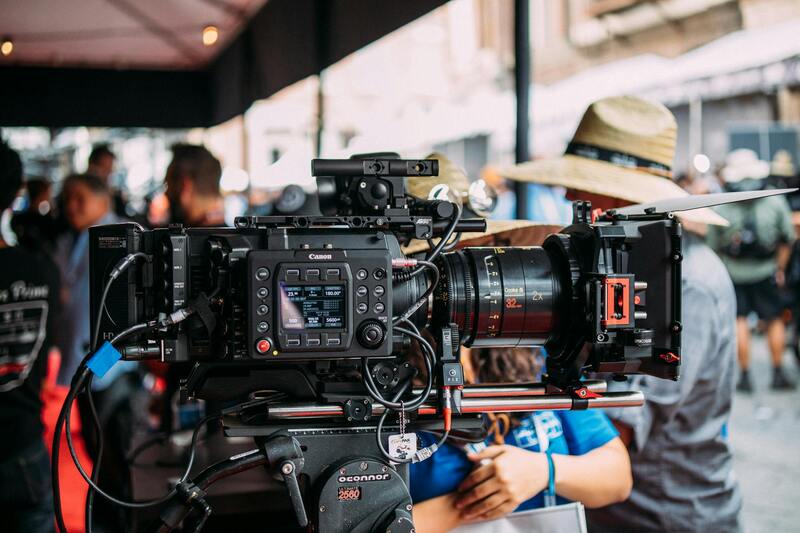
Organizations turning to live streaming video companies often seek comprehensive solutions that encompass technical support, content management, and distribution. These providers utilize state-of-the-art hardware—including professional-grade cameras, switchers, and encoders—paired with sophisticated software to capture, encode, and transmit live content effectively. Cloud-based streaming platforms are increasingly popular, enabling scalable and flexible broadcasting without the need for extensive onsite infrastructure. As a result, companies can modify their streaming setups based on the event's scope and audience size, ensuring cost-effectiveness and operational efficiency. Security measures such as encrypted streams, password protection, and digital rights management are integrated to safeguard content from unauthorized access. Moreover, many providers offer multi-language support and compatibility with various devices, including desktops, tablets, and smartphones, broadening the reach of each broadcast. This comprehensive approach guarantees an engaging, professional, and reliable viewing experience for audiences worldwide.

Key Credentials for Selecting a Live Streaming Video Company
- Proven Track Record: Review their portfolio to understand the variety and complexity of projects they have managed successfully, including corporate events, large-scale conferences, or entertainment productions.
- Technical Expertise: Ensure they utilize the latest streaming technology, including hardware encoders, robust CDN integration, and flexible streaming protocols like RTMP, HLS, or DASH.
- Client Testimonials and References: Feedback from past clients offers insight into their professionalism, responsiveness, and ability to meet deadlines.
- Range of Services: The ability to provide end-to-end solutions—from pre-event planning, content creation, on-site production, to post-event analytics—is critical for seamless execution.
- Infrastructure Reliability: A resilient infrastructure capable of handling high viewer volumes, complex multimedia formats, and multiple concurrent streams is essential.
- Support and Maintenance: Responsive technical support during and after broadcasts minimizes disruptions and ensures smooth operation.
- Pricing and Contracts: Clear, transparent pricing structures and flexible contractual options help align project scope with budget constraints.
- Security and Compatibility: Security protocols and compatibility with existing digital platforms should be prioritized to integrate seamlessly into your organizational ecosystem.
Types of Live Streaming Events and Projects
Understanding the diverse range of live streaming events is essential for organizations aiming to maximize their outreach and engagement. From corporate communications to entertainment productions, each project demands specific technological setups, content strategies, and audience interaction techniques. Whether broadcasting a product launch, a wedding ceremony, a virtual concert, or a conference, the chosen live streaming approach must align with the event’s objectives and audience expectations.
Corporate Events and Conferences
Corporate live streams often serve to announce new initiatives, share keynote speeches, or facilitate remote stakeholder participation. These events typically require multi-camera setups, professional audio management, and reliable internet infrastructure to ensure clear visuals and sound. The use of interactive features such as Q&A sessions or live polling enhances engagement, necessitating integration with audience interaction platforms. High-quality output and minimal latency are critical to delivering a seamless experience for remote viewers.
Entertainment and Media Productions
Entertainment projects, including music concerts, theater performances, or film premieres, benefit from high-fidelity video and dynamic camera movements. Advanced production techniques, such as multi-angle shooting, real-time graphics, and augmented reality overlays, are increasingly in demand. These projects often utilize higher bandwidth and sophisticated encoding equipment to transmit immersive experiences to large audiences across various digital platforms.
Educational and Religious Services
Educational webinars, religious services, and workshops have seen a surge in live streaming adoption. Here, clear audio-visual quality, accessibility features, and easy-to-navigate interfaces matter greatly. Stream management during these events includes multiple breakout rooms, closed captioning, and available recorded content for later viewing. Such projects emphasize both broad reach and inclusivity, requiring adaptable streaming solutions that can support a wide variety of content formats.
Sports and Community Events
Live coverage of sports games, marathons, or community festivals demands real-time broadcasting with zero tolerance for delays or interruptions. Multi-camera setups, instant replays, and real-time analytics are often integrated into the streaming workflow. Infrastructure resilience is vital here, as high concurrent viewership can overload weaker systems, causing streaming failures. Specialized encoding hardware and dedicated CDN (Content Delivery Network) partnerships ensure the delivery of high-quality streams to large audiences.
Specialized Projects and Integration Needs
Some live streaming projects involve complex integrations with social media platforms, custom branding overlays, or secure access controls for private events. For these projects, flexibility in the streaming platform and backend infrastructure allows brands to tailor the broadcast experience precisely. Moreover, integration with existing digital marketing tools and analytics platforms helps organizations measure engagement and optimize future streams.
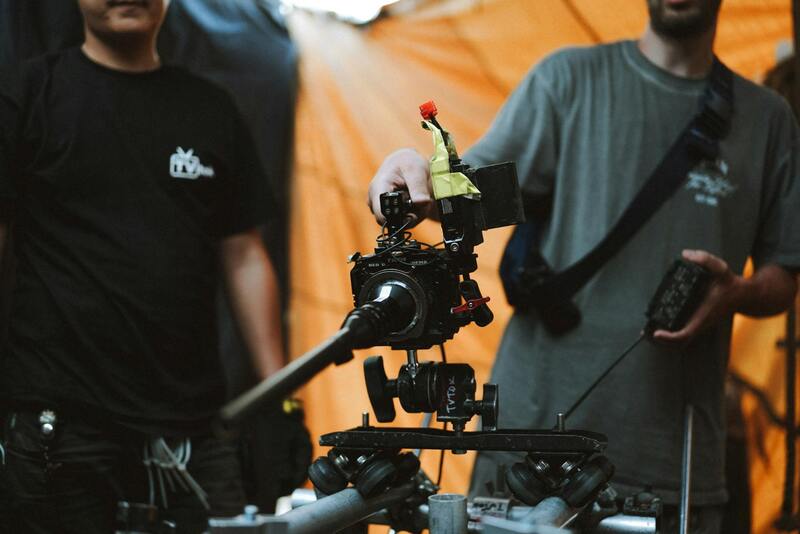
Equipment and Technology Used in Professional Live Streaming
Successful live streaming hinges on the deployment of advanced hardware and robust software solutions designed to deliver continuous, high-quality content. The core components include high-definition cameras, professional-grade encoders, and resilient streaming platforms that work seamlessly together to provide a smooth viewing experience. Each element plays a crucial role in ensuring that the content reaches audiences without interruption, regardless of event complexity or scale.
Core Hardware Components
- High-Definition Cameras: Cameras capable of capturing video in 4K or HD resolutions are essential for producing clear, professional visuals. Depending on the event scope, multiple cameras may be used to provide various angles, especially in live sports or corporate presentations.
- Video Encoders: Hardware or software encoders convert raw video signals into digital streams compatible with streaming platforms. Encoder choices impact latency, quality, and stability. Hardware encoders are often preferred for their reliability and reduced buffering in high-demand scenarios.
- Audio Equipment: Clear audio is as vital as visual quality. Professional microphones and audio mixers ensure sound is captured accurately, balanced, and free from background noise.
- Streaming Hardware: Devices such as dedicated streaming servers and routers optimize the distribution of content, managing bandwidth and reducing the risk of disruptions during high-traffic events.
Software Solutions and Platforms
- Encoding Software: Tools like Wirecast, vMix, or OBS Studio enable broadcasters to manage multiple video sources, incorporate graphics or overlays, and streamline the transition between scenes in real-time.
- Content Delivery Networks (CDNs): Partnering with reliable CDNs ensures that streams are efficiently distributed across the globe, minimizing latency and buffering for viewers regardless of their location.
- Stream Management Platforms: User interfaces that allow live producers to monitor stream health, adjust settings on the fly, and troubleshoot issues promptly are key for maintaining high-quality broadcasts.
Network Infrastructure
A robust network infrastructure forms the backbone of professional live streaming. Fiber-optic internet connections with high bandwidth, dedicated IP addresses, and failover systems prevent disruptions even during peak traffic hours. Redundant network paths and load balancing further enhance stream stability and resilience, ensuring consistent delivery throughout the event.
Equipment and Technology Used in Professional Live Streaming
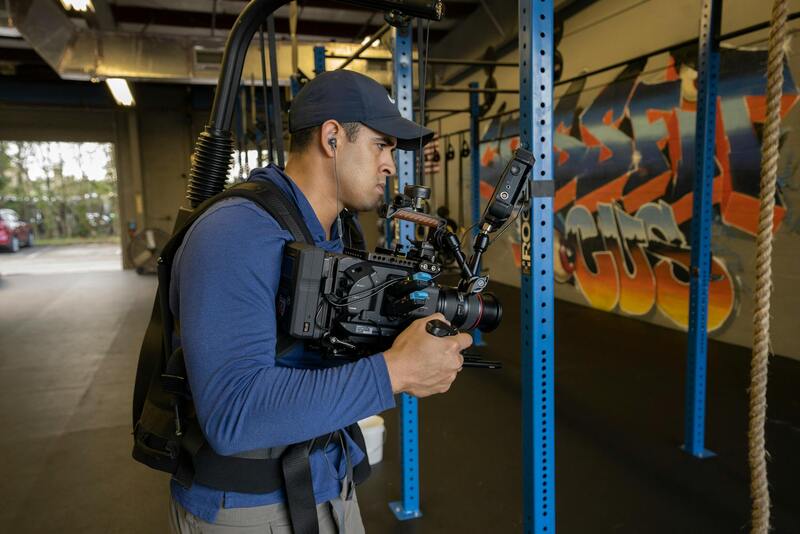
Successful live streaming relies heavily on advanced equipment and technology to deliver seamless, high-quality content. A reputable live streaming video company integrates a variety of hardware and software tools designed to optimize every aspect of the broadcast process.
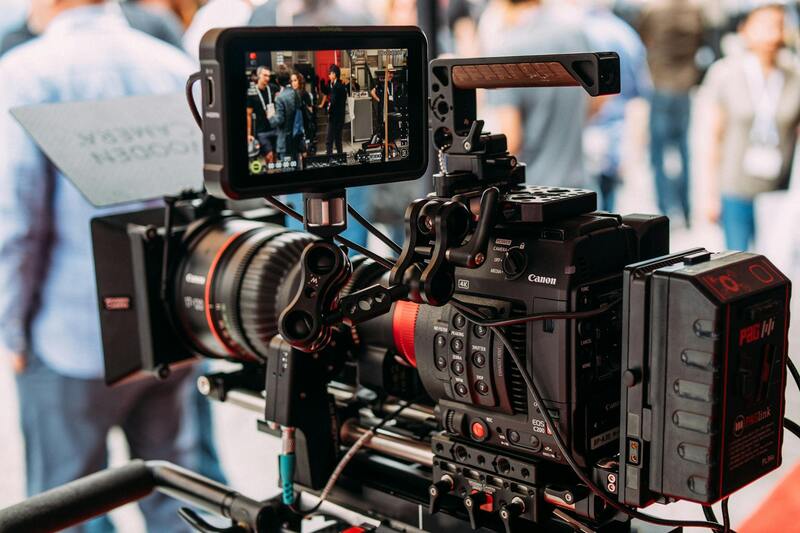
High-Definition Cameras and Capture Devices
State-of-the-art cameras capable of recording in 4K resolution are fundamental, ensuring clear, sharp visuals for viewers. These cameras often include pan-tilt-zoom (PTZ) functionality, allowing for dynamic shots and flexibility in coverage. Capture devices convert analog signals into digital formats compatible with streaming hardware, maintaining optimal image quality throughout the broadcast.
Superior Audio Equipment
Audio fidelity is critical. Professional-grade microphones and audio mixers help capture clean, balanced sound that enhances viewer engagement. Wireless microphone systems and feedback management tools ensure clarity without interruptions, regardless of event complexity.
Streaming Hardware and Servers
Dedicated streaming servers and encoders play a vital role in managing content transmission. Hardware encoders, such as those from Teradek or NewTek, encode live video feeds into compressed formats suitable for streaming platforms. These devices are equipped with redundant power supplies and failover systems to prevent disruptions during critical moments.
Content Delivery Networks (CDNs)
Partnering with reliable CDNs helps distribute streams efficiently across the globe. These networks reduce latency and buffering by optimally routing content through geographically dispersed servers, guaranteeing a smooth viewing experience regardless of audience location.
Supportive Software Platforms
Streaming involves dynamic content management. Software solutions like vMix, Wirecast, and OBS Studio enable producers to switch between multiple video sources, add overlays, and incorporate real-time graphics. Stream management interfaces monitor stream health, provide analytics, and facilitate quick troubleshooting, ensuring consistent delivery and professionalism throughout the broadcast.
Network Infrastructure and Connectivity
A robust network setup is indispensable. Fiber-optic internet connections with high bandwidth capacity accommodate high-definition streams, while dedicated IP addresses minimize interference from other network traffic. Redundant pathways, load balancing, and failover mechanisms are implemented to uphold broadcast stability even during peak demand periods, minimizing latency and preventing interruptions.
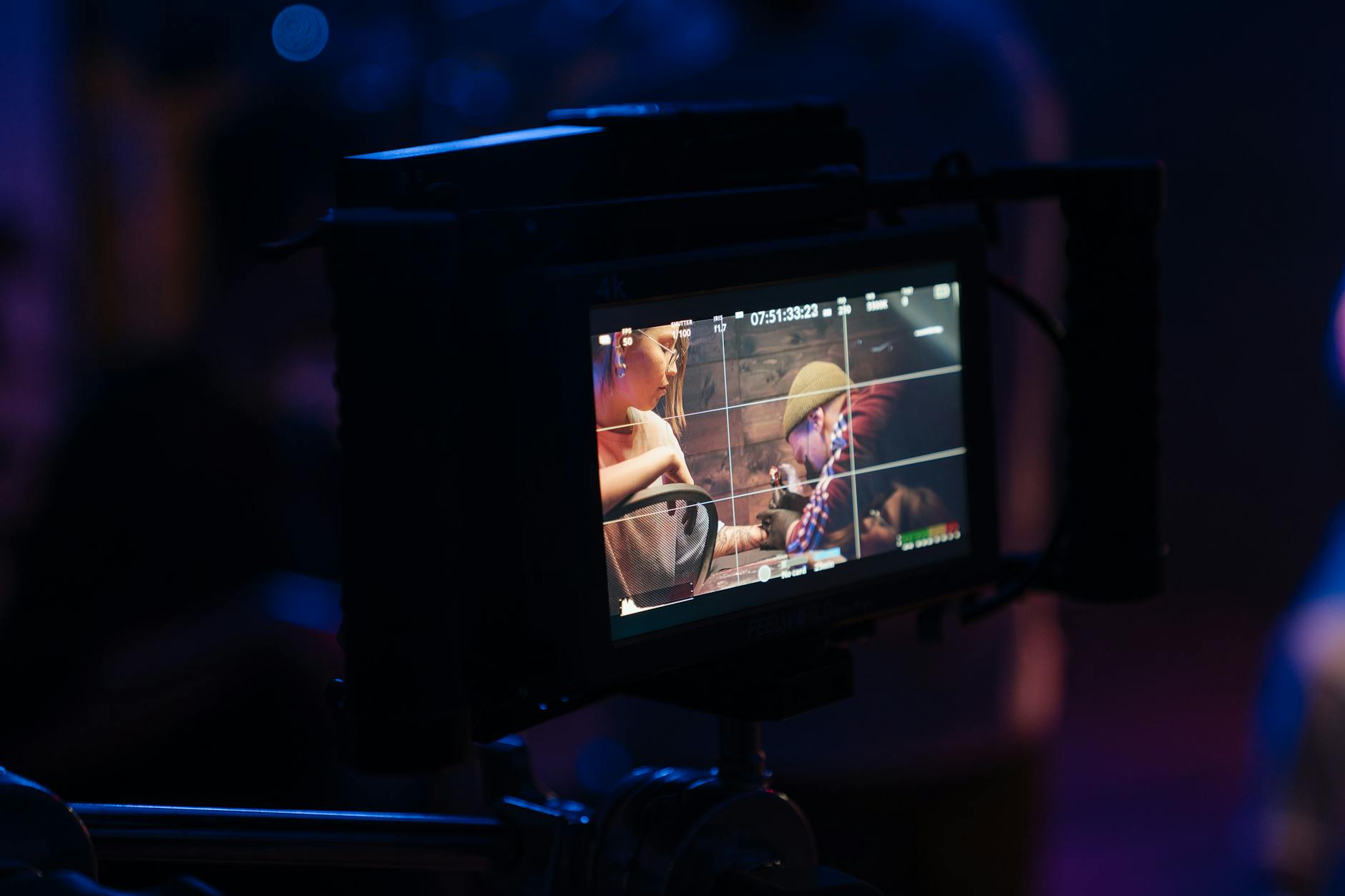
Additional Technological Considerations
- Wireless Transmission Systems: Enable flexible camera placement and mobility without compromising quality.
- Lighting Equipment: Proper lighting ensures consistent, high-quality visuals, especially in variable indoor or outdoor settings.
- Backup Power Supplies: UPS systems protect against outages, securing uninterrupted streaming during power fluctuations.
- Security Measures: Firewalls, encryption protocols, and access controls safeguard content and prevent unauthorized interruptions.
In essence, the integration of cutting-edge hardware and sophisticated software forms the backbone of professional live streaming in Miami. These technological investments ensure both broadcast reliability and superior viewer engagement, marking a significant difference in the quality of live events.
Factors to Consider When Selecting a Live Streaming Video Company
Choosing the right live streaming video company in Miami requires careful assessment of several critical factors to ensure the success of your event or project. Potential clients should focus on the company's technical expertise, experience, and ability to deliver high-quality video content consistently. It is essential to verify that the provider employs advanced broadcasting technologies and has a robust infrastructure capable of supporting demanding live streams.
Operational reliability plays a pivotal role. The company should demonstrate a track record of seamless streaming during high-stakes events, with proven capabilities in managing large audiences and handling technical challenges swiftly. Client testimonials and case studies can offer insights into their professionalism and efficiency under various conditions.
Technical Capabilities and Infrastructure
- Bandwidth and Connectivity: Ensure the provider has access to high-bandwidth, fiber-optic internet connections complemented by redundant pathways to prevent stream interruptions caused by connectivity issues.
- Hardware and Software Solutions: Confirm that the company uses state-of-the-art broadcasting hardware, including multiple professional cameras, switchers, encoders, and audio mixing consoles. Advanced streaming software with adaptive bitrates ensures viewers receive the best quality possible based on their network speed.
- Ability to Scale: The provider's infrastructure should accommodate event growth, from small webinars to large-scale conferences, without compromising quality.
Technical Support and Troubleshooting
It is crucial that the live streaming company offers comprehensive technical support throughout the event. Real-time monitoring and immediate troubleshooting capabilities help address any unforeseen issues promptly, minimizing downtime and ensuring a flawless broadcast. This includes having knowledgeable staff available during the live event to manage any technical hitches efficiently.
Content Security Measures
With the increasing importance of digital content security, selecting a company that implements effective security protocols such as encrypted streaming, secure login procedures, and content access controls ensures your event remains protected from unauthorized viewing or disruptions.
Customization and Integration
The ideal provider should offer tailored streaming solutions that align with your branding and communication strategies. Their ability to seamlessly integrate live streams into your existing websites or social media platforms aids in reaching your target audience effectively.
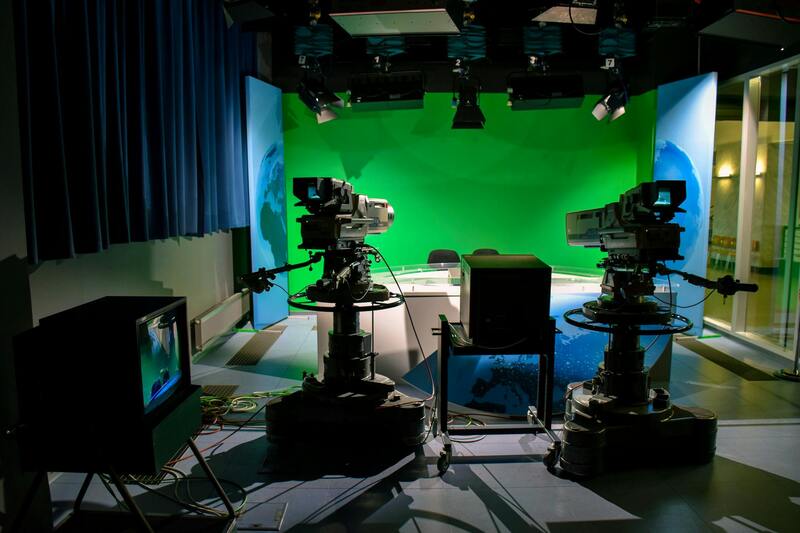
Detailed Techniques for Producing and Delivering High-Quality Live Streaming Content
Achieving excellence in live streaming requires a comprehensive understanding of production techniques and delivery methods that ensure a professional and engaging viewer experience. This involves meticulous planning of the broadcast workflow, utilization of cutting-edge hardware and software, and strategic content management.
Production Setup and Workflow Optimization
Effective live streaming begins with a well-organized production setup. This encompasses the arrangement of multiple camera angles, the incorporation of professional-grade audio equipment, and seamless switching between feeds to maintain visual continuity. Employing multi-camera systems allows for dynamic shots that can highlight different speakers, close-up details, or wide-angle views, thus capturing the event's essence more vividly.
To streamline the workflow, professional operators often utilize live switchers and streaming encoders that facilitate real-time scene changes and encoding. This setup ensures smooth transitions and optimal video quality with minimal latency, creating an immersive viewing experience.
Encoding and Compression Techniques
Encoding is critical to balancing stream quality and bandwidth efficiency. Modern streaming solutions leverage advanced codecs such as H.264 and H.265, which provide high-quality video with lower data rates. Adaptive bitrate streaming dynamically adjusts the quality based on the viewer’s internet connection, reducing buffering and ensuring consistent playback across diverse devices and networks.
Audio Management for Professional Broadcasts
Clear audio significantly enhances viewer engagement. High-quality microphones, sound mixing consoles, and audio processing software are employed to capture and refine audio signals. Mix-minus setups, monitors, and noise reduction techniques are standard practices to maintain pristine sound quality. Transmitting synchronized audio feed alongside video completes the professional broadcast experience.
Delivery Networks and Content Distribution
Choosing the right Content Delivery Network (CDN) plays a crucial role in reaching global audiences efficiently. A reliable CDN reduces latency, prevents buffering, and manages peak traffic loads effectively. Content distribution strategies often include multi-platform streaming, where content is simultaneously broadcasted to social media channels, dedicated websites, and streaming portals, broadening audience reach.
Post-Production and Content Management
While live streaming is inherently in real-time, post-event processing such as archiving, editing highlights, and distributing recorded content can extend audience engagement. Integrating content management systems facilitates easy organization, retrieval, and analytics tracking, which inform future streaming projects and marketing strategies.
Security Protocols and Monitoring
Security remains paramount in live streaming. Implementing encrypted streams, secure login credentials, and access controls protect the content from unauthorized viewing. Additionally, constant monitoring of the stream during the broadcast helps quickly identify and rectify issues, ensuring maximum uptime and viewer satisfaction.
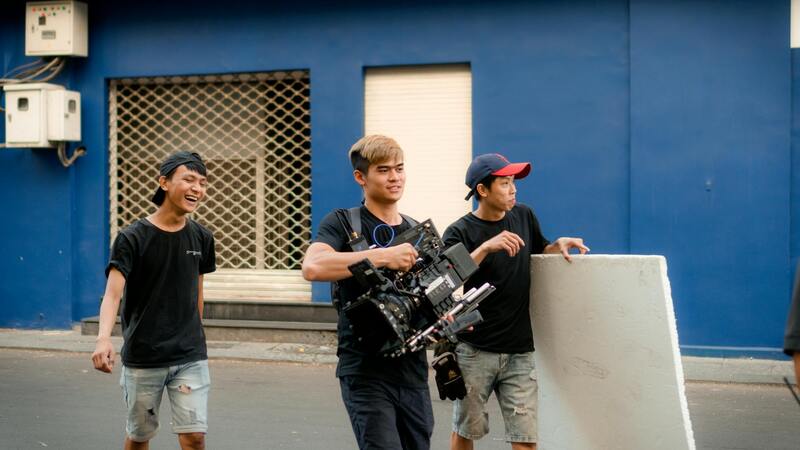
To sum up, delivering high-quality live streaming content involves a combination of precise production techniques, robust technology, and vigilant security measures. A company equipped with these capabilities can transform live events into compelling digital experiences, elevating your brand and ensuring your message reaches your audience effectively.