Overview of Live Streaming Video Production
Defining Live Streaming Video Production
Live streaming video production involves the real-time broadcasting of video content over the internet to a targeted audience. This process incorporates a combination of high-definition video capture, professional audio recording, sophisticated encoding, and reliable internet transmission. The goal is to deliver seamless, high-quality live content that engages viewers across various platforms such as social media, corporate websites, or specialized streaming services.
In an increasingly digital world, live streaming has become essential for a broad spectrum of events including corporate conferences, product launches, music festivals, religious gatherings, and community celebrations. For organizations in Miami, the demand for professional live streaming services is expanding rapidly as businesses and event organizers recognize the power of live digital broadcasts to reach wider audiences in real-time.
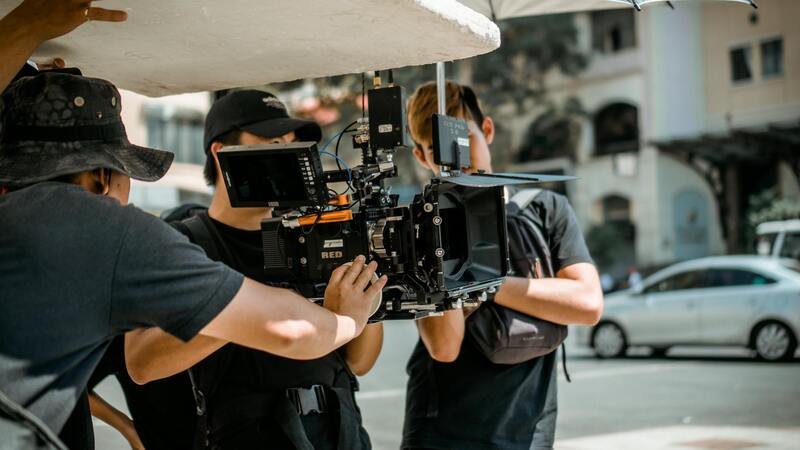
The Significance of Live Streaming in Miami's Dynamic Media Landscape
Miami’s vibrant cultural scene, thriving business environment, and its strategic location as a gateway to Latin America make it an ideal hub for live streaming video production. Local companies specializing in live broadcasting offer tailored solutions that meet the specific needs of Miami’s diverse clientele. Whether it’s a local business wanting to increase visibility during a product launch or a city official broadcasting a public announcement, professional live streaming services can ensure high engagement and effective message delivery.
The importance of well-executed live streaming cannot be overstated, especially in a city that values high-quality media production and innovative digital communications. These services facilitate instant viewer interaction, real-time analytics, and the ability to record and repurpose content for future use, further amplifying the return on investment for event organizers and content creators alike.
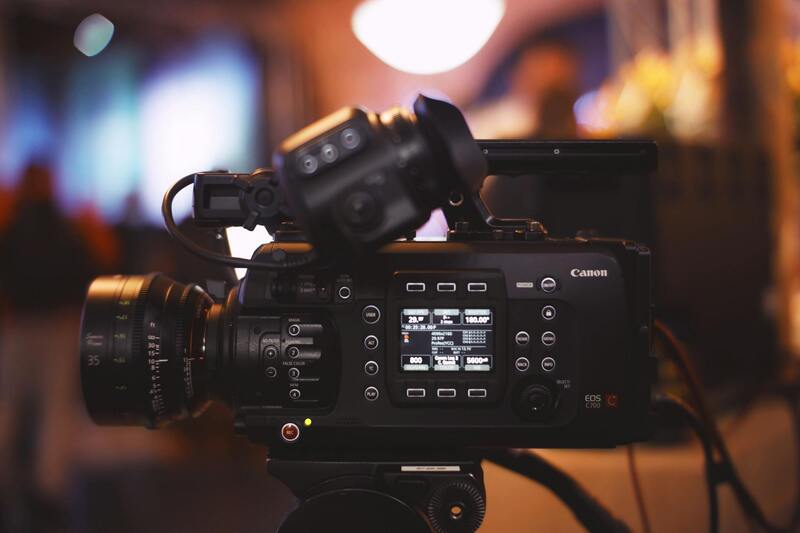
Ultimately, the efficiency and professionalism of a live streaming video production are critical to the success of any digital broadcast. By integrating cutting-edge technology, experienced personnel, and strategic planning, Miami’s live streaming companies enable clients to maximize audience reach and engagement while maintaining the highest standards of media quality.
Overview of Live Streaming Video Production
Live streaming video production has become an essential component in modern media for in-depth audience engagement and real-time content delivery. Its dynamic nature allows organizations to broadcast events, seminars, product launches, and community gatherings seamlessly to local, national, and international audiences. The process involves meticulous planning, precise technical execution, and post-event analytics to maximize impact and reach.
In practice, live streaming combines multiple specialized services—such as multi-camera setup, real-time graphics, synchronized audio, and platform integration—to create a cohesive broadcast experience. This requires an adept team of professionals who understand the nuances of live production workflows, ensuring high-definition video quality, minimal latency, and robust connectivity. The strategic use of bandwidth and encoding technologies guarantees a smooth stream, even during high-traffic events.
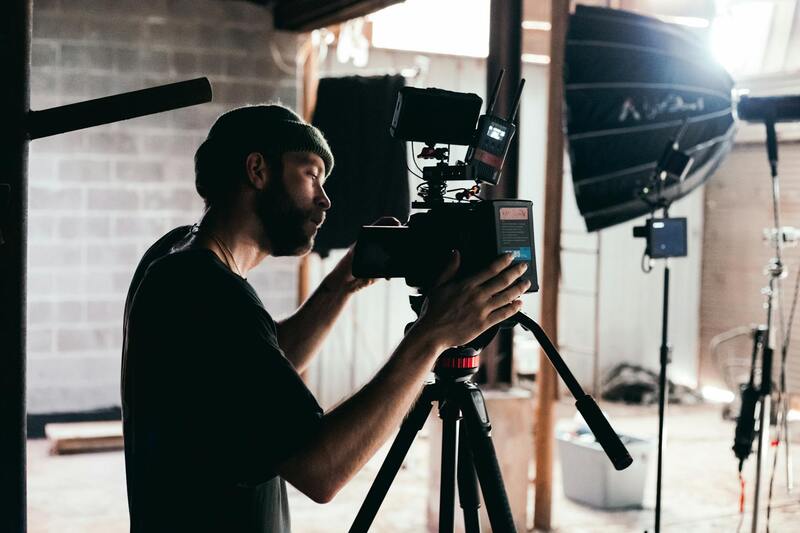 igure>
Miami, as a thriving hub for cultural, business, and entertainment events, benefits from a pool of local live streaming companies capable of handling complex production requirements. These companies are adept at adapting their services to diverse needs, whether it’s a corporate event requiring precise branding or a public festival meant to reach a broad audience. Employing a collaborative approach, they manage every phase—from pre-event planning through to on-site execution and post-broadcast review—ensuring high production values and viewer engagement.
Furthermore, live streaming in Miami leverages cutting-edge underlying technologies, such as cloud-based distribution platforms, 4K resolution broadcasting, and real-time analytics. These tools enable clients to monitor viewership metrics live, fine-tune content delivery, and generate actionable insights to inform future campaigns. The integration of social media platforms also enhances audience interaction, encouraging live comments, polls, and Q&A sessions, which deepen audience involvement.
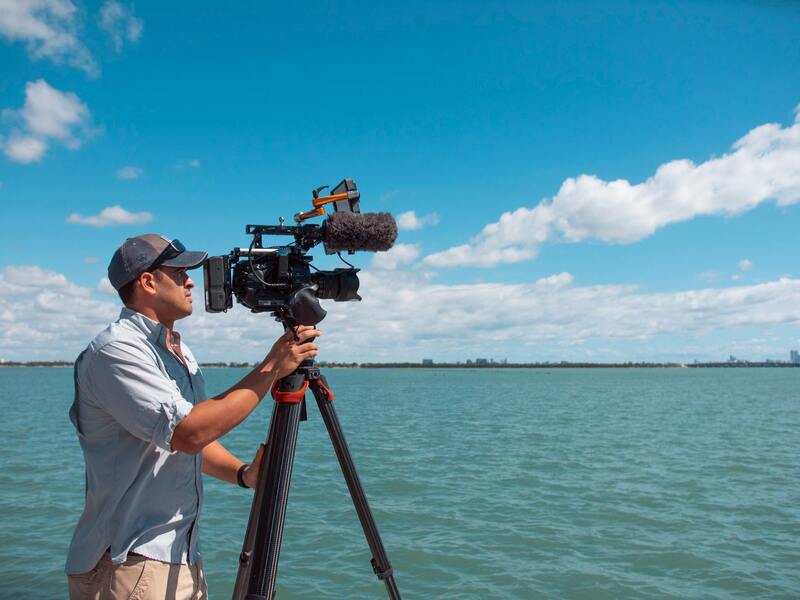 igure>
In essence, the technical sophistication combined with local expertise makes Miami-based live streaming video production companies vital partners for comprehensive event coverage. Their capacity to mobilize swift technical support, troubleshoot on the fly, and adapt to rapidly changing digital landscapes underpins their effectiveness in delivering impactful live broadcasts that meet high standards of excellence and viewer satisfaction.
Technology and Equipment Used in Live Streaming Production
At the core of successful live streaming video production lies the deployment of advanced technology and premium equipment. Professional live streaming companies invest in high-end cameras such as 4K Ultra HD camcorders and PTZ (pan-tilt-zoom) cameras that ensure crisp, clear visuals from multiple angles. These cameras facilitate dynamic coverage, allowing producers to switch seamlessly between wide shots, close-ups, and specialized shots to create an engaging viewing experience.
Audio quality plays a crucial role in viewer retention, which is why state-of-the-art microphones—wireless, lavalier, and shotgun—are utilized to capture clear, ambient sound. Mixing consoles and audio processors are also employed to balance levels, eliminate background noise, and ensure consistent audio delivery throughout the stream.
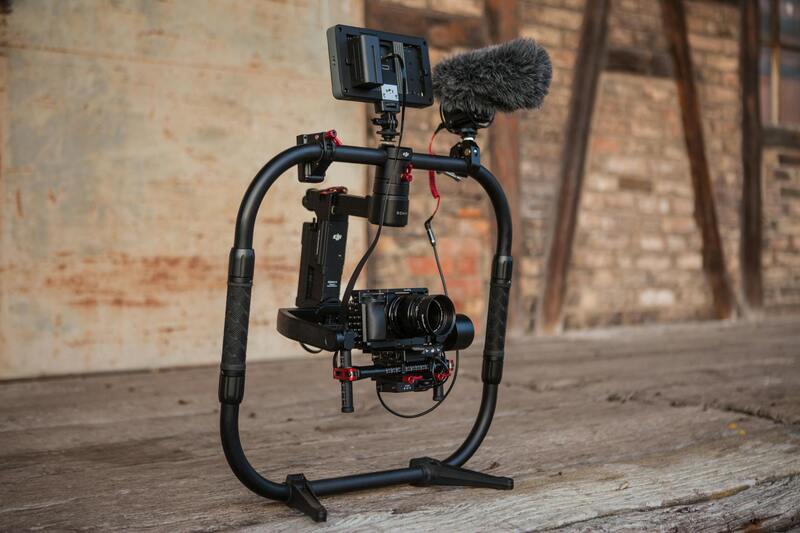
Furthermore, live streaming companies leverage hardware encoders optimized for real-time compression and transmission. These encoders convert camera signals into digital streams compatible with various streaming platforms, maintaining stability and quality even in challenging network conditions.
Software solutions like switching software and graphics overlays are essential for producing a polished broadcast. Video switchers allow real-time transitions between camera feeds, while graphic overlays and lower thirds display important information, branding, or sponsor messages without interrupting the flow of content.
Network Infrastructure and Distribution Platforms
Reliable internet connectivity forms the backbone of live streaming operations. Utilizing dedicated fiber-optic connections or bonded cellular networks ensures high bandwidth and minimal latency, which are critical for uninterrupted broadcasts.
Distribution platforms form the channels through which content reaches audiences. Major services like YouTube Live, Facebook Live, and custom CDN (Content Delivery Network) solutions are often integrated to maximize reach and ensure smooth content delivery. These platforms also provide analytics tools that track viewer engagement and performance metrics, empowering clients with valuable insights.
In summary, the synergy of cutting-edge hardware, robust network solutions, and sophisticated software tools underpins the technical excellence of Miami-based live streaming video production companies. Their investment in technology guarantees high-quality, reliable broadcasts capable of engaging audiences across diverse digital landscapes.
Technology and Equipment Used in Live Streaming Production
To ensure seamless broadcasts, live streaming video production companies rely on a suite of industry-standard hardware and software tools. High-definition cameras serve as the backbone of visual quality, often equipped with advanced zoom, focus, and stabilization features. These cameras are typically supported by professional-grade lenses to capture crisp, detailed footage in various lighting conditions. Additionally, multi-camera setups enable dynamic switching between different angles, creating a more engaging viewing experience.
At the core of the technical setup are streaming encoders, which convert raw video signals into optimized digital streams suitable for online transmission. Hardware encoders offer compact yet powerful solutions, ensuring encoding stability and minimal latency, even under demanding streaming scenarios. Software encoders, on the other hand, provide flexibility and customization options, allowing operators to incorporate overlays, graphics, and live chat features seamlessly.
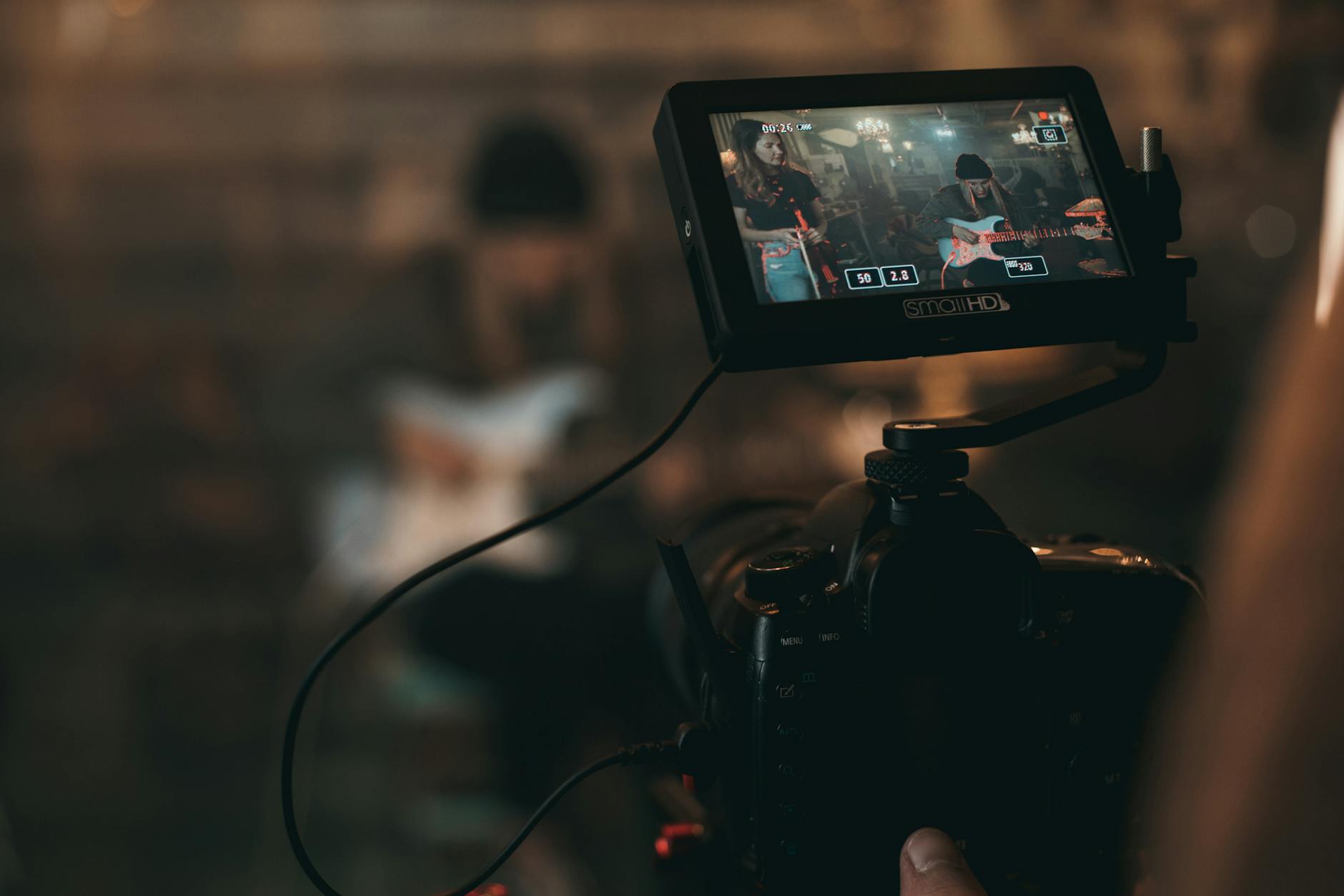
Production switchers play a pivotal role in live streaming, enabling real-time switching between multiple camera feeds, integrating graphics overlays, and managing transitions smoothly. These devices are vital for producing polished, professional broadcasts that maintain viewer engagement. Complementing hardware are software solutions for graphics and titles, which allow on-the-fly text overlays, branding elements, and sponsor messages.
Additional equipment includes audio mixers, microphones, and lighting setups—all calibrated to deliver clear sound and appropriate illumination. Reliable internet connections are also essential, often utilizing bonded cellular or fiber-optic networks to secure high bandwidth and low latency. For large-scale events, backup systems and redundancies are put in place to mitigate potential technical failures.
Technology and Equipment Used in Live Streaming Production
For high-quality live streaming, the integration of advanced technology and equipment is crucial. Professional live streaming video production companies utilize a suite of state-of-the-art tools designed to enhance broadcast quality, ensure stability, and deliver an engaging viewer experience. Central to this setup are streaming encoders — devices that convert raw video signals into optimized digital streams suitable for online distribution. Hardware encoders are favored for their robustness, offering minimal latency and dependable encoding performance, even under demanding conditions. They are compact, durable, and often include multiple input options, making them ideal for both small-scale webinars and large-scale events.
Complementing hardware encoders are software-based solutions. These flexible platforms allow for extensive customization, from overlays and graphics to chat integration. Software encoders are particularly advantageous for productions that require rapid updates or complex visual components, providing a user-friendly interface for live adjustments during broadcasts.
Beyond encoding devices, production switchers are employed to manage multiple video feeds, enabling seamless transitions between cameras, graphics, and media playlists. These switchers support real-time editing, ensuring a polished and professional presentation throughout the event. Graphics generators and titles systems further enhance visual branding by overlaying organization logos, sponsor banners, or informative text dynamically during the stream.
Audio quality is equally vital, achieved through high-end mixers, microphones, and sound processing units. Clear, crisp audio complements visual content, maintaining viewer engagement across diverse environments. Proper lighting setups ensure that subjects are well illuminated, reducing shadows and glare, which contributes significantly to production value.
Connectivity is a foundational element of live streaming. Professional companies leverage multi-source internet connections, such as bonded cellular, fiber-optic, or satellite links, to secure high bandwidth and reduce latency. Redundancies, including backup internet options and power supplies, are standard practice to prevent disruptions during broadcasts, especially for large-scale or critical events.
Overall, the synergy of sophisticated hardware, flexible software, and reliable connectivity underpins the capability of a live streaming video production company to deliver uninterrupted, high-quality broadcasts that meet the expectations of viewers and clients alike.
Technology and Equipment Used in Live Streaming Production
Advanced technology and high-quality equipment are fundamental to delivering seamless live streaming experiences. At the core of production setups are professional cameras capable of capturing high-resolution video, often in 4K, to ensure crisp visuals that engage viewers across various devices. These cameras are complemented by high-end switchers, which facilitate real-time editing, scene transitions, and integration of graphics or overlays, maintaining a smooth flow throughout the broadcast.
Audio quality is prioritized through the use of professional mixers, directional microphones, and sound processing units. These tools filter out background noise, balance audio levels, and provide clear, crisp sound that enhances viewer engagement. Proper acoustics and lighting also play critical roles; high-quality LED lighting setups eliminate shadows and glare, ensuring on-camera subjects appear vibrant and professional.
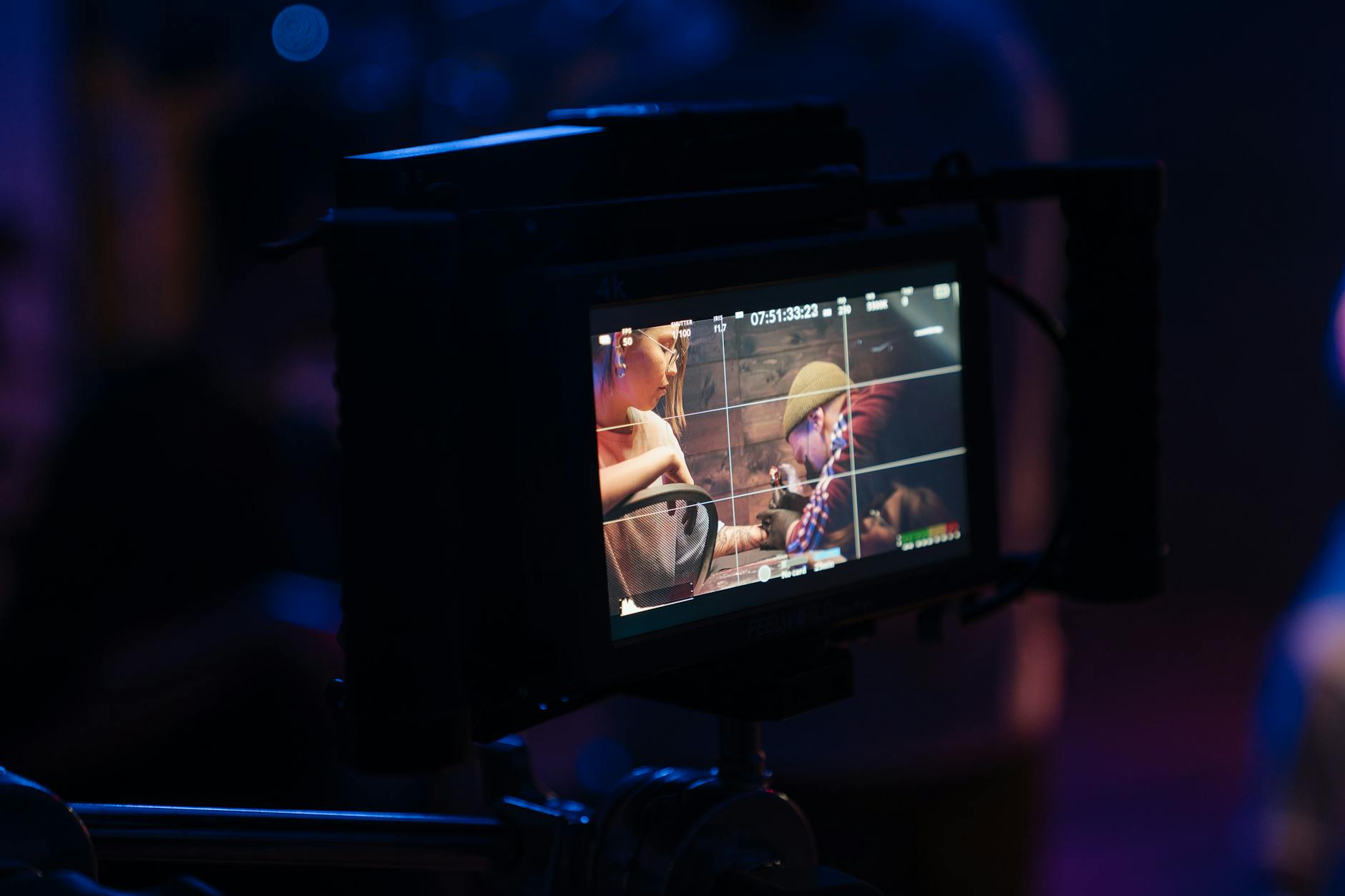
Connectivity infrastructure is equally vital, utilizing multiple internet sources such as fiber-optic connections, bonded cellular links, or satellite links. These options provide high bandwidth and redundancy, decreasing latency and minimizing the risk of interruptions. Portable encoders and streaming devices decode and transmit content efficiently, allowing for flexible production environments that can adapt to various event scales and locations.
In addition, specialized streaming software manages the live broadcast, enabling tasks such as overlay integration, multi-camera switching, and real-time graphics rendering. When combined, these tools and technologies empower production teams to create visually compelling, reliable live streams that meet professional standards and viewer expectations.
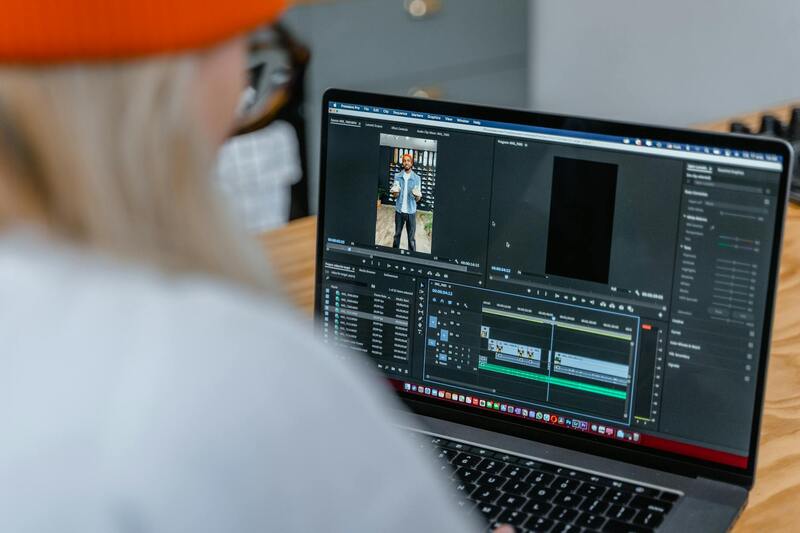
Incorporating all these technological elements enables live streaming video production companies to handle complex broadcasts efficiently while maintaining high standards of production quality. This technological ecosystem is critical in delivering broadcasts that are engaging, technically sound, and capable of reaching wide audiences without disruption.
Challenges in Live Streaming and How to Overcome Them
Executing a flawless live streaming event necessitates addressing a variety of technical and logistical challenges that can impact the quality and reliability of the broadcast. Recognizing these obstacles early allows production teams to implement effective strategies that ensure a seamless viewing experience for audiences.
Bandwidth and Connectivity Issues
One of the most critical technical challenges in live streaming is maintaining sufficient bandwidth to handle high-quality video transmission. Fluctuations in internet speed or disruptions can cause buffering, lag, and reduced video quality. To counter these issues, professional live streaming companies utilize multiple internet sources, such as fiber-optic lines, bonded cellular networks, or satellite links, providing redundancy and load balancing. This approach ensures consistent bandwidth availability, even if one connection experiences a slowdown or failure.
Hardware Failures and Technical Glitches
Broken or malfunctioning equipment can severely impact live broadcasts. High-end cameras, encoders, switchers, and audio gear are prone to technical issues if not properly maintained. Regular equipment checks, real-time diagnostic tools, and having backup devices ready can help mitigate potential failures. Skilled technical staff are essential for troubleshooting and making rapid adjustments to minimize downtime.
Audio and Video Synchronization
Synchronization problems between audio and video streams can distract viewers and diminish the professional quality of the broadcast. Precise synchronization is achieved through meticulous calibration of equipment and the use of advanced editing and switching software. Real-time audio monitoring and adjustments are also crucial to maintaining clarity and synchronization throughout the event.
Environmental and External Factors
External conditions such as weather, power outages, or unforeseen disruptions can pose obstacles during live events, especially outdoor productions. Utilizing weather-resistant equipment, backup power sources like generators, and contingency planning can help manage these uncertainties. Additionally, choosing a venue with stable infrastructure and dedicated technical support minimizes risks associated with environmental factors.
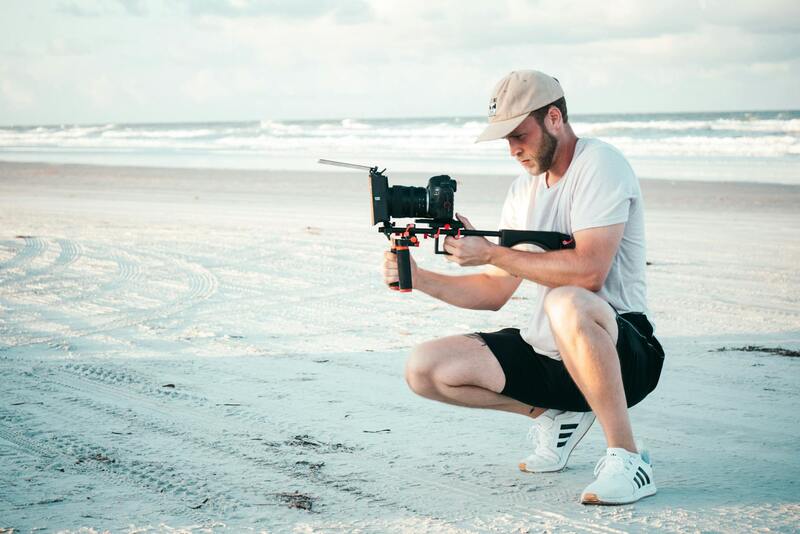
Managing Large Viewership and Ensuring Scalability
Handling a surge in viewer numbers requires scalable streaming solutions capable of accommodating increased traffic without degradation of quality. Employing content delivery networks (CDNs) distributes the stream across multiple servers worldwide, reducing latency and avoiding server overloads. Pre-event stress testing and monitoring during the broadcast allow teams to adapt dynamically to changing demands, ensuring stability despite fluctuating audience sizes.
Technical Expertise and Real-Time Troubleshooting
Having a team of experienced professionals who can quickly identify and resolve issues as they arise is crucial. Live streaming technicians must be adept at managing multi-camera setups, switching between feeds, overlaying graphics, and troubleshooting connectivity problems. Continuous training and keeping up with the latest technological advancements enable teams to manage complex live productions efficiently.
Addressing these challenges with comprehensive planning, cutting-edge equipment, and expert personnel enables live streaming video production companies to deliver high-quality broadcasts consistently. By doing so, they meet the demanding expectations of clients and audiences, establishing a reliable reputation that fosters long-term partnerships and continued success in Miami’s competitive event landscape.
Comprehensive Quality Assurance and Post-Production in Live Streaming Video Production
Ensuring high-quality live streaming experiences requires rigorous quality assurance measures throughout the production process. This begins with pre-event testing of all technical equipment, including cameras, audio devices, and internet connectivity, to identify potential issues before the live broadcast. During the event, constant monitoring by dedicated technicians helps detect and resolve problems instantly, minimizing disruptions and maintaining broadcast integrity.
Post-event, live streaming companies undertake detailed analysis of performance metrics such as viewer engagement, buffering incidents, and stream stability. This data is essential for identifying areas of improvement and refining future broadcasts. Post-production editing also plays a vital role, especially when recorded segments need to be polished for on-demand access, promotional content, or future marketing efforts. High-quality editing involves color correction, audio balancing, graphic overlays, and seamless integration of multiple camera feeds, ensuring that the final product aligns with the client’s branding and quality standards.
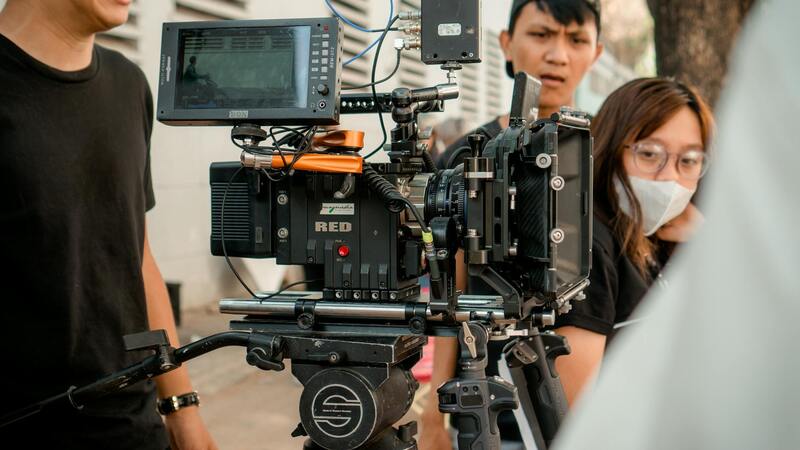
Investing in meticulous quality assurance protocols combined with skilled post-production editing enhances the credibility and professionalism of a live streaming event. These practices help build trust with clients and viewers alike, establishing a reputation for excellence within Miami’s dynamic event production scene.
Building Long-Term Relationships with Clients in Miami’s Live Streaming Industry
Establishing enduring client partnerships relies heavily on consistent quality, clear communication, and tailored solutions. A live streaming video production company that demonstrates technical proficiency and a proactive approach to challenges fosters confidence and loyalty among its clients. Providing customized services that align with the unique needs of each event, whether for corporate conferences, sports, or cultural events, enhances client satisfaction.
Regular follow-ups and post-event reviews are instrumental in understanding client expectations and gathering feedback for continuous improvement. Transparent pricing, detailed proposals, and a collaborative planning process further contribute to building trust and long-term relationships.
Expanding the Reach: Marketing and Business Growth Strategies
To thrive as a live streaming video production company in Miami, embracing strategic marketing practices is vital. Leveraging testimonials from satisfied clients, showcasing a portfolio of successful events, and maintaining an active online presence through a professional website can attract new business opportunities. Participating in industry trade shows, networking events, and local partnerships helps increase brand visibility within Miami's vibrant event landscape.
Investing in training and certification for staff, staying updated with the latest technological advancements, and offering value-added services like analytics and on-demand content delivery further differentiate a company from competitors. These efforts not only increase market share but also reinforce a reputation for innovation and reliability.
Investing in Staff Development and Technological Innovation
Continuous training programs ensure that technical teams remain proficient with evolving live streaming platforms and equipment. Certifications in emerging technologies, such as 4K broadcasting or virtual reality integration, position a company as a forward-thinking leader in the industry. Incorporating remote production tools allows for more flexible and cost-effective event coverage, a trend gaining momentum in Miami’s competitive market.
Moreover, fostering a culture of innovation encourages creative solutions for complex event requirements. This investment in human capital and technological advancement directly impacts service quality, client satisfaction, and long-term business growth.