Understanding Live Stream Video Production
Live stream video production involves the real-time broadcasting of visual content over the internet, allowing viewers to access events, presentations, or performances instantaneously from any location with an internet connection. This process has gained considerable importance across a variety of sectors, including corporate communications, entertainment, education, and religious organizations, particularly within Miami’s vibrant and dynamic environment. The significance of professional live streaming lies in its ability to reach wide audiences, foster engagement, and facilitate interactive experiences without geographical constraints.
At its core, live stream video production encompasses several critical components designed to ensure seamless delivery and high-quality viewing experiences. These include camera operation, audio management, encoding technologies, internet bandwidth optimization, and real-time broadcasting platforms. The primary objective is to deliver content that is clear, stable, and engaging, reducing latency and technical issues that could detract from viewer experience. Moreover, organizations often aim to integrate branding elements, visual effects, and supplementary graphics to enhance the production's professionalism and impact.
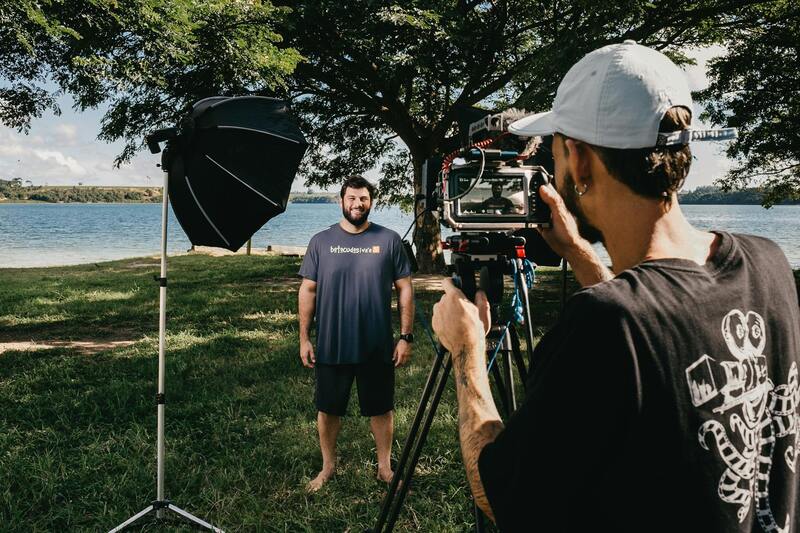
Live stream video production is especially valuable in Miami, a city renowned for its cultural diversity and business innovation. Organizations leverage live streaming to promote events, connect with audiences nationally and internationally, and provide accessible content for remote participants. The rapid growth of digital platforms and social media channels has further amplified the importance of professional live streaming services, emphasizing the need for skillful production teams and state-of-the-art technologies to meet increasing expectations for quality, reliability, and interactivity.
Establishing a compelling live streaming event demands meticulous planning and execution, including detailed coordination of technical resources, content management, and audience engagement strategies. The objective is to produce a polished final product that accurately reflects the event's purpose, brand identity, and message delivery. With the right approach, live streaming transforms the way Miami-based organizations communicate, providing a scalable, versatile method to broaden reach, increase visibility, and foster lasting connections with viewers across various platforms.
Essential Equipment and Technologies
Achieving a professional live stream video production requires more than just a good internet connection; it demands the integration of advanced equipment and innovative technologies tailored to the specific needs of each event. High-definition cameras are the backbone of any quality live stream, offering clarity and detail that elevate viewer engagement. These cameras should be capable of remote control functionalities for dynamic shot adjustments during the broadcast, ensuring seamless transitions and professional presentation.
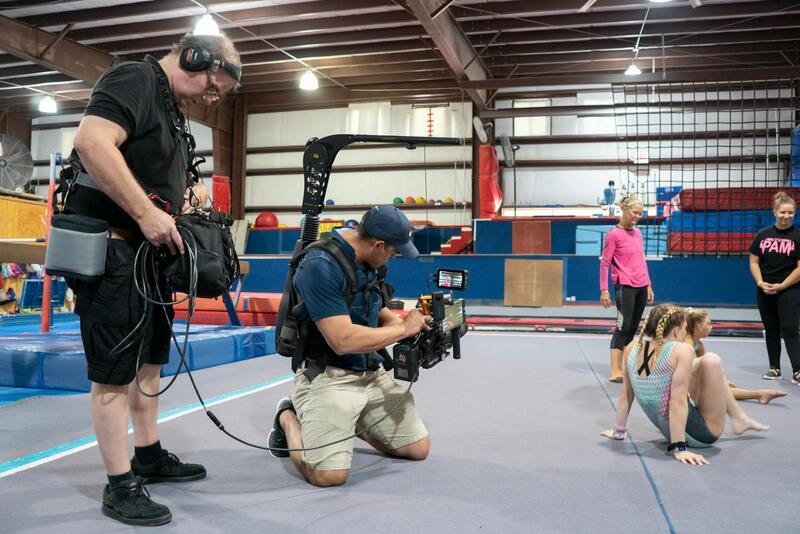
Audio quality is equally critical. Professional-grade microphones—including lavalier, handheld, and shotgun mics—capture clear, consistent sound. Audio mixers are used to balance multiple sound sources and eliminate background noise, contributing significantly to the overall viewer experience. Wireless audio systems provide flexibility and mobility, especially in dynamic event settings.
Driving the production is robust streaming hardware such as encoders, which convert raw video footage into formats suitable for internet transmission. Encoding devices with hardware acceleration ensure low latency and high reliability, reducing buffering issues for viewers. Network infrastructure also plays a pivotal role; a dedicated, high-bandwidth internet connection, preferably wired Ethernet, minimizes disruptions during the live broadcast.
Complementary tools include streaming management software that allows producers to switch between camera feeds, overlay graphics, and add real-time effects. Additionally, backup systems for audio/video feeds and internet connectivity mitigate potential technical failures, maintaining continuous stream quality. This combination of equipment and technology enables seamless, professional-grade live streaming that meets high standards of clarity, stability, and interactivity.
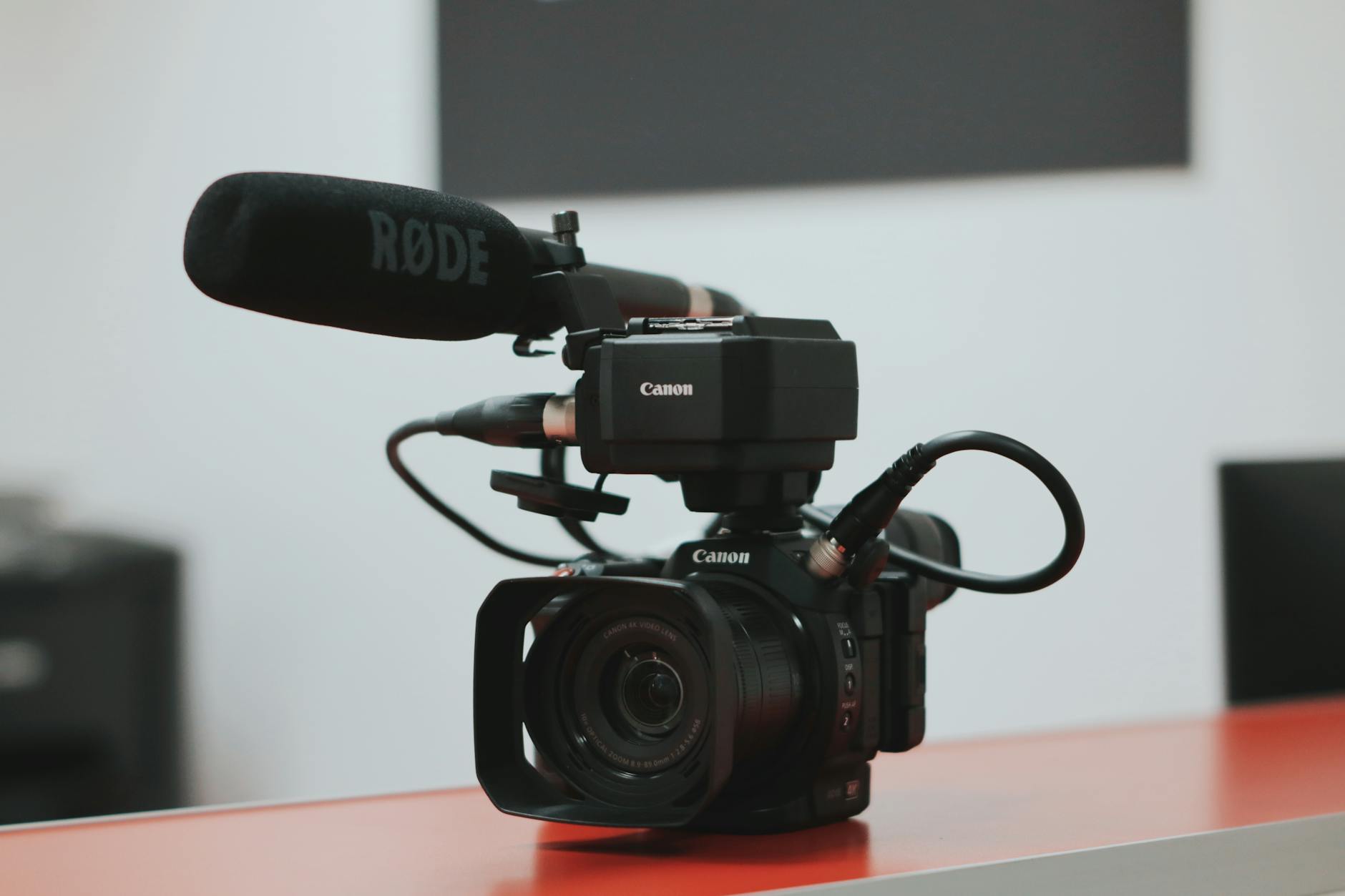
Setup and Technical Considerations
Precise setup and rigorous testing are essential to ensure all equipment functions correctly before the event begins. This includes benchmarking internet speeds, configuring streaming software, and verifying camera angles and audio levels. Proper cable management and power supply checks prevent unforeseen interruptions. Technical rehearsals with the entire production team help identify and resolve potential issues, aligning equipment settings with the event's specific requirements.
Furthermore, understanding the platform specifications—whether streaming to social media, dedicated websites, or multi-channel distributions—guides the configuration process. Optimizing encoding settings for each platform guarantees the best quality and performance. A comprehensive setup plan ensures that every technical component works harmoniously, providing a stable foundation for a successful live stream.
Production Execution During Live Streaming
During the broadcast, managing the live stream involves close monitoring of all feed sources, audio levels, and internet connectivity. Directors and technical operators coordinate camera shots, graphics overlays, and audio feeds, creating a cohesive presentation that aligns with the event’s objectives. Real-time troubleshooting capabilities enable quick resolutions to any technical anomalies, preserving the broadcast’s professionalism.
Interaction features like live chat or Q&A sessions can be integrated to boost viewer engagement, but require dedicated moderation and technical support to ensure smooth operation. Continuous communication among team members—via intercom systems or chat platforms—is crucial for swift decision-making and synchronized execution. These efforts culminate in a polished, engaging live event that accurately represents the brand or organization.
Understanding Live Stream Video Production
Live stream video production is a multifaceted process that combines technical expertise, creative direction, and seamless coordination to deliver high-quality broadcasts in real time. Effective live streaming starts with comprehensive planning, where the production team assesses the event’s objectives, audience expectations, and technological requirements. This involves selecting appropriate streaming platforms, determining camera angles, audio setups, and graphics deployment, all tailored to the nature of the event.
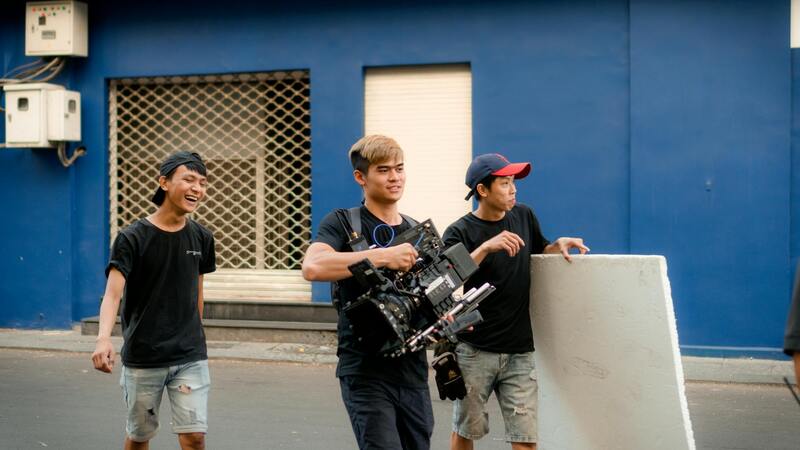
Achieving a compelling live stream necessitates meticulous attention to detail at each phase. It requires synchronizing multiple feed sources, ensuring stable internet connectivity, and implementing backup solutions in case of technical failures. The production team must manage real-time encoding, graphics overlays, and audio mixing to maintain viewer engagement and broadcast stability. The goal is to create a seamless viewing experience that captures the event’s essence, whether it’s a corporate conference, concert, or community event.
Planning and Pre-Production for Live Streaming
Preparation is a vital component of effective live stream video production. During the pre-production phase, teams conduct site surveys to determine optimal camera placements and assess lighting conditions. A detailed production schedule is created, outlining each technical task and designated responsibilities. This ensures that all equipment—cameras, microphones, switchers, and streaming hardware—are tested and configured correctly before the event.
Comprehensive technical rehearsals are conducted, simulating the actual broadcast environment. This allows the crew to identify potential issues related to signal quality, lighting adjustments, audio levels, and overlay graphics. Synchronizing communication channels, such as intercom systems or dedicated chat platforms, facilitates real-time coordination among directors, camera operators, audio engineers, and support staff.
The configuration of streaming hardware and software is critical, including setting up encoders that compress and transmit signage while maintaining visual quality. The choice of encoding settings depends on the targeted streaming platform’s specifications—whether it’s Facebook Live, YouTube, or a private CDN. Optimization of settings ensures minimal latency and buffering, providing viewers with a smooth viewing experience.
Setup and Technical Considerations
Before going live, a comprehensive setup check is necessary to verify that all components work harmoniously. This includes testing internet bandwidth and redundancy options to prevent disruptions. Equipment calibration, especially for cameras and audio devices, is performed to ensure color accuracy and clear sound. It’s also essential to test all visual elements like graphics overlays, lower thirds, and transitions to ensure they appear correctly during the broadcast.
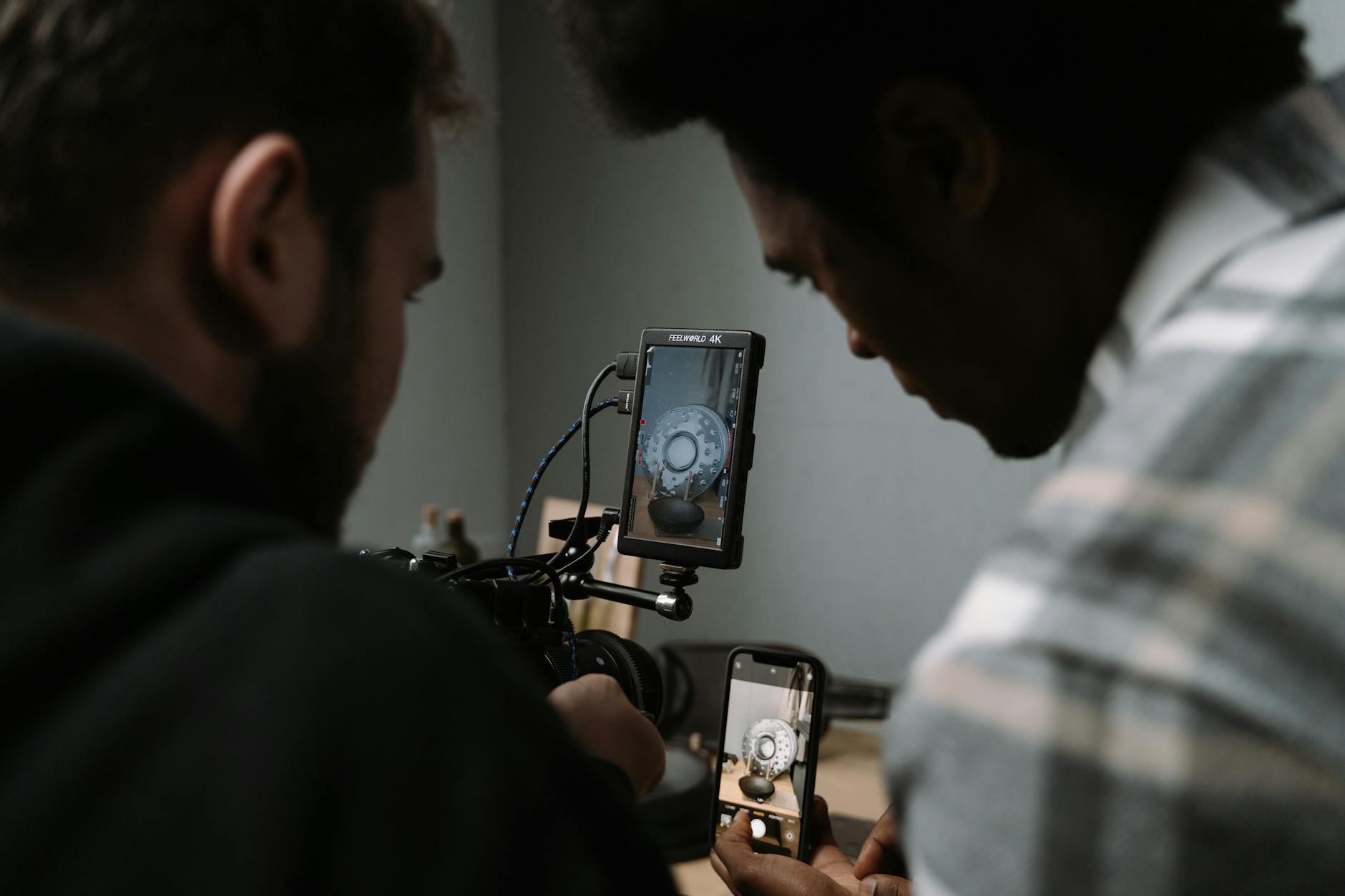
Connectivity is a crucial aspect: a wired Ethernet connection is preferred for its stability, particularly for high-bandwidth streams. Wireless connections can be employed but should include failover solutions, such as cellular hotspots, to compensate for potential signal drops. The system’s overall resilience depends on comprehensive troubleshooting procedures and having redundant hardware in place.
In addition to hardware, the software environment must be configured correctly. This involves setting up streaming software like OBS Studio, vMix, or Wirecast, tailoring output resolutions, bitrates, and encoding profiles to match the platform’s specifications. Properly configured graphics and overlays enhance professionalism without introducing latency.
Production Execution During Live Streaming
During the live event, dedicated operators monitor all aspects of the broadcast, ensuring real-time responsiveness to any technical or creative adjustments needed. Camera feeds are switched seamlessly by the director to highlight key moments, while audio levels are continuously managed for clarity and balance. Graphics, transitions, and lower thirds are inserted dynamically to enhance storytelling, inform viewers, or highlight sponsors.
Maintaining a live chat or Q&A feature can foster viewer engagement, but it requires a team member to moderate interactions and relay significant questions or comments to the on-air talent. Monitoring internet stability throughout the event is crucial, and contingency measures, such as switching to backup streams or reducing video quality, are implemented when necessary.
Throughout the broadcast, constant communication among the technical crew ensures synchronization. Intercom systems enable quick decision-making, allowing the team to adapt swiftly to unforeseen issues or dynamic event changes. The ability to troubleshoot swiftly and adapt ensures the broadcast remains professional and engaging for viewers.
Technical Configuration and Optimization
Successfully executing a live stream video production hinges on meticulous technical setup and continuous optimization. This begins with rigorous testing of all equipment before the event. Camera positioning should provide clear, engaging perspectives that capture the essence of the event while allowing smooth transitions. Proper lighting, whether natural or artificial, should be adjusted to eliminate shadows and ensure subjects are clearly visible, enhancing the visual quality of the broadcast.
Audio quality is equally critical; high-fidelity microphones, strategically placed to minimize background noise, ensure clear communication. Audio mixers can be used to balance levels, avoid clipping, and add effects as needed, creating an immersive experience for viewers.
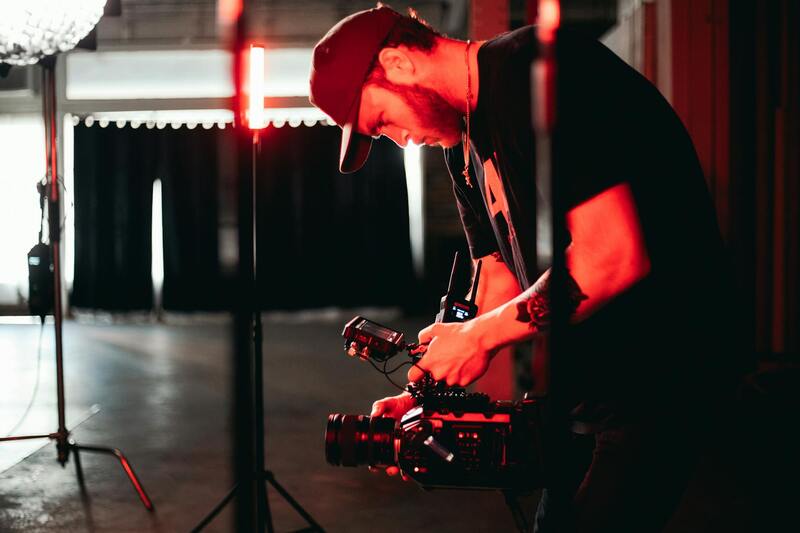
Internet bandwidth must be sufficient to handle the streaming load, with dedicated connections preferred over shared networks to avoid disruptions. Upload speeds should typically be double the intended stream bitrate to ensure stability. Implementing redundancy measures, such as backup internet connections or auto-switching to secondary streams, safeguards against potential connectivity failures.
Streaming software configurations should be tailored to match platform specifications, including encoding settings, output resolution, and bitrate. Employing adaptive streaming technologies allows the broadcast to adjust quality based on viewer bandwidth, minimizing lag and buffering issues.
Sound and Visual Integration
Seamless integration of visual and audio elements enhances the professionalism of the live stream. This involves pre-loading graphics, lower thirds, and overlays into the software to be triggered during the broadcast. Using multiple camera angles, with remote or fixed positions, provides dynamic content, keeping viewers engaged.
Real-time monitoring tools allow operators to track video and audio levels continuously, making immediate adjustments if issues arise. Utilizing intercom systems within the production team ensures efficient communication, enabling swift responses to unforeseen challenges or creative adjustments during the event.
Quality Control and Troubleshooting Procedures
Implementing strict quality control protocols before and during the broadcast reduces errors. Regular checks of audio levels, video clarity, and connection stability form the core of these protocols. When issues occur, having a predetermined troubleshooting plan helps quickly isolate and resolve problems. For example, if a camera feed drops, it should be promptly replaced or rerouted through backup systems.
Timely detection of latency or synchronization issues between audio and video streams allows for prompt correction, maintaining viewer engagement and a professional presentation. Consistent documentation of any technical hiccups and resolutions also supports continuous improvement of future productions.
Advanced Techniques for Optimizing Live Stream Video Quality
Ensuring high-quality live streams requires the implementation of advanced techniques that focus on both the technical setup and the content delivery process. One essential approach is the use of adaptive bitrate streaming, which dynamically adjusts the quality of the video feed based on viewer bandwidth. This method minimizes buffering and load times, delivering a seamless viewing experience regardless of individual network conditions.
Another key strategy involves employing hardware acceleration technologies, such as GPU-based encoding, to improve the efficiency and speed of real-time video processing. Modern streaming software can leverage these capabilities to enhance video clarity and stability while reducing latency, ensuring that the live stream remains synchronized and visually compelling.
In addition, optimizing the encoding settings by selecting appropriate codecs (such as H.264 or HEVC) and bitrate levels tailored to the target audience’s devices and internet speeds is crucial. Fine-tuning these parameters ensures a balance between video quality and streaming performance, which is vital for delivering professional-grade live content.
To further elevate production standards, integrating multi-platform streaming solutions allows content to reach diverse audiences simultaneously. Utilizing CDNs (Content Delivery Networks) distributes the stream across multiple servers globally, reducing geographic loading issues and ensuring consistent quality for viewers regardless of location.
Complementing these techniques with robust security protocols, such as encrypted streams and access controls, helps protect the integrity and confidentiality of the broadcast. Regular testing and updates of the streaming infrastructure mitigate potential vulnerabilities, maintaining a reliable and secure production environment.
By adopting these sophisticated methods, production teams can significantly enhance the professionalism, clarity, and engagement level of live stream videos, fostering a more connected and satisfied viewer base.
Technical Setup and Live Stream Management
Executing a seamless live stream requires meticulous technical setup and management throughout the broadcast. One of the foundational aspects involves establishing a reliable encoding system, which converts raw video signals into streams suitable for online distribution. Hardware encoders are preferred for their stability and high-quality output, especially during high-demand productions. Software encoders, on the other hand, offer flexibility and are often used in combination with hardware solutions to optimize performance and streamline workflows.

In addition, a robust internet connection is vital. It should be capable of supporting the required upload bandwidth to handle the chosen stream bitrate, preventing buffering or quality degradation. Fiber optic connections are ideal due to their high speed and stability, but if unavailable, dedicated high-speed broadband connections should be prioritized. Implementing load balancing with secondary internet sources can mitigate potential failures during a live broadcast.
Audio quality cannot be overlooked. Employing professional microphones and sound mixing equipment ensures clarity and reduces background noise, fostering an engaging viewer experience. Additionally, real-time audio monitoring allows producers to make immediate adjustments, maintaining sound consistency throughout the stream.
Managing the entire production involves coordinating multiple technical elements. Live switching between cameras, overlays, and graphics requires specialized hardware or software capable of handling multi-input signals seamlessly. A dedicated production team should oversee these operations, ensuring synchronization across all video feeds and maintaining the visual flow of the broadcast.
Testing and Troubleshooting
Prior to the live event, comprehensive testing of all equipment and streaming configurations is critical. This includes bandwidth assessments, equipment calibration, and dry runs to identify potential issues. Having a plan for troubleshooting technical difficulties on the spot is equally important, involving backup equipment, alternative internet sources, and a clear communication protocol among team members.
Stream Security and Monitoring
Securing the live stream starts with encrypting the broadcast, which prevents unauthorized access or piracy. Employing authentication measures like token-based access controls ensures only registered viewers can access the content. Continuous monitoring during the event allows the production team to respond swiftly to any anomalies, such as signal disruptions or visual artifacts, safeguarding the quality and integrity of the broadcast.
In summary, successful live stream video production hinges on integrating advanced encoding technology, maintaining a high-performance infrastructure, and thorough pre-event testing. These components work together to deliver a professional, high-quality experience that meets audience expectations and supports the event’s objectives.
Understanding Live Stream Video Production
Live stream video production involves a comprehensive process of capturing, encoding, and transmitting real-time video content to an online audience. It encompasses a broad range of technical elements, including multi-camera setups, audio mixing, graphics overlay, and seamless switching between camera angles. At its core, effective live streaming requires a blend of creative vision and technical precision to deliver engaging content that captivates viewers throughout the broadcast.
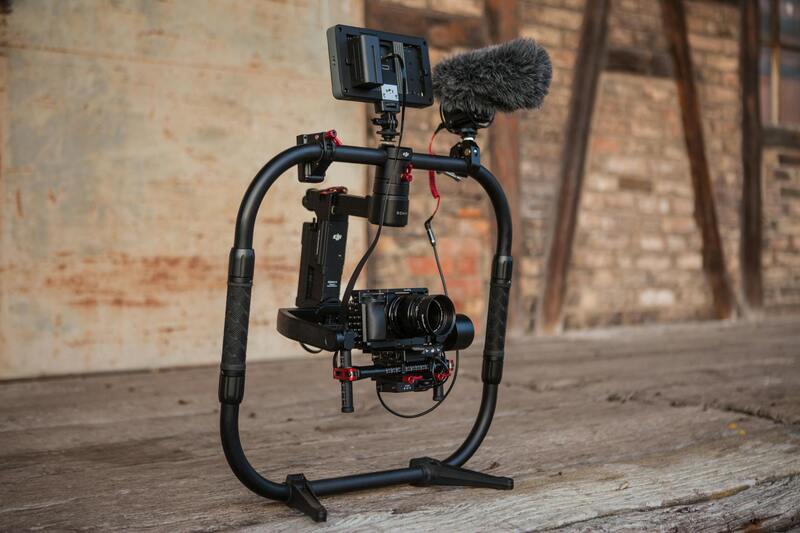
Implementing successful live stream video production demands an understanding of various critical aspects:
- Content Planning: Defining the program’s goals, target audience, and key messages ensures the broadcast aligns with audience expectations.
- Technical Workflow: Designing a workflow that integrates cameras, microphones, switchers, encoders, and streaming platforms is essential for smooth operation.
- Team Coordination: A skilled crew, including directors, camera operators, and technical support, must collaborate effectively to manage the production seamlessly in real-time.
Planning and Pre-Production for Live Streaming
Meticulous planning and preparation lay the groundwork for a successful live event. This phase includes crafting a detailed script or rundown, establishing the broadcast schedule, and determining specific technical requirements. Pre-production work extends to site surveys, identifying potential logistical challenges, and securing all necessary permits or authorizations.
Developing a comprehensive run sheet ensures everyone involved understands their responsibilities and the timeline, minimizing on-air surprises. Additionally, coordinating with content creators and stakeholders helps align the broadcast with overall event objectives and ensures that visual and audio content is prepped and tested beforehand.
Essential Equipment and Technologies
Achieving a high-quality live stream hinges on deploying reliable equipment and cutting-edge technology:
- Cameras: Professional-grade cameras capable of HD or 4K resolution provide crisp visuals essential for engaging broadcasts.
- Audio Devices: Lavalier microphones, shotgun mics, and audio mixers ensure clear sound reproduction, crucial for viewer engagement.
- Encoding Hardware and Software: Encoding solutions convert raw video feeds into streamable formats compatible with various online platforms.
- Switchers and Processors: Video switchers enable real-time transitions between camera angles, while graphic overlay software adds branding or informational elements.
- Network Infrastructure: High-bandwidth, stable internet connections (preferably wired Ethernet or bonded internet solutions) are vital for smooth streaming without interruptions.
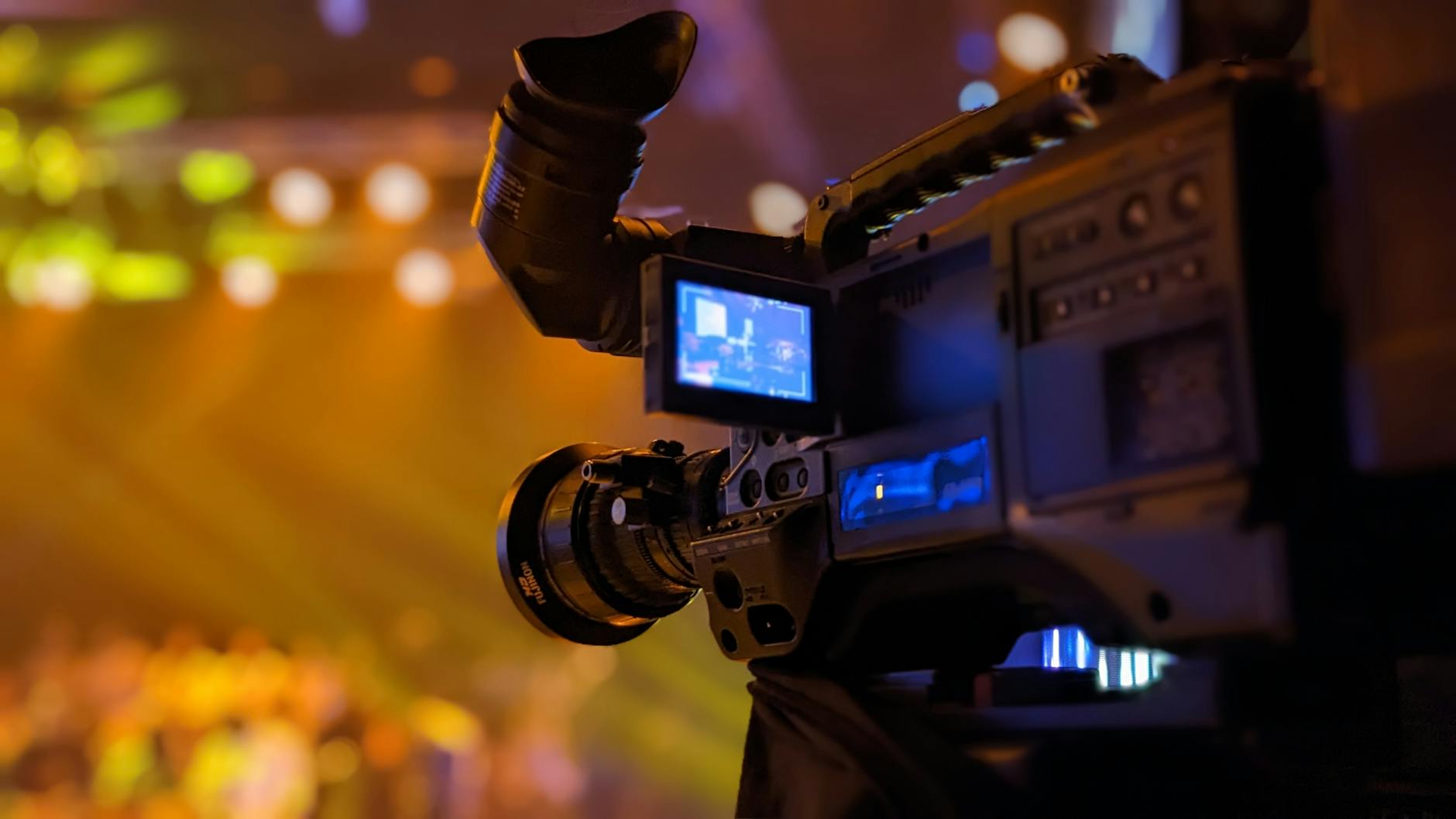
Setup and Technical Considerations
Proper setup is fundamental to maintaining a professional appearance and avoiding technical disruptions during the broadcast. This involves meticulous placement of cameras to capture key angles, correct calibration of audio levels, and rigorous testing of encoding and streaming configurations.
Technical considerations include:
- Ensuring all video feeds are synchronized to prevent visual lag or mismatch.
- Configuring streaming platforms for optimal latency and resolution settings tailored to the audience’s viewing capabilities.
- Implementing redundancy protocols, such as backup internet connections and spare hardware, to handle unforeseen failures effectively.
Production Execution During Live Streaming
Effective execution during the live event depends on experienced operators who manage multiple aspects simultaneously. The director oversees transitions, graphics, and overlays, while camera operators focus on framing and focus. Sound engineers monitor audio quality, and technical directors troubleshoot issues in real-time.
Constant communication among team members, facilitated through headsets and clear protocols, is vital for smooth operation. Real-time monitoring tools enable the team to detect and respond swiftly to issues such as signal loss, audio imbalance, or visual anomalies. Maintaining a steady workflow ensures the broadcast remains engaging, professional, and aligned with the planned schedule.
Post-Stream Processing, Archiving, and Content Repurposing
Following the completion of a live stream, the focus shifts to post-production activities that maximize the value of the recorded content. Archiving live streams involves converting raw footage into high-quality digital files compatible with various distribution platforms. This process ensures the preservation of content for future use, whether for on-demand viewing, highlights, or promotional material.
Effective post-stream processing includes editing to enhance visual and audio quality, removing any on-air mistakes, or segments that do not align with the desired message. Advanced editing software facilitates seamless integration of graphics, captions, and overlays, which can be used to create highlight reels or social media snippets.
Additionally, metadata tagging and proper categorization are crucial for search engine optimization (SEO), making content more discoverable online. Categorizing videos with accurate descriptions, tags, and timestamps improves engagement and helps audiences find relevant content quickly.

Distribution of the recorded content extends beyond the original live event. Uploading videos to various platforms, such as corporate websites, video-sharing platforms, or social media channels, broadens reach and audience engagement. Tailoring adaptations for different platforms, with suitable aspect ratios and formats, maximizes viewer experience and accessibility.
Monitoring and Analytics for Continuous Improvement
One of the most valuable aspects of live stream video production is data collection and analysis. Metrics such as viewer count, engagement rates, dropout points, and geographic distribution provide insight into how effectively the content resonates with the audience. Advanced analytics tools enable content creators to assess viewer behavior and preferences, informing future production strategies and content themes.
Real-time analytics during the live event can alert producers to potential issues like low engagement or declining viewer numbers, allowing immediate adjustments to improve the experience. After the event, comprehensive reports help evaluate the success of the broadcast and identify areas for enhancement.
Building Audience Engagement and Maximizing ROI
Post-event activities also include engagement strategies such as social media follow-ups, interactive Q&As, or targeted marketing campaigns. Embedding videos on websites and sharing highlights on social media platforms foster ongoing interaction, helping build a loyal audience for future live streams.
Investing in professional live stream video production services ensures that each stage—from pre-production through post-stream—is handled with expertise. The utilization of robust processing, analysis, and distribution methods enhances the overall quality, visibility, and impact of the streamed content, aligning with business or organizational goals effectively.