Overview of Live Broadcast Production Services
Live broadcast production companies play a crucial role in delivering professional, high-quality streamings of various events such as corporate conferences, entertainment shows, sports events, and large-scale community gatherings. At their core, these companies provide comprehensive services that encompass every stage of the live broadcast process, ensuring a seamless viewer experience. Their key offerings include event coverage, multi-camera setups, and real-time streaming capabilities, all tailored to meet specific client needs.
Event coverage involves capturing the essential moments of a live event using multiple professional cameras and audio equipment. This approach ensures dynamic and engaging visuals, giving viewers an immersive experience regardless of their physical location. Multi-camera configurations allow for different angles and close-up shots, which are synchronized during the broadcast to produce a polished, television-quality presentation. This level of production requires careful coordination and expertise, emphasizing the importance of experienced production teams.
Real-time streaming forms the backbone of modern live broadcast services. Advanced encoding and broadcasting software enable companies to transmit high-definition content directly to online audiences via various streaming platforms. This technology ensures minimal latency, high reliability, and excellent visual quality, all of which are critical for delivering a professional live event. Additionally, live broadcast companies often incorporate features such as multi-platform streaming, viewer interaction tools, and analytics to enhance engagement and track performance.
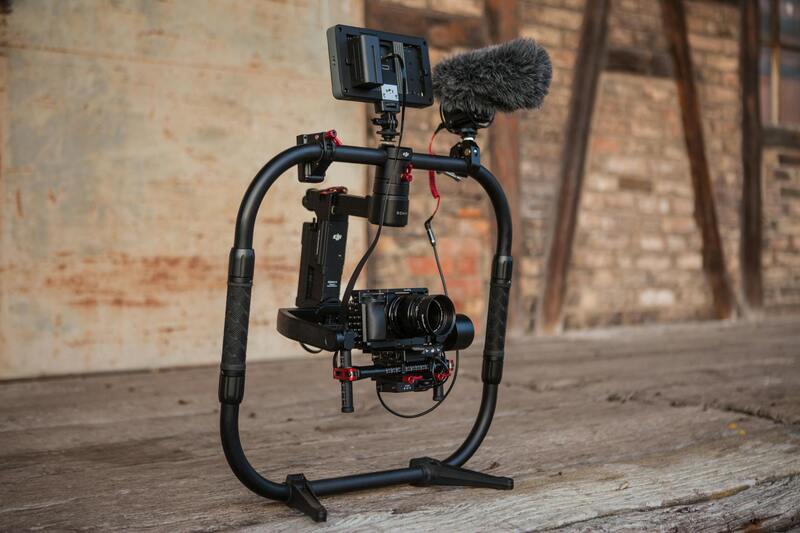
In today’s digital era, live broadcast production companies are pivotal for organizations aiming to reach their audiences with immediacy and impact. Whether it's a corporate webinar, a large concert, or a sporting event, these specialists utilize their expertise and state-of-the-art technology to create compelling live content. Their comprehensive services also include logistical planning, coordination of technical elements, and ensuring compliance with broadcast standards to deliver a smooth, uninterrupted viewing experience.
Furthermore, many production companies now offer supplementary services like on-site support, content repurposing, and customized graphics integration, enhancing the overall quality and engagement of the broadcast. This expansive array of offerings enables organizations not only to present their events professionally but also to build a stronger online presence with consistent, high-caliber content delivery.
Adopting these core services is essential for any organization or individual seeking to maximize reach, audience engagement, and brand visibility through live streaming. Leveraging the expertise of a dedicated live broadcast production company ensures that every aspect of the event, from initial planning to final delivery, is handled with precision and professionalism.
Key Equipment and Technology Used by Production Companies
Behind every successful live broadcast is a foundation of advanced tools and cutting-edge technology. Professional live broadcast production companies utilize high-definition cameras capable of capturing detailed images from multiple angles, ensuring that the audience experiences a visually engaging event. These cameras often include PTZ (pan-tilt-zoom) models for flexible coverage and remote operation, which are vital for dynamic event environments. Additionally, switchers or vision mixers allow seamless transitions between camera feeds, enhancing the flow and professionalism of the broadcast.
Encoding hardware is another critical component, translating high-quality video signals into streams compatible with various online platforms. Reliable encoders ensure minimal latency and high stability, which are essential for maintaining audience engagement. Audio equipment such as mixing consoles, wireless microphones, and in-ear monitors work in tandem to deliver clear, balanced sound that complements the visual content.
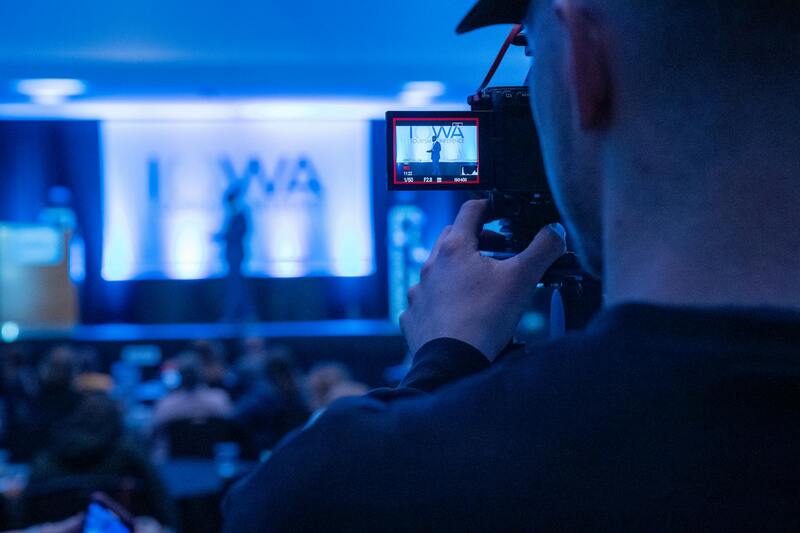
Supplementary technology includes graphics systems for overlaying real-time visuals like titles, logos, and live metrics. Content management systems facilitate content scheduling and integration, providing a cohesive viewing experience. Moreover, extensive networking infrastructure—fiber optic cables, encoders, and redundant connections—are employed to secure consistent data flow, prevent disruptions, and enable higher broadcast quality.
Equipment interoperability is also a key consideration. Production companies often customize their setup to suit specific event requirements, whether a multisite corporate conference or a live music festival. This adaptability ensures that each broadcast maintains a high standard of quality, regardless of the event's complexity.

Implementation of robust streaming platforms and CDN (Content Delivery Network) integration guarantees rapid content dissemination across various online channels. When selecting a live broadcast production company, understanding the range and quality of equipment they deploy offers insight into their technical capacity and commitment to excellence. This ensures that every frame, sound byte, and graphic element contributes to a professional and engaging broadcast experience for viewers everywhere.
High-Quality Content Management and Integration
Within the scope of live broadcast production, effective content management systems (CMS) are vital for scheduling, coordinating, and seamlessly integrating multiple media streams. These sophisticated platforms enable producers to plan content flow meticulously, ensuring each segment is timed precisely, transitions are smooth, and branding elements like logos or graphical overlays appear at optimal moments. Real-time content synchronization is key, especially when integrating user interactions such as social media feeds or live viewer polls, boosting audience engagement and interaction.
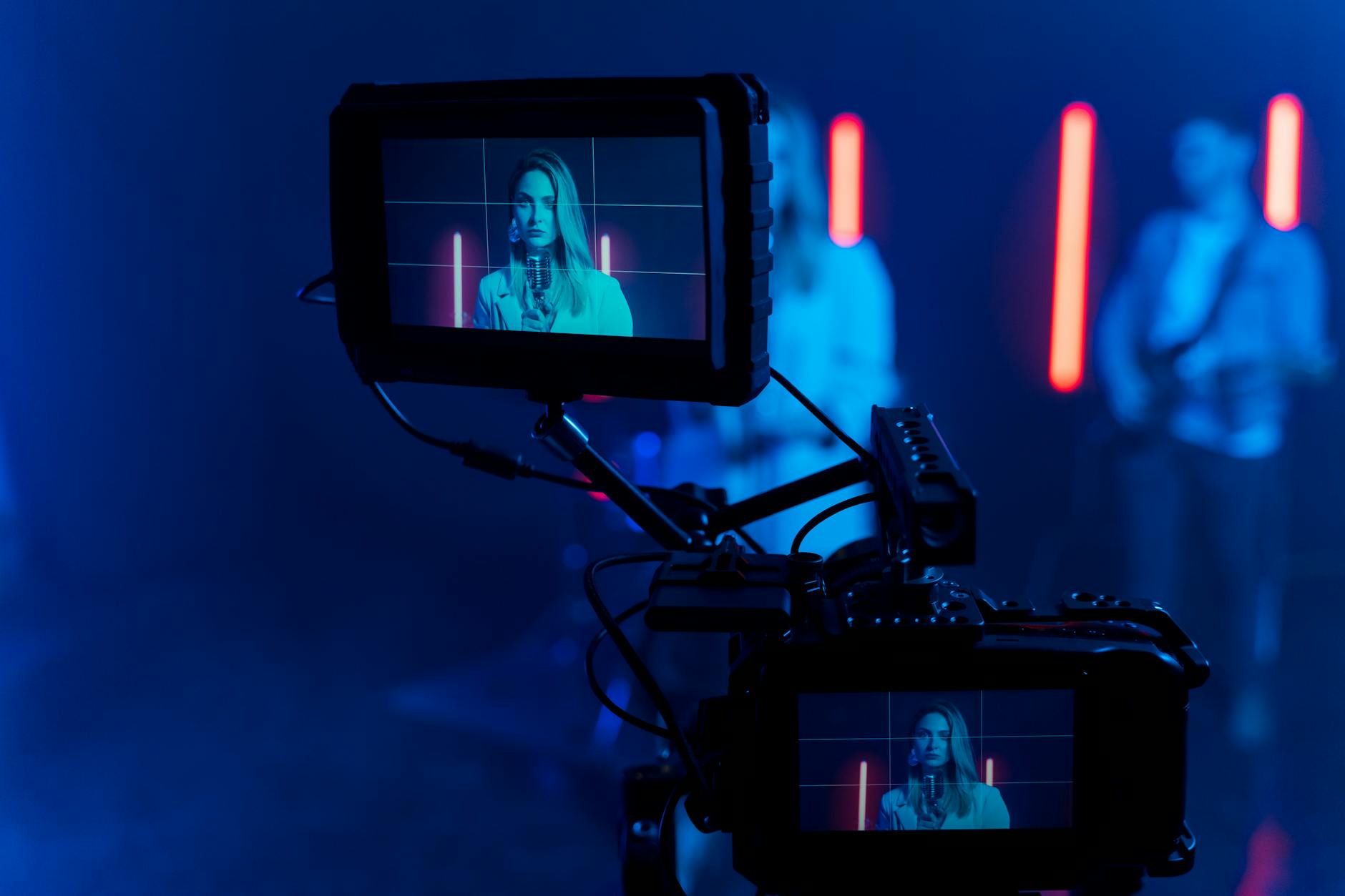
Graphics systems are also extensively employed to enhance the visual appeal of live broadcasts. This includes dynamic overlays, lower thirds, scoreboards, and branding elements. These visual components are controlled via dedicated software that allows for instantaneous updates and customization, maintaining a professional aesthetic throughout the event.
Networking Infrastructure for Reliable Data Transmission
Reliable networking infrastructure underpins every successful live broadcast. Production companies utilize high-capacity fiber optic connections, alongside redundant links, to support the massive data flow between cameras, servers, and distribution platforms. Encoders convert video signals into compressed digital formats suitable for streaming, and placement of these encoders is carefully planned to minimize latency.
Network security also plays a pivotal role. Employing encryption and firewalls safeguards the stream against interruptions or unauthorized access, thereby preserving the broadcast’s integrity. Moreover, buffering strategies and load balancing across servers ensure that viewers experience minimal delays, even when internet traffic spikes.
Customization and Flexibility for Diverse Event Requirements
Each live broadcast has unique requirements, which is why adaptability is a core trait of proficient production companies. Custom setups are designed for different types of events—be it a corporate conference, music festival, or sports competition. This involves tailoring camera configurations, audio setups, and broadcast workflows for optimal results.
Adaptive equipment integration allows for multi-camera feeds, remote interviews, and real-time multi-language translations, broadening the scope and reach of the broadcast. Flexibility extends to the deployment of portable infrastructure for on-location productions and the configuration of modular systems that can be scaled up or down based on the event’s scale.
Implementation of Cutting-Edge Streaming Technologies
Modern live broadcast production companies leverage the latest streaming technology to deliver high-quality content worldwide. Content Delivery Networks (CDNs) play a crucial role in distributing streams efficiently across multiple platforms, reducing latency, and ensuring smooth playback for viewers regardless of their location.
Adaptive bitrate streaming provides an optimal viewing experience by automatically adjusting video quality according to the viewer’s internet speed. Cloud-based solutions enable scalable resource management, offering the capacity to handle spikes in viewership or additional streaming channels with ease.

These technological advancements not only enhance broadcast quality but also facilitate new opportunities for monetization, sponsorship integration, and audience analytics, emphasizing a commitment to delivering engaging and professional live events that captivate viewers worldwide.
Production and Execution of Live Broadcasts
Once the planning and preparations are complete, the execution phase begins, where the technical team collaborates to produce a seamless live broadcast. This stage involves real-time coordination among camera operators, directors, sound engineers, and graphics specialists to ensure all elements synchronize perfectly. Precise camera operation captures compelling visuals, with multiple angles managed via multi-camera setups to provide dynamic coverage that engages the audience.
Directors play an essential role in orchestrating the broadcast flow, making on-the-fly decisions to adapt to unfolding events or unexpected technical issues. They work closely with production switchers to select camera feeds and incorporate live graphics, overlays, and titles that enhance the viewer's experience and convey key information effectively.
Graphics integration is vital for professional broadcasts, allowing real-time display of scores, statistics, event logos, or sponsor messages, which elevate the event’s presentation and branding. Skilled operators are also responsible for managing live feeds, ensuring smooth transitions and maintaining broadcast stability throughout the event.
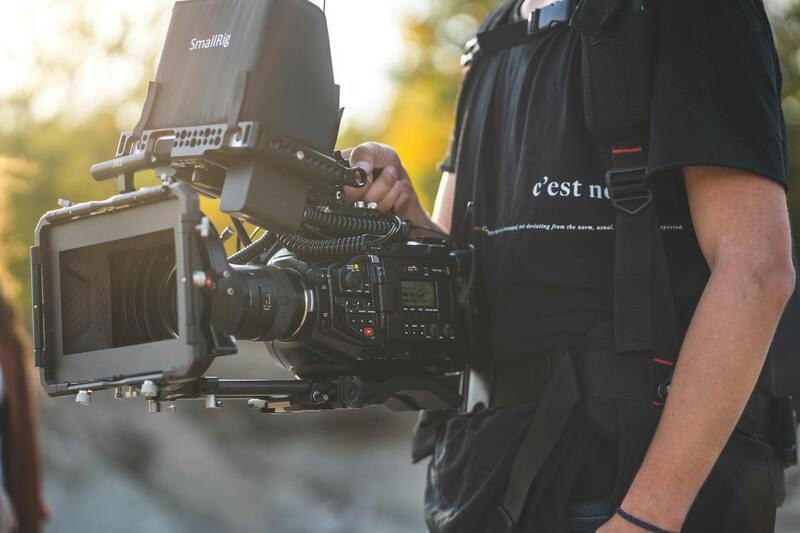
Connectivity and synchronization across all equipment are maintained meticulously through robust infrastructure and dedicated networking solutions. Troubleshooting protocols are established beforehand, ensuring quick resolution of any technical issues to avoid disruptions. The production crew continuously monitors all streams and feeds, prepared to react immediately should any anomalies occur.
The execution phase culminates in a live event that must be engaging, clear, and technically sound, demanding highly coordinated efforts across multiple teams and systems. The professionalism of the production team directly influences the overall quality and success of the broadcast, providing viewers with an immersive experience that reflects the professionalism of the organization behind it.
Production and Execution of Live Broadcasts
Executing a live broadcast demands meticulous coordination among various technical and creative teams, ensuring seamless delivery of content that meets broadcast standards. During the live event, camera operators capture high-definition footage from multiple angles, utilizing professional-grade equipment to deliver clear, stable images. These feeds are transmitted in real-time to the control room, where they are monitored continuously to detect and resolve any issues promptly.
The production team employs advanced video switchers to seamlessly transition between different camera feeds, manage live graphics, and overlay titles or logos. This dynamic visual management keeps viewers engaged and reinforces branding efforts. Graphics integration involves the use of specialized software, allowing real-time display of scores, statistics, and sponsor messages, enhancing the overall presentation.
A robust communication infrastructure connects all elements of the broadcast. Dedicated network connections and redundant systems ensure stable signal transmission, minimizing latency and preventing disruptions. The director orchestrates the live flow, making real-time decisions to adapt to unforeseen circumstances such as technical glitches or unexpected changes in the event schedule.
Sound quality is equally vital in live production, with professional audio engineers managing microphone feeds, balancing sound levels, and employing audio mixing consoles to deliver clear, crisp audio to viewers. Simultaneously, technical staff monitor the entire broadcast chain, ready to troubleshoot any issues that arise, from connectivity problems to equipment malfunctions.
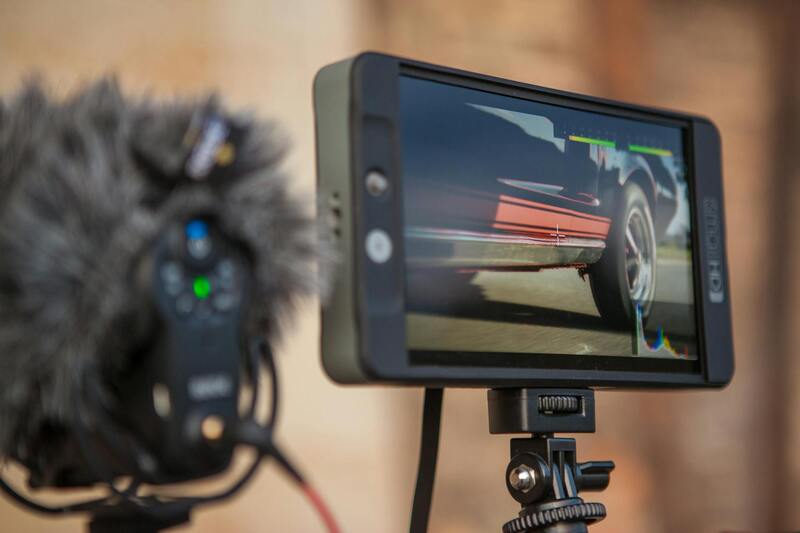
The coordination among the production crew encompasses diligent pre-event planning, real-time oversight, and post-event wrap-up. They ensure that each component — video, audio, graphics, and connectivity — works harmoniously, producing a polished broadcast that maintains viewer interest and technical integrity. This process requires discipline, expertise, and the ability to adapt swiftly to changing circumstances, all while adhering to established broadcast protocols.

Overall, the culmination of precise planning, high-end equipment, and expert execution results in a live broadcast that is engaging, reliable, and visually compelling. Success hinges on the production team's ability to maintain technical excellence throughout the event, ensuring that the audience experiences a smooth, captivating presentation that magnifies the event’s importance and maintains brand integrity.
Choosing a Live Broadcast Production Company in Miami
When selecting a live broadcast production company in Miami, it is essential to evaluate the provider’s expertise and operational capacity thoroughly. An experienced production team understands the nuances of live event coverage, from managing complex technical setups to coordinating real-time transitions seamlessly. Potential clients should examine the company's portfolio, reviewing case studies and previous broadcasts to ascertain the quality and variety of their work. A portfolio that showcases diverse types of live broadcasts—ranging from corporate events and conferences to sports and entertainment—demonstrates adaptability and extensive experience.
Client reviews and testimonials can offer valuable insights into the company's reliability, customer service, and adherence to deadlines. Positive feedback highlighting smooth productions, clear communication, and problem-solving capabilities often reflect a company's professionalism. In addition, the availability of cutting-edge equipment and innovative technology indicates a readiness to deliver high-quality broadcasts. It is equally important to consider the company's capacity to tailor services to specific event needs, ensuring customized support for different production sizes and scopes.
Key considerations include evaluating the technical team’s certifications, the robustness of their backup systems, and their ability to provide comprehensive end-to-end solutions. The company's understanding of local infrastructure, including connectivity options and venue logistics, can significantly affect broadcast quality. Clear communication and detailed proposals are vital to ensure all aspects of the production are transparent and aligned with client expectations.
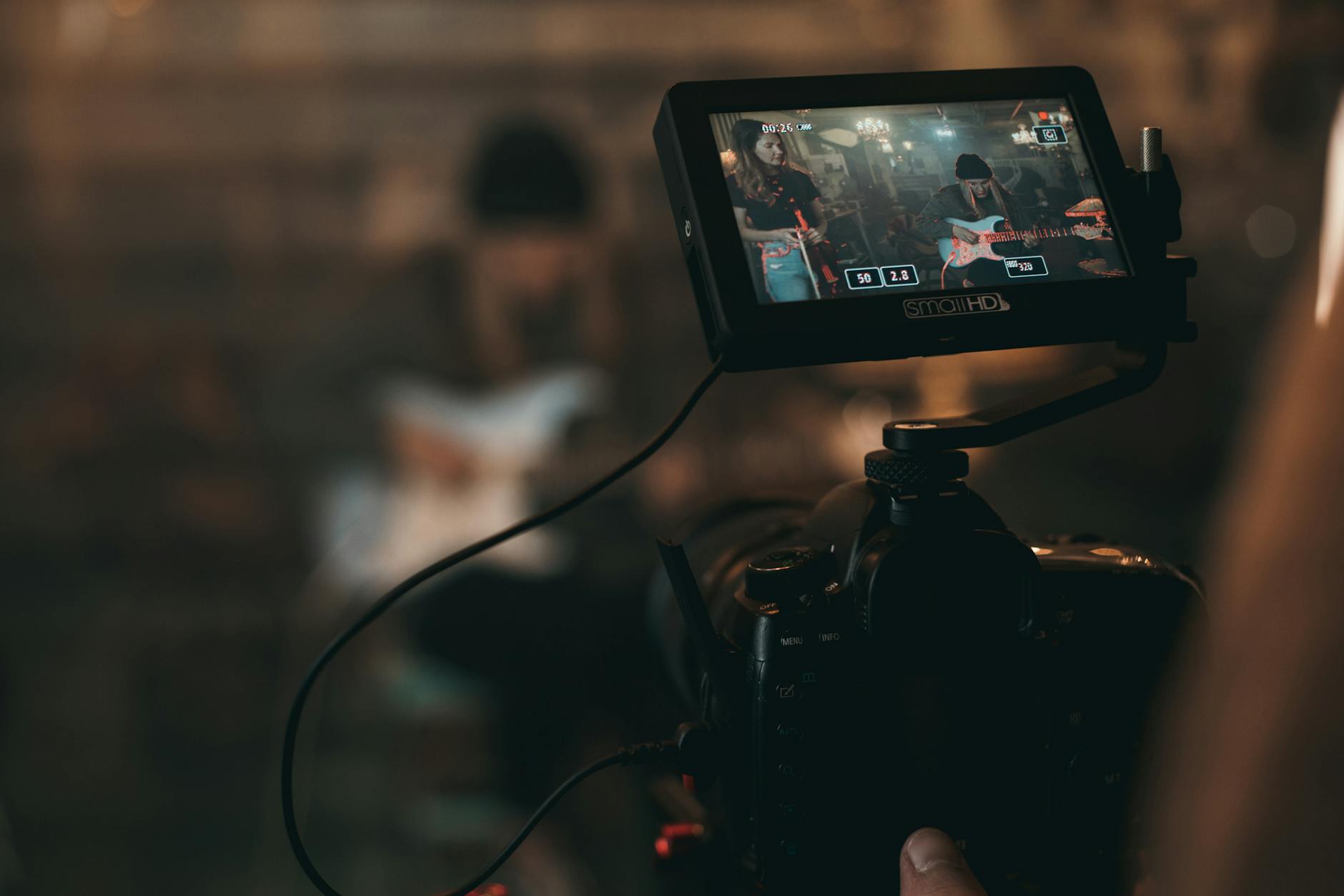
Additionally, establishing a strong working relationship with the production team prior to the event aids in aligning on objectives, timelines, and any specific technical requirements. Sites visits and pre-production meetings help in identifying potential challenges early and devising effective solutions. An experienced local provider will also demonstrate familiarity with Miami’s event venues and infrastructure, facilitating smoother logistics and troubleshooting, should any issues arise during the broadcast.
In summary, selecting a live broadcast production partner in Miami involves meticulous research, evaluation of technical expertise, and assessing their ability to deliver customized solutions reliably. A reputable company will exhibit a proven track record, cutting-edge technology, and a client-first approach, ensuring that your live event is broadcast with professionalism and technical excellence.
Scheduling and Coordination During Live Broadcasts
Effective scheduling forms the backbone of a seamless live broadcast. This process involves detailed timelines that specify each segment of the event, including on-air cues, technical checks, transitions, and contingency plans for unexpected issues. Collaborating with the production team well in advance allows for the synchronization of technical and creative staff, ensuring everyone is aligned on their roles.
Coordination during the live event requires real-time communication, facilitated by sophisticated intercom systems or wireless communication devices. The director and technical crew must work in harmony, managing cues, camera switching, audio levels, and graphic insertions smoothly. Clear protocols are established for handling unforeseen disruptions or technical failures, minimizing downtime and ensuring the broadcast remains uninterrupted.
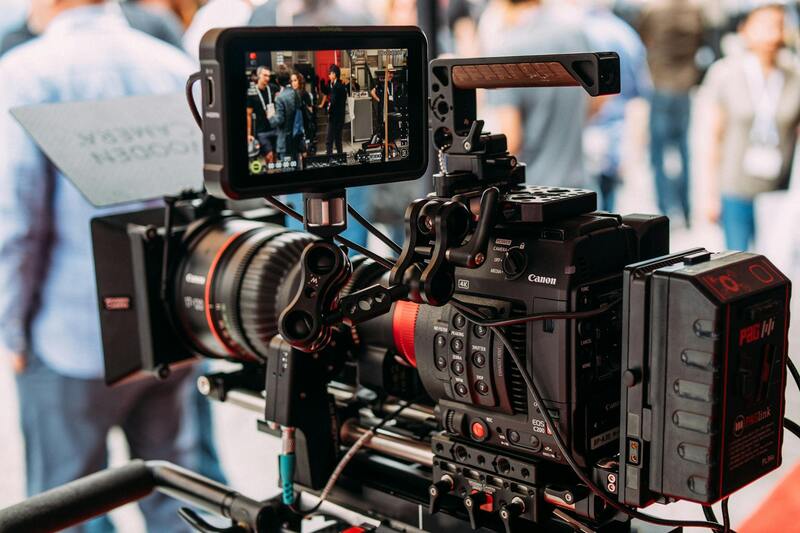
Implementing a rehearsed run-through close to the event date can identify potential issues and allow for adjustments. Such rehearsals often simulate the actual broadcast environment, testing all technical components and crew responses. This preparatory step reduces the probability of errors during the live event itself, providing confidence in the overall production process.
Monitoring and Quality Control During Live Transmission
Throughout the live broadcast, continuous monitoring is essential. The production team tracks multiple parameters, such as video and audio quality, signal integrity, and synchronization between different feeds. Advanced monitoring tools provide real-time diagnostics, alerting the crew to any issues that may require immediate attention.
Employing redundant systems, including backup servers and multiple internet connections, helps prevent loss of transmission. When an issue is detected, the team swiftly switches to backup sources or implements predetermined alternatives to maintain broadcast continuity. This proactive approach ensures that viewers experience a consistent, high-quality stream without noticeable interruptions.
Engaging the Audience During Live Events
Audience engagement can significantly enhance the impact of a live broadcast. Techniques such as interactive polls, live Q&A sessions, or social media integrations encourage viewer participation. These elements require careful planning and technical execution to synchronize with the main broadcast seamlessly.
Integrating real-time analytics and feedback allows the production team to adapt content dynamically, catering to viewer interests or addressing any on-screen issues immediately. Effective engagement strategies contribute to higher viewer retention and satisfaction, making the broadcast not only technically proficient but also compelling and interactive.

Expert Techniques for Ensuring a Seamless Live Broadcast Experience
Achieving a flawless live broadcast requires meticulous attention to detail and the implementation of advanced strategies that respond to dynamic production environments. One critical aspect is the deployment of robust transmission methods, including the use of bonded cellular technology, to secure multiple pathways for signal delivery. This approach mitigates potential interruptions caused by network fluctuations, ensuring that the live feed remains stable and uninterrupted.
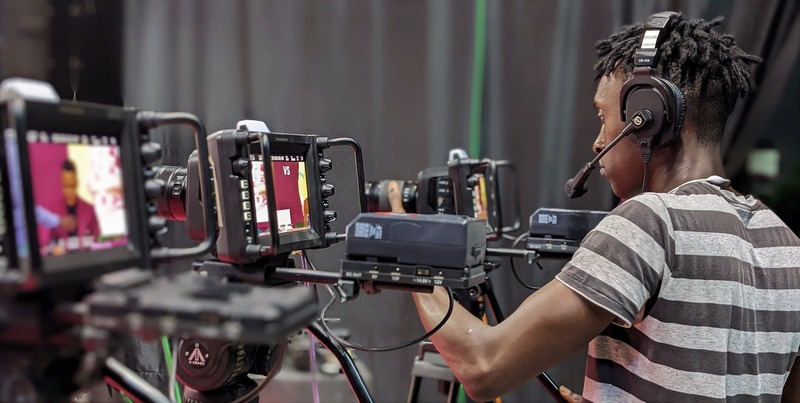
Equally important is the synchronization of audio and video feeds. High-quality audio equipment, combined with professional audio mixing, prevents discrepancies that can distract viewers. Precision timing devices and real-time synchronization software are integrated into the production workflow to align multiple camera angles and audio sources seamlessly, providing viewers with a cohesive experience.
Real-Time Monitoring and Quality Assurance
Real-time monitoring tools are indispensable for detecting and resolving issues promptly during a live broadcast. These systems continuously analyze parameters such as streaming quality, signal strength, and encoding performance. When irregularities are detected, immediate corrective actions—such as switching to backup streams or adjusting encoding settings—are automatically initiated to maintain broadcast integrity.
Preemptive testing and validation are also a standard part of the production process. Rehearsals simulate live conditions, identify potential technical challenges, and allow the team to fine-tune equipment and workflows. This proactive approach ensures that the actual broadcast proceeds smoothly, with minimal technical disruptions.
Incorporating Advanced Graphics and Multiview Features
To elevate the visual appeal and engagement level of live streams, professional live broadcast companies utilize overlay graphics, lower thirds, and real-time data feeds. These elements enhance storytelling and provide contextual information to viewers. Additionally, multiview setups enable directors and producers to monitor multiple camera angles and sources concurrently, facilitating quick decision-making and seamless transitions.
Adapting to Emerging Technologies in Live Broadcasts
The industry is continuously evolving, with innovations such as 4K streaming, virtual sets, and augmented reality becoming more prevalent. These advancements allow for richer content delivery and interactive experiences that captivate audiences. Integration of cloud-based services further streamlines workflows, enabling remote collaboration and resource sharing across different locations.
Moreover, data analytics and viewer feedback are increasingly integrated into production strategies. These tools provide insights into audience engagement metrics, helping creators optimize future broadcasts for maximum impact. Adaptive streaming technologies also allow broadcasters to tailor the quality of the feed based on viewers’ internet speeds, ensuring consistent quality regardless of connection conditions.
Best Practices for Ensuring Broadcast Compliance and Content Security
Maintaining compliance with content rights and broadcast standards is fundamental. Strict media management protocols safeguard against unauthorized use or accidental distribution of copyrighted material. Encryption and secure delivery channels protect the stream from unauthorized access or piracy, preserving the integrity of the content.
Furthermore, detailed operational plans and contingency protocols are in place to address unforeseen issues promptly. These include backup power supplies, disaster recovery plans, and clear communication channels among team members. The deliberate redundancy and security measures underpin the reliability and professionalism of the entire production process.
A dedicated live broadcast production company with expertise in these areas can significantly enhance the quality and reliability of your event, leveraging cutting-edge solutions tailored to your specific needs. Their knowledge ensures a smooth experience from initial planning through final content delivery, providing an optimal environment for engaging your audience effectively and securely.