Overview of Streaming Video Production
Streaming video production has become a vital component for businesses, content creators, and organizations seeking real-time engagement with their audiences. As live streaming continues to grow in popularity, the demand for high-quality, reliable, and professionally produced content rises. In Miami, a vibrant hub for media and digital innovation, this industry is expanding rapidly to meet the needs of diverse clients ranging from corporate entities to independent creators.
Streaming video production involves a comprehensive process that spans from initial concept development and technical planning to live broadcast execution and post-event analysis. It integrates cutting-edge broadcasting technology, professional audio-visual equipment, and skilled personnel to deliver seamless streaming experiences. The primary goal is to transmit live or pre-recorded video content over the internet in a manner that maintains high clarity, stability, and responsiveness, even with large viewership audiences.

For Miami-based organizations and creators, adopting effective streaming production practices offers numerous advantages. It enables enhanced brand visibility, broader audience reach, and incentives for interactive participation during live events. As digital content consumption continues to dominate media landscapes, mastering streaming video production has become an essential strategy for staying competitive and innovative in today's fast-paced digital economy.
The process encompasses not only technical proficiency but also creative storytelling, audience engagement strategies, and meticulous planning to ensure successful content delivery. Whether it’s hosting a virtual conference, a product launch, or a concert, streaming video production provides a dynamic platform to connect with audiences in real-time, fostering a sense of immediacy and authenticity that static content cannot achieve.
Given its growing significance, many Miami-based enterprises are investing in specialized studios, hiring skilled production teams, and utilizing advanced software solutions to elevate their streaming capabilities. From live webinars to large-scale broadcasts, the need for professional streaming video production continues to accelerate, making it a cornerstone of modern digital communication and marketing strategies.
Key Equipment and Technology
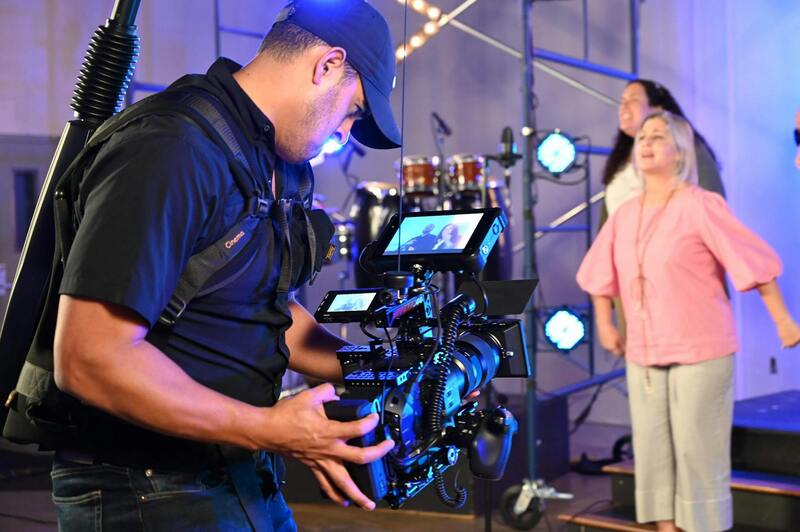
Successful streaming video production relies heavily on a robust array of equipment and cutting-edge technology. At the core are high-definition cameras capable of capturing clear, detailed visuals that can adapt to various lighting conditions. These cameras come with features such as multiple lenses, built-in stabilization, and manual controls to optimize image quality for different scenarios.
Reliable microphones are equally essential, ensuring crisp audio that enhances viewer engagement. Depending on the setup, options range from shotgun mics to lavalier and condenser microphones, each suited for capturing dialogue, ambient sounds, or musical performances. Proper placement and soundproofing are integral to minimize background noise and interference.
Streaming encoders are vital for converting video signals into digital formats compatible with online platforms. Hardware encoders provide superior stability and lower latency, especially in large-scale broadcasts, while software encoders offer flexibility and ease of use for smaller productions. Advanced streaming platforms, such as Wowza, Vimeo Live, or custom solutions, facilitate multi-bitrate streaming, adaptive resolutions, and real-time analytics.
Efficient switching equipment like professional video switchers enable seamless transitions between camera feeds, graphics, and pre-recorded content, elevating production quality. Hosting remote guests or integrating multiple data sources often necessitates the use of video conferencing software integrated into the streaming workflow. Additionally, reliable high-speed internet connectivity, with redundancy options, ensures uninterrupted streaming experiences regardless of network fluctuations.
Complementing hardware are professional production software tools, such as Adobe Premiere, Final Cut Pro, or OBS Studio, which allow for on-the-fly editing, graphics overlay, and real-time content management. With the evolving landscape of streaming technology, staying updated with the latest tools and equipment is crucial for delivering polished, audience-centric content.
For Miami-based content creators and organizations, investing in top-tier equipment and software not only enhances production quality but also demonstrates professionalism and commitment to audience engagement. When paired with expertise, these tools facilitate a compelling viewing experience that aligns with modern digital consumption patterns.
Achieving a balance between technological sophistication and operational simplicity allows for scalable production workflows. Whether hosting a live webinar, corporate event, or entertainment broadcast, the right combination of advanced equipment and reliable connectivity forms the backbone of any successful streaming video production.
Setting Up a Streaming Studio
Establishing an effective streaming studio involves careful selection of space, equipment, and layout tailored to meet specific production goals. A dedicated studio space should be acoustically treated to minimize external noise and echo, creating a clear audio environment crucial for professional broadcasts. Adequate lighting setup, including key lights, fill lights, and backlights, ensures subject visibility and enhances visual quality. The backdrop or set design should reflect the branding or thematic elements of the production, contributing to a cohesive viewer experience.
Core hardware components include high-definition cameras capable of capturing professional-quality footage, audio interfaces and microphones for crisp sound, and a video switcher or mixer that allows seamless switching between multiple camera feeds. Integrating teleprompters can streamline script delivery for presenters, maintaining engagement while ensuring accurate messaging. A robust streaming encoder or software solution, such as OBS Studio or vMix, converts this raw content into a data stream suitable for online transmission.
Networking infrastructure is critical; a wired Ethernet connection offers superior stability compared to Wi-Fi, reducing latency and buffering issues during live streams. Network redundancy, including backup internet sources, further mitigates disruptions. The control room should be ergonomically designed with easy access to all equipment, including monitors, sound controls, and streaming software interfaces, facilitating efficient operation during live sessions.
Live Streaming Techniques and Best Practices
Executing a professional live stream demands meticulous attention to technical details and audience engagement strategies. Conducting thorough rehearsals allows the production team to anticipate and resolve potential technical glitches before the actual broadcast. During streaming, constant monitoring of video and audio feeds ensures immediate troubleshooting of issues, maintaining broadcast quality.
Effective camera framing, proper lighting, and consistent audio levels contribute significantly to viewer satisfaction. Utilizing multi-camera setups provides dynamic perspectives, enhancing visual interest. Incorporating graphics, lower thirds, and real-time annotations can aid in emphasizing key messages or branding elements, making the content more engaging and informative.
Interactive features, such as live polls, Q&A sessions, and chat moderation, foster viewer engagement and increase participation. Having a dedicated technical operator or production manager overseeing the stream guarantees smooth transitions and timely content adjustments during the broadcast.
Post-Production and Content Repurposing
Post-production processes involve editing the raw feed to optimize for different platforms and audience preferences. This may include trimming unnecessary segments, adding visual effects, subtitles, and branding elements to enhance overall quality. Edited videos can be repurposed for marketing, training, or promotional campaigns, extending the value of the original live content.
In addition to editing, metadata optimization, such as accurate titles, descriptions, and tags, improves discoverability across digital channels. Content can be sliced into shorter clips for social media sharing, allowing wider dissemination and audience engagement beyond the initial broadcast. Archiving streamed content facilitates easy access for on-demand viewing, maximizing the longevity and reach of your production.
Setting Up a Streaming Studio
Creating an effective streaming studio requires meticulous attention to the physical environment to ensure a seamless broadcast experience. Optimal lighting is one of the foundational elements. Utilizing diffused, soft lighting reduces shadows and creates a uniform appearance on camera. LED panels with adjustable brightness and color temperature are ideal, as they allow for flexible customization to match the setting and mood of the content.
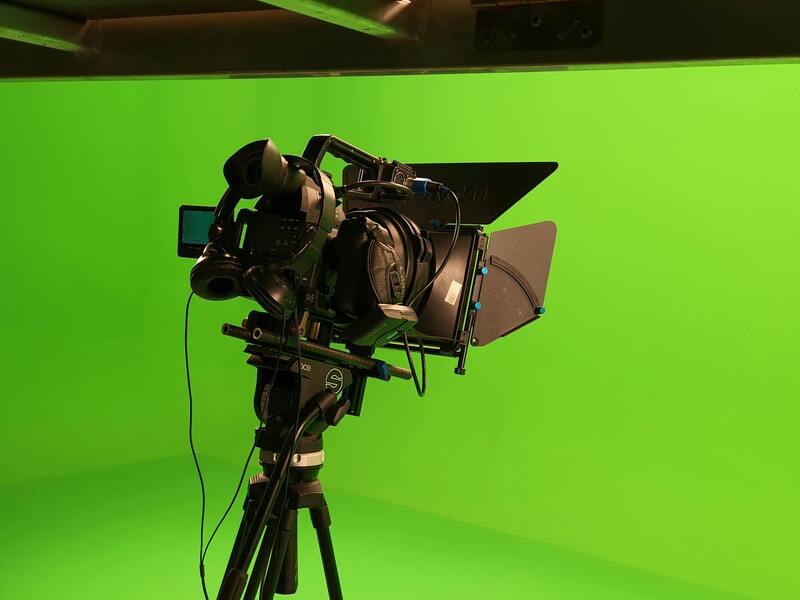
Background selection plays a significant role in establishing branding and professionalism. For Miami-based productions, incorporating locally relevant visuals, such as cityscapes or iconic Miami landmarks, can add a distinctive regional touch. A clean, uncluttered backdrop ensures audience focus remains on the presenter or the content being showcased. When appropriate, using a green screen offers versatility, enabling dynamic virtual backgrounds that can be changed in post-production or during live broadcasts.
Acoustics within the studio environment greatly influence sound quality. Soundproofing walls and ceilings can effectively minimize external noise and echoes. High-quality microphones, such as condenser or shotgun mics, should be positioned properly to capture clear, crisp audio. Using audio mixers and compressors ensures balanced sound levels, preventing disruptions caused by fluctuating audio or interference. Additionally, incorporating sound-absorbing materials like acoustic panels or foam Bass traps helps maintain an optimal audio environment, essential for engaging streaming content.
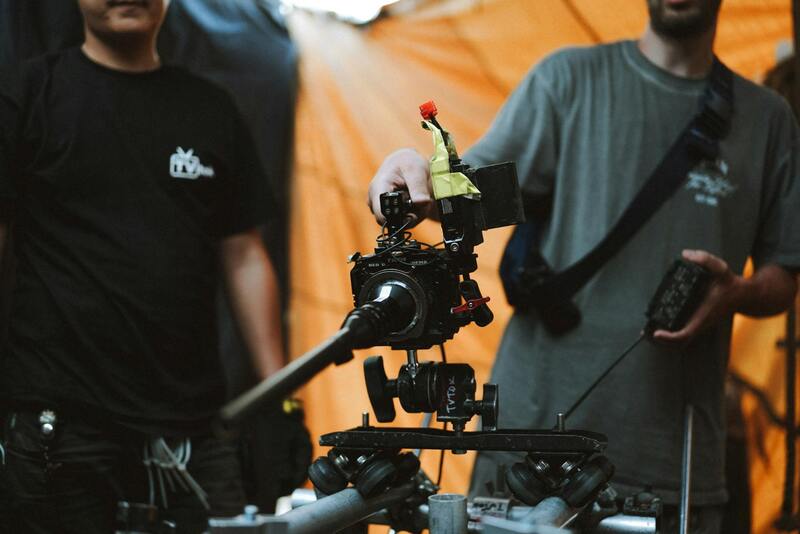
Equipment placement and physical layout must facilitate ease of operation. Cameras should be mounted on stable tripods or mounts, with adjustable angles for versatile shots. Wiring and cables should be neatly organized to prevent accidents and signal interference. Utility tables and racks for equipment, such as encoders, switchers, and audio interfaces, should be arranged within easy reach to streamline the production workflow. The spatial arrangement should also consider comfort and convenience, especially when managing longer sessions or multi-camera angles.
Finally, integrating reliable internet connectivity is vital for uninterrupted streaming. A dedicated, high-speed Ethernet connection is recommended over Wi-Fi to ensure stability and consistent data transfer rates. Redundant internet options, like backup mobile hotspots, can provide additional security against connection failures, allowing live broadcasts to proceed smoothly without technical interruptions.
Optimizing Streaming Video Quality and Reliability
Achieving professional-grade streaming video requires a comprehensive approach that emphasizes optimization for clarity, stability, and viewer engagement. One fundamental aspect is the selection of high-definition cameras capable of capturing sharp images with accurate color reproduction. Modern digital cameras designed specifically for streaming can often be connected via HDMI or SDI outputs, supporting resolutions up to 4K for detailed visuals. When integrating multiple cameras in a multi-angle setup, utilizing switchers or video mixers ensures seamless transitions and enhances the viewer experience.
Video encoding is a critical step in streaming production, affecting both quality and bandwidth efficiency. Using advanced encoders — whether hardware-based or software solutions — allows for real-time compression of video signals, balancing visual quality with streaming stability. Adaptive bitrate streaming techniques dynamically adjust the stream quality based on network conditions, minimizing buffering and latency issues.
Audio quality is equally important; employing professional microphones such as shotgun, cardioid, or lavalier units guarantees clear, intelligible sound. For larger setups, external audio mixers facilitate fine control over sound levels, reducing the risk of unwanted noise or dips in audio clarity. Combining high-quality audio with optimized video ensures a polished and engaging broadcast.
To further enhance reliability, integrating redundant systems is highly recommended. This includes secondary internet connections, backup power supplies, and secondary streaming devices to prevent disruptions during live sessions. Additionally, utilizing a reliable content delivery network (CDN) ensures consistent distribution of content, even during high traffic periods.
Legal and Compliance Considerations
Adhering to established legal and compliance standards is crucial in the realm of streaming video production to ensure the integrity and professionalism of your broadcasts. This involves a thorough understanding of intellectual property rights, content licensing, and participant consent processes. When producing streaming content, it is essential to secure rights for all multimedia elements incorporated into the broadcast, including music, images, video clips, and branded content. Unauthorized use of copyrighted material can lead to content takedowns, legal disputes, and damage to reputation.
Another fundamental aspect is verifying permissions and obtaining consents from all participants featured in the production. Clear, written agreements should specify their approval for recording, broadcast, and distribution, thus safeguarding against potential privacy concerns or disputes. This is especially critical when streaming live events that involve multiple individuals and locations.
Data Protection and Privacy Regulations
Streaming producers must prioritize data security, particularly when handling viewer information or participant details. Compliance with data protection standards such as the General Data Protection Regulation (GDPR) or California Consumer Privacy Act (CCPA) involves establishing secure systems for data collection, storage, and processing. Implementing encryption protocols and access controls protects sensitive information and fosters trust with your audience.
Additionally, transparency is vital; clearly informing viewers about data usage policies and obtaining explicit consent when necessary are key steps in maintaining compliance. Adapting to evolving regulations ensures that your streaming services retain credibility and avoid potential legal complications.
Broadcast Standards and Industry Regulations
Ensuring content meets specific broadcast standards is essential, especially for productions destined for wider distribution via TV networks or streaming platforms with strict content guidelines. This includes adhering to technical specifications such as audio levels, video resolution, and closed captioning requirements, which enhance accessibility and viewer experience.
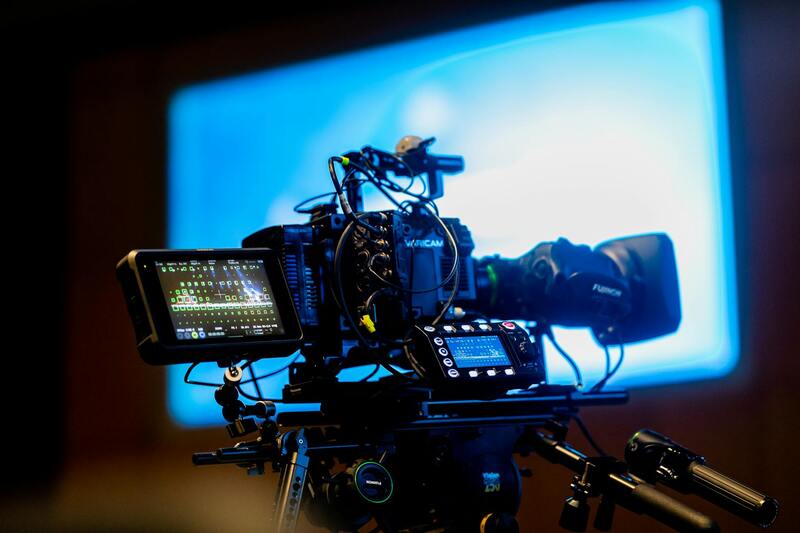
Staying informed about regional regulations regarding public broadcasting, advertising disclosures, and licensing agreements will help maintain compliance across various markets. Regular consultation with legal advisors or compliance specialists knowledgeable in media law can anticipate potential issues and foster seamless content delivery.
Overview of Streaming Video Production
Producing high-quality streaming video content in Miami requires meticulous attention to technical excellence and adherence to the highest standards of professionalism. Streaming video production encompasses a range of services, including live event coverage, corporate presentations, and customized multimedia experiences tailored for diverse audiences. To ensure the seamless delivery of engaging content, producers must utilize sophisticated workflows, integrate advanced equipment, and implement precise planning strategies.
Key Equipment and Technology
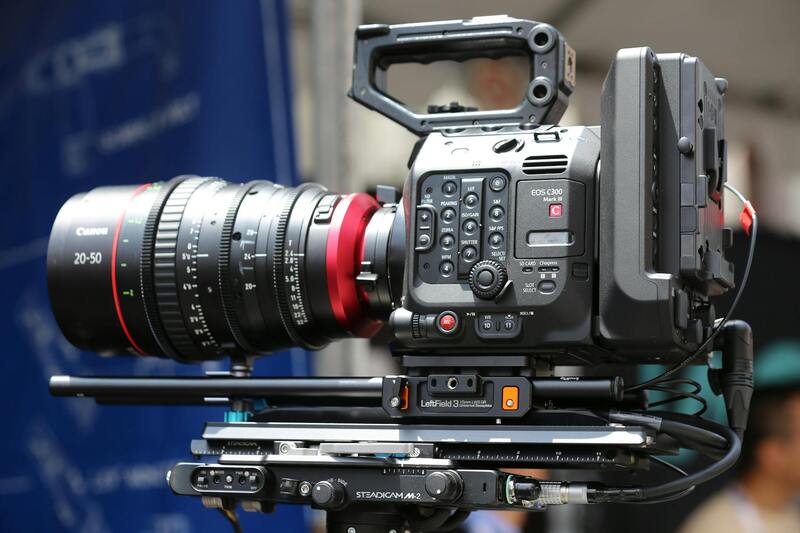
Achieving optimal streaming quality relies heavily on utilizing cutting-edge equipment and technology. High-definition cameras with exceptional low-light performance are essential for capturing sharp visuals across various environments. Reliable audio equipment, such as wireless microphones and mixing consoles, guarantees clear sound, crucial for audience engagement. Additionally, encoding hardware ensures smooth compression and transmission of video feeds, reducing latency and buffering issues. A robust internet connection is fundamental; utilizing fiber optic broadband or dedicated streaming lines minimizes interruptions. Hardware switchers and multi-camera setups enable dynamic shot switching, enhancing viewer experience. Software solutions, including streaming platforms and real-time graphics overlays, add professionalism and branding consistency.
Planning and Pre-Production Strategies
Thorough planning and pre-production processes set the foundation for successful streaming projects. Clearly defining the production scope and objectives guides the selection of appropriate technical resources and format specifications. Developing detailed scripts and storyboards ensures content flow aligns with audience expectations and engagement goals. Logistics planning involves scouting suitable locations within Miami, assessing lighting conditions, and coordinating crew schedules. Conducting site surveys helps identify potential technical challenges and logistical constraints. Scheduling rehearsals enables smooth operation during the live session, allowing technical adjustments and familiarization with the setup. Collaborating closely with clients or stakeholders to understand branding guidelines, messaging priorities, and target demographics shapes the overall approach. This stage also involves ensuring compliance with local regulations, permits, and safety protocols.
Setting Up a Streaming Studio
Creating an effective streaming environment demands a combination of technical setup and spatial organization. A dedicated studio space should be acoustically treated to eliminate background noise and echo, providing pristine audio quality. Proper lighting setup, including key, fill, and backlights, results in professional visual clarity. Cable management and ergonomic workspace design facilitate efficient operation. Ensuring sufficient power supply and backup options prevent disruptions during critical moments. Integration of teleprompters, monitor screens, and audio control panels enhances producer oversight. For mobile or temporary setups, portable equipment with quick-connect features allows for rapid deployment at different Miami venues. An organized workflow minimizes setup time, enabling smooth transitions between segments.
Live Streaming Techniques and Best Practices
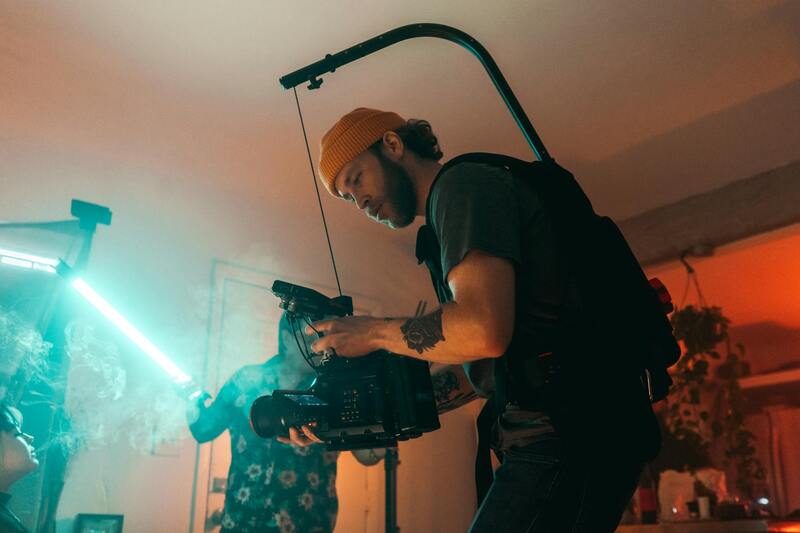
Executing a live stream with technical finesse involves combining real-time camera operation with seamless switching and overlays. Utilizing multi-camera feeds enables dynamic content presentation, maintaining viewer interest. Employing encoding software with adaptive bitrate technology ensures stream stability across varying internet conditions. Moderation and interaction are vital; paying attention to chat moderation and audience engagement can boost viewer retention. Employing graphics, titles, and lower thirds enhances informational clarity and visual appeal. Best practices include conducting test runs before the scheduled event, monitoring stream health continuously, and having technical support on standby. During the broadcast, maintaining clear communication among crew members ensures smooth operations.
Post-Production and Content Repurposing
Post-production processes involve editing footage to enhance visual and audio quality, add branding elements, and create highlights or condensed versions for promotional purposes. Advanced editing tools facilitate color correction, sound mixing, and the integration of visual effects. Repurposing content extends the value of a streaming investment. Edited clips can be distributed across multiple platforms, including social media and websites, broadening audience reach. Creating engaging snippets, behind-the-scenes footage, and teaser trailers helps sustain viewer interest and attracts new followers. Archiving raw and finished content with systematic metadata tagging enables efficient retrieval for future projects or licensing opportunities. Consistent branding and messaging throughout all repurposed content foster brand recognition and audience trust.
Advanced Strategies for Enhancing Streaming Video Production
Implementing advanced strategies in streaming video production requires meticulous attention to technical excellence and content delivery methods. The adoption of multi-camera setups allows for dynamic shot composition, providing viewers with a more engaging and professional viewing experience. These setups often include cameras capable of high-definition footage, along with video switchers that enable seamless transitions between different angles and perspectives. Integrating multiple audio sources—such as lapel microphones, ambient microphones, and direct feeds—ensures clear, balanced sound that complements the visual content while minimizing background noise and echo issues.
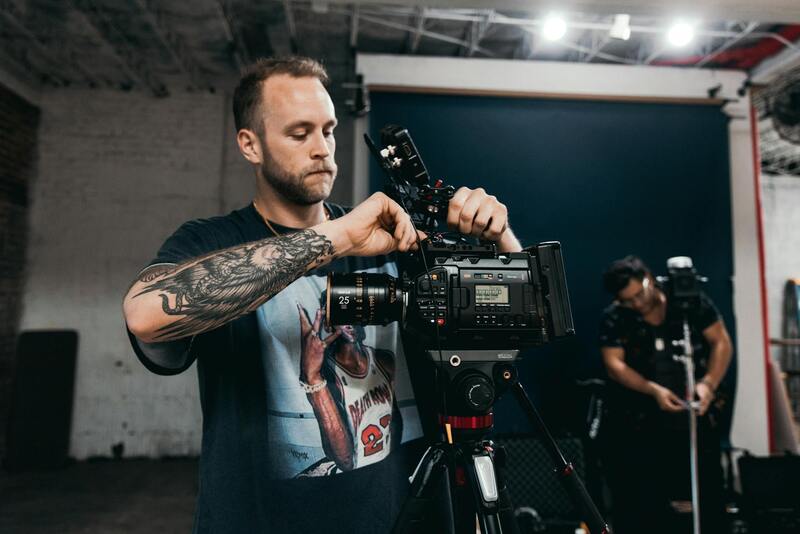
Utilizing professional streaming software allows for precise control over broadcast quality, overlays, and real-time analytics. Software options such as vMix, Wirecast, or OBS Studio provide features like chroma keying for green screen effects, customizable transitions, and integrated chat moderation tools. Employing hardware encoders or streaming appliances can optimize bitrate management, reducing latency and buffering issues, thereby creating a smooth viewer experience across varying internet connections.
Implementing Live Interactivity and Audience Engagement
Audience interaction significantly elevates the impact of live streams. Incorporating live polls, Q&A sessions, and real-time chat moderation keeps viewers actively involved and fosters a sense of community. Many streaming platforms support integrations with third-party tools that facilitate viewer participation while maintaining seamless broadcast quality. Real-time feedback collected through these channels can guide content adjustments mid-stream, ensuring relevance and viewer satisfaction.
Strategies for Effective Content Distribution and Repurposing
Post-broadcast content should be efficiently coordinated for distribution across various channels to maximize reach. Creating highlight reels, behind-the-scenes footage, or condensed versions of the main stream allows targeted content sharing on social media platforms and websites. Embedding clips into blog posts or email campaigns can further amplify visibility and engagement. Additionally, systematic archiving of raw footage, along with detailed metadata tagging, streamlines future retrieval and licensing processes.
- Consistent branding elements, such as watermarks, intro/outro sequences, and visual style, reinforce brand recognition across all content formats.
- Utilizing engaging teaser trailers and snippets stimulates anticipation for upcoming streams and encourages repeat viewership.
- Developing a content calendar aligns streaming schedules with audience interests and strategic marketing objectives.
Best Practices for Ensuring Seamless Live Streaming Operations
A comprehensive pre-event checklist encompassing equipment tests, internet stability checks, and staff coordination significantly reduces technical disruptions. During the broadcast, continuous monitoring of stream health metrics—such as bitrate, dropped frames, and latency—enables quick troubleshooting. Having dedicated technical support on-site or on-call ensures rapid response to unforeseen issues, maintaining professionalism throughout the event. Effective communication among production team members is vital for timely scene changes, audio adjustments, and managing audience interactions.
Future Trends and Innovations in Streaming Video Production
The integration of 360-degree camera technology and virtual or augmented reality elements is poised to revolutionize viewer immersion. As internet bandwidths expand and streaming protocols evolve, ultra-high-definition content delivery will become more accessible to a broader audience. Artificial intelligence-driven content moderation, captioning, and personalized content recommendations are also expected to play significant roles in the future of streaming production. Staying abreast of these innovations will enable producers to continually elevate their content and meet evolving viewer expectations.