Understanding Corporate Live Streaming
Corporate live streaming has become an essential tool for modern businesses aiming to connect with their audience in real-time through digital channels. This technology allows companies to broadcast events, presentations, product launches, and meetings directly to a remote audience, enhancing communication efficiency and reach. Unlike traditional methods such as in-person conferences or static video recordings, live streaming offers immediacy, interaction, and greater engagement opportunities.
At its core, corporate live streaming serves as a virtual platform that enables organizations to host large-scale events without geographical constraints. This approach fosters inclusivity by allowing stakeholders, clients, employees, and potential customers to participate regardless of their physical location. It also reduces costs associated with physical venues, travel, and accommodations, making it a cost-effective solution for companies of all sizes.

Beyond event broadcasting, live streaming enhances internal communication—helping to deliver corporate updates, training sessions, and executive addresses to dispersed teams seamlessly. It also plays a pivotal role in brand building by providing a direct channel to showcase products, share success stories, and engage with audiences in a more authentic and interactive manner. As businesses continue to adapt to a digitally driven marketplace, the strategic use of corporate live streaming becomes an indispensable element of their communication arsenal.
Effective corporate live streaming hinges on the ability to deliver high-quality, reliable broadcasts that reflect professionalism and technological competence. This requires a combination of robust platforms, appropriate equipment, and skilled technical support to ensure seamless streaming experiences. When executed properly, live streaming becomes an invaluable asset that boosts visibility, facilitates engagement, and drives business growth in an increasingly virtual world.
Types of Corporate Events Hosted via Live Streaming
Corporate live streaming services have become instrumental in hosting a wide variety of events, each with distinct objectives and formats. These events are increasingly leveraging digital platforms to reach broader audiences while maintaining high standards of professionalism and interactivity. Understanding the different types of corporate events suitable for live streaming allows organizations to enhance their communication strategies, stakeholder engagement, and brand visibility.
Conferences and Seminars
Large-scale conferences and seminars are prime examples of events that benefit from professional live streaming. These events often gather industry experts, clients, and internal teams to discuss innovations, share insights, and forge new collaborations. Streaming such events ensures that information reaches a global audience without the need for physical attendance, thereby increasing participation and fostering international networking.
Product Launches and Demonstrations
Launching new products involves demonstrating features and highlighting competitive advantages to potential customers and partners. Live streaming enables real-time presentations that are visually engaging and interactive, allowing viewers to ask questions and get instant responses. This approach generates buzz and creates immediate engagement from a diverse online audience, significantly amplifying the impact of product unveilings.
Corporate Training and Workshops
Training sessions and workshops are vital in maintaining a skilled and knowledgeable workforce. Video streaming ensures consistent delivery of training content across multiple locations. It also facilitates interactive elements such as quizzes and Q&A sessions, which enhance learning outcomes. Many live streaming platforms support tracking participant engagement and attendance, making them ideal for compliance and certification processes.
Annual General Meetings (AGMs) and Shareholder Briefings
Companies often utilize live streaming to broadcast annual meetings to shareholders and stakeholders, enhancing transparency and accountability. These broadcasts often include detailed presentations, financial disclosures, and Q&A sessions. Secure streaming options ensure that sensitive corporate information remains protected while allowing stakeholders to participate in real-time discussions regardless of their geographical position.
Internal Corporate Events and Town Halls
Internal events such as town hall meetings, strategy sessions, and executive addresses are pivotal for fostering company culture and alignment. Live streaming these events ensures that all employees, whether remote or in-office, receive consistent messaging. It also provides opportunities for interactive engagement through chat features or live polls, strengthening organizational communication.
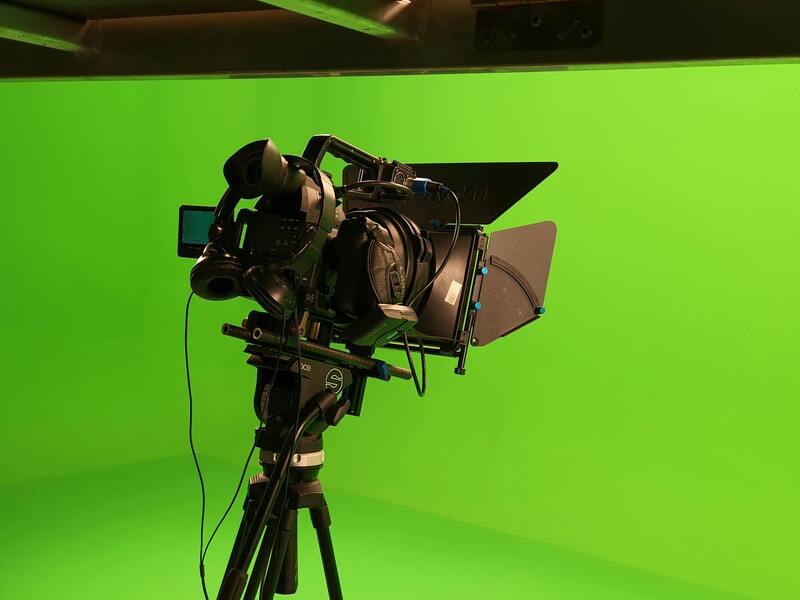
The selection of appropriate streaming formats and features tailored to each event type enhances overall effectiveness. By partnering with experienced providers specializing in corporate live streaming, companies can ensure broadcast quality, security, and seamless interactivity — all crucial for engaging diverse audiences and achieving strategic business goals.
Understanding Corporate Live Streaming
Corporate live streaming has become a vital communication tool that enables organizations to broadcast their events to a global audience in real-time. This technology permits companies to deliver impactful messages, presentations, and interactive sessions without geographical constraints. It plays a significant role in enhancing transparency, engaging stakeholders, and supporting internal communication strategies. During live broadcasts, organizations can showcase their products, share corporate updates, or conduct training sessions effectively, fostering a sense of inclusion among employees, clients, and shareholders.

The success of corporate live streaming depends on a clear understanding of the platforms available, the technical specifications required, and the strategic implementation of broadcast procedures. Unlike traditional recorded content, live streaming offers immediacy and real-time engagement, making it an invaluable tool for dynamic corporate communication. It enables organizations to maintain a consistent message, respond to live inquiries, and adapt content on the fly, all while tracking viewer engagement metrics that inform future strategies.
Key Features of Corporate Live Streaming Services
- High-Quality Video and Audio: Ensuring crystal-clear visuals and sound is fundamental to maintaining professionalism and viewer retention. Professional services typically employ multi-camera setups, HD or 4K encoding, and high-fidelity audio equipment.
- Secure Streaming Solutions: Protecting sensitive information during live broadcasts involves encryption, password protection, and access controls to prevent unauthorized viewing.
- Interactive Capabilities: Features such as live chat, Q&A sessions, polls, and participant engagement tools foster active viewer participation and enhance the overall experience.
- Platform Compatibility: Seamless integration with various web browsers, mobile devices, and social media channels ensures that content reaches audiences across different platforms.
- Analytic Tracking: Post-event analytics provide insights into viewer numbers, engagement levels, and interaction patterns, supporting data-driven decision-making.
Types of Corporate Events Hosted via Live Streaming
Various corporate events leverage live streaming technology to maximize reach and impact. These include:
- Product Launches: Showcasing new products or services to a broad audience, generating excitement and immediate feedback.
- Annual General Meetings (AGMs): Facilitating shareholder participation and transparent communication regardless of physical location.
- Conferences and Seminars: Extending conferences to remote attendees and ensuring consistent content delivery.
- Employee Town Halls and Internal Updates: Engaging staff at multiple locations, reinforcing company values and strategic goals.
- Training and Development: Delivering workshops and tutorials interactive and accessible to employees worldwide.
Benefits of Using Professional Live Streaming Providers
Engaging a professional provider offers several advantages. These include access to advanced broadcasting infrastructure, technical expertise, and comprehensive support throughout the event. High-quality streams reduce technical issues, maintaining a professional image while safeguarding sensitive content. Additionally, experienced providers facilitate audience engagement with interactive features, real-time analytics, and targeted content delivery. They also ensure compliance with security standards, which is particularly important for confidential discussions or financial disclosures. This streamlines event execution and elevates organizational communication, making audiences more receptive and participative.
Choosing the Right Corporate Live Streaming Service
Selecting an appropriate provider involves evaluating several criteria:
- Technical Capabilities: Confirm that the service can support the desired event scale and complexity, including multi-camera setups, graphic overlays, and streaming to multiple platforms.
- Security Features: Assess encryption, access controls, and compliance measures designed to protect sensitive content.
- Customization Options: Look for services that offer branding, customizable player interfaces, and tailored interactive elements.
- Support and Reliability: Ensure 24/7 technical support, backup protocols, and proven track record in corporate settings.
- Cost Structure: Understand pricing models—whether based on bandwidth, duration, or full-service packages—and how they align with organizational budgets.
Technical Aspects and Equipment Requirements
Implementing a professional live stream requires specific hardware and software components, including:
- Streaming Encoders: Hardware or software solutions that convert video signals into digital streams suitable for broadcasting.
- High-Speed Internet Connection: Reliable, high-bandwidth internet ensures uninterrupted streaming, especially critical for high-definition content.
- Audio Equipment: Professional microphones and mixers to ensure clear sound quality.
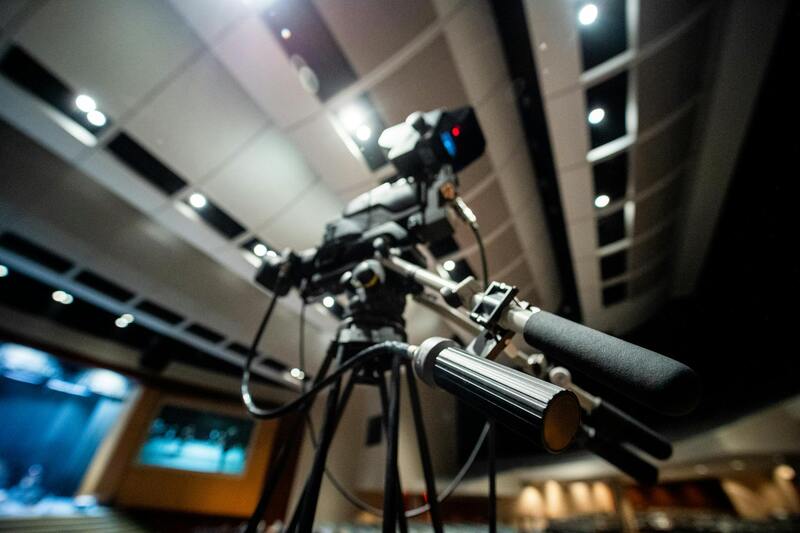
- Camera Systems: Multiple cameras with framing, zooming capabilities, and proper lighting to capture engaging visuals.
- Content Management Software: Platforms that facilitate stream scheduling, overlay application, and audience interaction management.
Best Practices for a Successful Corporate Live Stream
- Pre-Event Planning: Clear agenda, rehearsals, and technical checks to identify potential issues beforehand.
- Audience Engagement: Utilize interactive features such as Q&A, polls, and social media integration to foster participation.
- Content Quality: Maintain professional visuals and audio throughout the event to reinforce credibility.
- Technical Support: Have dedicated personnel ready to troubleshoot and manage streaming issues promptly.
- Post-Event Follow-up: Analyze viewer data, collect feedback, and distribute recorded content to maximize the event’s impact.
Future Trends in Corporate Live Streaming
Advancements in technology continue to shape the landscape of corporate live streaming. The integration of augmented reality (AR) and virtual reality (VR) offers immersive experiences. Artificial intelligence (AI) tools enhance real-time translation and captioning, expanding accessibility. 5G connectivity promises increased bandwidth and reduced latency, enabling higher quality streams with minimal delay. As organizations recognize the strategic value of live content, future developments will focus on seamless interactivity, personalized viewer experiences, and data-driven insights that drive engagement and operational efficiency.
Implementing Secure and Reliable Streaming Protocols
Ensuring the security and dependability of your corporate live stream is paramount for a seamless viewer experience and operational integrity. Reputable live streaming services utilize advanced streaming protocols like Real-Time Messaging Protocol (RTMP) and Hypertext Transfer Protocol Live Streaming (HLS) to deliver consistent, adaptive-quality video across a variety of devices and network conditions. These protocols facilitate smooth data transmission by adjusting stream quality dynamically, reducing buffering and lag issues during peak engagement moments.
Additionally, employing Content Delivery Networks (CDNs) plays a crucial role in distributing live content efficiently. CDNs geographically disperse servers, minimizing latency and ensuring fast, buffer-free access regardless of viewers' locations. Professional providers integrate these networks into their architecture, providing scalable bandwidth that adapts to the audience size.
Offerings for Customizable and Interactive Broadcasts
Modern corporate live streaming solutions emphasize personalized viewer experiences through a variety of interactive features. Customizable overlays, branded interfaces, and real-time graphics enhance visual engagement while reinforcing corporate identity. Interactive tools such as live Q&A sessions, polling, and chat integrations foster a participatory atmosphere, increasing audience retention and message retention.
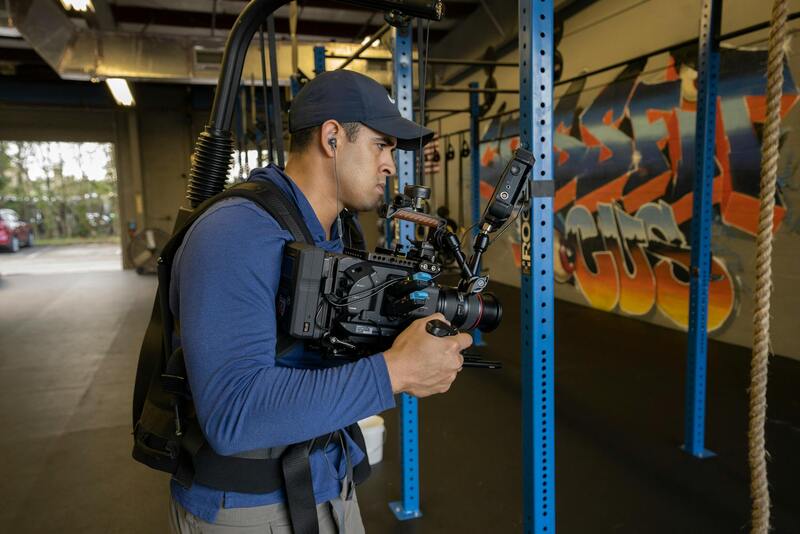
Advanced services also support multi-camera setups, allowing dynamic switching between different angles or perspectives, which can CEO keynote speeches, panel discussions, or product showcases. The integration of social media platforms enables real-time sharing and interaction beyond the primary event platform, broadening reach and engagement.
Data Analytics and Post-Event Reporting
One significant advantage of deploying professional corporate live streaming services is access to comprehensive analytics. These metrics include viewer counts, engagement rates, geographic distribution, and viewer retention times, providing valuable insights into audience behavior. Such data assists organizations in evaluating the success of their events and guiding future content strategies.
Post-event summaries and recordings are often provided, enabling further content distribution and on-demand viewing. Analytics tools also allow organizers to identify peak interaction periods and topics of high interest, informing the planning of subsequent events or campaigns.

Ensuring Compliance and Content Control
Professional services prioritize content security through encryption protocols and access control mechanisms, ensuring that sensitive information remains protected throughout the broadcast. Features such as password protection, geo-restrictions, and digital rights management (DRM) are implemented to regulate who can view the content.
Additionally, stream moderation tools enable real-time management of chat and interactive elements, preventing inappropriate conduct and maintaining a professional environment. These measures facilitate compliance with corporate standards and regulatory requirements, fostering trust and credibility.

Technical Aspects and Equipment Requirements
Implementing a seamless corporate live stream necessitates a careful understanding of technical requirements to ensure high-quality delivery and optimal viewer engagement. Central to this process is the selection of appropriate hardware and software that meet the scale and scope of the event. High-definition cameras, professional audio equipment, and reliable streaming encoders form the backbone of a successful broadcast. Employing multiple camera angles can enhance visual interest, while high-fidelity microphones guarantee clear audio.
In addition to hardware, comprehensive networking infrastructure is vital. A dedicated or high-bandwidth internet connection minimizes latency and buffering issues, creating a smooth viewing experience. Network redundancy, such as backup internet sources, helps mitigate potential disruptions, safeguarding the stream's integrity.
Software solutions facilitate the encoding, streaming, and management of content. Use of advanced streaming platforms allows for features like adaptive bitrate streaming, which adapts quality in real-time based on viewer connection speeds. This adaptability ensures that viewers experience minimal interruptions, regardless of their device or internet quality.
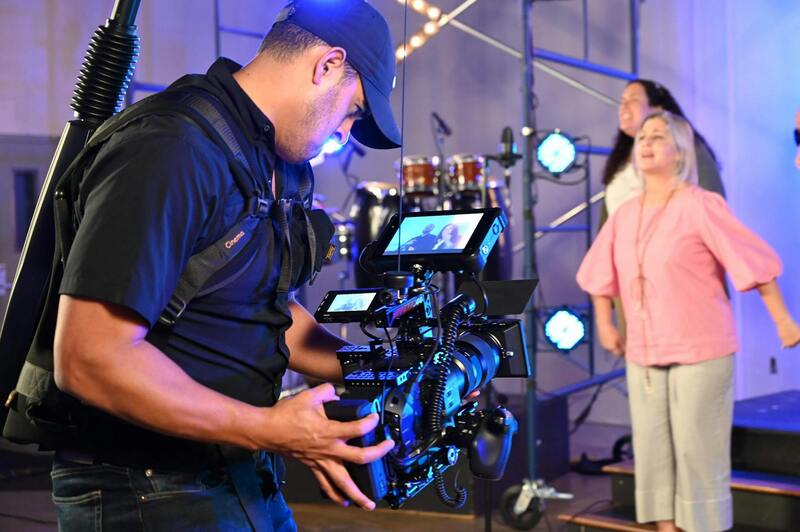
Beyond hardware and software, event organizers should consider ancillary tools such as graphics overlays, live chat modules, and real-time analytics dashboards. These features enhance viewer interaction and provide immediate feedback on audience engagement.
Compatibility and Device Accessibility
Ensuring content compatibility across various devices—desktops, tablets, smartphones—is fundamental. Responsive design and adaptive streaming protocols enable content to adjust seamlessly to different screen sizes and bandwidth conditions, broadening accessibility.
Engaging a Skilled Technical Team
Partnering with a professional production team or technical service provider is often essential. These experts manage equipment setup, troubleshoot issues, and oversee the stream quality during live events, allowing organizers to focus on content delivery and audience engagement.
Effective planning, robust infrastructure, and specialized equipment are the pillars of successful corporate live streaming, ensuring a polished and professionally executed event that aligns with organizational objectives.
Technical Aspects and Equipment Requirements
Implementing a seamless corporate live streaming event hinges on meticulous technical planning and the right equipment. High-quality audio and visual components are fundamental to conveying a professional image and ensuring audience engagement. This includes professional-grade cameras capable of capturing clear video from various angles, high-fidelity microphones to deliver crisp sound, and encoders that efficiently compress and transmit streaming data.
Reliable and high-bandwidth internet connections are essential. A dedicated internet line with sufficient upload speeds minimizes latency and buffering issues. Redundant internet connections or backup options are recommended to prevent disruptions during live broadcasts. The use of wired connections over wireless networks is advisable where possible, as they generally provide more stable bandwidth and lower latency.
Additional technical elements include hardware switchers, such as video mixers, to manage multiple camera feeds smoothly, and professional lighting to ensure consistent video quality irrespective of environmental lighting conditions. A robust streaming platform, integrated with content delivery networks (CDNs), can help distribute content efficiently to large audiences without degradation in quality.
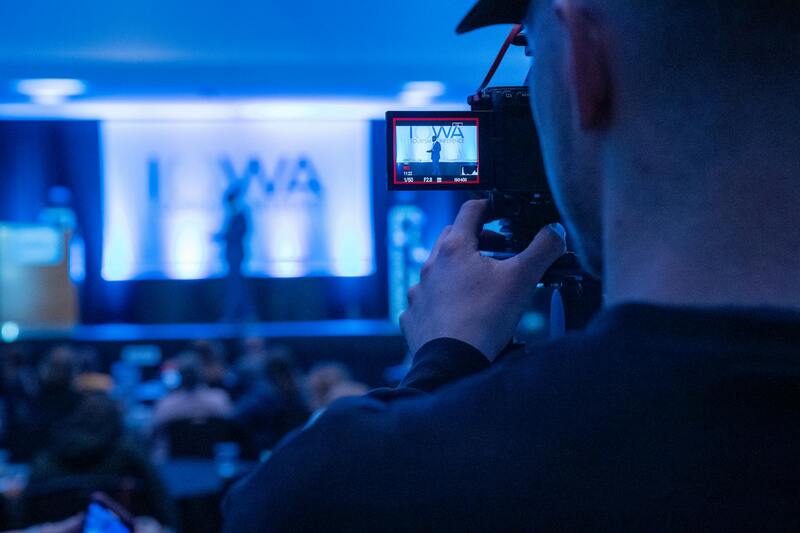
Technical setup must also encompass real-time monitoring tools to oversee the stream’s health during the event. These tools track key metrics such as bitrate, connection stability, viewer engagement, and quality metrics. Having a dedicated technical team to manage this infrastructure ensures prompt troubleshooting and adjustments, maintaining a professional broadcast quality throughout the event.
Optimal Infrastructure and Connectivity
- Dedicated, high-speed internet with sufficient upload capacity
- Backup internet connections to ensure continuity
- Wired network connections for maximum stability
- Advanced encoding hardware/software for efficient data transmission
- Professional lighting and camera equipment tailored for indoor or outdoor settings
- Monitoring tools for real-time stream analytics
Equipping your broadcast with these key technical components and infrastructure lays the foundation for a polished, interruption-free live event that aligns with organizational standards and audience expectations.

Conclusion
Mastering the technical aspects of corporate live streaming is a critical step towards delivering engaging, professional broadcasts. By selecting the right equipment, establishing robust internet connections, and employing dedicated technical support, organizations can significantly improve the quality and reliability of their live streaming events, facilitating impactful communication and brand representation.
Technical Aspects and Equipment Requirements
Implementing a seamless corporate live streaming event involves meticulous attention to the technical infrastructure and equipment used. Ensuring high-quality broadcasts necessitates robust hardware, reliable connectivity, and professional-grade production tools.

Essential Hardware Components
- Broadcast Cameras: Investment in HD or 4K cameras with professional lenses ensures crisp visuals, crucial for maintaining audience engagement. Robotic or PTZ cameras can offer flexible shot control for dynamic presentations.
- Switching Consoles: Video switchers allow seamless switching between multiple camera feeds, adding production value and clarity to the broadcast.
- Audio Equipment: High-quality microphones, mixers, and soundboards guarantee clear audio, which is vital for speaker clarity and viewer experience.
- Encoding Devices: Hardware encoders convert video signals into transmission-ready formats, optimizing bandwidth use and stream quality.
- Lighting Solutions: Proper lighting setups enhance image quality, reduce shadows, and ensure a professional visual presentation.
Connectivity and Internet Requirements
An unwavering internet connection forms the foundation of successful live streaming. Organizations should utilize dedicated, high-bandwidth internet services with symmetrical upload and download speeds. To safeguard against connectivity interruptions, backup internet options such as cellular bonded networks or secondary wired connections are advisable.
Optimal network configurations include wired Ethernet connections, which offer more stability than Wi-Fi, especially in high-traffic environments. Network monitoring tools help track bandwidth usage, latency, and packet loss in real time, allowing for proactive adjustments during the broadcast.
Additional Technical Enhancements
- Surveillance and Monitoring Software: These tools track stream performance metrics like bitrate, latency, and viewer engagement, facilitating prompt troubleshooting.
- Audio-Visual Switchers and Mixers: Enable smooth transitions, overlays, and audio adjustments to maintain a polished presentation.
- Capture Cards and Switchers: Facilitate multi-source input integration, essential for complex event setups involving interviews, panel discussions, or multimedia presentations.

Ensuring Technical Reliability for High-Impact Live Streams
Thorough planning and equipment calibration are critical before the event to prevent technical issues that could compromise the broadcast. Conducting multiple rehearsals allows technical teams to identify potential problems and fine-tune the setup. During live streaming, a dedicated technical support team should monitor all aspects of the broadcast, ready to tackle any unforeseen challenges promptly. This proactive approach ensures a smooth viewing experience that upholds the organization’s standards and audience expectations.
Advanced Considerations for Corporate Live Streaming Success
Implementing a professional-grade corporate live streaming operation involves a comprehensive understanding of both the technical environment and strategic planning. As the digital landscape evolves, organizations increasingly adopt innovative techniques to enhance viewer engagement and ensure seamless delivery of content.
Rigorous Network Infrastructure Planning
Prior to the event, establishing a robust network infrastructure is paramount. This includes deploying high-speed, dedicated internet connections capable of handling large data throughput without interruption. Redundant network paths and backup systems mitigate risks associated with connectivity failures, ensuring continuous stream delivery even during unexpected disruptions.
Optimizing Hardware and Software Components
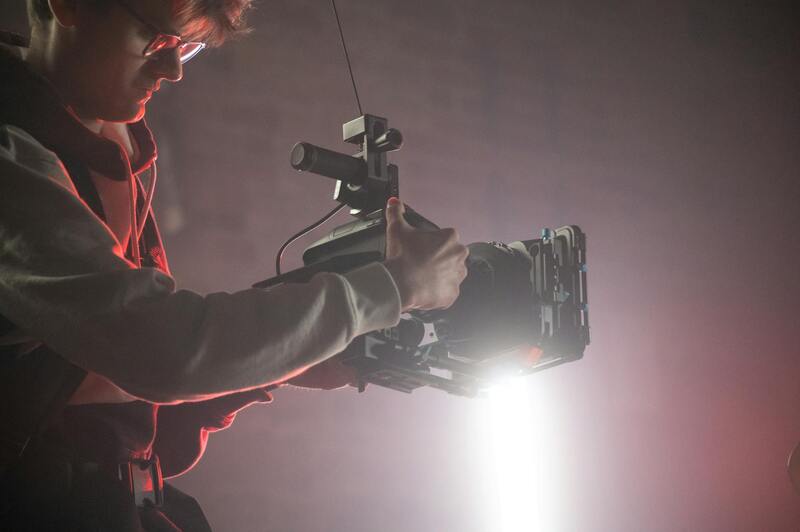
Use of reliable encoding hardware and software solutions ensures high fidelity broadcasts. Encoders transcode raw audio-visual inputs into streams compatible with various devices and bandwidth conditions. Additional hardware, such as professional-grade switchers, editing consoles, and audio management systems, contribute to a more dynamic and engaging presentation.
Effective Content Management and Signal Integration
Integrating multiple content sources seamlessly requires sophisticated signal management tools. Multi-input switchers enable organizations to switch between presentation slides, video feeds, and live speakers effortlessly. Incorporating multimedia overlays, real-time data feeds, and interactive elements enhances the viewer experience and maintains audience interest throughout the event.
Security and Data Privacy
Secure streaming protocols and encrypted data transfers protect sensitive corporate information. Implementing secure login credentials, single sign-on systems, and access controls restrict viewing to authorized personnel only. Regular security audits and compliance checks uphold organizational standards and safeguard against cyber threats.
Post-Event Analytics and Feedback
Utilizing analytics tools post-broadcast provides insights into viewer engagement, stream quality, and technical performance. Capturing viewer feedback through surveys and real-time chat supports continuous improvement. Detailed reports help refine future streaming strategies and demonstrate return on investment.
Empowering Teams with Training and Support
Ensuring your team is well-versed in operating the streaming technology minimizes errors and improves overall broadcast quality. Regular training sessions, technical drills, and access to dedicated support personnel prepare staff to handle unexpected challenges confidently. Establishing clear roles and responsibilities streamlines the operational workflow and enhances the professionalism of the broadcast.
Continuous Monitoring and Troubleshooting
During the live event, real-time monitoring tools track stream health, viewer metrics, and system performance. Immediate troubleshooting responses to issues like buffering, audio-visual desynchronization, or latency fluctuations prevent potential disruptions. A dedicated technical team stands by to address complications swiftly, upholding the event’s integrity.
Adapting to Emerging Technologies
The future of corporate live streaming is dynamic, with advancements like 4K ultra-high-definition broadcasting, virtual reality (VR), augmented reality (AR), and artificial intelligence (AI) integration. These technologies promise to further immerse audiences, personalize content delivery, and optimize event management processes. Staying ahead of technology trends ensures organizations continue to deliver impactful virtual experiences that meet expectations.