Overview of Live Streaming Production Services
Live streaming production services are comprehensive solutions designed to broadcast events, conferences, performances, and corporate functions in real-time over the internet. These services encompass a wide range of technical and creative elements, including video capture, editing, encoding, and distribution, ensuring high-quality delivery to viewers regardless of their location. With the rapid growth of digital engagement, the importance of professional live streaming in Miami has surged, enabling organizations and event organizers to expand their reach, enhance audience interaction, and deliver seamless viewing experiences. Miami's vibrant event scene and its diverse business landscape make it an ideal hub for live streaming services that cater to a variety of needs, from small corporate meetings to large-scale concerts and festivals.
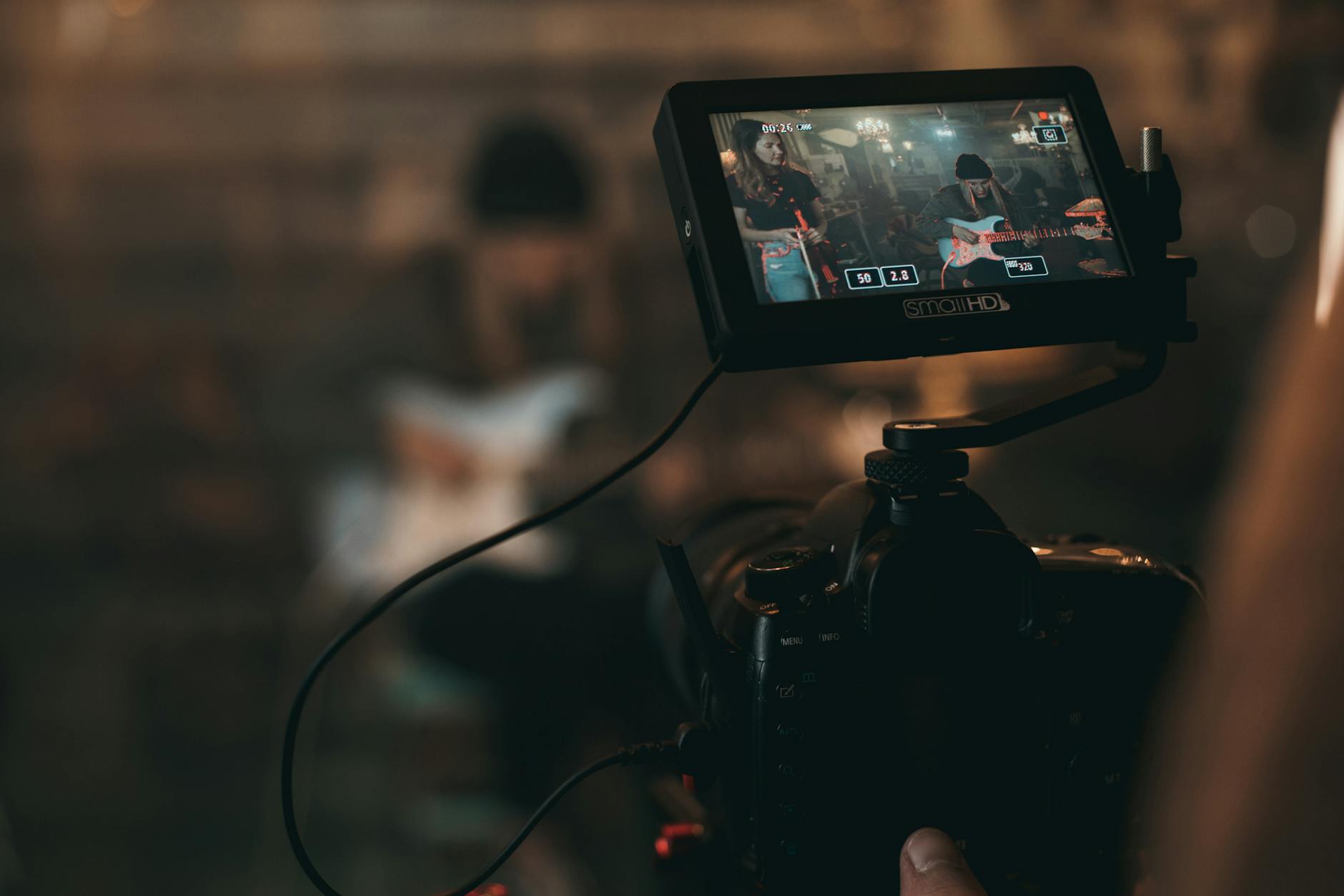
These services are crucial for ensuring that content is delivered without interruptions or technical hitches, maintaining professionalism and viewer engagement. As remote participation becomes increasingly valued, live streaming is transforming how organizations communicate, market, and connect with their audiences in Miami and beyond.
Key Components of Live Streaming Production
- Video Capture Equipment: Professional cameras and microphones to ensure clear visuals and sound.
- Video Switching and Mixing: Hardware and software to transition between multiple camera angles and sources seamlessly.
- Encoding and Compression: Converting raw footage into digital streams that can be broadcast over the internet effectively.
- Streaming Platforms and Distribution: Delivery methods for reaching target audiences across various online channels.
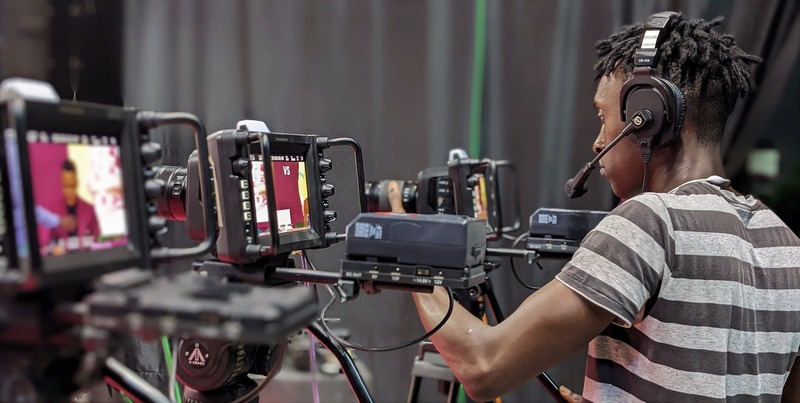
- Technical Support and Monitoring: On-site or remote experts to manage the entire broadcast and troubleshoot issues instantly.
Types of Live Streaming Events Offered
Miami-based live streaming providers cater to a multitude of event types, including:
- Corporate Conferences and Seminars
- Product Launches and Promotional Events
- Concerts, Festivals, and Cultural Events
- Religious Services and Community Gatherings
- Educational Webinars and Virtual Classrooms
Each event type may require tailored technical setups and creative strategies to maximize engagement and ensure a smooth broadcast experience for viewers worldwide.
Technical Considerations for Successful Streaming
Achieving a professional live stream demands meticulous attention to various technical aspects:
- Bandwidth and Internet Connectivity: High-speed, reliable internet is essential to prevent buffering and lag.
- Resolution and Frame Rate: Proper settings for the target audience's device capabilities and viewing comfort.
- Audio Quality: Clear, balanced sound to complement high-quality visuals.
- Lighting and Visual Setup: Adequate lighting enhances camera focus and image clarity.
- Backup Systems: Redundant power supplies and internet connections to mitigate potential disruptions.
Role of a Miami-Based Production Agency
Local production agencies in Miami bring valuable expertise and industry insights, ensuring live streams are technically sound and visually compelling. These agencies coordinate every aspect of the production, from pre-event planning and content design to on-site execution and post-broadcast analysis. Their understanding of Miami’s event landscape and technical infrastructure allows for tailored solutions that meet specific organizational objectives and audience expectations.
Key Components of Live Streaming Production
Effective live streaming production hinges on several critical components that work together to deliver a seamless viewer experience. Each element must be meticulously managed to ensure high-quality output and reliable performance during the broadcast. Understanding these components enables organizations to select the appropriate solutions tailored to their specific event requirements.
Video Capture Devices
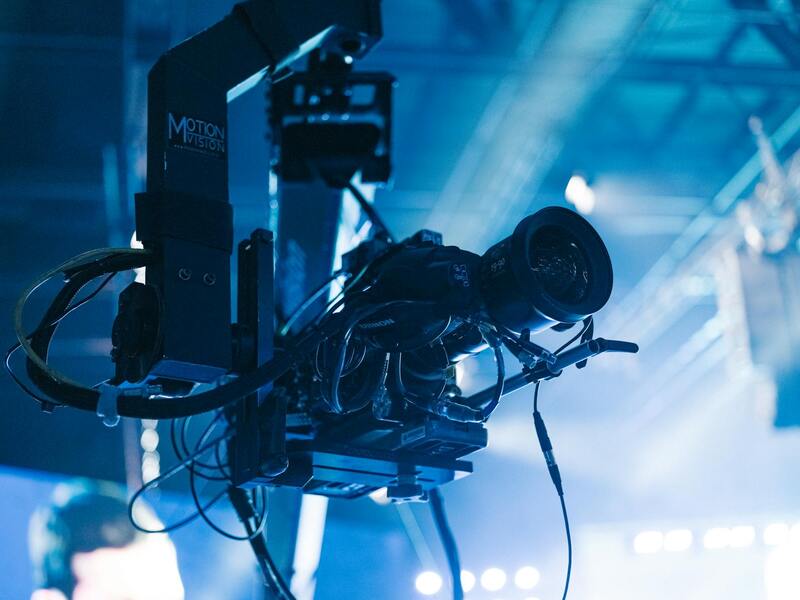
The foundation of a live stream is high-quality video capture. This involves professional-grade cameras capable of delivering crystal-clear visuals with accurate color reproduction. Depending on the event scale, multiple cameras may be used to provide different angles and perspectives. For smaller setups, high-definition camcorders or even high-quality webcams can be sufficient, provided they meet the desired resolution standards.
Audio Equipment
Clear audio is just as vital as visual quality. Professional microphones, audio mixers, and sound processing equipment ensure balanced sound without distortion or background noise. Wireless microphones and lapel mics offer mobility and flexibility for speakers or performers on stage, enhancing the overall production quality.
Streaming Hardware and Encoders
Hardware encoders convert raw audio and video signals into a digital stream compatible with online streaming platforms. High-performance encoders are crucial for maintaining consistent bitrate and minimizing latency. Some setups also utilize software encoders, but hardware devices are preferred for their reliability and real-time processing capabilities.
Streaming Platforms and Delivery Networks
Choosing the right platform is essential for reaching the intended audience efficiently. Popular streaming services provide robust distribution networks, adaptive streaming capabilities, and analytics tools. Content delivery networks (CDNs) help distribute the stream across different geographic regions while reducing buffering and delays, ensuring smooth playback regardless of viewer location.
Internet Connectivity and Bandwidth
Reliable, high-speed internet is the backbone of successful live streaming. Upload bandwidth must be sufficient to handle the video's resolution and bitrate without interruption. Redundant internet connections, such as backup fiber lines or cellular hotspots, are often incorporated to safeguard against connectivity issues during transmission.
Lighting and Visual Setup
Proper lighting enhances camera focus, reduces shadows, and ensures viewers see the event clearly. Professional lighting rigs and strategic placement contribute to a polished appearance, especially crucial for corporate presentations or high-profile event broadcasts. Visual setup also includes backdrops, stage arrangements, and graphics that reinforce branding or thematic elements.
Support and Backup Systems
Preparation for unforeseen disruptions is a key aspect of live streaming production. Backup power sources like generators or uninterruptible power supplies (UPS) and backup internet connections ensure continuity. Equipment redundancy minimizes the risk of delays or loss of broadcast quality, providing peace of mind for organizers and audiences alike.
Overall, integrating these components with precision is essential for delivering professional, reliable live streams that meet audience expectations and organizational goals. The expertise of Miami-based production agencies greatly enhances the effective management of these technical elements, ensuring each event is executed flawlessly.
Technical Considerations for Successful Streaming
Achieving high-quality live streaming necessitates meticulous attention to a range of technical factors that directly influence the viewer experience. Paramount among these is the selection of appropriate encoding hardware and software, which transforms raw video feeds into a compressed format suitable for transmission over the internet. Quality encoders ensure that the balance between video quality and bandwidth consumption is optimized, minimizing latency and buffering issues.
Network stability and capacity remain critical. Even with robust internet infrastructure, congestion during peak usage times can impair the stream's consistency. To circumvent this, professional setups often incorporate dedicated internet lines or load balancing techniques that distribute the data load, reducing the risk of interruptions.

Audio quality presents its own set of challenges, with ambient noise, microphone placement, and feed clarity influencing the overall viewing experience. High-quality microphones and audio interfaces are employed in tandem with real-time audio mixing to deliver crisp, balanced sound that complements the visual presentation. Clear audio standalone can detract from an otherwise seamless broadcast, making this an essential focus.
Signal transmission methods also demand careful planning. While standard IP streaming is common, leveraging multiple delivery pathways—such as CDNs (Content Delivery Networks)—can distribute content more efficiently to diverse geographic regions, reducing delay and lag.
Lighting conditions are just as vital as technical configuration. Proper lighting not only enhances visibility but also reduces camera strain, ensuring the event appears polished and professional. The positioning of lights minimizes shadows and evenly illuminates the scene, facilitating detailed shots and clear visuals.
Backup solutions like uninterruptible power supplies (UPS), firewalled internet connections, and redundant hardware are integrated into the system architecture. These provisions guarantee that even in the face of unforeseen disruptions, the broadcast continues uninterrupted, preserving the event's integrity.
Furthermore, comprehensive testing and rehearsal sessions are conducted ahead of the live event to identify potential issues related to synchronization, audio-video sync, or technical bottlenecks. These preemptive measures help in delivering a seamless, professional live stream that meets the predetermined quality standards.
Technical Considerations for Successful Streaming
Achieving high-quality live streaming requires meticulous attention to a range of technical factors. First and foremost, camera setups must be optimized to deliver crisp, clear visuals that match the event's professional tone. Depending on the size and nature of the event, multiple cameras may be employed to capture varied angles and perspectives, providing viewers with a dynamic viewing experience. High-definition cameras that support HD or 4K resolution are preferred to ensure detailed and vibrant imagery.
Audio quality plays a pivotal role in engaging viewers and maintaining professionalism. Utilizing high-quality microphones—such as lavalier, shotgun, or condenser microphones—alongside advanced audio interfaces ensures pristine sound reproduction. Proper mixing and equalization techniques are essential to eliminate background noise and achieve a balanced sound profile, especially when multiple audio sources are involved.
Maintaining a stable internet connection is critical for seamless streaming. Businesses should prioritize dedicated, high-bandwidth connections with minimal latency to prevent buffering. Redundant internet pathways, including secondary connections or LTE backup networks, can be instrumental in providing uninterrupted service. This redundancy safeguards against potential disruptions caused by network fluctuations.
Implementing comprehensive redundancy measures extends to hardware choices as well. Backup streaming encoders, audio equipment, and power supplies ensure that any technical failure does not compromise the broadcast. Regular equipment checks and real-time monitoring throughout the event help identify and resolve issues swiftly.
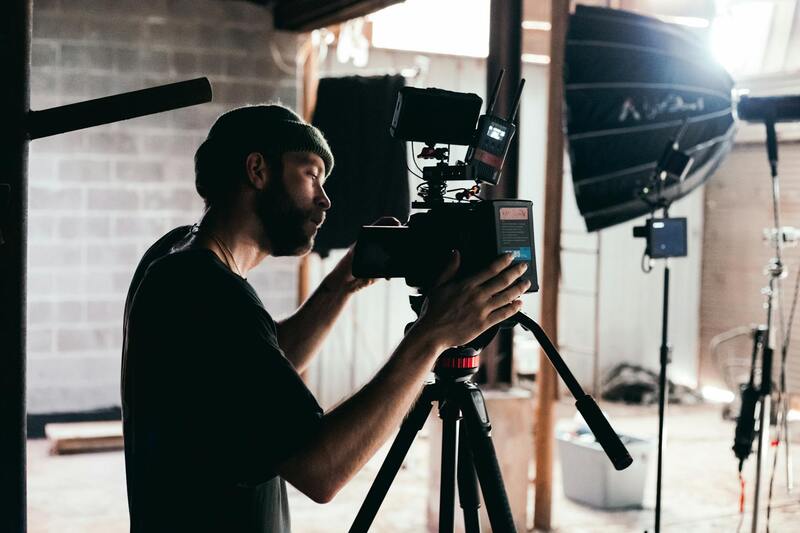
Pre-event testing is fundamental to smooth execution. Conducting rehearsal sessions allows teams to verify equipment functionality, troubleshoot potential problems, and fine-tune their setups for optimal performance. This proactive approach minimizes last-minute surprises, ensuring the broadcast proceeds as planned.
Additionally, employing Content Delivery Networks (CDNs) helps distribute streams efficiently across different geographic locations. This ensures viewers experience minimal latency and buffering, regardless of their physical distance from the source. Proper encoding settings, including bitrate and resolution choices, further contribute to a seamless viewing experience.
Technical Considerations for Successful Streaming
Ensuring a flawless live streaming experience necessitates meticulous planning and precision in technical aspects. A vital requirement is a reliable high-speed internet connection. Dedicated fiber optic lines are preferred for their stability and capacity, ensuring that the broadcast remains uninterrupted even during peak usage. Leveraging multiple internet pathways, such as combining wired connections with LTE backup networks, provides a safety net against unexpected network fluctuations or outages. These redundant connections are crucial during high-stakes events to prevent buffering and interruptions, which can significantly diminish viewer engagement.
In addition to network robustness, hardware reliability plays a pivotal role. Streaming encoders, which convert raw audio and video signals into web-compatible formats, must be high-quality and periodically maintained. Backup encoders should be on standby to take over instantaneously in case of hardware failure. Audio equipment, including microphones and mixers, should be tested thoroughly prior to the event. Clear, crisp sound quality enhances viewer satisfaction and maintains the professional standard of the broadcast.
For visual content, professional-grade cameras with high-resolution capabilities are essential. Proper lighting setups contribute to image clarity and overall production value. During setup, it is recommended to conduct comprehensive pre-event testing—rehearsals that mimic the live environment help identify potential issues and allow for adjustments. This proactive approach reduces the risk of technical difficulties during the actual event.
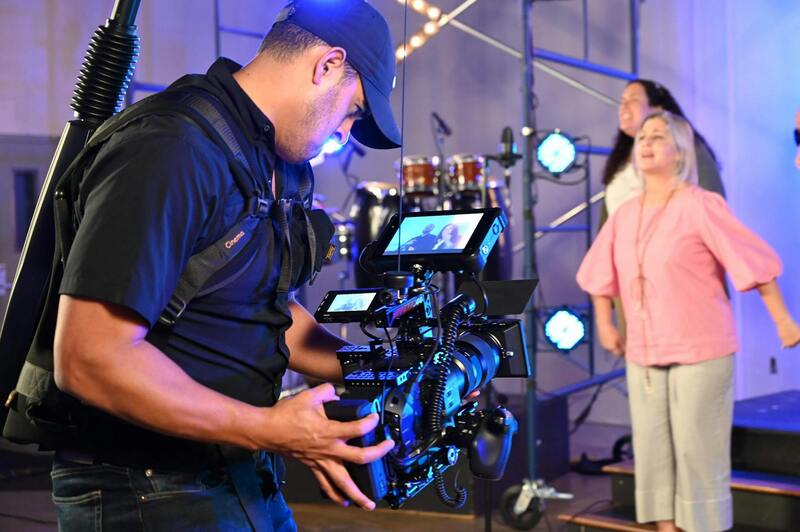
Implementing Content Delivery Networks (CDNs) broadens the stream’s reach and mitigates latency issues. CDNs cache streams at strategic geographic locations, reducing buffering and delivering content smoothly regardless of viewer location. Proper encoding settings—such as optimal bitrate, resolution, and frame rate—are also vital. Selecting the right balance ensures high visual fidelity without overburdening viewers' internet bandwidth, thus providing a seamless viewing experience across diverse devices and connection speeds.
Enhancing Viewer Engagement with Interactive Features
Interactive features transform passive viewership into active participation, making live streams more engaging and memorable. Live polls, Q&A sessions, and real-time chat functionalities encourage audience interaction, fostering community and brand loyalty. These features can be integrated directly into the streaming platform or overlaid visually during the broadcast, providing instant feedback and measurement of audience interest.
Custom branding elements, such as overlays, graphics, and watermarks, personalize the viewing experience and reinforce brand identity. Additionally, integrating social media sharing options allows viewers to disseminate highlights and promote the event organically. These interactive elements not only enhance engagement but also drive broader reach, expanding the event’s visibility.
The Significance of Technical Expertise and Coordination
On-site technical teams with expertise in live production are essential for managing complex setups and troubleshooting unforeseen issues. Their roles include monitoring broadcast quality, adjusting camera angles, managing audio levels, and ensuring streams stay online. Effective coordination among technical staff, hosts, and presenters guarantees a cohesive flow and timely execution of planned content.
During the event, real-time monitoring tools provide insights into stream health, viewer metrics, and hardware performance. These tools enable rapid response to any issues, minimizing downtime. Post-event, comprehensive analysis helps evaluate technical performance, viewer engagement, and overall success, guiding future improvements for subsequent streams.
Technical Considerations for Successful Streaming
Achieving a seamless live streaming experience requires meticulous attention to various technical aspects that ensure high-quality broadcast delivery. The backbone of a professional live stream comprises robust hardware, reliable internet connectivity, and sophisticated software solutions.
Firstly, internet bandwidth plays a critical role. High-speed, dedicated connections are essential to prevent interruptions and buffering issues. Typically, upload speeds of at least 10 Mbps are recommended for standard HD streams, with higher speeds necessary for 4K or multi-camera broadcasts. Redundant internet connections can serve as safeguards against unexpected outages, enabling a seamless switch-over if primary connections are disrupted.
Equipment quality is equally important. Professional-grade cameras and sound systems capture and transmit clear visuals and audio, elevating the viewer’s experience. Multiple cameras not only provide different angles but also enable dynamic shot changes that keep the content engaging. Audio mixers and microphones must be calibrated for balanced sound, and wireless solutions should include interference management to prevent signal loss.
- Encoding hardware and software: Reliable encoders convert raw video feeds into streamable data. Hardware encoders offer lower latency, while software encoders provide greater flexibility and customization.
- Streaming platform: Choosing an appropriate platform that supports the desired features, viewer capacity, and security measures is vital for a smooth broadcast.
- Monitoring tools: Real-time analytics aid in tracking stream health, viewer engagement, and technical performance, allowing immediate adjustments if necessary.
Role of a Miami-Based Production Agency
Engaging a seasoned live streaming production agency in Miami ensures that every technical detail is expertly managed. These agencies bring specialized knowledge of local venues, regulations, and technical infrastructure, which significantly enhances the quality and reliability of the broadcast. Their on-site technical teams are skilled in equipment setup, troubleshooting, and coordination, providing a seamless experience for both organizers and viewers.
Furthermore, local agencies possess a deep understanding of regional audiences and event dynamics, enabling custom solutions that cater to specific market needs. From pre-production planning to on-the-fly adjustments during the event, Miami-based experts facilitate a professional production workflow that minimizes risks and maximizes viewer engagement.
These agencies also handle all aspects of technical setup, including camera placement, lighting, audio configuration, and internet connection verification. Post-event, they provide comprehensive reports and performance analysis, offering insights into audience engagement and stream quality. This systematic approach helps clients refine their future live streaming initiatives for even greater success.
In summary, the technical considerations of live streaming encompass connectivity, equipment, software, and expert management. Partnering with a professional Miami-based production service guarantees meticulous execution, allowing clients to deliver compelling, high-quality live events that resonate with their audience and achieve strategic objectives.
Advanced Technical Setup and Quality Assurance in Live Streaming Production
Ensuring high-quality live streaming requires meticulous technical planning and execution. The core elements include robust internet connectivity, professional-grade broadcasting equipment, and reliable streaming software. These components work harmoniously to deliver smooth, uninterrupted live feed, which is essential for engaging viewers and maintaining professionalism.
Internet connectivity stands as the backbone of a successful live stream. Dedicated high-bandwidth internet connections, often with backup options, ensure that the broadcast remains stable even in the face of network fluctuations. Wireless and wired connections are evaluated for optimal performance, depending on venue infrastructure and event size.
Broadcasting equipment encompasses high-definition cameras, professional audio gear, and lighting setups that enhance visual and sound quality. Strategic camera placement provides dynamic perspectives, while high-quality microphones ensure clear audio. Proper lighting minimizes shadows and highlights key elements of the event, contributing to a polished visual presentation.
Streaming software and hardware encode the live feed, compressing the content into a format compatible with various platforms. Advanced encoders provide features such as multi-source switching, graphics overlay, and real-time stream monitoring. These tools allow for a customized viewing experience and facilitate troubleshooting if technical issues occur.
Pre-event testing is crucial, involving equipment checks, connectivity assessments, and trial runs to identify potential issues. During the live event, real-time monitoring by technical experts detects and resolves problems promptly, minimizing downtime and ensuring a seamless broadcast. This proactive approach is key to delivering a reliable live stream that meets the high standards expected by audiences and clients alike.

Post-event analytics further inform improvements by evaluating stream quality metrics, viewer engagement data, and technical performance. Such insights allow broadcasters to optimize future productions, refine workflows, and enhance overall viewer satisfaction.
In essence, the commitment to technical excellence and quality assurance in live streaming production maximizes audience retention, heightens brand reputation, and ensures that every broadcast delivers the intended message effectively. Collaborating with a dedicated Miami-based production agency equipped with the latest technology guarantees these standards are consistently met and exceeded.
Advanced Post-Production Support and Analytics for Live Streaming
Post-production support plays a crucial role in maximizing the reach and impact of live streaming events. Once the live broadcast concludes, professional editing and content management techniques can be employed to create highlight reels, memorize key moments, and prepare for on-demand availability. These post-event materials serve as valuable assets for marketing, training, or archival purposes, enhancing the overall value of the event.
Analytics is an integral aspect of understanding viewer engagement and optimizing future broadcasts. Detailed data analysis provides insights into viewer behavior, including peak viewership times, geographic distribution, device preferences, and engagement metrics such as chat interactions and retention rates. This data enables broadcasters to refine content strategies, tailor marketing efforts, and improve technical workflows for subsequent events.
State-of-the-art live streaming services incorporate comprehensive analytics dashboards that track critical performance indicators in real time. These dashboards allow production teams to monitor stream quality, bandwidth usage, and viewer interactions, enabling swift adjustments and troubleshooting. Additionally, post-event reports summarize key metrics, offering a thorough evaluation of the event's success and areas for improvement.
Ensuring Data Security and Privacy in Live Streaming
Maintaining the confidentiality and security of live streaming content and viewer information is paramount, especially for sensitive or proprietary material. Professional live streaming production services implement robust security protocols, including encrypted data transmission, secure login credentials, and access controls. These measures prevent unauthorized access and safeguard the integrity of the broadcast.
Another key aspect involves compliance with privacy regulations and best practices. Clear communication regarding data handling policies and obtaining necessary consents contribute to a trustworthy streaming environment. For organizations handling confidential events or proprietary content, choosing a provider that adheres to strict security standards ensures peace of mind and the protection of sensitive information.
Effective security measures combined with advanced content delivery networks (CDNs) guarantee resilient and uninterrupted streaming, even in high-demand situations. Continual monitoring and rapid response protocols are essential to mitigate potential security threats and technical disruptions, reinforcing the reliability of the live streaming operation.
Future Trends in Live Streaming Production
The live streaming industry is continually evolving, driven by technological advancements and changing audience expectations. Emerging trends include the integration of augmented reality (AR) and virtual reality (VR), which offer immersive viewing experiences. These technologies enable viewers to engage with content in innovative ways, such as virtual backstage tours or interactive product showcases.
Artificial intelligence (AI) and machine learning are increasingly used to enhance stream quality, automate production tasks, and personalize viewer experiences. AI-driven analytics can predict viewer preferences, optimize content delivery, and even generate real-time subtitles or translations, broadening accessibility and engagement across diverse audiences.
Furthermore, 5G connectivity promises to reduce latency, improve streaming stability, and support higher-quality video transmissions. This advancement will facilitate smoother, more reliable broadcasts, especially in remote and high-traffic areas. As these trends mature, partnering with a proactive live streaming production provider ensures access to cutting-edge solutions tailored to future demands.