Understanding Live Event Streaming Production
Live event streaming production is the comprehensive process of capturing, transmitting, and broadcasting live events through digital platforms to reach audiences in real-time. This multifaceted process integrates various technologies and strategic planning to ensure a seamless viewing experience. It begins with high-quality video capture, utilizing professional cameras and audio equipment to accurately record the event’s visuals and sound. These feeds are then encoded—compressed into formats suitable for online streaming—using specialized software or hardware encoders.
Transmission follows, where the encoded content is distributed via reliable internet connections and streaming protocols, minimizing latency and preventing interruptions. The final stage involves playback, which delivers the live stream to viewers through web browsers, social media platforms, or dedicated streaming services. Key to this entire process is ensuring synchronization between audio and video feeds, maintaining stream stability, and providing viewers with high-definition, buffer-free access.

Effective live event streaming production requires a harmonious integration of equipment, technology, and meticulous planning. It involves more than just pressing record; it’s about delivering engaging content that preserves the event’s energy and significance. From conferences and concerts to sports events and corporate launches, the goal remains consistent: to provide a reliable, enriching live viewing experience that captures every moment as it unfolds.
Understanding the key elements involved in live event streaming production helps organizers and stakeholders appreciate the complexity of delivering a professional broadcast. Proper planning, advanced equipment, and skilled technical teams are vital in managing unforeseen challenges and ensuring a successful live stream that resonates with audiences long after the event concludes.
Understanding Live Event Streaming Production
Effective live event streaming production hinges on the seamless integration of advanced technology, high-quality equipment, and precise planning. It involves several critical stages that work in tandem to deliver a polished broadcast that captures the essence of the event while ensuring viewers experience minimal disruptions or latency. At the core of this process is the meticulous coordination between hardware components, software solutions, and network infrastructure to uphold a consistent, high-fidelity live stream.
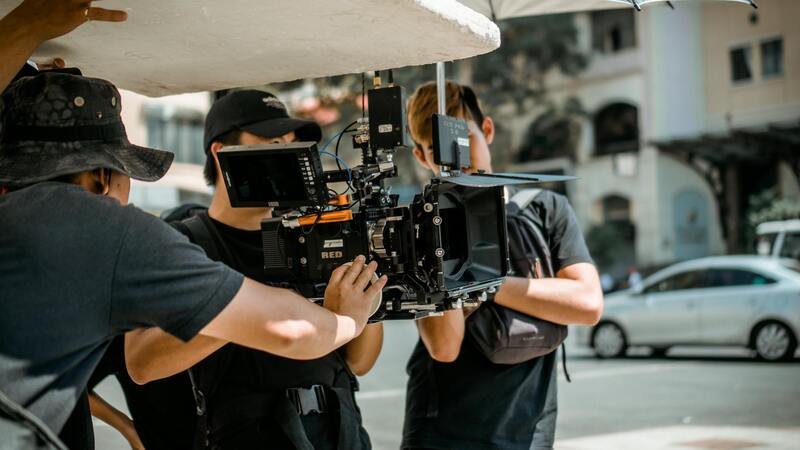
During the preparation phase, organizers and technical teams focus on establishing a robust infrastructure that supports reliable streaming. This involves selecting appropriate cameras capable of capturing high-definition visuals, configuring audio capture devices that prevent noise interference, and deploying encoders that efficiently convert raw signals into digital streams. The encoding process is critical for maintaining clarity, reducing latency, and optimizing bandwidth usage for varied internet connections.
Critical Planning Elements in Live Streaming
- Bandwidth Assessment: Ensuring adequate internet capacity is fundamental to prevent buffering and lag. This involves detailed analysis of the event venue’s connectivity options and possibly implementing dedicated internet lines to guarantee stability.
- Content Layout and Timing: Coordinating camera angles, graphics, and audience engagement features requires careful scripting and timing to deliver a cohesive viewing experience.
- Coordinate Technical Roles: Assigning responsibilities among the team for camera operation, audio management, switching, and streaming ensures smooth real-time production.
- Contingency Planning: Preparing backup equipment and establishing protocols for unforeseen technical issues minimizes the risk of stream interruptions.
Pre-Production Preparations
Before the event, comprehensive rehearsals are conducted to test all systems, check audio and video synchronization, and verify internet connections. This stage also involves preparing visual overlays, overlays, and informational graphics that enhance the viewer's understanding and engagement. Engaging with the event organizers ensures that every element aligns with the content delivery strategy, culminating in a well-orchestrated live stream.
Technological Innovations in Live Streaming
Modern live streaming production leverages innovations such as cloud-based switching and multi-camera control, enabling flexibility and scalability. These solutions allow remote operation, real-time editing, and adaptive bitrate streaming to accommodate various viewer devices and network conditions. Additionally, integration with social media platforms enhances audience reach and interaction, providing a dynamic environment for live engagement.
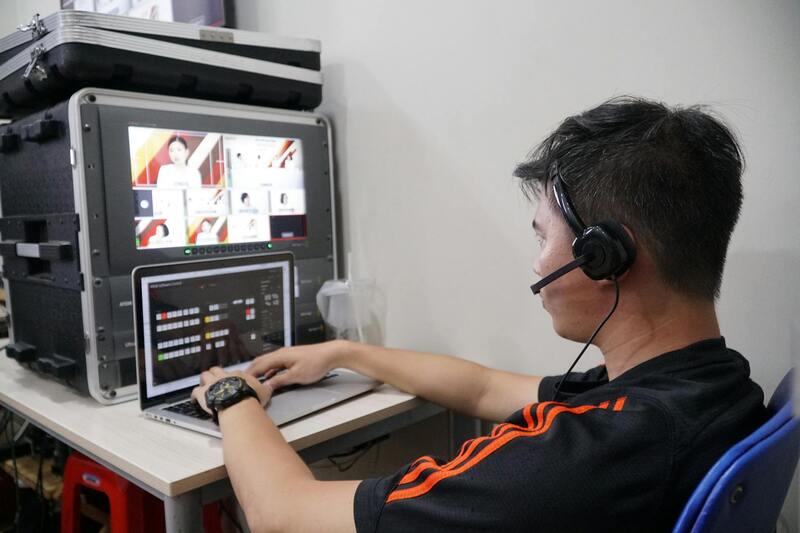
In sum, the foundation of successful live event streaming production lies in meticulous planning, cutting-edge technology, and a skilled technical team committed to delivering a seamless viewing experience. Mastery of these components ensures that every moment of the event is captured, transmitted, and appreciated by audiences, whether they are in the venue or watching remotely from afar.
Advanced Techniques in Live Event Streaming Production
Implementing advanced techniques is essential to elevate the quality and reliability of live event streaming production. Techniques such as multi-camera switching, real-time graphics insertion, and instant replay systems are critical in providing a professional viewing experience. Multi-camera setups allow for varied angles and dynamic coverage, ensuring viewers receive a comprehensive perspective of the event. Automated switching systems enable seamless transitions between cameras, which can be manually operated or controlled via software solutions, providing fluid and engaging broadcasts. Real-time graphics overlay the live feed with informational content, branding, or interactive elements, making the stream more engaging and informative. This can include lower-thirds, event schedules, or social media feeds integrated directly into the broadcast, enhancing viewer engagement. Instant replay systems facilitate capturing key moments and replaying them instantly, which is especially valuable for sports, awards shows, or any event where highlights are important.
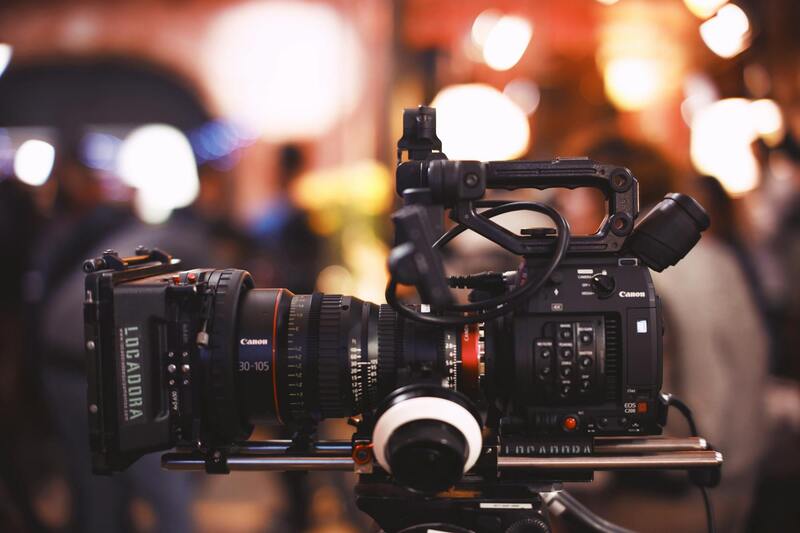
Adopting software-defined production environments streamlines the workflow by integrating various feeds and overlays into a unified platform. These platforms enable operators to manage all aspects of the broadcast from a single interface, increasing efficiency and reducing the likelihood of errors. Moreover, employing cloud-based encoding services allows for scalable bitrates and enhanced distribution channels, ensuring the stream can adapt to multiple viewing devices and network conditions. Furthermore, utilizing adaptive bitrate streaming technology optimizes the viewing experience for audiences with varying internet speeds. It automatically adjusts the quality of the video feed, minimizing buffering and lag, which are common issues during live broadcasts. As the technology evolves, innovations such as 4K resolution streaming, 360-degree video, and augmented reality overlays are becoming increasingly accessible, allowing producers to craft immersive experiences that captivate viewers.
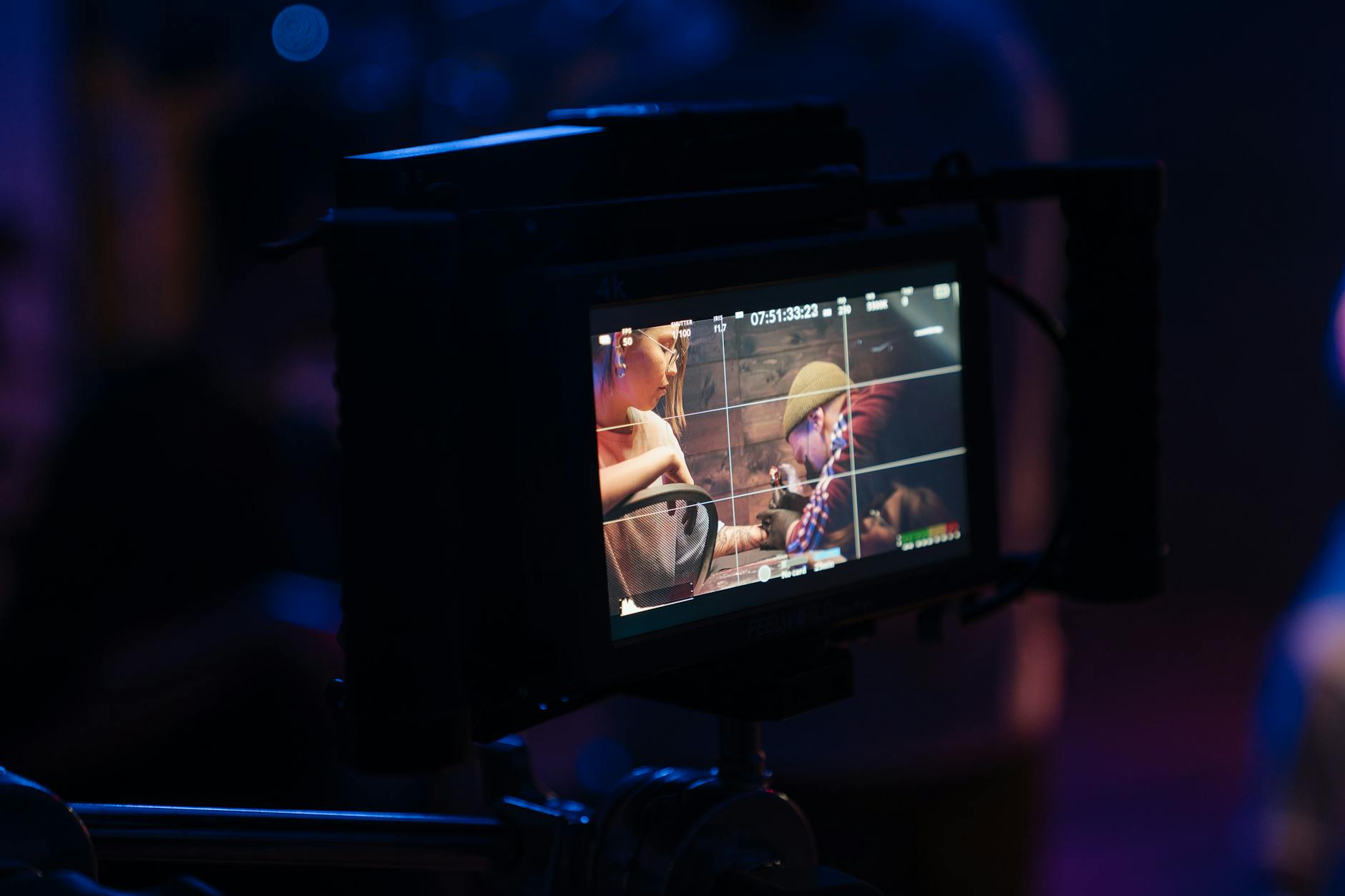
These advancements demand a sophisticated technical team skilled in operating complex equipment and software. Continuous training and staying updated with the latest technological trends are crucial in delivering high-caliber live streams. Effective coordination among camera operators, producers, and technical directors ensures smooth transitions, precise timing, and overall broadcast professionalism.
Implementing Reliable Encoding and Streaming Protocols
Successful live event streaming hinges on the deployment of robust encoding solutions and the adoption of efficient streaming protocols. Encoders, whether hardware-based or software-based, are responsible for converting raw audio and video feeds into a digital format suitable for internet transmission. Professional-grade encoders utilize advanced compression algorithms to maintain high video quality while minimizing bandwidth consumption, thereby ensuring a seamless viewer experience even in the face of fluctuating network conditions.
Choosing the right streaming protocol is equally critical. Protocols such as Real-Time Messaging Protocol (RTMP), Hypertext Transfer Protocol Live Streaming (HLS), and Dynamic Adaptive Streaming over HTTP (DASH) are dominant in live event production. RTMP is primarily used for ingesting streams into a distribution platform, while HLS and DASH facilitate adaptive bitrate delivery to audiences across diverse devices. Adaptive streaming technology automatically detects viewer bandwidth and adjusts the quality of the stream dynamically, reducing buffering and enhancing overall engagement.
Ensuring Network Reliability and Redundancy
Maintaining stable network connectivity is paramount for uninterrupted live transmissions. Advanced live event production teams implement multiple layers of redundancy to safeguard against potential disruptions. This includes dedicated internet lines, backup transmitters, and redundant encoders. Using bonded internet connections that combine multiple networks can significantly amplify bandwidth capacity and provide a failover in case one connection falters.
Additionally, deploying content delivery networks (CDNs) enhances the distribution and scalability of streams by leveraging globally distributed servers. CDNs efficiently deliver content closer to viewers, reducing latency and preventing bandwidth bottlenecks. Integrating multi-platform streaming capabilities ensures the content reaches audiences on various devices, including smartphones, tablets, and smart TVs, with optimized quality tailored to each platform.
Implementing Effective Quality Control Measures
Consistent quality assurance practices are integrated at every phase of the live event production process. Pre-broadcast tests evaluate equipment functionality, internet stability, and streaming configurations. During the live broadcast, real-time monitoring tools track stream health metrics such as bandwidth usage, latency, and packet loss. These metrics enable operators to identify and rectify issues proactively, minimizing viewer impact.
Operator stations are typically equipped with control panels and monitoring screens that provide immediate insights into audio levels, video synchronization, and signal integrity. Automated alerts notify the production team of potential problems, allowing prompt intervention. Post-event analysis provides valuable data that inform future improvements, helping to refine streaming workflows, software configurations, and technical setups.

Understanding Live Event Streaming Production
Effective live event streaming production requires meticulous coordination of various technical and logistical components to ensure a seamless broadcast. It begins with a comprehensive plan that delineates each phase of the event, from initial setup to post-event review. The core aim is to deliver an engaging and uninterrupted viewing experience, which hinges on the reliability of the technology employed and the skill of the production team. When executed properly, live event streaming can significantly expand an event's reach, allowing audiences worldwide to participate in real-time despite geographical barriers.
Key Equipment and Technology Used
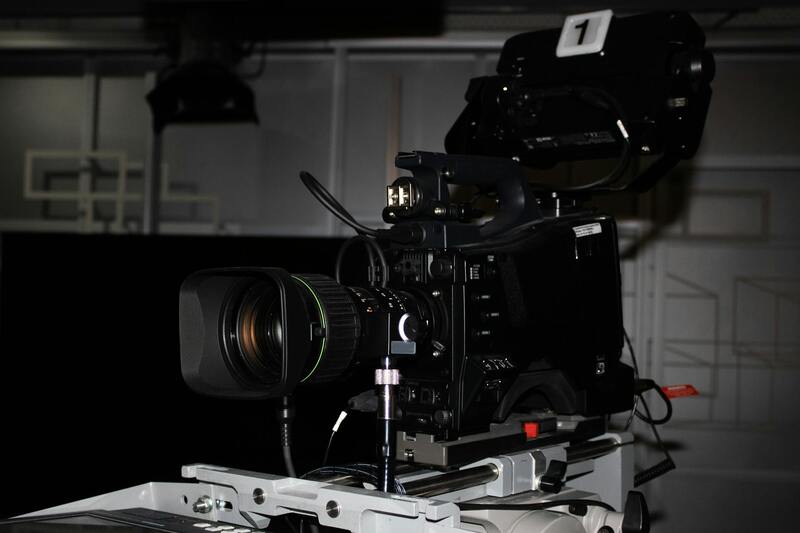
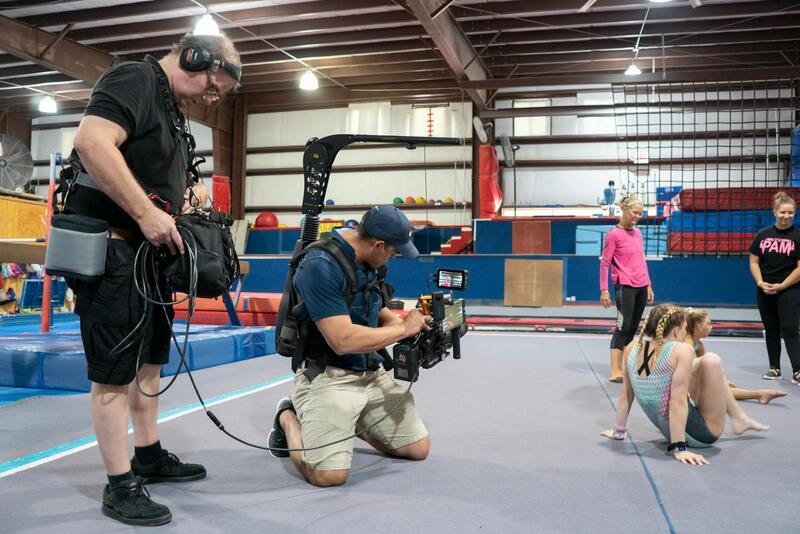
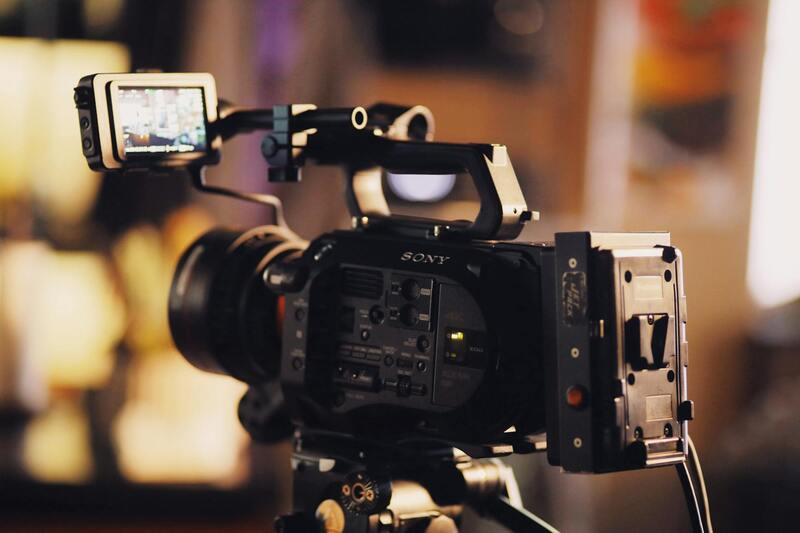
The backbone of a successful live streaming production is the integration of advanced equipment and cutting-edge technology. Central to this are professional cameras capable of capturing high-definition video, often supplemented by stabilized rigs and teleprompters for precision. Audio equipment such as professional microphones, mixers, and wireless systems ensure crisp, clear sound. These elements are connected to high-performance encoding devices that convert raw footage into digital streams suitable for broadcasting.
Next, live streaming platforms and servers facilitate content delivery. These include streaming encoders that manage the transmission, and robust content delivery networks (CDNs) that distribute the stream efficiently across different regions. Stream management software helps monitor real-time performance, allowing operators to adjust settings dynamically. Additionally, multi-platform streaming capabilities enable content to reach viewers on various devices, including smartphones, tablets, and smart TVs, with optimized quality for each platform.
Planning and Pre-Production Strategies
Pre-production is critical to a smooth live event broadcast. It involves a detailed schedule, talent rehearsals, and technical checks to identify potential issues early. Creating a comprehensive storyboard or shot list helps visualize the event flow, ensuring all segments are captured correctly. Technical rehearsals validate equipment setup, test internet connectivity, and confirm encoding settings. Ensuring redundancy, such as backup internet connections and spare equipment, safeguards against unexpected failures.
- Establish clear communication channels among production crew members to facilitate real-time coordination.
- Develop a contingency plan to address potential technical disruptions or equipment malfunctions.
- Coordinate with venue staff and third-party vendors to ensure smooth logistics and timely access to necessary resources.
On-Site Production Setup and Execution
On-site setup extends beyond equipment installation; it involves establishing an organized workflow that supports the live broadcast. Deployment begins with the strategic placement of cameras and audio systems, followed by connecting them to centralized control stations. These stations serve as the command centers, where operators oversee video feeds, audio levels, and encoding processes.
During the event, the production team maintains vigilant monitoring of all technical aspects. Real-time data on stream health, including bandwidth, latency, and signal integrity, informs immediate adjustments. Automated alerts notify operators of anomalies, enabling prompt resolution. Adequate staffing ensures quick response to unforeseen technical issues, minimizing disruptions and ensuring viewers receive a high-quality stream throughout the event.
Constant communication between on-site technical staff and remote operators helps coordinate transitions, manage multiple camera angles, and handle any emergency situations. The use of remote control software allows for seamless switching between feeds, overlays, and graphics, enhancing the overall viewing experience. Additionally, post-event review includes analyzing streaming metrics and recording footage for future reference or promotional use.
Understanding Live Event Streaming Production
Live event streaming production encompasses a comprehensive set of processes designed to broadcast real-time events over digital platforms. This involves the integration of sophisticated equipment, advanced technology, meticulous planning, and precise execution to ensure a seamless viewing experience for remote audiences. In the context of Miami, a city known for its vibrant cultural events, sports tournaments, corporate conferences, and entertainment festivals, professional live streaming services play a pivotal role in enhancing event reach and engagement.
The foundation of a successful live stream lies in a well-structured workflow that begins well before the event commences. This includes pre-production planning, which determines the technical requirements, content flow, camera angles, and audio setups. Effective coordination among all team members ensures that each element aligns with the event’s objectives, audience expectations, and platform specifications. During the event, dedicated on-site and remote teams work collaboratively to monitor streams, troubleshoot issues, and make real-time adjustments, creating a fluid and engaging viewing experience. Post-event analysis further refines the process, providing data-driven insights to improve future productions.

Key Equipment and Technology Used
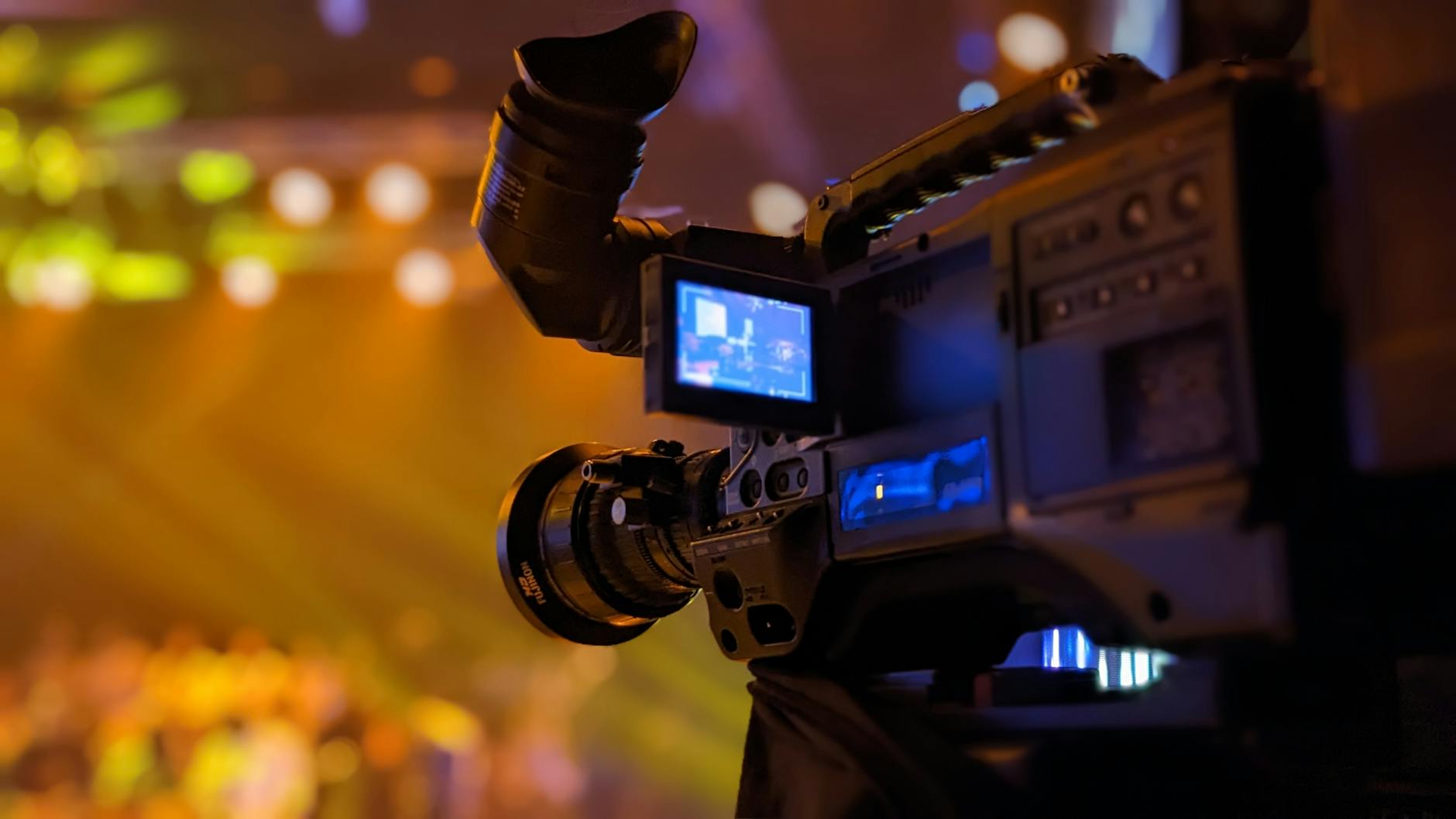
Executing a professional live event stream hinges on deploying state-of-the-art equipment tailored to the event’s scale and complexity. Essential components include multiple high-definition cameras capable of capturing diverse angles, allowing for dynamic coverage that maintains viewer interest. Video switchers facilitate seamless transitions between camera feeds, while professional audio equipment ensures crystal-clear sound quality and balanced audio levels.
Encoding hardware and software compress and transmit video signals efficiently over the internet, accommodating varying bandwidth capacities without compromising quality. Video servers store recorded footage and backup streams, providing redundancy and facilitating post-event content distribution. Additional tools such as graphics generators, overlay systems, and live captioning software enhance the professionalism and accessibility of the broadcast.
Critical Technologies
- High-definition Cameras (HD/4K)
- Video Switchers and Mixer Boards
- Audio Input Systems and Mixers
- Streaming Encoders
- Content Delivery Networks (CDNs)
- Backup and Redundant Servers
- Graphics and Overlay Systems
- Real-time Monitoring Tools
Planning and Pre-Production Strategies
Successful live event streaming begins with comprehensive planning that spans from conceptualization to technical rehearsals. Developing a detailed production plan involves identifying key moments, determining camera placements, and coordinating with event organizers to synchronize schedules. Technical surveys help assess venue infrastructure, available bandwidth, and power sources, ensuring the equipment setup aligns with the venue’s capacity.
Pre-production also includes legal and content considerations, such as permission rights and branding requirements. Creating shot lists, backup plans for equipment failure, and communication protocols among the crew members is vital for minimizing risks during the actual broadcast. Conducting technical rehearsals allows the team to identify potential issues and optimize camera angles, audio levels, and streaming parameters, ensuring a smooth live experience.
Key Pre-Event Activities
- Technical site surveys
- Coordination meetings with event staff
- Rehearsals with all technical components
- Specification of streaming platforms and target audiences
- Preparing contingency plans for technical failures
Ensuring Reliablebandwidth and Network Stability
One of the primary concerns during live event streaming production is maintaining a stable and high-quality internet connection. This involves assessing the venue's existing network infrastructure and implementing dedicated, high-capacity internet lines to prevent bandwidth fluctuations. Employing bonded internet solutions, which combine multiple network sources such as fiber, LTE, or 5G, can significantly enhance stability and throughput, ensuring a seamless streaming experience.
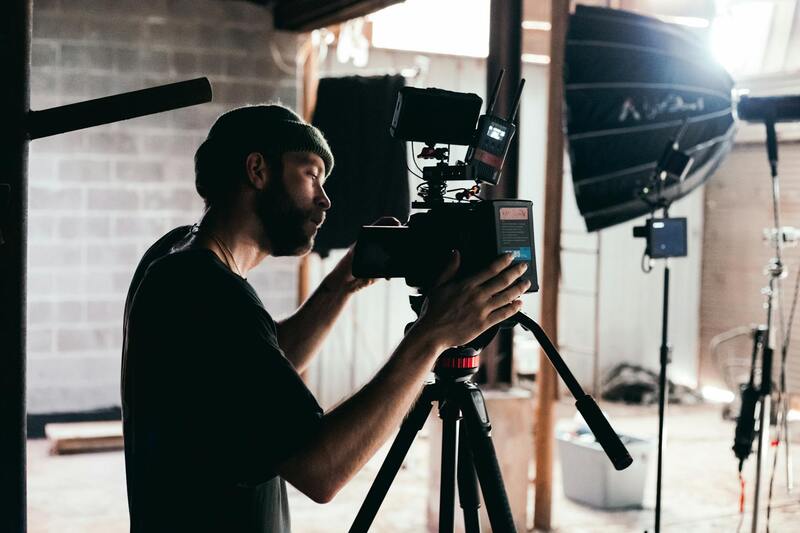
During the setup, technical teams often perform speed tests to verify upload speeds meet the demands of HD or 4K streaming. Implementing Quality of Service (QoS) protocols helps prioritize streaming traffic over other network activities, reducing latency and packet loss. These measures are vital in minimizing buffering or stream interruptions, particularly in large-scale events or locations with congested networks.
Utilization of Redundant Hardware and Failover Systems
Redundancy in hardware components plays a critical role in live streaming resilience. Backup encoders, switchers, and power supplies are standard components within the production setup. For example, dual streaming encoders can be configured to automatically take over if the primary encoder encounters a failure, ensuring continuous broadcast. Similarly, having backup cameras and audio equipment ready allows the team to quickly switch to alternative sources if necessary.
Failover mechanisms extend beyond hardware, incorporating automated software solutions that detect stream disruptions and switch to pre-recorded content or alternate servers. These strategies are essential for maintaining stream integrity during unexpected technical issues, thus providing viewers with an uninterrupted experience.
Implementing Content Delivery Networks (CDNs) for Global Accessibility
Distributing the live stream via Content Delivery Networks (CDNs) is fundamental to reaching a geographically dispersed audience effectively. CDNs cache content in numerous servers worldwide, reducing latency and load times. Selecting a reputable CDN provider ensures robust delivery, even during high viewer volumes or traffic spikes.
Proper configuration of streaming workflows to integrate with CDNs involves encoding settings aligned with CDN specifications, as well as ensuring sufficient bandwidth allocation. Monitoring tools can track stream performance in real-time, enabling prompt adjustments if issues arise, thus safeguarding the viewer experience across various devices and locations.
Quality Control and On-Site Monitoring
On-site technical monitoring is crucial during live events. Using real-time monitoring tools, operators track video quality, audio synchronization, and stream health continuously. These systems provide instant alerts for issues such as dropped connections, audio imbalances, or pixelation, allowing for immediate corrective actions.
Effective quality control also involves pre-event testing and on-the-fly adjustments to camera angles, audio levels, and streaming parameters. Having a dedicated control room with a team of specialists ensures that each element of the production is optimized to deliver the highest quality stream, minimizing the risk of technical glitches and enhancing overall viewer satisfaction.
Ensuring Reliable Delivery and Post-Event Analysis in Live Streaming
Guaranteeing a seamless live stream extends beyond the initial broadcast, encompassing reliable content delivery and comprehensive post-event evaluation. Utilizing top-tier Content Delivery Networks (CDNs) is pivotal in maintaining uninterrupted access, especially for large-scale events with diverse audiences across different regions. Selecting a reputable CDN provider ensures compatibility with streaming protocols, optimal latency management, and the capacity to handle peak viewer loads without compromise to stream quality.
Post-event analysis plays a critical role in refining future live streaming strategies. Detailed analytics on viewer engagement, stream stability, buffering issues, and overall quality help production teams understand what worked well and identify areas requiring improvement. Live streaming platforms often provide insights into viewer metrics, geographic data, and device usage patterns, enabling targeted adjustments for subsequent events.
Implementing Effective Content Preservation and Archive Strategies
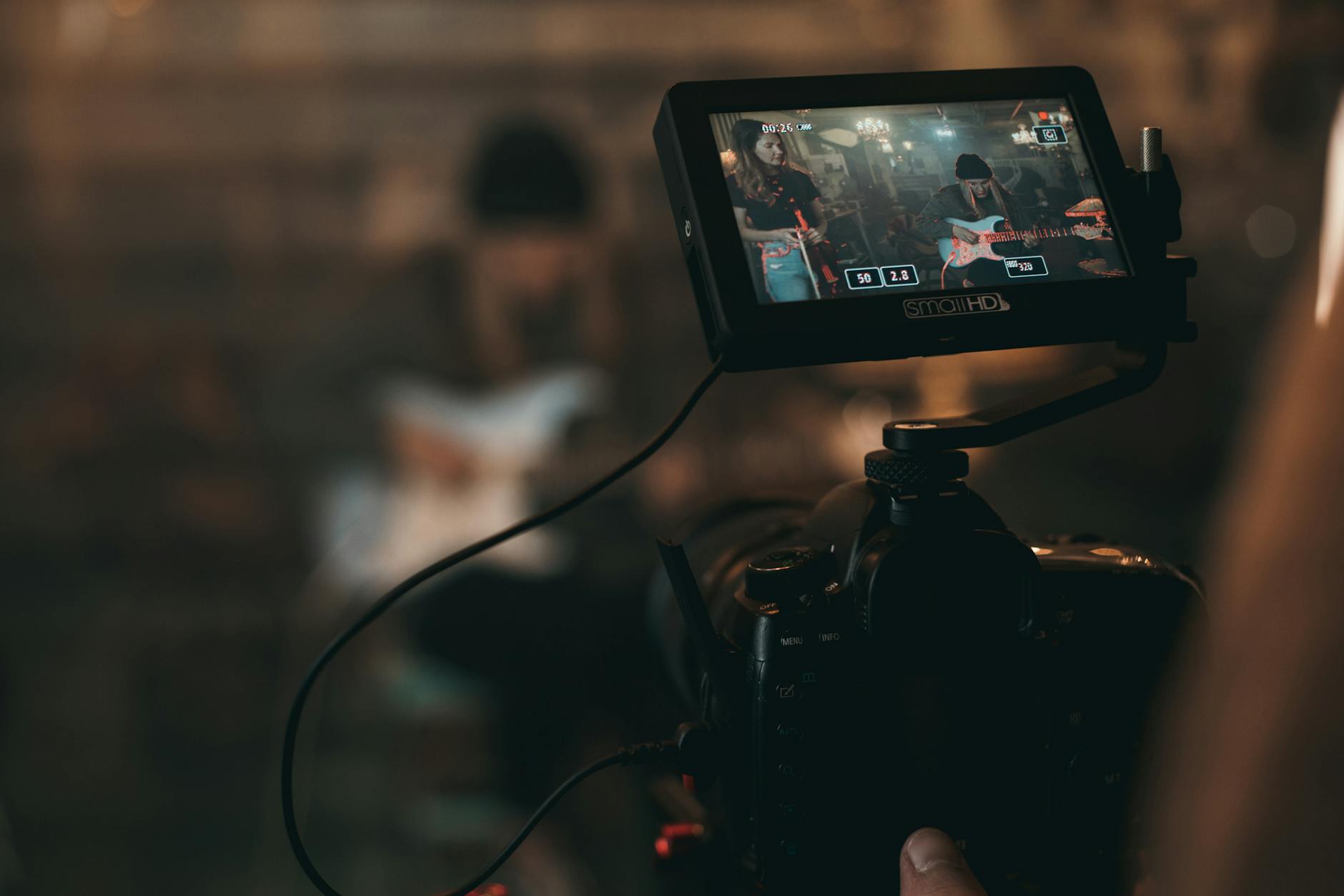
Recording live events residuals serve multiple purposes, including content archiving, promotional material creation, and training resources. Employing professional hardware and software for recording ensures high-resolution capture with synchronized audio, preventing quality loss even during complex multi-camera setups.
Archived content can be indexed and stored securely on cloud platforms or dedicated servers, facilitating quick retrieval for on-demand streaming or marketing initiatives. Additionally, this allows event organizers to extend the lifespan and reach of their content far beyond the live broadcast, maximizing value and engagement.

Maintaining Ongoing Support and Upgrades
Live event streaming technology evolves rapidly, necessitating continuous updates and maintenance of production equipment and software. Partnering with a dedicated Miami-based production company that prioritizes ongoing support ensures technical systems remain current and capable of handling emerging formats and streaming standards.
This ongoing support encompasses routine equipment maintenance, software updates, and staff training to adapt to new tools and techniques. Regular upgrades also preempt potential technical issues, reducing the risk of disruptions during critical live events. Streamlining support processes allows the production team to address issues swiftly, uphold high-quality standards, and deliver consistent results.
Final Considerations for Choosing a Live Streaming Production Partner in Miami
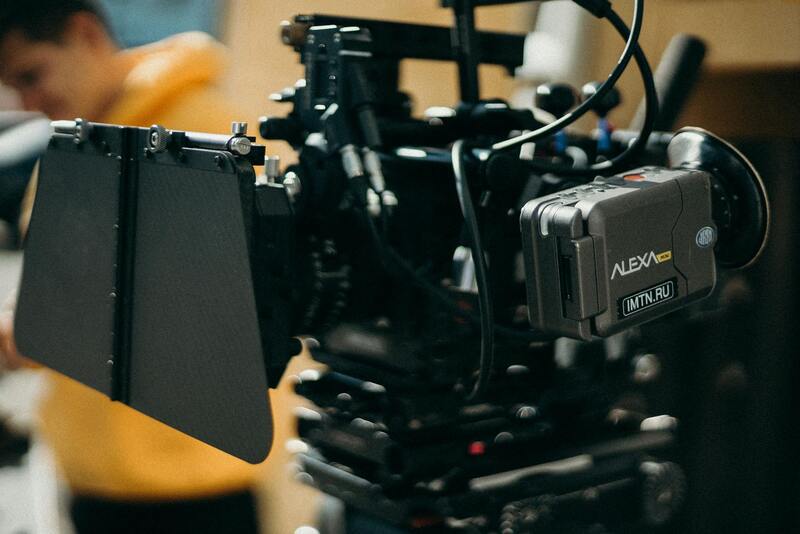
Selecting an established Miami-based live event streaming provider involves evaluating their engineering expertise, technological infrastructure, and previous client projects. Transparency in their workflow, adherence to best practices, and direct communication channels foster trust and clarity throughout the production process.
Assessing their ability to customize solutions according to event-specific needs, along with offering on-site consultation and support, ensures that any logistical or technical challenges are effectively managed. An experienced local partner also provides invaluable familiarity with regional considerations, permitting smoother coordination for successful event execution.