Overview of Broadcast Streaming Production Services
Broadcast streaming production companies provide comprehensive solutions to deliver high-quality live content across digital platforms. Their core services encompass live event coverage, multi-camera production, and seamless integration with various streaming platforms. These companies are equipped to handle a broad spectrum of live broadcasting needs, including concerts, sports events, corporate presentations, religious gatherings, and community celebrations. They ensure that viewers receive uninterrupted, crystal-clear streams, regardless of geographical barriers, by leveraging advanced streaming technology and robust infrastructure.
One of the primary offerings is live event coverage, where production teams coordinate multiple camera feeds to capture every angle of an event. This multi-camera approach enhances viewer engagement by providing dynamic visuals and a professional look. Simultaneously, the integration of streaming platforms such as YouTube Live, Facebook Live, or custom websites enables real-time distribution to a global audience, increasing reach and visibility.
Most broadcast streaming production companies in Miami focus on end-to-end service delivery. This begins with pre-event planning and continues through live execution and post-event content management. They typically assemble a specialized crew consisting of directors, camera operators, sound engineers, and technical specialists to guarantee seamless operation. The end goal is to deliver a high-quality viewing experience that meets the specific objectives of each client, whether for public events, corporate communication, or entertainment.

Partnering with a professional broadcast streaming production company in Miami enables organizations to leverage cutting-edge technology and skilled personnel. These companies conduct thorough planning sessions to understand event goals, audience demographics, and technical requirements, ensuring a tailor-made solution. The combination of strategic planning and technical expertise guarantees a smooth production process, from setup to live streaming, providing an engaging viewing experience and broadening audience reach.
By investing in specialized services such as real-time graphics, multiple audio feeds, and interactive elements, broadcast streaming production companies elevate the overall quality of live streams. Their technical proficiency ensures minimal latency, high video resolution, and reliable connectivity, which are critical for delivering professional-grade broadcasts consistently. This comprehensive approach allows clients to focus on their event content while trusting the production team to handle all technical aspects effectively.
Key Equipment and Technology Used
To ensure flawless live streaming, broadcast streaming production companies rely on a comprehensive array of advanced equipment and cutting-edge technology. Central to this is high-definition (HD) and ultra-high-definition (UHD) cameras, which capture live events with clarity and vibrant detail. These cameras are often equipped with multiple lenses and remote control capabilities to adapt to various shot requirements and angles, providing dynamic coverage for viewers.
Video encoders play a critical role in converting raw footage into streams compatible with online platforms. Professional encoders support multiple bitrates and resolutions, allowing for adaptive streaming that adjusts to viewers' internet speeds, resulting in a smooth and uninterrupted viewing experience. Alongside encoders, video switchers enable seamless transitions between different camera feeds, graphics, and pre-recorded segments, contributing to a polished final broadcast.
Reliable streaming infrastructure is essential for maintaining stability during live events. This includes high-capacity internet connections, backup networks, and redundant servers to prevent disruptions. Load balancers and content delivery networks (CDNs) further distribute the stream efficiently across various regions, ensuring that audiences receive high-quality video without latency or buffering issues.
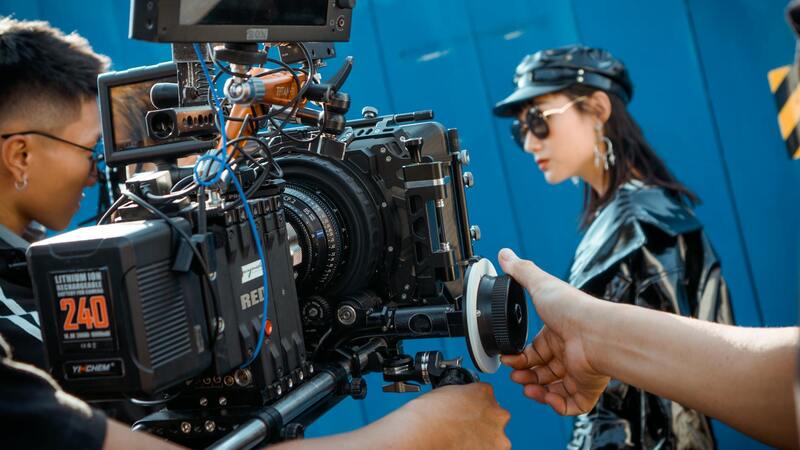
Audio components such as professional microphones, digital mixing consoles, and audio processors work alongside video gear to deliver clear, synchronized sound. Multi-channel audio feeds and real-time sound mixing enhance the overall production, allowing audiences to experience immersive soundscapes.
Interactive elements like real-time graphics, overlay captions, and lower-thirds are integrated using specialized software and hardware. These features add professionalism and contextual information to the broadcast, enriching viewer engagement.
Planning and Pre-Production Processes
Effective live streaming begins with meticulous planning and collaboration. Production teams conduct comprehensive pre-event assessments to understand technical requirements, content structure, and audience expectations. This involves detailed site surveys to evaluate internet bandwidth, power sources, and available infrastructure.
Content mapping and storyboarding are crucial to organize camera shots, graphics, and transitions. During pre-production meetings, clients communicate their branding guidelines, specific event highlights, and any interactive features they wish to incorporate. Technical rehearsals follow, allowing the crew to troubleshoot potential issues and fine-tune equipment settings.
Production Workflow and Execution
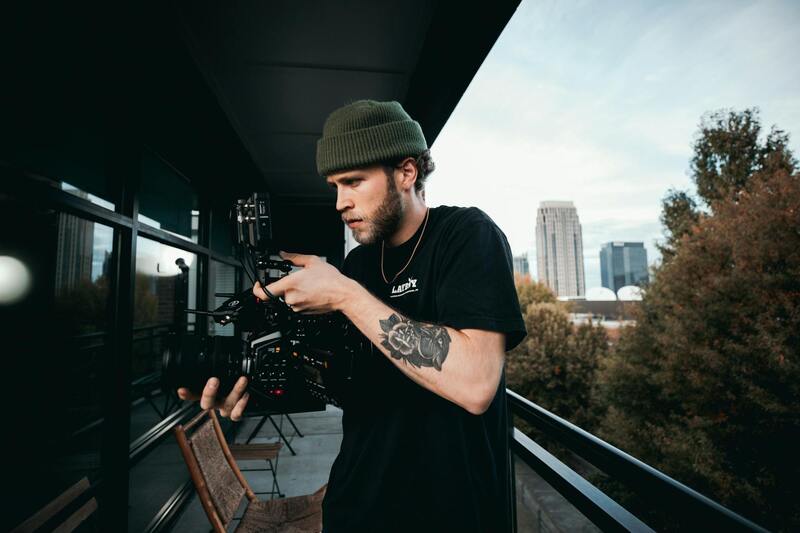
During the event, the production team executes a real-time workflow that demands precision and coordination. Cameras are operated by trained technicians who adjust framing and focus based on the live feed. Simultaneously, the production director manages camera cuts, graphic overlays, and embedded content through the switcher, maintaining a cohesive presentation.
Quality control is continuous, with specialized engineers monitoring video signals, audio clarity, and streaming stability. Multiple team members work in unison to make quick adjustments and troubleshoot any emerging issues, ensuring a professional-grade broadcast.
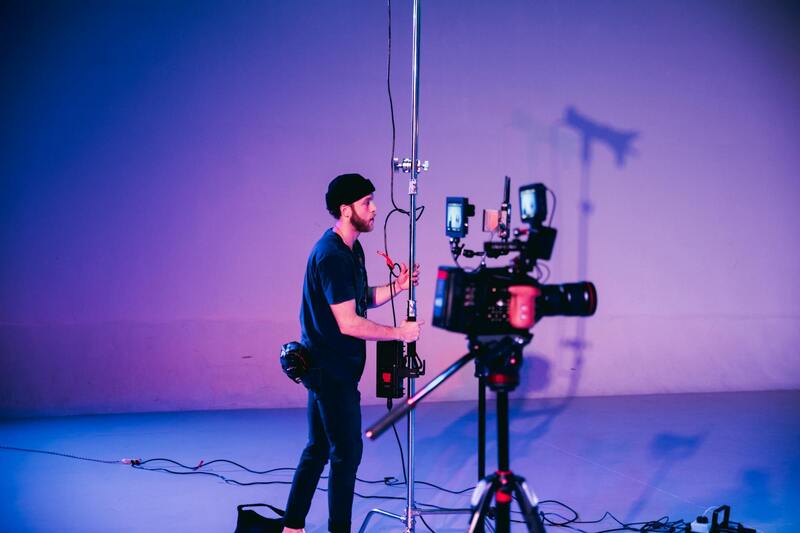
Efficient communication among crew members, along with pre-planned cues and contingency plans, helps mitigate potential technical challenges. The end result is a seamless streaming experience that maintains audience engagement and achieves client objectives.
Production Workflow and Execution
Executing a professional broadcast streaming production requires meticulous coordination and adherence to established workflows. Once all pre-production preparations are complete, the production team transitions into live operation, where precision and real-time decision-making are critical. During this phase, trained camera operators continuously adjust framing, focus, and camera angles to capture the most engaging visuals. These adjustments are guided by the director, who monitors the live feed on a video switcher, making seamless cuts between different camera angles to enhance viewer engagement and storytelling flow.
Simultaneously, graphics operators and content specialists overlay visual elements such as lower thirds, branding logos, or real-time statistics, ensuring that these enhancements align with the event’s objectives. Audio engineers monitor sound quality, mixing multiple audio feeds to ensure clarity and balance, which is essential for maintaining audience attentiveness. Stream management technicians oversee the stability of the internet connection and streaming servers, implementing secondary backup systems to mitigate potential disruptions.
- Camera Operation: Skilled technicians manage multiple cameras, adjusting settings for optimal image quality under dynamic lighting conditions.
- Audio Management: Clear communication and sound clarity are maintained through professional mixing and multi-channel audio feeds.
- Graphics Integration: Real-time overlays and branding elements are incorporated seamlessly to enhance visual engagement.
- Stream Monitoring: Continuous oversight of internet connection and broadcast quality ensures minimal latency and buffer issues.
Effective Communication and Contingency Planning
Transparent communication channels among crew members are fundamental during live production. Pre-established cues and scripts are followed precisely to maintain a smooth flow. Contingency plans are in place to address common technical issues, such as internet outages or equipment malfunctions, with backup systems ready to activate instantly. These measures guarantee uninterrupted streaming, preserving the professionalism of the broadcast and safeguarding the client’s reputation.
In sum, a cohesive, well-orchestrated production workflow is vital for delivering high-quality live streams. It involves dedicated personnel and specialized equipment working in harmony to handle dynamic scenarios swiftly, ensuring the audience receives an engaging, interruption-free experience capable of meeting or exceeding expectations.
Overview of Broadcast Streaming Production Services
Broadcast streaming production services encompass a comprehensive suite of solutions designed to deliver high-quality live content to diverse audiences across multiple platforms. These services include full-scale event coverage, corporate presentations, sports events, concerts, and educational webinars, all managed by a team of seasoned professionals dedicated to technical excellence. A reliable broadcast streaming production company combines advanced equipment, strategic planning, and technical expertise to ensure seamless delivery under varying conditions, providing clients with a polished, engaging digital experience.
In Miami, a city renowned for its vibrant cultural scene and dynamic business environment, the demand for high-caliber streaming services continues to grow. A specialized broadcast streaming production company leverages cutting-edge technology to facilitate multi-camera setups, graphics integration, live switching, and real-time monitoring. These elements work in concert to produce broadcasts with broadcast-quality visuals and crystal-clear audio, ensuring the audience remains captivated throughout the event. From small-scale webinars to large-scale festivals, a proficient production team employs meticulous planning and execution to meet diverse client objectives and technical requirements.
Key Equipment and Technology Used
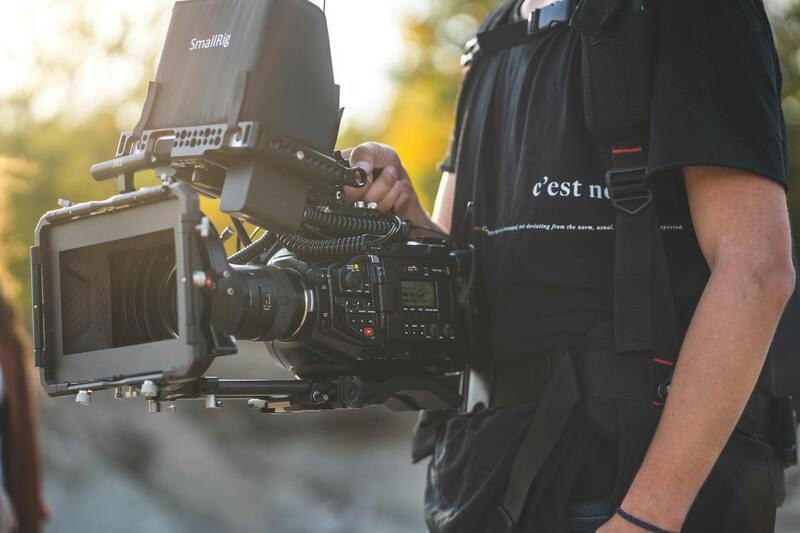
Delivering high-quality broadcast streams relies on state-of-the-art equipment that caters to the demands of dynamic live events. Central to this setup are professional-grade cameras capable of capturing in 4K resolution, ensuring detailed imagery under various lighting conditions. These cameras are often complemented by high-performance switchers that facilitate seamless real-time transitions between multiple video sources, creating a fluid viewing experience.
Audio fidelity is equally critical, with multi-channel mixer consoles providing precise control over sound inputs from microphones, instruments, or other sources. This setup guarantees clear, balanced audio, free from distortions or unwanted background noise. Additionally, real-time graphics systems enable the overlay of branding, lower thirds, scores, or other visual elements, enhancing viewer engagement and reinforcing branding objectives.
Reliable internet connectivity is the backbone of any successful streaming operation. Advanced streaming encoders encode live video streams into various formats, optimizing for bandwidth efficiency and compatibility across devices. Redundant internet connections and backup power supplies ensure the broadcast remains uninterrupted, even in unforeseen circumstances. Monitoring tools track stream health continuously, allowing operators to address issues proactively and maintain high transmission standards.
Planning and Pre-Production Processes
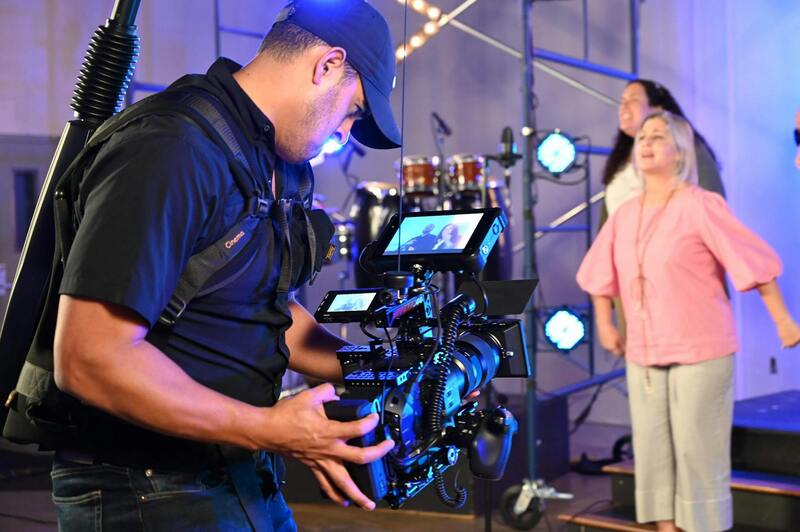
Effective broadcast streaming begins long before the cameras roll. Pre-production planning involves detailed coordination between clients and the production team. This process includes defining the event scope, establishing technical requirements, and developing a comprehensive production timeline. Clear communication channels and alignment of expectations are essential to synchronize all stakeholders.
Site surveys assess venue layout, lighting conditions, and power availability, enabling the team to determine necessary equipment placement and to identify potential challenges. Execution of storyboards, shot sheets, and run schedules ensures that each segment and camera angle is planned meticulously. Additionally, pre-cut graphics, titles, and overlays are prepared in advance to streamline live graphics integration.
Technical rehearsals are a crucial component, allowing the crew to test equipment functionality, verify internet stability, and refine camera and audio settings. This preemptive approach minimizes errors during the live event, ensuring a smooth and professional broadcast. Contingency planning involves preparing backup equipment, alternate streaming pathways, and emergency protocols to address possible technical hiccups swiftly.
Overview of Broadcast Streaming Production Services
Broadcast streaming production companies provide comprehensive services to relay live events and curated content effectively across digital platforms. These companies are responsible for the entire production process, from initial planning to post-event distribution. They utilize advanced technology and professional staffing to ensure seamless streaming experiences for viewers worldwide. Key elements include multi-camera setups, real-time graphics integration, and sophisticated audio-visual control systems to maintain high-quality output. By managing all technical aspects, these firms enable clients to focus on their core event, whether it’s a corporate conference, concert, or sports event, while ensuring the broadcast meets the highest standards of clarity, stability, and engagement.

Key Equipment and Technology Used
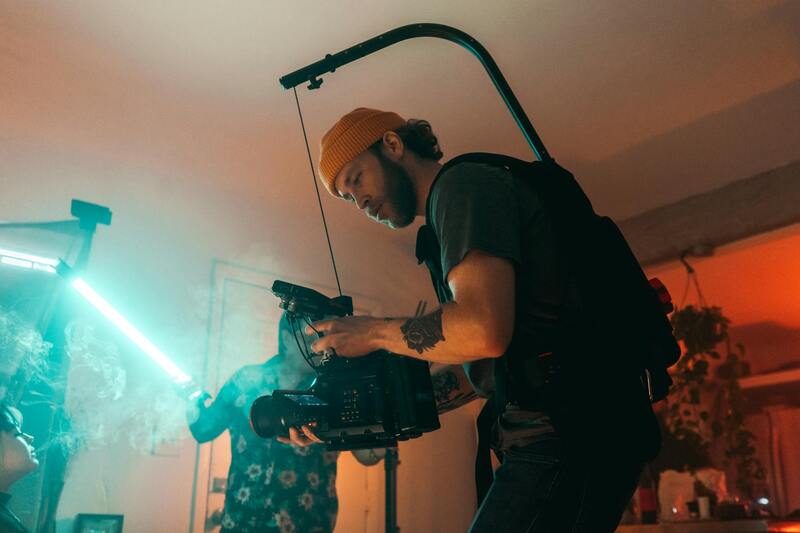
State-of-the-art broadcast streaming relies heavily on specialized equipment designed for reliability and versatility. Main hardware includes multi-camera systems equipped with high-definition lenses capable of capturing detailed visuals from various angles. Video switchers are used to seamlessly transition between camera feeds, while video encoders convert raw footage into digital streams compatible with numerous online platforms. Audio mixers and microphones ensure clear sound quality, even in challenging environments. Quality internet connectivity, often backed by dedicated fiber lines and redundancy systems, is crucial for uninterrupted transmission. Streaming servers and content delivery networks (CDNs) help distribute content efficiently, reducing latency and buffering issues for viewers across different regions.
Planning and Pre-Production Processes
Effective broadcast streaming begins well before the cameras start rolling. Pre-production involves meticulous planning to align technical and creative elements. Initial steps include comprehensive site surveys to evaluate venue layout, available infrastructure, lighting conditions, and power sources. These assessments inform decisions regarding camera placement and technical setup. Collaborations with clients are essential to develop detailed storyboards, shot sheets, and run schedules, ensuring every segment and camera shot is accounted for. Preparing graphical overlays, lower-thirds, and titles in advance accelerates live content integration. Technical rehearsals follow, where the crew tests equipment, verifies internet stability, and fine-tunes audio and visual settings. This phase also encompasses contingency planning—organizing backup devices, alternative streaming routes, and emergency protocols to address unforeseen issues proactively.
Production Workflow and Execution
During the actual event, a carefully executed workflow ensures a smooth broadcast. The production team manages multiple responsibilities simultaneously, including switching camera feeds, managing live graphics, and monitoring audio levels. Real-time communication between camera operators, directors, and technical staff is vital to coordinate transitions, insert graphics, and troubleshoot any emerging issues. Using mixing consoles and broadcast control software, operators evaluate each moment to deliver an engaging viewer experience. Network health tools continuously monitor stream quality, allowing the team to address issues promptly. Effective coordination and rapid decision-making are key to maintaining broadcast integrity, especially during dynamic segments or unexpected technical hiccups.
Compliance, Licensing, and Quality Standards
Ensuring that all broadcast streaming activities adhere to established compliance, licensing, and quality standards is vital for delivering professional-level content that meets industry expectations. A reputable broadcast streaming production company maintains rigorous oversight of licensing agreements, ensuring that all visual, auditory, and copyrighted materials are used appropriately and with proper authorization. This reduces the risk of content removal, fines, or other legal complications that could arise from unauthorized use of copyrighted assets.
Quality assurance is a continuous process that involves verifying audio clarity, video resolution, synchronization, and overall stream stability. Production companies implement standardized protocols and utilize advanced monitoring tools to track stream performance in real time. This includes checking for pixelation, lag, buffering, or audio dropouts, and addressing issues promptly to preserve viewer engagement.
Furthermore, adherence to industry standards, such as those set by the Society of Motion Picture and Television Engineers (SMPTE) or the Video Electronics Standards Association (VESA), ensures consistency and compatibility across diverse devices and platforms. This commitment to quality is complemented by thorough staff training and ongoing certification programs, equipping the team with up-to-date knowledge on the latest practices and technologies in broadcast streaming.
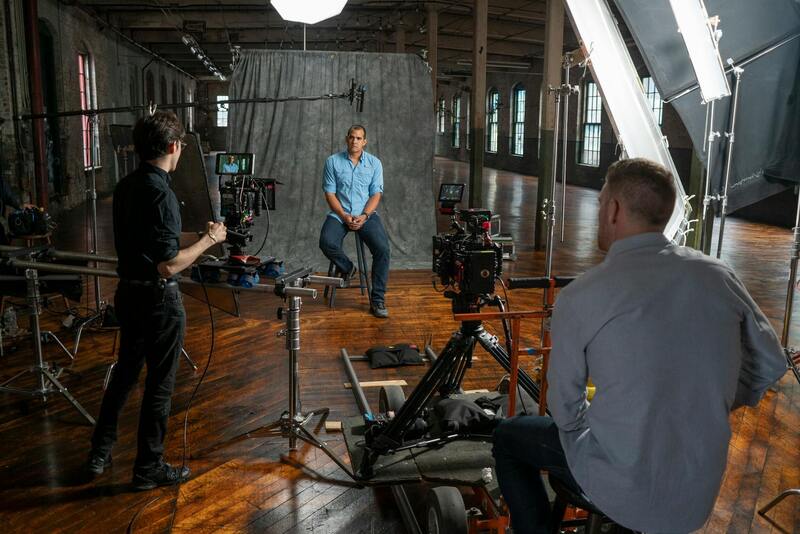
By focusing on these core elements—licensing, quality control, and adherence to industry standards—a Miami-based broadcast streaming production company guarantees that your event or content delivery is both professional and compliant, providing a seamless experience for your viewers and meeting all necessary operational guidelines.
Advanced Techniques for Enhancing Broadcast Quality
Implementing cutting-edge techniques is vital for maintaining high standards in broadcast streaming production. Utilizing multi-camera setups allows for dynamic coverage, providing viewers with multiple angles and a more engaging experience. Each camera must be synchronized precisely, which requires sophisticated video switchers and real-time processing equipment to ensure seamless transitions.
Integrating live graphics, overlays, and real-time data feeds enhances visual appeal and viewer engagement. These elements demand robust graphics engines and real-time rendering capabilities to ensure synchronization with live footage. Additionally, employing adaptive streaming technologies adjusts video quality dynamically based on viewer bandwidth conditions, minimizing buffering and maintaining a consistent viewing experience across diverse devices.
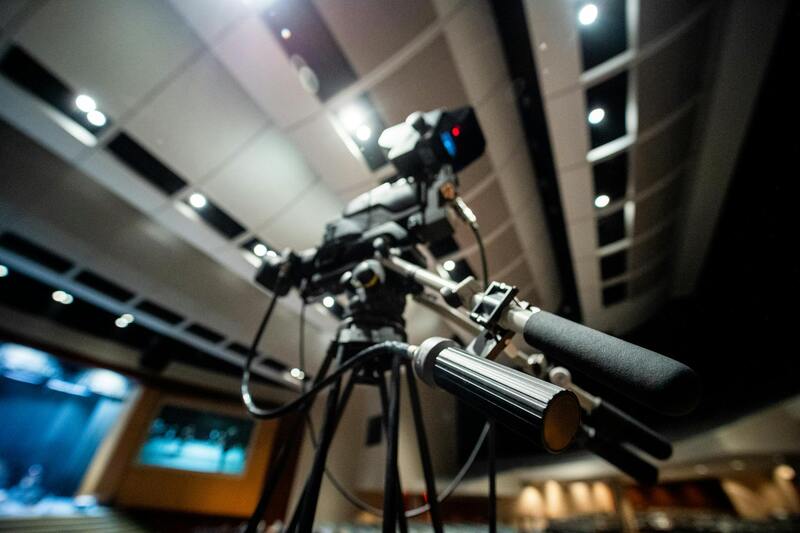
Audio quality stands as equally important as video clarity. Advanced audio mixing consoles and digital signal processing (DSP) systems are used to manage multiple audio sources, ensuring clarity, balance, and synchronization with video feeds. Using wireless microphone systems, along with noise reduction and echo cancellation techniques, guarantees that spoken content remains intelligible throughout the broadcast.
Deploying Redundant Systems for Reliability
To uphold uninterrupted streaming, reliable redundancy measures are essential. This includes the deployment of backup internet connections, power supplies, and video feeds. Failover protocols automatically switch to backup systems in case of technical issues, minimizing potential disruptions to the live broadcast.
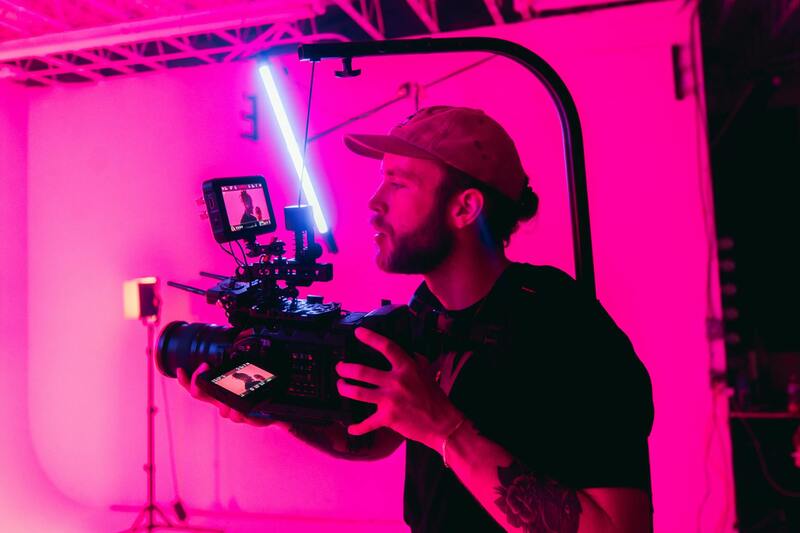
Furthermore, real-time monitoring tools are crucial for oversight during live events. These systems track signal integrity, stream stability, and viewer engagement metrics, allowing technical teams to address issues proactively. Implementing automated alerts for anomalies helps maintain high-quality standards and reduces the risk of degraded viewer experience.
Content Delivery Networks and Streaming Platforms
Choosing the right content delivery network (CDN) and streaming platform impacts reach and stability. CDNs distribute the streaming load geographically, decreasing latency and improving load times for viewers. Leading platforms offer features such as scalable hosting, integrated analytics, and compatibility with various devices and protocols, ensuring the content is delivered reliably to a broad audience.
Compliance with industry standards during content transmission guarantees quality and security. Encryption protocols and secure data transfer methods protect content from unauthorized access, which is especially important when handling sensitive or proprietary material. These measures establish trust with clients and viewers alike, reinforcing the professionalism of the broadcast.
Compliance, Licensing, and Quality Standards
In the realm of broadcast streaming production, adherence to established standards ensures consistent content quality, security, and viewer trust. Strict compliance with industry benchmarks involves rigorous implementation of encryption protocols, secure data transfer practices, and robust anti-piracy measures. These standards assist in safeguarding proprietary content against unauthorized access and redistribution, fostering a secure environment for broadcasters and clients alike.
Maintaining high-quality standards requires ongoing monitoring of technical parameters such as signal integrity, synchronization, and bitrate management throughout the production and transmission processes. Employing advanced testing tools and regular system audits ensures that all equipment functions optimally, meeting the rigorous demands of live broadcasting. This proactive approach minimizes interruptions and sustains professional broadcast quality, which is vital for maintaining audience engagement and brand reputation.
Licensing and Content Rights Management
- Secure licensing agreements for all media content, including music, videos, and images used during broadcasts.
- Implement rights management systems to track usage rights and prevent unauthorized reproduction or distribution.
- Maintain detailed documentation of licenses and permissions for audit purposes and to meet contractual obligations.
Quality Assurance Protocols
- Adopt comprehensive quality assurance protocols that encompass pre-broadcast checks, live supervision, and post-production reviews.
- Employ real-time monitoring tools to oversee transmission quality, viewer engagement, and technical stability.
- Adjust broadcast parameters dynamically based on monitoring feedback to optimize viewer satisfaction.
Staff Training and Industry Certifications
- Ensure technical staff receive ongoing training on the latest standards, protocols, and industry best practices.
- Encourage team members to attain relevant certifications such as Broadcast Command Systems or Video Networking certifications.
- Foster a culture of continuous improvement and adherence to emerging standards through regular workshops and updates.
Vendor and Equipment Compliance
- Select vendors that comply with recognized industry standards, offering certified equipment and software solutions.
- Regularly update and maintain all hardware and software components to prevent vulnerabilities and ensure compatibility with current standards.
- Document all maintenance and update activities as part of compliance reporting and quality assurance.
By consistently applying these comprehensive standards, a Miami-based broadcast streaming production company can deliver superior quality content that meets client expectations, maintains viewer trust, and upholds the integrity of the broadcast process.