Understanding Live Video Stream Production
Live video stream production has become an essential aspect of modern communication, offering real-time engagement with audiences across various platforms. This process involves capturing, transmitting, and broadcasting video content directly to viewers over the internet, enabling immediate interaction and enhancing the overall viewer experience. Whether for large-scale events, corporate announcements, or marketing campaigns, live streaming provides a dynamic way to connect with audiences anywhere in the world.
The core goal of live video stream production is to deliver high-quality, uninterrupted video content that effectively conveys the intended message and maintains viewer interest. It requires careful coordination of technological resources, content planning, and execution to ensure seamless delivery. In today’s digital environment, businesses and organizations leverage live streaming to boost brand visibility, foster real-time engagement, and create memorable experiences for their audience.
A well-executed live stream can significantly elevate an event’s impact, providing a virtual front-row experience that reaches beyond physical boundaries. From corporate webinars to product launches, live streaming has become a vital tool for on-the-spot communication, offering immediacy and interaction that traditional methods cannot match.
Furthermore, the importance of reliable live video production is underscored by its role in ensuring audience retention and satisfaction. Strategic planning and quality technical execution facilitate a smooth viewing experience, which is essential in maintaining viewer trust and promoting ongoing engagement. With the continuous evolution of streaming technology, organizations are expected to adopt advanced solutions that enhance production quality, scalability, and security.
In the context of Miami’s vibrant events and business landscape, expert live video streaming services are integral to expanding reach and maximizing event impact. These services encompass everything from initial concept development to post-broadcast content analysis, ensuring a comprehensive approach to live stream production.
Planning and Pre-Production Processes
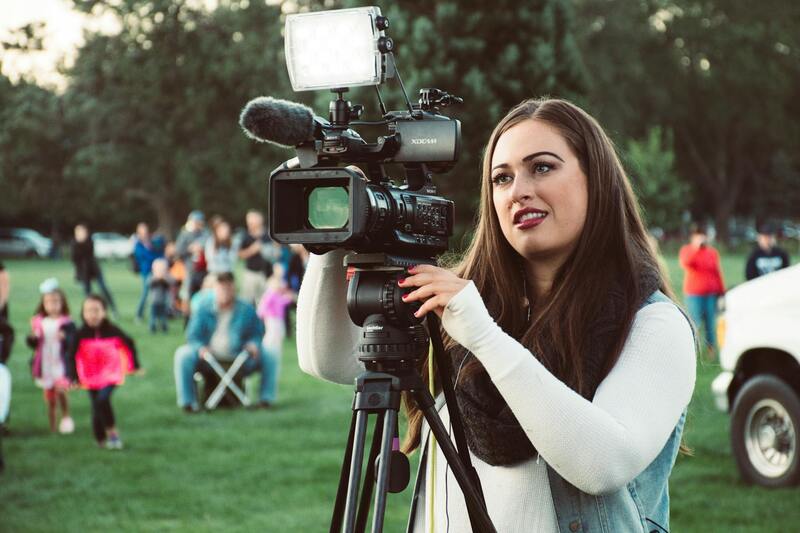
Effective live video stream production begins long before camera crews start rolling. The planning phase involves detailed scripting, scene staging, and comprehensive coordination among all involved parties. Establishing clear objectives for the broadcast ensures that every technical and creative decision aligns with desired outcomes, whether for corporate conferences, live concerts, or community events.
During this stage, comprehensive resource allocation is crucial. This includes selecting appropriate locations with optimal lighting and minimal background noise, as well as considering factors like internet connectivity, power supply, and backup options. Developing a detailed run-sheet that outlines camera angles, scene changes, timing, and cues helps streamline the on-set process and minimizes surprises during the live event.

Coordination with performers, speakers, or event organizers ensures everyone understands their roles and timing. Pre-event rehearsals allow for troubleshooting technical issues and familiarizing the team with the production flow. This preparation reduces the risk of disruptions during the live broadcast and boosts overall production quality.
Technical Setup and Equipment Requirements
Advanced live video stream production relies on a carefully selected array of technical equipment. High-definition cameras are fundamental for capturing clear, crisp visuals, while multiple camera angles can add dynamism to the broadcast. Ensuring stable, high-bandwidth internet connectivity is paramount to prevent buffering and latency issues, especially in high-stakes productions.
Audio clarity is equally essential; professional microphones, mixers, and soundboards help in delivering crisp and balanced audio to complement the visual content. Proper lighting arrangements enhance image quality and highlight key subjects, reducing shadows and improving visual consistency.
Encoding devices such as hardware or software encoders convert raw video signals into streaming-compatible formats. The choice between cloud-based or on-premise streaming platforms depends on scalability needs, security requirements, and budget considerations. Redundant systems and backup equipment are vital in safeguarding against potential failures, ensuring uninterrupted broadcast quality.
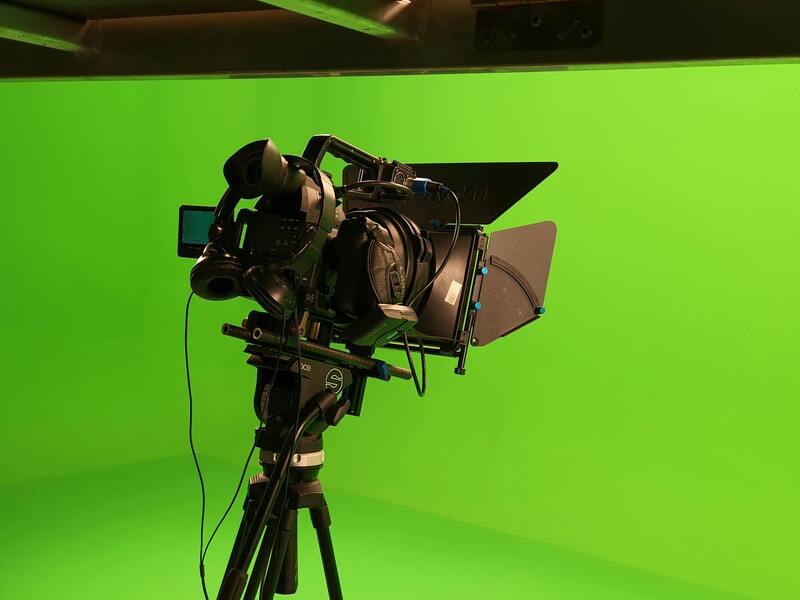
Furthermore, a comprehensive setup includes monitoring tools that allow producers to oversee live feeds in real-time, providing immediate response capabilities in case of technical anomalies. Proper cabling, configuration, and power management contribute to a stable and reliable production environment.
Production Execution and Live Management
The execution phase involves smooth coordination among the technical team, hosts, and on-camera talent to deliver an engaging broadcast. Director and producer roles are central to managing real-time switchings, graphics, and transitions, ensuring visual storytelling aligns with the event’s objectives.
Operational oversight includes monitoring streaming health, audio levels, and visual quality, and making rapid adjustments to mitigate issues. Contingency plans, such as alternative internet connections or backup equipment, are vital for maintaining broadcast continuity.
Engagement strategies, including viewer interactions through chat or social media, can enhance audience participation, making the live experience more dynamic. Efficient communication among the technical crew and on-air presenters supports a cohesive and professional presentation throughout the broadcast.
Post-Production and Content Distribution
Once the live event concludes, the focus shifts to editing, analysis, and distribution of recorded content. Post-production editing allows for refining visuals and audio, adding overlays or captions, and integrating additional multimedia elements to produce polished digital assets.
Distribution channels extend beyond the live stream; recordings can be uploaded to video hosting platforms, embedded into websites, or shared across social media networks. This multi-channel approach maximizes content reach and extends the event’s impact.
Analyzing viewership data and audience engagement metrics provides valuable insights into the effectiveness of the broadcast, informing strategies for future productions. Archiving raw footage and edited videos supports ongoing marketing efforts, internal evaluations, and content repurposing.
Technical Setup and Equipment Requirements
Establishing a reliable technical foundation is fundamental to successful live video stream production. This involves selecting high-quality video cameras capable of broadcasting in various resolutions, ensuring crisp visuals regardless of lighting conditions or production scale. Accompanying these are professional-grade audio devices, such as lavalier microphones, shotgun mics, and audio mixers, which deliver clear sound essential for audience engagement.
Streaming hardware plays a pivotal role, including encode servers or hardware encoders that compress and transmit video signals efficiently. These devices must be compatible with the chosen streaming platform and capable of handling the desired broadcast quality. To maintain uninterrupted streams, backup equipment like spare cameras, audio interfaces, and encode devices should be readily accessible, enabling swift replacements in case of technical failures.
Network stability is critical for live streaming. A dedicated high-bandwidth internet connection, preferably wired Ethernet, reduces latency and minimizes disruptions. If multiple internet sources are available, load balancing or failover configurations can ensure continuous transmission even if primary connections falter. Additionally, routers and firewalls need configuration optimization for optimal data flow and security.
Production software, such as professional live streaming platforms or software encoders like OBS Studio or Wirecast, facilitates scene switching, overlays, and real-time graphics. These tools integrate the various feeds and produce a seamless broadcast experience. Proper cabling, monitor setups, and synchronization between devices contribute to a smooth workflow, allowing operators to manage multi-camera feeds and audio inputs efficiently.
Production Execution and Live Management
Executing a live video stream requires meticulous coordination among technical staff and on-screen talent. Prior to going live, a comprehensive run-through or rehearsal ensures all equipment functions correctly and that the production team is familiar with the schedule and cues. During the broadcast, real-time monitoring of video quality, audio fidelity, and stream health is essential for a professional presentation.
Technical teams continuously oversee the streaming process, adjusting camera angles, managing audio levels, and controlling overlays or graphics to enhance visual storytelling. They are prepared to troubleshoot issues swiftly, such as dropped feeds or audio glitches, utilizing backup systems or alternative connections. The director's role includes cueing presentation segments, managing transitions, and maintaining the intended pacing.
Effective communication tools, like headsets and instant messaging platforms, enable seamless coordination among camera operators, sound engineers, and on-air presenters. This constant exchange ensures synchronization, addressing any unforeseen challenges proactively. Viewer interactions through chat or social media channels should be managed concurrently to foster engagement without disrupting broadcast flow.
Technical Setup and Equipment Requirements
For a seamless live video stream production, selecting the appropriate technical setup is crucial. High-definition cameras with versatile zoom and focus capabilities ensure clear, professional-quality visuals, while multiple camera angles can add dynamism to the broadcast. It is essential to use cameras compatible with live streaming platforms and capable of outputting clean HDMI or SDI signals, which provide reliable, high-quality feeds.
Audio quality significantly impacts viewer engagement, making professional-grade microphones and audio mixers indispensable. Directional microphones or lavalier mics are suitable for capturing clear speech in diverse environments. Audio mixers allow for real-time adjustments of levels, preventing distortion and balancing multiple sound sources for a polished output.

Stabilization is another vital consideration. Tripods, gimbals, or steadicams help maintain steady footage even in dynamic environments. For outdoor or mobile shoots, rugged gear capable of handling various weather conditions ensures continuous operation.
Internet connectivity forms the backbone of any live production. A wired Ethernet connection offers superior stability compared to Wi-Fi, reducing latency and packet loss. When wireless connectivity is necessary, employing multiple internet sources with failover capabilities can prevent disruptions. Bandwidth should be sufficiently scaled to handle the highest possible bit rate, and network equipment must be configured to prioritize streaming traffic.
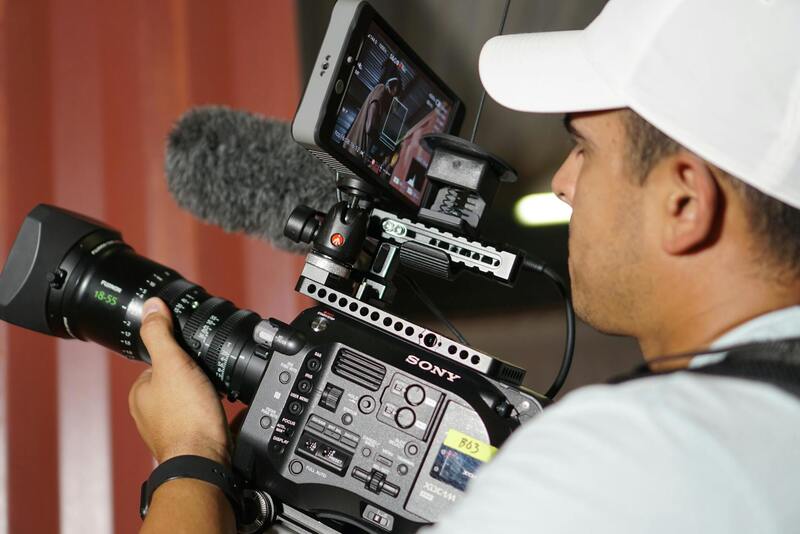
Other supplementary equipment includes video switchers for managing multiple camera feeds, streaming encoders that compress video data efficiently, and monitors for real-time previewing. Overlays such as lower thirds, logos, and real-time graphics add professionalism and branding consistency. Stream management hardware and software should enable easy scene transitions, audio mixing, and latency minimization.
Deployment and Setup Best Practices
Prior to transmission, comprehensive testing ensures all hardware and software components work harmoniously. Proper cable management and secure mounting of cameras prevent unexpected malfunctions. Positioning cameras and microphones to capture optimal angles and sound without interference or obstruction is essential. On the day of the event, a detailed checklist covering all technical elements helps mitigate overlooked issues.
Having backup equipment, such as spare cameras, batteries, and audio devices, is prudent. Additionally, establishing redundant internet pathways reduces the risk of connectivity problems. A dedicated technical team should oversee the setup, monitor the feed, and be prepared for immediate troubleshooting to handle unforeseen challenges seamlessly.
Production Execution and Live Management
During the live video stream, the focus shifts to meticulous execution and real-time management to ensure a seamless viewing experience. The key objectives include maintaining high video and audio quality, managing multiple camera feeds effectively, and responding promptly to any technical issues that may arise. This phase demands a skilled technical team capable of navigating the live environment with agility and precision.
Central to successful live production is the operation of video switchers, which allow the director or technical operator to toggle between different camera angles, overlays, and pre-recorded content as needed. Smooth transitions contribute significantly to the professionalism of the broadcast. Audio control is equally critical; sound levels must be balanced across microphones and sources to prevent distortion, echo, or inaudibility. Real-time audio mixing ensures that viewers experience clarity and consistency throughout the stream.
Monitoring tools, such as high-resolution monitors and audio meters, provide the production team with immediate feedback on the live feed’s quality. Any discrepancies detected—be it video artifacts, audio imbalance, or latency issues—must be addressed swiftly. Immediate troubleshooting might involve adjusting camera settings, rebalancing audio channels, or resetting network connections. In high-stakes live production, having predetermined protocols for common issues helps streamline resolution time and reduces the risk of stream interruption.
Communication within the production team is vital. Clear, real-time communication channels enable instant coordination, whether through intercom systems, dedicated radios, or digital messaging platforms. This coordination is essential for managing scene changes, addressing technical glitches, and responding to live viewer feedback when applicable. The use of broadcast software with integrated chat and communication tools enhances team synchronization and facilitates efficient decision-making.
Furthermore, integrating streaming analytics and monitoring tools provides valuable insights into stream performance metrics such as viewer count, buffering issues, and engagement levels. These insights enable the technical team to make immediate adjustments to improve stream stability and quality. Live management also involves managing the visual overlays, graphics, and lower thirds, which can be updated in real-time to reflect event developments, branding elements, or interactive components.
Having an experienced supervisor or director overseeing the live operation ensures that all elements are synchronized, and the broadcast aligns with the intended narrative or event flow. This role entails overseeing camera cues, transitions, audio levels, and any on-screen graphics, ensuring a cohesive and engaging viewer experience. Additionally, the team must be prepared to handle unexpected challenges such as equipment failures or network disruptions, with contingency plans ready for deployment.
Effective live video stream production requires a balance of technical expertise, thorough planning, and real-time decision-making. Ensuring that every aspect—from camera control to audio mixing—is handled with precision greatly enhances the broadcast's professionalism and viewer satisfaction.
Technical Setup and Equipment Requirements
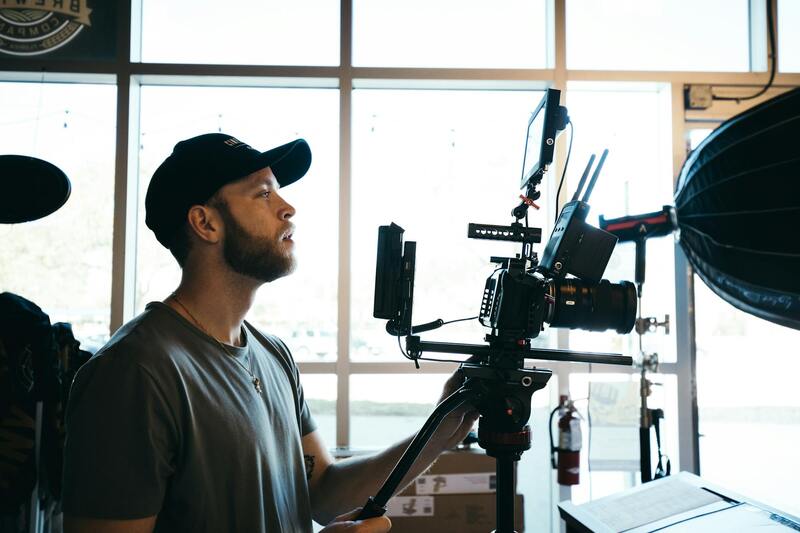
Establishing a reliable and high-quality live video stream begins with a comprehensive technical setup that aligns with the specific needs of the event or broadcast. Selecting the right equipment is crucial for capturing clear visuals and crisp audio, ensuring a seamless viewer experience across all platforms. The core components include professional cameras capable of delivering high-definition footage, which are often complemented by tripods, stabilizers, and pan-tilt heads for optimal positioning and movement.
Audio quality is equally vital; utilizing high-quality microphones—such as shotgun, lapel, or condenser microphones—and audio mixers helps achieve clear sound and manage multiple audio sources. An audio mixer allows for real-time adjustments to volume levels, balancing sound inputs to prevent overpowering or distortion during the broadcast.
Overlay and graphics hardware, including switches and servers, facilitate real-time visuals, branding, or informational overlays that enhance viewer engagement. Emergency backup systems such as uninterruptible power supplies (UPS) and secondary internet connections are essential for maintaining broadcast continuity in case of power failures or connectivity issues.
For transmission, a robust streaming encoder—either hardware or software—is employed to convert the video feed into a digital stream suitable for internet delivery. These encoders support multiple output formats and bitrates, optimizing compatibility across various devices and network conditions.
Monitoring tools are integral throughout the production process. Video monitoring screens allow producers and technical staff to assess the quality of the live feed in real-time, making immediate adjustments if necessary. Network monitors help track bandwidth usage and streaming stability, providing insights to prevent or address latency or buffering issues.
Connection and Network Infrastructure
An often-overlooked component is the network infrastructure supporting the live stream. A dedicated, high-bandwidth internet connection—preferably fiber optic—is recommended to ensure sufficient upload speeds and stability. Network security measures should also be in place to protect against interruptions or interference, safeguarding the integrity of the broadcast.
In addition to onsite setup, integrating Content Delivery Networks (CDNs) can improve streaming performance by distributing the content across multiple servers worldwide. This approach reduces latency and buffering, thereby delivering an optimal viewing experience to audiences regardless of their geographical location.
Properly configuring these elements—cameras, audio equipment, encoding hardware, network infrastructure, and monitoring systems—forms the backbone of a successful live video stream. When all components work in harmony, broadcasters can deliver content that is professional, engaging, and reliable, meeting the expectations of diverse online audiences.
Understanding Live Video Stream Production
Successfully executing a live video stream involves a comprehensive understanding of the production process, which spans from initial concept development to the final broadcast. At its core, live video stream production requires meticulous planning, specialized equipment, real-time technical management, and post-event content distribution strategies. It is vital for content creators and organizations to grasp the multifaceted nature of live streaming to ensure seamless delivery that meets audience expectations and maintains professional standards. Key considerations include aligning content objectives with technical capabilities, ensuring high-quality visuals and audio, and managing live interactions effectively.
Strategies for Effective Live Video Stream Production
- Pre-Production Planning: Establish clear goals, identify target audiences, and develop content workflows that will guide the entire broadcast.
- Technical Preparation: Select appropriate equipment, test all components prior to going live, and prepare backup solutions for potential technical failures.
- Team Coordination: Assemble a dedicated production team, assigning roles such as director, camera operators, sound engineers, and technical support to ensure a smooth operation.
- Content Rehearsals: Conduct rehearsals to fine-tune timing, camera angles, transitions, and audio levels, minimizing errors during the actual event.
- Live Management: Use real-time monitoring tools to supervise the stream, troubleshoot issues promptly, and adapt dynamically to unexpected challenges.
Technical Infrastructure for Live Streaming
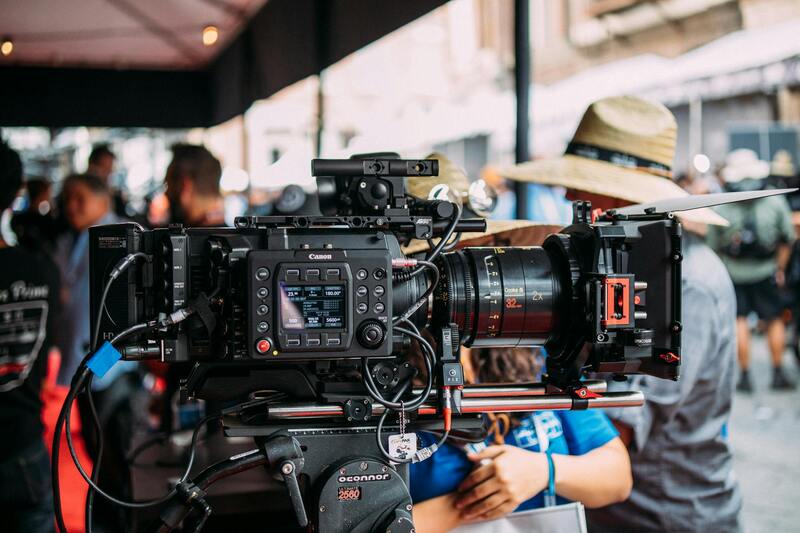
A robust technical foundation is indispensable for delivering high-value live streams. This includes high-performance cameras capable of capturing crisp visuals, professional-grade microphones ensuring clear audio, and encoding hardware that converts the video signal into a format suitable for online transmission. The importance of reliable network infrastructure cannot be overstated—an optimal setup involves dedicated, high-bandwidth internet connections, with fiber-optic links preferred for their stability and performance.
Implementing redundancy measures, such as backup internet connections and power supplies, helps prevent disruptions during critical moments. Additionally, employing Content Delivery Networks (CDNs) optimizes distribution by reducing latency and buffering, especially for geographically dispersed audiences. Proper configuration of all these components fosters a seamless, professional broadcast that can withstand technical challenges and deliver a viewing experience that aligns with viewer expectations.
Real-Time Monitoring and Control
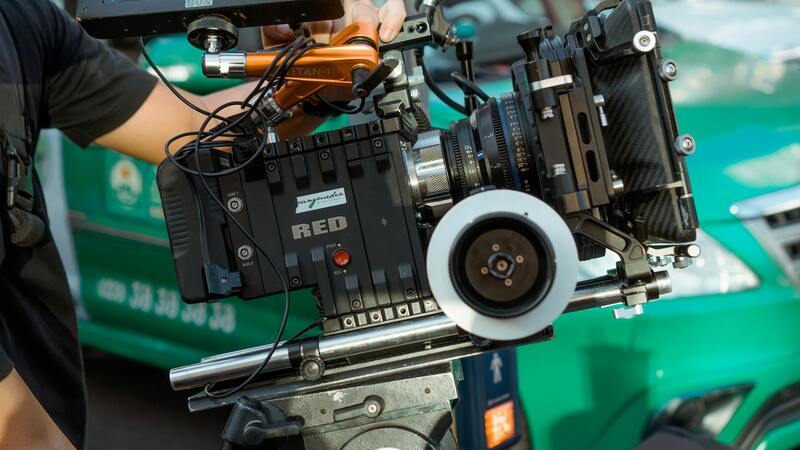
During live production, continuous oversight is essential. Monitoring tools, including video and network status displays, allow the production team to assess stream quality instantaneously. They enable prompt reactions to issues like dropped signals, audio fluctuations, or latency. Control systems, such as switchers and audio mixers, facilitate real-time adjustments, enabling transitions between camera angles, overlays, and other visual effects. This level of control ensures the broadcast remains engaging and visually polished throughout.
Post-Stream Content Management
Once the live event concludes, the focus shifts to post-production activities. These include editing highlights, enhancing video and audio quality, and preparing content for on-demand access. Distribution channels such as social media platforms, dedicated streaming portals, or client websites are utilized for content deployment. Proper archival practices and metadata management facilitate easy retrieval and repurposing of the streamed material, extending the lifespan and reach of the content.
Investing in comprehensive post-production processes ensures that the effort and resources allocated to live streaming generate lasting value, attracting new viewers and maintaining engagement with existing audiences.
Additional Considerations for Live Video Stream Production
Enhancing Stream Reliability and Quality
Achieving a seamless live video stream requires meticulous attention to the infrastructure that supports transmission. Internet connectivity forms the backbone of any successful live broadcast. Therefore, sourcing high-bandwidth, dedicated internet connections ensures stable data flow, minimizing interruptions such as buffering or pixelation. Redundant internet connections, including backup LTE or fiber options, are often employed to provide fail-safes against connectivity issues. Additionally, using high-quality encoders and data compression techniques optimizes the video stream for different devices and bandwidth conditions, maintaining high visual and audio fidelity.
Monitoring and Real-Time Troubleshooting
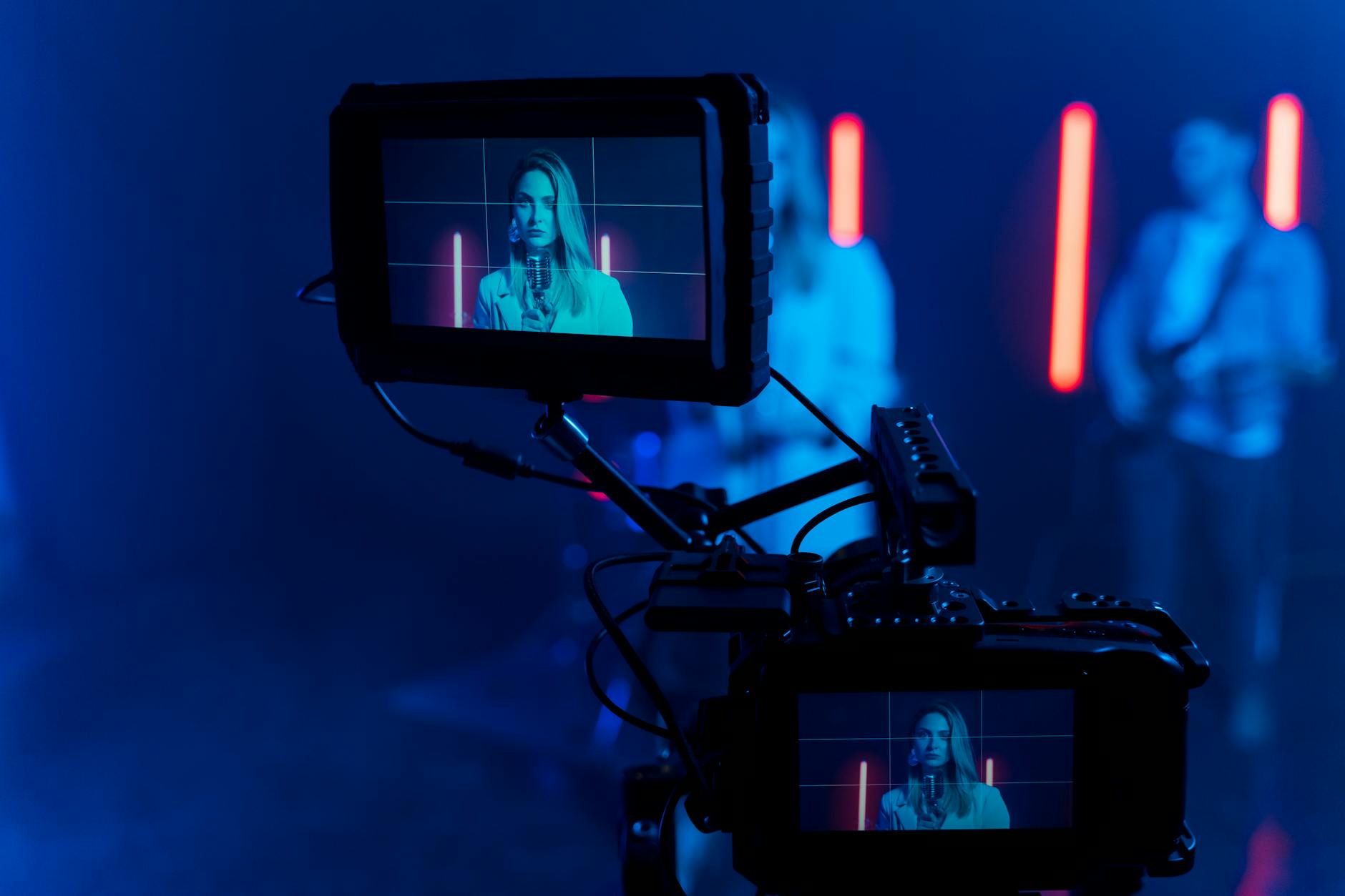
During the live event, proactive monitoring is crucial to detect and rectify potential issues promptly. Real-time analytics provide insights into stream stability, viewer engagement, and technical performance. Should any anomalies be detected, the production team can swiftly execute contingency measures, such as switching to backup feeds, adjusting bitrate, or addressing audio-visual sync problems. Implementing automated alert systems that flag issues allows for faster responses, preserving the viewer experience and stream quality. Continuous feedback loops between production personnel and technical support teams enable dynamic adjustments, ensuring the broadcast remains professional and engaging.
Ensuring Content Accessibility and Inclusivity
Accessibility features significantly enhance the reach and impact of live streams. Incorporating closed captions or real-time subtitles ensures that hearing-impaired viewers can participate fully. Additionally, providing multiple language options or sign language interpretation broadens the audience base. Visual overlays, such as descriptive text or enhanced contrast, support viewers with visual impairments. These adaptations not only expand audience engagement but also demonstrate a commitment to inclusivity, aligning with contemporary best practices in digital content delivery.
Post-Stream Content Management and Optimization
Following the live event, strategic content management maximizes the value of the broadcast. Edited highlights, behind-the-scenes footage, and supplementary materials can be repurposed for marketing or educational purposes. Properly tagging and categorizing content with relevant metadata facilitates easier discovery and indexing on various platforms. Additionally, analyzing viewership data helps identify what worked well and where improvements can be made, informing future streaming strategies. Optimizing content for search engines through descriptive titles, keywords, and transcripts increases visibility, attracting broader audiences over time.
Utilizing Audience Engagement Metrics
Understanding viewer behavior during a live stream provides actionable insights. Engagement metrics such as peak concurrent viewers, chat interactions, and drop-off points reveal how audiences interact with content. These data points guide decisions on content pacing, interactive elements, and technical adjustments for subsequent streams. Implementing live polls, Q&A sessions, or interactive overlays encourages real-time participation, fostering a more immersive experience. Leveraging these engagement insights ensures future productions can be tailored to meet audience preferences, enhancing overall satisfaction and retention.