Overview of Live Stream Production Services
Live stream production has become an essential tool for businesses, organizations, and content creators seeking to reach global audiences in real time. This comprehensive service involves the planning, setup, execution, and monitoring of live broadcasts across various digital platforms. The goal is to deliver high-quality, engaging content that captures viewers' attention while ensuring technical reliability.
In Miami, a city renowned for its vibrant culture and bustling event scene, live stream production companies offer a wide range of services tailored to diverse needs. These typically include pre-production planning, which covers content scripting, scene design, and technical logistics; live switching—where multiple cameras and media feeds are combined seamlessly; real-time audio and visual adjustments; and post-event support such as broadcast archiving and analytics. Many production firms also provide content distribution expertise to optimize outreach across social media, websites, and dedicated streaming platforms.
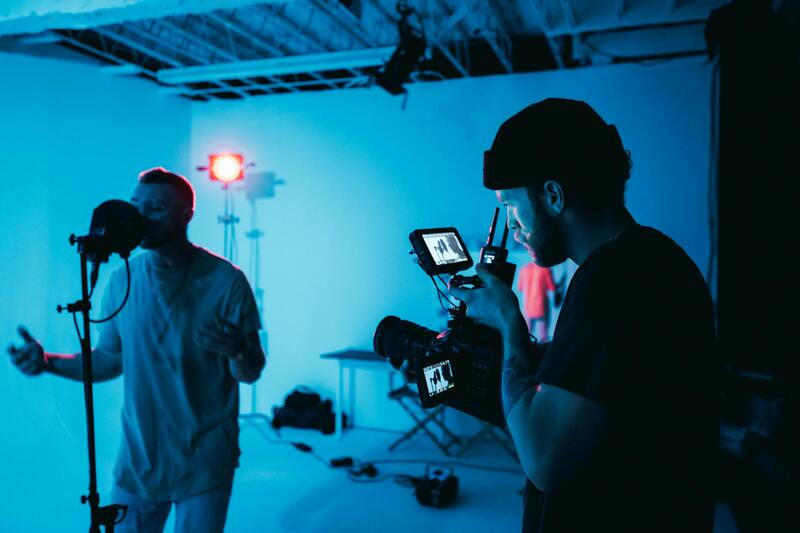
These services often extend to large-scale live events like conferences, concerts, sports competitions, and corporate training sessions, as well as smaller, more intimate virtual gatherings. The key aim is to deliver stable, high-definition streams that maintain professional quality, regardless of the complexity of the event or the number of viewers. Top-tier live stream production companies employ advanced broadcasting equipment, highly skilled technicians, and creative production teams to ensure all aspects of the transmission are flawlessly executed. This guarantees that content reaches audiences without interruption or degradation, providing a seamless viewing experience.
Understanding what these services entail helps clients make informed decisions when choosing their live stream partner. In Miami’s dynamic environment, these companies are proficient in managing diverse event requirements, ensuring rapid response times, and adapting to unique venue challenges. Such capabilities are vital for a successful live broadcast that elevates brand presence, builds engagement, and expands reach beyond physical event boundaries.
Technology and Equipment Used in Live Streaming
Choosing the best live stream production company hinges significantly on understanding the technological infrastructure and equipment they utilize. High-quality live streaming demands more than just a good internet connection; it requires a sophisticated setup designed to deliver clear, uninterrupted broadcast quality. Leading companies employ multi-camera systems with professional-grade switchers to enable seamless transitions, close-ups, and wide-angle shots that enhance viewer engagement. These cameras often feature 4K resolution capabilities, ensuring pristine visual fidelity even during complex camera movements or low-light conditions.
Audio plays an equally vital role in the live stream experience. Top-tier production firms use professional-grade microphones, audio mixers, and latency-free monitoring tools to guarantee crystal-clear sound and balanced audio levels. This ensures that commentary, live music, or other sound elements are captured accurately and transmitted seamlessly alongside video feeds.
Beyond camera and audio equipment, these companies leverage advanced streaming hardware such as encoders, which compress and transmit high-definition content efficiently. Hardware encoders are often paired with multi-bitrate streaming technology, enabling adaptive delivery that adjusts the stream quality based on each viewer’s internet speed. This flexibility minimizes buffering and provides a smooth viewing experience for all participants.
Facility integration is another critical consideration. A professional live stream production company incorporates a robust network infrastructure with redundant internet connections, failover systems, and dedicated streaming servers to prevent any disruptions during transmission. They also utilize broadcast automation software and content management systems that facilitate live overlays, graphics, and real-time data integration—elements essential for engaging professional broadcasts.

Staff expertise in operating these complex systems is equally important. Skilled technicians and engineers meticulously manage the technical aspects throughout the event, proactively troubleshooting issues and ensuring high-quality output from start to finish. When selecting a live stream production partner, clients should inquire about the specific technological tools and equipment in use, as well as the team’s proficiency in deploying them effectively to meet their event goals.
Location and Local Expertise in Miami
Miami’s vibrant event landscape demands a production company with in-depth knowledge of the local environment. An experienced Miami-based live stream production firm understands regional nuances, venue restrictions, and logistical challenges that can influence the quality and success of a broadcast. This familiarity enables rapid adaptation to unforeseen scenarios, whether it’s equipment setup in a high-rise conference center or managing live feeds from outdoor festival sites.
Local providers often have established relationships with venues, vendors, and technical support teams, streamlining the planning process and reducing setup times. They are also adept at coordinating with local authorities for permits and permissions related to live broadcasting, which is essential for large-scale events or those with significant public attendance.
Another advantage of choosing a Miami-based company is their access to regional resources, including high-speed internet providers, satellite communication services, and local equipment rental companies. This network ensures that the technical infrastructure remains resilient, paving the way for flawless event execution regardless of the venue type or logistical complexity.
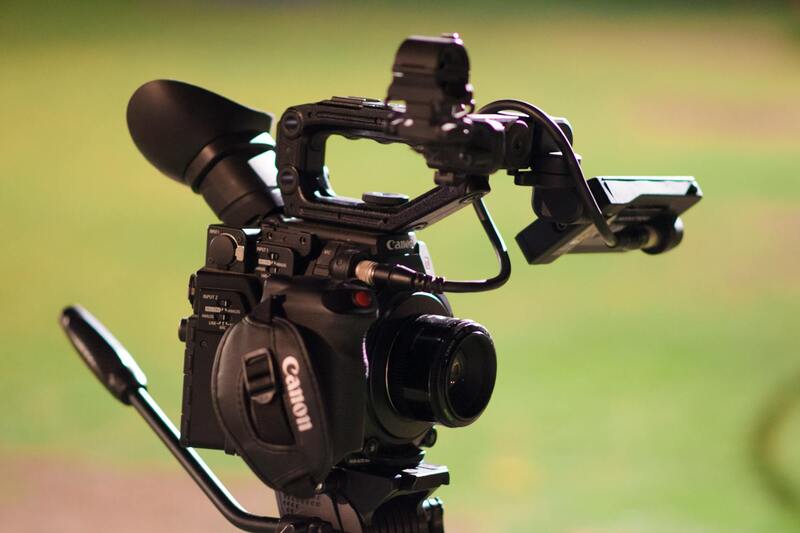
Furthermore, familiarity with Miami’s diverse cultural and event landscapes allows these companies to tailor their services to meet specific audience expectations and branding objectives. Whether streaming a high-profile corporate conference in Downtown Miami or a vibrant cultural festival in Wynwood, local expertise translates into more personalized, efficient, and high-caliber live broadcasts.
Technology and Equipment Used in Live Streaming
In the realm of live stream production, the choice of technology and equipment is the foundation for a seamless broadcast experience. The best companies deploy cutting-edge hardware and software solutions to ensure high-quality video and audio transmission. Professional-grade cameras, such as 4K broadcast-quality models, capture events with vivid clarity and detailed resolution, making every moment engaging for the remote audience.
Audio quality is equally vital, and top-tier sound mixing consoles, wireless microphones, and noise-canceling equipment are standard. These tools optimize sound fidelity and eliminate unwanted background noise, a crucial factor in maintaining viewer engagement during lectures, corporate presentations, or musical performances.
For switching and encoding, companies utilize robust hardware switchers capable of managing multiple video feeds simultaneously. Live streaming software, like vMix or Wirecast, allows producers to incorporate graphics, overlays, and live commentary efficiently, enriching the viewer's experience. Additionally, reliable streaming platforms and content delivery networks (CDNs) are employed to ensure low latency and minimal buffering, regardless of the audience size.
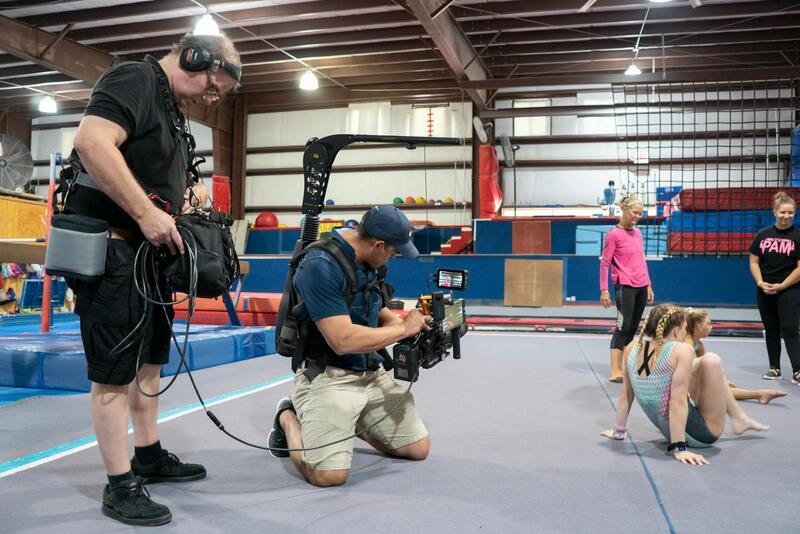
Backup systems form an integral part of these setups. Redundant power supplies, secondary internet connections, and backup storage solutions prevent disruptions, safeguarding the broadcast's integrity. This comprehensive approach to technology not only enhances quality but also ensures adaptability to unforeseen technical challenges, resulting in smooth, professional live streams from start to finish.
Types of Live Streaming Events Supported
Professional live stream production companies are equipped to handle a diverse array of event types, each requiring tailored technical approaches and specialized equipment. Understanding the range of events supported can help clients select the right partner for their specific needs.
- Corporate Events: Including product launches, company meetings, and annual conferences, these streams demand high-quality video capture, seamless transitions, and professional branding overlays to enhance corporate communication.
- Educational and Academic Events: Universities and schools often seek live streaming solutions for lectures, seminars, and workshops. Clear visuals, stable connections, and interactive features like Q&A sessions are essential for engaging remote learners.
- Religious Services: Churches, mosques, and temples utilize live streaming to reach congregants unable to attend in person, requiring unobstructed visuals, clear audio, and streaming options that accommodate various device types.
- Music and Entertainment Events: Concerts, talent shows, and festivals benefit from multi-camera setups, high-fidelity audio systems, and real-time graphics, creating an immersive viewing experience for remote audiences.
- Sports and Recreational Events: Sports competitions and recreational tournaments demand low latency streams and multiple camera feeds to capture all angles, facilitating an engaging viewer experience.
- Public and Governmental Events: Rallies, city council meetings, and public forums are streamed with a focus on security, stability, and accessibility, ensuring that vital civic information reaches a broad audience.
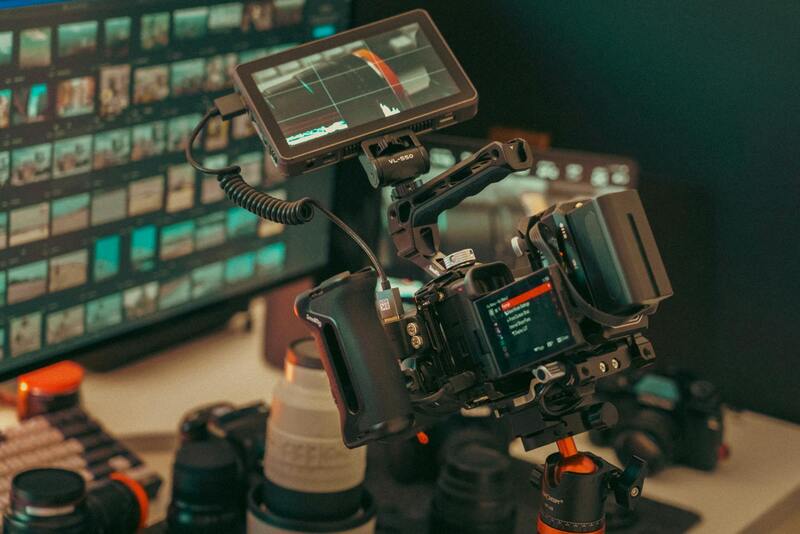
Each of these event types necessitates customized solutions—ranging from portable equipment for on-the-go productions to complex studio setups for large-scale broadcasts. The ability to adapt to various event demands underscores the importance of working with a provider experienced across multiple industries and event formats, ensuring the highest quality output that aligns with the event's objectives and audience expectations.
Technology and Equipment Used in Live Streaming
Choosing a top-tier live stream production company hinges significantly on the technology and equipment they utilize. Advanced hardware and software solutions ensure seamless transmissions, high-quality visuals, and crystal-clear audio, all of which are critical for engaging audiences consistently. High-definition cameras with professional-grade lenses capture detailed visuals from multiple angles, offering dynamic perspectives that elevate the viewer experience. These are often complemented by encoder systems capable of handling real-time compression, allowing smooth broadcasting across multiple platforms without lag or buffering issues.
Audio quality is paramount; thus, companies deploying digital mixers, wireless microphones, and soundproofed audio equipment can deliver clear and immersive sound, essential for concert broadcasts or religious services where speech intelligibility matters. Lighting equipment tailored to the venue and event enhances visual clarity and ambiance, ensuring that on-screen visuals reflect the energy and significance of the live event.
Beyond hardware, sophisticated streaming software plays a crucial role. Platforms that support multi-platform streaming, real-time graphics overlays, and interactive features provide a richer experience for viewers. For example, integration of real-time chat windows, polls, or Q&A sessions encourages audience participation, fostering a sense of community and engagement even from afar.
Backup systems such as redundant internet connections, backup power supplies, and failover servers mitigate risks associated with technical failures. These redundancies are crucial for maintaining stability and consistency, especially during critical live broadcasts such as corporate webinars, governmental meetings, or major entertainment events. Furthermore, the integration of streaming analytics tools allows event organizers to monitor performance metrics, understand audience engagement patterns, and optimize future broadcasts.
Incorporating the latest technology not only enhances the production quality but also demonstrates a company’s dedication to professionalism and attendee satisfaction. When evaluating potential partners, consider their investment in state-of-the-art equipment and their capacity to implement innovative solutions tailored to your specific event requirements.
Location and Local Expertise in Miami
Choosing a live stream production company with strong local knowledge in Miami offers distinct advantages that can significantly enhance the quality and effectiveness of your event. Miami's vibrant cultural landscape, diverse venues, and dynamic audience demand a partner who understands the nuance of local preferences and logistical considerations. Local providers bring an inherent familiarity with the city's infrastructure, permitting processes, and venue-specific requirements, streamlining the planning process and reducing potential delays.
A Miami-based company can leverage its established relationships with local vendors, venues, and technical support teams, ensuring smoother setup and quicker response times during live events. This proximity also enables better on-site coordination, which is critical for complex productions involving multiple camera angles, on-the-fly graphics, or interactive engagement features. Moreover, local expertise allows for tailored solutions that resonate with Miami’s diverse demographics, selecting appropriate venues, accommodating cultural nuances, and addressing regional preferences to maximize viewer engagement.
In addition, companies embedded within the Miami community are more familiar with the area's technological landscape, from internet infrastructure to local broadcasting regulations. This knowledge facilitates pre-event site surveys, equipment testing, and contingency planning, all of which contribute to a seamless streaming experience. For highly specialized events such as Miami fashion shows, music festivals, or corporate conferences, a local provider can offer invaluable insights into optimizing visual storytelling and audience interaction.
Furthermore, partnering with a Miami-based live streaming organization supports the local economy and demonstrates a commitment to regional business growth. This relationship often results in personalized service, quicker troubleshooting, and a dedicated team that can adapt swiftly to unexpected changes, ensuring the event's success regardless of unforeseen challenges. In a competitive landscape, local expertise combined with advanced technological capabilities positions Miami video services as a strategic choice for delivering high-quality live streams that capture the essence of local culture and energy.
Technology and Equipment Used in Live Streaming
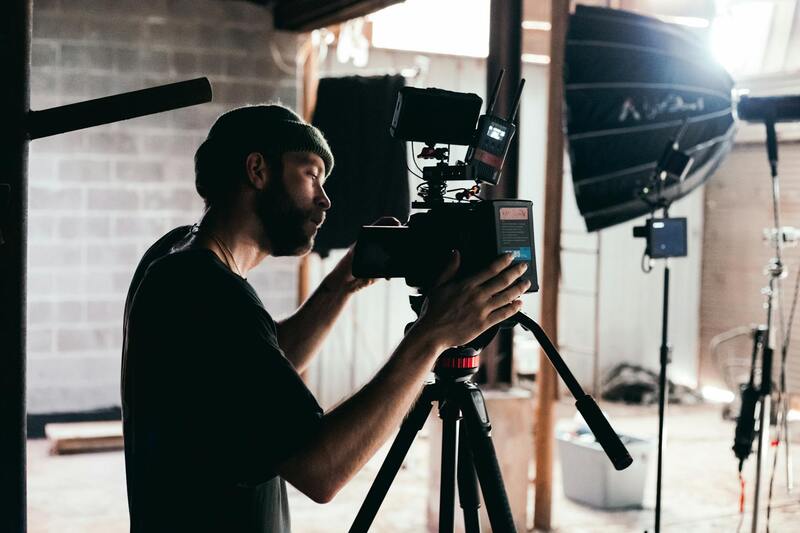
To ensure superior quality and reliable delivery, the best live stream production companies invest in cutting-edge technology and professional-grade equipment. High-definition (HD) and ultra-high-definition (UHD) cameras capture vibrant, crisp visuals that draw viewers into the event and maintain engagement throughout. These cameras are often equipped with stabilizers and gimbals to ensure steady shots even in dynamic settings.
Sound quality is equally critical; therefore, companies utilize advanced audio equipment such as wireless microphones, mixers, and soundboards. These tools allow for clear audio captures, minimizing background noise and ensuring speech, music, and other audio elements are perfectly balanced. Additionally, multiviewer systems enable producers to monitor multiple camera angles simultaneously, facilitating real-time adjustments that enhance the viewer experience.
Streaming hardware, such as encoders and switchers, convert high-quality video feeds into streams compatible with multiple platforms, whether via fiber optic connections or wireless networks. Live stream producers also rely on robust internet infrastructure, including fiber connections with high upload speeds and failover systems to prevent interruptions. Redundant systems, such as backup internet sources and power supplies, are essential for uninterrupted service during critical moments of an event.
Moreover, the integration of real-time graphics, overlays, and branding elements into the stream enhances the professional appearance. This may include lower thirds, live subtitles, or animated logos, which are managed via advanced broadcasting software. Recent innovations, such as 4K streaming and virtual backdrops, further expand the creative possibilities for engaging and visually stunning broadcasts.
A focus on technology ensures that each live streaming event not only meets but exceeds audience expectations, providing seamless, high-quality visual and audio experiences regardless of scale or complexity.
Overview of Live Stream Production Services
Engaging viewers through live streaming requires an intricate blend of technical expertise, creative vision, and logistical coordination. The best live stream production companies offer comprehensive services that encompass pre-event planning, equipment setup, real-time broadcasting, and post-event analysis. These services ensure that every project meets the highest standards of quality and viewer engagement, whether for corporate conferences, entertainment festivals, sports events, or religious gatherings. Relying on experienced professionals guarantees a seamless streaming experience, with clear audio, crisp visuals, and professional graphics that amplify the event's impact.
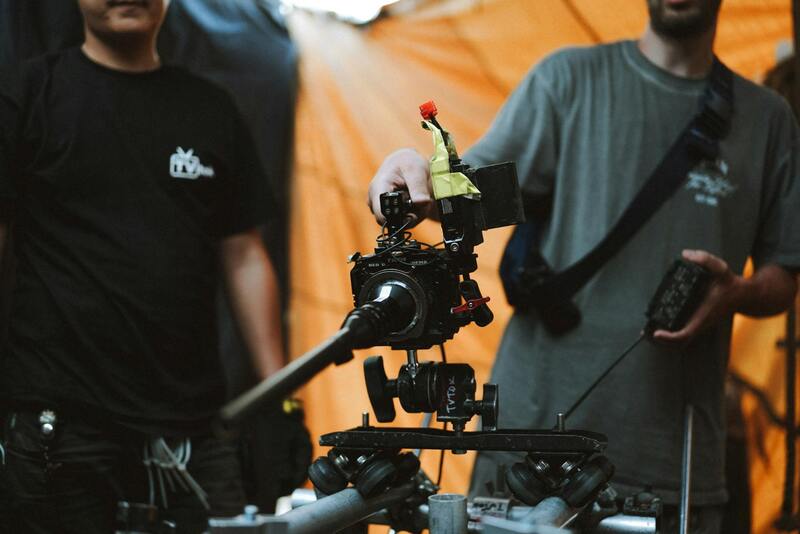
Key offerings typically include multi-camera coverage, live switching, real-time graphics overlay, and audience interaction features like live chat integration. The integration of innovative broadcasting software allows for dynamic scene changes, branding placements, and captioning, enhancing both the aesthetic and informational value of the stream. For organizations seeking to expand their reach, some companies also provide multi-platform streaming, ensuring compatibility with popular channels like YouTube, Facebook Live, and specialized streaming platforms. This broad compatibility maximizes audience engagement across various digital ecosystems.
Key Factors to Consider When Selecting a Live Stream Production Company
Choosing the right partner involves evaluating several critical aspects:
- Technical Expertise: Confirm that the company possesses experience with state-of-the-art streaming technology and equipment, including encoders, switchers, and high-bandwidth internet solutions.
- Portfolio and References: Review previous projects to assess the quality and diversity of live streams produced, paying attention to production values and technical consistency.
- Customization and Flexibility: Ensure the service provider offers tailored solutions that align with the event’s specific needs, including interactive features and branding integration.
- Responsiveness and Support: A reliable company provides prompt communication and on-site or remote support throughout the event, minimizing technical risks.
- Cost Transparency: Clarify the pricing structure upfront, including costs related to equipment, manpower, and post-event analytics, to manage budgets effectively.
Types of Live Streaming Events Supported
Leading live stream production companies are equipped to handle a wide array of event formats, such as:
- Corporate Conferences and Town Halls
- Music & Cultural Festivals
- Sports Competitions and Award Shows
- Religious Ceremonies and Services
- Product Launches and Marketing Events
- Educational Webinars and Workshops
Each event type demands a unique approach, both in technical setup and content delivery style, which experienced production teams are adept at customizing.
Technology and Equipment Used in Live Streaming
At the core of professional live streaming lies a sophisticated array of hardware and software designed to optimize quality and reliability. Typically, this includes high-definition cameras equipped with zoom and stabilization features, professional-grade audio mixers, and switching consoles to seamlessly alternate between camera feeds. Encoders convert video signals into streams compatible with targeted platforms and ensure minimal latency.
Network infrastructure plays a pivotal role, with fiber-optic connections and dedicated upload bandwidth used to maintain stream stability. Redundant internet sources, such as secondary LTE or wired backups, are deployed to prevent disruptions. Advanced broadcasting software, such as dedicated switchers or virtual production tools, facilitate real-time overlays, graphics, and interactive elements. Emerging technologies, including 4K streaming capabilities and virtual backgrounds, continue to push the boundaries of visual quality and creativity in live broadcasts.
Location and Local Expertise in Miami
Operating within Miami offers distinct advantages, especially given the city’s vibrant cultural scene and diverse event landscape. A local live stream production company possesses invaluable insights into regional venues, event logistics, and community preferences. Knowledge of Miami’s infrastructure, including high-capacity internet providers and event venues, enables smoother coordination and timely setup. Furthermore, local providers can offer face-to-face consultations and rapid on-site adjustments, crucial for managing unforeseen circumstances during live events.
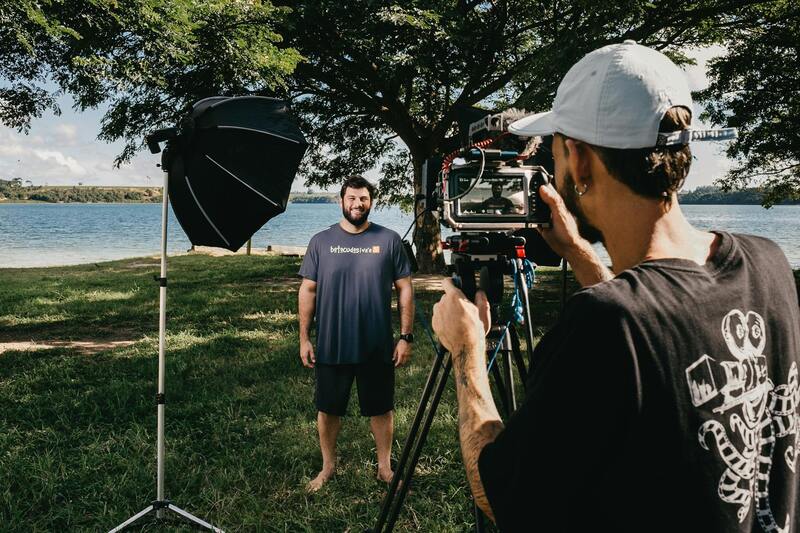
This regional familiarity translates into more efficient planning, customized solutions aligned with local standards, and a stronger network of skilled technicians and vendors committed to ensuring a successful live stream. Such proximity benefits clients by reducing logistical complexities and enhancing overall event quality.
Pricing Structure and Budget Considerations
Pricing for live stream production varies based on several factors, including event complexity, duration, equipment requirements, and post-production needs. Standard packages often cover basic streaming setup, with additional charges applied for specialized features like multi-camera switching, graphics, or interactive elements. Custom quotes are typically provided after evaluating the event scope, desired reach, and technological demands.
It’s essential for clients to scrutinize detailed cost breakdowns, including equipment rentals, crew expertise, platform licensing fees, and contingency planning. Transparent pricing ensures that expectations align with available budgets without compromising quality. Flexibility in service packages allows organizations to scale solutions up or down based on their strategic goals and financial constraints.
Client Support and Communication During Events
Effective communication and robust support channels are fundamental to the success of any live stream. Top-tier production companies assign dedicated project managers or technical directors to oversee every aspect of the broadcast. They facilitate pre-event rehearsals to troubleshoot potential issues and coordinate with clients for content approval.
During the live event, continuous monitoring of video and audio feeds, combined with real-time troubleshooting, ensures minimal disruptions. Clear communication protocols enable quick decision-making in response to technical challenges, such as bandwidth fluctuations or hardware malfunctions. Post-event, comprehensive reports on stream metrics and viewer engagement help organizations evaluate success and plan future productions.