Understanding Corporate Live Streaming
Corporate live streaming has become an essential tool for modern organizations seeking to communicate effectively with their audiences in real time. This technology enables businesses to broadcast live video content to viewers across the globe, providing an interactive platform that enhances engagement and visibility. Unlike pre-recorded videos, live streams foster a sense of immediacy and authenticity, allowing companies to interact directly with their audience during the event, whether it's a product launch, corporate announcement, training session, or shareholder meeting.

At its core, corporate live streaming serves multiple strategic purposes. It amplifies brand awareness by delivering key messages to a broad audience simultaneously. It facilitates transparent communication, presenting a company’s commitment to openness and accessibility. Moreover, it drives stakeholder engagement, enabling real-time feedback and interaction that can influence perceptions and decision-making processes. The technology behind corporate live streaming is adaptable to various formats, including webinars, virtual events, training sessions, and corporate broadcasts, making it a versatile asset for any organization.
Implementing live streaming technology allows companies to reach remote employees, international clients, and stakeholders without geographical limitations. It also offers a cost-effective alternative to traditional in-person events, reducing logistical expenses and environmental impact while maintaining high levels of audience participation. Additionally, live streams can be archived for later viewing, ensuring that the content remains accessible and continues to generate value beyond the initial broadcast time.
Effective corporate live streaming hinges on strategic planning, quality production, and seamless delivery. When executed properly, it boosts brand credibility, drives engagement, and fosters stronger relationships with audiences. As the digital landscape evolves, live streaming remains a crucial component of comprehensive corporate communication strategies, enabling organizations to adapt swiftly and effectively to changing market dynamics.
Technical Requirements and Setup
Establishing a professional corporate live stream necessitates meticulous technical planning. The foundation begins with selecting a dependable streaming platform that offers the necessary scalability, security, and user interface tailored to organizational needs. Platforms should support HD or higher video resolution, reliable bandwidth, and minimal latency to ensure a seamless viewing experience. To achieve optimal results, companies must invest in high-quality audio-visual equipment, including professional cameras, microphones, mixers, and lighting setups, which contribute significantly to production clarity and professionalism.
Synchronization of audio and video feeds is crucial; discrepancies can distract viewers and diminish engagement. Implementing a robust internet connection, preferably wired Ethernet, minimizes disruptions and buffering issues. Backup internet solutions, such as secondary lines or cellular tethering, are recommended to maintain stream continuity in case of primary network failures.
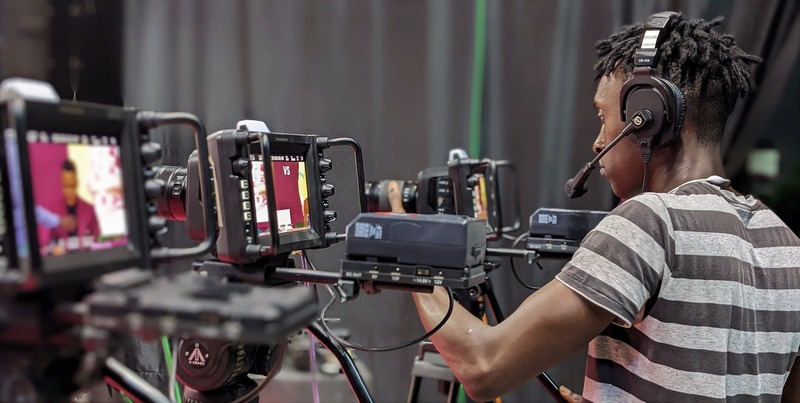
In addition to hardware, software tools for encoding and streaming play an essential role in quality assurance. Broadcast encoders convert video signals into formats compatible with streaming platforms, ensuring smooth delivery. Pre-production testing sessions are vital for identifying and resolving potential issues beforehand, including audio sync problems, lighting inconsistencies, and network stability. Furthermore, integrating content management systems and overlay graphics enhances professionalism, providing branded visuals and real-time information during the broadcast.
Engagement Strategies During Live Streams
Maintaining audience engagement is essential for the success of corporate live streams. Interactive features such as live chat, polls, Q&A sessions, and real-time feedback mechanisms foster active participation, transforming viewers from passive observers into engaged stakeholders. Designating a dedicated moderator to monitor the chat and facilitate interactions ensures the conversation remains focused and respectful, creating a welcoming environment for all attendees.
Another effective approach involves utilizing compelling storytelling techniques and dynamic presentation styles. Incorporating multimedia elements, including videos and visual aids, keeps content lively and informative. Additionally, scheduling periodic breaks and opportunities for audience input helps sustain attention throughout long broadcasts. Rehearsals should include dry runs of interaction segments to ensure smooth execution during the actual event.
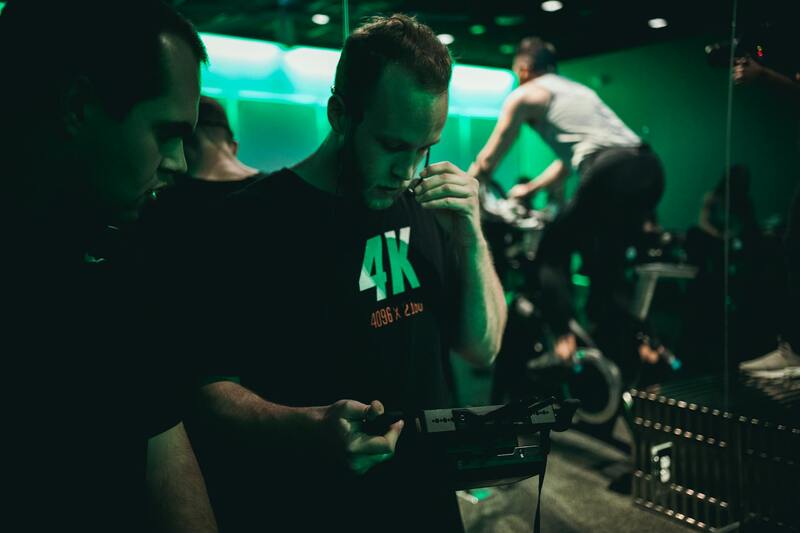
Strategic planning for engagement extends beyond the live event. Post-stream follow-ups, including sharing highlights, recording access, and ongoing conversations on social media, help reinforce key messages and maintain relationships. Employing analytics tools to measure engagement levels — such as viewer count, participation rates, and feedback quality — provides insights to refine future broadcasts and improve overall audience interaction strategies.
Technical Requirements and Setup
Implementing a seamless corporate live stream involves meticulous planning of technical infrastructure. High-quality audio and video equipment form the backbone of professional broadcasts, ensuring clarity and visual appeal. This includes professional cameras, microphones, and lighting setups capable of handling the venue’s size and audience expectations. An optimized internet connection with sufficient bandwidth is essential to prevent buffering issues and maintain stream stability, especially when broadcasting to large audiences.
Stream encoding hardware or software should be selected based on the complexity and scale of the event. These tools convert raw audio and video signals into digital formats suitable for streaming platforms. Multiple backup systems—such as secondary internet connections, power supplies, and redundant hardware—are necessary to mitigate potential disruptions.
For seamless integration with various platforms, compatibility considerations must be prioritized. Some venues require specific configurations to connect seamlessly with popular, secure streaming services. Additionally, effective monitor setups allow the production team to oversee stream quality, manage switching between multiple camera angles, and handle audio levels in real-time.
Pre-event testing is crucial to identify and resolve any technical issues. Conducting dry runs ensures that all equipment functions correctly and that the entire team is familiar with the control room protocols. This includes verifying the functionality of engagement features like live chat, polls, and Q&A tools to facilitate real-time interaction.
Engagement Strategies During Live Streams
Active engagement during a corporate live stream is vital for audience retention and message reinforcement. Incorporating interactive tools such as live polls, Q&A sessions, and chat functions invites real-time participation. These features foster a sense of involvement, making viewers feel valued and connected. Designating dedicated moderators ensures the conversation remains constructive and focused. Moderators can filter comments, address technical issues promptly, and facilitate seamless interactions between speakers and the audience. Utilizing visual cues—such as highlighting participant questions or comments—encourages further engagement. Dynamic presentation techniques also enhance the live experience. Using multimedia elements like videos, infographics, and animations can make content more compelling. Moving beyond static slides to incorporate varied visual aids maintains viewer interest and aids in information retention. Timing is another critical factor. Scheduling engagement activities at strategic intervals—such as after major segments or during breaks—reinvigorates the audience’s focus. Regular prompts for feedback or questions can help identify participant concerns and adapt the session dynamically. Post-event, sharing recorded content, highlights, and ongoing discussion threads on social media platforms extends engagement beyond the live broadcast. Analytics tools to measure viewer participation, engagement levels, and feedback can inform adjustments for future streams, ensuring continuous improvement.
Ensuring Security and Authenticity in Corporate Live Streaming
Maintaining a secure and authentic live stream is crucial for upholding your company's reputation and safeguarding sensitive content. Employing robust access controls ensures that only authorized viewers can access the broadcast, which can be achieved through password protection, secure login credentials, or unique access links distributed to designated participants. Encryption technology, such as Secure Real-time Transport Protocol (SRTP) or Transport Layer Security (TLS), safeguards data transmission, preventing unauthorized interception or tampering.
Additionally, digital watermarking can serve as a method to verify the authenticity of the stream. Watermarks embedded within the video feed act as a persistent marker of your brand and content, deterring unauthorized redistribution and aiding in content verification. Implementing geo-restrictions and IP filtering further restricts viewership to designated regions or networks, reducing exposure to unwanted audiences.
It is also essential to utilize a trusted streaming platform or service provider that adheres to high security standards. These providers often offer features such as end-to-end encryption, secure content delivery networks (CDNs), and real-time threat monitoring. These measures collectively create a resilient environment that protects your live stream from potential cyber threats and unauthorized access.

Establishing clear protocols for content verification and audience management is equally important. Regularly updating security measures and training your team on best practices ensures the ongoing safety of your streaming operations. When these strategies are integrated seamlessly, they foster a trustworthy environment where viewers can engage confidently with your corporate messaging.
Legal and Privacy Considerations
Implementing a corporate live stream involves several critical aspects related to legal and privacy considerations. Ensuring that your live broadcast adheres to applicable regulations is fundamental to safeguarding your organization and fostering trust with your audience.
First, it is essential to secure clear consent from all participants whose images or voices will be captured during the stream. This can be achieved through signed agreements or explicit verbal consent, particularly if sensitive or personal information will be displayed. Maintaining a record of these consents provides a key reference in case questions arise about confidentiality or rights management.
Additionally, establishing comprehensive privacy policies aligned with consumer protection standards is vital. These policies should outline how data collected during the broadcast—such as viewer interactions, registration information, and feedback—will be utilized, stored, and protected.

Choosing reputable platforms that comply with industry data protection protocols ensures that your live stream aligns with standards for encryption and user data confidentiality. As part of your planning, conduct thorough reviews of these platforms’ security features, including encryption methods, access controls, and monitoring capabilities.
Moreover, respecting copyright laws by obtaining proper licenses for any third-party content included in the stream is crucial. This covers visuals, music, or any media that may be integrated into the broadcast. Proper attribution and licensing help prevent infringement issues that could disrupt your presentation or result in legal liabilities.
In terms of operational transparency, notifying viewers about content restrictions, data collection practices, and terms of use upfront can contribute to a responsible streaming approach. Clear communication addresses viewers’ rights and expectations, fostering a positive, compliant environment.
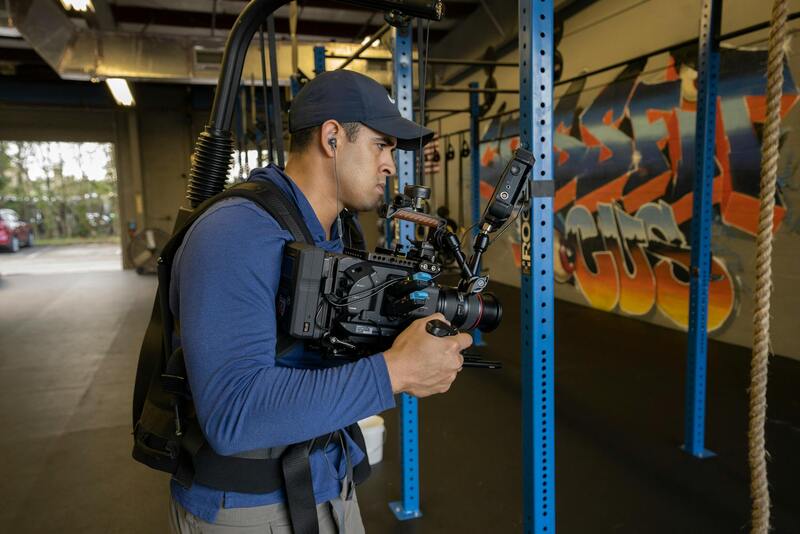
By observing these strategies, your organization can manage risks effectively, ensuring your corporate live stream operates within ethical and regulatory frameworks while maintaining a professional standard that reflects your brand’s integrity.
Legal and Privacy Considerations
Ensuring Data Privacy and Security
Implementing comprehensive privacy measures is essential to protect sensitive corporate information and participant data during live broadcasts. Secure data handling practices include encrypting all transmission channels, restricting access to authorized personnel, and utilizing secure login credentials for all involved staff. Regularly updating security protocols and conducting vulnerability assessments help identify potential risks before they impact the stream.
Additionally, organizations should develop clear policies regarding data collection, storage, and usage, aligning with applicable standards and best practices. Informing viewers upfront about how their data will be used, and securing their consent when necessary, fosters transparency and trust. This communication should be concise, accessible, and prominently displayed as part of the streaming environment.
Handling Content Rights and Usage Permissions
A critical aspect of corporate live streaming involves managing content rights efficiently. Securing proper licenses for any third-party media integrated into the broadcast ensures seamless compliance and avoids possible disruptions. This includes visuals, music, and any proprietary content that may be part of the presentation.
Maintaining detailed records of licenses and permissions can act as a safeguard in case of inquiries or audits. When using user-generated content or external media, verify their licensing agreements and ensure attribution requirements are explicitly met. Transparency regarding content sources also demonstrates your organization’s commitment to ethical standards and helps foster a positive reputation.
Adhering to Copyright and Intellectual Property Protocols
Strict adherence to copyright regulations involves more than just licensing. It requires ongoing vigilance to prevent unauthorized use of protected materials. Incorporating content review processes before streaming—such as internal audits and legal consultations—ensures compliance and minimizes exposure to potential disputes. This proactive approach preserves the integrity of the broadcast and mitigates risks associated with intellectual property infringement.

Addressing Content Restrictions and Participant Conduct
Before broadcasting, establish clear guidelines for acceptable content and participant behavior. Communicate these standards to all participants to avoid inadvertent violations or offensive material during the live stream. Enforcing these guidelines ensures a professional environment and protects your organization from potential public relations issues.
Implement moderation protocols that include monitoring the chat or interactive segments, allowing real-time management of inappropriate comments or disruptions. Providing training for moderators ensures consistent enforcement of standards, maintaining the stream’s professionalism and alignment with corporate values.
Ensuring Compliance with Industry and Regulatory Standards
Stay current with relevant industry regulations and standards affecting digital communications and broadcasting. Regular training for staff involved in the production process can bolster awareness and adherence to these protocols. Incorporate compliance checks into your production workflows and document all procedures to facilitate audits or reviews.
This disciplined approach to legal and privacy considerations helps safeguard your organization against unexpected issues, ensuring every live stream aligns with established practices for responsible digital communication.
Ensuring Robust Security and Privacy During Corporate Live Streams
Maintaining security and safeguarding privacy during a corporate live stream are critical components that uphold your organization’s reputation and protect sensitive information. Implementing appropriate security measures ensures that only authorized viewers have access to the live content, preventing unauthorized interception or sharing. This involves utilizing secure streaming protocols, encrypted data transmission, and access controls such as password protection or secure tokens.
Furthermore, it's essential to establish privacy protocols for participants and viewers. This includes obtaining explicit consent from individuals appearing in the live broadcast, especially when capturing personal information or sensitive corporate data. Clearly communicating the purpose of the stream and how the data will be used reassures participants and complies with organizational policies.
Managing access permissions is equally important. Use role-based access controls to restrict who can initiate, monitor, or moderate the stream. Ensure that only trusted team members have the ability to handle the technical setup and moderation functions.
Additionally, organizations should implement real-time monitoring and intrusion detection systems that alert the production team to potential security breaches during the broadcast. This proactive approach aids in swiftly addressing issues and preventing escalation.
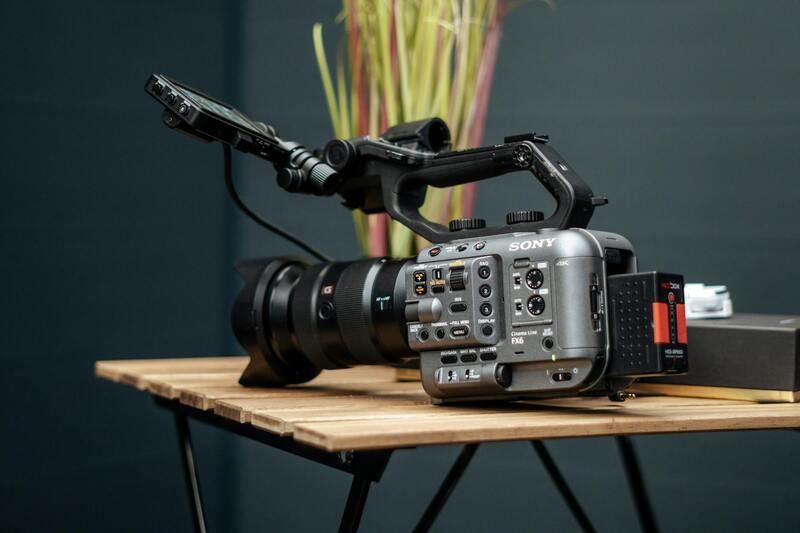
Ensuring Data Compliance and Management
Proper management of data captured during live streams supports regulatory adherence and organizational best practices. This involves storing recordings and related analytics securely, with access restricted to authorized personnel. Organize data systematically for easy retrieval and compliance audits.
Regularly review and update your data handling policies to incorporate any evolving standards or regulations. Document procedures for data collection, storage, and deletion, and ensure all team members are trained accordingly.
Transparency with your audience regarding how their data and interactions are handled fosters trust and aligns with responsible communication standards.
Engaging Viewers While Maintaining Confidentiality
Although interaction is vital, organizations must balance engagement with confidentiality protocols. Use moderating tools to oversee live chat interactions, filter inappropriate or sensitive comments, and facilitate questions that align with your organizational messaging.
Incorporate interactive features such as polls or Q&A sessions cautiously, ensuring that the content shared remains within agreed-upon boundaries. Clearly communicating what types of questions or comments are appropriate helps maintain a professional atmosphere.
By employing these security and privacy strategies, companies can confidently deliver impactful, engaging, and secure corporate live streams that uphold their organizational standards and protect stakeholder information.
Ensuring Reliable Delivery of Corporate Live Streams
Maintaining the quality and continuity of your corporate live stream requires diligent preparation and expert oversight. Businesses must partner with dependable streaming service providers that specialize in high-quality content delivery networks (CDNs) capable of managing large concurrent viewers without disruptions. To guarantee seamless streaming, verify that your chosen provider employs robust infrastructure, including redundant server configurations and real-time monitoring systems.
It is vital to conduct rigorous pre-broadcast testing to identify potential technical issues that could affect stream stability. These tests should assess bandwidth capabilities, latency levels, and device compatibility across various platforms. Setting up failover protocols ensures that if a primary server encounters issues, viewers can continue watching the stream uninterrupted.
Moreover, utilizing adaptive bitrate streaming technology allows the broadcast to automatically adjust quality based on viewers’ internet speeds, delivering a consistent experience for all participants. This approach minimizes buffering and maintains the professionalism of the presentation, which is crucial for corporate reputation.
Integrating High-Quality Audio and Visual Equipment
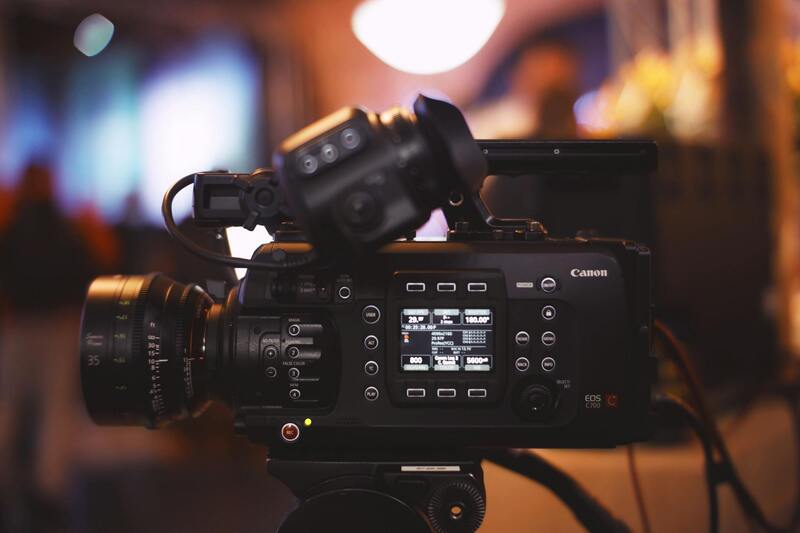
Clear visuals and crisp audio are fundamental to a successful corporate live stream. High-definition cameras, professional lighting setups, and directional microphones contribute to a polished presentation. Proper placement of equipment is essential to capture the intended message effectively, and auxiliary devices such as audio mixers and video switchers enable smooth transitions and professional production values.
Utilizing multi-camera setups allows for dynamic shot changes and diverse perspectives, keeping viewers engaged throughout the event. Ensuring that all video feeds are synchronized and well-lit minimizes distractions and reinforces the organization’s credibility. Regular checks and maintenance of hardware components are necessary to prevent technical failures during the broadcast.
Preparing the Streaming Environment
The physical and digital environments where the broadcast takes place need to be meticulously prepared. This includes verifying the stability of the internet connection—preferably wired to avoid interference—and optimizing the surrounding environment to prevent background noise or visual distractions. Additionally, securing the streaming area with appropriate branding and a clean, professional backdrop enhances visual appeal.
Incorporate backup plans for unforeseen issues, such as secondary internet connections or live technician support on standby. This proactive approach minimizes the risk of interruptions, preserves the flow of the presentation, and reflects well on the organization’s commitment to quality delivery.