Overview of Livestream Video Production
Livestream video production refers to the process of creating and broadcasting live video content over the internet to a remote audience. This dynamic method of content delivery has gained significant prominence across various sectors in Miami, including corporate events, conferences, product launches, entertainment shows, and community activities. As the demand for real-time engagement continues to rise, livestreaming offers unparalleled immediacy and interaction, enabling organizations and individuals to reach viewers instantaneously and in high quality.
In the context of Miami’s vibrant urban environment and diverse demographic, livestream video production serves as a vital tool to connect audiences across geographical boundaries. Whether broadcasting from a convention center, an outdoor festival, or a corporate office, high-quality livestreams ensure that viewers can experience the event as if they were physically present. This is especially relevant for businesses and event organizers seeking to expand their reach and increase audience participation, providing a scalable solution that adapts to both small gatherings and large-scale events.
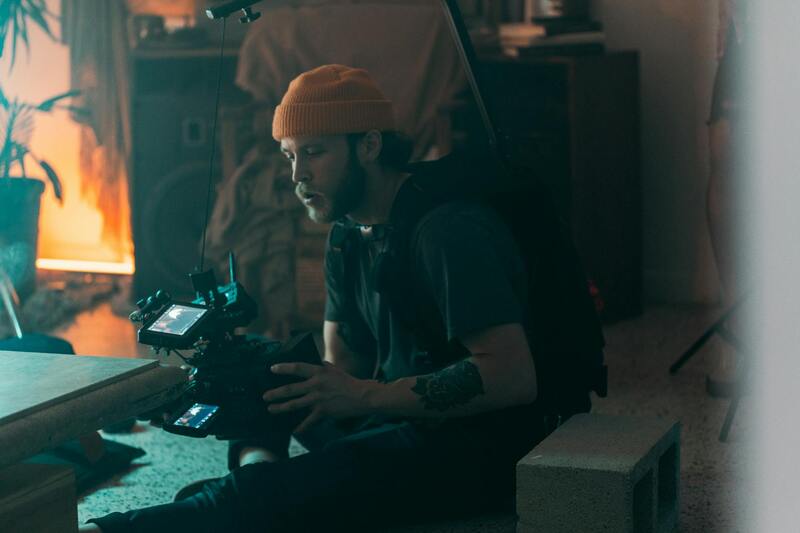
Moreover, livestream video production enhances engagement by integrating interactive features such as live chat, polling, and Q&A sessions, cultivating a more connected experience for online viewers. It also provides tangible benefits for branding, marketing, and communication strategies by delivering customized content tailored to different audiences and time zones.
As Miami continues to emerge as a hub for innovative media solutions, the importance of professional livestream production cannot be overstated. It ensures technical excellence, compelling storytelling, and seamless delivery, all of which combine to elevate the quality and impact of live digital content. Effective livestreaming not only captures the present moment but also creates a valuable content archive for future use, marketing, and analytics efforts, making it a crucial component of modern media outreach.
Technical Setup and Equipment Requirements
For a successful livestream video production, meticulous attention to technical setup and equipment is essential. The foundation of any high-quality live broadcast begins with selecting the right hardware and ensuring proper configuration to deliver crisp visuals and clear audio. This process involves multiple components working in harmony to provide a seamless viewing experience.
Key technical elements include:
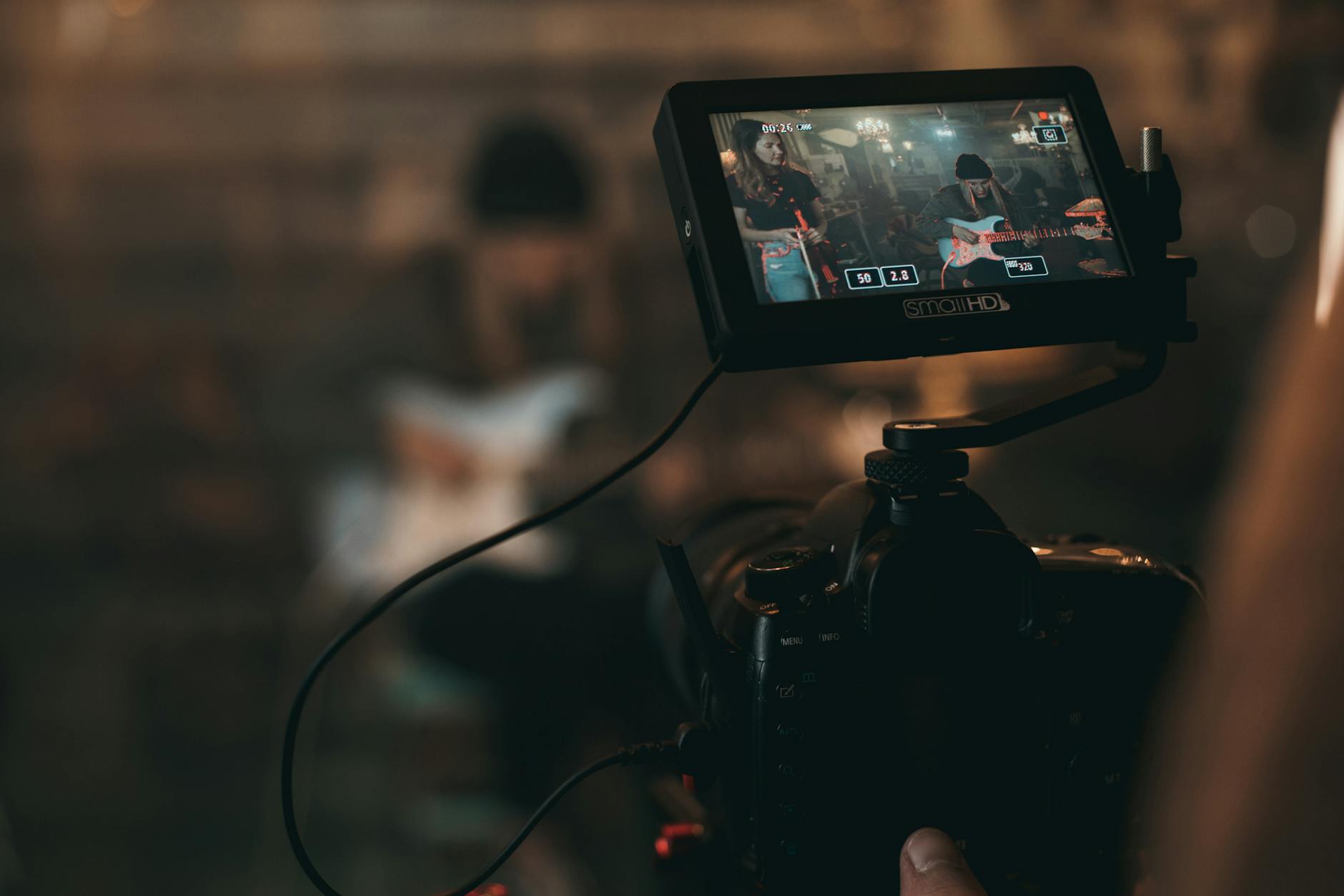
- Camera Systems: Professional-grade cameras are vital for capturing high-resolution video. Depending on the nature of the event, multiple cameras may be used to cover different angles, providing dynamic footage that enhances viewer engagement.
- Encoding Equipment: Hardware encoders convert raw video signals into live streams compatible with various online platforms. Advanced encoders support multi-bitrate streaming, ensuring viewers on different devices and network speeds can access the content without interruptions.
- Audio Capture Devices: Clear audio is crucial for conveying information effectively. High-quality microphones, mixers, and audio interfaces help isolate sound sources and eliminate background noise, greatly improving overall production quality.
- Lighting Solutions: Proper lighting enhances video clarity and visual appeal. It is especially important for indoor settings to achieve even illumination, reduce shadows, and highlight key moments during the broadcast.
- Networking Infrastructure: Reliable high-speed internet connections are non-negotiable. Using dedicated wired connections minimizes latency and buffering issues, ensuring a stable live stream throughout the event.
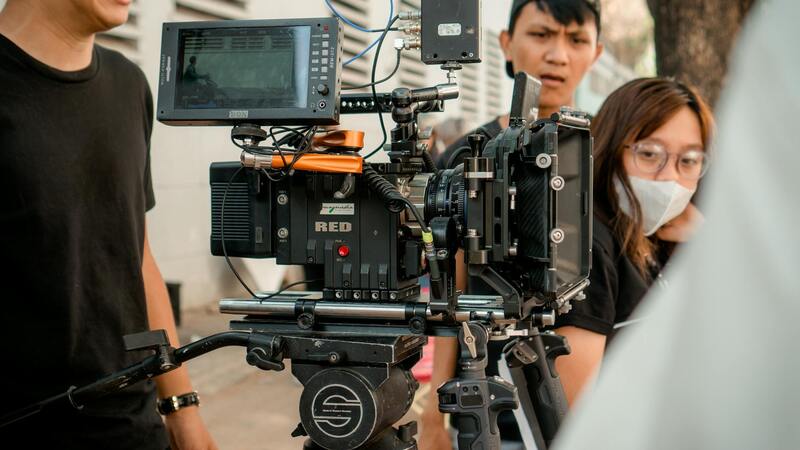
Beyond hardware, a robust content management system and switchers enable smooth transitions between different camera angles or media assets, providing a professional broadcast flow. It is equally important to have backup equipment readily available to handle any potential technical failures during a live event.
Streaming Platforms and Software
The selection of streaming platforms influences the reach and accessibility of the broadcast. Popular options include YouTube Live, Facebook Live, and specialized enterprise solutions that support higher bandwidths, custom branding, and analytics. Adequate streaming software integrates camera feeds, overlays, graphics, and real-time chat features, allowing producers to manage the broadcast efficiently. Examples include vMix, OBS Studio, and Wirecast, all offering versatile tools to tailor the presentation to the event’s specific needs.

Integrating these components with a well-planned technical setup ensures a polished, professional livestream that resonates with viewers and meets broadcast standards. Regular testing, calibration, and staff training are critical to minimize issues during live events, making technical preparedness a cornerstone of credible livestream video production.
Technical Setup and Equipment Requirements
Establishing a reliable technical foundation is fundamental to successful livestream video production. This involves selecting the appropriate hardware and ensuring seamless integration to deliver high-quality broadcasts.
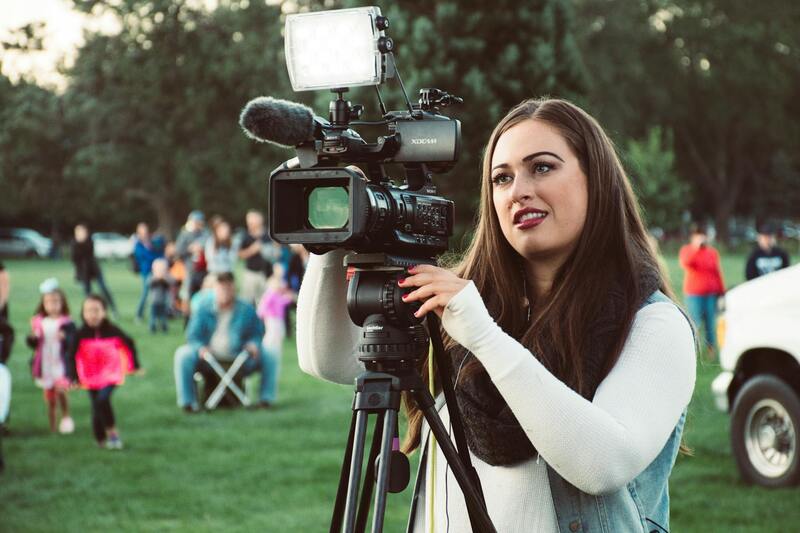
- Cameras: High-definition cameras with image stabilization and adjustable zoom capabilities are essential. Multiple camera setups often include main angles, close-ups, and wider shots to create a dynamic viewing experience.
- Audio Equipment: Clear audio is crucial for engaging broadcasts. Use professional microphones such as shotgun mics, lapel (lavaliere) mics, and audio mixers to capture dialogue and ambient sounds effectively.
- Encoding Devices: Hardware encoders convert camera signals into digital formats suitable for live streaming. Standalone streaming encoders or software solutions like OBS Studio or vMix facilitate real-time encoding with options for bitrate adjustments.
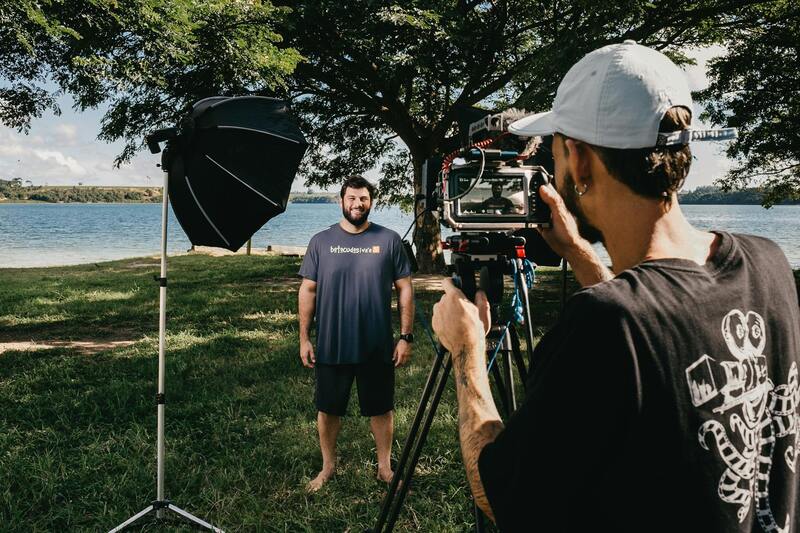
- Lighting: Proper lighting enhances image quality and eliminates shadows. Softbox lights, LED panels, and ring lights are common tools to create an evenly lit environment conducive to professional broadcasts.
- Connectivity: Wired internet connections are preferred for stability. Backup options such as 4G/5G mobile hotspots ensure continued streaming in case of primary connection failures.
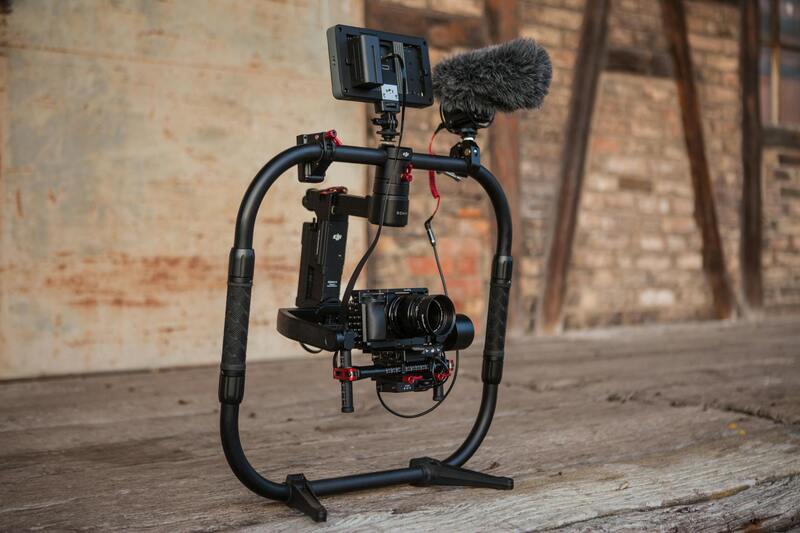
- Support Equipment: Tripods, monopods, gimbals, and cable management supplies contribute to a clean, professional setup. Surge protectors and uninterruptible power supplies (UPS) safeguard equipment during power fluctuations.
Pre-configuring and testing equipment before the event minimizes the risk of technical issues. Calibration of cameras and audio levels, as well as connectivity checks, should be part of the pre-event routine to ensure flawless execution during the live broadcast.
Technical Setup and Equipment Requirements
Ensuring a successful livestream video production hinges on the integration of reliable hardware and software components. The core elements include high-quality cameras, stable internet connectivity, and comprehensive audio-visual equipment. Professional cameras should support high-definition outputs, ideally 4K resolution, to capture fine details and maintain clarity across various viewing platforms. Multiple camera setups enable diverse shot angles, facilitating dynamic visual storytelling that keeps the audience engaged and provides a comprehensive perspective of the event.
A robust internet connection is paramount. Wired Ethernet connections offer superior stability and lower latency compared to wireless alternatives, especially in high-traffic venues. However, incorporating backup options such as 4G/5G mobile hotspots or secondary internet lines mitigates the risk of stream interruptions caused by connectivity issues.
Audio quality profoundly influences the viewer's experience. To ensure clarity, professional-grade microphones like shotgun mics for directional sound or lavaliere microphones for mobility are essential. These should be paired with audio mixers for real-time sound balancing and noise reduction. Adequate soundproofing is also recommended to minimize external disturbances that could compromise audio fidelity.
Software solutions such as OBS Studio, vMix, or Wirecast facilitate real-time video encoding, mixing, and streaming. These platforms offer advanced features including scene switching, graphics overlay, and multi-source management, which elevate the overall production quality.
Supporting equipment further contributes to operational reliability. Tripods, stabilizers, and gimbals ensure steady footage, while cable management supplies keep the setup organized and safe. Power backup systems such as uninterruptible power supplies (UPS) safeguard crucial equipment from unexpected power outages, thus maintaining uninterrupted broadcast flow.
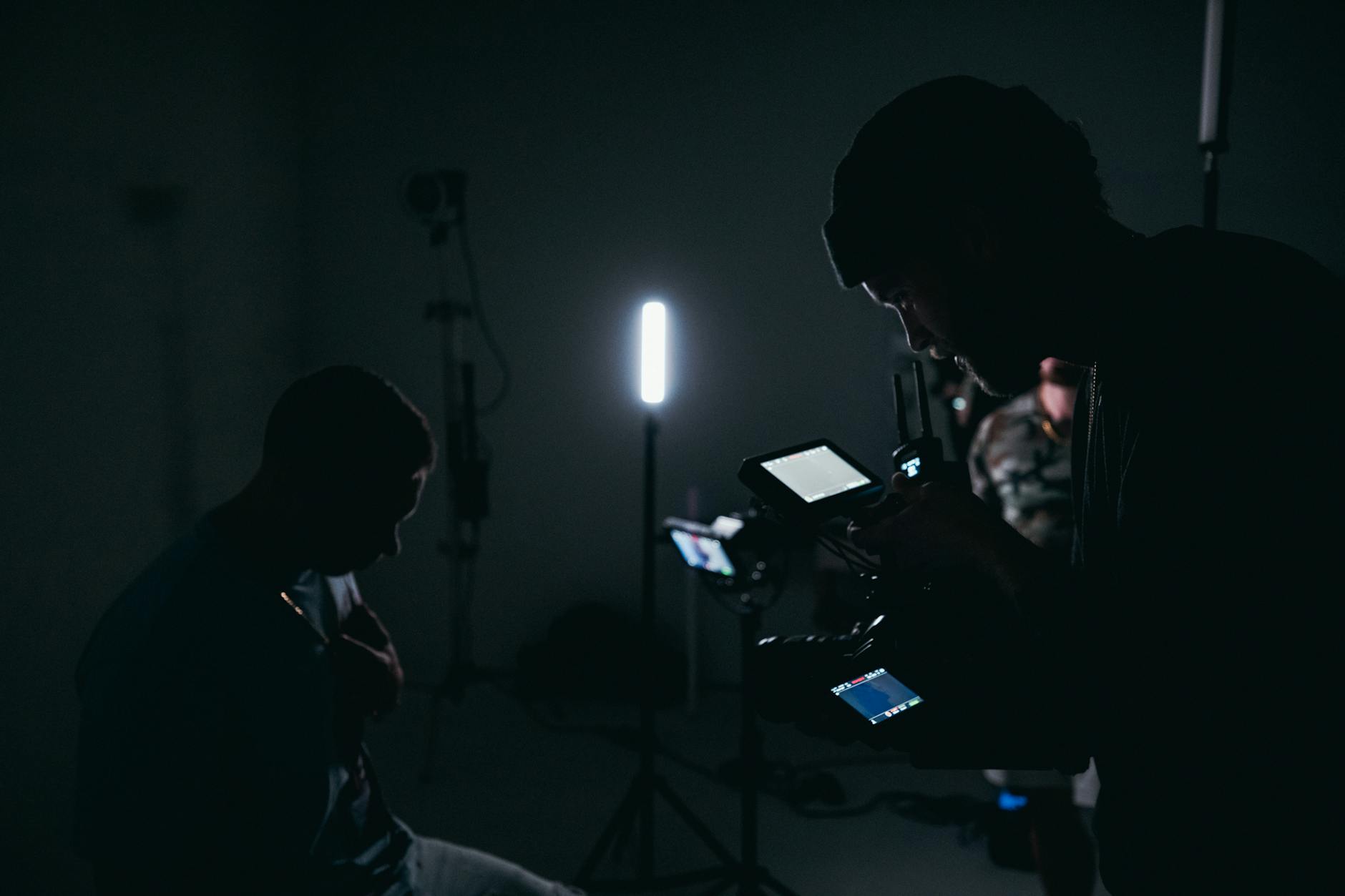
Careful configuration and thorough testing of all equipment prior to the event are critical. Calibration of camera settings, audio levels, and internet connectivity checks minimize technical disruptions during the live broadcast. Conducting rehearsals allows production teams to identify potential issues and optimize camera placements, lighting conditions, and audio setups to achieve seamless execution.
Managing Live Feeds and Ensuring Seamless Transitions
Effective management of live feeds is fundamental in maintaining a polished and engaging broadcast. Operators must monitor multiple camera angles, audio levels, and visual elements simultaneously to deliver a cohesive viewer experience. Transitioning smoothly between different camera shots requires real-time switching capabilities, which can be achieved using professional switching equipment or software interfaces. These tools enable producers to cut between cameras seamlessly, add transition effects, or overlay graphics dynamically, enhancing the overall production quality.
Audio management during a livestream is equally critical. Live audio must be balanced to ensure clarity and consistency across different sources. This involves real-time adjustments to microphone levels, balancing ambient sounds, and managing music or other audio cues. Skilled sound engineers utilize digital mixers or software platforms to tweak audio parameters, preventing issues like clipping, background noise, or imbalances that could detract from the message.
While executing a livestream, unexpected technical issues can arise. Common challenges include internet connectivity drops, hardware malfunctions, or software glitches. Preparing for contingencies involves having backup equipment on-site, including spare cameras, cables, and audio gear. It’s also prudent to establish clear communication protocols among team members to swiftly address problems as they occur. Troubleshooting procedures should be rehearsed prior to the event, enabling quick identification and resolution of issues without disrupting the broadcast.
Real-time Troubleshooting and Quality Control
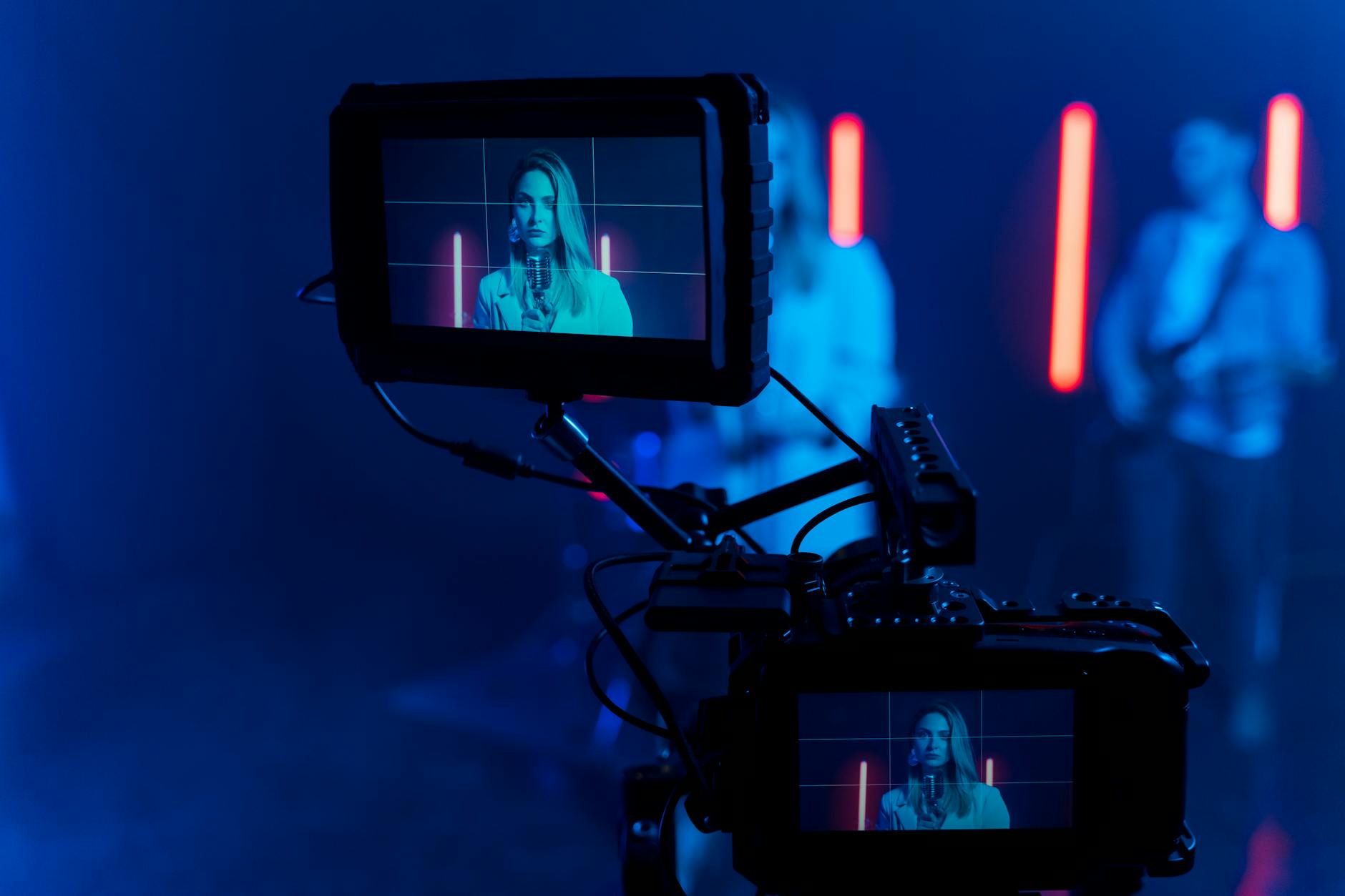
Maintaining quality standards during a livestream involves constant vigilance. Production teams typically use monitoring tools that display multiple video feeds and audio levels simultaneously, allowing for immediate detection of anomalies. Visual cues such as color bars or test patterns can be utilized at the start to calibrate cameras and audio equipment, ensuring uniformity throughout the broadcast. Additionally, live chat or communication channels enable team members to report issues instantly, facilitating rapid intervention when technical disruptions occur.
Employing redundant systems, such as secondary internet connections or backup computing hardware, minimizes the risk of interruptions. Routine checks of all equipment before going live are essential, including verification of internet bandwidth, synchronization of video sources, and testing of streaming platforms. These practices help safeguard against delays or loss of feed, providing a professional and uninterrupted viewing experience for online audiences.
Post-production and Content Repurposing
Effective post-production processes transform raw livestream footage into polished content that extends the reach and impact of the original broadcast. Editing plays a crucial role in refining the visuals and audio, correcting color inconsistencies, and removing any unwanted segments or technical glitches. With high-quality editing software, producers can integrate graphics, overlays, and closed captioning to enhance viewer engagement and accessibility.
Archiving of livestream content ensures that valuable footage remains accessible for future use. A well-organized digital archive allows for quick retrieval of specific clips or segments for marketing or future broadcasts. It also provides a resource for creating highlights, tutorials, and promotional content that can be shared across multiple platforms to increase audience engagement.
Content repurposing is vital for maximizing the return on investment in livestream production. This can include converting live footage into shorter clips for social media, creating promotional trailers, or developing educational and training materials for ongoing outreach. Repurposing content helps reach diverse audience segments and maintains ongoing interest in the brand or event, making each livestream a multi-dimensional marketing tool.
Choosing a Livestream Production Partner in Miami
Selecting the right production partner in Miami involves careful assessment of their technical expertise, equipment capabilities, and industry experience. An ideal partner should offer comprehensive services that cover all aspects of livestream video production, from pre-event planning to post-broadcast content management.
Evaluate their track record by reviewing case studies and client testimonials, ensuring they have experience with similar event types and audience sizes. A reliable provider will maintain cutting-edge equipment and employ certified professionals skilled in live video switching, audio engineering, and multi-camera setups.
Furthermore, consider their approach to communication and collaboration. Transparent planning, clear timelines, and proactive problem-solving are indicators of a dependable partner. It’s essential they understand your goals, audience, and desired outcomes to tailor solutions that match your specific needs.
Partnership durability is also important. Long-term collaboration can lead to customized workflows, preferential pricing, and shared insights for future events, fostering continuous improvement in live streaming quality. Local expertise in Miami ensures the partner is familiar with regional broadcasting infrastructure, permitting smoother integration and real-time troubleshooting during events.
Future Trends in Livestream Video Production
The landscape of livestream video production is rapidly evolving, driven by technological advancements and shifting audience preferences. One notable trend is the increased adoption of 4K and HDR streaming, providing viewers with stunning visuals that enhance the immersive experience. As internet infrastructure continues to improve, higher resolution streams will become more accessible and commonplace.
Artificial intelligence and automation are transforming live production workflows. AI-powered tools can facilitate real-time scene switching, automated audio balancing, and dynamic graphics, reducing the need for manual intervention and increasing operational efficiency.
Interactivity is also shaping future livestreams, with features like live polls, chat integrations, and viewer-triggered content elements creating more engaging and participatory experiences. This trend encourages audience retention and fosters a sense of community among viewers.
Moreover, live commerce, or shoppable livestreams, presents new monetization opportunities for brands and content creators. Integrating e-commerce features directly into live broadcasts allows viewers to purchase products without leaving the stream, opening avenues for innovative marketing strategies.
Cloud-based production tools are gaining popularity, enabling remote collaboration among production teams across different locations. This flexibility allows for more scalable and cost-effective livestreams, accommodating diverse event formats and audience sizes.
Choosing a Livestream Production Partner in Miami
Identifying a suitable livestream video production partner is crucial to ensure a seamless and professional broadcast. When selecting a Miami-based agency, several key factors should be carefully evaluated to align with your event goals and production standards.
Experience and Industry Reputation
Opt for a production team with a proven track record of delivering high-quality livestreams across various event types. A partner with extensive experience in digital broadcasting understands the nuances of live production, including managing unpredictable technical challenges and maintaining smooth content delivery under pressure. Professional agencies often showcase a diverse portfolio of past projects, demonstrating their versatility and commitment to excellence.
Technical Capabilities and Equipment
The quality of the equipment used by your production partner directly impacts the end result. Inquire about their camera systems, switching consoles, audio equipment, lighting, and streaming infrastructure. Advanced encoding hardware and redundant setups are indicators of a commitment to reliability. Additionally, check whether they utilize cloud-based and remote production tools, which enhance flexibility, especially for multi-location or large-scale events.
Customization and Service Offerings
A professional livestream provider should offer tailored solutions based on your specific needs. Whether it’s a corporate seminar, live concert, or sports event, they should assemble a comprehensive plan that includes content design, visual branding, interactive features, and contingency protocols. Full-service agencies can also assist with pre-event planning, graphics integration, and real-time chat moderation to boost viewer engagement.
Technology Integration and Compliance
Ensure the provider adheres to the latest industry standards for live streaming, including support for high-resolution outputs such as 4K or HDR, and employs secure streaming protocols to protect content. Their familiarity with various broadcasting platforms ensures compatibility across social media, websites, or dedicated apps, increasing the event’s reach and accessibility.
Local Presence and Customer Support
Having a Miami-based partner offers logistical advantages, including on-site support, faster troubleshooting, and better understanding of regional event requirements. A responsive customer service team capable of providing real-time assistance throughout the production cycle is essential for addressing unforeseen issues promptly.
Evaluating these aspects thoroughly ensures that your chosen production partner can deliver a high-quality livestream experience that aligns with your objectives and engages your audience effectively. Collaborating with experienced local specialists can also provide added confidence and smooth execution, resulting in a memorable event that resonates with viewers long after the broadcast concludes.
Comprehensive Strategies for Optimal Livestream Video Production
Mastering the intricate art of livestream video production involves adherence to of the most reliable, proven methods that prioritize content quality, viewer engagement, and technical excellence. Central to this process is the integration of robust legal and procedural frameworks that guarantee smooth execution and content security. Legitimacy in streaming practices is underpinned by adherence to established industry standards, which include secure transmission protocols, licensing agreements, and compliance with regional broadcasting regulations, thereby ensuring your livestreams are both compliant and professional.
Implementing Official and Reliable Content Dissemination Techniques
To maximize reach and viewer satisfaction, organizations often rely on official methods supported by reputable streaming platforms and service providers. These methods encompass the use of certified content delivery networks (CDNs) that facilitate high-speed data transfer and reduce latency, ensuring viewers experience seamless streams regardless of their geographic location. Customizable streaming players embedded into websites or social media platforms allow for brand consistency and enhanced functionality such as adaptive bitrate streaming, which dynamically adjusts video quality based on the viewer's internet speed.
Employing multi-platform streaming solutions guarantees that the content is accessible across various devices and channels, including social media, corporate websites, and dedicated apps. This comprehensive approach expands audience reach, enhances engagement, and fosters a wider community around your content. Additionally, leveraging secure streaming protocols like HTTPS and Content Delivery Network encryption ensures the protection of your content, maintaining confidentiality and integrity throughout the broadcast process.
Official Equipment and Infrastructure Standards
- Utilizing industry-certified cameras and audio hardware to ensure high-definition visuals and sound clarity.
- Implementing reliable networking infrastructure with dedicated bandwidth to prevent interruptions.
- Employing professional-grade switchers, mixers, and encoding devices aligned with industry standards.
- Integrating backup systems, including secondary internet connections and redundant hardware, to mitigate risk of technical failure.
Operational Best Practices for Legal and Secure Streaming
Operators should rigorously verify intellectual property rights and licensing agreements to ensure that all streamed content complies with relevant standards. Implementing strict access controls and content encryption measures prevents unauthorized distribution and piracy. Maintaining comprehensive documentation on permission rights, licenses, and platform credentials supports operational transparency and facilitates audits or content disputes.
Public-facing content should be clearly branded and equipped with appropriate watermarks or digital signatures where necessary. This not only enhances brand recognition but also strengthens content authenticity. Regular security audits and updates to streaming software help identify vulnerabilities and reinforce defenses against cyber threats.
Ensuring Accessibility and Inclusivity
Aligned with best practices, official livestream production emphasizes accessibility features such as closed captions, audio descriptions, and multi-language options. These features broaden audience inclusion, accommodating viewers with diverse needs. By ensuring compliance with accessibility standards, organizers demonstrate commitment to equitable content dissemination and extend their reach into broader demographics.
Summary
Adopting official, industry-approved methods for livestream video production guarantees operational integrity, content security, and audience engagement. From implementing secure transmission protocols and utilizing certified equipment to adhering to licensing requirements, these practices lay the foundation for successful virtual events. By focusing on technical excellence and regulatory compliance, organizations can deliver professional, reliable livestreams that elevate brand presence and foster meaningful viewer interactions.