Understanding Live-Streaming Production Services
Live-streaming production services have revolutionized the way organizations, companies, and individuals broadcast their events to remote audiences. These services encompass a spectrum of offerings, designed to deliver high-quality digital content in real-time. A comprehensive live-streaming production company specializes in several key areas, each critical to ensuring a seamless broadcast from start to finish.
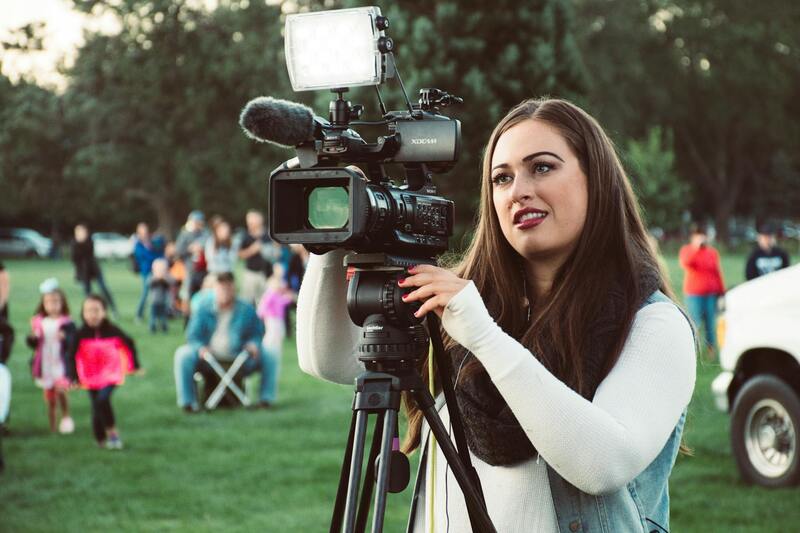
One of the core services provided by these companies involves thorough event coverage. This includes capturing every important moment through strategically placed cameras, ensuring that no detail is missed. The coverage is often tailored to the event’s format—be it a conference, concert, or corporate meeting—to maximize viewer engagement.
Technical setup constitutes another essential element. This involves configuring the streaming hardware and software, establishing reliable internet connections, and ensuring all audiovisual equipment operates harmoniously. High-quality video and audio are non-negotiable, and live-streaming production companies utilize cutting-edge technology to meet these standards.
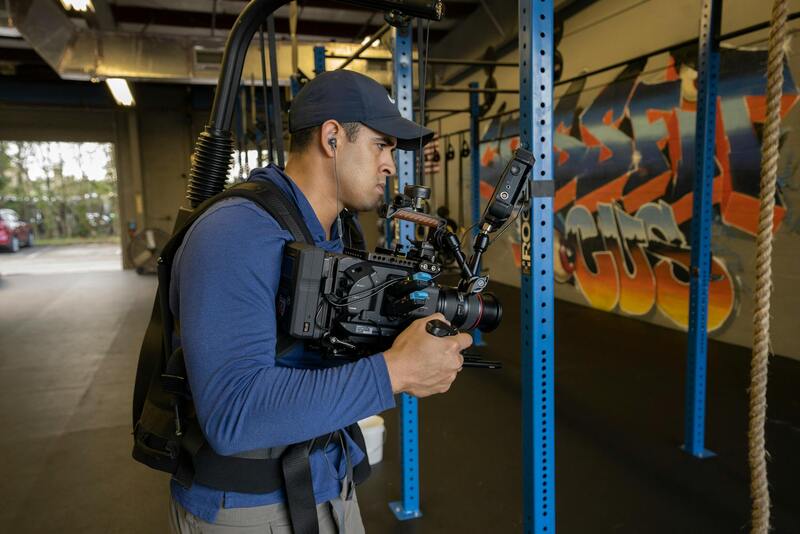
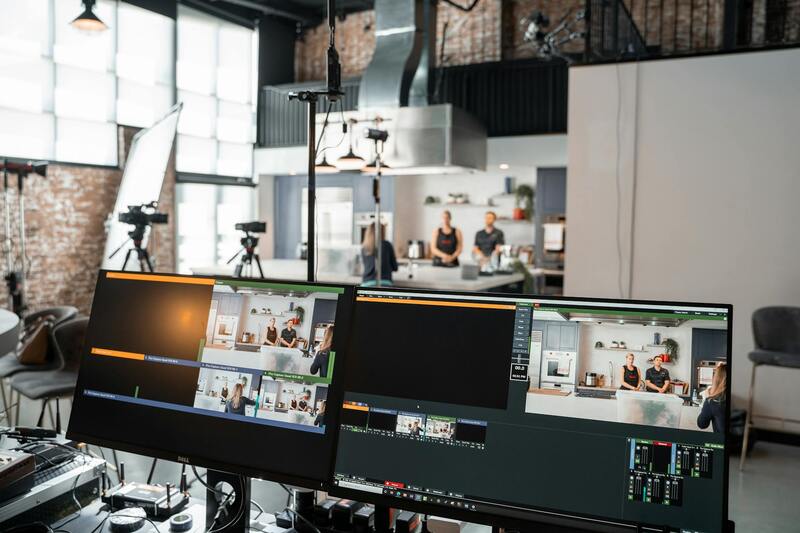
Multi-camera broadcasting is a defining feature that distinguishes professional services from amateur attempts. Multiple cameras provide diverse angles and dynamic visuals, making the broadcast more engaging. Switching between camera feeds in real-time requires specialized equipment and skilled operators to deliver a polished final product.
Additional services often include live editing, graphics insertion, stream scheduling, and integration with social media platforms, which augment the audience experience and extend reach. The process demands not only technical expertise but also a solid understanding of event logistics, audience engagement, and digital broadcasting best practices.
Choosing a live-streaming production company that offers comprehensive solutions ensures that every aspect of the digital broadcast is managed professionally. From initial planning and setup to the live event and post-event analytics, a well-equipped production team can elevate the quality and impact of live digital content.
Technology and Equipment Used in Live-Streaming Production
Advanced technology forms the backbone of any successful live-streaming production. Professional companies invest in high-definition cameras capable of capturing crisp visuals from multiple angles, ensuring viewers experience a seamless and engaging broadcast. These cameras often include robotic or PTZ (pan-tilt-zoom) models for dynamic shot adjustments, enabling smooth transitions and professional visual storytelling.
Complementing the cameras, high-grade audio equipment such as lavalier mics, shotgun mics, and mixing consoles are used to guarantee clear sound quality. Audio clarity is essential, as it directly affects viewer engagement and comprehension of the content.
Stream encoding hardware plays a critical role in transmitting the video feed to online platforms. Reliable encoders compress data efficiently without sacrificing quality, reducing buffering issues and lag during live events. Encoder compatibility with various streaming platforms ensures broad accessibility and reach.
In addition, a robust internet connection is non-negotiable, often supported by wired Ethernet to prevent disruptions common to Wi-Fi. Some production companies incorporate backup internet solutions, including cellular bonding technology, to maintain stream stability even if primary connections falter.
Visual graphics, overlays, and real-time statistics are integrated through professional broadcast software. These enhancements add professionalism to the event, helping to convey information clearly and keep viewers visually engaged.
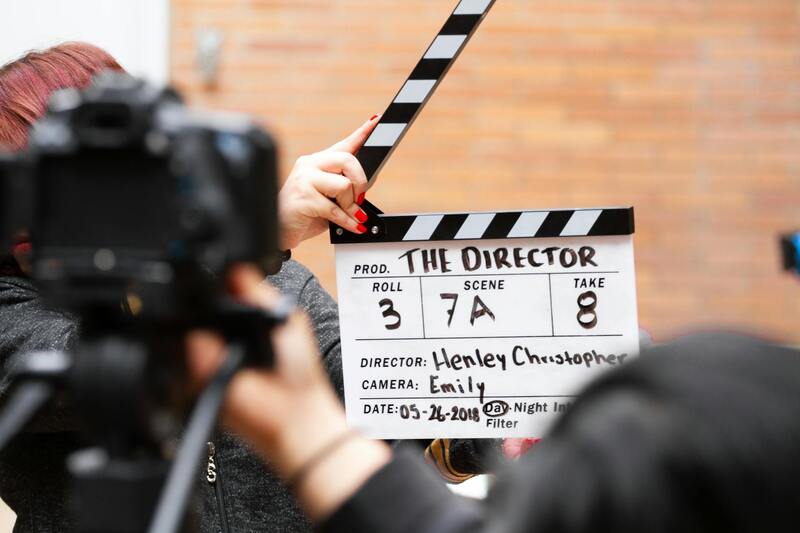
Advanced Technology and Equipment in Live-Streaming Production
Executing a high-quality live-streaming event demands the use of sophisticated technology and equipment tailored to meet the dynamic needs of live broadcasts. Top-tier live-streaming production companies invest in an array of hardware and software tools that ensure seamless transmission and premium visual output. Professional-grade cameras are a primary component, offering high resolution, wide dynamic range, and adaptability to various lighting conditions, thereby capturing every detail with clarity. These cameras work in tandem with high-quality audio systems to guarantee crystal-clear sound, which is critical for engaging viewers and maintaining the integrity of the broadcast.
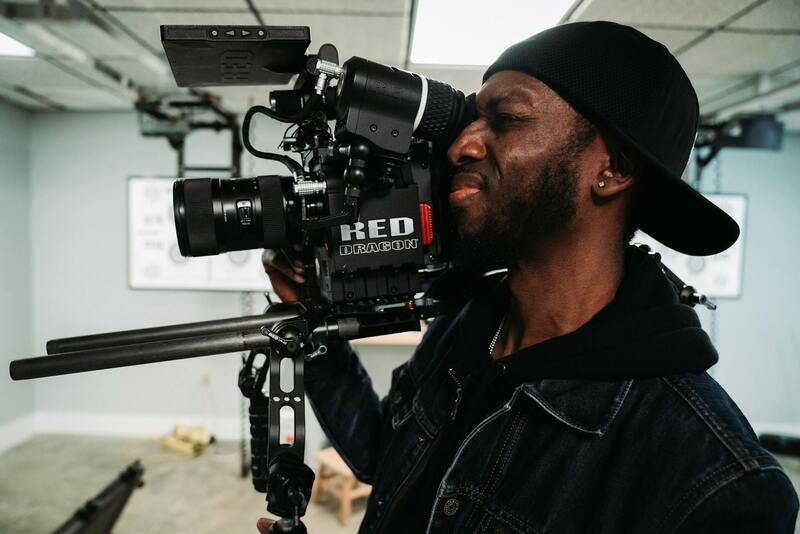
Switching between multiple camera angles is facilitated through advanced switchers, enabling real-time editing and transitions that contribute to a polished viewing experience. Video switchers with multiple inputs allow operators to alternate seamlessly between different video sources, overlay graphics, or insert prerecorded clips as needed. Additionally, broadcasting software such as wirecast, vMix, or OBS Studio plays a critical role in managing the stream, integrating graphics, overlays, and live statistics efficiently.
Lighting equipment also plays a vital role, especially in indoor settings. Proper lighting setups, including key lights, fill lights, and backlights, ensure subjects are well-illuminated, colors are true, and the overall visual quality aligns with professional standards. Lighting kits tailored for live production enable flexibility and quick adjustments to changing conditions, further enhancing the final output.
State-of-the-art streaming hardware, including encoders and routers, ensures consistent internet connectivity and optimal data compression, minimizing interruptions during live broadcasts. These devices work together to deliver stable streams across various platforms, supporting high bandwidths necessary for HD or 4K streaming quality. Redundant systems and backup internet connections are often utilized to mitigate potential disruptions, guaranteeing continuous coverage regardless of unforeseen issues.
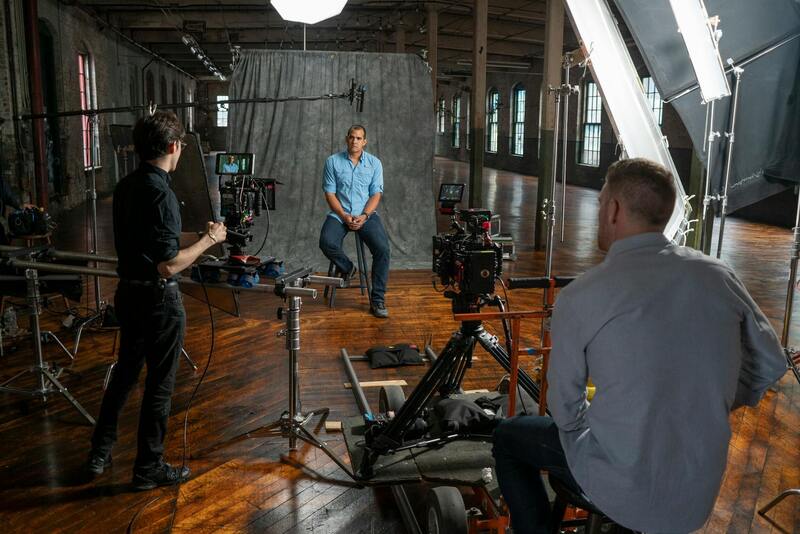
The integration of these technological elements requires skilled technicians with extensive experience in live broadcasting. Their expertise in operating equipment, troubleshooting technical issues, and optimizing the production flow ensures that live-streaming events meet the highest standards of quality. Additionally, pre-production planning and technical rehearsals are essential to align all components and address potential challenges before the event goes live.
Overall, the comprehensive deployment of advanced technology and equipment is fundamental to producing captivating live streams that capture audience attention, preserve brand integrity, and deliver real-time engagement, all of which are hallmarks of a reputable live-streaming production company.
Understanding Live-Streaming Production Services
Live-streaming production services encompass the comprehensive process of capturing, editing, and broadcasting live events to online audiences through various digital platforms. These services encompass a wide range of technical aspects, including multi-camera setups, professional audio deployment, real-time video switching, encoding, and robust internet connectivity. The goal is to deliver a seamless viewing experience that engages viewers, maintains high-quality visuals, and ensures stable transmission regardless of the event size or complexity.
At the core, a live-streaming production involves meticulous planning and coordination, integrating various technological components with creative storytelling. From pre-production planning, which includes content scripting, shot planning, and technical rehearsals, to the actual live broadcast, each phase is crucial. Skilled technicians operate professional-grade equipment such as broadcast cameras, switchers, audio mixers, and streaming software to produce a polished final product. Post-broadcast, the content can often be repurposed for on-demand viewing, extending the event’s reach.
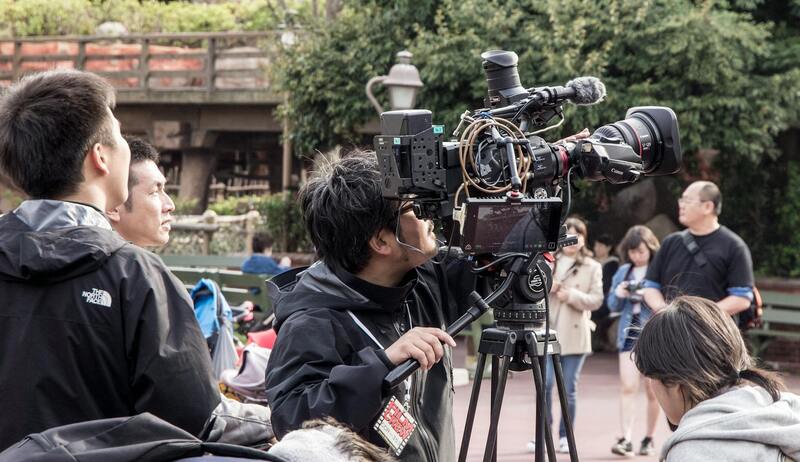
Effective live-streaming production requires adherence to industry standards, including reliable internet connections, optimized encoding settings, and quality assurance checks. These elements are vital in preventing disruptions like buffering, lag, or pixelation, which could diminish viewer engagement and damage brand reputation. Therefore, partnering with experienced production companies ensures that every technical detail is managed proficiently, from camera positioning to audio clarity, to deliver a professional broadcast that aligns with audience expectations.
Furthermore, the integration of graphics, overlays, and live subtitles enhances viewer engagement and accessibility. These enhancements require real-time synchronization and precise control, highlighting the necessity of a well-trained technical crew. By leveraging this comprehensive approach, live-streaming services help organizations extend their reach, promote engagements, and create memorable digital experiences that resonate long after the event concludes.

Technology and Equipment Used in Live-Streaming Production
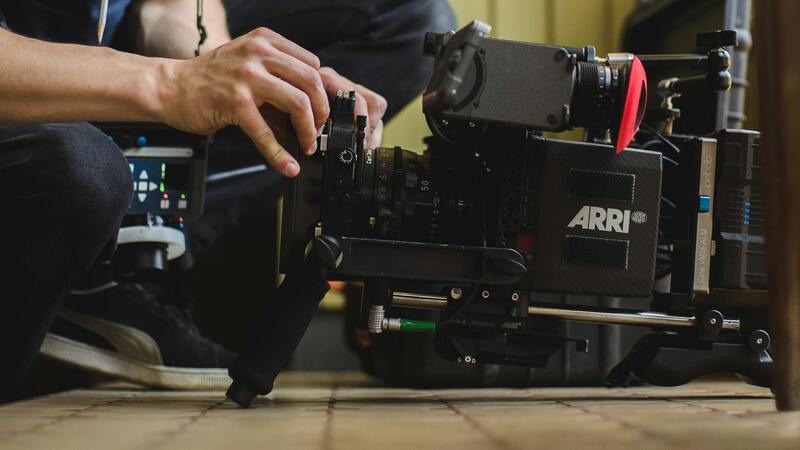
State-of-the-art technology forms the backbone of professional live-streaming production. Modern production companies utilize a range of sophisticated tools designed to ensure seamless, high-quality broadcasts that meet client expectations. Central to this setup are multi-camera configurations, which allow for dynamic switching between different angles and perspectives, enhancing the visual experience for viewers. These cameras, often high-definition or 4K, are operated by skilled camera operators who optimize framing and focus during live events.
To support the flow of the broadcast, efficient video switchers enable directors to seamlessly transition between camera feeds, incorporate graphics, and add effects in real time. Video switchers are essential for maintaining a polished presentation, especially during complex sequences such as live concerts or multi-stage conferences. Audio quality is equally critical; thus, professional audio mixers and microphones are integrated to capture and manage sound clarity, background music, and commentary effectively.
Reliable streaming platforms are selected based on their ability to handle the event’s scale and audience size, ensuring minimal buffering and latency issues. These platforms offer features such as multi-platform distribution, chat integrations, and analytics to monitor engagement. Backup solutions, including redundant internet connections and power supplies, are implemented proactively to prevent interruptions, even in the face of unforeseen technical failures.
Operational stability hinges on the proper configuration of encoding hardware and software, which compresses and transmits video data efficiently without sacrificing quality. Encoders are optimized to adapt to varying internet conditions, maintaining stream stability. Additionally, real-time monitoring tools allow production teams to track stream health and address potential issues swiftly, ensuring an uninterrupted viewing experience for the audience.
Most professional live-streaming production companies also incorporate supplementary technologies such as graphical overlays, live subtitles, and branding elements that synchronize accurately during the broadcast. These enhancements increase viewer engagement and accessibility, making content more inclusive. Advanced graphics engines and overlay systems allow real-time updates for scores, sponsors, or event information, enriching the overall presentation.
Moreover, with the advent of immersive experiences, some companies now employ augmented reality (AR) and virtual set designs to elevate the production quality further. These tools enable organizations to deliver innovative and visually compelling live streams that stand out in a crowded digital space.
In sum, the combination of cutting-edge equipment, reliable streaming platforms, and strategic backup measures constitutes a fully integrated live-streaming environment. Such a setup ensures resilient, high-fidelity broadcasts capable of engaging audiences across multiple devices and locations. When partnering with a live-streaming production company, clients can be assured that their events will be executed with technical excellence, reflecting professionalism and attention to detail that elevates any live event into a memorable digital experience.
Understanding Live-Streaming Production Services
Partnering with a specialized live-streaming production company involves a comprehensive approach to delivering high-quality digital broadcasts. These services encompass everything from pre-event planning and content scheduling to on-site technical execution and post-event analytics. A professional team manages multiple aspects, including camera operation, audio quality, graphics integration, and streaming platform management, to ensure a seamless viewer experience. The process often involves customizing the production to match the event's nature, whether it’s a corporate conference, product launch, sports event, or community festival. In addition, live-streaming production companies employ advanced software solutions to handle encoding, multi-camera switching, and real-time graphics updates, thereby elevating the overall visual impact of the broadcast. They also implement real-time monitoring tools to track stream health continuously, promptly addressing any transmission issues that might arise. This meticulous oversight guarantees minimal latency, high-resolution output, and uninterrupted viewing for audiences accessing the stream from various devices and locations.
Effective communication and detailed planning are cornerstones of successful live-streaming services. Pre-production meetings help define the event's objectives, target audience, and broadcast requirements. This phase involves selecting appropriate camera angles, determining audiovisual needs, designing graphics templates, and establishing contingency plans for technical difficulties. During the event, a dedicated crew manages the technical aspects, ensuring seamless switching between camera feeds, synchronizing overlays with live content, and controlling audio levels. Post-event, analytics are utilized to evaluate viewer engagement, stream stability, and overall performance, providing valuable insights for future broadcasts.
Why Choose a Miami-Based Live-Streaming Production Company
Miami offers a vibrant backdrop for a wide array of events requiring professional live-streaming solutions. Local production companies possess an intimate understanding of regional venues and infrastructure, which translates into more efficient planning and execution. Furthermore, these companies are well-acquainted with Miami’s cultural landscape and audience preferences, enabling them to customize content to resonate effectively. The proximity also facilitates on-site support, rapid equipment deployment, and real-time problem-solving, ensuring that technical issues are addressed swiftly. Choosing a Miami-based provider guarantees a more personalized approach, with teams capable of adapting to dynamic event requirements, whether it’s a high-profile corporate gathering or a local community celebration.
Additionally, local companies maintain strong relationships with regional vendors and venues, streamlining logistical coordination. This network allows for smoother setup and takedown processes, cost efficiencies, and access to specialized equipment tailored to Miami’s many unique event spaces. Their expertise in navigating local permits, regulations, and logistical challenges minimizes potential delays and disruptions, contributing to a flawless broadcast. Opting for a Miami-based live-streaming production company ensures that your event benefits from regional expertise, technological familiarity, and a personalized service approach that aligns with your event’s specific needs and cultural nuances.
Technology and Equipment Used in Live-Streaming Production
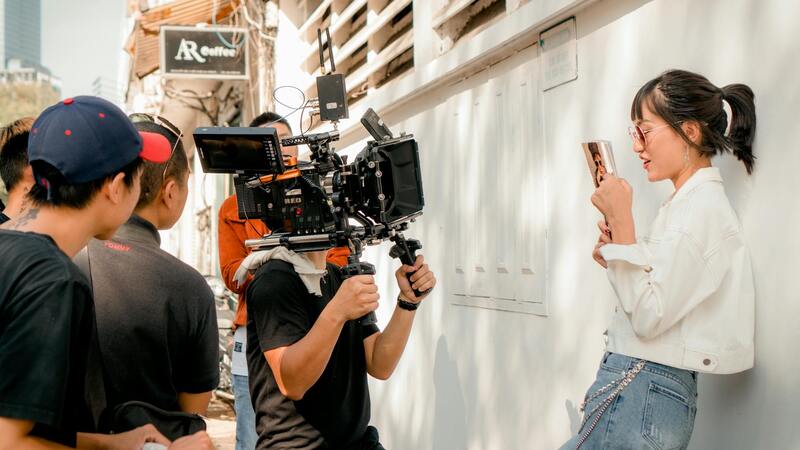
To ensure high-quality live broadcasts, a professional live-streaming production company relies on a comprehensive suite of advanced technology and equipment. This includes high-definition cameras with multiple lens options, enabling dynamic shots and seamless transitions between different viewpoints. These cameras are often supported by sophisticated video switchers that allow for real-time editing, adding graphics, overlays, and transitions to enhance viewer engagement.
Audio quality is equally critical, and therefore, professional-grade microphones, audio mixers, and soundboards are employed to capture clear sound, reduce background noise, and balance audio levels across multiple sources. This attention to audio fidelity ensures that viewers receive an immersive experience that matches in-person event quality.
In addition to visual and audio equipment, reliable encoding hardware and software are vital for compressing and transmitting broadcast signals effectively over the internet. This includes streaming encoders that can adapt to fluctuating internet bandwidths, maintaining a stable stream without interruptions. Redundant internet connections, such as fiber optics combined with cellular backup, provide added stability during live events.
The deployment of professional lighting setups also plays a crucial role, especially in indoor venues, ensuring that the presenters and key event elements are well-illuminated and visually appealing on camera. Furthermore, advanced graphics systems enable the integration of lower thirds, logos, and real-time score updates, which add a polished, professional touch to the broadcast.
These technological tools are supported by skilled operators and technicians who oversee every aspect of the production process, from initial setup and testing to live monitoring and post-event analysis. Their expertise allows for swift adjustments, troubleshooting, and uploads, ensuring a seamless and engaging viewing experience.
Advanced Strategies for Optimizing Live-Streaming Production
Effective live-streaming involves meticulous planning, technical mastery, and strategic execution. When partnering with a production company, it’s crucial to outline clear objectives, target audience preferences, and specific event needs. A dedicated team will conduct comprehensive pre-event consultations to align your vision with the technical capabilities at hand. This process includes detailed planning of camera placements, audio arrangements, graphics integration, and streaming platforms to ensure a cohesive flow and high-quality output.
Strategic Technical Preparations
Prior to the event, thorough testing and rehearsals are essential. This allows the production team to identify potential issues related to internet connectivity, audio-visual synchronization, and equipment performance. Redundant setup configurations, such as dual encoders and backup streaming hardware, provide resilience against technical failures. Establishing reliable data connections, including fiber optic internet with cellular backup, guarantees that the stream remains stable even if primary connections experience disruptions.
Enhancing Viewer Engagement
Interactive features such as live chat moderation, real-time polls, and audience Q&A sessions significantly boost viewer involvement. A professional production company can embed these functions seamlessly into the broadcast, ensuring real-time interaction without compromising the stream's quality. Additionally, incorporating branded graphics and overlays enhances visual appeal and promotes brand recognition, delivering a polished and immersive viewer experience.
Post-Event Analysis and Reporting
Post-broadcast reviews are vital for evaluating the success of each live-stream. Metrics such as viewer demographics, engagement rates, and stream stability help refine future productions. Advanced analytics provided by experienced production teams facilitate data-driven decisions, enabling you to understand audience preferences and improve content delivery consistently. These insights support ongoing growth and innovation in your live-streaming strategy.
Ensuring Compliance with Best Practices
Adhering to best practices in live-streaming encompasses latency management, bandwidth utilization, and content security. Implementing adaptive bitrate streaming ensures viewers experience minimal buffering, regardless of their internet connection quality. Encryption and secure streaming protocols protect content integrity and prevent unauthorized access. Moreover, maintaining high streaming standards through expert oversight ensures your brand consistently presents a professional image across all broadcasts.
By leveraging advanced technology, strategic planning, and local expertise, a Miami-based live-streaming production partner can help elevate your event's reach and impact. Their proficiency in managing complex technical requirements alongside creative elements guarantees a seamless broadcast experience—delivering your message effectively to your target audience.