Understanding Livestream Services
Livestream services have become an essential component for organizations, event organizers, and content creators seeking to reach broader audiences in real-time. These services encompass a comprehensive suite of offerings designed to broadcast live events seamlessly across multiple platforms. Fundamental to these services is live event streaming, which ensures that audiences can watch events as they happen, regardless of geographical boundaries.
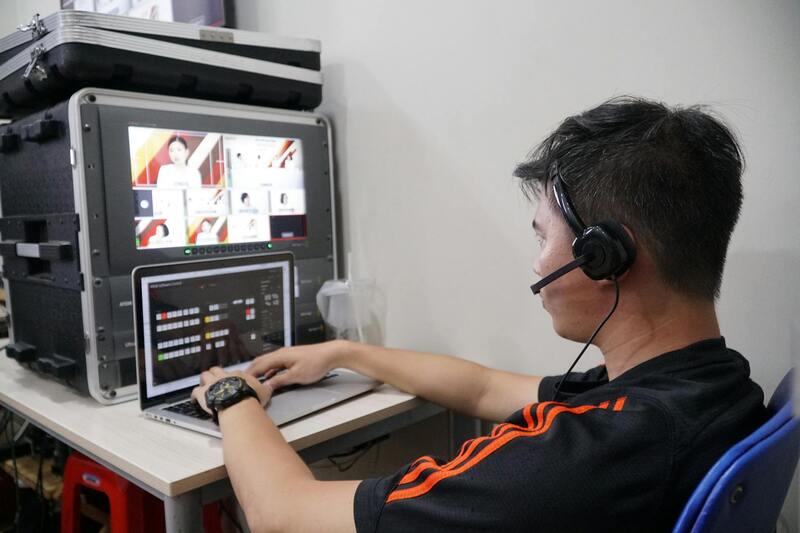
In addition to basic streaming, many livestream companies provide multi-camera production capabilities. This feature allows for dynamic and professional quality broadcasts by switching between different camera feeds, offering viewers a more engaging experience. Multi-camera setups are particularly beneficial for conferences, concerts, and sporting events, where visual variety enhances viewer engagement.
Platform integration is another pivotal aspect of modern livestream services. Reputable providers enable seamless broadcasting across various channels such as social media platforms, dedicated websites, and streaming services. This multi-platform approach maximizes reach and visibility, ensuring content is accessible to target audiences wherever they prefer to consume media.
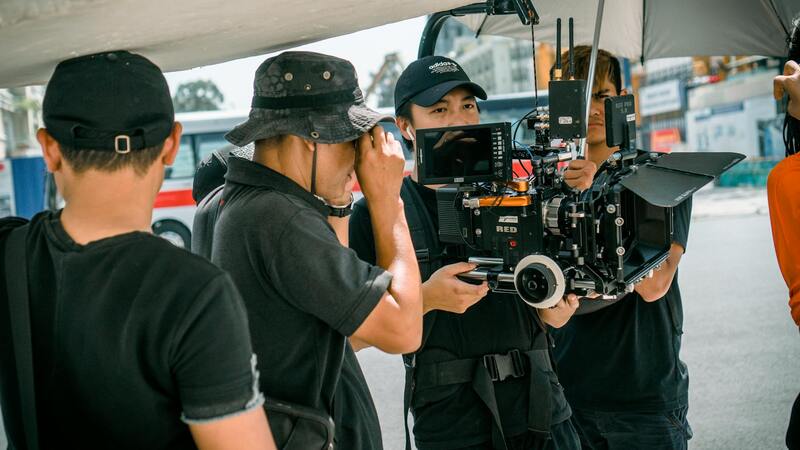
Customizable solutions are also common, allowing clients to tailor their broadcasts to specific needs. These might include branded overlays, interactive features like live chat, and high-definition streaming options. Such flexibility ensures that the livestream resonates with the brand identity and meets audience expectations.
Furthermore, a significant advantage of working with established livestream companies is the technical expertise they bring. From initial planning and production to broadcasting and post-event analysis, these providers handle all technical aspects, allowing clients to focus solely on their content and objectives. Reliable connectivity, high-quality audio-visual equipment, and experienced technical personnel are critical elements that underpin successful live streaming.
Because live events are always susceptible to unforeseen issues, professional livestream companies invest significantly in contingency planning. This includes redundant streaming setups, backup internet connections, and on-site technical support to prevent disruptions and ensure a smooth viewing experience.
Overall, understanding the core services offered by livestream companies is essential when selecting a partner. These services form the backbone of effective live event broadcasting, helping organizations communicate their message effectively and expand their reach in a highly competitive digital landscape.
Understanding Livestream Services
For any organization or individual aiming to broadcast live content effectively, partnering with a reputable livestream company is essential. These providers typically offer comprehensive solutions that encompass hardware, software, and personnel to deliver a seamless viewing experience. They manage the entire process—from content planning and production to transmission and post-event analytics—ensuring optimal broadcast quality and minimal technical issues.
Core Service Offerings
- Multi-Platform Integration: Most livestream companies facilitate simultaneous streaming across multiple platforms, such as social media, dedicated websites, and third-party video hosting services. This multi-channel approach maximizes audience reach and engagement.
- Multi-Camera Production: Utilizing multiple cameras allows for dynamic transitions and professional visuals. This setup enhances viewer engagement by providing varied perspectives, whether for conferences, concerts, or sporting events.
- Customizable Broadcasts: Custom overlays, branding elements, and interactive features like real-time chat or polling are often incorporated to align the broadcast with the client's branding and audience interaction goals.
- High-Definition Streaming: Quality is a priority, with most providers offering HD and even 4K streaming options, ensuring crisp visuals and clear audio, which are vital in captivating viewers.
- Technical Support and Contingency Planning: Experienced technical staff monitor live streams throughout the broadcast, ready to address any issues swiftly. Redundant internet connections, backup equipment, and fail-safe plans help prevent disruptions.
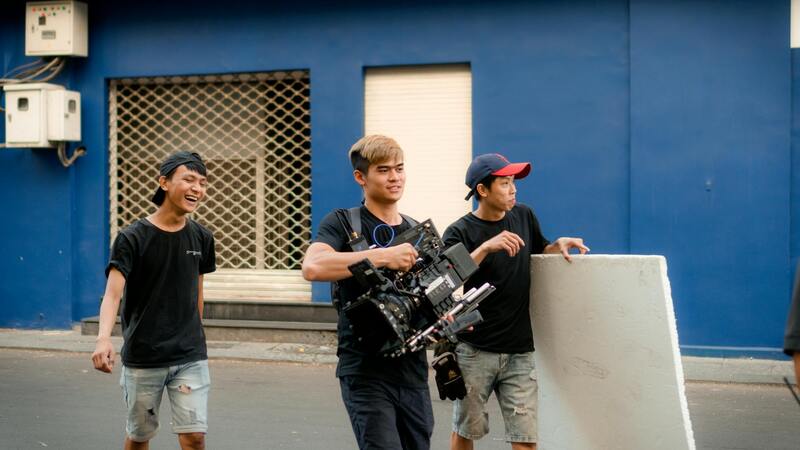
Effective livestreaming also involves meticulous planning around venue logistics, audience engagement strategies, and post-event analysis. Pre-event rehearsals and testing are standard practices, helping identify potential challenges beforehand. Post-broadcast reports provide insights into viewer metrics, engagement levels, and technical performance, guiding future improvements.
The Significance of Local Expertise in Miami
Choosing a livestream company with a strong understanding of Miami’s unique environment offers particular advantages. Familiarity with local venues—including their layouts, capacity, and technical facilities—enables smoother integration during event setup. Additionally, knowledge of Miami’s regulations, permits, and safety protocols ensures compliance and hassle-free operations.
Local providers often have established relationships with venue managers and local authorities, streamlining coordination efforts. Furthermore, an understanding of regional audience preferences and engagement tendencies allows for tailored content strategies that resonate more effectively with viewers.

Key Features to Consider When Selecting a Livestream Company
When evaluating potential partners, prioritize those with a proven track record of high-quality broadcasts and technical reliability. Essential features include robust technical support, flexible service packages, and experience across diverse event types.
Types of Events Suitable for Livestreaming
Virtually any live event can benefit from professional streaming, including conferences, seminars, religious gatherings, concerts, sports competitions, and corporate presentations. The key is tailoring the technical setup to match the event’s specific requirements, maximizing viewer engagement and accessibility.
Key Features to Consider When Selecting a Livestream Company
Choosing the right livestream company requires a thorough understanding of its core capabilities and service offerings. Critical to this decision are several technical and customer support features that ensure a seamless broadcast experience. The video quality delivered by the provider should be crisp and clear, supporting high-definition streams that enhance viewer engagement and professionalism. Latency — the delay between the live event and the broadcast — must be minimized to foster real-time interaction and audience participation.
Scalability is another vital factor, as the livestream platform should accommodate fluctuating viewer counts without performance degradation. Flexibility in service packages allows customization based on specific event needs, whether it’s a small seminar or a large conference. Dedicated technical support during the event is indispensable, providing immediate assistance should technical issues arise, thereby reducing downtime.
Compatibility with multiple platforms and devices is essential to reach diverse audiences. A reliable livestream company ensures that content can be streamed smoothly across desktops, smartphones, tablets, and social media channels, maximizing reach and engagement. Additionally, an integrated content management system helps streamline the setup process, rehearsal, and troubleshooting.
Types of Events Suitable for Livestreaming
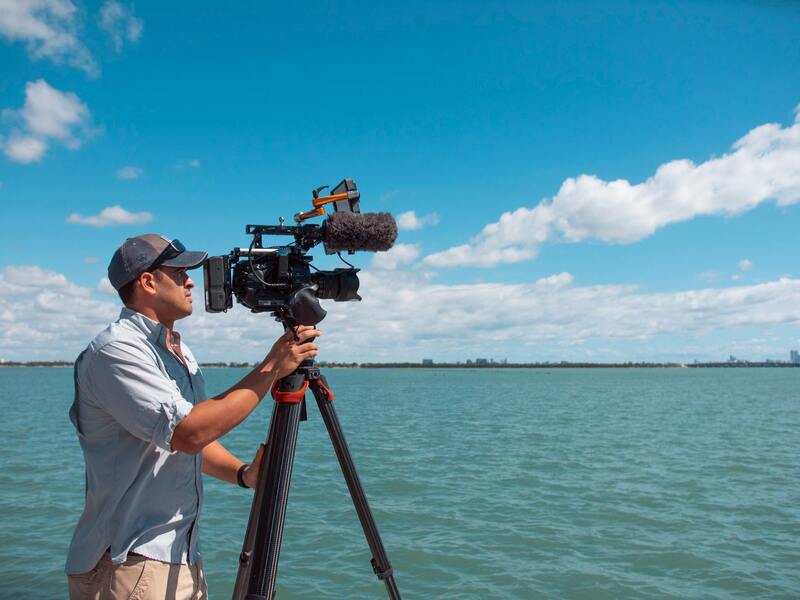
Virtually any live event can significantly benefit from professional livestreaming. Conferences and seminars are common examples, enabling remote attendance and interactive participation. Corporate presentations and product launches often reach wider audiences when streamed live, enhancing brand visibility and stakeholder engagement.
Religious gatherings and spiritual ceremonies provide a sense of community for congregation members who cannot be physically present. Concerts, music festivals, and performing arts events utilize livestreaming to broaden their audience reach beyond physical venue constraints.
Sports competitions and tournaments leverage real-time streaming to attract fans globally, creating immersive viewing experiences. Additionally, nonprofit events, charity functions, and community celebrations can extend their impact through accessible live broadcasts.
Legal and Official Methods for Livestreaming in Miami
When selecting a livestream company, it is crucial to ensure that all procedures adhere to officially recognized methods. This validation not only guarantees the quality and legality of the broadcast but also safeguards the event organizer from potential issues associated with unauthorized streaming practices. Engaging with a reputable livestream company involves thorough vetting of their licensing agreements, content rights, and compliance with regional broadcasting standards.
One of the primary steps to confirm authenticity is verifying the company's registration with relevant local and state authorities. This includes checking for valid business licenses and certifications that attest to their operational credibility within Miami. A well-established company typically maintains up-to-date records and willingly provides proof of credentials upon request.
Content rights management forms a key aspect of official livestreaming procedures. This involves ensuring that the company is authorized to distribute the specific content intended for broadcast, whether it’s copyrighted music, video footage, or proprietary presentations. Proper licensing agreements are fundamental, aligning with intellectual property regulations and ensuring compliance with copyright laws.

Utilizing Certified Platforms and Technologies
Another reliable approach to ensure legitimate livestreaming involves partnering with companies that employ certified streaming platforms. These platforms meet the standards set by industry authorities and incorporate advanced encryption, secure data transmission, and reliable delivery protocols. Leveraging such technology not only affirms authenticity but also boosts security and stream stability.
For events with high sensitivity or proprietary content, utilizing encrypted streaming solutions is essential. Certified providers often offer end-to-end encryption services, further ensuring that streams are protected from unauthorized access or tampering during transmission.
Adherence to Local Broadcast Policies and Standards
Official livestreaming methods necessitate compliance with Miami-specific broadcast policies. This involves understanding local regulations concerning content restrictions, broadcasting rights, and permissible transmission methods. Many established livestream companies possess in-depth knowledge of regional broadcast standards and actively incorporate this understanding into their service delivery.
Consulting with legal or regulatory experts, sometimes provided as part of a comprehensive service package by well-regarded livestream companies, can further guarantee adherence to local directives. This proactive approach minimizes the risk of content violations and ensures seamless, compliant streaming of events.
Ensuring Proper Equipment and Infrastructure
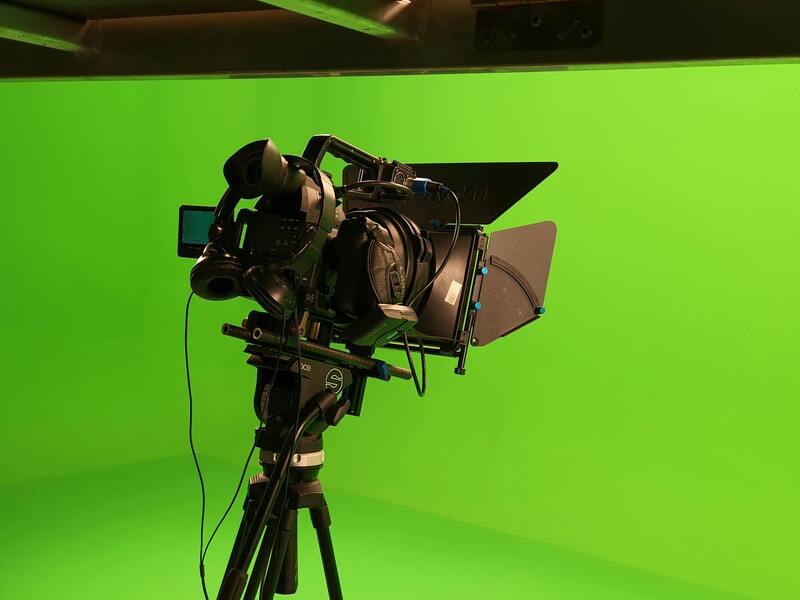
Choosing a livestream company that employs state-of-the-art equipment and robust infrastructure is pivotal to achieving high-quality broadcast results. Advanced encoding hardware, professional-grade cameras, and high-capacity servers contribute to seamless streaming that can handle large audiences without buffering or interruptions. Additionally, reliable internet connectivity with high bandwidth capacity is essential to maintain stability during live transmissions, especially for events with high viewer engagement.
Audio quality also plays a crucial role in the viewer experience. Professional audio mixing consoles, high-fidelity microphones, and sound engineering ensure clear, intelligible sound that complements the visual feed. Lighting equipment, particularly for indoor venues, enhances video clarity and overall production aesthetics, making the streamed content more engaging and professional.
Understanding Support and Technical Assistance
Reliable livestream companies provide comprehensive technical support throughout the event. This includes pre-event testing, on-site technical assistance, and real-time troubleshooting to quickly resolve any issues that might arise during the broadcast. Proper support ensures that the live stream remains stable and uninterrupted, which is crucial for maintaining audience engagement and trust.
Delegating technical responsibilities to experienced professionals allows organizers to focus on the event content rather than handling equipment or connection problems. Lastly, post-event analytics and reports enable clients to evaluate the effectiveness of the stream, access viewer engagement metrics, and gather insights for future improvements.
Compliance with Broadcast Standards and Security Measures
A reputable livestream company strictly adheres to industry and regional broadcast standards to ensure that all content is transmitted within legal parameters. This includes implementing secure streaming protocols, using encrypted data transmission, and complying with Miami-specific content regulations. Employing certified platforms that meet these standards protects against unauthorized access and reduces the risk of content violations.
Security features such as Digital Rights Management (DRM), geofencing, and access controls help restrict viewership to authorized audiences only, preventing unauthorized recordings or sharing. These measures are particularly important during private or sensitive events, where the integrity of content must be maintained at all times.
Assessing Customer Support and Service Flexibility
When selecting a livestream company, evaluating their customer service responsiveness and flexibility is essential. Providers with dedicated account managers or customer support teams ensure personalized assistance before, during, and after events. They should also demonstrate adaptability in handling various event formats, accommodating specific technical requirements, and scaling services according to audience size.
This level of service fosters a collaborative relationship, giving clients confidence that their live streaming needs are managed effectively. Transparent communication and a proactive approach to potential challenges also contribute to a smooth streaming experience that aligns with client expectations.
Understanding Livestream Services
Livestream services involve the real-time broadcasting of live events via high-quality internet connections to an online audience. These services utilize advanced streaming protocols and professional-grade equipment to ensure seamless video and audio delivery, catering to a diverse range of event types such as conferences, concerts, corporate meetings, and community gatherings. Employing reliable technology and comprehensive platform infrastructure, livestream companies can provide scalable solutions that accommodate audience sizes from small groups to large, geographically dispersed viewers.
Key aspects include the ability to handle multiple camera angles, integrated audio mixing, and real-time graphics to enhance viewer engagement. Professional livestream companies also offer features like on-screen branding, synchronized chat for real-time interaction, and multi-platform streaming capabilities, ensuring content reaches viewers across different devices and locations. They often incorporate content management security measures such as encrypted data transmission, digital rights management, and access controls to protect proprietary content and manage viewership effectively.

Importance of Local Experience in Miami
In Miami, selecting a livestream company with local expertise can significantly improve event outcomes. Local providers possess a nuanced understanding of regional broadcasting standards, permitting compliance with local content regulations. Their familiarity with Miami’s infrastructure enables them to anticipate potential connectivity issues and implement backup plans proactively. Additionally, local companies often have established relationships with venues, city officials, and regional vendors, facilitating smoother coordination for events.
This local knowledge extends to understanding the community’s cultural nuances, which helps tailor content delivery to resonate more effectively with Miami’s diverse audience. Moreover, local companies can often respond more quickly to last-minute changes or technical demands, ensuring that the live event proceeds without disruptions and meets the expectations of organizers and attendees alike.

Key Features to Consider When Selecting a Livestream Company
Choosing the right livestream provider involves evaluating several essential features that ensure a successful broadcast. A primary factor is the quality of equipment and technical expertise, including professional cameras, audio systems, and streaming hardware capable of handling high-definition content. The provider’s ability to integrate on-screen graphics, live switching, and multiple camera feeds also enhances professionalism.
Reliability and redundancy measures are crucial; this includes backup internet connections, power sources, and failover systems that prevent disruptions. Scalability is another key feature, allowing services to grow with your audience, whether for small private events or large public broadcasts. Additionally, user-friendly interfaces for event organizers, comprehensive post-event analytics, and customizable branding options contribute to a tailored experience.
Security features such as encrypted streams, viewer authentication, and geo-restrictions help control content access and prevent unauthorized redistribution. Technical support availability during live broadcasts is essential, providing immediate troubleshooting assistance to address any unforeseen issues promptly.
Types of Events Suitable for Livestreaming
Various event types can benefit from professional live streaming, extending their reach and engagement beyond physical attendees. Corporate conferences, product launches, and shareholder meetings are prime candidates, as they require real-time communication with participants who may be attending remotely. Educational institutions and seminars can leverage livestreaming to deliver lectures, workshops, or graduates’ commencement ceremonies to broader audiences.
Community events, charity fundraisers, and religious services can also be effectively broadcast to foster community participation and support. Additionally, cultural festivals, musical performances, and sports competitions gain a wider viewership when streamed professionally, enhancing exposure and attendee engagement. The versatility of livestreaming enables organizations across sectors to maintain interaction, drive attendance, and showcase their offerings on a global platform.
Technological Trends Influencing Livestreaming
Staying current with technological advancements is essential for maintaining a competitive edge in the livestreaming industry. Modern livestream companies are increasingly adopting cutting-edge solutions such as 4K streaming, which delivers ultra-high-definition video quality, elevating the viewer experience with crisp visuals and vibrant colors. This level of clarity is especially advantageous for events where visual detail is critical, such as product showcases, art exhibitions, and fashion shows, providing viewers with an immersive experience similar to attending in person.
Interactive features are transforming passive viewers into active participants. Polls, live chat, Q&A sessions, and real-time feedback options foster greater engagement and interactivity, making attendees feel more involved regardless of their physical location. These functionalities not only enhance audience retention but also provide organizers with valuable insights to tailor future events effectively.
Furthermore, multi-device streaming capabilities ensure seamless access across smartphones, tablets, desktops, and connected TVs. As the number of device options continues to grow, providing a consistent and high-quality stream becomes a fundamental expectation. Livestream service providers are leveraging adaptive bitrate technology to adjust stream quality in real-time based on device and network conditions, minimizing buffering and ensuring smooth viewing experiences.

Integration of 5G networks and cloud-based streaming solutions further amplifies these technological trends. 5G's high bandwidth and low latency dramatically improve the ability to transmit high-resolution content without interruption, especially vital during live sporting events or performances with large audiences. Cloud-based services offer scalability and reliability, allowing livestream companies to handle fluctuating viewer numbers effortlessly while providing rapid deployment and flexible infrastructure management.
For clients seeking to leverage these technological trends, selecting a livestream company that invests in current innovations ensures participants enjoy a smooth, engaging, and visually stunning experience that aligns with modern expectations and enhances overall event impact.
Steps to Coordinate with a Livestream Provider
Successfully executing a live streaming event requires meticulous planning and proactive communication with your chosen provider. Establishing a clear workflow from the outset ensures that all technical aspects align with your event objectives, eliminating unforeseen issues during the broadcast. Here are key steps to streamline your collaboration with a livestream company:
1. Define Clear Project Goals and Expectations
Begin by articulating your specific needs for the event. Whether it’s a corporate conference, product launch, graduation ceremony, or entertainment showcase, outlining the event's scope helps the livestream company tailor their services accordingly. Clarify details such as expected viewership size, preferred platforms, interactive features, and any special production requirements. This upfront clarity assists in setting achievable goals and aligns the provider’s capabilities with your event vision.
2. Engage in Comprehensive Communication Channels
Establish regular communication with your livestream partner through multiple channels, including scheduled meetings, emails, and instant messaging. Maintain an open line for feedback, questions, and updates throughout the planning process. Detailed discussions about technical specifications, access points, and contingency plans reduce misunderstandings and pave the way for a smooth execution.
3. Confirm Technical Infrastructure and Compatibility

Coordinate with the livestream provider to evaluate the technical setup at the event location. This includes internet bandwidth assessments, power supplies, camera placements, and audio configurations. Ensuring the venue meets the technical requirements for streaming minimizes the risk of disruptions. The provider may recommend additional equipment or network enhancements to guarantee a stable and high-quality broadcast.
4. Schedule Pre-Event Testing and Rehearsals
Before the actual event, organize comprehensive testing sessions. These rehearsals allow the team to check audio and video clarity, internet stability, and integrated features like chat interactivity or multiple camera angles. Doing a full run-through also helps identify any potential technical glitches, giving ample time for adjustments. This proactive approach enhances confidence that all components will function seamlessly on exhibition day.
5. Establish Roles and Responsibilities
Clearly assign roles to your team and the livestream service staff. Define who will handle on-site setup, technical troubleshooting, content management, and audience engagement. A detailed responsibilities matrix ensures everyone understands their tasks, fostering coordination and efficiency during the live event.
6. Prepare for Contingencies
Despite meticulous planning, unforeseen issues can occur. Develop contingency plans, such as backup internet connections, alternative broadcasting methods, and quick troubleshooting protocols. Communicate these plans to all involved parties to ensure rapid response if problems arise during the live stream. Having a dedicated technical support team on standby guarantees swift resolutions and minimizes viewer impact.
7. Post-Event Evaluation
After the event, conduct a debrief session with your livestream provider to evaluate performance and gather insights. Review streaming quality, audience engagement metrics, and any technical challenges faced. This feedback loop is essential for refining future livestreams and building a reliable, efficient partnership with your provider.