Overview of Streaming in Miami
Miami has rapidly transformed into a vibrant hub for digital content creation and broadcasting, driven by the widespread adoption of streaming technology. As a city renowned for its dynamic arts, entertainment, and sports scenes, Miami leverages streaming to connect audiences locally and globally in real time. The increasing demand for live events, corporate broadcasts, and entertainment shows has fueled a surge in streaming platforms and services tailored to meet the specific needs of content creators and production companies in the area. The city’s diverse demographic and thriving tourism industry also contribute to the expanding landscape of streaming, making it an essential tool for engaging audiences and delivering high-quality content efficiently.
The growth of streaming in Miami is supported by advancements in internet infrastructure, with fiber-optic networks and 5G deployment enhancing connectivity and ensuring seamless live broadcasts. As businesses and media entities seek reliable, scalable solutions, Miami’s streaming ecosystem continues to evolve, attracting talented professionals and innovative agencies committed to delivering cutting-edge content. This thriving environment underscores the importance of robust streaming solutions for various applications, including corporate events, festivals, sports, and educational programs.
Image Placeholder: 
Key Features of Streaming for Miami Production Agencies
- High-Quality Video Transmission: Ensuring crisp visuals and clear audio for professional broadcasts.
- Low Latency Streaming: Reducing delays for real-time audience interaction and live event coverage.
- Scalable Platforms: Accommodating varying audience sizes from small webinars to large-scale events.
- Multi-Device Compatibility: Delivering content seamlessly across desktops, smartphones, and tablets.
- Secure Streaming Solutions: Protecting content through encryption and access controls.
Types of Streaming Services Available in Miami
- Live Event Streaming: Covering concerts, sports, conferences, and festivals with real-time broadcasting.
- Webinar and Corporate Streaming: Facilitating training sessions, product launches, and corporate meetings.
- On-Demand Streaming: Providing pre-recorded content for flexible access and distribution.
- Social Media Live Streaming: Engaging audiences through popular platforms like Facebook, Instagram, and YouTube.
Benefits of Using Streaming for Miami Events and Productions
Utilizing streaming platforms enables Miami-based organizations to reach broader audiences beyond physical venues, increase engagement levels, and create interactive experiences. It offers the flexibility to broadcast across multiple channels simultaneously, maximizing outreach and exposure. For event organizers, streaming minimizes logistical hurdles by offering remote participation options, which is especially valuable for international audiences or during scheduling constraints. Additionally, live streaming provides comprehensive analytics and viewer metrics, empowering producers to tailor future content more effectively.
Technological Infrastructure Supporting Streaming in Miami
The city’s robust technological foundation, including extensive fiber-optic networks and widespread high-speed internet access, underpins efficient streaming operations. Miami is also rapidly adopting 5G technology, which enhances mobile streaming capabilities and supports high-definition broadcasts on the go. Data centers and content delivery networks (CDNs) strategically located throughout the city ensure minimal buffering and high uptime for live streams. Moreover, advanced encoding and transcoding facilities enable the delivery of high-quality streams tailored to different devices and bandwidth conditions.
Choosing a Miami Streaming Partner or Agency
When selecting a streaming partner, Miami-based production agencies prioritize expertise in live broadcasting, reliable technology, and a track record of executing high-profile events. Key considerations include the agency’s ability to customize solutions, manage technical support, and ensure seamless integration with existing content workflows. Local agencies with a thorough understanding of Miami’s market and venues can provide more tailored services, facilitating smoother operations from setup to post-production. Effective partnership ensures the delivery of engaging, uninterrupted content that meets audience expectations.
Legal and Compliance Considerations in Miami Streaming
Consistent adherence to copyright laws, licensing agreements, and content rights management is essential when streaming in Miami. Producers must ensure all content used in broadcasts has clear permissions and licenses to avoid infringement issues. Privacy regulations and data protection policies must also be followed, particularly when streaming personal or sensitive information. Utilizing official platforms and vetted streaming providers guarantees compliance with local regulations and maintains a professional standard for content delivery.
Future Trends in Miami Streaming and Content Production
The future of streaming in Miami involves greater integration of augmented reality (AR) and virtual reality (VR) to enhance viewer experiences. Artificial intelligence (AI) will play a pivotal role in content personalization, real-time analytics, and automated production workflows. Additionally, interactive streaming formats are likely to gain prominence, enabling viewers to influence content dynamically. As 5G technology becomes more widespread, mobile streaming quality will dramatically improve, allowing for more immersive and accessible content across diverse audiences. Continuous innovation will ensure Miami remains at the forefront of digital content creation and broadcasting.
Types of Streaming Services Available in Miami
Miami offers a diverse array of streaming options tailored to meet the needs of various content creators, broadcasters, and event organizers. These services encompass live streaming, on-demand video hosting, webinar broadcasting, and enterprise-grade solutions designed for large-scale productions. Each type serves specific purposes and audience engagement strategies, making it essential to select the right platform based on the project requirements.
Live Streaming Platforms
Live streaming remains the backbone of real-time content delivery in Miami. Popular platforms enable seamless broadcasting of live events, including concerts, sports, conferences, and community gatherings. These platforms often include features such as multi-camera support, real-time chat, and viewer analytics, which enhance the interaction and engagement of audiences. They also support various devices, ensuring content is accessible on smartphones, tablets, and desktops without compromising quality.

On-Demand Video Hosting
On-demand content services are crucial for distributing pre-recorded videos, tutorials, promotional materials, and archival footage. Miami-based businesses and content providers leverage these platforms to establish a brand presence and extend content reach. Hosting providers offer customizable video players, analytics, and monetization options, allowing creators to monetize their content effectively and tailor viewer experiences.
Webinar and Virtual Conference Services
With the rise of remote engagement, specialized webinar platforms are vital for virtual seminars, workshops, and corporate meetings. These services often integrate screen sharing, Q&A features, participant management, and secure access controls to ensure smooth, professional virtual events. Miami organizations frequently utilize these solutions to connect with local and international audiences efficiently.
Enterprise Streaming Solutions
For large-scale broadcasts, such as citywide events or multi-location productions, enterprise-grade streaming platforms provide robust infrastructure. These services support high bandwidth demands, redundancy, and security features vital for live broadcasts with high viewer volumes. They often include dedicated support teams, content delivery network (CDN) integration, and analytics tailored to enterprise needs, prioritizing dependability and quality of service.
Emerging Technologies in Streaming Services
Miami producers are increasingly adopting innovative technologies, such as adaptive bitrate streaming to optimize quality based on viewer connection speeds, and cloud-based transcoding for flexible content management. Additionally, integration with augmented reality (AR) and virtual reality (VR) platforms enhances immersive experiences, particularly for virtual events and interactive broadcasts. As these advanced options become more accessible, content creators in Miami can deliver engaging, multi-dimensional viewing experiences that attract broader audiences.
Overview of Streaming in Miami
Miami has established itself as a vibrant hub for diverse content production, harnessing the power of streaming to reach global audiences. From lively cultural festivals and sports events to corporate conferences and music festivals, streaming technology enables Miami-based organizations to broadcast their content seamlessly across multiple platforms. The city’s strategic location, complemented by its advanced digital infrastructure, facilitates high-quality, real-time transmission that caters to both local viewers and international followers. Infrastructure investments and technological innovations continue to position Miami as a key player in the expanding digital content landscape, emphasizing the importance of reliable streaming solutions for a broad spectrum of productions and events.

Miami’s dynamic media environment emphasizes the need for comprehensive streaming capabilities, whether for live events, recorded content, or multi-platform distribution. This drive fosters a competitive market of service providers and technology developers focused on delivering robust, scalable solutions tailored to the unique demands of Miami’s content creators, production agencies, and corporate clients.
Key Features of Streaming for Miami Production Agencies
Production agencies in Miami rely on an array of sophisticated streaming features that enhance content quality, reach, and viewer engagement. These features include:
- High-Definition Quality: Ensuring crisp visuals and clear audio to attract and retain viewers, critical for live performances and detailed presentations.
- Multi-Platform Compatibility: Delivering content across various devices and platforms, such as social media, dedicated apps, or websites, to maximize accessibility.
- Adaptive Streaming Technologies: Automatically adjusting streaming quality based on viewers’ internet connection, eliminating buffering and enhancing the user experience.
- Secure Access Controls: Protecting sensitive content through encryption, geo-restrictions, and login requirements, maintaining content integrity and privacy.
- Real-Time Analytics: Monitoring viewer engagement, demographics, and streaming performance to optimize future broadcasts and marketing efforts.
Furthermore, Miami agencies often integrate interactive components like live polls and Q&A sessions to foster audience participation, making virtual events more engaging and effective.
Emerging Technologies in Streaming Services
The adoption of innovative streaming technologies reflects Miami’s commitment to delivering cutting-edge content. Adaptive bitrate streaming is increasingly prevalent, enabling seamless viewing experiences despite fluctuating internet speeds. Cloud-based transcoding allows for flexible content processing, facilitating faster deployment and easier management of multiple formats. Virtual and augmented reality integrations are transforming virtual events, offering immersive experiences that replicate in-person presence. These technological advancements empower Miami content producers to push creative boundaries, providing audiences with immersive, interactive, and personalized viewing experiences that stand out in a competitive market.
Technological Infrastructure Supporting Streaming in Miami
Miami’s vibrant streaming environment is underpinned by a robust technological infrastructure that ensures reliable and high-quality content delivery. The city benefits from a dense network of fiber optic cables, high-speed internet providers, and data centers strategically located to support large-scale broadcast operations. This infrastructure enables content creators and agencies to transmit data-intensive streams seamlessly, minimizing latency and buffering that could hamper viewer experience.
In addition, Miami's connectivity options often include redundant pathways and advanced network management systems that guarantee uptime and resilient service during crucial live events. Content delivery networks (CDNs) are extensively utilized to distribute streaming content efficiently across diverse geographic locations, ensuring viewers in Miami and beyond receive crisp visuals and audio without interruption.
Moreover, the integration of 5G technology in Miami enhances mobile streaming capabilities. This next-generation network provides faster data rates and lower latency, fostering more dynamic and interactive live streams for audiences accessing content via smartphones and tablets. The combination of fiber optics, enhanced wireless networks, and cloud computing infrastructures positions Miami as a leading hub for innovative content distribution and streaming advancement.
Choosing a Miami Streaming Partner or Agency
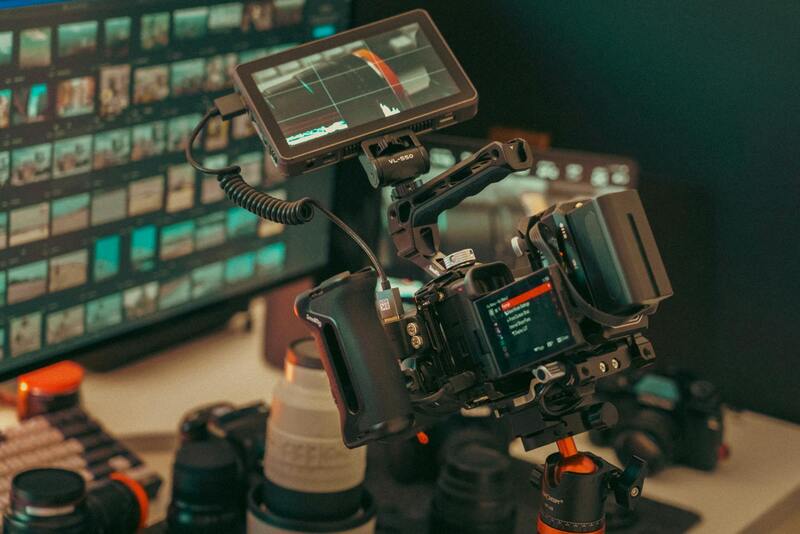
Selecting the right streaming partner in Miami involves evaluating several key factors to ensure alignment with your production goals. A proficient agency should demonstrate a comprehensive understanding of current streaming technologies, including adaptive bitrate streaming, multi-platform distribution, and interactive features.
- Technological Capabilities: Verify that the agency employs the latest hardware and software solutions for streaming. They should have experience supporting high-profile live events, virtual conferences, or multi-camera productions.
- Reputation and Past Projects: Seek references or case studies demonstrating their capability to deliver seamless streams under tight deadlines and complex scenarios.
- Customization and Support: Ensure they offer tailored solutions aligned with your specific needs, including branding, accessibility options, and real-time technical support during broadcasts.
- Compliance and Security: Look for agencies committed to safeguarding your content and audience data through secure transmission protocols and access controls.
Collaboration with a Miami-based streaming provider that has local expertise is advantageous, as they understand regional internet infrastructures, audience preferences, and regulatory considerations specific to Florida. Such partnerships facilitate smoother production processes and enhance the overall quality of your streaming initiatives.
Technological Infrastructure Supporting Streaming in Miami
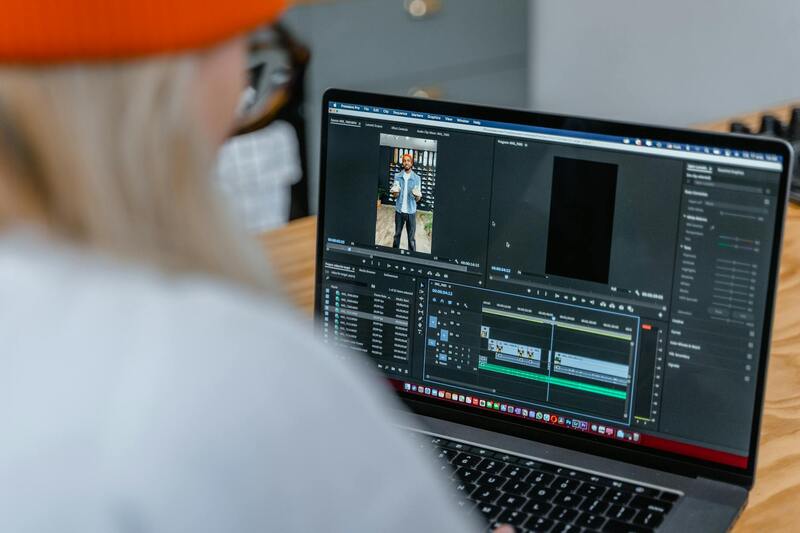
Miami's thriving digital landscape relies heavily on a robust technological infrastructure that underpins effective streaming services. The city benefits from a combination of advanced network capabilities, strategic data center locations, and state-of-the-art broadcasting equipment, all contributing to seamless content delivery.
Key components include high-capacity fiber optic networks that facilitate ultra-fast data transmission, enabling high-definition streams and low latency experiences. Internet service providers in Miami have invested significantly in expanding bandwidth and upgrading infrastructure to support the demands of live streaming events, virtual conferences, and multimedia productions.
Data centers strategically situated within Miami serve as vital hubs for content storage, processing, and distribution. These facilities offer resilient power supplies, enhanced security measures, and redundant connections, ensuring continuous operation and safeguarding against interruptions.

Equipment used in Miami's streaming ecosystem includes high-end switching and routing hardware, encoders capable of supporting multiple formats, and professional-grade cameras and audio equipment. Additionally, the integration of adaptive bitrate streaming technology allows the delivery of high-quality content tailored to viewers' bandwidth, ensuring a consistent viewing experience regardless of network fluctuations.
Local internet infrastructures are optimized for content delivery, often employing edge computing resources to reduce latency and improve load times for viewers across Miami and the surrounding region. These capabilities enable streaming providers to host large-scale live events and distribute content efficiently across multiple platforms.
Importance of Regional Expertise in Infrastructure Support
Partnering with local providers who understand Miami’s specific network topology and regional regulations can significantly enhance stream reliability. Their insights into regional audience behaviors and infrastructure nuances allow for customized solutions that meet specific production requirements.
Ultimately, Miami's advanced technological infrastructure provides a resilient foundation that supports diverse streaming needs, from entertainment and sports to corporate communications and educational programs. By leveraging these resources, content creators can ensure high-quality, uninterrupted streams that resonate with local and global audiences alike.
Legal and Compliance Considerations in Miami Streaming
Successfully executing streaming projects within Miami involves understanding the array of frameworks that govern content distribution and technological deployment. While engaging with official sources and recognized service providers, always prioritize adherence to regional standards and policies designed to facilitate smooth and compliant broadcasts.
One critical aspect of streaming in Miami is ensuring proper authorization for licensed content. Content creators and broadcasters should verify that all media used in streams—such as music, videos, or images—have the appropriate permissions or licenses. Using licensed content not only maintains operational standards but also prevents disruptions that might arise from content claims or takedown notices.
Data protection and privacy are paramount in Miami's digital landscape. Streaming providers often implement robust security measures to safeguard viewer data, including encryption protocols and secure transmission channels. When planning large-scale events or corporate streams, collaborating with partners that demonstrate transparency in data management ensures compliance with relevant regional and federal privacy regulations.
Regional authorities may also impose specific regulations related to broadcasting standards, especially for public and live events. This might include guidelines for advertising, content sensitivity, or broadcast frequencies. Engaging with local legal and compliance consultants experienced in media law can mitigate risks and streamline the coordination process.
Technical compliance isn't solely about legal frameworks; it also involves adhering to technical standards for broadcast quality and transmission reliability. This includes following industry best practices for encoding, streaming protocols, and quality assurance metrics to deliver consistent, high-quality content to viewers across Miami and beyond.
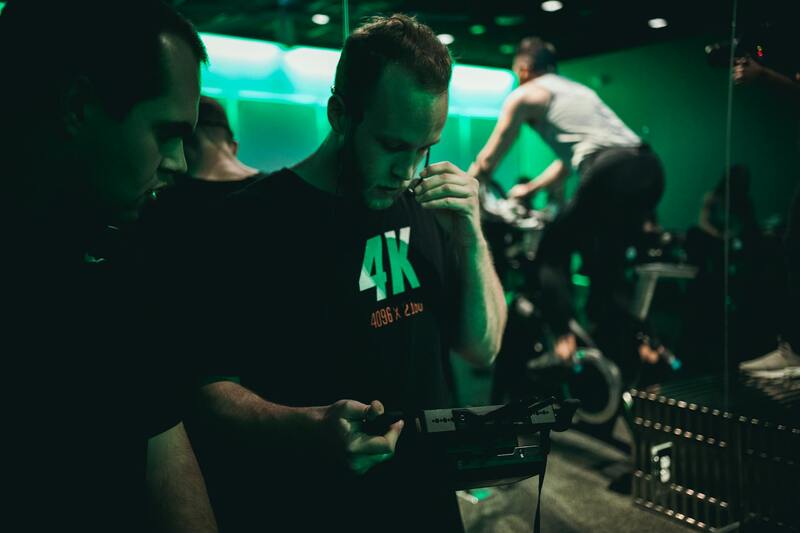
Ultimately, fostering relationships with reputable streaming service providers who prioritize compliance helps content creators maintain integrity and professionalism. Staying informed about evolving regional guidelines and technological standards is essential for sustaining successful streaming operations that serve audiences effectively and responsibly.
Understanding the Technological Infrastructure Supporting Streaming in Miami
Miami's status as a vibrant media hub is underpinned by a robust technological infrastructure that facilitates high-quality streaming performances. Multiple fiber optic networks, data centers, and CDN (Content Delivery Network) providers ensure minimal latency and seamless transmission of live video content. These infrastructures are crucial for handling the heavy bandwidth requirements associated with live broadcasts, especially during high-profile events and multi-camera setups.
Emerging advancements such as 5G connectivity further elevate the streaming capabilities within the region. 5G’s enhanced bandwidth, lower latency, and improved reliability enable more flexible and mobile streaming solutions, making it easier for Miami production teams to transmit live content from various outdoor or on-site locations without compromise on quality.

On the hardware front, professional-grade encoders, switchers, and integrated broadcasting solutions are commonly employed by local agencies to ensure smooth execution of streaming operations. These tools are compatible with well-established streaming protocols like RTMP, HLS, and DASH, which facilitate adaptive streaming based on viewers' internet speeds and device capabilities.
Furthermore, Miami’s proximity to international fiber routes provides a logistical advantage for global streaming. This connectivity allows for swift content delivery across continents, broadening the reach of live events, concerts, conferences, and other productions. The city’s data centers and cloud service providers also offer scalable solutions for storage, processing, and distribution, enabling content creators to handle varying audience sizes and content complexities efficiently.
Growing Role of Cloud Computing in Miami Streaming Services
Cloud-based platforms are increasingly integrated into Miami’s streaming ecosystem, offering flexible, cost-effective, and resilient solutions for content management. Cloud services facilitate live transcoding, multi-platform distribution, and real-time analytics, empowering producers to optimize streams actively and ensure consistent delivery. These systems also support disaster recovery plans, safeguarding valuable content against potential technical failures.
By leveraging the synergy between hardware, network infrastructure, and cloud solutions, Miami’s streaming landscape ensures dependable, high-quality content delivery that meets the demands of diverse clients, from corporate entities to entertainment producers.
Expert Technologies and Protocols Supporting Miami Streaming
Miami’s streaming ecosystem relies heavily on advanced technologies and robust protocols that ensure seamless content delivery. Central to this infrastructure are protocols such as Real-Time Messaging Protocol (RTMP), HTTP Live Streaming (HLS), and Dynamic Adaptive Streaming over HTTP (DASH). These protocols allow for adaptive bitrate streaming, which adjusts video quality in real-time based on the viewer’s internet speed, thus maintaining a consistent viewing experience regardless of network fluctuations.
RTMP serves as a foundational protocol for live streaming, facilitating low-latency data transmission from content encoders to streaming servers. Once the stream reaches the platform, HLS and DASH take over to distribute the content across different devices and networks efficiently. HLS, developed by Apple, is especially prevalent for its compatibility with iOS devices, making it a popular choice for mobile streaming. DASH, being an open standard, offers extensive flexibility and interoperability across a variety of devices and platforms, making it the backbone for multi-platform content delivery in Miami’s diverse media environment.
Miami’s geographical location provides a strategic advantage with direct connections to major international fiber routes. This high-capacity fiber infrastructure allows for quick, reliable content transfer across continents, an essential feature for global broadcasts and multi-regional events. Data centers integrated into the city’s infrastructure host and process streams locally, reducing latency and ensuring high-quality delivery to viewers. Cloud computing solutions also play a vital role in this infrastructure, offering scalable storage, transcoding, and analytics capabilities that adapt to the demands of contemporary content production and distribution.

Advanced encoding hardware is also critical for Miami’s streaming success. High-performance encoders compress raw footage into efficient digital formats, optimizing bandwidth usage while maintaining image quality. These encoders are capable of live transcoding, which enables producers to generate multiple stream qualities simultaneously, catering to viewers with different internet speeds and device capabilities.
Integration of Cloud Technologies in Miami’s Streaming Ecosystem
Cloud platforms enhance Miami’s streaming capabilities by offering flexible, on-demand resources for content management and delivery. Cloud-based transcoding enables broadcasters to generate multiple output streams without investing in expensive hardware, streamlining workflows for live events and post-production. Additionally, these platforms support real-time analytics, providing valuable insights into viewer engagement, geographic distribution, and streaming quality metrics. This data helps producers optimize their content in real time, ensuring higher audience satisfaction and engagement.
Disaster recovery and redundancy are also greatly improved with cloud solutions. In the event of hardware failures or network disruptions, cloud redundancies can automatically switch streams to backup servers, minimizing downtime and preserving content integrity. This resilience is significant for live broadcasts where uninterrupted streaming is critical.
Security Measures in Miami Streaming Operations
Ensuring secure content delivery is paramount in Miami’s streaming landscape. Encrypted streams using protocols such as Secure Real-Time Transport Protocol (SRTP) and HTTPS prevent unauthorized access and interception of data. Digital Rights Management (DRM) solutions are also employed to protect proprietary content across various platforms. Access controls, multi-factor authentication, and regular security audits fortify the streaming infrastructure against potential threats.
Summary
Miami’s robust streaming infrastructure leverages a combination of established protocols, high-capacity fiber connectivity, advanced encoding hardware, and scalable cloud solutions. These components work together to provide resilient, high-quality streaming experiences tailored for diverse content, from live events to complex productions. As technology continues to evolve, integration of these systems will further enhance the city’s reputation as a hub for innovative streaming and content delivery, meeting the demands of an increasingly connected global audience.