Understanding Live Video Streaming Production
Live video streaming production has become an essential medium for delivering real-time content across diverse industries, including corporate events, entertainment, education, and government communications. For Miami-based production agencies, mastering the intricacies of live streaming is vital to providing seamless, high-quality broadcasts that captivate audiences and meet client expectations.
This process involves multiple interconnected components working harmoniously to capture, transmit, and display live video content. Central to this is a comprehensive understanding of the workflow, which begins with meticulous planning and extends through technical execution to post-broadcast content management.
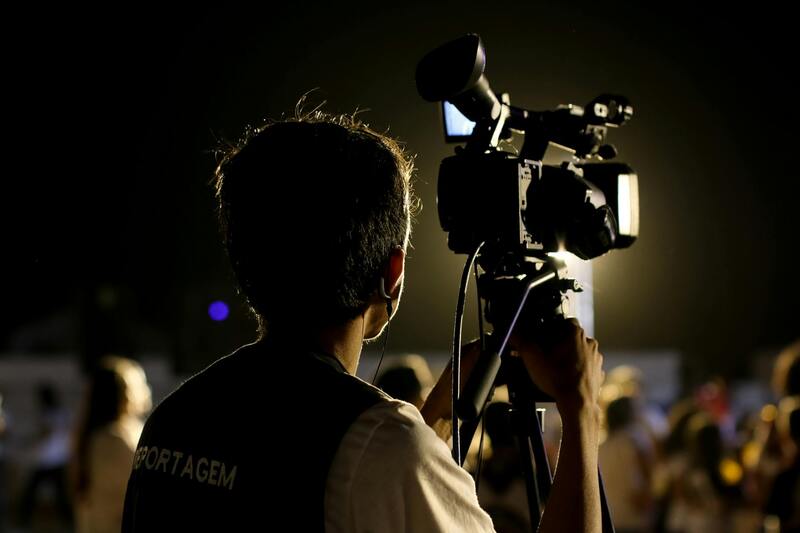
At its core, live video streaming production includes several fundamental elements:
- Video Capture: High-definition cameras and audio equipment are employed to ensure clear visuals and sound quality. Multiple camera angles can be used to enhance viewer engagement, especially during live events like concerts or conferences.
- Encoding and Compression: Video signals from cameras are processed through encoding devices that compress the data, facilitating efficient transmission over the internet while maintaining optimal quality.
- Content Delivery Networks (CDNs): These distribute the streaming content across various servers, ensuring smooth delivery to a global audience without interruptions.
- Viewing Platforms: End-users access the live stream via dedicated websites, social media channels, or specialized streaming services tailored to the broadcast’s target audience.
Executing a successful live video stream hinges on integrating these components effectively. In Miami, where event sizes and audience expectations vary widely, local production agencies often customize workflows to suit specific project needs. Whether broadcasting a corporate town hall, a high-profile wedding, or a public festival, a structured approach to live streaming ensures high production value, technical reliability, and audience satisfaction.
Advanced workflows may include live graphics, real-time audience interaction, and multi-platform distribution to increase reach and engage viewers more dynamically. As live streaming technology continues to evolve, Miami producers are increasingly adopting innovative solutions such as cloud-based encoding, remote camera operation, and adaptive streaming methods.
Understanding the essential components and workflow of live video streaming production empowers Miami-based agencies to deliver professional-grade broadcasts. This foundational knowledge also facilitates effective collaboration among technical teams, content creators, and clients, laying the groundwork for successful live streaming projects that meet high standards of quality and reliability.
Technical Equipment and Setup
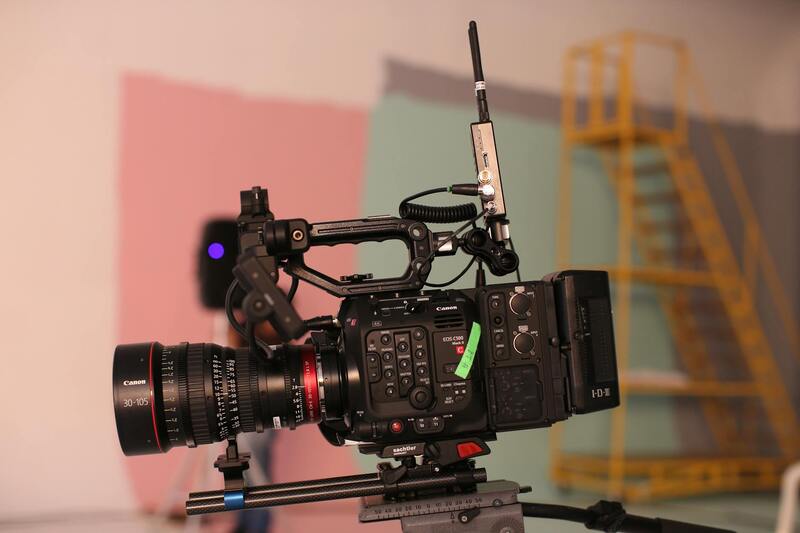
Establishing a reliable technical foundation is crucial for high-quality live video streaming production. This involves selecting and configuring the appropriate hardware and software components to ensure seamless broadcasting. Central to this setup are professional-grade cameras capable of capturing high-definition video with low latency, which provide clarity and detail vital for engaging viewers. These cameras can range from traditional broadcast models to high-end consumer options, depending on the production scope and budget.
Complementing camera equipment, an efficient video switcher or vision mixer allows real-time manipulation of multiple video feeds, enabling dynamic transitions, picture-in-picture effects, and overlay graphics. This equipment is essential for producing polished, professional streams that hold viewer interest throughout the event.
Audio quality is equally vital. High-quality microphones—lapel, shotgun, or handheld—paired with a robust audio mixer ensure clear sound capture and the ability to balance multiple audio sources. Integrating audio feeds with the video stream demands careful calibration to prevent distortions or delays that could detract from the viewing experience.
To transmit video signals, encoding hardware or software encoders are employed. Hardware encoders are dedicated devices that compress and convert video streams into formats suitable for streaming protocols. Software encoders, on the other hand, utilize specialized applications installed on high-performance computers. Both methods require meticulous configuration to optimize stream quality and stability, especially considering Miami’s diverse event environments where internet bandwidth and connectivity may vary.
Ensuring stable internet connectivity is paramount. A dedicated fiber-optic internet connection with sufficient upload speeds mitigates risks of interruption. In scenarios where wired connections are impractical, hybrid solutions incorporating cellular bonding or network aggregators combine multiple connections to maintain consistent bandwidth. Redundant internet setups with failover mechanisms further safeguard against unforeseen disruptions.
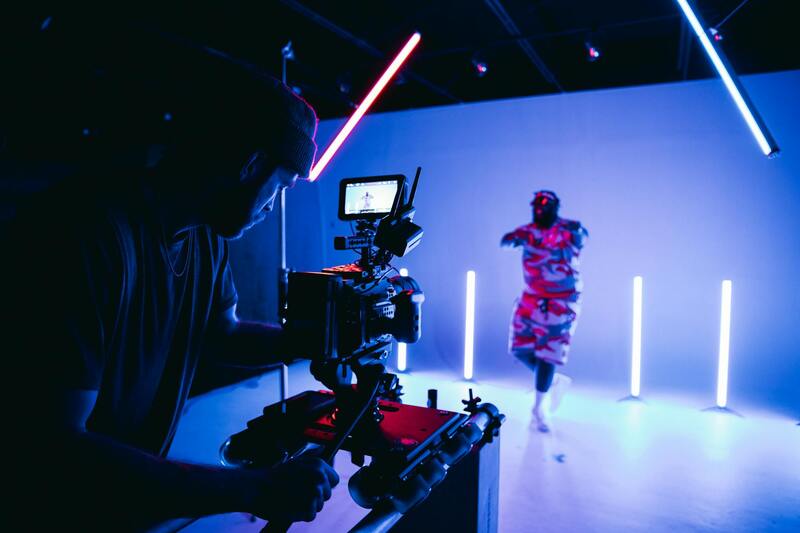
Additional peripherals such as lighting equipment enhance on-camera visibility, especially in low-light settings or indoor venues. Proper lighting enhances image quality and ensures viewers can clearly see details, facial expressions, and overall scene context.
Finally, meticulous cable management and power backup solutions prevent technical failures during broadcast, ensuring all equipment functions seamlessly from start to finish. The integration of these components—cameras, audio, encoding, and internet—constitutes the backbone of a professional live streaming setup tailored for Miami’s vibrant event landscape.
Technical Equipment and Setup
Successful live video streaming production hinges on deploying the right technical equipment tailored to the specific venue and event requirements. Key hardware components include high-definition cameras capable of capturing detailed footage across diverse lighting conditions common in Miami’s indoor and outdoor settings. For dynamic event coverage, multi-camera setups allow for seamless switching between angles, providing viewers with a richer experience.
Video switchers are essential for managing multiple camera feeds in real time, enabling smooth transitions, overlays, and picture-in-picture effects that enhance overall production quality. These switchers should be compatible with the chosen streaming platform and support high-resolution outputs.
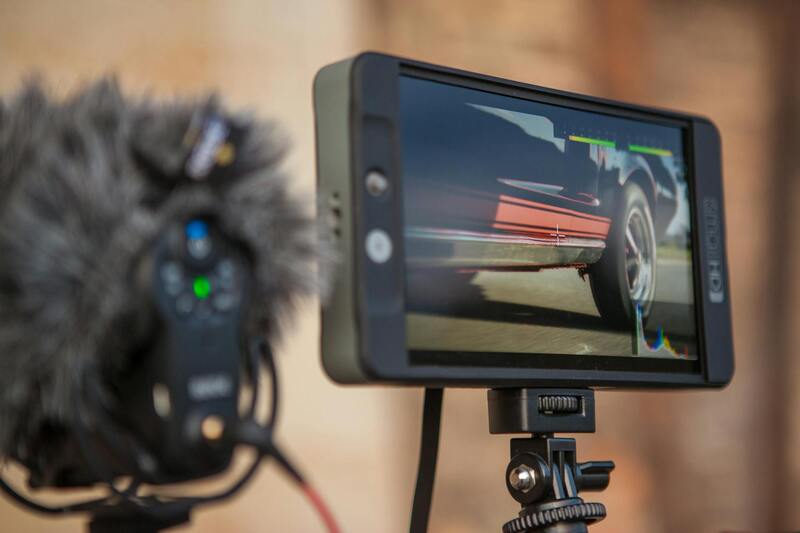
Encoding hardware is equally critical, converting the camera signals into a format suitable for streaming. Hardware encoders provide robust, low-latency performance, reducing buffering and ensuring smooth playback for remote audiences. They should support multiple streaming protocols and resolutions, allowing flexibility in platform selection and adaptive bitrate streaming.
Audio quality significantly impacts viewer engagement. Professional-grade microphones—such as lavalier, shotgun, and condenser microphones—capture clear dialogue and ambient sound. Audio mixers enable operators to balance multiple audio sources, avoiding issues like background noise or audio lag.
Venue considerations should influence equipment choices. For instance, outdoor Miami events may require weather-resistant cameras and lighting solutions, while indoor venues benefit from staged lighting and acoustic treatments. Proper placement and stabilization of equipment, along with appropriate power supplies and backup options, mitigate potential technical failures.
Additional peripherals include lighting systems to improve visibility and enhance the visual appeal of live feeds, especially in dimly lit or complex indoor environments. Employing cable management techniques ensures safety and prevents signal interference.
Overall, integrating these hardware components with a well-planned setup empowers producers to deliver professional, high-quality live streams that resonate with Miami’s energetic and vibrant audience. Careful calibration, redundancy planning, and adherence to venue-specific conditions are central to maintaining uninterrupted broadcast flow from start to finish.
Sound Quality and Audio Management in Live Video Streaming Production
Effective audio management is a cornerstone of successful live video streaming production, particularly in dynamic environments such as Miami, where diverse venues and ambient conditions pose unique challenges. Ensuring crystal-clear sound that complements high-quality video requires strategic planning and professional-grade equipment. Microphone selection is critical; lavalier microphones provide discreet, hands-free audio capture suited for interviews and presentations, while shotgun microphones focus on foreground sound, effectively isolating the broadcaster’s voice from ambient noise. Stationary condenser microphones may be used in controlled indoor settings, capturing nuanced sound details for an immersive experience.
An audio mixer is an essential tool for balancing multiple sound sources, allowing operators to adjust volume levels, equalization, and background noise suppression in real time. This is particularly important during multi-camera productions where different input sources—such as microphones, computers, and playback devices—must be seamlessly integrated. Employing audio processors and limiters can further refine audio clarity, preventing distortion or feedback that can detract from the broadcast’s professionalism.
Venue characteristics dictate specific audio configurations. Outdoor Miami events necessitate weatherproof microphones and wireless systems that can withstand humidity and sporadic rainfall. Indoor venues benefit from acoustic treatments—including sound absorption panels and directional microphones—reducing echo and reverberation. Proper microphone placement ensures optimal sound capture; for instance, positioning lavalier microphones close to the speaker's mouth maximizes clarity, while shotgun microphones can be directed towards a stage or area of activity.
Additional peripherals, such as portable audio recorders and wireless audio transmitters, provide backup options to safeguard audio integrity during live streams. Implementing redundancy measures—including alternate audio channels and power supplies—helps prevent interruptions caused by equipment failures. Effective cable management minimizes trip hazards, reduces signal interference, and maintains a clean setup, all of which are vital for smooth on-site operation.
High-quality audio sustains viewer engagement by delivering clear dialogue and immersive ambient sounds, thus enhancing the overall perception of professionalism and reliability of the broadcast. Continuous monitoring and sound checks before the event start are imperative to identify potential issues. Using real-time audio meters and headphones ensures that audio levels remain within optimal ranges, preventing distortions or audio dropouts. When combined with high-performance visual equipment and strategic venue planning, meticulous audio management directly contributes to a seamless and compelling live streaming experience tailored to Miami’s vibrant event landscape.
Understanding Live Video Streaming Production
Effective live video streaming production hinges on meticulous planning, robust technical execution, and seamless coordination among the crew. The process begins with understanding the unique requirements of each event, including the venue layout, audience size, and content goals. Higher-quality streams depend on strategic equipment setup, reliable internet connections, and proficient crew members who can adapt to on-site challenges swiftly. By maintaining a rigorous standard for technical standards and crew responsibilities, streaming providers can ensure the delivery of high-definition content that engages viewers and enhances the overall event experience.
In Miami, renowned for its vibrant and diverse event landscape, live video production must accommodate a range of environments—from large stadiums and convention centers to intimate conference rooms and outdoor venues. Precision in camera placement, lighting, and audio capture plays a vital role in the production quality, directly influencing the viewer’s perception of professionalism and engagement. This comprehensive approach to live streaming ensures broadcasts are smooth, visually captivating, and rich in audio clarity, fulfilling the expectations of viewers and organizers alike.
Importance of Rigorous Planning
Developing a detailed production plan prior to the event is essential for a seamless live stream. This plan includes scheduling, equipment checklists, crew assignments, and contingency protocols. Site surveys help identify potential challenges such as variable lighting conditions, Wi-Fi constraints, and power sources, allowing technical teams to design effective solutions for each scenario. Incorporating redundancy measures—like backup cameras, extra batteries, and alternative internet connections—helps mitigate the impact of unforeseen issues, ensuring consistent broadcast quality from start to finish.
Leveraging Local Expertise
Partnering with Miami-based video production professionals can greatly enhance live streaming results. Local crews possess invaluable knowledge of the area’s venues, permitting more efficient setup and troubleshooting. Their familiarity with Miami’s logistical nuances, from transportation routes to venue regulations, accelerates pre-event preparations and reduces last-minute hurdles. Utilizing local expertise also ensures compliance with venue policies and leverages regional vendor relationships for equipment rentals and support services, contributing to a smooth and coordinated production process.
Documentation and Continuous Improvement
Comprehensive documentation of each event’s workflow, equipment configurations, and troubleshooting instances provides valuable insights for future productions. Post-event debriefs identify strengths and areas for improvement, allowing teams to refine their processes continuously. Implementing lessons learned and adopting innovative techniques—such as newer encoding hardware or adaptive streaming protocols—helps maintain a competitive edge in Miami’s dynamic live streaming market, ensuring each event reaches audiences with increasing quality and reliability.
Understanding Live Video Streaming Production
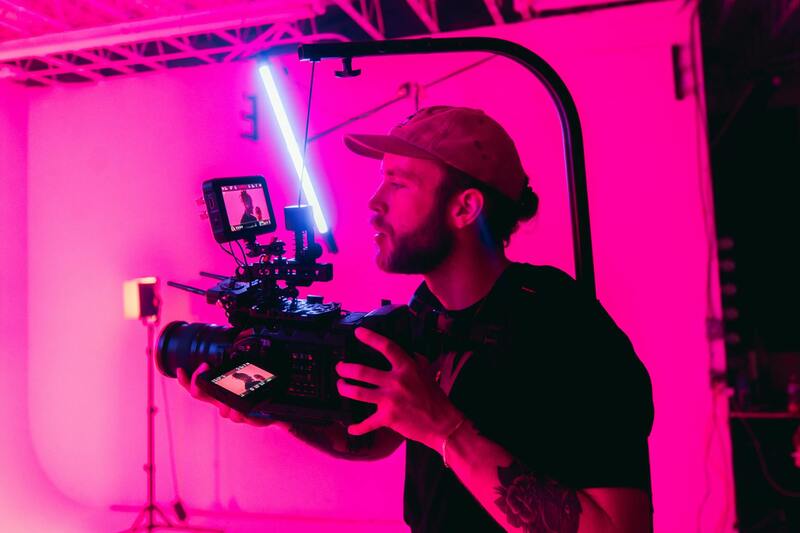
Effective live video streaming production requires meticulous attention to each component of the broadcast process, ensuring high-quality delivery that captivates viewers and maintains technical integrity. It begins with a thorough understanding of the key stages involved—from comprehensive planning and precise technical setup to seamless on-site execution and post-event analysis. Each step demands strategic coordination of equipment, personnel, and platform integration, all designed to provide a smooth, uninterrupted viewing experience. Proper management of production elements such as camera work, audio fidelity, lighting, and network stability directly influences the quality and professionalism of the stream, making expert input invaluable. Recognizing the importance of these elements ensures that the live stream not only reaches the intended audience but also leaves a lasting impression through visual clarity and reliable playback.
Planning and Pre-Production Strategies
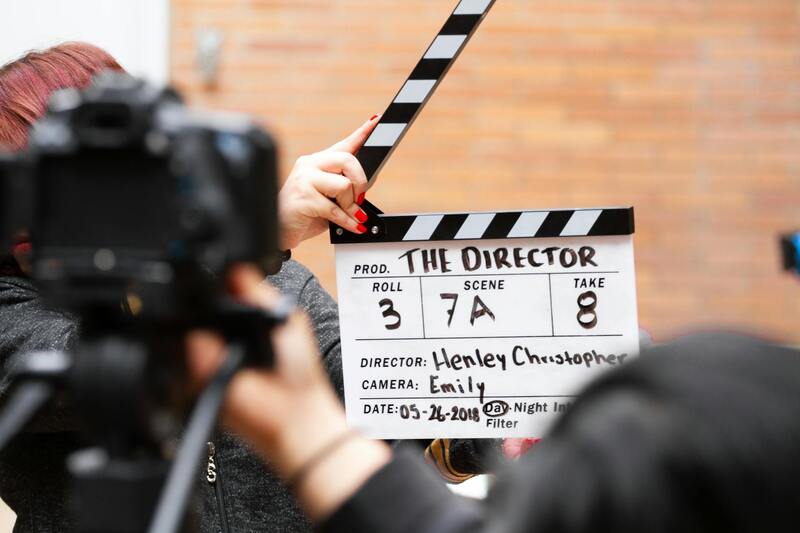
Preparation forms the backbone of successful live streaming. It involves detailed scheduling, logistical coordination, and technical rehearsals to preempt potential issues. Identifying suitable locations, securing permits, establishing backup plans for internet connectivity, power sources, and equipment failures are crucial components. Pre-production activities also encompass content scripting, creating shot lists, and integrating visual assets like graphics and overlays. These preparations facilitate smoother transitions during the event and help manage unexpected challenges efficiently. Engaging with stakeholders early in the process, such as venue managers and technical vendors, ensures alignment on expectations and facilitates the acquisition of necessary permits or support services timely. Additionally, conducting technical tests, including signal checks and latency assessments, guarantees all equipment functions correctly before the live event, reducing the likelihood of disruptions. This stage emphasizes strategic planning that maximizes resource efficiency and enhances overall production quality, resulting in a broadcast that appears polished and professional to viewers.
Technical Equipment and Setup
The foundation of any successful live video production is high-caliber equipment paired with an optimized setup. It begins with selecting the appropriate cameras—ranging from professional broadcast-grade models to high-definition consumer cameras—depending on the scope and budget of the event. Multi-camera configurations enable dynamic shots, providing viewers with varied perspectives and maintaining visual interest. Audio equipment is equally vital; high-fidelity microphones, mixers, and audio processors ensure clean sound, critical for conveying the atmosphere of the event. Lighting setups need to be carefully designed to highlight key subjects and reduce shadows, which can detract from visual clarity. Reliable internet connectivity is paramount, and it often requires dedicated fiber connections, bonded cellular networks, or multiple internet sources to ensure uninterrupted data transmission. The setup process involves meticulous placement, calibration, and testing of all equipment to guarantee optimal performance. Cabling management, power supply arrangements, and environmental considerations—such as minimizing ambient noise and light interference—also contribute to the robustness of the live stream. Pre-event checks and rehearsals help to troubleshoot potential issues proactively, making sure that all gear operates harmoniously during the broadcast.
Ensuring Reliable Content Delivery through Robust Streaming Platform Integration
After establishing a comprehensive understanding of the technical aspects and the on-site execution, it is essential to focus on integrating streaming platforms that can deliver content seamlessly to viewers. The choice of a streaming platform should be based on its capacity to handle the expected audience size, availability of adaptive bitrate streaming, and ease of integration with encoding solutions. Professional-grade platforms typically offer multiple ingest options, enabling broadcasters to choose between RTMP, SRT, or other reliable protocols that minimize latency and packet loss.
Implementing a resilient ingestion pipeline is key to maintaining stream stability. This involves setting up backup servers and redundancy measures to switch to alternative feeds without interruption in case of a failure. Additionally, it’s crucial to configure stream encryption and other security measures to safeguard the content during transmission. Compatibility with various devices and browsers also demands the use of adaptive streaming technologies, such as HLS or DASH, which adjust video quality dynamically according to viewer bandwidth, ensuring a smooth viewing experience.
Effective Use of Encoding Solutions for Live Broadcasts
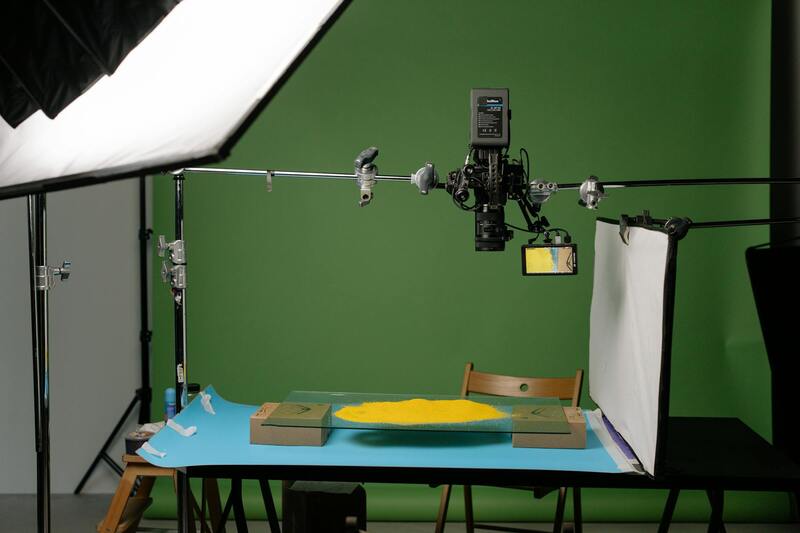
Encoding is a fundamental process within the live video streaming ecosystem, converting raw video data into formats suitable for streaming. Advanced encoders provide control over output quality, bitrate, and resolution, which are critical for balancing visual fidelity with bandwidth constraints. Hardware encoders often deliver lower latency and higher stability, making them preferable for professional live productions, while software encoders offer flexibility and easier integration with existing systems.
Employing multiple encoding strategies can enhance redundancy and quality assurance. For example, streaming concurrently from a primary encoder and a backup encoder ensures minimal disruptions if technical issues arise. Furthermore, leveraging adaptive bitrate encoding allows the stream to automatically adjust quality based on the viewer’s internet connection, preventing buffering and dropout.
Ensuring Stream Integrity and Monitoring
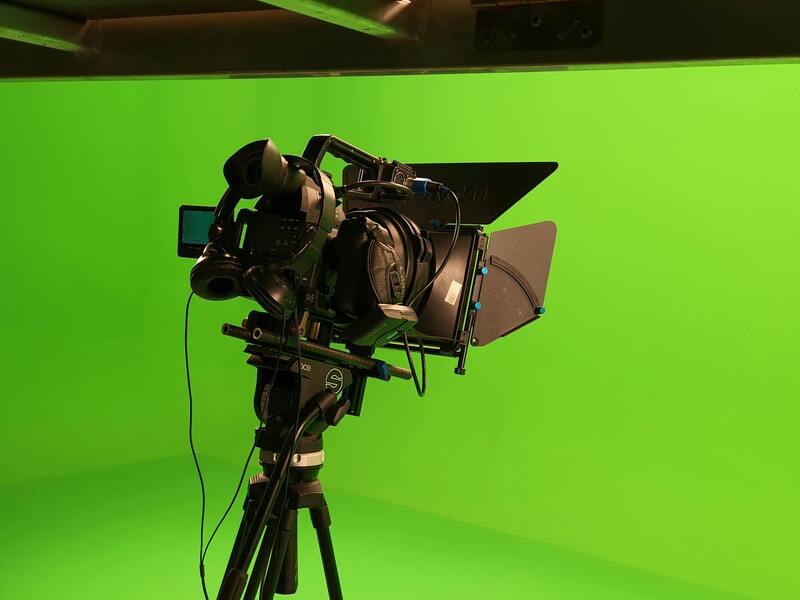
Maintaining the integrity of a live video stream necessitates continuous monitoring from the moment the stream is initiated. Real-time monitoring tools display key metrics such as connection stability, bit rate, latency, and error rates. These insights enable operators to identify and resolve issues proactively, preventing long-term disruptions.
Implementing a control room setup with dedicated personnel monitoring the stream throughout its duration ensures immediate response to any anomalies. Additionally, integrating analytics and logging systems provides valuable data post-broadcast, facilitating improvements in future streams and troubleshooting recurrent issues.
Optimization of Network Infrastructure for High-Quality Live Streaming
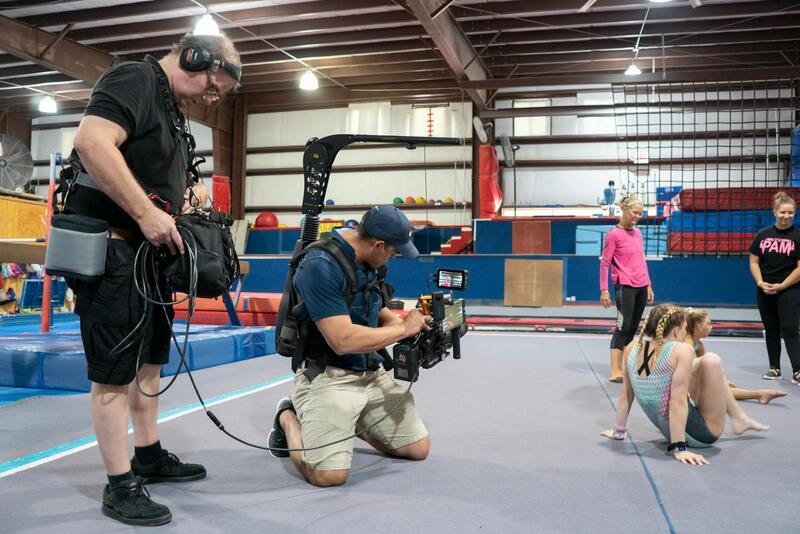
A robust network infrastructure forms the backbone of a successful live video broadcast. Dedicated internet connections with symmetrical upload and download speeds are preferable, as they optimize data transfer rates. Bonded cellular networks can serve as a redundancy solution, delivering additional bandwidth and minimizing the risk of stream interruption due to network congestion.
Network management practices, such as traffic prioritization through Quality of Service (QoS) settings, ensure that live streaming data receives precedence over other network activities. This is particularly critical in environments where multiple devices and services share bandwidth, such as in event venues or conference facilities.
Ensuring Broadcast Quality through Testing and Rehearsals
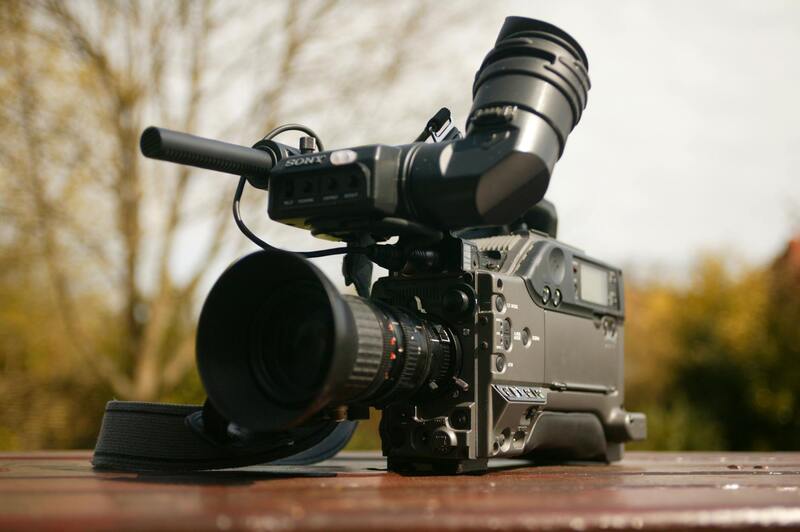
One of the most critical stages in maintaining live video streaming production standards involves thorough testing and rehearsal sessions prior to the actual event. These preparatory activities allow production teams to identify potential technical issues, verify equipment functionality, and fine-tune the overall setup. Conducting comprehensive dry runs with all involved personnel ensures that everyone is familiar with their roles and responsibilities, reducing the likelihood of errors during the live broadcast.
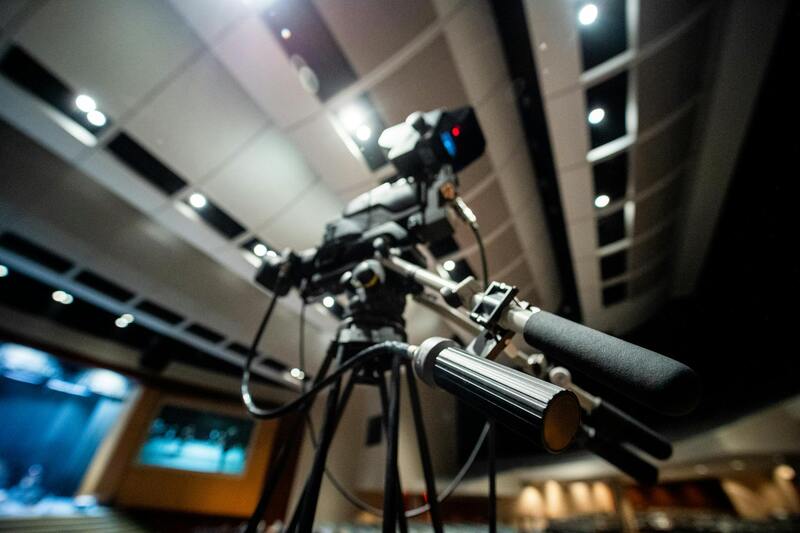
During these rehearsals, teams should simulate different scenarios, including potential network disruptions, equipment failures, or unexpected technical challenges. Such simulations help in developing contingency plans and establishing clear communication channels among crew members. Additionally, testing the streaming hardware and software in the final environment helps confirm compatibility and performance, leading to a smoother live broadcast.
Implementing Redundancy and Backup Solutions
- Backup Internet Connections: Setting up alternative internet sources, such as cellular bonded networks or secondary broadband lines, provides failover options that keep the stream running seamlessly despite primary network issues.
- Secondary Hardware: Having backup encoders, batteries, and audio equipment on-site minimizes the impact of hardware failure.
- Data Backup and Storage: Recording the stream locally ensures that high-quality copies are available for post-broadcast editing and redistribution, even if live streaming encounters interruptions.
Quality Assurance and Real-Time Monitoring
During live streaming, dedicated personnel should continuously monitor stream metrics such as bit rate, latency, and audio/video synchronization. Utilizing advanced monitoring tools allows for prompt detection of issues, enabling technicians to make real-time adjustments that preserve broadcast integrity. This proactive approach ensures viewers experience minimal disruption and maintains the professional quality expected from top-tier streaming services.
Equipment Calibration and Environment Optimization
Regular calibration of cameras, microphones, lighting, and other audiovisual equipment guarantees consistent output quality. Furthermore, controlling ambient conditions—such as eliminating background noise and optimizing lighting—enhances the clarity and engagement of the live content. Maintaining a clean, organized technical setup also minimizes risk and streamlines troubleshooting efforts.
Documentation and Continuous Improvement
Documenting each phase of the preparation and broadcast process allows teams to refine best practices over time. Post-event reviews, including analyzing performance logs and viewer feedback, support ongoing enhancements. Implementing lessons learned from previous streams leads to more reliable, professional productions that meet audience expectations and foster long-term viewer loyalty.