Understanding Video Streaming Production
In today’s digital landscape, video streaming production has become an essential component for businesses, content creators, and organizations aiming to reach wide audiences effectively. From live events and corporate communications to entertainment and educational content, the ability to deliver high-quality video streams in real-time enhances engagement and expands reach. As Miami continues to grow as a hub for media and technology, understanding the fundamentals of video streaming production is crucial for professionals seeking to leverage this dynamic field.

Video streaming production involves a multi-faceted process that encompasses planning, equipment setup, content creation, and distribution. Its significance is reflected in its capacity to bridge geographical gaps, allowing viewers from Miami and beyond to access live broadcasts or on-demand content seamlessly. Whether broadcasting a corporate webinar, a live concert, or a training session, the goal remains the same: deliver a crisp, reliable, and engaging viewing experience.
For businesses, proficient streaming can enhance branding, facilitate remote collaboration, and enable new revenue streams. Content creators benefit from reaching larger audiences and monetizing their work through various streaming platforms. As the demand for real-time content grows, so does the need for understanding the core aspects of video streaming production—starting with the right equipment and planning strategies tailored to Miami’s unique media environment.
The Importance of Video Streaming Production in Miami
Miami’s vibrant media scene, diverse industries, and considerable entertainment sector make video streaming an invaluable resource. Local businesses and creators can leverage streaming to showcase products, share events, or provide educational content to both regional and international audiences. This expansion of digital outreach fosters economic growth, promotes cultural diversity, and positions Miami as a leader in innovative media production.
Components of Effective Video Streaming Production
- Content Strategy: Defining target audiences, content goals, and delivery methods.
- Technical Infrastructure: Selecting appropriate hardware, software, and internet connection for optimal streaming performance.
- Production Workflow: Organizing shooting schedules, camera angles, and live switching setups.
- Distribution Channels: Choosing the right platforms and ensuring content reaches the intended viewers efficiently.
- Quality Assurance: Conducting testing and troubleshooting to maintain high standards throughout production.
By mastering these core elements, organizations in Miami can deliver professional-grade streams that resonate with their audiences and achieve their strategic objectives.
Key Equipment and Technology
Achieving high-quality video streaming production requires reliable, cutting-edge equipment complemented by robust technological solutions. Selecting the right hardware and software is crucial to ensure seamless transmission and professional presentation, especially in a competitive media environment like Miami.
Essential Hardware Components
- Cameras: High-definition cameras with manual control capabilities enable broadcasters to capture crisp visuals. Pan-Tilt-Zoom (PTZ) cameras are increasingly popular due to their remote operation and versatility in live settings.
- Encoding Devices: Hardware encoders convert raw video signals into compressed streams suitable for internet transmission. These devices support various formats and resolutions, ensuring compatibility with multiple distribution platforms.
- Switchers and Mixers: Video switchers facilitate smooth transitions between multiple camera feeds, graphics, and video sources during live production, maintaining professional broadcast standards.
- Audio Equipment: Clear audio is integral to viewer engagement. Quality microphones, audio mixers, and noise suppression tools help capture and refine sound quality.
- Lighting Systems: Proper lighting setups enhance image clarity and visual appeal. Softboxes, LED panels, and ring lights allow for adjustable illumination tailored to indoor or outdoor environments.
Software Solutions for Streaming
- Encoding Software: Applications like OBS Studio or vMix enable live encoding, scene switching, and multi-source integration, providing a flexible platform for real-time content management.
- Content Management Systems (CMS): Content scheduling and automation tools help streamline production workflows, especially for recurring streams or scheduled broadcasts.
- Monitoring Tools: Real-time analytics and stream health monitoring enable immediate troubleshooting, ensuring consistent quality broadcast sessions.
Internet Infrastructure and Connectivity
Reliable internet connectivity underpins successful live streaming. High bandwidth, low latency connections, and backup networks are essential to prevent disruptions. Miami’s local ISPs offer dedicated fiber-optic services that support the demands of high-definition streaming, particularly for large-scale events or corporate broadcasts.
Visual Asset Integration
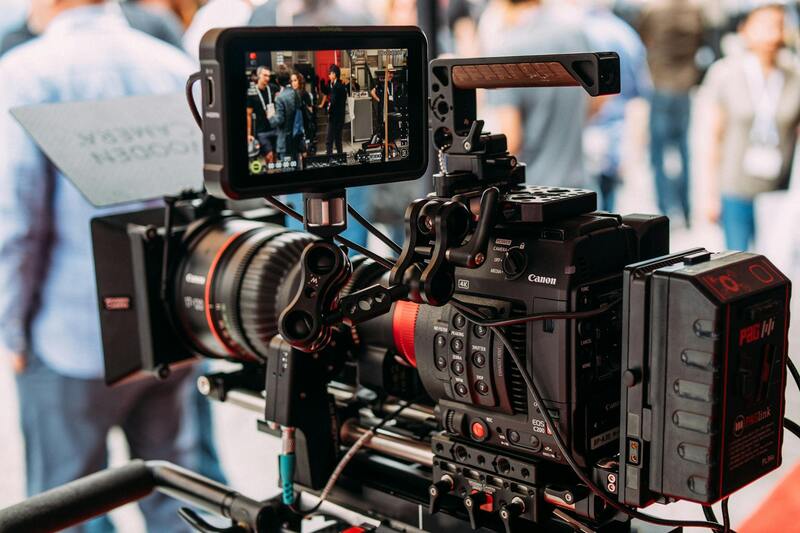
Integrating visual assets such as overlays, lower thirds, and graphics enhances viewer engagement and brand consistency. Efficient hardware and software configurations enable dynamic content updates during live broadcasts, elevating overall production value.
Future-Proofing Through Technology
Investing in scalable and adaptable technologies ensures that production capabilities align with evolving streaming standards, including 4K resolution and immersive audio formats. Miami-based media organizations should prioritize flexible infrastructure that supports growth and advances in digital broadcast quality.
Planning and Pre-Production
Effective planning and pre-production are foundational to a seamless video streaming production. It begins with detailed scripting that outlines the flow of content, timing, and key visual elements. This scripting is especially vital for live events to ensure consistency and clarity in delivery. Selecting the appropriate streaming platform is another critical step, where considerations include audience reach, supported features, and compatibility with planned content formats. Audience targeting strategies are developed during this phase to tailor content delivery, maximize engagement, and ensure the right demographic is being reached.
Technical rehearsals are also integral to this stage. These rehearsals test all technical components—from audio and video feeds to internet stability—allowing producers and technicians to identify and resolve issues before going live. Testing equipment connections, verifying backup systems, and simulating live scenarios help prevent disruptions during actual broadcasts. Additionally, pre-production involves coordinating with hosts, presenters, and contributors to synchronize schedules and roles, ensuring everyone is aligned on the broadcast’s objectives.
Preliminary content asset creation, such as graphics, overlays, and lower thirds, is prepared in advance for smooth integration during the live stream. This preparation extends to logistical arrangements, including securing necessary permits, managing rights and permissions for multimedia assets, and ensuring compliance with industry standards. Proper documentation throughout this phase helps streamline production, minimize errors, and facilitate efficient execution of live streaming events.
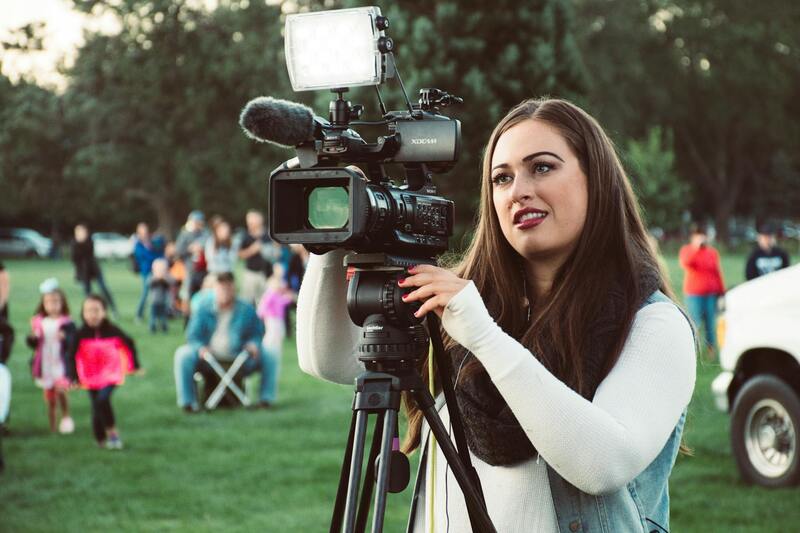
- Script Development: Detailed outlining of content flow and visual cues.
- Platform Selection: Choosing streaming services that align with audience needs and content goals.
- Audience Targeting: Identifying demographics and tailoring content for engagement.
- Technical Rehearsals: Testing equipment, internet stability, and broadcast workflows.
- Asset Preparation: Graphics, overlays, and multimedia assets pre-creation for dynamic content.
- Coordination and Scheduling: Aligning roles, responsibilities, and timelines among team members.
Production Setup and Execution
The transition from planning to execution involves setting up the necessary infrastructure and operational workflows for live streaming. This includes configuring the production environment with high-quality cameras, professional audio systems, and encoding hardware that supports high-definition output. Establishing a robust network connection is critical; Miami providers of fiber-optic internet ensure the bandwidth and low latency needed for multi-camera, multi-source productions.
During execution, the production team monitors and manages live feeds, ensuring synchronization and quality. Live switching between camera angles, incorporating graphics and visual effects, and managing audio levels contribute to a polished broadcast. Dynamic visual asset integration, such as overlays and real-time updates, sustains viewer engagement.
With real-time monitoring tools, operators can promptly address issues such as signal drops or audio disturbances. Redundant systems, including backup internet connections and power supplies, are vital to prevent interruptions. This phase demands precise coordination among camera operators, technical directors, and content managers to ensure that the live stream aligns with the planned narrative and visual presentation.
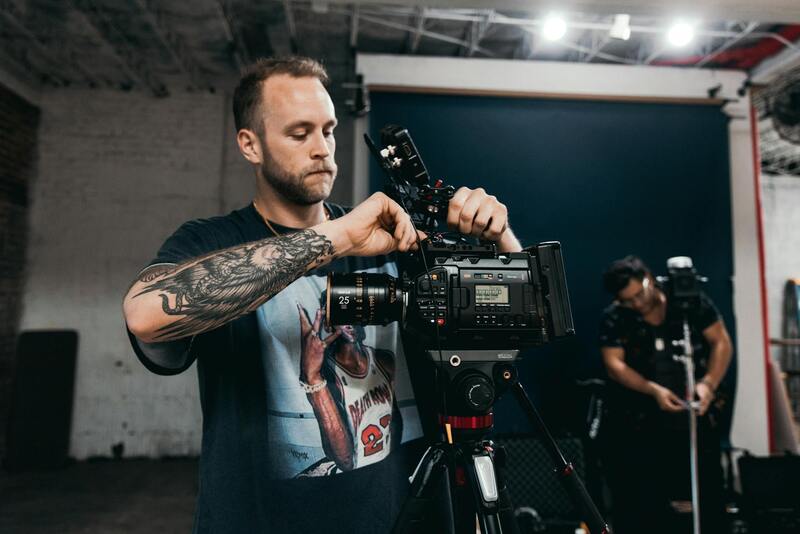
- Camera and Audio Setup: Deployment of professional-grade equipment for optimal visual and sound quality.
- Encoding and Streaming Hardware: Using advanced hardware for efficient encoding and transmission.
- Network Connectivity: Ensuring stable, high-bandwidth internet with backup options.
- Monitoring and Troubleshooting: Employing real-time analytics to identify and resolve issues swiftly.
- Visual and Graphic Management: Dynamic integration of overlays, lower thirds, and multimedia assets.
- Team Coordination: Clear communication channels among all technical staff throughout the broadcast.
Technical Setup for Seamless Video Streaming
Achieving a flawless live stream hinges on meticulous technical preparation. This involves deploying high-grade cameras capable of capturing clear, high-resolution footage across various angles, ensuring that visual presentation meets broadcast standards. Audio equipment, including professional microphones and mixers, must be calibrated to deliver crisp, balanced sound that complements the visual content.
Encoding hardware is integral, translating raw footage into compressed digital streams optimized for internet transmission. Utilizing hardware encoders with multiple output options allows for flexible streaming configurations. Reliable network connectivity is paramount; a dedicated, high-bandwidth internet connection with automatic failover capabilities guarantees consistent data flow. Supplementing primary internet with backup connections, such as cellular or secondary fiber links, mitigates disruptions.
Network Infrastructure and Signal Reliability
Stable network infrastructure is the backbone of effective video streaming production. High-speed internet with symmetrical upload and download speeds minimizes latency and supports high-resolution streams. Network redundancy, achieved through dual internet sources, ensures uninterrupted transmission even if one connection encounters issues. Network monitoring tools provide real-time analytics, enabling technicians to identify and promptly address potential signal degradation or interruptions.
Advanced networking hardware, such as routers with load balancing and QoS (Quality of Service) features, allocate bandwidth efficiently and prioritize live stream data over other network traffic. Fiber optic connections are preferable in high-demand scenarios due to their speed and reliability, supporting 4K or higher resolution broadcasts.

Quality Assurance and Troubleshooting
Proactive monitoring tools are essential for maintaining stream quality, offering real-time insights into stream health, bandwidth usage, and potential issues. Skilled technicians continuously oversee the stream during live production, ready to adjust encoding settings or switch sources if problems arise.
Maintaining a detailed troubleshooting protocol allows quick identification of common problems such as high latency, audio/video desynchronization, or signal dropouts. Backup plans, including secondary encoding devices and alternative routes for content delivery, serve as safeguards against unforeseen technical challenges.
Advanced Techniques in Video Streaming Production
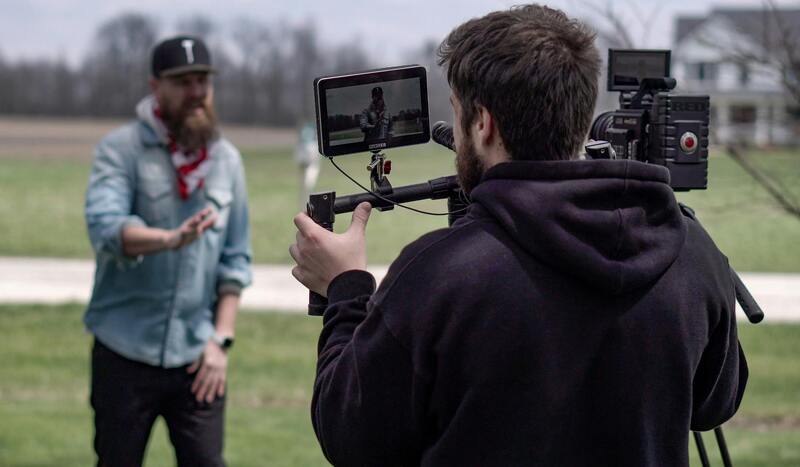
Implementing robust streaming techniques ensures a seamless viewing experience for audiences and maintains professional broadcast standards. High-definition video encoding using professional-grade codecs like H.264 and HEVC (H.265) optimizes quality while managing bandwidth efficiently. Adaptive bitrate streaming dynamically adjusts video quality based on the viewer’s internet connection, reducing buffering and enhancing engagement.
Proper synchronization between audio and video components is critical to avoid desynchronization issues that can distract viewers. Technologies such as timecode synchronization and low-latency streaming protocols like CMAF (Common Media Application Format) assist in maintaining tight audio-video sync, which is especially important during live events or broadcasts requiring real-time interactions.
The integration of multi-camera setups allows production teams to create more immersive and varied content. Each camera feed is routed through a live switcher, enabling instant scene changes and multimedia overlays such as graphics, scoreboards, and branding elements. This multi-feed approach enhances the broadcast production value and audience engagement.
Implementing reliable streaming protocols like RTMP (Real-Time Messaging Protocol) for inbound feeds ensures low latency during content delivery. For distribution, protocols such as HLS (HTTP Live Streaming) and DASH (Dynamic Adaptive Streaming over HTTP) are widely used for their compatibility across various devices and networks.
Post-Production Refinement and Content Delivery
Once the live recording concludes, post-production editing helps refine the content for future broadcasts, on-demand views, or promotional use. This phase involves cutting unnecessary segments, adding visual effects, color correction, and audio enhancement to elevate the final product quality.
Proper transcoding ensures that the content maintains maximum quality across different platforms and devices without excessive file sizes. Metadata tagging improves searchability and indexing, making the content easier for viewers to find via search engines and within streaming platforms.
Distribution strategies leverage multiple streaming platforms and CDN (Content Delivery Network) providers to reach wider audiences efficiently. By distributing content through a network of geographically dispersed servers, latency is minimized, and streaming reliability is increased, especially for viewers in Miami and surrounding areas. A well-structured delivery plan incorporates scheduled releases, on-demand content, and multi-platform compatibility to maximize audience reach and engagement.
Understanding Video Streaming Production
Video streaming production encompasses the entire process of creating, managing, and delivering live or pre-recorded video content to a digital audience via internet platforms. This process requires careful coordination of technical elements, event planning, content creation, and distribution strategies. Ensuring smooth, high-quality streams involves integrating reliable equipment, cutting-edge technology, and robust workflows tailored to meet the specific needs of the event or broadcast. A well-executed production not only captures the intended message effectively but also engages viewers through a seamless viewing experience across multiple devices and network conditions.
Key Equipment and Technology
The foundation of any successful video streaming production lies in employing the right hardware and software. Essential equipment includes high-definition cameras capable of delivering crisp images, professional audio capture devices to ensure clarity, and efficient switchers to manage multiple video feeds. Additional components such as encoders convert raw footage into optimized streaming formats compatible with various platforms. Reliable networking hardware, including high-speed routers and switches, is vital to support the bandwidth demands of live streams. Furthermore, modern streaming software integrates features like real-time graphics, overlays, and multi-camera switching to enhance viewer engagement.

Supporting Technologies and Infrastructure
- Content Delivery Networks (CDNs): Distribute streams across multiple servers globally, reducing latency and buffering.
- Encoding and Transcoding Solutions: Convert footage into various formats and bitrates to ensure compatibility across devices.
- Portable Live Streaming Units: Provide flexibility for on-location shoots in diverse environments.
- Redundant Power and Network Backup Systems: Guarantee uninterrupted streaming even during technical failures.
Planning and Pre-Production
Preparation is crucial for orchestrating a seamless streaming event. This phase includes developing a comprehensive content plan, creating a detailed timeline, and coordinating with participants. Pre-production involves technical rehearsals, equipment testing, and contingency planning to address potential challenges. Clear communication among team members ensures everyone understands their roles and responsibilities, minimizing errors during the actual broadcast. Additionally, streaming schedules should consider optimal times for target audiences, and metadata should be prepared for search optimization and easier discoverability.
Technical and Content Planning
- Storyboard creation for visual flow and content sequencing.
- Pre-event rehearsals to validate equipment setup and communications.
- Coordination with hosts, presenters, and technical staff for smooth transitions.
- Preparation of visual assets such as overlays, lower thirds, and logos.
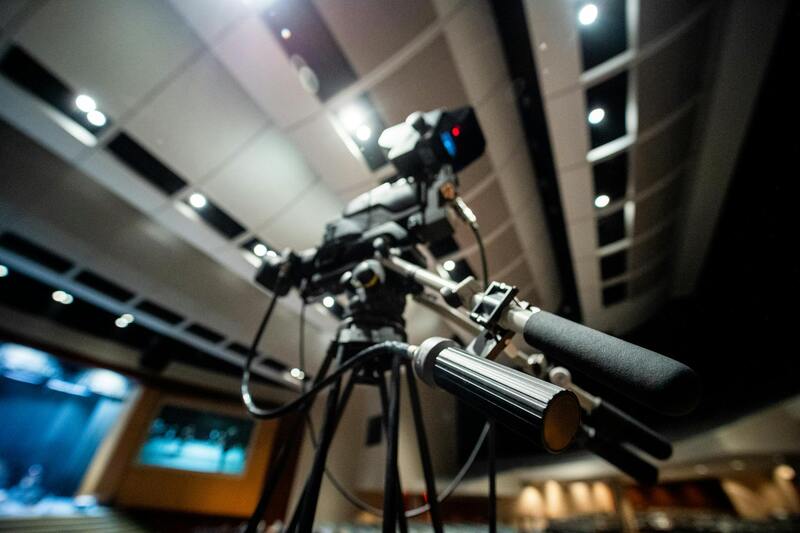
Authentic content delivery hinges on meticulous planning, from selecting the right production tools to rehearsing execution scenarios. This diligent approach minimizes disruptions and ensures the final stream aligns with audience expectations and content goals.
Understanding Video Streaming Production
Video streaming production encompasses a comprehensive process that transforms raw footage into a polished, engaging broadcast accessible to audiences in real-time or through on-demand viewing. It involves meticulous planning, innovative technology deployment, strategic content delivery, and post-event refinement. Producing high-quality live streams requires a seamless integration of multiple technical and creative components to ensure viewers experience smooth, high-resolution content across various devices and networks.
Key Equipment and Technology
At the core of any successful video streaming initiative is a robust set of equipment designed to capture, encode, and transmit content efficiently. This includes professional-grade cameras capable of delivering high-definition imagery, audio capture devices such as mixers and microphones, and hardware encoders that compress footage for online delivery. Software-based encoders are also prevalent, offering flexibility and scalability for different broadcast scenarios.
Networking infrastructure plays a vital role, with high-bandwidth internet connections, dedicated routers, and switches ensuring stable and fast data transmission. Streaming servers or content delivery networks (CDNs) are employed to distribute content to global audiences with minimal latency. For remote or multi-location productions, wireless transmission tools, such as bonded cellular solutions, provide mobility without sacrificing quality.
Planning and Pre-Production
Effective planning is the foundation of a successful streaming event. This phase involves multiple stages, including content storyboard creation to map visual flow and content sequencing. Technical rehearsals simulate live conditions, allowing teams to identify potential issues with equipment, audio-visual synchronization, and internet stability.
Pre-production also incorporates detailed coordination with all participants—hosts, presenters, technical staff, and talent—to guarantee smooth transitions and clear communication. Visual elements such as overlays, lower thirds, and branding assets are prepared to enhance viewer engagement and reinforce event messaging.
- Detailed content scheduling and timing
- Equipment checks and calibration
- Run-throughs and rehearsal sessions
- Backup plan development for technical failures
Production Setup and Execution
During production, the focus shifts to real-time management of multiple technical components. Camera operators capture footage, audio engineers monitor sound levels, and streaming technicians oversee the encoding process and ensure data integrity. Multi-camera setups provide dynamic visual perspectives, while graphics and overlays are integrated seamlessly to support storytelling.
The role of the director and production team is critical in coordinating camera shots, switching between sources, and managing live interactions. Proper lighting is calibrated to optimize image quality, and microphones are positioned to capture audio clearly. All these elements must work in harmony to produce a professional broadcast that resonates with the audience.
Streaming Platforms and Distribution
Selecting appropriate streaming platforms is essential for effective distribution. Popular options include dedicated gaming or professional streaming services, social media integrations, and proprietary hosting solutions. Each platform offers distinct advantages regarding reach, analytics, monetization, and viewer engagement tools.
Distribution strategies often involve multi-platform streaming to maximize audience exposure. Content can be embedded into websites, shared across social media channels, and linked via email campaigns. Important considerations include streaming quality settings, adaptive bitrate streaming to accommodate varying internet speeds, and accessibility features such as closed captioning.
Post-Production and Content Optimization
Post-event activities intervene after the live stream concludes. Recorded content is edited to remove any technical glitches, enhance visual quality, and insert additional graphics or information. This process ensures on-demand versions are engaging and aligned with branding standards.
Optimization involves adding relevant metadata, such as titles, descriptions, and keywords, to improve discoverability on content platforms. Thumbnails, subtitles, and chapters further enhance user experience. These efforts contribute to higher viewer retention and increased reach during subsequent content promotion efforts.
Advanced Techniques for Professional Video Streaming Production
Achieving high-quality, seamless live streaming requires the implementation of advanced production techniques. Utilizing multi-camera setups allows creators to capture diverse angles, providing a dynamic viewing experience that elevates audience engagement. Integration of multiple audio sources ensures clear sound quality, which is crucial for immersive broadcasts. Employing professional-grade encoding hardware helps facilitate stable, high-definition streams, mitigating common issues such as buffering and latency.
Beyond hardware, software solutions play a vital role. Live switching software enables real-time transitions, overlays, and graphics, adding a layer of professionalism to live content. Additionally, real-time analytics tools allow producers to monitor stream performance, viewer engagement, and technical metrics, facilitating immediate adjustments for optimal output.
Pre-configured scene layouts and automated workflows streamline production, reducing manual interventions during live events. Leveraging cloud-based streaming solutions can offer scalability, redundancy, and enhanced control over distribution channels, ensuring smooth delivery across various platforms and devices.
Monitoring and Troubleshooting During Streaming
Continuous monitoring is essential for maintaining stream integrity. Employing dedicated monitoring dashboards provides real-time insights into network status, bandwidth usage, and video quality metrics. This allows technical teams to swiftly respond to any disruptions, minimizing downtime and preserving audience experience.
Common troubleshooting measures include adjusting bitrate settings, switching to backup streams, or rerouting data through alternative servers. Redundancies such as failover encoders and backup internet connections further safeguard against interruptions. Regular testing before live events ensures all equipment and software are functioning correctly, reducing the likelihood of disruptions during critical moments.
Achieving Broadcast Professionalism with Post-Production Enhancements
While live production demands precision and foresight, post-production capabilities significantly extend content value. After the live event concludes, editors can refine footage by removing technical glitches, enhancing visual clarity, and adding logos or branding elements. This step ensures that on-demand content maintains a professional appearance, reinforcing brand identity.
Incorporating graphics, subtitles, and chapter segments improves content accessibility and user experience. High-quality thumbnails and descriptive metadata increase discoverability, encouraging viewers to re-engage with existing material or share content across other platforms. These enhancements contribute to a consistent, polished presentation that elevates the overall quality of a streaming project.
Maximizing Distribution with Strategic Platform Integration
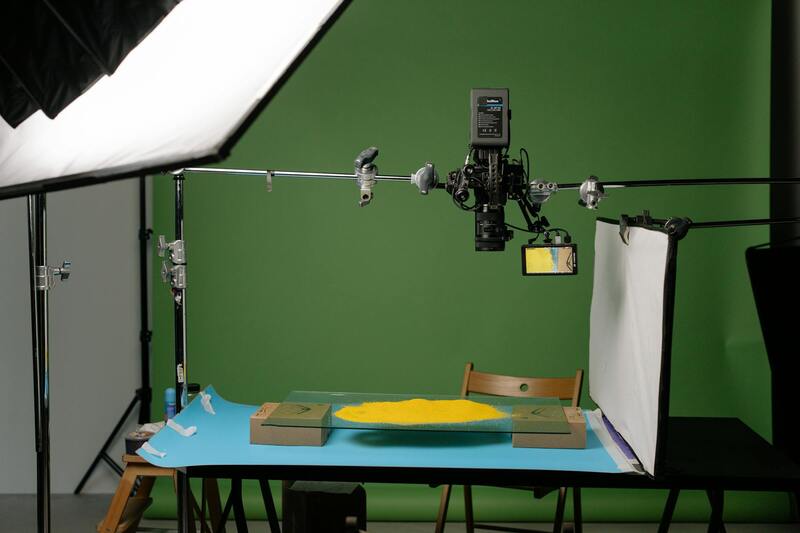
Strategic distribution through multiple, reputable streaming platforms expands reach and engagement. Content creators often adopt a multi-platform approach, streaming simultaneously on social media, professional broadcasting services, and proprietary websites. This strategy ensures the widest possible audience by catering to diverse viewing preferences.
Embedding streams directly into websites creates a seamless user experience and supports brand integration. Social media sharing tools facilitate viral dissemination, increasing visibility. For broader accessibility, adaptive bitrate streaming adjusts video quality according to viewers' internet speeds, preventing buffering issues.
Accessibility features such as closed captioning and audio descriptions are integrated to reach a wider audience, including those with hearing or visual impairments. Regular analysis of platform-specific engagement metrics allows for fine-tuning content delivery, optimizing viewer retention, and enhancing monetization.