Understanding Live Corporate Event Broadcast Services
In today’s interconnected world, the ability to transmit corporate events live to a broad audience has become an essential component of modern business communication. Live broadcast services for corporate events encompass a range of professional solutions designed to deliver high-quality video and audio feeds across multiple channels. These services facilitate real-time engagement, maximization of event reach, and enhancement of brand visibility. For Miami-based businesses, utilizing such live broadcasting solutions ensures that their events, whether conferences, product launches, or press briefings, are accessible to stakeholders, clients, and employees irrespective of geographic limitations.

Implementing professional live broadcast services involves a combination of specialized equipment, reliable internet connectivity, and skilled technical personnel. These services typically include multi-camera setups for dynamic visuals, professional sound systems for clear audio, and streaming platforms that support multiple viewing options. The value of these services is demonstrated through increased event accessibility, real-time audience interaction, and the ability to archive content for future use. As Miami continues to grow as a commercial hub, companies recognize that leveraging live streaming not only broadens their reach but also reinforces their commitment to transparency and innovation.
Furthermore, live broadcasting allows businesses to measure engagement through real-time analytics, providing insights into viewer demographics, engagement levels, and content popularity. This data is instrumental in refining future event strategies, making live streaming a vital component of a comprehensive corporate communications plan. When executed properly, live broadcasts create an immersive experience, bridging the gap between physical and virtual participation, and fostering stronger connections across all stakeholders.
Types of Live Broadcasting Technologies and Platforms
To ensure a seamless and high-quality live broadcast of corporate events, selecting the appropriate technology and platform is essential. Different broadcasting methods cater to varied event sizes, audience engagement levels, and technical requirements.
Among the most common streaming technologies are web-based live streaming platforms and dedicated broadcasting software. Web-based platforms, such as enterprise-grade streaming services, offer ease of access, scalability, and user-friendly interfaces. These platforms often support multi-camera feeds, real-time chat interactions, and integrated analytics, making them suitable for both small-scale meetings and large-scale conferences.
Dedicated broadcasting software provides greater control over the live production process. These tools enable customization of video feeds, graphics overlays, and audio mixing. They also facilitate multi-camera switching and remote guest participation, ensuring a professional presentation. Examples include industry-standard solutions that integrate with professional hardware for enhanced broadcast quality.
Hardware-based streaming solutions involve more complex setups, including video mixers, switchers, and encoders. These are typically used in high-profile events requiring superior production values and live editing capabilities. When combined with reliable internet connections and professional equipment, hardware solutions deliver crisp visuals and clear sound to large audiences across multiple platforms.

Streamlining the selection process depends on understanding the event scale and the desired viewer experience. Cloud-based streaming services are often ideal for their flexibility and minimal on-site equipment requirements, whereas dedicated hardware solutions suit complex, high-budget productions.
Furthermore, the choice of streaming platform impacts audience interaction and content security. Leading platforms offer features such as encryption, access controls, and interactive tools that enhance engagement while safeguarding sensitive corporate information. Evaluating these factors is pivotal in implementing an effective live broadcast strategy that aligns with the company's communication objectives.
Choosing a Professional Broadcast Service Provider in Miami
Miami's dynamic business environment demands broadcast providers that combine technical expertise, reliable infrastructure, and personalized service delivery. When selecting a provider for live corporate event broadcasting, consider their experience with similar events, their portfolio of past projects, and their familiarity with local venues and regulations.
Opting for providers with a comprehensive array of services—including pre-event planning, content production, technical support, and post-event analytics—ensures a cohesive experience. These professionals should employ state-of-the-art equipment and stay updated with the latest technological advancements to guarantee high-quality output.
Proximity and local knowledge can significantly influence the success of a live broadcast. Providers based in Miami understand the logistical nuances of the city's venues and infrastructure, enabling smoother setup and fewer technical hiccups. Additionally, they are better equipped to handle last-minute adjustments and coordinate with event venues to ensure optimal broadcast conditions.

Evaluating referrals, client testimonials, and case studies provides insight into a provider’s capability to deliver consistent, high-quality live streams. It’s also important to verify their capacity to scale operations for larger events and to incorporate interactive features that boost viewer participation. Companies should seek detailed proposals that outline technical specifications, contingency plans, and support services, ensuring comprehensive coverage from preparation to post-broadcast analysis.
Understanding Live Corporate Event Broadcast Services
Live broadcast services for corporate events encompass a range of solutions designed to seamlessly transmit live content to audiences across various locations. These services are integral for organizations aiming to reach broader audiences, enhance engagement, and ensure their message resonates effectively in real time. High-quality live broadcasting involves meticulous planning, state-of-the-art technology, and expert execution to deliver clear visuals and crisp audio, regardless of the viewer's device or internet connection.
When selecting a service to broadcast corporate events live, it is essential to understand the core components involved. This includes multi-camera setups for dynamic visual coverage, professional audio systems to ensure clarity, and reliable streaming platforms that support the event's scale. Additionally, backup solutions and contingency plans play a vital role in meeting unforeseen technical challenges without interrupting the broadcast.
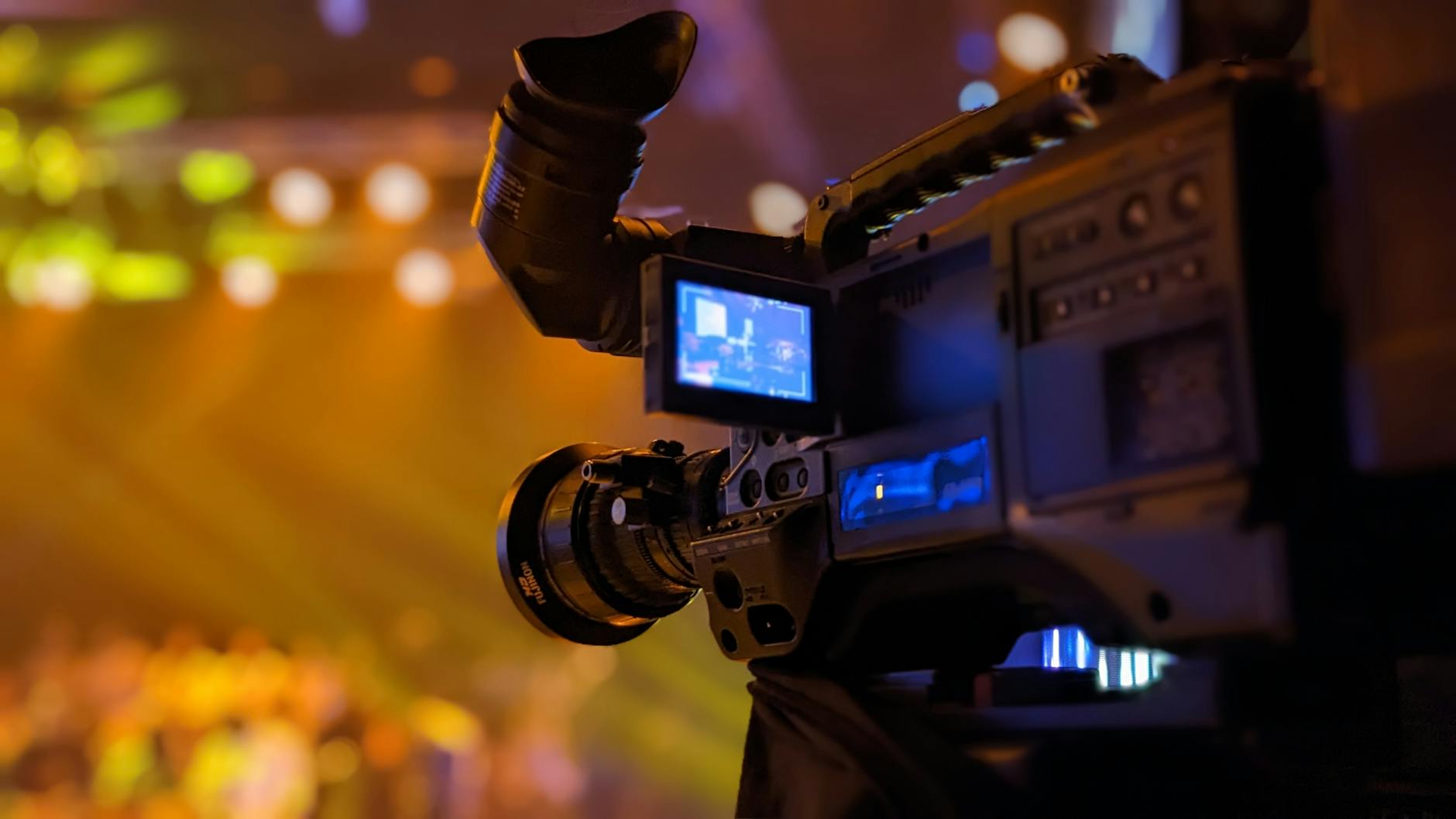
Offshore and local providers often offer tailored packages that integrate pre-event rehearsals, on-site technical support, content management, and post-event analytics to evaluate viewer engagement and content effectiveness. Leveraging these services ensures that every aspect of the broadcast aligns with the organization’s objectives and maintains high standards of production quality. Moreover, accessing experienced professionals with a thorough understanding of live streaming best practices guarantees a smooth, professional presentation that accurately reflects the brand.
Types of Live Broadcasting Technologies and Platforms
Multiple technologies and platforms underpin live corporate event broadcasts. Each comes with its unique features suited for various event sizes, formats, and audience interactions:
- Dedicated Streaming Servers: Offer high stability and control, ideal for large-scale broadcasts requiring uninterrupted service and customization options.
- Content Delivery Network (CDN) Platforms: Enable efficient distribution of streams to vast audiences by caching content across multiple servers geographically.
- Web-Based Streaming Platforms: Such as YouTube Live, Facebook Live, and specialized corporate streaming services provide user-friendly interfaces and easy sharing options, suitable for events targeting diverse demographics.
- Custom-Built Streaming Solutions: Developed in-house or through specialized providers to meet specific client needs, including interactive features and tailored viewer interfaces.
Choosing the right platform involves assessing factors like audience size, desired interaction level, content security, and integration capabilities with existing corporate systems. High-end equipment and robust networks are crucial to maintaining stream quality, especially during complex multi-camera productions and live feeds with multiple input sources.
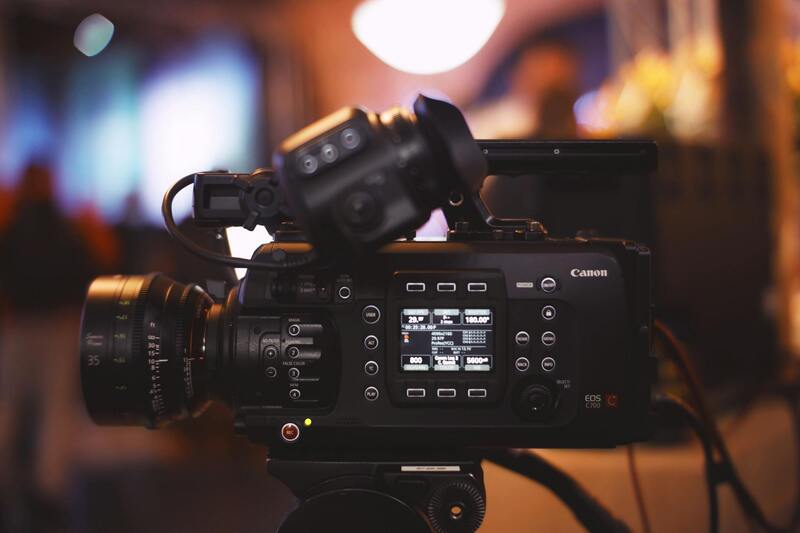
Furthermore, the latest advancements include multi-stream capabilities, 4K broadcasting, and interactive tools such as live polls and chat functions. These innovations significantly boost viewer engagement and provide real-time feedback, essential for dynamic and interactive corporate events. As technology continues to evolve, providers that stay updated with the latest broadcast innovations are better positioned to deliver compelling, high-resolution content that keeps audiences invested and attentive throughout the event.
Understanding Live Corporate Event Broadcast Services
Deploying live broadcast services for corporate events involves a comprehensive understanding of the technical infrastructure, content delivery methods, and audience engagement techniques. Effective live streaming transforms how companies communicate, enabling real-time interaction with diverse stakeholders across various locations. The primary goal of these services is to deliver seamless, high-quality content while maintaining a professional appearance that aligns with the company's branding and objectives. From small executive meetings to large-scale product launches, broadcast services must be adaptable and tailored to meet the specific demands of each event.

Implementing these services requires not just high-definition video and crystal-clear audio, but also a reliable transmission infrastructure capable of handling significant data flow with minimal latency. Especially for corporate events that feature multiple speakers, presentations, or audience interaction, the technical setup must support multiple input sources seamlessly. Additionally, the service provider’s familiarity with regional internet landscapes, such as Miami's connectivity infrastructure, is vital to minimize disruptions and ensure consistent performance throughout the event.
Beyond technical considerations, a successful live broadcast also hinges on strategic planning. This includes detailed pre-event coordination to align content, testing of all equipment, establishing contingency plans for potential technical failures, and coordinating with event staff for smooth transitions. Integrating interactive features, such as live chat, polls, and Q&A sessions, further enhances viewer engagement and reinforces the event’s objectives.
In Miami, where corporate activities range from multi-national conferences to local business launches, selecting a capable service provider that understands regional broadcasting nuances is essential. Such providers are equipped with advanced technology, trained technical personnel, and a proactive approach to ensure that the broadcast not only reaches the intended audience but does so with clarity and professionalism.
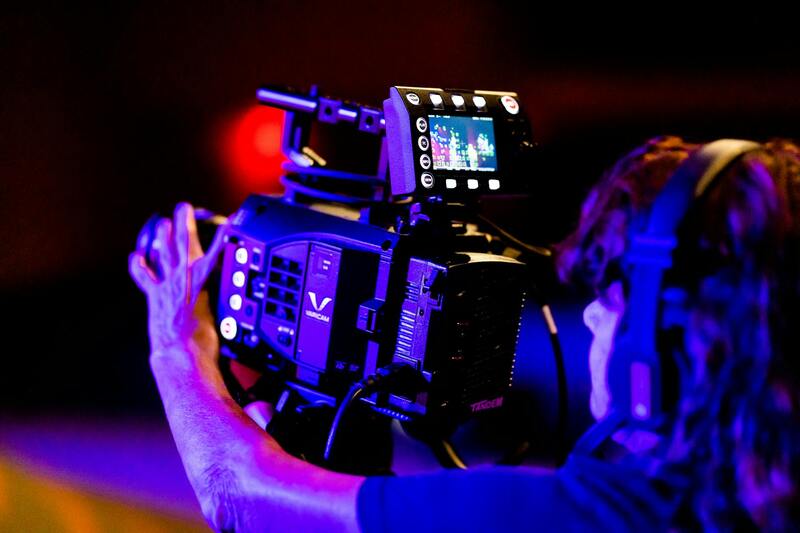
With the constant evolution of broadcast technology, staying informed about new features and tools is crucial. Innovations such as multi-camera setups, 4K resolution streaming, automated switching, and immersive audio provide a richer viewing experience. Incorporating social media integrations also allows participants to share content and participate in discussions, extending the event’s reach beyond the immediate streaming audience. As a result, companies can leverage these services to not only broadcast an event but to create a memorable and engaging digital experience that resonates with viewers long after the live segment ends.
Ensuring Optimal Audio and Video Quality in Live Broadcasts
High-quality audio and video are fundamental components of successful live corporate event broadcasts. To achieve crystal-clear visuals and sound, professional broadcasters utilize a combination of advanced hardware and meticulous technical setup. This includes deploying high-definition camera systems, such as 4K or UHD cameras, which provide sharp imagery and allow for versatile framing options. Additionally, audio quality hinges on lavalier mics, shotgun microphones, and audio mixers, all designed to capture clear speech and ambient sounds while minimizing noise interference.
Proper synchronization of audio and video streams is critical to prevent lag or desynchronization, which can disrupt the viewer’s experience. Live video switchers enable seamless transitions between multiple camera feeds, ensuring a dynamic and engaging presentation. For audio, digital signal processors stabilize sound levels and eliminate unwanted noise, improving clarity across different viewing environments.
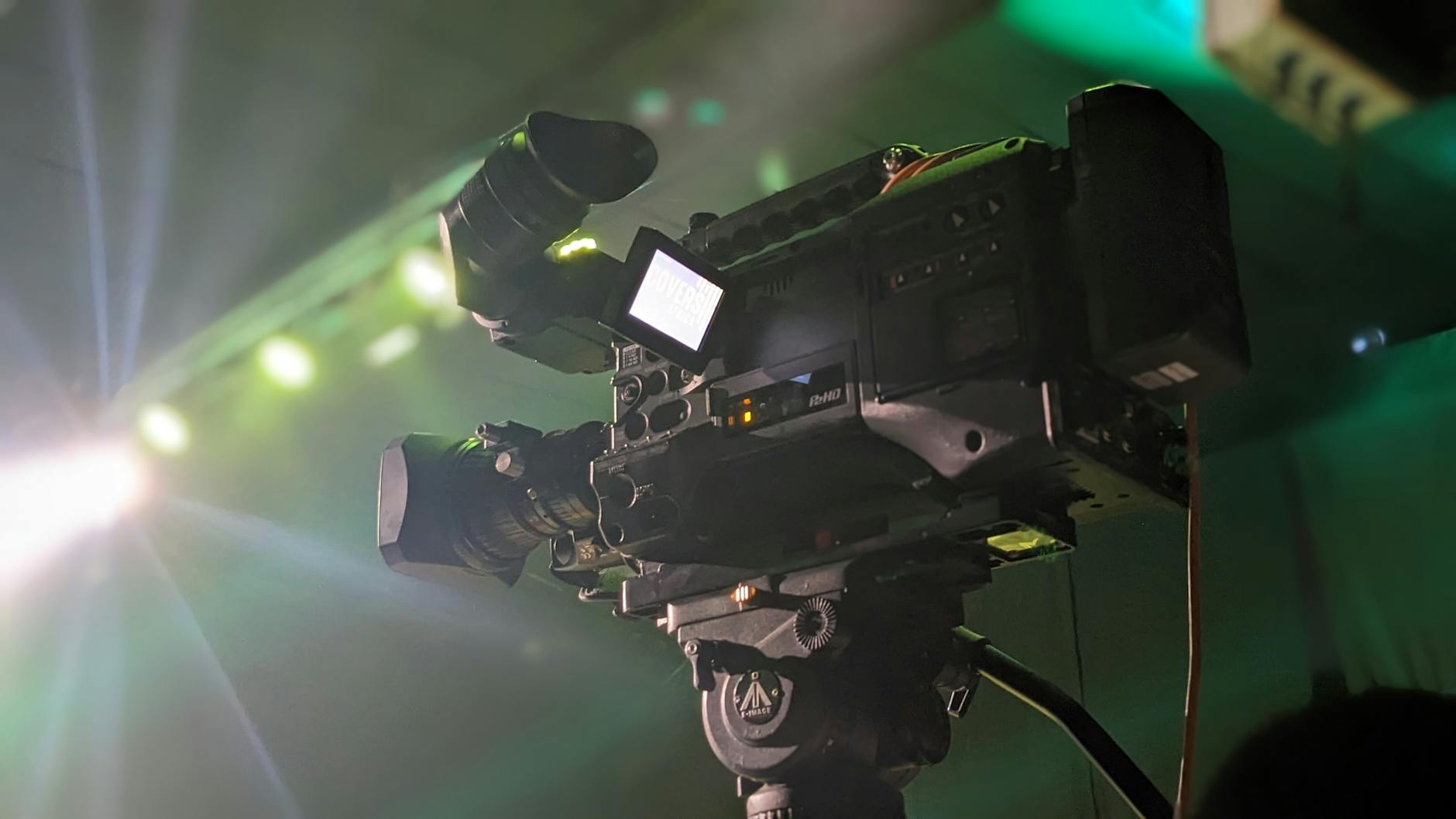
To maintain consistent quality, broadcast services often incorporate redundant systems and backup equipment. This proactive approach ensures that a failure or malfunction in any component does not interrupt the transmission. High-speed internet connectivity, with dedicated bandwidth and backup links, further guarantees uninterrupted streaming, even during network fluctuations. Advanced encoding software is used to compress video data efficiently while preserving quality, optimizing delivery across various devices and connection speeds.
Implementing Adaptive Streaming and Reliability Measures
Adaptive streaming technologies dynamically adjust the quality of the stream based on the viewer’s internet bandwidth, ensuring a smooth viewing experience regardless of connection stability. This technique reduces buffering and prevents quality degradation, which is essential during large-scale corporate events with wide audiences.
Incorporating failover systems, such as backup encoders and secondary internet connections, minimizes the risk of service interruptions. These measures provide peace of mind during critical moments of the event, allowing organizers to focus on content delivery rather than technical concerns.
Content Security and Rights Management
Securing broadcast content is vital, especially when sensitive corporate information is involved. Professional service providers implement encryption protocols and digital rights management systems to prevent unauthorized access and distribution. These practices safeguard intellectual property and maintain compliance with corporate policies. Additionally, access controls and password protections are employed for certain streams, ensuring that only authorized audiences can view the content.
Optimizing Viewer Engagement through Interactive Features
- Live Chat Integration: Facilitates real-time communication between viewers and presenters, fostering engagement and immediate feedback.
- Polls and Q&A Sessions: Enhance interaction and provide insights into audience preferences and interests.
- Social Media Sharing: Enables viewers to share event highlights, extending reach and visibility.

Ensuring Secure and Organized Broadcast Operations
When broadcasting corporate events live, it is essential to implement rigorous security measures to safeguard the content and ensure seamless delivery. Professional broadcasters employ advanced encryption technologies to protect the video streams from unauthorized access. Digital rights management (DRM) systems are utilized to control distribution rights, making certain that the content is only accessible to designated viewers. These methods not only prevent unauthorized sharing but also help maintain the confidentiality of sensitive corporate information.
Access control mechanisms form a core part of organized live broadcast operations. By setting up password-protected streams or restricted viewing portals, companies can regulate who has access to the event, ensuring that only qualified individuals, such as employees, partners, or select clients, can participate. This level of control further enhances the integrity of the broadcast and fosters trust among stakeholders.
Additionally, professional service providers consistently monitor the stream for any irregularities or security breaches. Real-time analytics and monitoring tools alert operators immediately in case of issues, allowing swift action to mitigate potential disruptions. The use of firewalls and secure servers minimizes the risk of technical interference or hacking attempts, contributing to a stable and credible broadcasting environment.
Utilizing Reliable Streaming Protocols
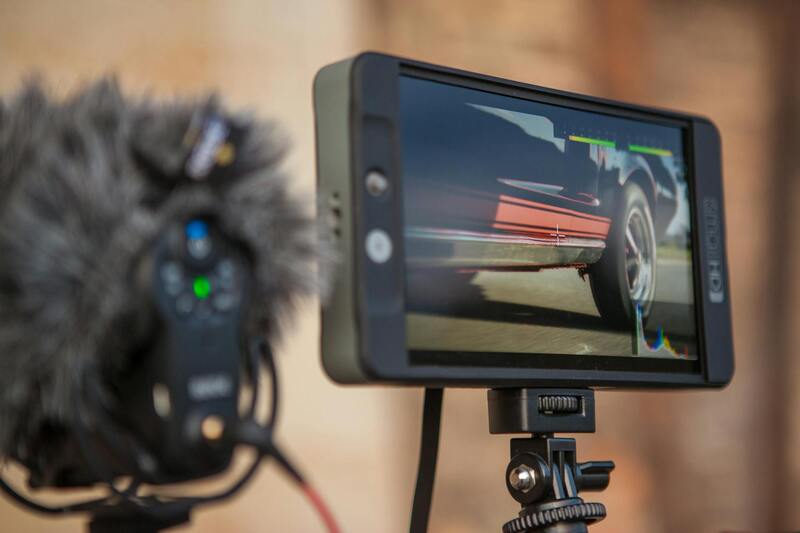
Implementing robust streaming protocols is fundamental to delivering high-quality live broadcasts. Commonly used protocols like Real-Time Messaging Protocol (RTMP), HLS (HTTP Live Streaming), and DASH (Dynamic Adaptive Streaming over HTTP) facilitate reliable transmission of video content across diverse network conditions. These protocols support adaptive bitrate streaming, which adjusts video quality dynamically based on the viewer’s internet bandwidth, reducing buffering and improving the viewing experience.
By choosing services that leverage these proven protocols, organizations can achieve uninterrupted streams even during peak traffic or unpredictable network issues. This technical backbone not only enhances viewer satisfaction but also ensures that critical corporate messages are delivered without compromise.
Furthermore, to maximize reliability, hosting providers often deploy multiple distribution servers across different geographic regions. This distributed architecture ensures that viewers receive content from the nearest or most optimal server, reducing latency and buffering issues.

Protocols and Safety Measures in Practice
- Redundant encoder setups to prevent broadcast failure
- Multiple internet connection pathways for failover contingencies
- End-to-end encryption for secure data transmission
- Quality of Service (QoS) management to prioritize broadcast traffic
- Regular testing and system audits to identify vulnerabilities
Post-Broadcast Follow-Up and Coordination
Once the live broadcast concludes, the focus shifts toward analyzing performance and ensuring content is effectively distributed for further use. High-caliber providers deliver comprehensive post-event reports that include viewer analytics, engagement levels, and technical performance metrics. These insights guide future enhancements and strategic planning.
Additionally, recorded versions of the broadcast can be archived and disseminated through secure channels for on-demand access, enabling ongoing engagement and reference. Proper management of post-broadcast content also involves ensuring all materials are properly stored, cataloged, and protected from unauthorized access.
Understanding Live Corporate Event Broadcast Services
Official methods of broadcasting corporate events live hinge on utilizing proven, reliable technologies that guarantee seamless delivery of content to a wide audience. These services encompass a spectrum of solutions that are compliant with industry standards, ensuring that event organizers and companies can confidently deliver their messages without interruptions or technical issues.
To achieve this, professional live broadcasting providers deploy a combination of hardware and software systems optimized for high-definition streaming, real-time data transmission, and user engagement. They adhere closely to established protocols that uphold data integrity, security, and consistency, creating a trustworthy environment for sensitive corporate content. This approach ensures that the broadcast remains uninterrupted, viewers experience minimal latency, and the broadcast quality aligns with professional standards.

Supported by sophisticated encoder systems, reliable internet connections, and secure data channels, these services manage the entire broadcast lifecycle—from initial planning through to post-event analytics. Employing such official methods assures corporate clients that their live content is delivered accurately and securely across various devices and network environments. The providers’ adherence to best practices and industry standards fosters a level of confidence critical for maintaining corporate reputation and stakeholder trust.
Types of Live Broadcasting Technologies and Platforms
- Dedicated Streaming Servers: These are private servers configured specifically for the client’s broadcast, ensuring dedicated bandwidth and maximal control over the streaming environment.
- Content Delivery Networks (CDNs): Widely used for distributing live streams across multiple geographic locations, CDNs optimize delivery speed and reduce latency.
- Secure Streaming Protocols: Protocols such as RTMP, HLS, and DASH facilitate secure and flexible content delivery, supporting adaptive bit rate streaming for various devices and network conditions.
- Integration with Major Platforms: Professional broadcasters often utilize official integrations with platforms like YouTube Live, Vimeo Livestream, or corporate streaming portals to expand reach while maintaining control over the content.
Choosing a Professional Broadcast Service Provider in Miami
When selecting a provider, it is crucial to evaluate their experience with large-scale corporate events, their technical infrastructure, and their adherence to industry standards. Reliable providers will offer a comprehensive consultation process, including assessing venue requirements, bandwidth capabilities, and security measures. They should also demonstrate a track record of successful broadcasts with positive client testimonials and case studies.
Additional factors include their ability to customize solutions, provide dedicated technical support during the event, and ensure compliance with local regulations and privacy standards specific to Miami's regulatory landscape.

Key Features of Quality Live Event Broadcast Services
- High-Resolution Video Production: Utilizes HD or 4K cameras to ensure crisp visuals aligned with professional standards.
- Multiple Camera Angles and Switching: Allows dynamic presentation, switching between different perspectives to engage viewers effectively.
- Audio Clarity: Employs advanced microphones and audio processing to deliver clear sound that complements visual content.
- Redundancy and Fail-Safe Measures: Implements backup encoders, power supplies, and internet pathways to mitigate potential failures.
- Interactive Features: Includes chat, Q&A, polls, and virtual networking options to foster engagement among remote attendees.
- Compliance and Security: Ensures that the content transmission complies with data protection standards, employing encryption and access controls.
Preparation and Planning for a Successful Live Broadcast
Proper planning begins with pre-event logistics, including venue assessment, equipment setup, and connectivity tests. Establishing a detailed timeline, defining roles, and rehearsing the broadcast are vital for smooth execution. Ensuring all hardware is tested and backups are in place minimizes risks.
Coordination with the broadcasting team, technical staff, and event organizers fosters clarity regarding expectations and responsibilities. Clear communication channels and contingency plans are essential to adapt swiftly to unforeseen issues, keeping the event on schedule and maintaining broadcast integrity.
Legal and Compliance Considerations for Live Corporate Event Broadcasts
Ensuring that live broadcasts adhere to necessary regulatory and compliance standards is crucial for maintaining professionalism and credibility. This encompasses safeguarding intellectual property rights, respecting privacy regulations, and implementing secure transmission protocols. Working with a reputable broadcast service provider guarantees adherence to industry best practices, including the use of encryption technologies that protect sensitive content during transmission.
It is essential to verify that all content broadcasted complies with applicable copyright laws, especially when utilizing proprietary videos, images, or music. Event organizers should establish clear guidelines about content approval and usage rights ahead of the broadcast to prevent potential disputes. Moreover, ensuring that all participants, including speakers and attendees, are informed about the broadcast’s scope and data collection practices fosters transparency and trust.
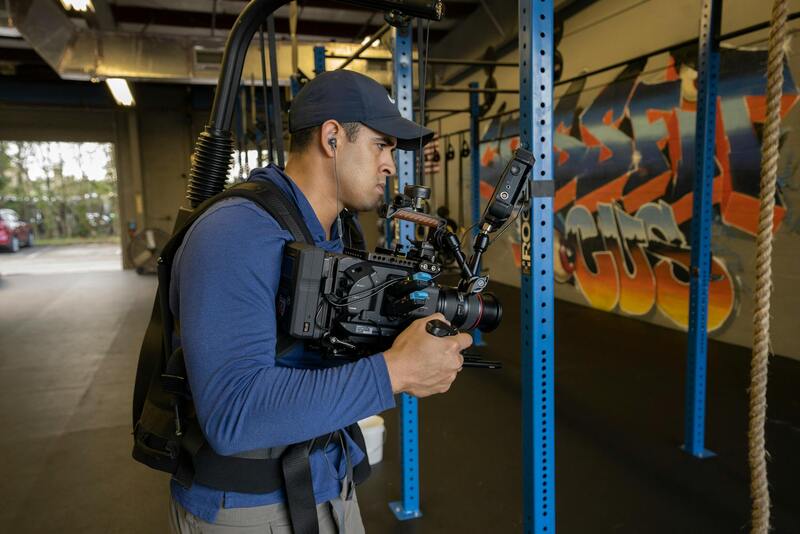
Data privacy is another pivotal aspect. When streaming confidential corporate information, it's vital to utilize secure, encrypted platforms that restrict unauthorized access. Employing watermarking, digital rights management (DRM), and secure login procedures can prevent unauthorized recordings or sharing of sensitive content.
Additionally, compliance with industry standards like GDPR or HIPAA may be necessary depending on the nature of the information shared. For instance, healthcare or financial services must observe strict regulations regarding data handling and transmission. Partnering with a professional broadcast provider familiar with these regulations helps to ensure all aspects of the live stream meet legal obligations.

Preparation for compliance should be integrated into the planning phase. This includes verifying the broadcast platform’s security features, drafting consent forms if necessary, and conducting comprehensive risk assessments. Establishing a protocol for handling any breaches or issues during the event minimizes disruption and maintains corporate integrity.
Ultimately, prioritizing legal and compliance considerations not only protects the organization but also enhances its reputation by demonstrating a commitment to ethical broadcasting standards. Engaging with a qualified broadcast partner ensures that all legal requirements are met efficiently, allowing organizers to focus on delivering compelling, engaging corporate events that resonate with their audience.