Overview of Live Streaming Solutions in Florida
In recent years, Florida has experienced a significant surge in demand for professional live streaming solutions, driven by the increasing necessity for remote engagement and digital content dissemination. With a vibrant economy that spans entertainment, real estate, education, and corporate sectors, the Miami region stands out as a key hub where live broadcasting has become an essential tool for reaching broader audiences.
The growth of live streaming in Florida reflects a strategic shift towards digital event broadcasting that allows organizations and individuals to connect seamlessly with audiences across various locations. From large-scale conferences and concerts to corporate meetings and community events, the need for reliable, high-quality live streaming services is at an all-time high. This expansion is supported by advancements in internet connectivity, increasing adoption of high-definition video technology, and the proliferation of diverse streaming platforms tailored to meet the unique needs of Florida’s dynamic market.

Numerous local providers have emerged, offering comprehensive solutions tailored for different event sizes and sectors. These solutions enable businesses, government agencies, educational institutions, and entertainment organizations to deliver live content with clarity and professionalism. The ability to broadcast in multiple formats, engage viewers interactively, and ensure smooth streaming has made live broadcasting an indispensable component of Florida's digital landscape.
Furthermore, the increasing availability of 5G networks and high-speed broadband across Florida enhances the capacity for high-definition live streams with minimal latency. As a result, the state continues to lead in adopting innovative streaming solutions that meet the evolving needs of a digitally connected society.
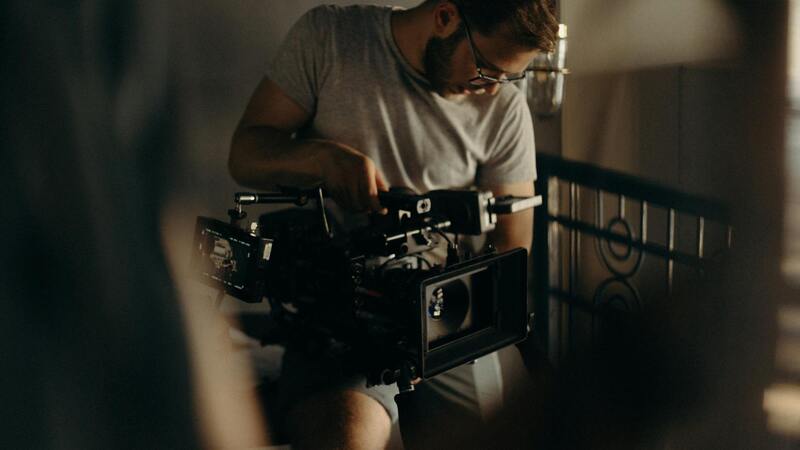
Overall, the expanding infrastructure, coupled with technological advancements and a proactive approach by local providers, positions Florida as a prime location for high-quality live streaming solutions. From large public events to small corporate meetings, the region’s strategic initiatives foster a rich environment for live content delivery that keeps pace with the growing demand for real-time digital engagement.
Types of Live Streaming Platforms and Technologies
Various platforms and technologies underpin the live streaming services available across Florida, offering tools that cater to diverse event types and audience sizes. These technologies are designed to ensure seamless delivery, high-resolution quality, and interactive engagement, which are crucial for effective digital communication.
Cloud-based streaming platforms are highly favored for their scalability, flexibility, and ease of use. They enable broadcasters to deliver content directly from data centers to viewers without relying heavily on local infrastructure. Services such as enterprise-grade cloud solutions facilitate live streams that can accommodate large audiences while maintaining stability and quality.
Additionally, dedicated streaming servers or on-premises equipment are utilized for more control over content delivery, especially for events requiring stringent security or customization. These setups often involve encoding hardware or software that compresses live feeds into various formats suitable for multiple devices and bandwidth conditions.
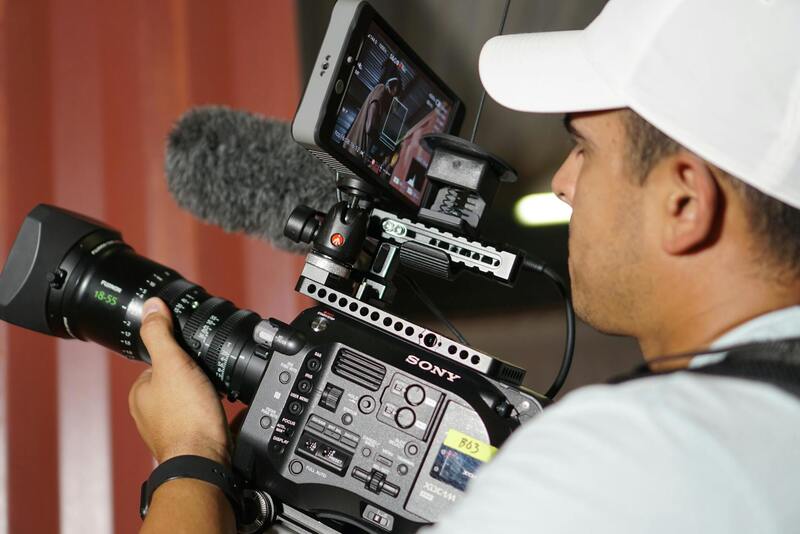
Advanced encoding software, such as OBS Studio or vMix, allows real-time switching, graphic overlays, and multi-camera integration, enhancing the production value of live streams. RTMP (Real-Time Messaging Protocol) remains a prevalent transmission protocol, facilitating low-latency delivery, while newer protocols like SRT (Secure Reliable Transport) provide improved security and resilience against network fluctuations.
Hybrid solutions combining cloud services with on-premises hardware are increasingly common, giving organizations the flexibility to manage streams efficiently across different locations. This integration supports live events like sports, festivals, corporate webinars, and municipal broadcasts—all tailored to meet specific technical and logistical needs.
To achieve the best results, providers leverage CDNs (Content Delivery Networks) to distribute streams across regional servers, minimizing latency and buffering, and optimizing viewer experience across Florida's diverse geographic landscape.
- Cloud-based platforms (e.g., Vimeo Livestream, Wowza Streaming Cloud)
- Encoding hardware/software (e.g., Teradek, Blackmagic Design)
- Protocols (RTMP, SRT, HLS)
- Content Delivery Networks (CDNs) for geographic distribution

Implementing the right combination of these platforms and technologies depends on the nature of the event, audience size, technical expertise, and budget considerations. Florida-based providers often tailor these advanced solutions, ensuring compatibility with local infrastructure and compliance with regional regulations, thereby delivering reliable and high-quality live streaming experiences.
Technical Considerations for Florida-Based Live Streaming
When selecting live streaming solutions in Florida, it is essential to evaluate the underlying technical infrastructure to ensure seamless delivery and high-quality viewer experiences. Florida’s diverse geography, from urban centers like Miami and Orlando to more remote areas, necessitates robust solutions capable of adapting to varying network conditions. Providers often leverage multiple delivery protocols to optimize performance, with Real-Time Messaging Protocol (RTMP) remaining a staple for reliable streaming, while newer protocols like SRT (Secure Reliable Transport) enhance security and resilience against jitter and packet loss.
Bandwidth capacity and network stability are critical factors, especially for large-scale events such as sports tournaments or televised conferences where even brief interruptions can significantly impact viewer engagement. Florida-based providers typically conduct comprehensive network assessments beforehand, deploying redundant streaming paths and adaptive bitrate technologies that automatically adjust stream quality based on real-time network conditions. This approach minimizes buffering and enhances the overall user experience.
In addition to network considerations, hardware and software configurations play a pivotal role. High-quality encoders—whether dedicated hardware units or sophisticated software solutions—are deployed to ensure optimal image clarity and sound fidelity. Content delivery is supported by strategically located Content Delivery Networks (CDNs) within Florida and across the southeastern United States, which reduces latency by serving streams from local servers close to the viewer. This distribution tactic not only speeds up content delivery but also mitigates regional bandwidth constraints.
 igure>
Technical precision extends to encoding parameters, multi-platform compatibility, and synchronization requirements. Encoders must support multiple streaming protocols and formats to ensure that content can be delivered seamlessly across a variety of devices and platforms—ranging from mobile phones and tablets to large-screen displays in conference venues. Support for adaptive streaming technologies, such as HLS (HTTP Live Streaming) and DASH (Dynamic Adaptive Streaming over HTTP), allows viewers to enjoy smooth playback regardless of their network speed or device capabilities.
Furthermore, live streaming providers in Florida are increasingly adopting hybrid cloud-and-premises solutions to balance control, scalability, and security. This hybrid architecture facilitates complex production workflows, enabling high-quality local recordings, real-time editing, and simultaneous multi-platform distribution—all managed efficiently to meet diverse client needs.
Ultimately, meticulous planning of technical infrastructure combined with ongoing monitoring and adjustment ensures that live streams in Florida are delivered reliably, securely, and at a quality that meets today’s high viewer expectations. Whether streaming a city council meeting, an outdoor festival, or a corporate product launch, the integration of advanced technologies and strategic infrastructure forms the backbone of successful live event broadcasting in the region.
Technical Considerations for Florida-Based Live Streaming
Implementing effective live streaming solutions in Florida requires a comprehensive understanding of the region’s diverse technological landscape and network infrastructure. High-quality content delivery depends on stable internet connections, which must be capable of handling the substantial data loads associated with high-definition streaming. Areas such as Miami and Orlando, with their heavy urban populations, typically have access to fiber-optic networks and other advanced broadband services, but rural regions might still face challenges related to bandwidth limitations.
Ensuring seamless streaming across multiple devices involves deploying adaptive bitrate streaming technologies. These systems dynamically adjust the quality of the video stream based on the viewer’s internet speed, preventing buffering and video degradation. For event organizers in Florida, working with providers that utilize this technology guarantees a smooth experience regardless of the viewer’s location or device.
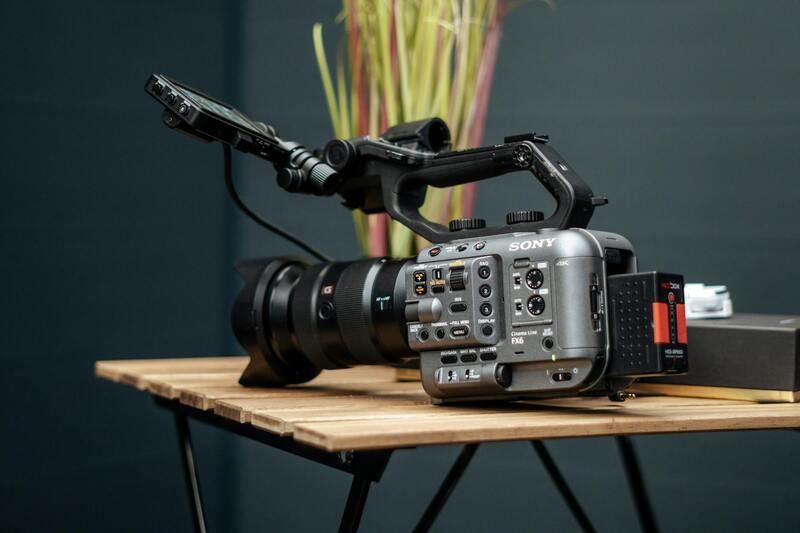
In addition to robust network connectivity, selecting high-quality streaming equipment is essential. Servers with high processing capacity, professional-grade encoders, and reliable content delivery networks (CDNs) ensure that live broadcasts reach viewers without interruption. These elements are particularly important for large-scale events such as sports games, conferences, or religious gatherings that attract sizeable audiences across Florida.
Florida-based teams also prioritize real-time monitoring and issue detection capabilities. Using advanced software, support personnel can track the stream quality, identify potential disruptions, and respond instantaneously. This proactive approach is vital for minimizing downtime and maintaining audience engagement, especially during live broadcasts with significant participation or high stakes.
Redundancy systems further enhance reliability. This includes deploying backup internet connections, secondary encoders, and failover servers. These measures provide a safety net, ensuring continuous content delivery even when primary systems encounter issues. For live events with critical importance, such redundancy safeguards the broadcasting process against unforeseen interruptions.
Technical teams in Florida often work closely with local internet providers and network specialists to optimize connectivity for live streaming. This collaboration helps in creating tailored solutions that meet the specific demands of each event, whether it is a small local webinar or a statewide televised concert. The integration of these technological considerations results in a resilient infrastructure capable of supporting high-definition streams with minimal latency.
Technical Considerations for Florida-Based Live Streaming
Implementing effective live streaming solutions in Florida requires careful attention to technical specifics that influence stream quality and reliability. One crucial factor is the quality of the internet connection. Florida's diverse geography, ranging from urban centers like Miami and Orlando to rural areas, means that internet infrastructure can vary significantly. Therefore, utilizing multiple internet service providers and establishing redundant connections is essential to maintain seamless streaming during critical events.
Bandwidth capacity must be meticulously evaluated to accommodate the expected viewership volume. High-definition streams demand substantial upload speeds to prevent buffering issues and ensure clarity. Technical teams often perform pre-event network assessments to verify that available bandwidth aligns with the intended streaming quality.
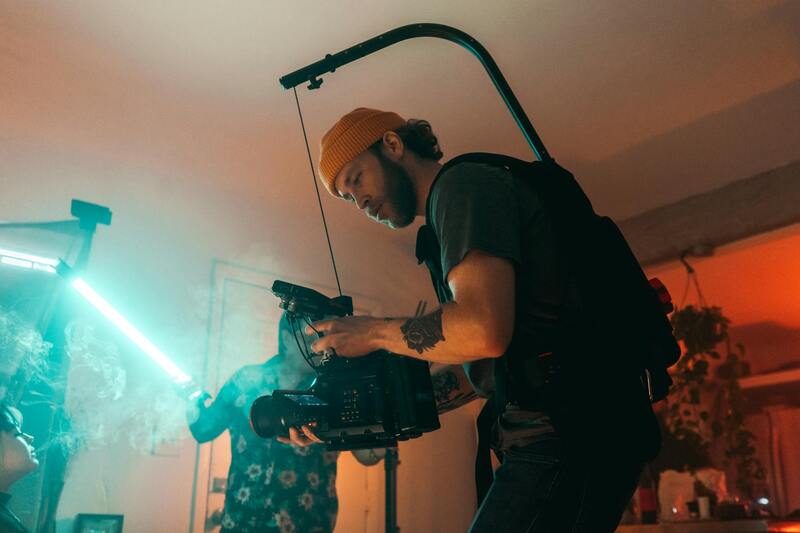
Encoder selection also plays a pivotal role in stream quality. Hardware encoders are favored for their stability and ability to handle high-bandwidth transmissions, while software encoders offer flexibility for quick adjustments and are suitable for smaller events. The choice depends on event size, complexity, and the desired streaming output.
Latency management is critical, especially for interactive segments like Q&A sessions or real-time polling. Using streaming protocols that support low latency, such as SRT (Secure Reliable Transport) or RTMP (Real-Time Messaging Protocol), helps maintain a synchronized viewer experience across different devices and locations.
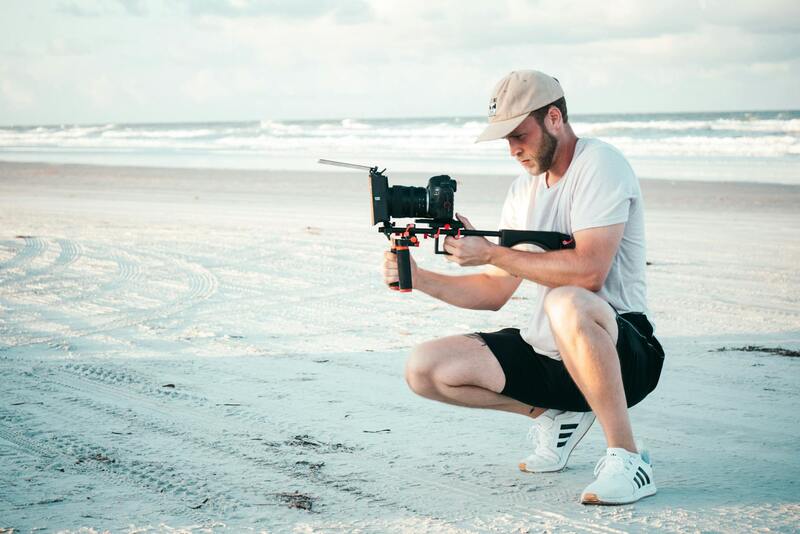
The choice of content delivery networks (CDNs) significantly affects delivery speed and stability. CDNs distribute the stream across multiple servers geographically dispersed, reducing server load and minimizing latency. Florida-based event organizers often partner with local CDN providers or global networks with strong regional presence to optimize performance.
For larger, more complex events, implementing multisite streaming or multi-camera configurations can enhance the viewing experience. This entails synchronized feeds from various angles, captured via multiple encoders or wireless camera systems. Ensuring these systems are well-integrated and capable of handling high data throughput is fundamental.
Preparation also involves comprehensive testing of all technical components prior to the event day. This includes run-throughs of network stability, encoder performance, and streaming settings. Continuous monitoring during the live broadcast, using dedicated software tools, allows quick troubleshooting of potential issues, minimizing disruptions.
Technical Considerations for Florida-Based Live Streaming
Implementing an effective live streaming solution in Florida requires a comprehensive understanding of the technical environment unique to the region. Factors such as network infrastructure, climate conditions, and available hardware play significant roles in ensuring a smooth broadcast. Strategic planning around these considerations can mitigate potential disruptions and enhance overall stream quality.
Bandwidth requirements are pivotal for high-definition streaming, particularly during large-scale events with substantial viewership. Florida's urban centers are typically equipped with robust internet infrastructure; however, organizers should verify upload speeds and network stability at the venue. Utilizing dedicated internet lines or fiber optic connections can provide the necessary bandwidth to prevent buffering or latency issues.
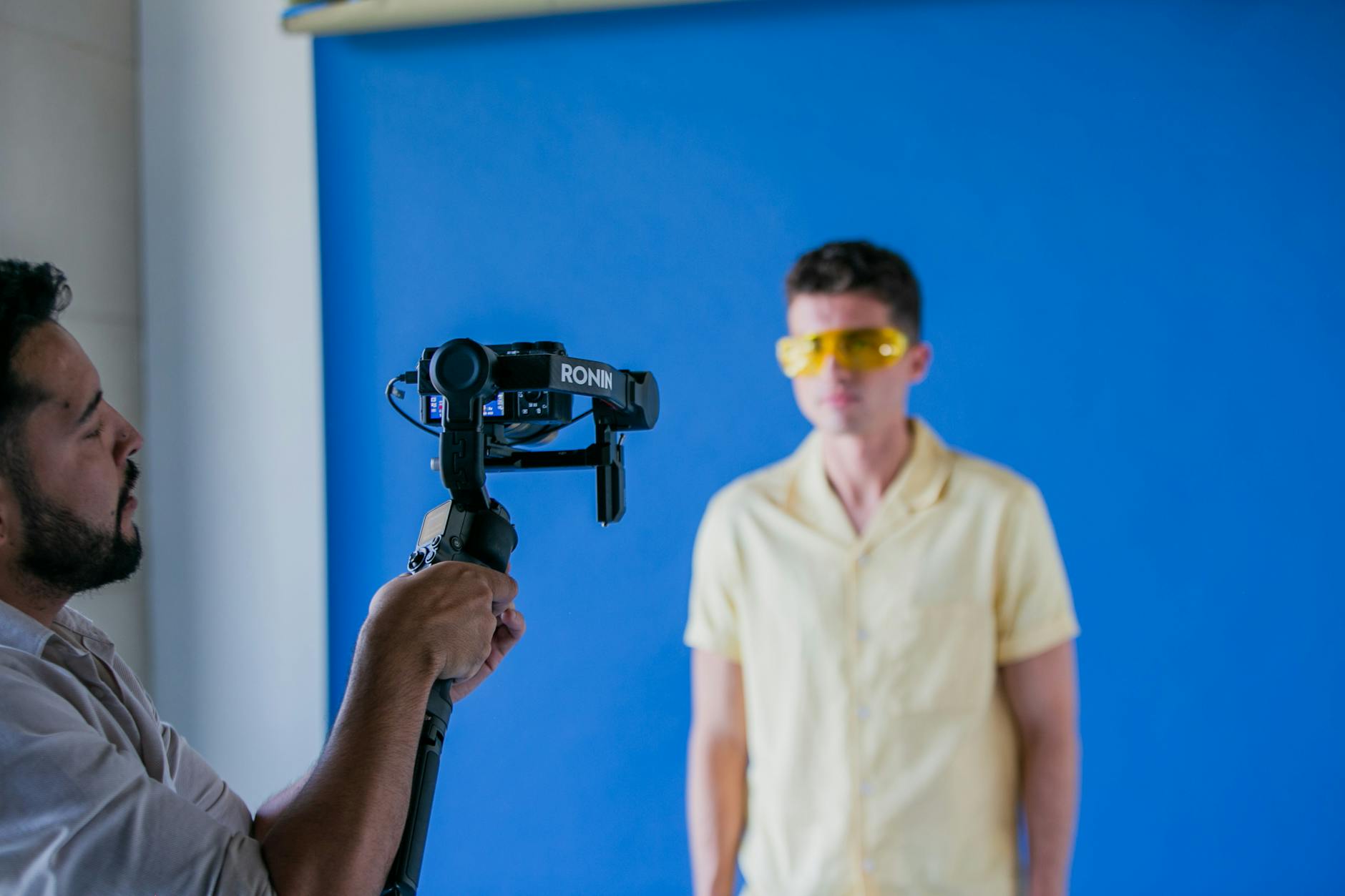
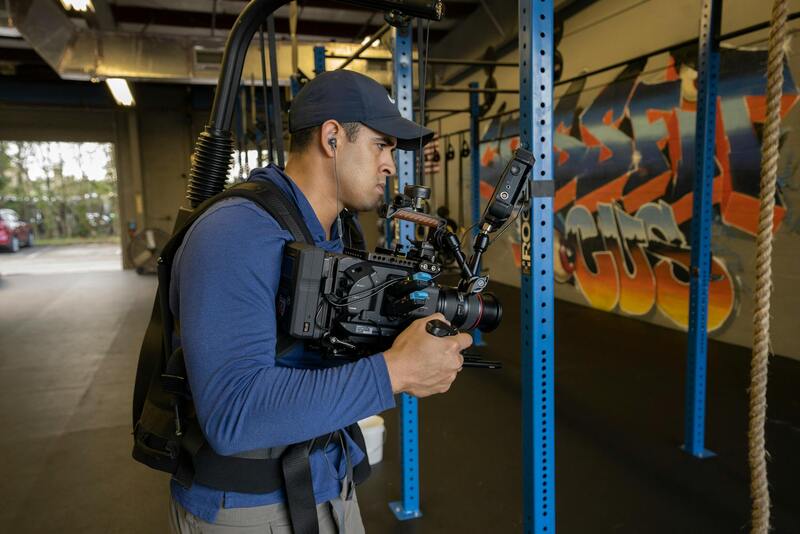
Hardware setup encompasses encoders, cameras, and support equipment. Reliable hardware capable of handling high data throughput and offering redundancy is essential for maintaining stream continuity. Wireless camera systems offer flexibility and quick setup, but their performance can be impacted by Florida’s humid climate and occasional storm activity. Proper housing and stabilization equipment ensure consistent footage quality regardless of environmental factors.
Weather conditions, including hurricanes and thunderstorms prevalent in certain seasons, require contingency planning. Backup power supplies such as generators or uninterruptible power supplies (UPS) are critical to prevent service interruptions. Protective enclosures for equipment shield devices from moisture, wind, and potential physical damage caused by severe weather. Moreover, selecting weather-resistant hardware designed for outdoor use further reduces risks associated with Florida’s climate.
Troubleshooting procedures should be established in advance, with staff trained to handle common issues like signal loss, hardware failures, or network disruptions. Routine maintenance and pre-event technical checks help identify vulnerabilities. During the broadcast, dedicated technical monitoring ensures immediate response to any anomalies, maintaining a high standard of reliability.
Overall, tailored technical preparations that account for Florida’s unique environmental and infrastructural aspects create a resilient foundation for live streaming operations. These measures ensure the delivery of high-quality, uninterrupted streams capable of engaging audiences across the region seamlessly.
Technical Considerations for Florida-Based Live Streaming
Implementing reliable live streaming solutions in Florida necessitates a comprehensive understanding of the region's environmental and infrastructural challenges. The state’s tropical climate, characterized by high humidity, variable temperatures, and frequent weather disturbances, demands particular attention to hardware durability and environmental protection.
One of the primary considerations is weather resilience. Equipment used for live streaming, including cameras, encoders, and network devices, should be housed in weatherproof enclosures capable of resisting moisture, wind, and debris. Outdoor or semi-outdoor setups benefit from ruggedized hardware designed specifically for harsh conditions, ensuring consistent operation despite Florida's seasonal storms and hurricanes.
Power reliability is another critical factor. Unexpected power outages caused by storms or grid fluctuations can disrupt live streams. To mitigate this, integrating backup power solutions such as generators or high-capacity uninterruptible power supplies (UPS) guarantees continuous operation. Routine testing of these backup systems is vital to verify responsiveness during an actual outage.
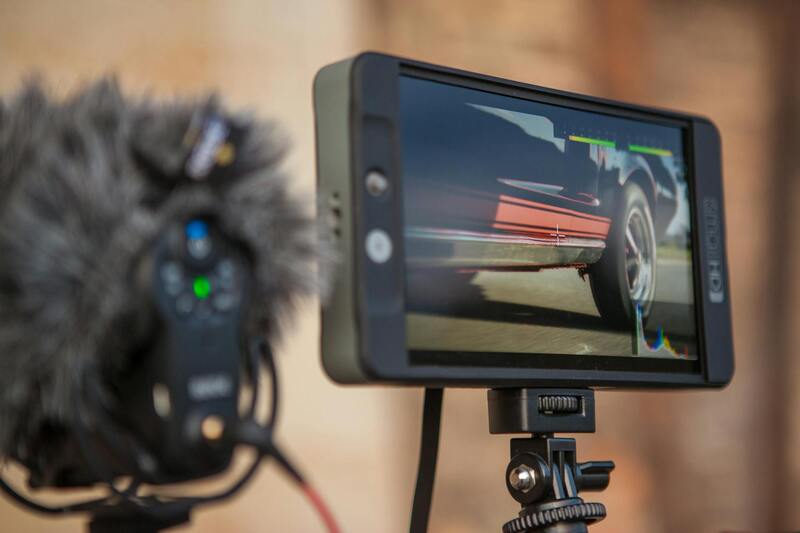
Network stability is equally important, especially considering Florida's occasional connectivity issues caused by storms or infrastructural limitations. Utilizing multiple internet sources, such as fiber, cellular, or satellite connections, can provide redundancy. Bonding these sources through specialized hardware ensures a stable and high-quality transmission even if one connection experiences degradation.
Environmental monitoring devices can be employed to track weather conditions and system status in real-time, alerting operators to potential disruptions before they impact the broadcast. Additionally, pre-configured troubleshooting protocols ensure rapid response to common technical issues like signal loss or hardware failure. Regular maintenance and pre-event technical checks are essential to uphold operational readiness.
Incorporating scalable bandwidth solutions is advantageous, considering the varying demands of one-time events versus sustained broadcasts. Adaptive streaming technology allows for real-time adjustment of video quality based on available bandwidth, maintaining viewer engagement with minimal buffering or interruption.
Lastly, professional training for technical staff on region-specific challenges enhances the resilience of live streaming operations. Familiarity with Florida’s environmental factors and how they impact equipment enables more proactive management, ensuring seamless delivery of high-quality content regardless of weather or infrastructural disruptions.
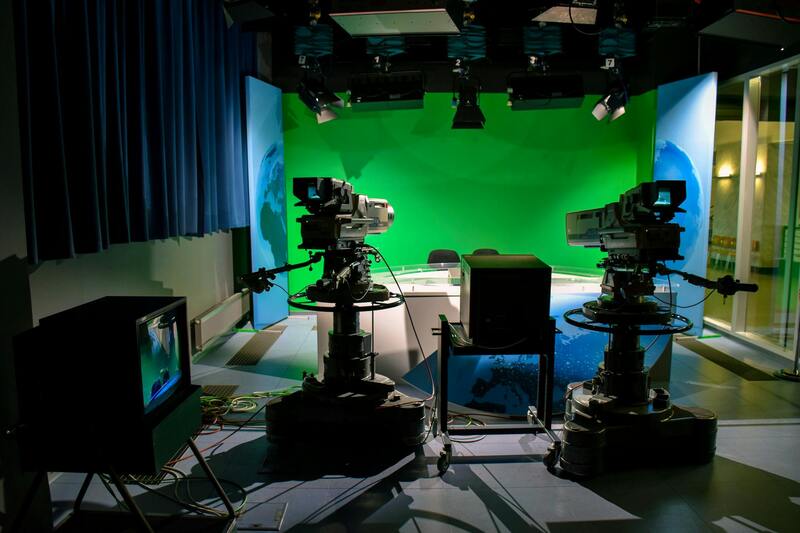
Comprehensive Technical Support and Infrastructure Optimization
Reliable live streaming in Florida hinges on meticulous technical support and infrastructure optimization, tailored to meet specific environmental and operational challenges. Deploying dedicated technical teams ensures ongoing monitoring, rapid troubleshooting, and immediate response to any disruptions during a live event. These professionals are adept at managing hardware setup, network issues, and streaming configurations, guaranteeing a smooth broadcast from start to finish.
Additionally, infrastructure optimization involves deploying advanced equipment such as high-definition cameras, encoders, mixers, and backup power supplies designed to perform reliably under Florida’s varying weather conditions. Employing edge servers and content delivery networks (CDNs) reduces latency and ensures content is distributed efficiently across viewers both locally and globally, maintaining high-quality standards even during peak traffic periods.
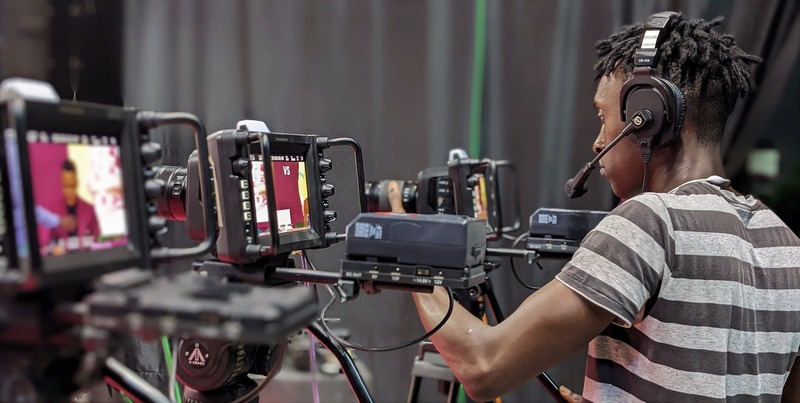
Furthermore, organizations should consider implementing redundant systems and failover procedures. Utilizing multiple internet connections, such as combining fiber optic lines with cellular data or satellite links, helps maintain connectivity in case one route fails. Bonding devices that aggregate bandwidth from numerous sources create a resilient network environment, essential when broadcasting in regions prone to infrastructural disruptions.
Regular maintenance and rigorous testing regimes should be instituted to identify potential issues before they affect live proceedings. Training staff on troubleshooting procedures specific to Florida’s environmental conditions, such as humidity, heat, or sudden storms, prepares them to act swiftly and minimize downtime.
Data Security and Compliance for Live Streaming in Florida
Ensuring data security and regulatory compliance is critical in maintaining trustworthy live streaming operations. Secure servers and encrypted data transmission protocols help protect sensitive content and viewer information from unauthorized access. Adherence to local and federal data privacy standards safeguards the reputation of service providers and instills confidence among clients and viewers alike.
Implementing comprehensive cybersecurity measures, including firewalls, intrusion detection systems, and regular security audits, further fortifies the live streaming infrastructure. These practices are vital for handling high-profile events or corporate broadcasts where confidentiality is paramount. Additionally, providers should stay updated with Florida-specific regulations related to digital content and broadcasting, adjusting their practices accordingly to maintain compliance.
Adapting to Regional and Environmental Variables
Florida’s unique environment presents specific challenges impacting live streaming quality. High humidity, intense sunlight, and frequent storms can interfere with equipment performance. To counter these factors, facilities should incorporate weather-resistant hardware and climate-controlled environments to protect sensitive electronics. Employing shielding, seals, and dehumidifiers extends equipment longevity and operational reliability.
Moreover, selecting strategic locations for equipment deployment—such as elevated, sheltered positions—reduces the risk of environmental interference. Continuous monitoring of weather conditions using specialized sensors allows operators to anticipate and mitigate potential disruptions, scheduling hardware adjustments or power backups proactively.
Scalable and Flexible Infrastructure Solutions
Flexibility remains key in accommodating diverse live streaming scenarios, from small local gatherings to large-scale events. Cloud-based solutions offer scalable bandwidth and storage options that adapt to fluctuating demands, optimizing resource utilization. Integrating on-premises hardware with cloud infrastructure creates a hybrid setup that combines control with scalability, ensuring consistent quality regardless of event size.
Investing in modular systems allows quick adjustments or expansions without significant overhauls. For instance, portable streaming kits equipped with wireless connectivity and high-capacity batteries are ideal for outdoor or remote Florida locations. These portable solutions enable broadcasters to swiftly adapt to unforeseen circumstances, such as sudden environmental conditions or logistical constraints.
Advanced Monitoring and Analytics
Implementing real-time monitoring tools enhances the ability to oversee live streams actively. These systems can track bandwidth usage, signal integrity, and viewer engagement metrics, providing immediate insights into operational status. Advanced analytics enable providers to identify and resolve issues swiftly and improve future broadcasts based on viewer feedback and technical performance data.
This proactive approach fosters continuous improvement, delivering a consistently high-quality viewer experience. Such tools also facilitate compliance with industry standards and aid in documenting performance benchmarks, which are crucial for maintaining accreditation and client trust.
Partnerships and Long-term Planning
Building strategic partnerships with technology vendors, local service providers, and industry experts in Florida ensures access to the latest innovations and regional expertise. Long-term planning involves assessing upcoming technological trends, such as 8K streaming or AI-assisted broadcasting, and preparing infrastructure accordingly. Regularly revisiting and updating operational strategies guarantees the ability to adapt swiftly to evolving viewer expectations and technological landscapes.
An ongoing commitment to technical excellence, regional awareness, and infrastructure resilience will safeguard the quality, reliability, and success of live streaming endeavors across Florida.